
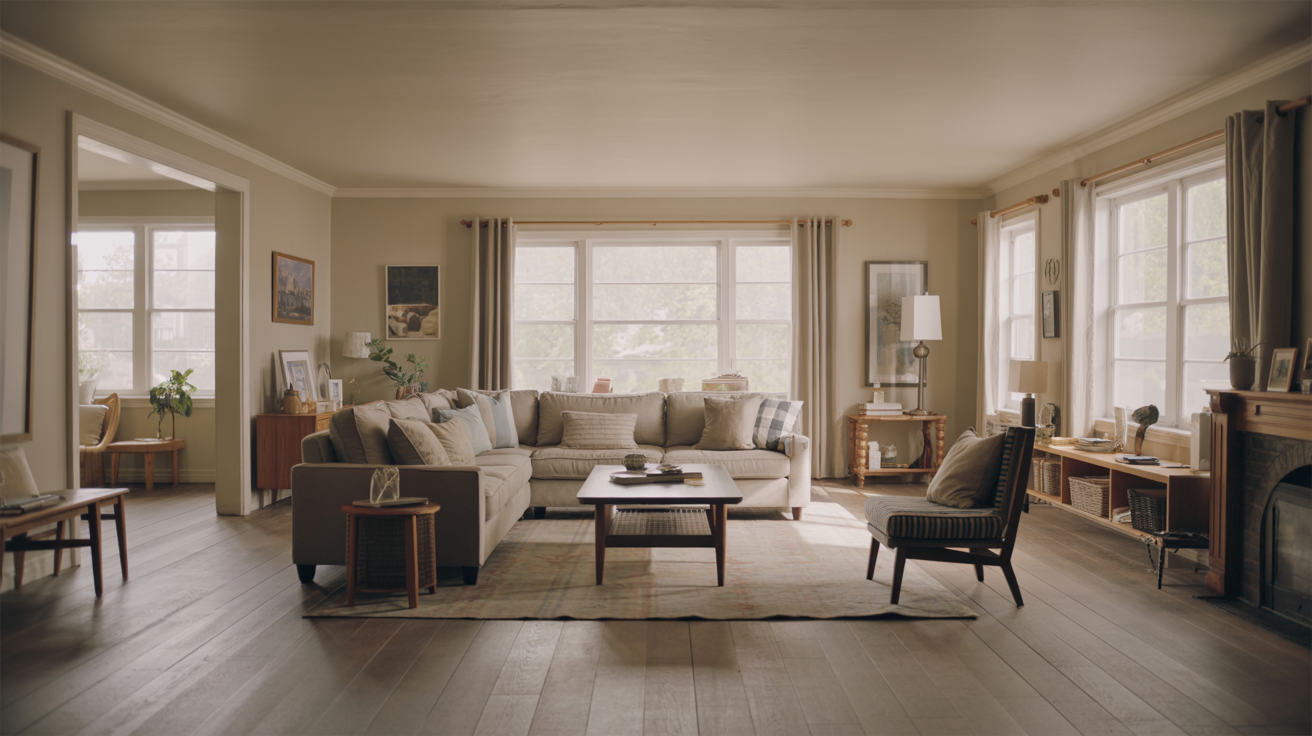
I’ve helped dozens of homeowners figure out their 16×18 living room layout over the years. This size gives you 288 square feet to work with, which is honestly perfect.
You get enough room to create a comfortable space without feeling lost in emptiness.
Here’s what I’ve learned: most people struggle with where to put their sofa and how to make the room feel right. I’m sharing nine practical arrangements that actually work in real homes.
These aren’t magazine setups that look good but don’t function. They’re tested layouts that balance style with everyday living.
Let me walk you through what I’ve seen succeed in spaces just like yours.
Understanding Your 16×18 Living Room Space
A 16×18 living room layout gives you 288 square feet of usable space. That’s enough room for solid furniture without cramping your style.
I always tell clients this size hits the sweet spot for most families.
Before you move a single piece of furniture, think about traffic flow. Where do people walk when they enter? How do they move through to other rooms?
These paths matter more than you might think.
Look at your natural light sources next. Windows change everything about furniture placement. Same goes for focal points like fireplaces or that wall where your TV will go.
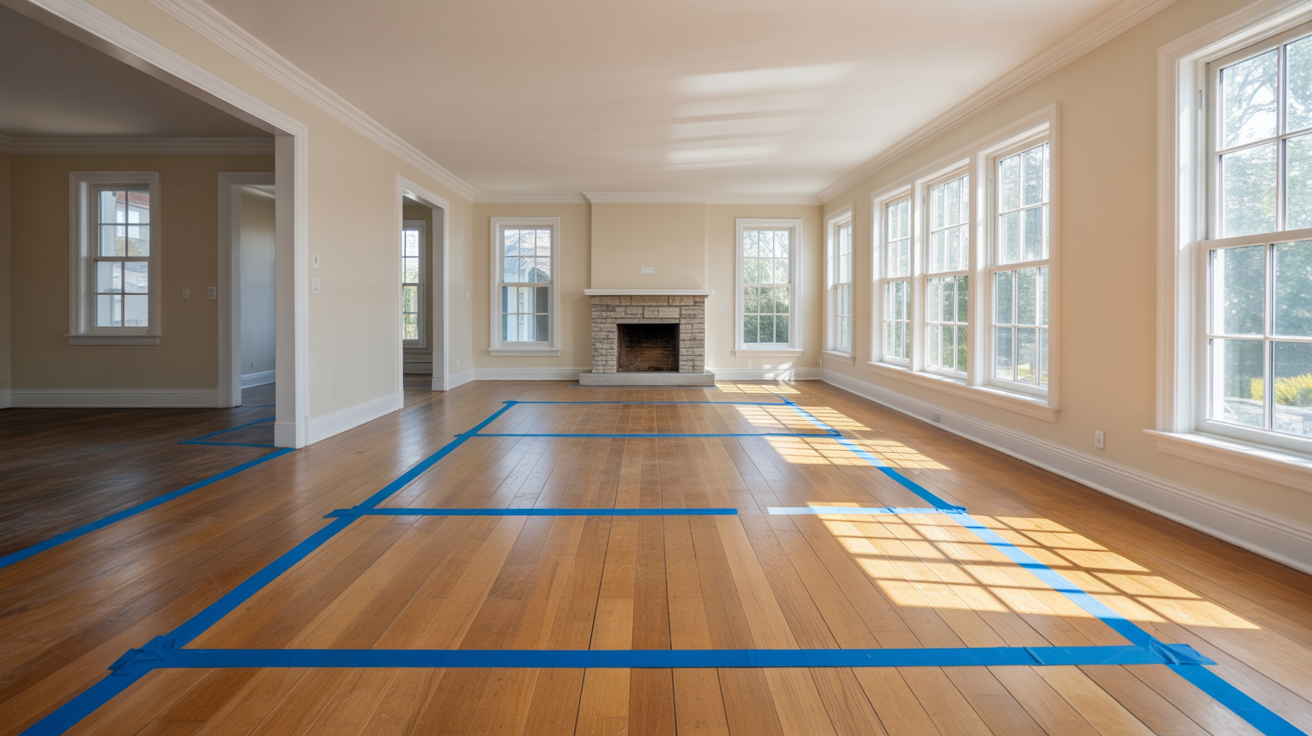
Here’s my go-to trick: use painter’s tape on the floor. Mark out where your sofa and chairs will sit. Walk around it.
Does it feel right? This saves your back and your sanity before the heavy lifting starts.
Smart Layout Ideas for Your 16×18 Living Room
Let me show you nine arrangements that work in real life. Pick the one that matches how you actually use your space.
1. Conversation-Focused Seating Arrangement
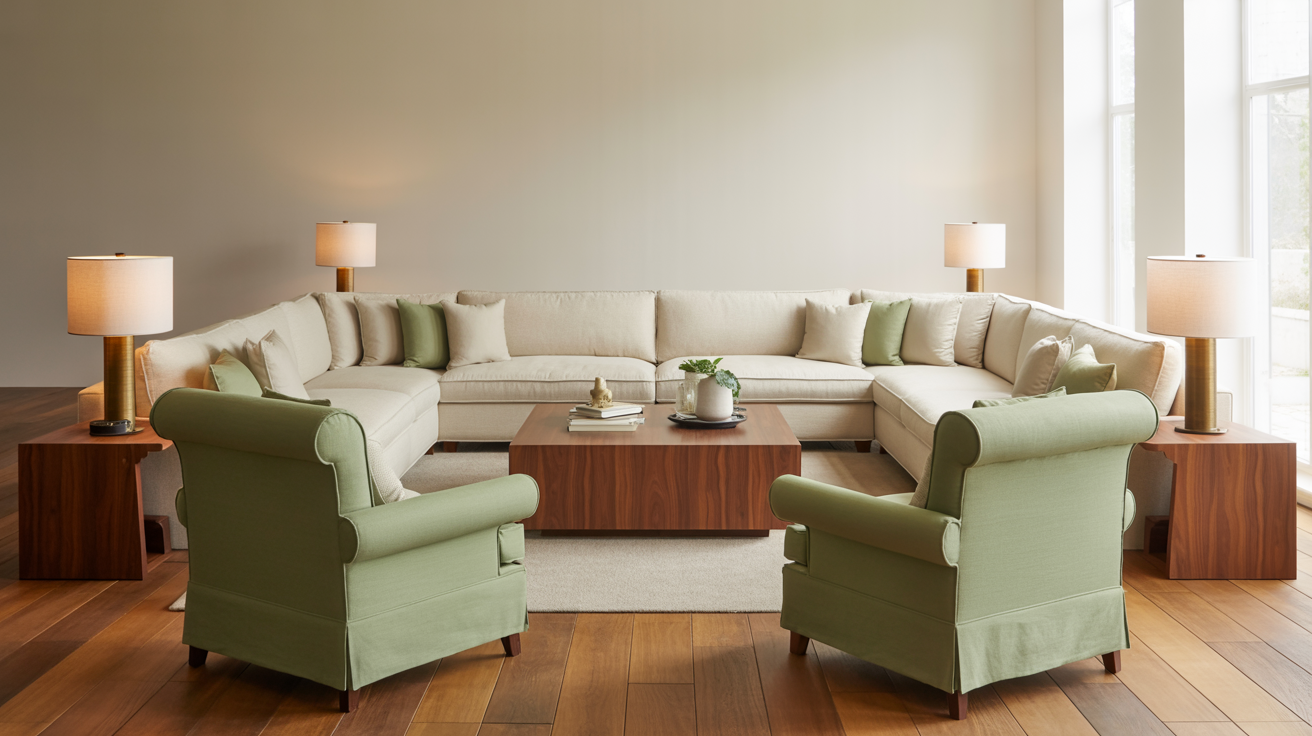
This 16×18 living room layout works great for people who love hosting friends. Place your sofa facing two chairs across from it. Add a coffee table in the middle as your anchor point.
I set this up for a client who hosts a book club monthly. Everyone can see each other without craning their necks. The circle shape makes conversation flow naturally.
Keep about 8 feet between your sofa and chairs. Closer feels cramped. Further apart makes people shout across the room.
2. Floating Furniture Layout
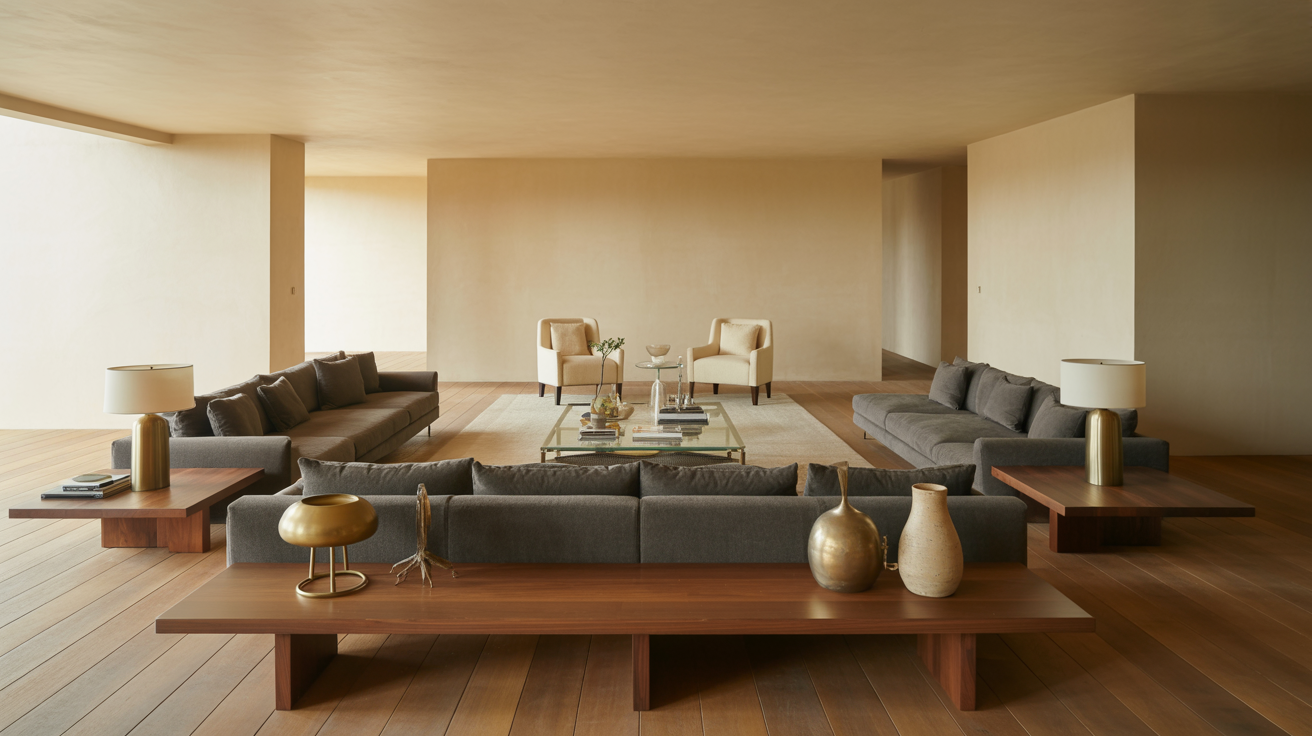
Pull your furniture away from the walls. Yes, really. This creates a more open feel in your 16×18 living room layout.
I know it sounds backwards, but walls don’t need furniture touching them. Leave 12 to 18 inches between your sofa back and the wall. This creates a walkway and makes the room feel bigger.
Try putting a console table behind your floating sofa. It gives you display space and defines the seating area. Plus you can add lamps for better lighting.
The key is creating pathways around your furniture grouping. People should flow around your space, not squeeze through it.
3. L-Shaped Sectional Setup
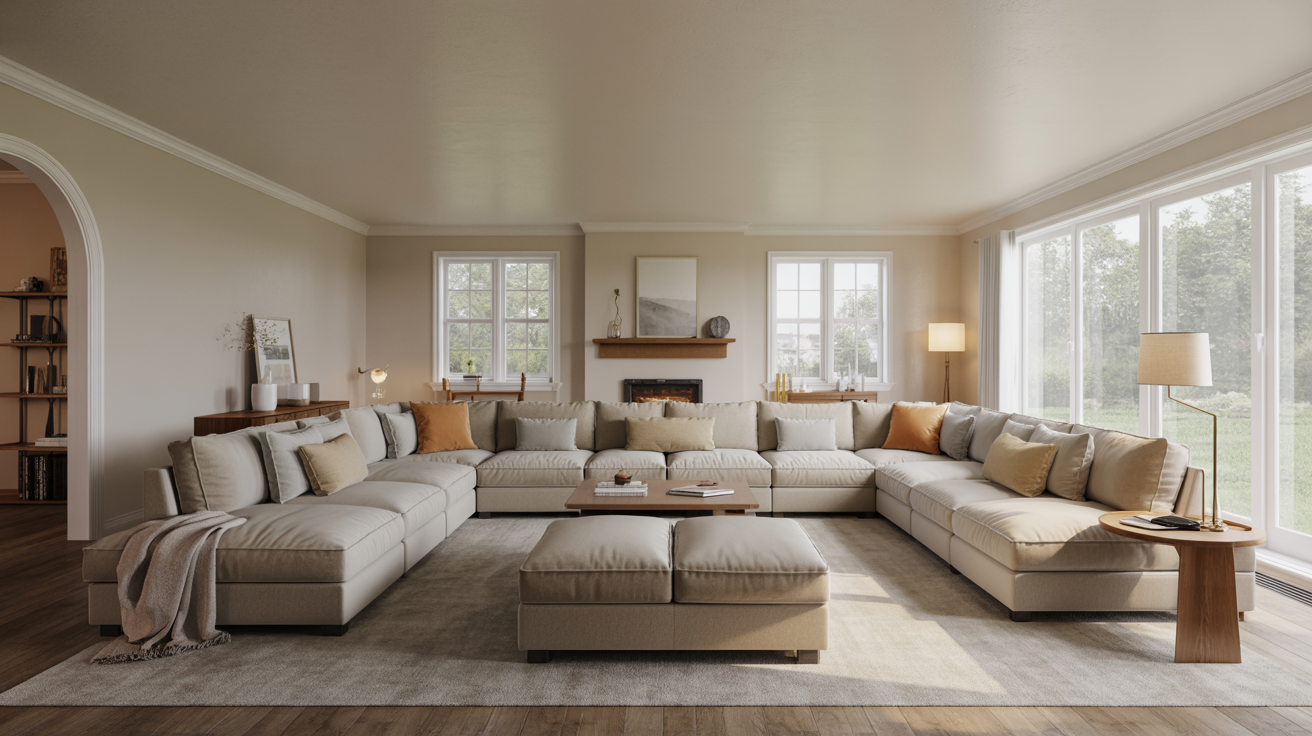
A sectional sofa fits perfectly in a 16×18 living room layout. Position it in one corner or float it in the center of the room. Either way works.
Sectionals maximize seating without eating up floor space. You get five or six seats from one piece instead of arranging multiple items.
I prefer placing the sectional so the longer side faces your TV or fireplace. The shorter side creates a natural boundary for the room.
Pair it with an ottoman instead of a bulky coffee table. You get flexibility and extra seating when needed.
4. Zone Division with Rugs
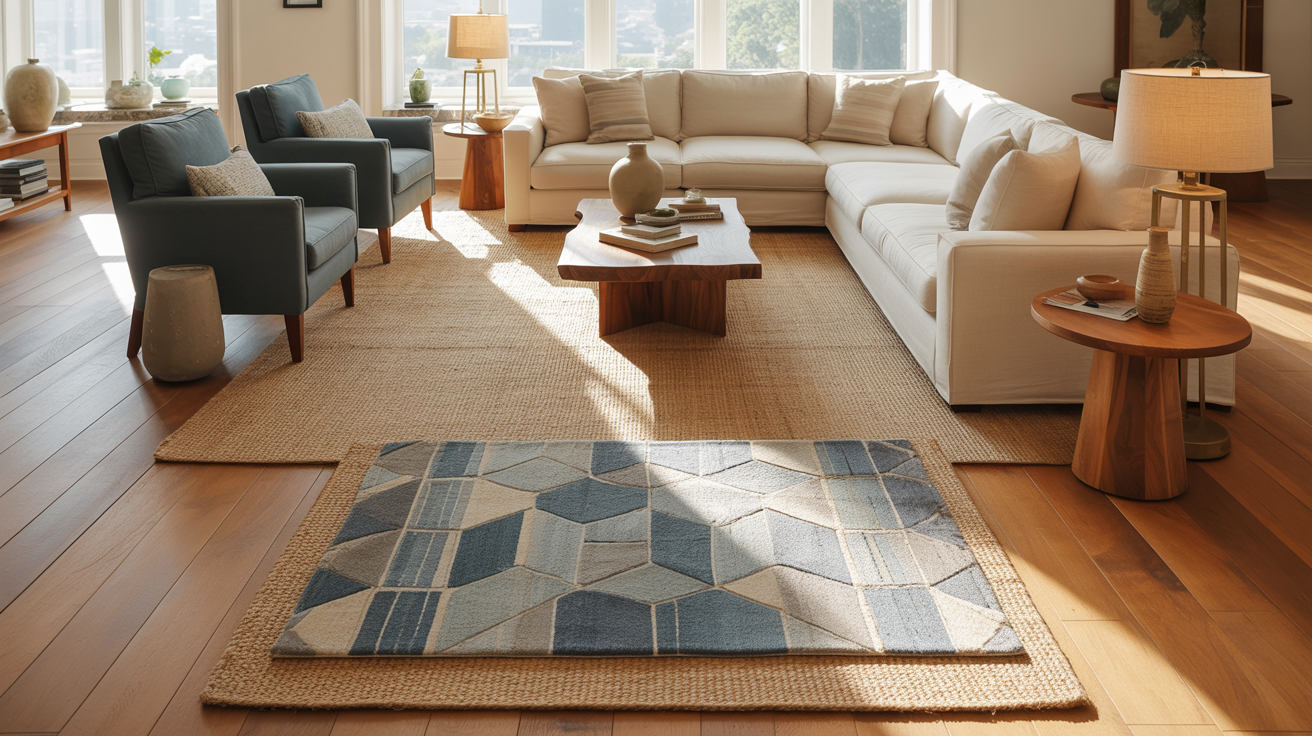
Rugs define different areas in your 16×18 living room layout. Use one large rug for your main seating area. Add a smaller rug for a reading nook or workspace.
For this room size, go with an 8×10 rug under your seating group. Place at least the front legs of your sofa and chairs on the rug. This grounds everything together.
I’ve layered rugs in client spaces to add depth. Put a smaller patterned rug over a larger neutral one. It creates visual interest without permanent changes.
Your rug should sit at least 18 inches away from walls. This frames your furniture arrangement and keeps proportions balanced.
5. Wall-Hugging Minimalist Approach
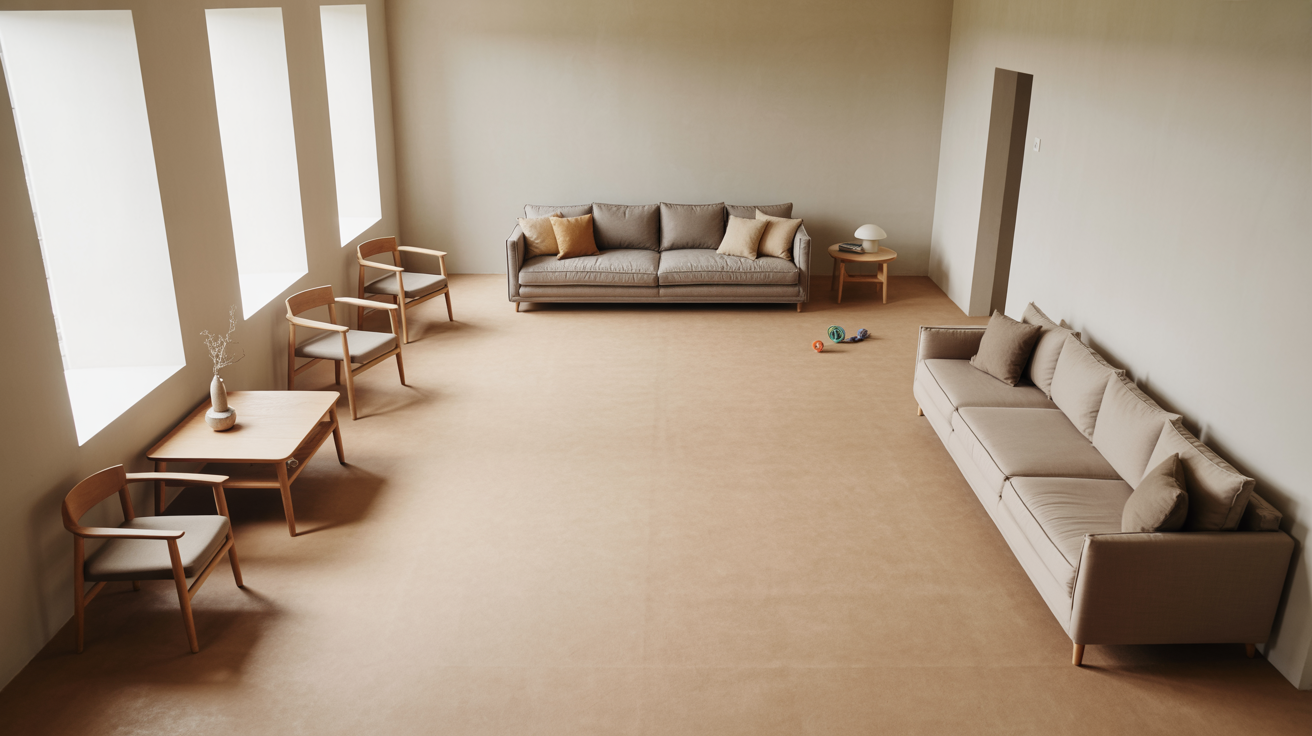
Some 16×18 living room layouts work better with furniture along the perimeter. This opens up the center for kids to play or for yoga practice.
Push your sofa against one wall. Place chairs along adjacent walls. Keep your coffee table small and light. The center stays clear for movement.
This setup works well if you have a narrow rectangular room. It prevents the bowling alley effect you get with all furniture on long walls.
Just make sure you leave enough walking space between pieces. Aim for at least 24 inches so people don’t feel squeezed.
6. Dual-Purpose Layout
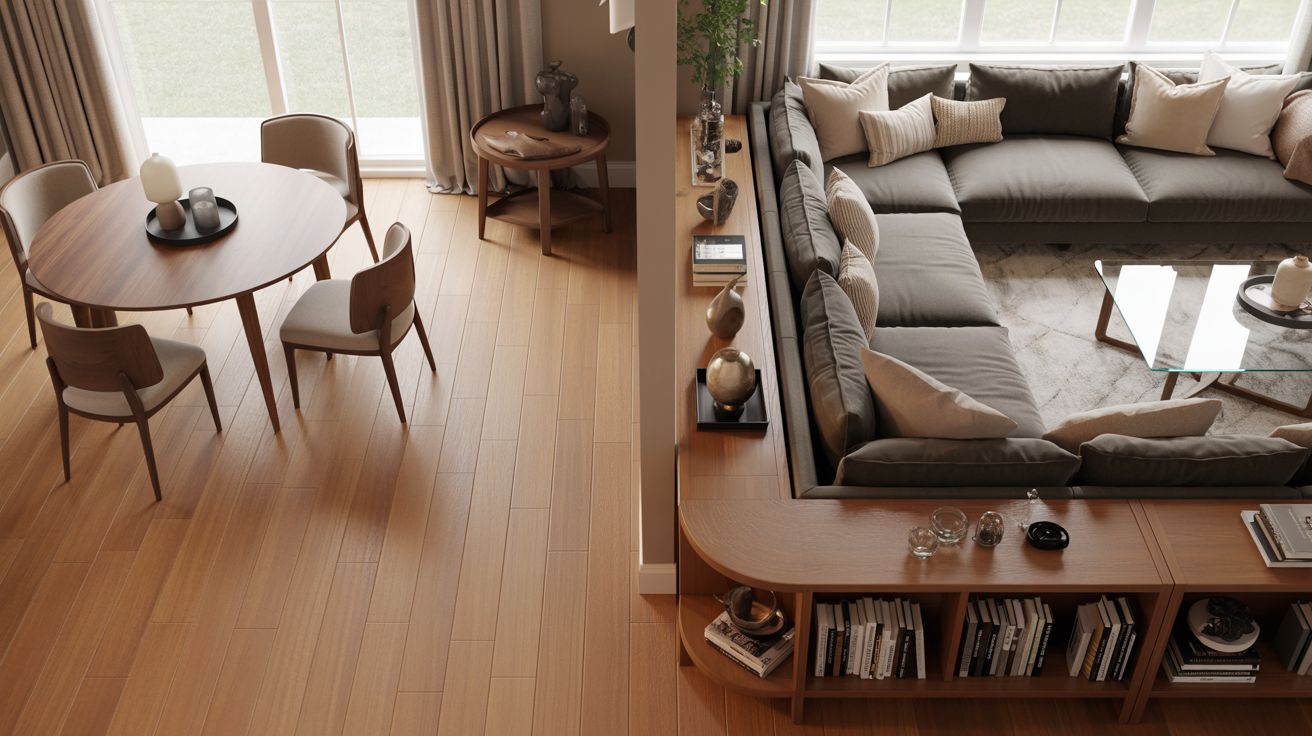
I love combining functions in a 16×18 living room layout. You can fit both living and dining zones in this space.
Place a small dining table near one end of the room. Your sofa and seating go at the opposite end.
Use a bookshelf or console table between the two areas. This creates a visual divider without blocking light or views.
One of my clients did this in their apartment and it completely changed how they used the room.
Keep your dining table compact. A round table for four works better than a rectangular six-seater. It takes less space and feels more proportional.
7. Media-Centered Arrangement
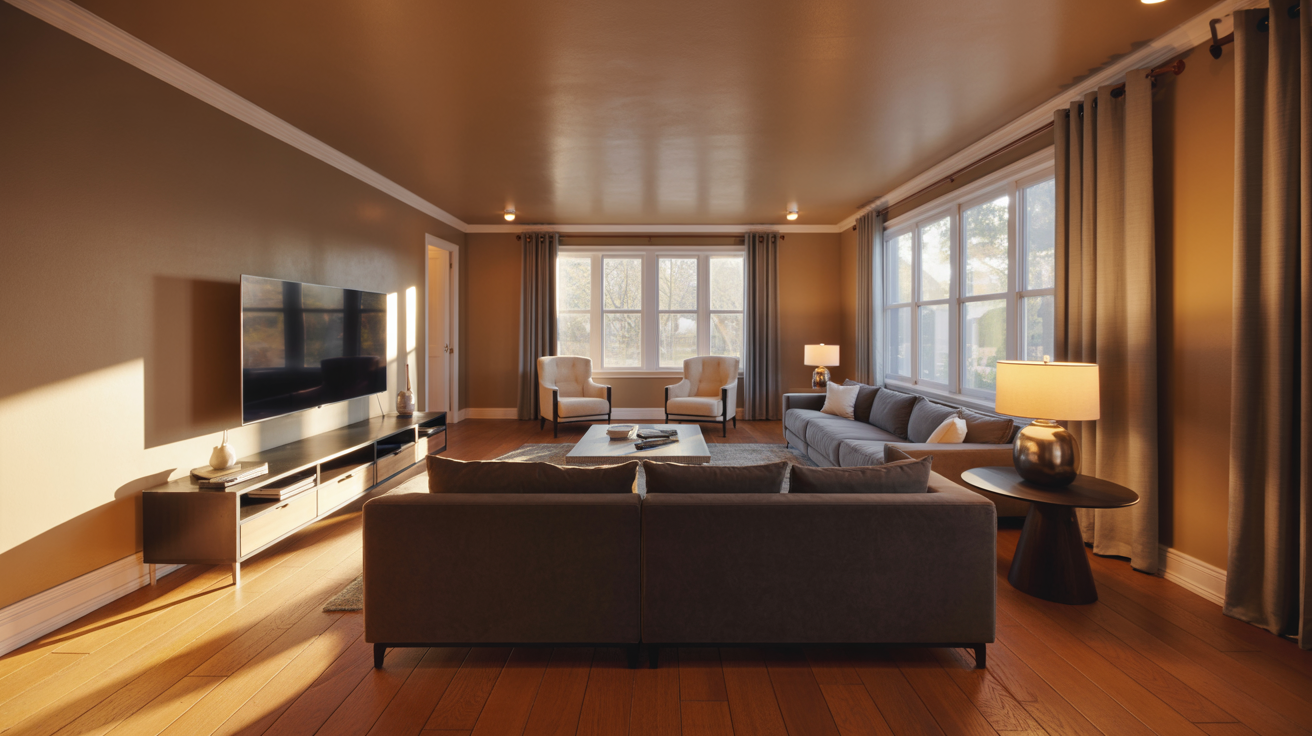
Most people want their TV as the focal point. For a 16×18 living room layout, place your TV on the longest wall. Position your sofa 8 to 10 feet away for comfortable viewing.
Add side chairs at angles to the sofa. This gives extra seating without blocking the screen. Use a media console with storage to hide all those cords and cables.
Balance is key here. Don’t make everything face the TV like a movie theater. Include a side chair that faces the sofa so people can actually talk to each other.
I always suggest mounting the TV at eye level when seated. Too high and you’ll get neck pain. Too low and it feels awkward.
8. Symmetrical Balance Design
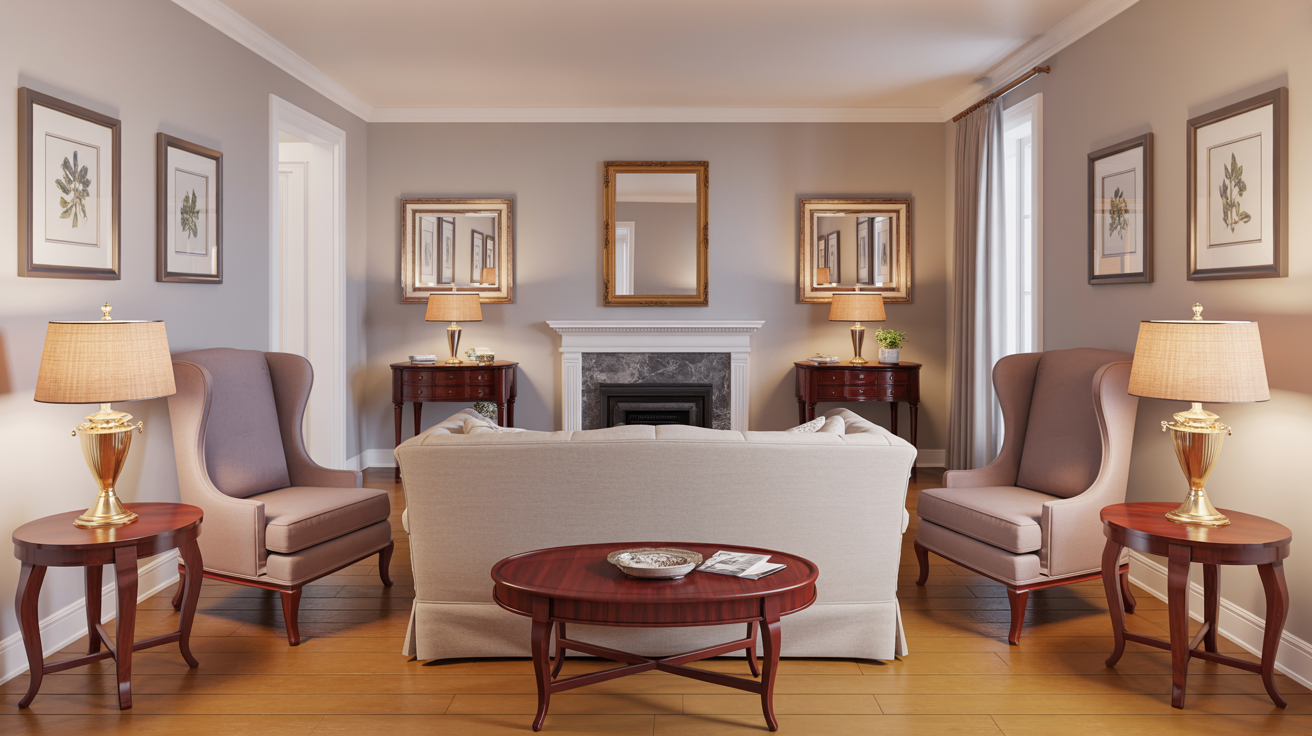
A symmetrical 16×18 living room layout creates a polished, formal look. Place your sofa centered on one wall. Add matching chairs on either side at equal distances.
Use identical end tables and lamps. Put matching artwork or mirrors on the walls. Everything mirrors across an invisible center line.
This arrangement works great for traditional style homes. It feels intentional and put-together. Two identical chairs flanking a fireplace with a sofa opposite creates classic balance.
The downside? It can feel a bit stiff for everyday living. But if you love order and symmetry, this layout will make you happy every time you walk in.
9. Asymmetrical Casual Layout
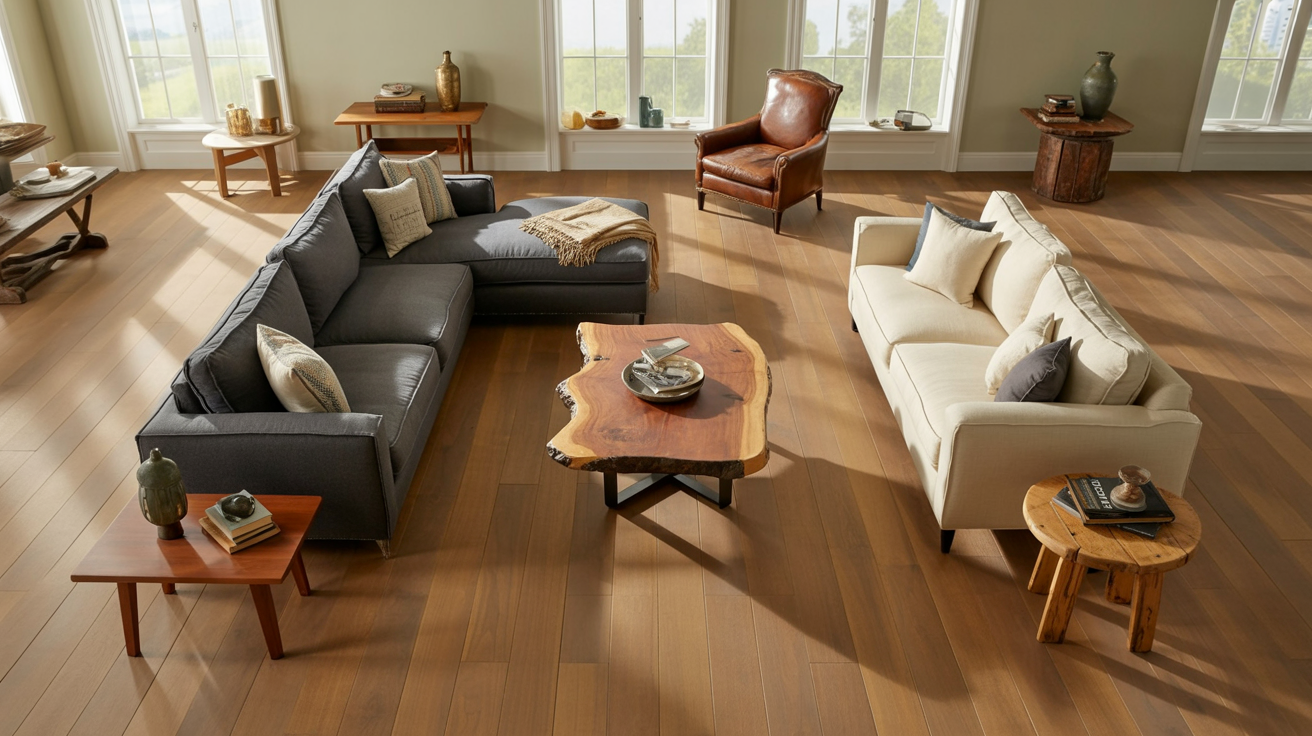
For a more relaxed 16×18 living room layout, mix different furniture pieces without worrying about matching. Use one larger sofa with varied seating options around it.
Pair your sofa with a loveseat instead of two identical chairs. Add a different accent chair in the corner. Use varied side tables instead of a matching set.
This approach feels lived-in and collected over time. It’s more flexible for everyday use and easier to adjust when your needs change.
I find this layout works best for young families or casual spaces. Nothing matches perfectly, but everything works together. That’s the goal.
Key Tips for Arranging Your 16×18 Space
Planning your 16×18 living room layout takes more than just pushing furniture around. I’ve learned some tricks that make a real difference in how your space functions.
Key considerations for your layout:
- Leave 18-24 inches between furniture for comfortable walkways
- Account for door swings and where people naturally enter the room
- Consider if your room is square or rectangular (this changes everything)
- Use vertical space with tall bookshelves to avoid crowding the floor
- Plan lighting in layers with overhead, table, and floor lamps
- Test arrangements with tape or cardboard cutouts before committing
- Scale furniture to your room size and avoid oversized pieces that dominate
- Think about electrical outlets before placing lamps and electronics
The biggest mistake I see is buying furniture first and measuring later. Do it backwards. Measure your room, map out your layout, then shop for pieces that fit your plan.
Also remember that walkways matter more than you think. You need clear paths through your space or you’ll end up frustrated every single day.
Conclusion
Your 16×18 living room layout has tons of flexibility. I’ve shown you nine different ways to arrange this space, but here’s the truth, you might need to try a few before finding the right one.
Focus on how you actually live in the room. Do you watch TV every night? Host friends on weekends? Need space for kids to play? Let your real life guide your choices.
Start with one layout and give it a few weeks. Move things around if they don’t feel right. Every room is different, and what works in my client’s space might need tweaking in yours.
Ready to start? Pick one layout from this list and test it out this weekend.
Frequently Asked Questions
What Size Sofa Fits Best in a 16×18 Living Room?
A 7 to 8 foot sofa works perfectly in this space. It gives you comfortable seating without overwhelming the room. Avoid anything longer than 9 feet or it will dominate your layout.
Can I Fit Both a Sofa and Loveseat in This Space?
Yes, you can fit both comfortably in a 16×18 living room layout. Position them in an L-shape or facing each other. Just leave enough space for a coffee table and walking paths between them.
How Do I Arrange Furniture in a Rectangular 16×18 Room?
For a rectangular room, avoid lining all furniture on the long walls. Float pieces in the center or create zones. Use rugs to define seating areas and prevent the bowling alley look.
Should I Float My Furniture or Push It Against Walls?
Both work depending on your style. Floating furniture creates better conversation areas and feels more spacious. Wall placement opens floor space and works well for smaller furniture collections. Try both and see what feels right.
What’s the Best Way to Handle Windows When Planning Layout?
Don’t block windows with tall furniture. Place lower pieces like sofas or chairs near windows to preserve light. Use window walls as focal points rather than obstacles in your 16×18 living room layout.


