

Your basement doesn’t have to feel dark and dreary. I’ve spent years helping homeowners brighten their lower levels, and I know exactly what works.
This guide covers 17 basement lighting ideas that actually make a difference. You’ll learn about layered lighting, smart fixtures, and budget-friendly options that suit any space.
I’ll walk you through the basics first, then share specific solutions for low ceilings, unfinished areas, and windowless rooms.
I’ve tested most of these setups myself, so you’re getting real advice that works.
Let’s get started.
Basement Lighting Basics You Should Know
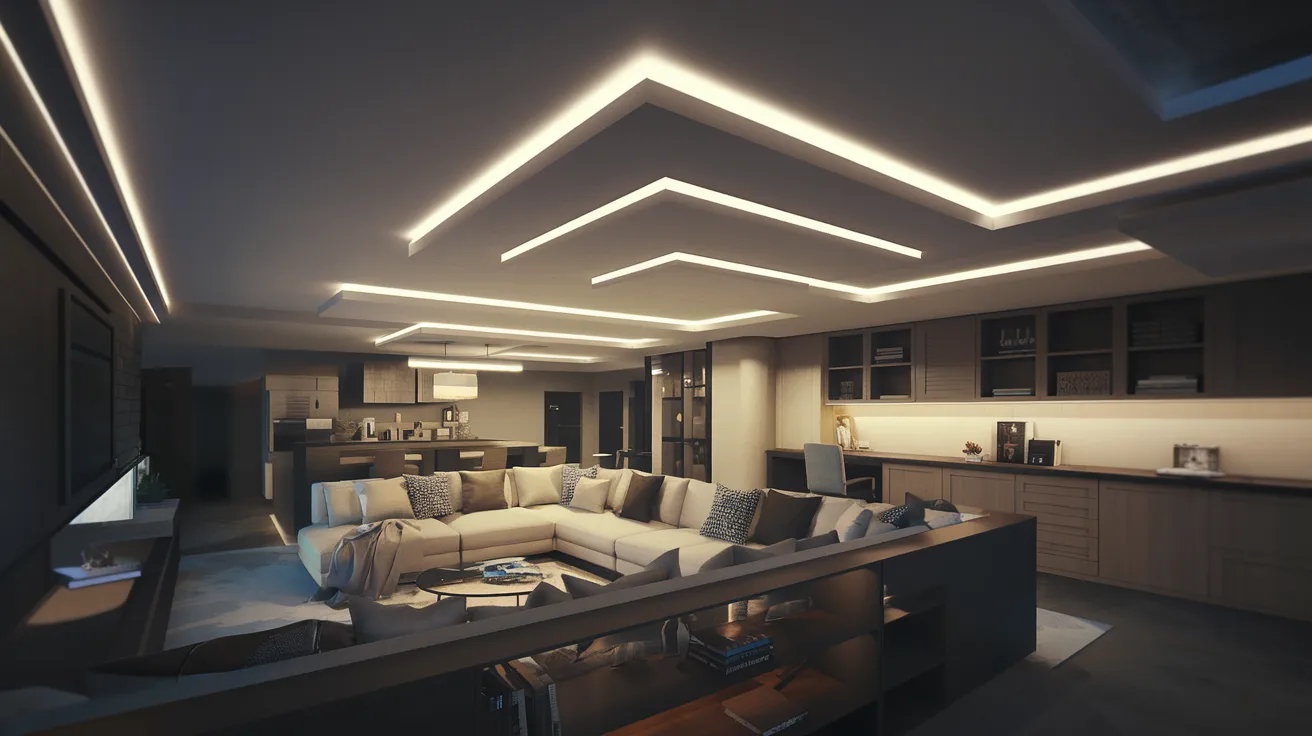
Before picking fixtures, understand how basement lighting actually works and what your space needs. Basements have low ceilings, no windows, and dark corners.
Installing just one central fixture never works. You need multiple light sources to avoid shadows. Use layered lighting, three types at once.
Ambient lighting through ceiling fixtures provides overall brightness. Task lighting helps with specific activities. Accent lighting adds depth with LED strips.
Aim for 50-75 lumens per square foot. A 200-square-foot basement needs 10,000-15,000 total lumens. Warm white (2700-3000K) feels cozy for living areas.
Cool white (3500-4100K) works better in workshops. Plan based on how you use the space. Home theaters need dimmable lights. Home offices require bright, focused task lighting.
17 Basement Lighting Ideas for Better Living Spaces
These practical solutions work in real basements with real constraints and real budgets.
1. Layered Lighting for Balanced Illumination
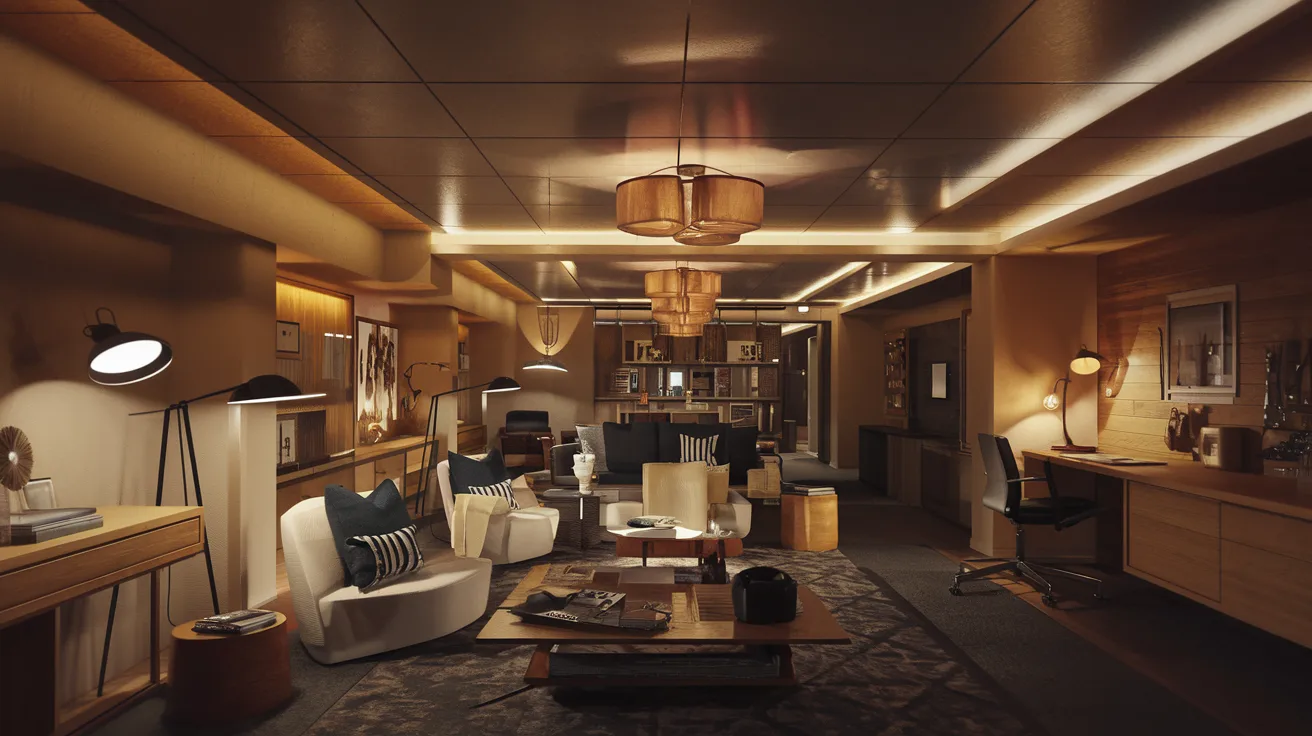
Start with this approach before anything else. Install ceiling fixtures for your base layer. Add floor lamps in seating areas. Include wall sconces near reading spots.
I set up my own basement this way three years ago. The difference shocked me.
Place ambient lights first. Then identify task areas, desks, workbenches, reading chairs. Add specific lights for those spots.
Finish with accent lights to highlight features you love. This method works every time.
2. Recessed Lighting for Low-Ceiling Basements
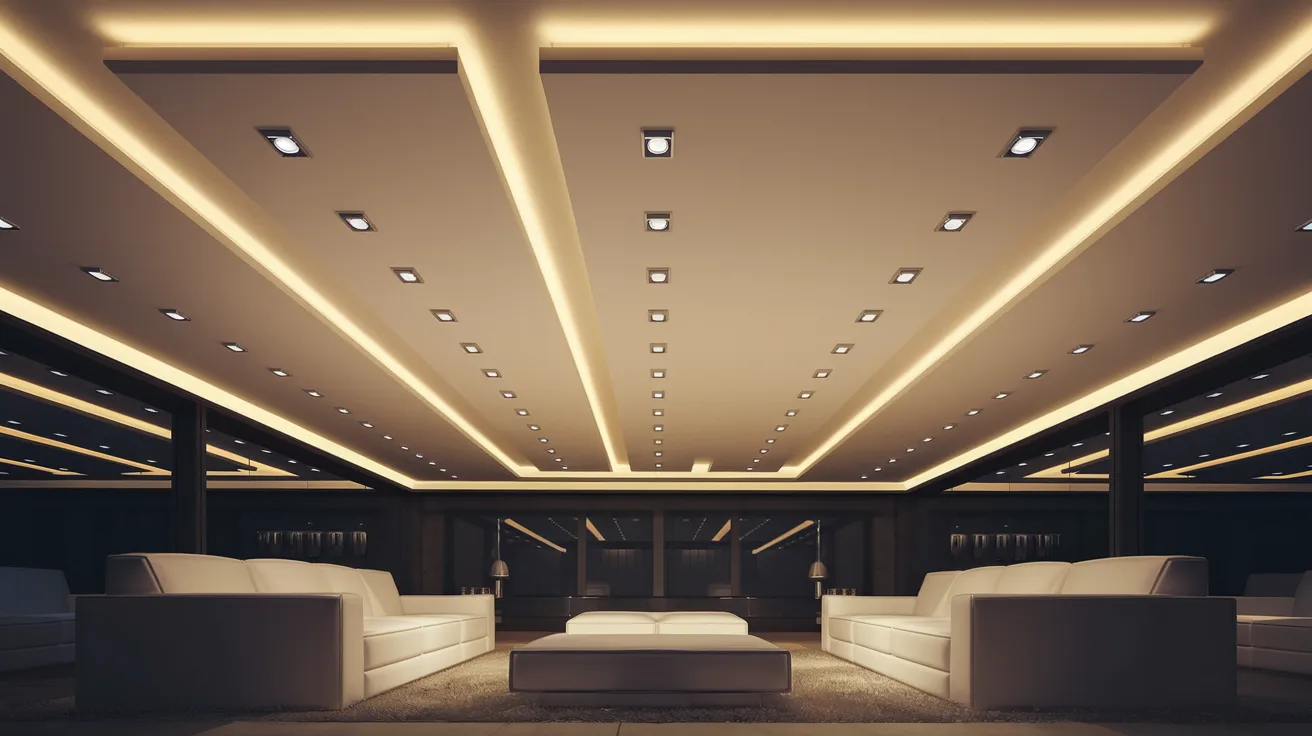
Recessed lights sit flush with the ceiling. They don’t hang down or take up headspace. This matters in basements with 7-foot ceilings. I’ve installed these in dozens of tight spaces.
Space them 4-6 feet apart for even coverage. Use 4-inch or 6-inch housings depending on your needs. LED recessed lights last 20+ years.
They barely use any electricity. Install them on dimmer switches. You’ll thank me later.
3. Flush-Mount and Surface-Mount Ceiling Lights
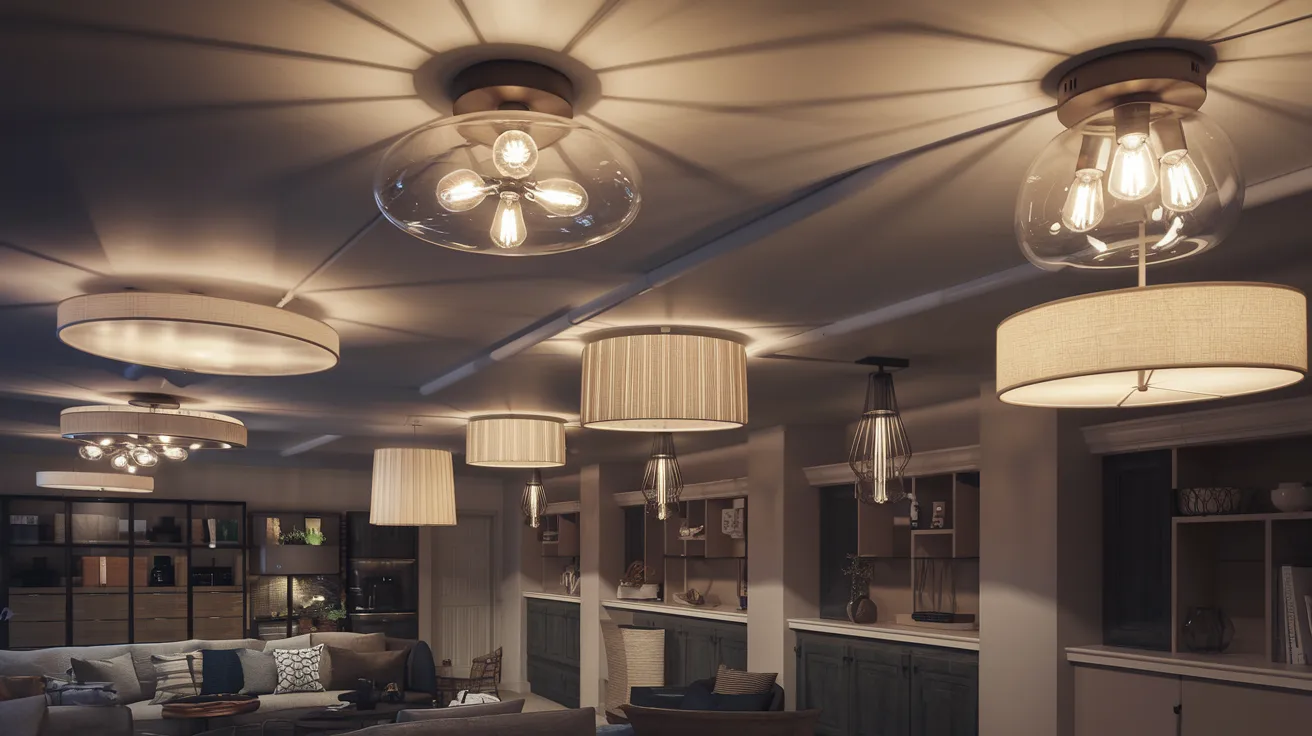
These fixtures attach directly to the ceiling. No hanging components at all. Flush-mounts sit completely flat. Surface-mounts extend 4-6 inches down but still clear most heads.
Both work great in low basements. I prefer semi-flush mounts because they spread light better. Look for fixtures with multiple bulbs.
Single-bulb lights rarely provide enough brightness. Glass or fabric shades diffuse light nicely. Avoid bare bulbs—they create harsh shadows.
4. Smart Ceiling Lights for Adjustable Ambiance
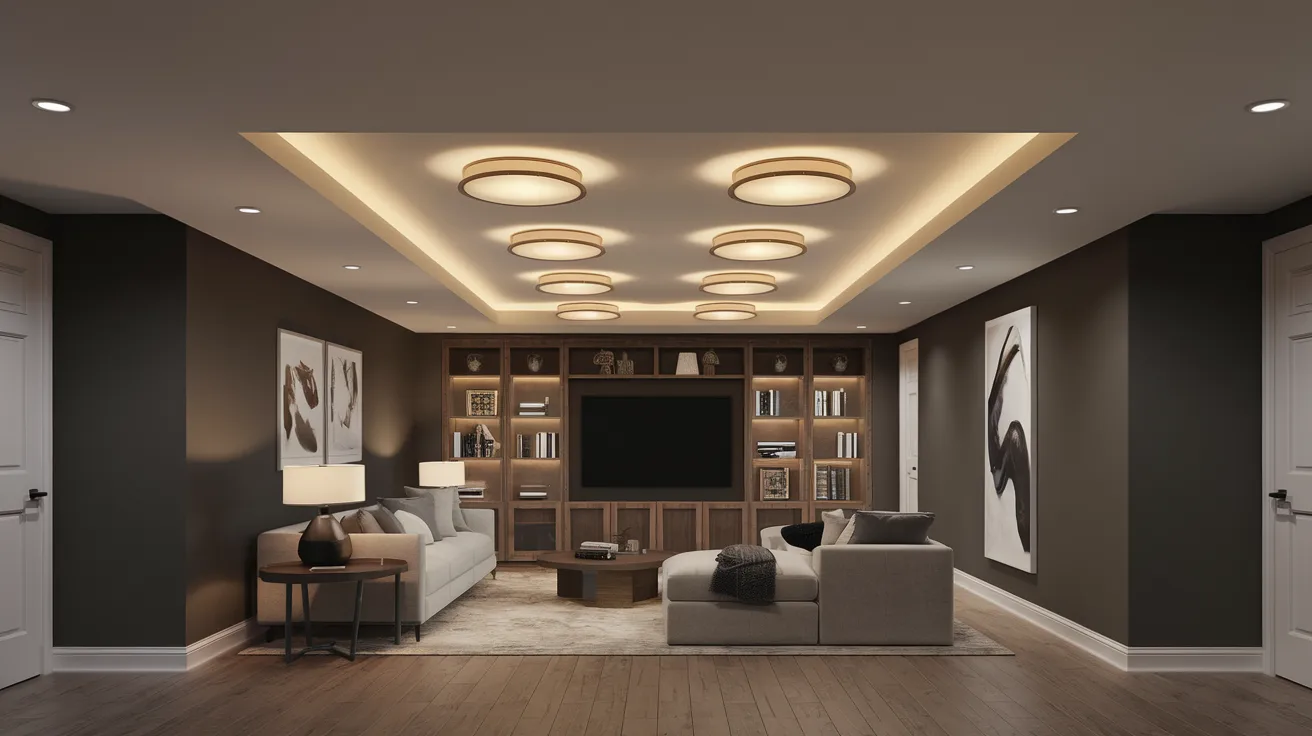
Smart bulbs and fixtures connect to your phone. You control brightness, color, and schedules from anywhere. I installed Philips Hue lights in my basement.
Now I adjust everything without leaving the couch. Set different scenes for different activities. Bright white for cleaning.
Warm dim for movie nights. Some systems work with voice commands. “Alexa, set the basement to 50 percent. “The upfront cost is higher. The convenience makes it worth it.
5. Wall Sconces for Soft, Inviting Light
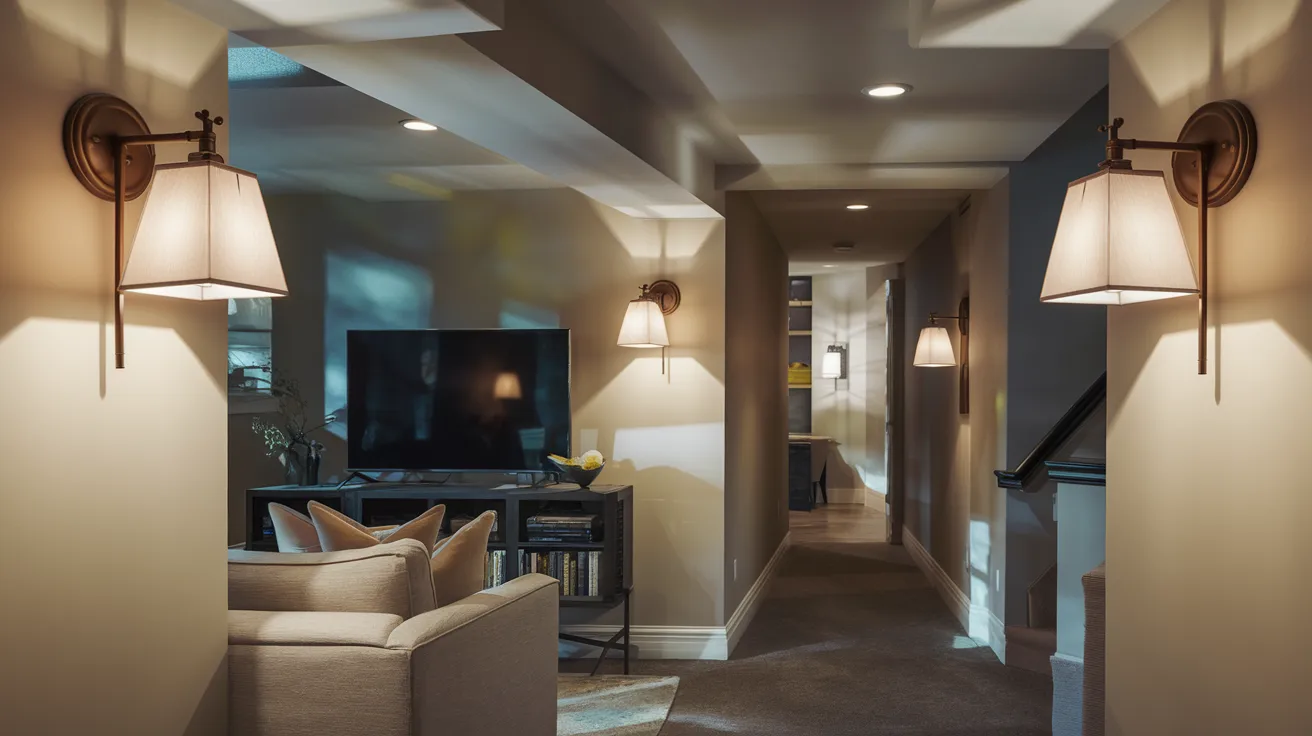
Sconces mount on walls at eye level. They create pools of light without taking floor space. Place them flanking a TV or beside seating areas.
I have two sconces in my basement reading nook. They work great in hallways and stairwells too. Install them 60-66 inches from the floor. Choose sconces with fabric or frosted glass shades.
Clear glass can be too bright. Plug-in versions exist if you don’t want to hardwire. They look just as good.
6. Track Lighting for Flexible Focus
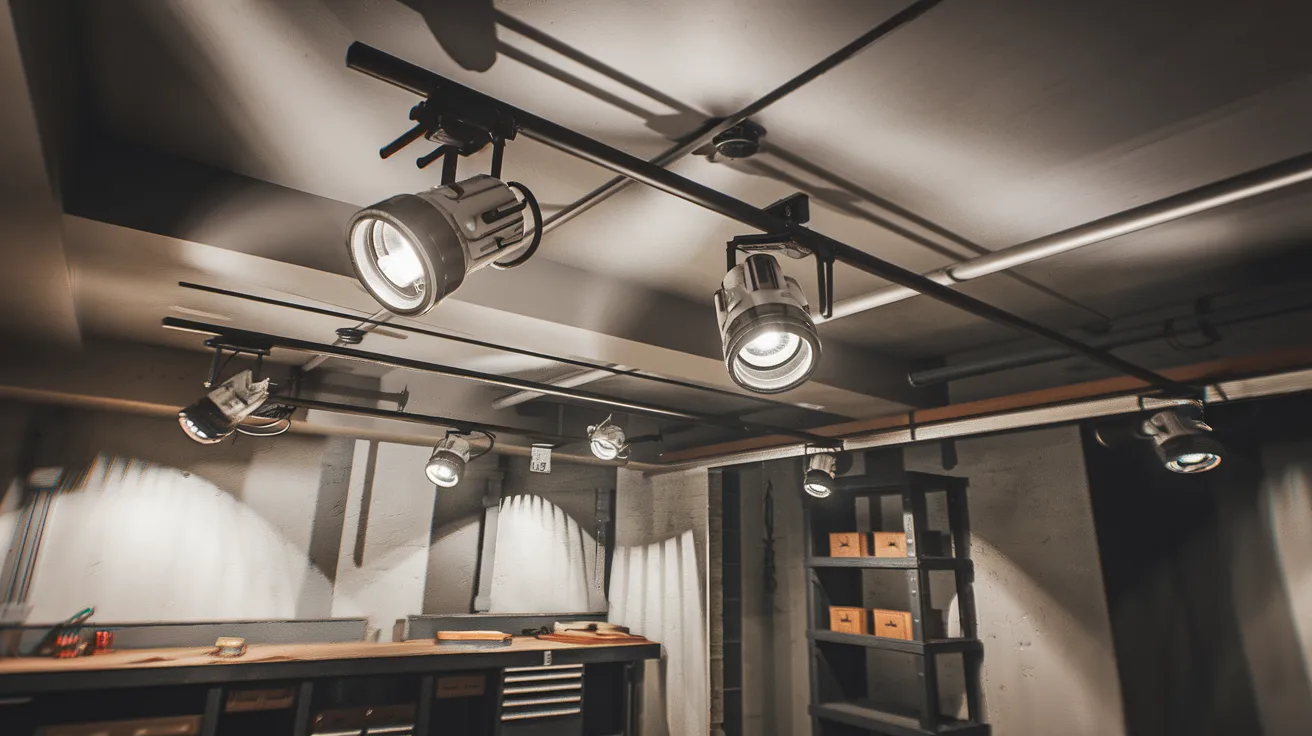
Track systems let you aim light wherever you need it. The fixtures slide along the track and swivel. I use track lighting in my workshop area.
Point lights at your workbench one day. Redirect them toward storage. Most tracks hold 3-6 light heads. Some systems let you add or remove heads easily.
Install tracks parallel to your work areas. Perpendicular placement creates shadows. LED track heads stay cool. You can adjust them even after hours of use.
7. Pendant Lights to Define Basement Zones
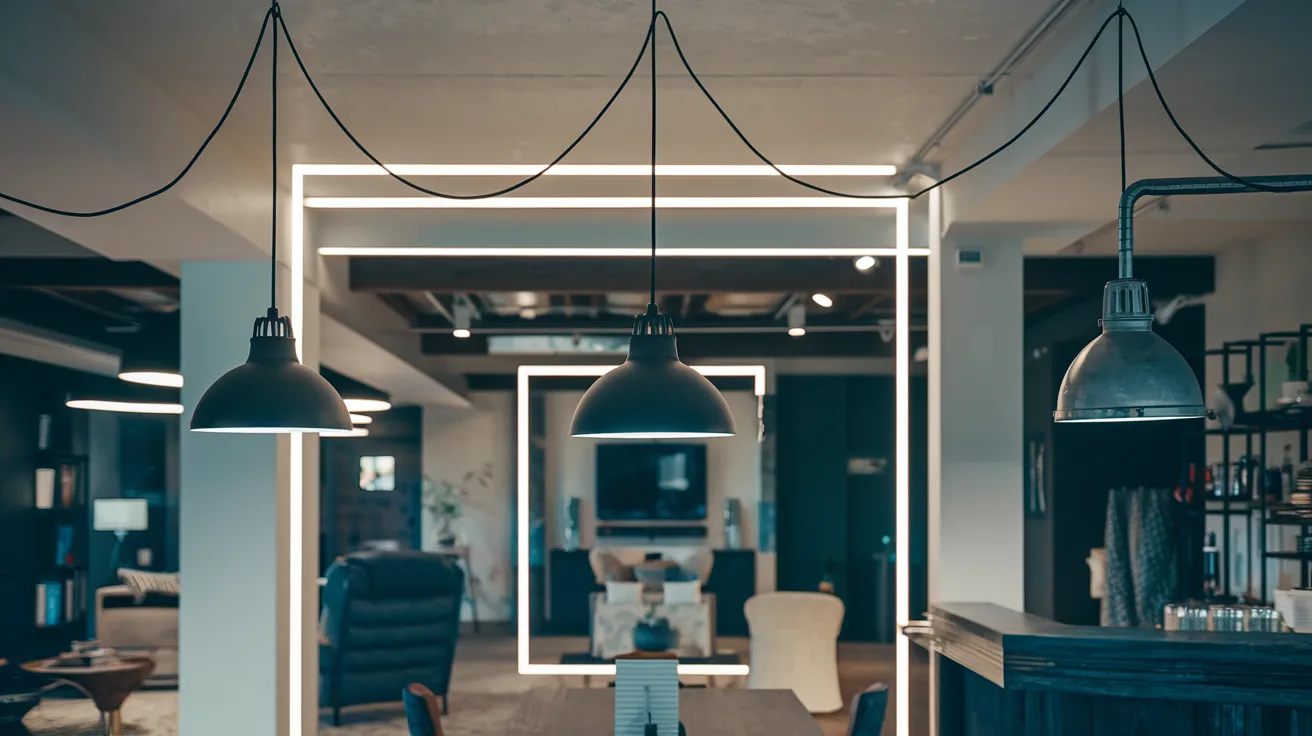
Pendants hang from the ceiling on cords or chains. They work well over tables, bars, or pool tables. Use them to mark different areas in open basements.
Three pendants over a dining table create a clear zone. Make sure you have at least 7 feet of clearance underneath. Shorter ceilings need flush-mounts instead.
I hung two industrial pendants over my basement bar. They completely changed the feel of that corner. Choose pendants with adjustable cords. You can raise or lower them as needed.
8. Industrial-Style Lighting for Unfinished Basements
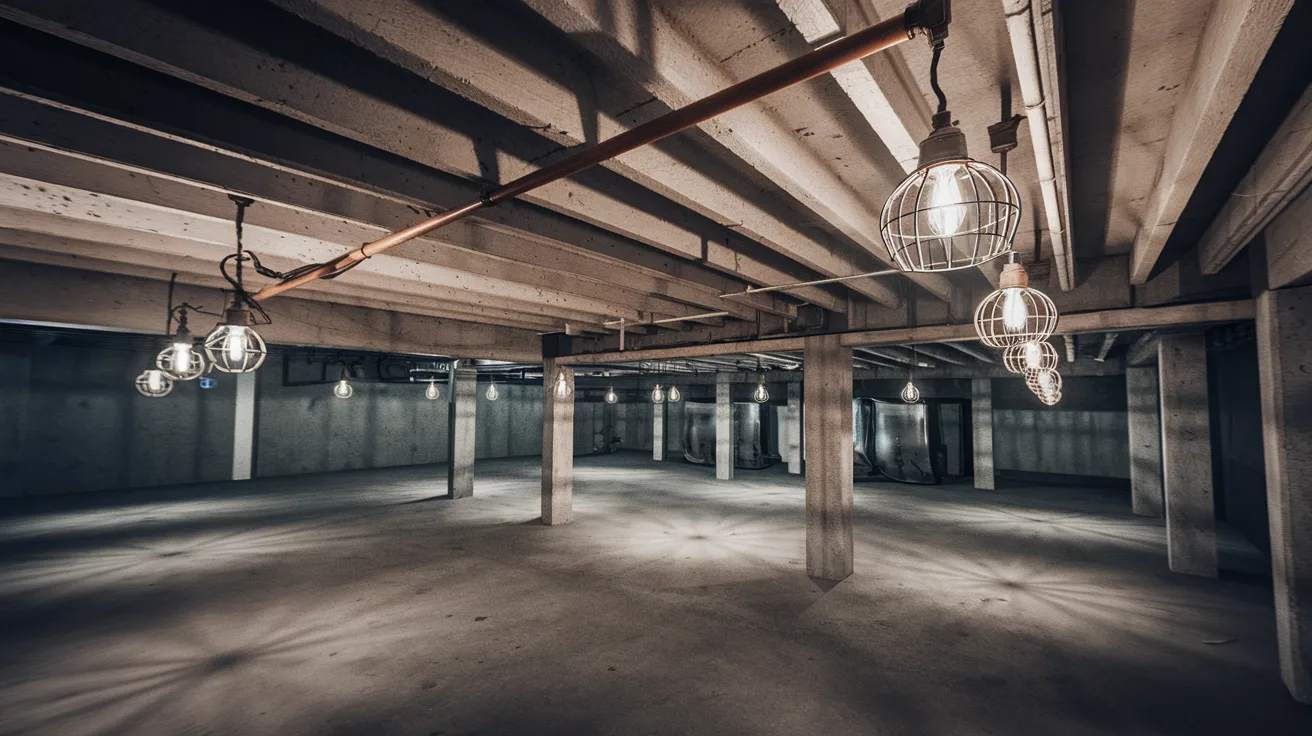
Exposed bulbs, metal cages, and visible hardware suit unfinished spaces. They look intentional instead of incomplete. I actually prefer this style in my workshop area.
The fixtures are tough and practical. Metal shade pendants direct light downward. Cage lights protect bulbs in active areas.
These fixtures are usually affordable. They’re also easy to install yourself. The raw look complements exposed joists and concrete. Don’t fight your basement’s character.
9. LED Strip Lighting for Modern Accents
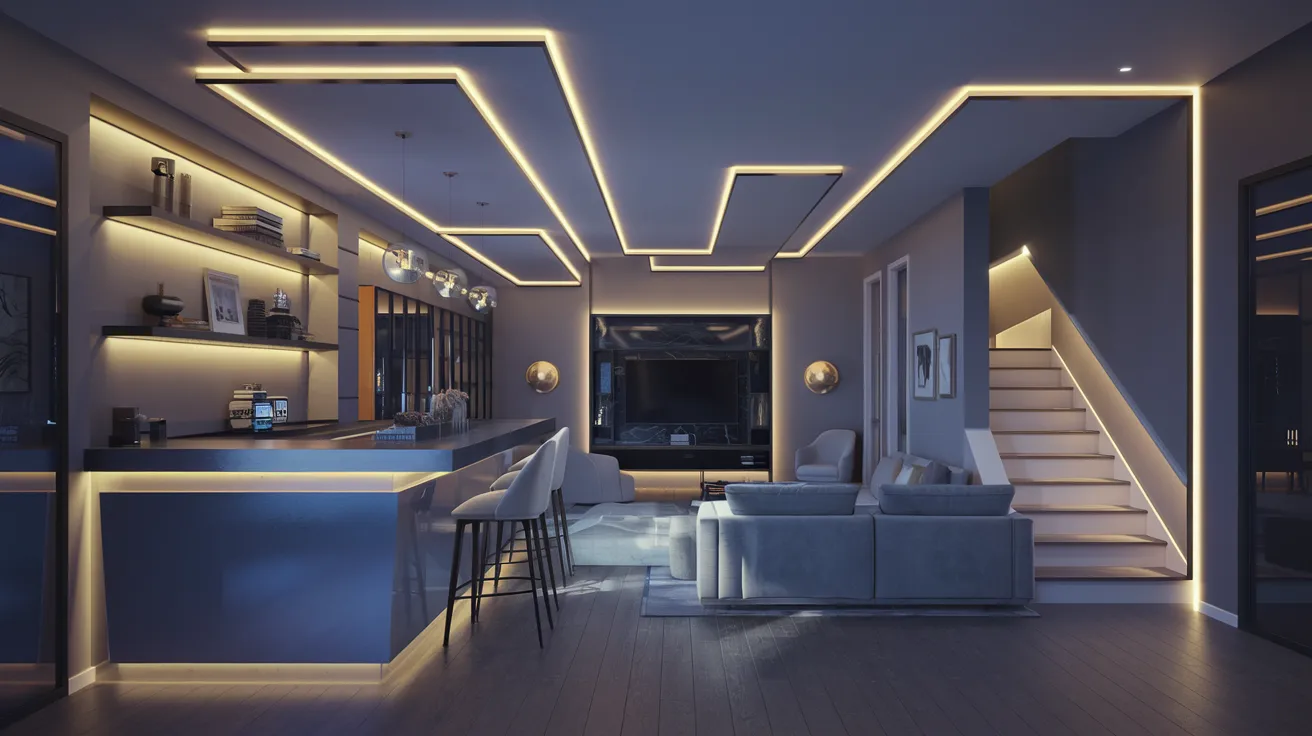
LED strips stick to any surface. They come in rolls you cut to length. I ran strips under my basement bar counter. The glow looks like something from a design magazine.
Install them under stairs, along shelves, or behind TVs. The indirect light adds depth without glare. Most strips have adhesive backing. Just peel and stick.
Connect to a power adapter or smart controller. RGB strips change colors. Single-color strips (warm white, cool white) look classier in most rooms.
10. Tray Ceiling Lighting for an graceful Glow
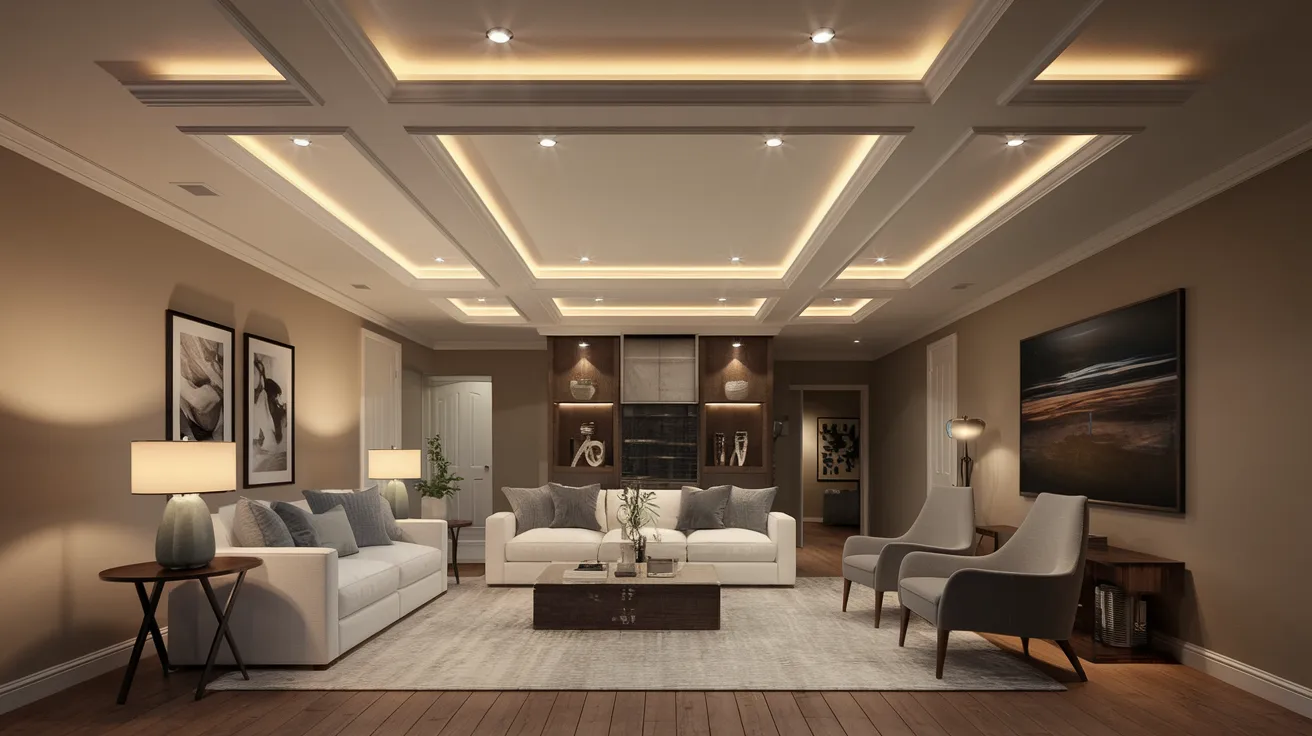
Tray ceilings have a recessed center section. Installing lights in the recess creates a floating effect.This only works if you have the ceiling height.You need at least 8 feet to make it look right.
LED strips or rope lights work well in the tray. The light bounces off the ceiling and spreads evenly.I’ve seen this done nicely in finished basements.
It makes the ceiling feel higher than it is.Add a dimmer so you can adjust the glow. Sometimes you want drama. Sometimes you want calm.
11. Accent Lighting for Shelves and Built-Ins
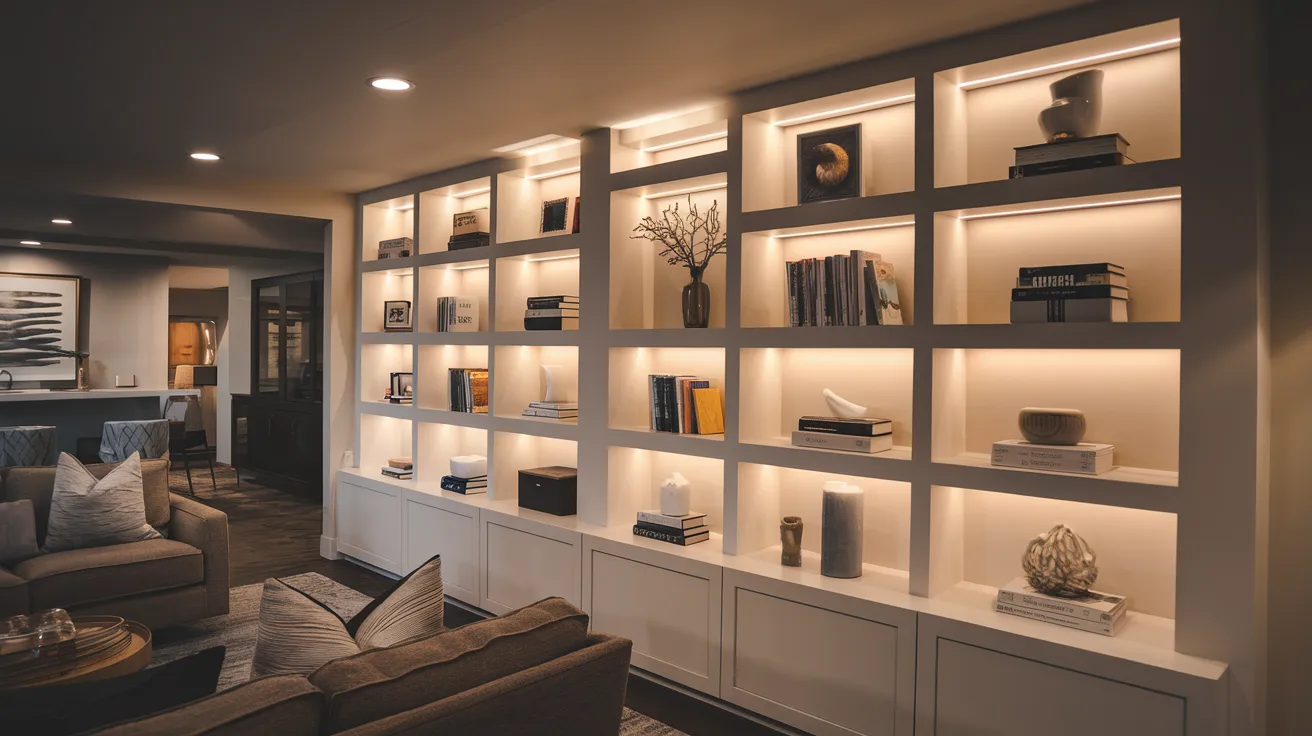
Puck lights or small LED strips highlight your displays. They make bookcases and cabinets look intentional.Mount them inside cabinets or under shelves.
The light washes down over your items. I have three puck lights in my basement bookshelf. They run on batteries, so no wiring is needed. This type of lighting adds polish.
It makes your basement feel finished and thoughtful. Space puck lights 12-18 inches apart. Closer spacing creates even coverage.
12. TV and Home Theater Backlighting
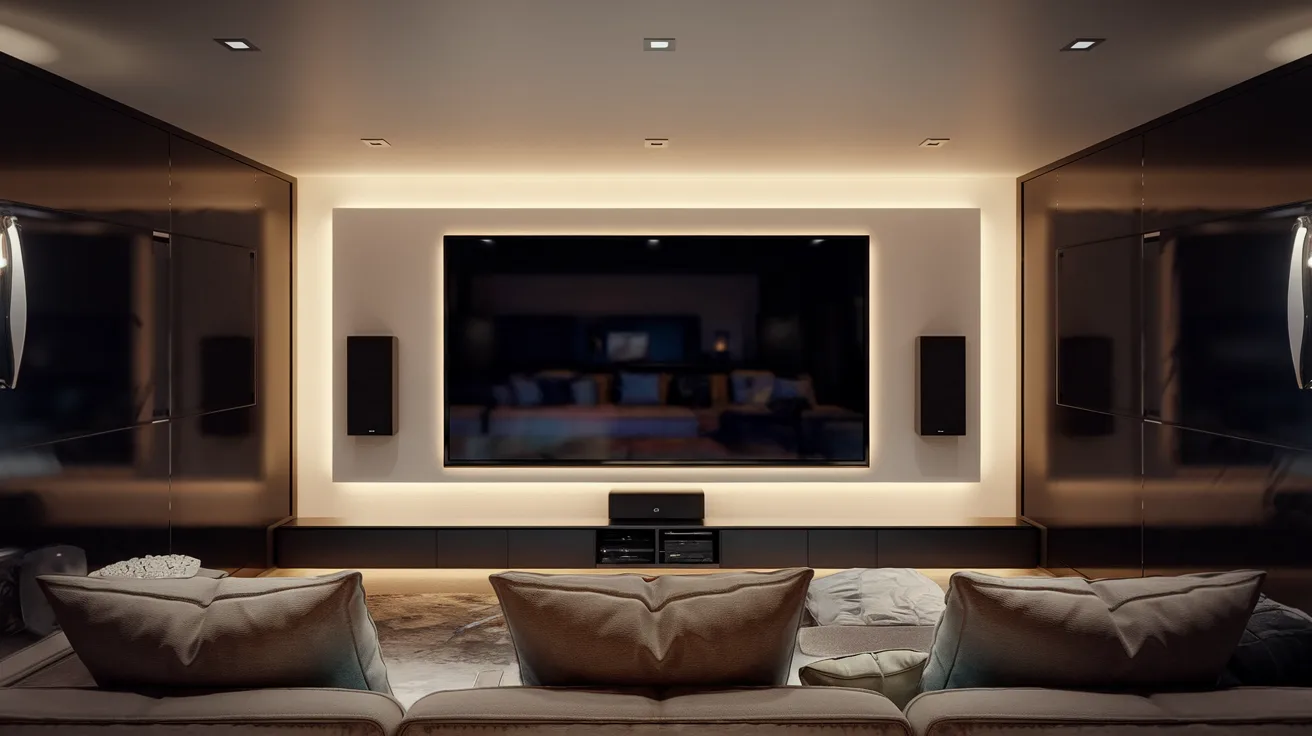
Bias lighting sits behind your TV screen. It reduces eye strain and improves perceived contrast. I added this to my basement TV setup six months ago.
My eyes don’t get tired anymore during long viewing sessions. LED strips work best for this. Stick them to the back of the TV frame.
Choose neutral white (6500K) for accurate colors. Colored bias lighting looks gimmicky. The strip should match your TV size. A 55-inch TV needs about 6.5 feet of strip.
13. Floor and Table Lamps for Flexible Lighting
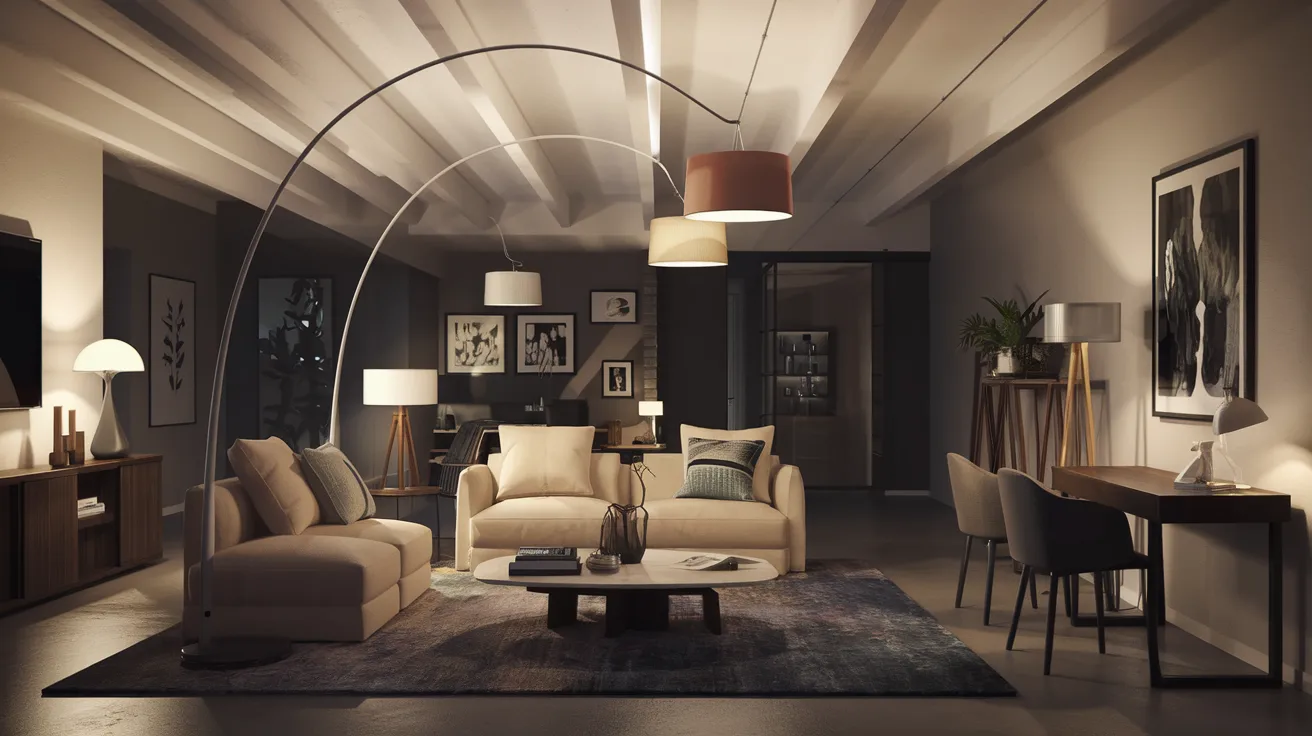
Portable lamps go anywhere you have an outlet. They’re the easiest lighting to add or move. I rearrange my basement lamps every few months. No tools. No hassle.
Arc floor lamps reach over furniture. They provide overhead light without ceiling installation. Table lamps work on end tables, consoles, and desks.
Use 3-way bulbs for adjustable brightness. Mix different lamp heights in a room. Variety keeps things interesting.
14. Smart Lighting Systems for Automation and Control
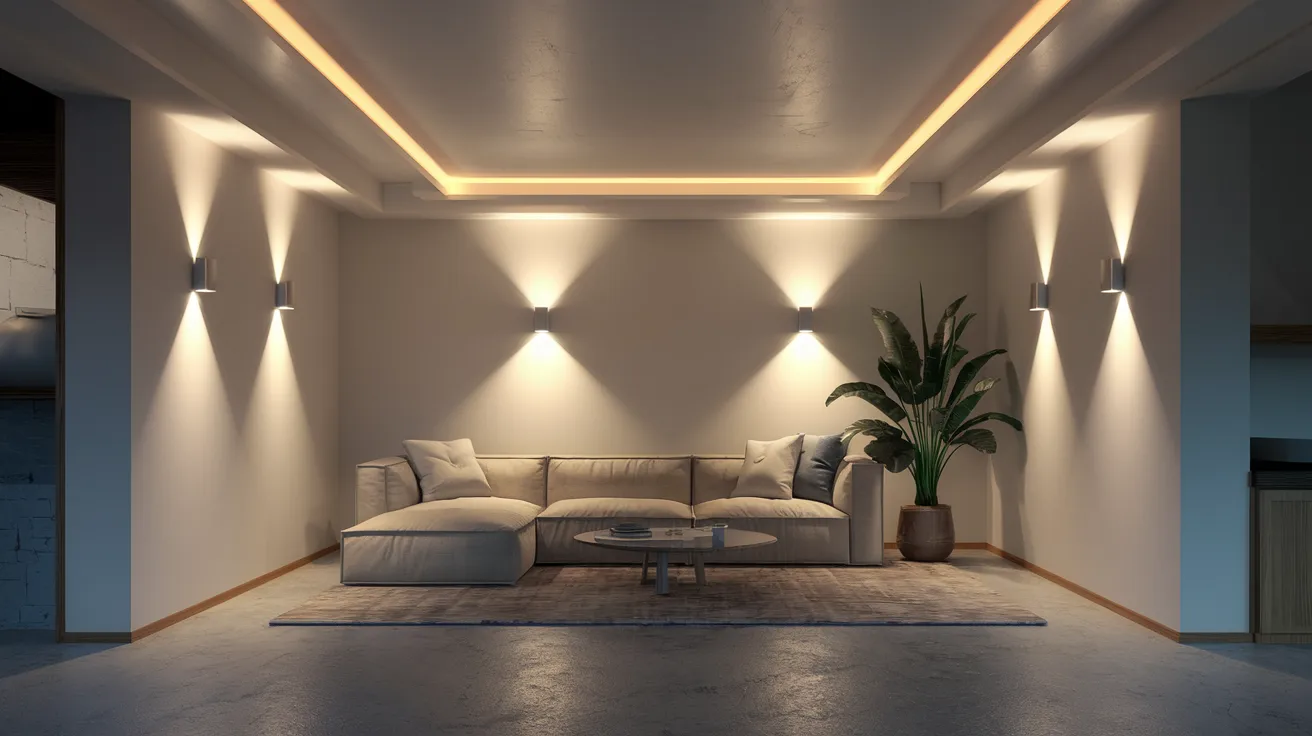
Whole-home systems let you control all lights from one app. Set schedules, scenes, and automations.My basement lights turn on automatically when I open the door.
They dim to 20 percent after 11 PM. Systems like Lutron, Control4, or Hubitat handle complex setups. They cost more but do more.
Start small with smart bulbs. Expand to smart switches later if you like the system. Voice control works great in basements. Your hands are often full with laundry or tools.
15. Stairway and Step Lighting
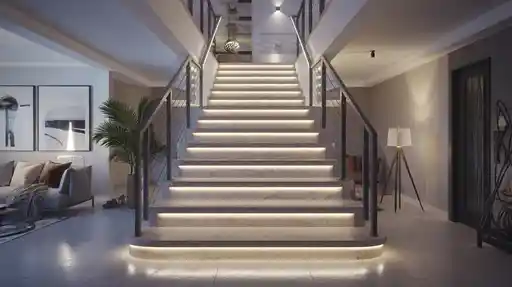
Basement stairs need good light for safety. Shadows on stairs cause falls. Install lights at the top and bottom of the staircase. Add step lights along the way for extra safety.
LED strip lights under each tread look modern and functional. Motion sensors make them turn on automatically. I put motion-activated lights on my basement stairs.
They come on when anyone approaches.Stairway lights should stay on all night. Use low-wattage LEDs so the electric bill doesn’t spike.
16. Natural Light Solutions for Basements
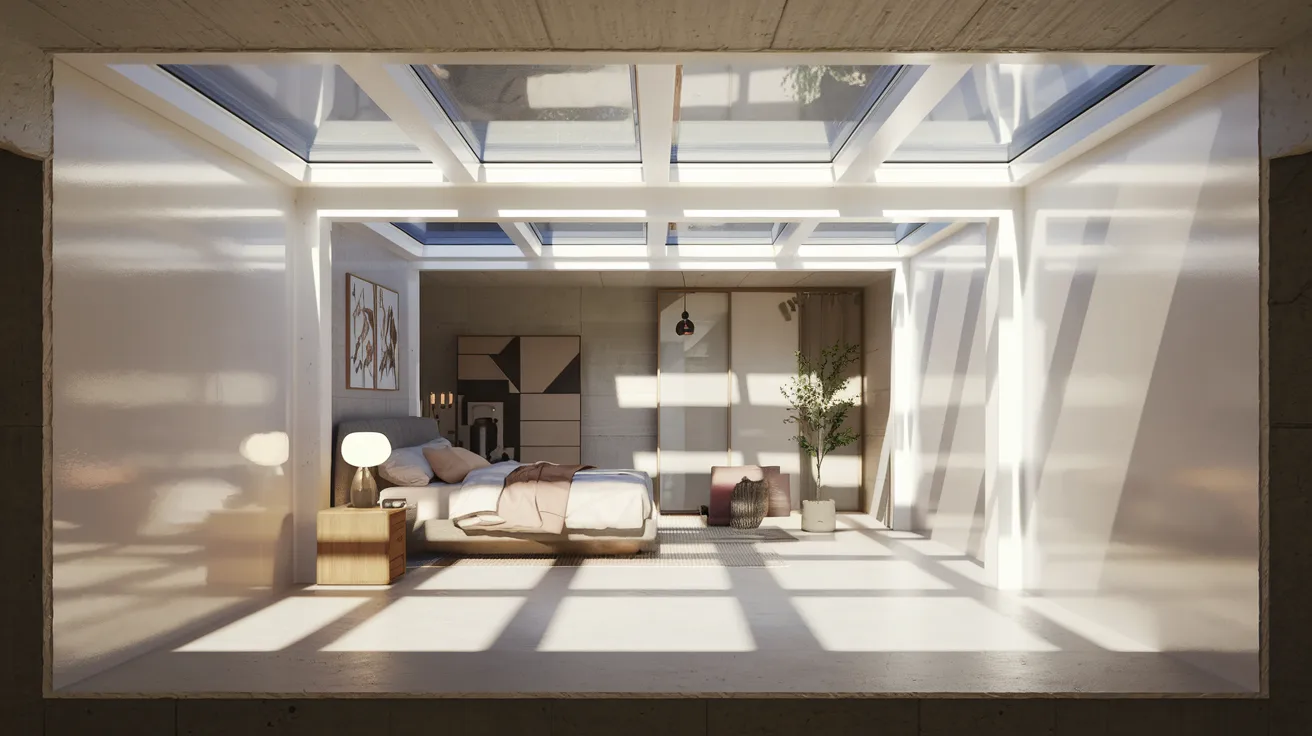
Egress windows bring in actual sunlight. They’re required by code in bedroom basements anyway. The installation requires cutting through foundation walls.
It’s expensive but makes a huge difference. Window wells with white walls reflect more light inside. They maximize whatever sun you get. I had an egress window installed in my basement bedroom.
The space feels completely different now. Consider solar tubes if you can’t add windows. They pipe light from the roof down into basement rooms.
17. Faux Window Lighting
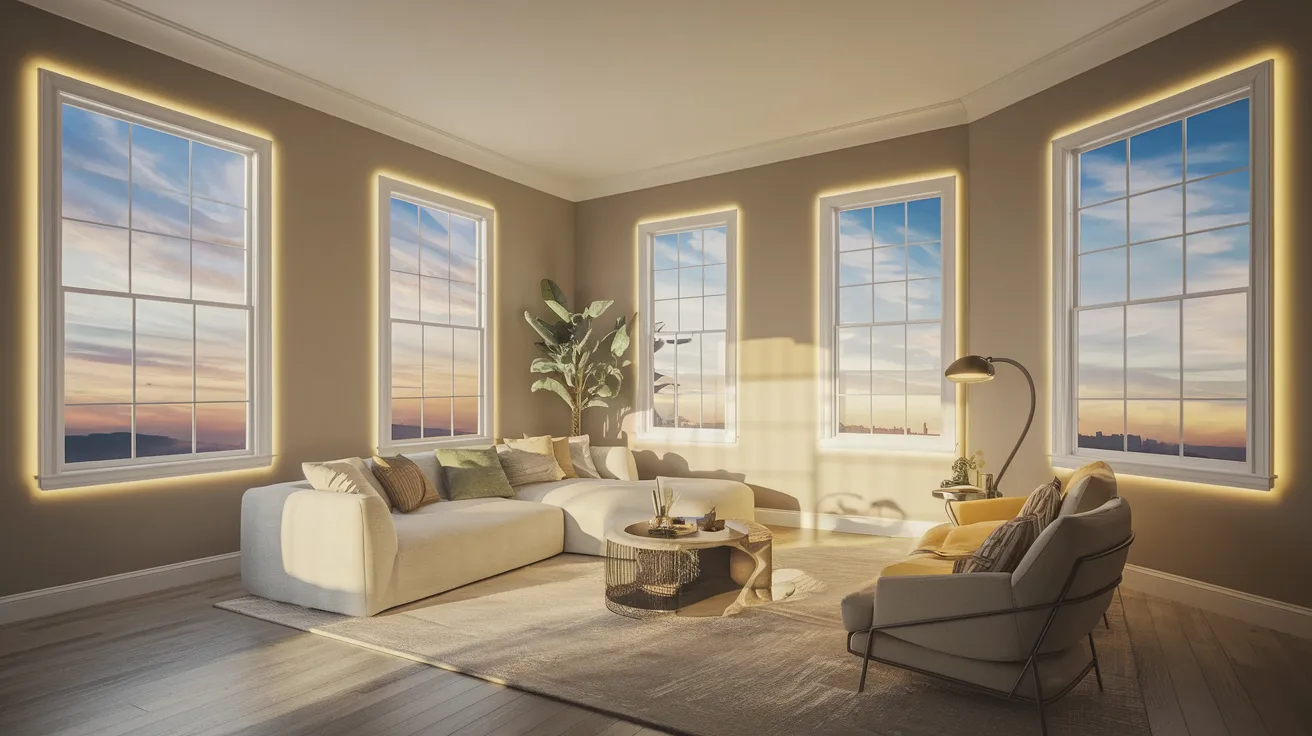
LED panels that mimic windows trick your brain. They show sky scenes and provide daylight-spectrum light.These “sky panels” actually work.
I was skeptical until I saw one installed.Mount them where windows would normally go. Use warm daylight (4000-5000K) for the most realistic effect.
Some versions show changing skies morning, afternoon, and sunset. Others stay static.They’re pricey compared to regular fixtures. But they help windowless basements feel less cave-like.
Tips for Better Basement Lighting
- Install dimmer switches on all main fixtures. You’ll adjust brightness based on time of day and activity. I added dimmers to every basement light and used them constantly.
- Paint walls and ceilings in light colors. White or pale gray reflects up to 80% more light than dark colors. This simple change makes fixtures work harder.
- Add mirrors strategically to bounce light around. Place them across from light sources or windows. The reflection doubles your lighting impact without adding fixtures.
- Test bulbs before buying in bulk. Get one bulb of each type you’re considering. Live with it for a week. Then commit to the full purchase.
- Create separate light zones with multiple switches. Don’t put all lights on one switch. Control different areas independently so you only light spaces you’re actually using.
Conclusion
Good lighting completely changes how your basement feels and functions. Start with the basics, then add pieces that match your needs.
I’ve lit dozens of basements, and the spaces that work best always use multiple light sources at different heights.Don’t rush this process. Try one approach, live with it, then adjust.
Your basement should feel comfortable and bright, not like an afterthought.
What’s your biggest basement lighting challenge? Drop a comment below. I read and respond to every single one.
Frequently Asked Questions
How many lights do I need in my basement?
Plan for one light source per 50-75 square feet of floor space. A 400-square-foot basement needs 6-8 fixtures minimum. Add more for task areas like workbenches or reading spots.
What’s the best light color for basements?
Warm white (2700-3000K) works best for living spaces, bedrooms, and entertainment areas. Cool white (3500-4100K) suits workshops, laundry rooms, and storage areas. Stick with one color temperature per room.
Can I install basement lighting myself?
Simple plug-in lamps and battery-powered fixtures need no special skills. Hardwired fixtures require electrical knowledge and often permits. Hire a licensed electrician for ceiling lights, recessed lighting, and any work involving your breaker box.
How do I light a basement with low ceilings?
Use flush-mount or recessed fixtures that don’t hang down. Add wall sconces and floor lamps to spread light horizontally. Avoid pendant lights and chandeliers, they eat up precious headroom.
What’s the cheapest way to brighten a dark basement?
Start with LED bulbs in existing fixtures, they’re brighter and use less power. Add clip-on task lights where you need them. Use light paint colors on walls and ceilings to reflect more light around the room.


