

Choosing what color to paint the basement ceiling can feel overwhelming. You stare up at exposed pipes and wonder what works best.
I’ve helped dozens of homeowners pick the right ceiling color for their basements. This guide shares 23 smart color ideas that actually work in real spaces.
You’ll learn which colors brighten dark basements, which ones hide ductwork, and which create the perfect mood for your space. From classic white to bold cobalt, I cover options for every style and budget.
I’ve seen these colors work in basements just like yours. Let me show you what’s possible.
Choosing the Right Color to Paint Your Basement Ceiling
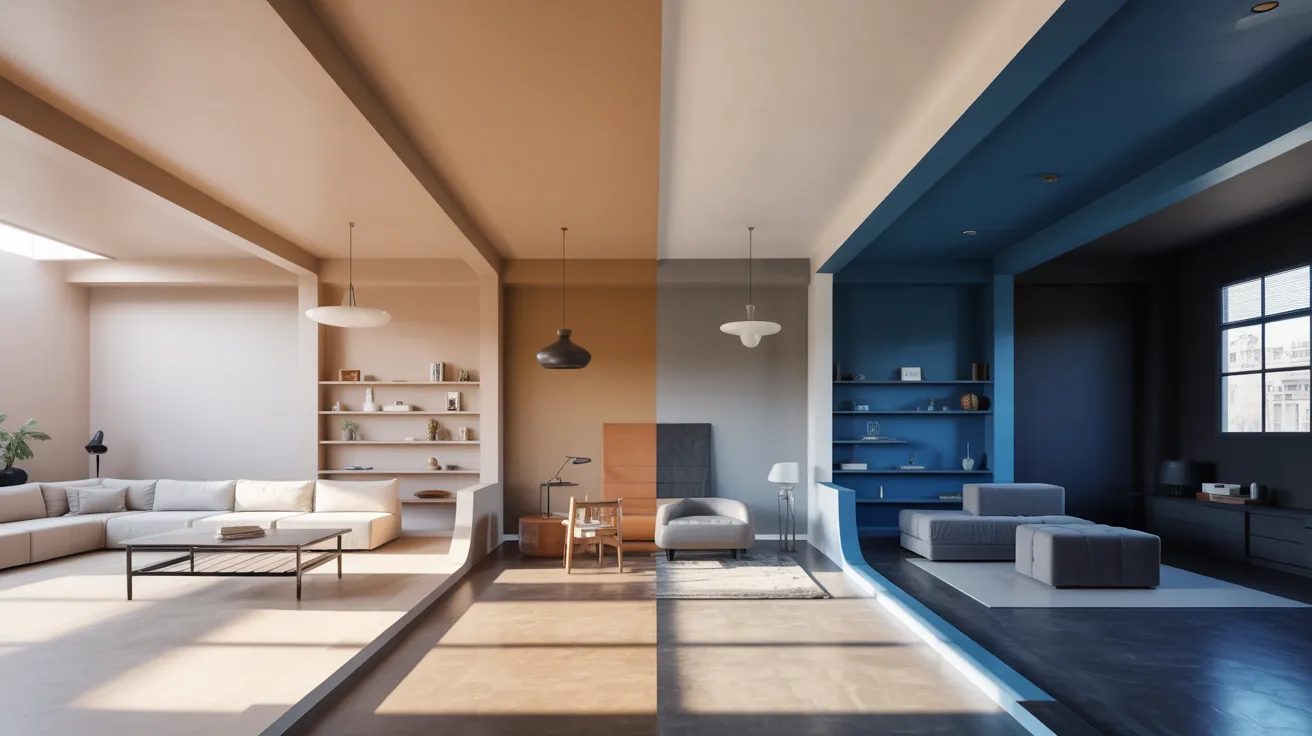
Your basement ceiling color affects everything. It changes how bright the room feels and impacts the mood. It can even make your ceiling look higher or lower.
Most people paint their basement ceilings white. That’s fine, but you have many more options. The right color depends on your ceiling height, lighting, and how you use the space.
I recommend thinking about three things first. How tall is your ceiling? How much natural light comes in? What will you do in this space? These answers guide your color choice and help you pick what works best.
23 Smart Ideas for Basement Ceiling Colors
Your basement ceiling sets the tone for the entire room. The right color makes low ceilings feel taller and dark spaces brighter.
Here are 23 colors that work in real basements.
1. Black
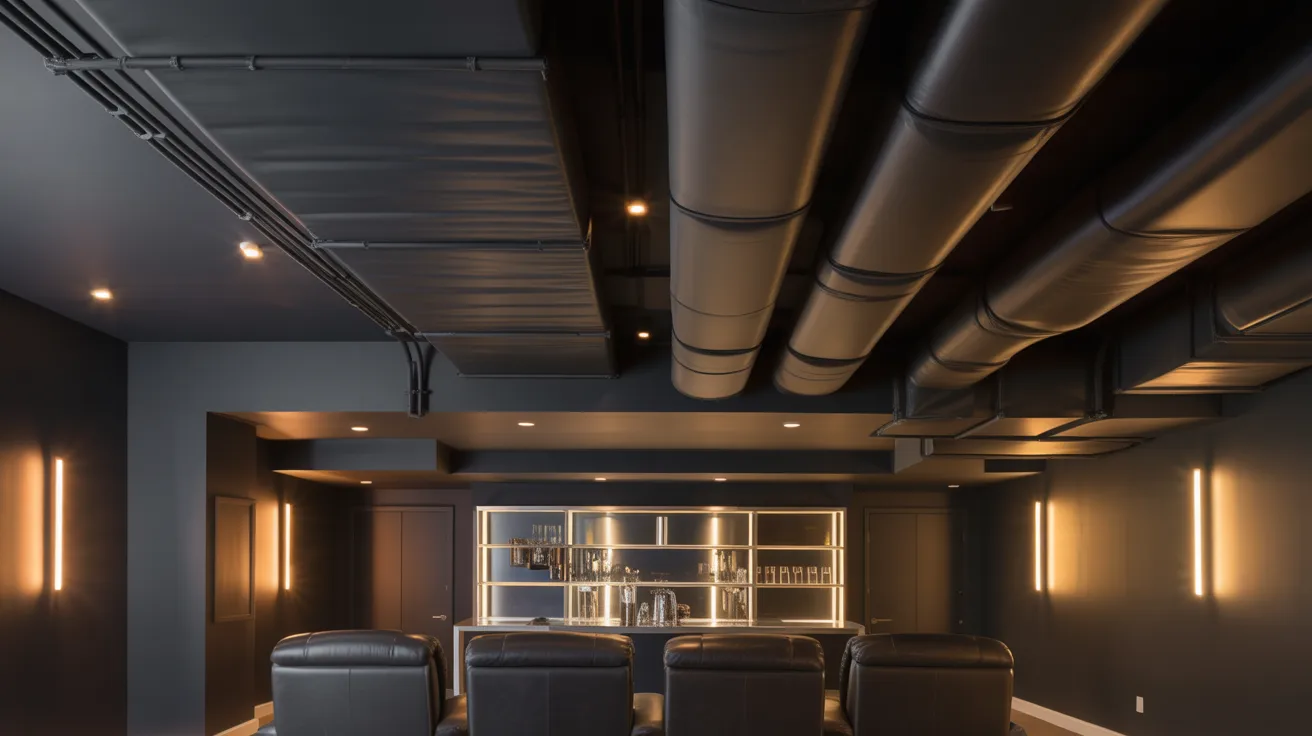
Black ceilings hide everything. Ducts disappear. Wiring blends in. Your eyes focus on the room instead.
This color works best in home theaters and bars. The dark ceiling makes screens pop and creates that cinema feel.
You need good lighting though. Black absorbs light, so plan extra fixtures.
2. Charcoal Gray
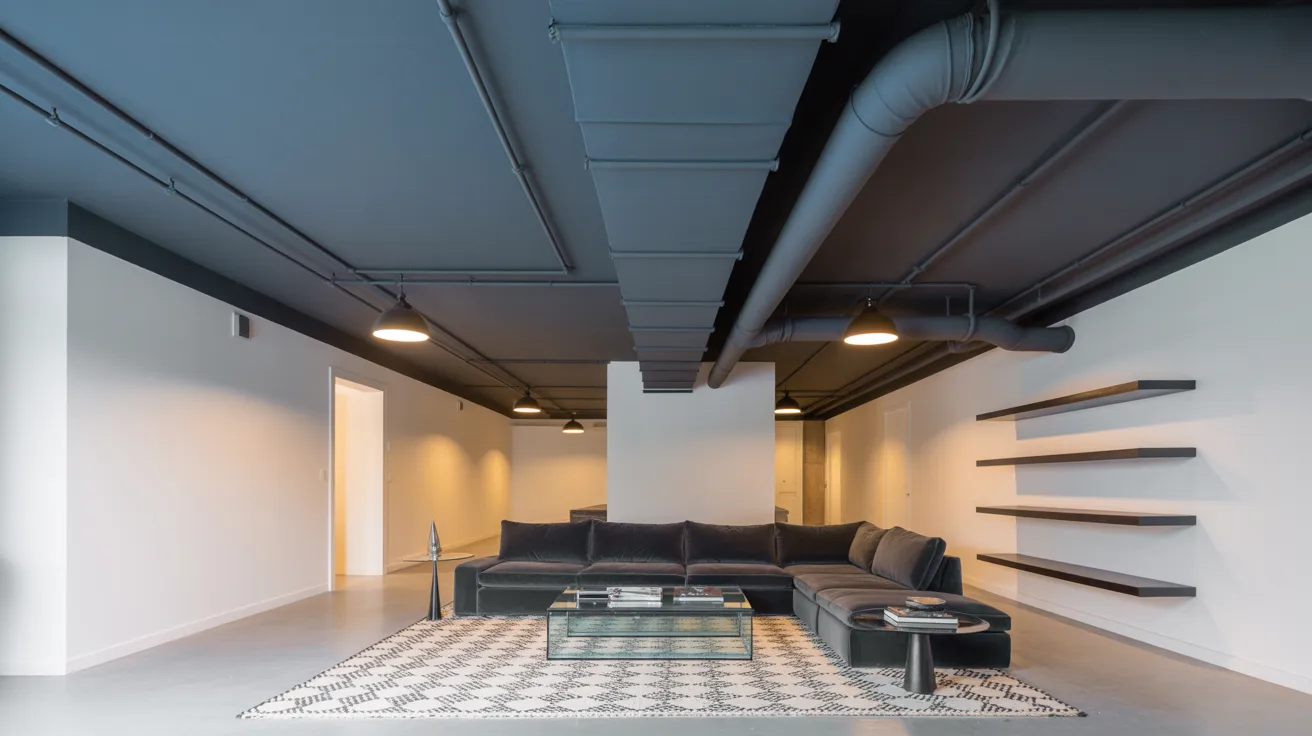
Charcoal offers the benefits of black with less drama. It’s modern and bold without feeling heavy.
This shade softens mechanical lines while keeping a sleek look. Perfect for contemporary basements with exposed elements.
Pair it with white walls for contrast.
3. Navy Blue / Deep Blue
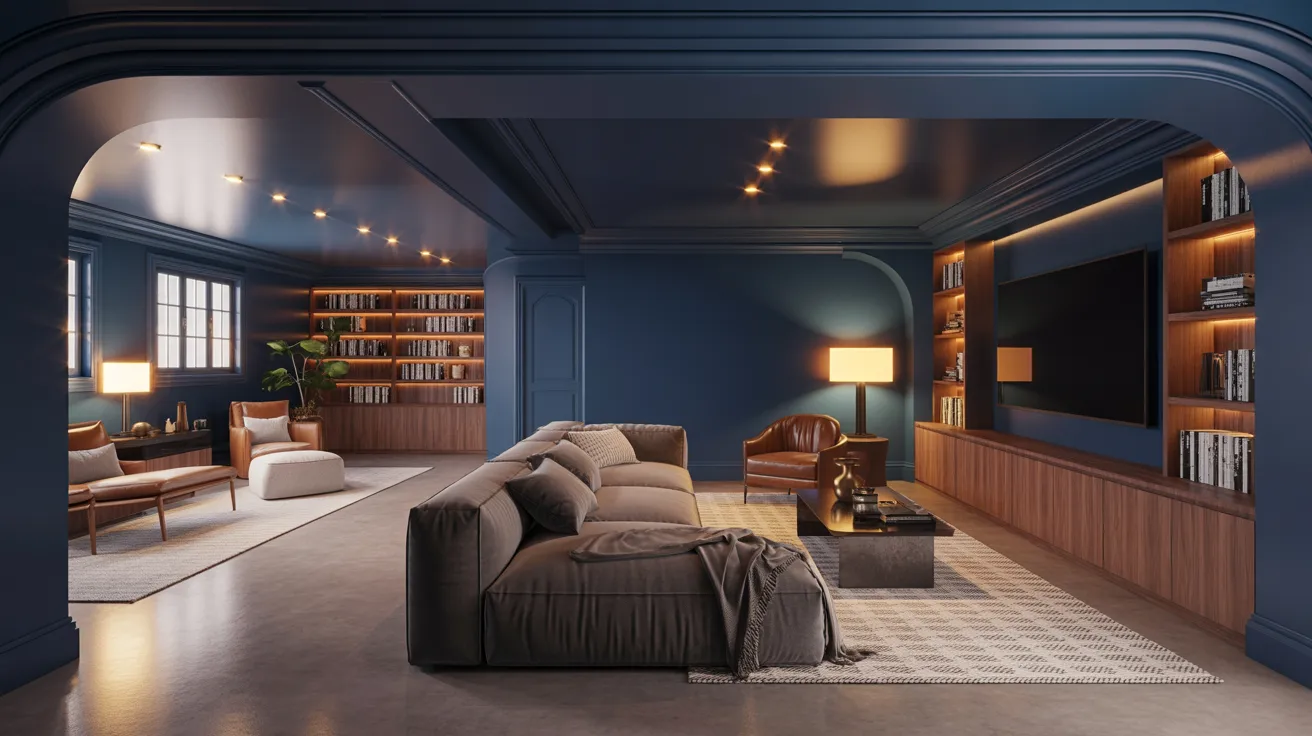
The Navy creates intimate, cozy spaces. Your media room becomes a retreat. Reading nooks feels more inviting.
This deep blue adds depth without the harshness of black. It works in medium to large basements with decent natural light.
Try it in spaces where you want people to relax.
4. Dark Brown / Espresso
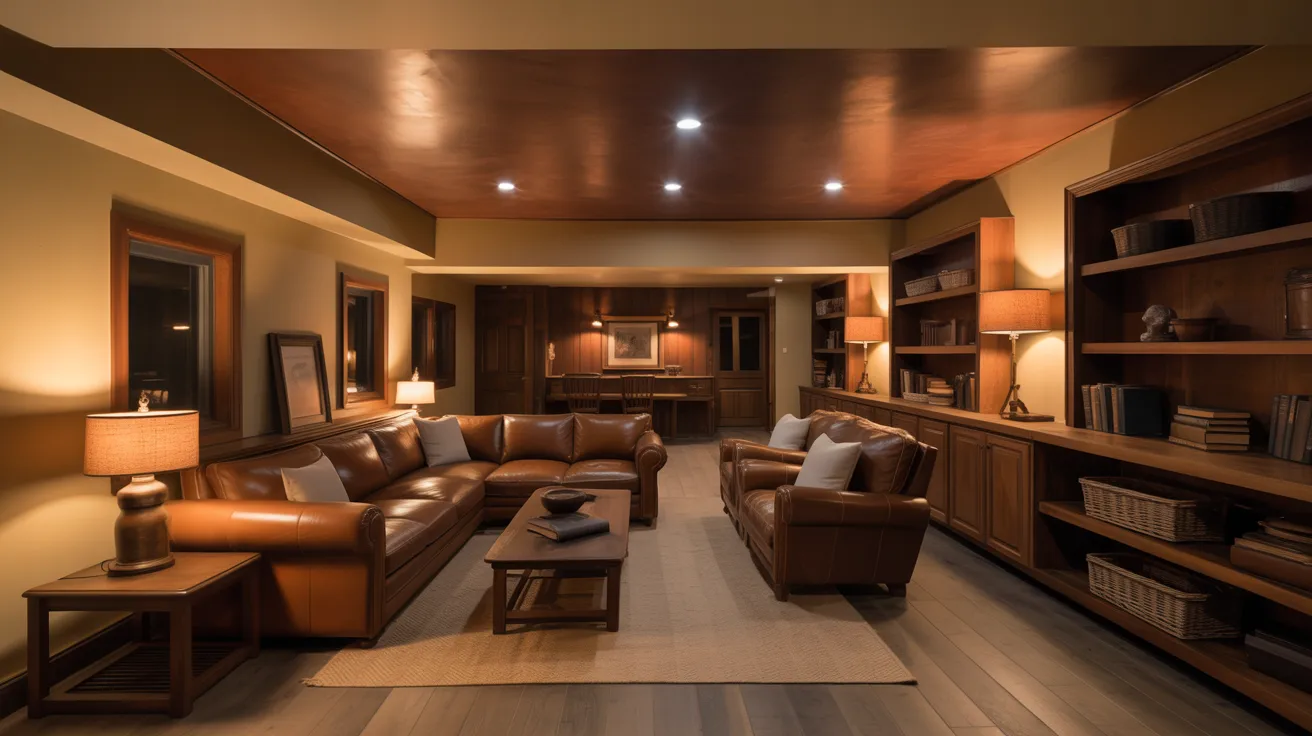
Espresso brings warmth and richness. Large basements feel more grounded. High ceilings become less overwhelming.
This color pairs well with wood furniture and traditional styles. It adds a cabin-like feel to finished basements.
Use it in family rooms or guest areas.
5. White
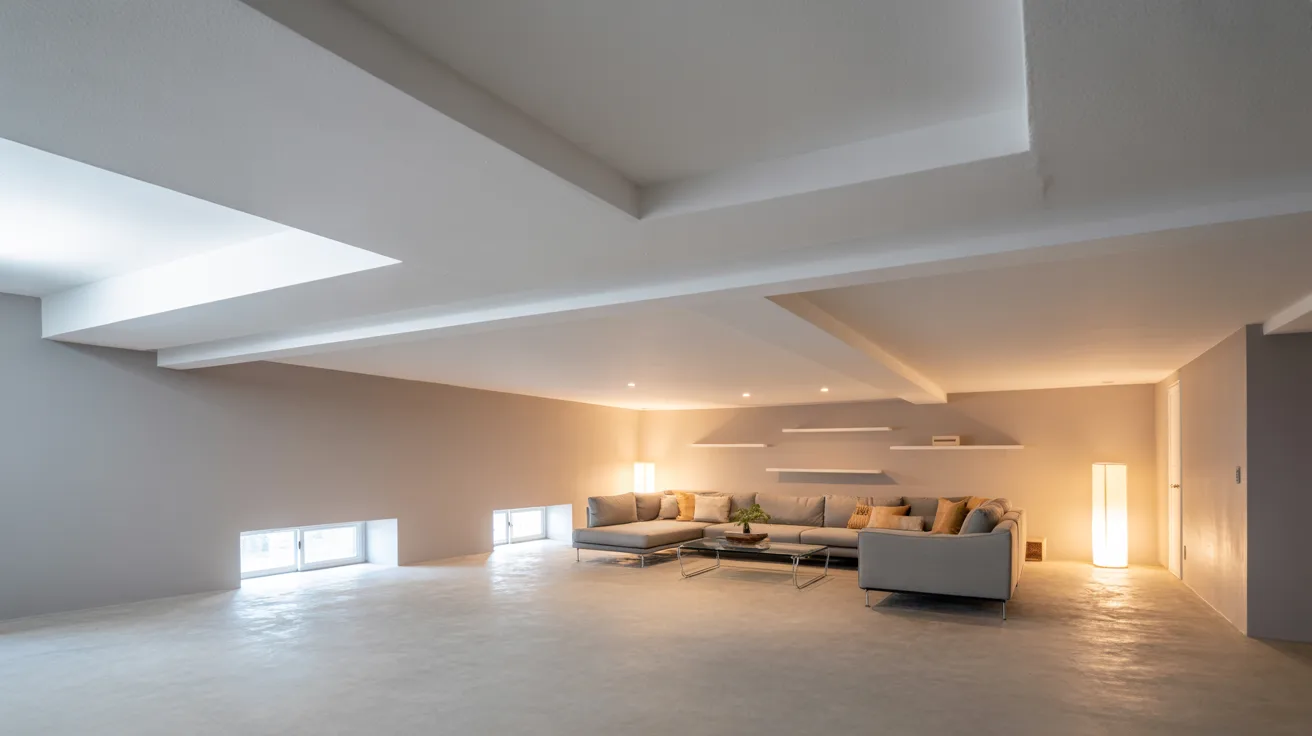
White makes everything feel bigger. Low ceilings appear higher. Small basements feel open and airy.
This is your safe choice. It reflects light better than any other color and works with every style.
I recommend white for basements under 8 feet tall.
6. Soft White / Off-White
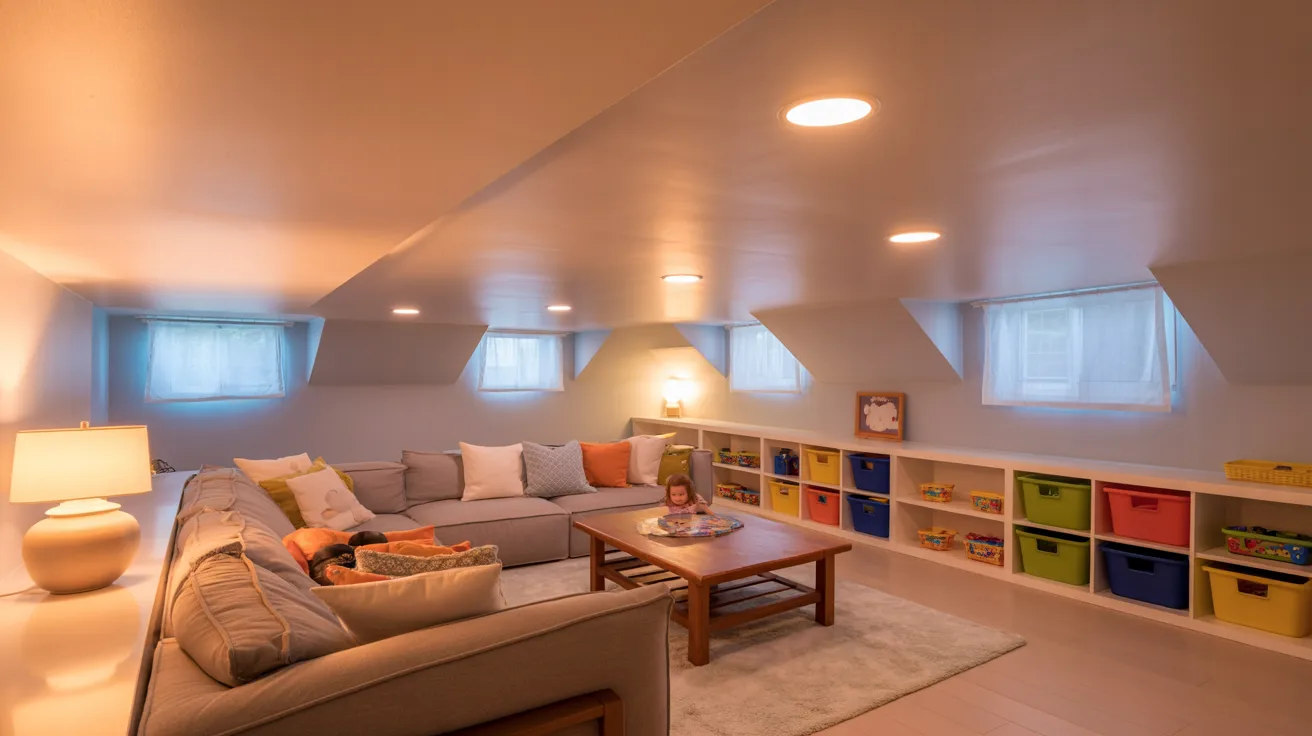
Soft white gives you brightness with more warmth. It’s less stark than pure white but still reflects plenty of light.
This color creates a welcoming feel in family spaces. It’s gentle on the eyes and hides small imperfections better than bright white.
Great for living areas and playrooms.
7. Light Gray / Greige
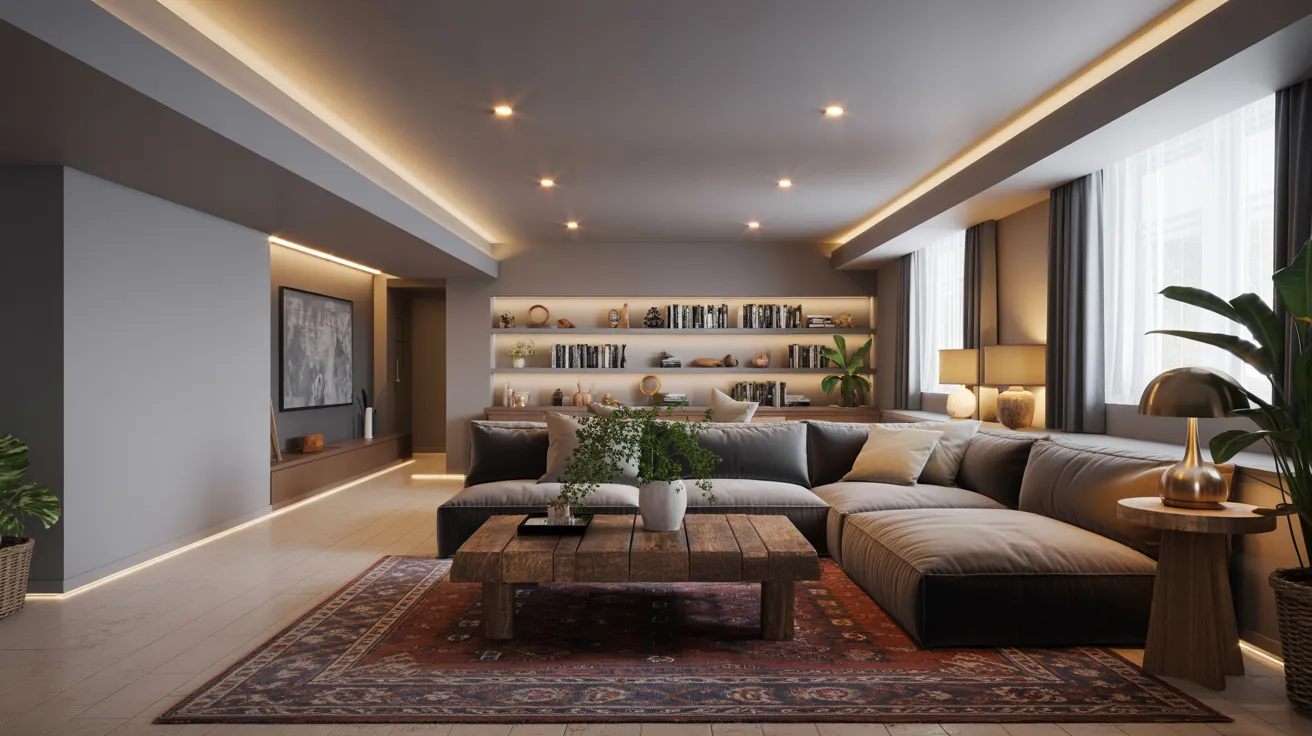
Light gray is the chameleon of ceiling colors. It works with everything and offends no one.
This neutral pairs with modern, traditional, and farmhouse styles. It adds subtle interest without demanding attention.
Your décor becomes the star.
8. Beige / Cream
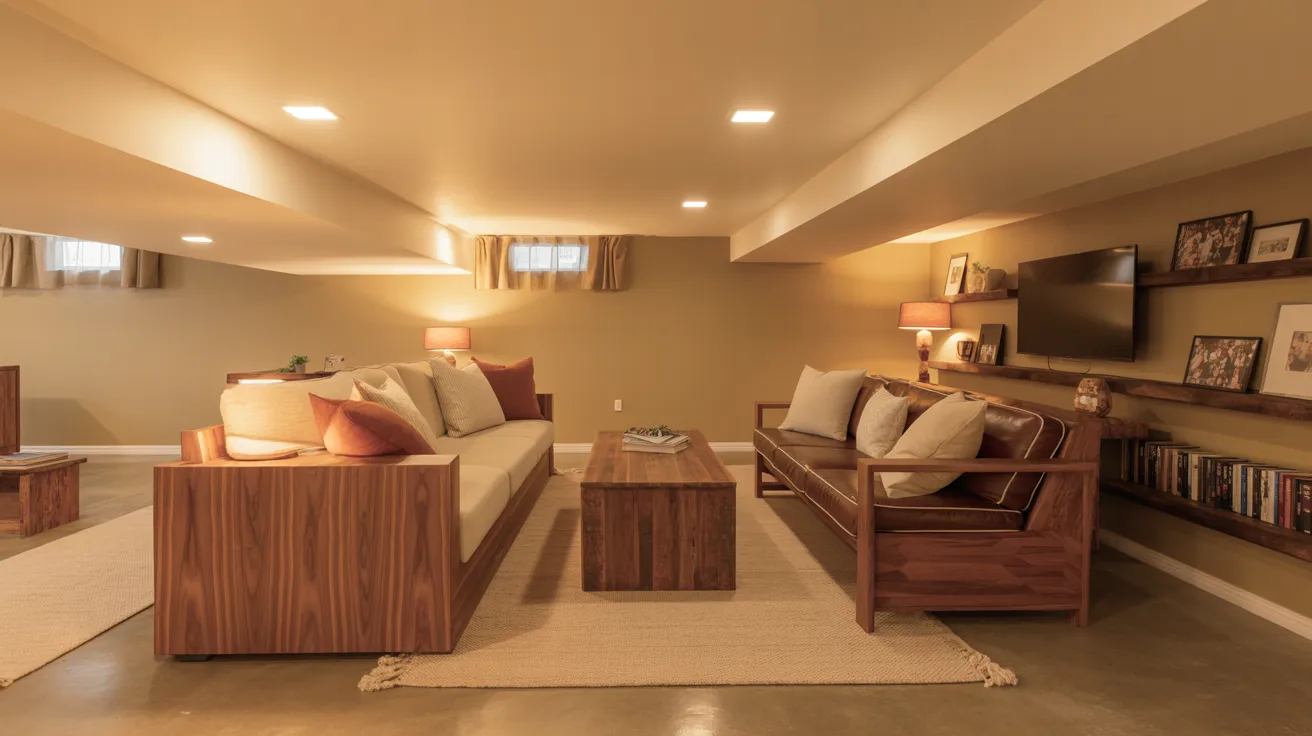
Beige feels traditional and comfortable. It’s the color of cozy guest rooms and family gathering spaces.
This warm neutral works in basements with wood tones and soft furnishings. It creates a lived-in, welcoming atmosphere.
Think traditional homes and rental suites.
9. Sage / Soft Green
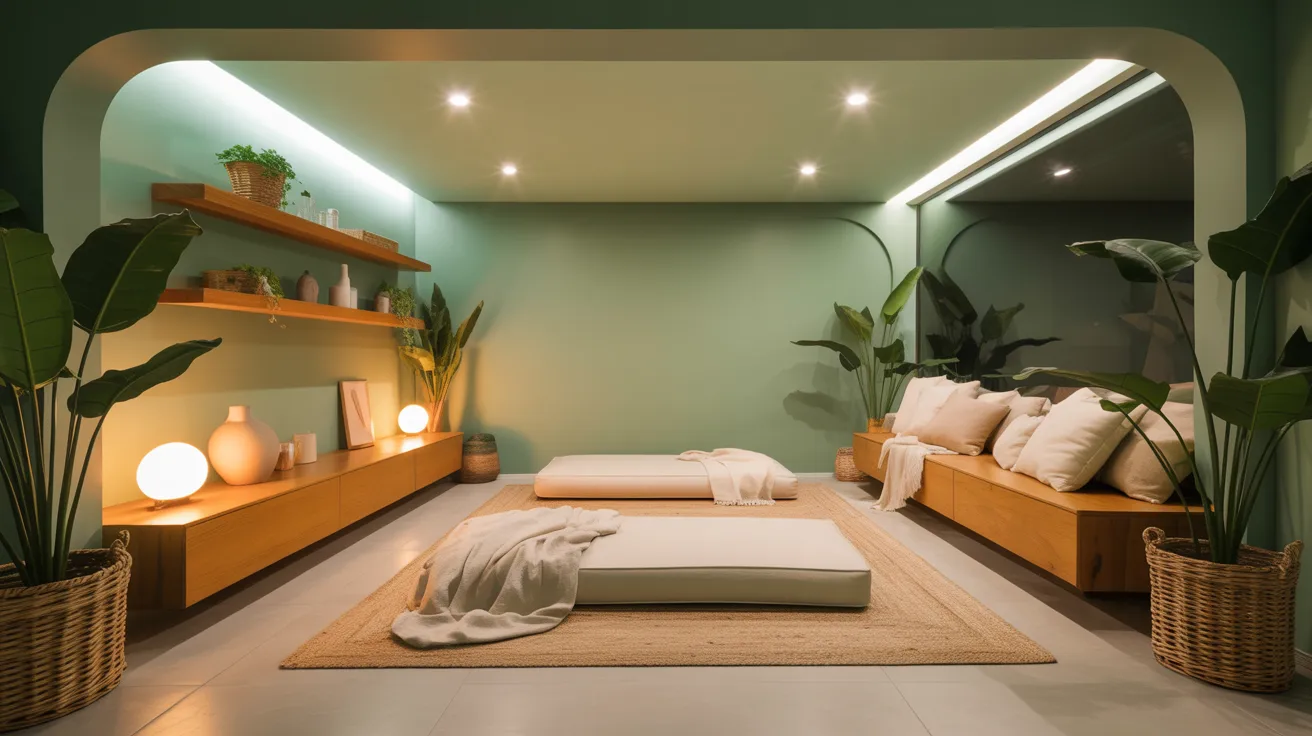
Sage brings the outdoors in. It’s calming and earthy, perfect for yoga rooms or quiet spaces.
This muted green works in nature-inspired basements. It pairs well with plants, natural wood, and neutral tones.
Use it where you want to feel relaxed.
10. Sky Blue / Pale Blue
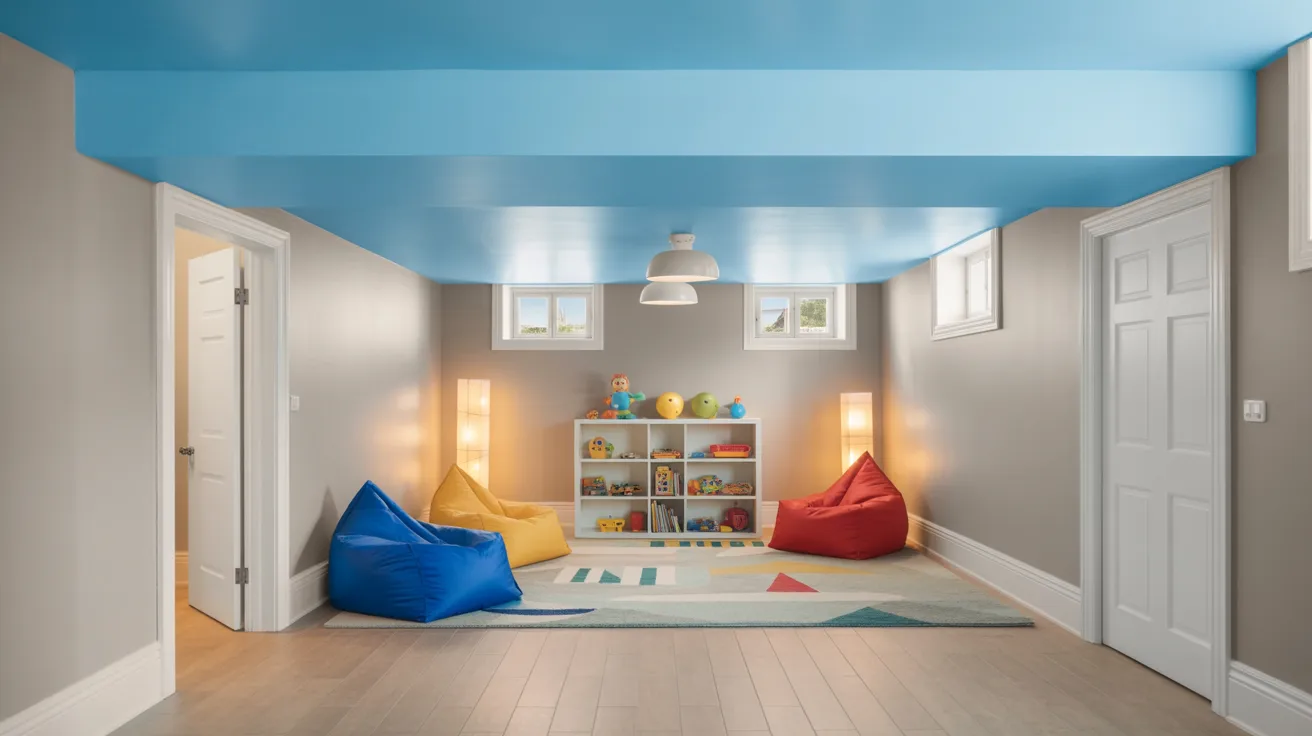
Sky blue brightens without being stark. It’s cheerful and light, ideal for kids’ areas.
This color makes basements feel less underground. It works in creative spaces and playrooms where energy matters.
Combine it with white trim for a fresh look.
11. Pale Yellow
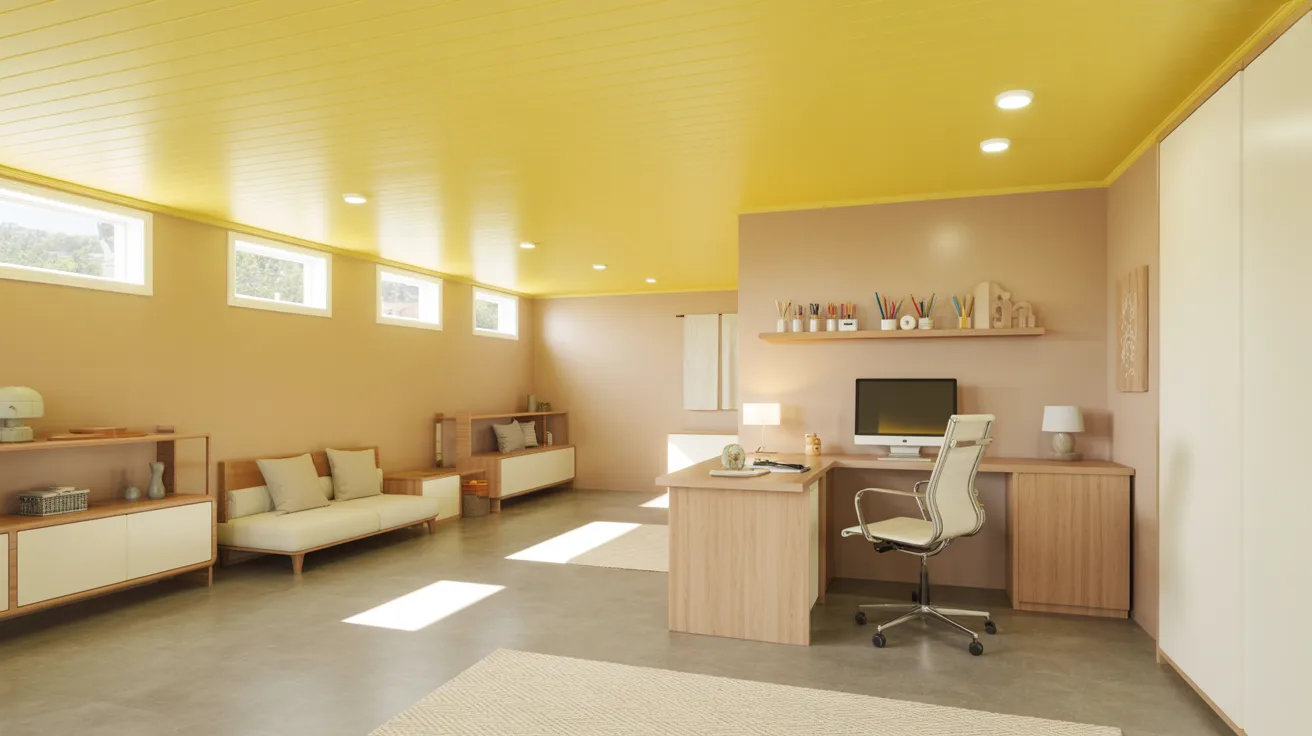
Pale yellow adds instant cheer. It enhances both natural and artificial light, making dim basements brighter.
This warm color works in craft rooms, home offices, and breakfast areas. It creates an uplifting mood.
Keep it soft to avoid overwhelming the space.
12. Cyan / Teal
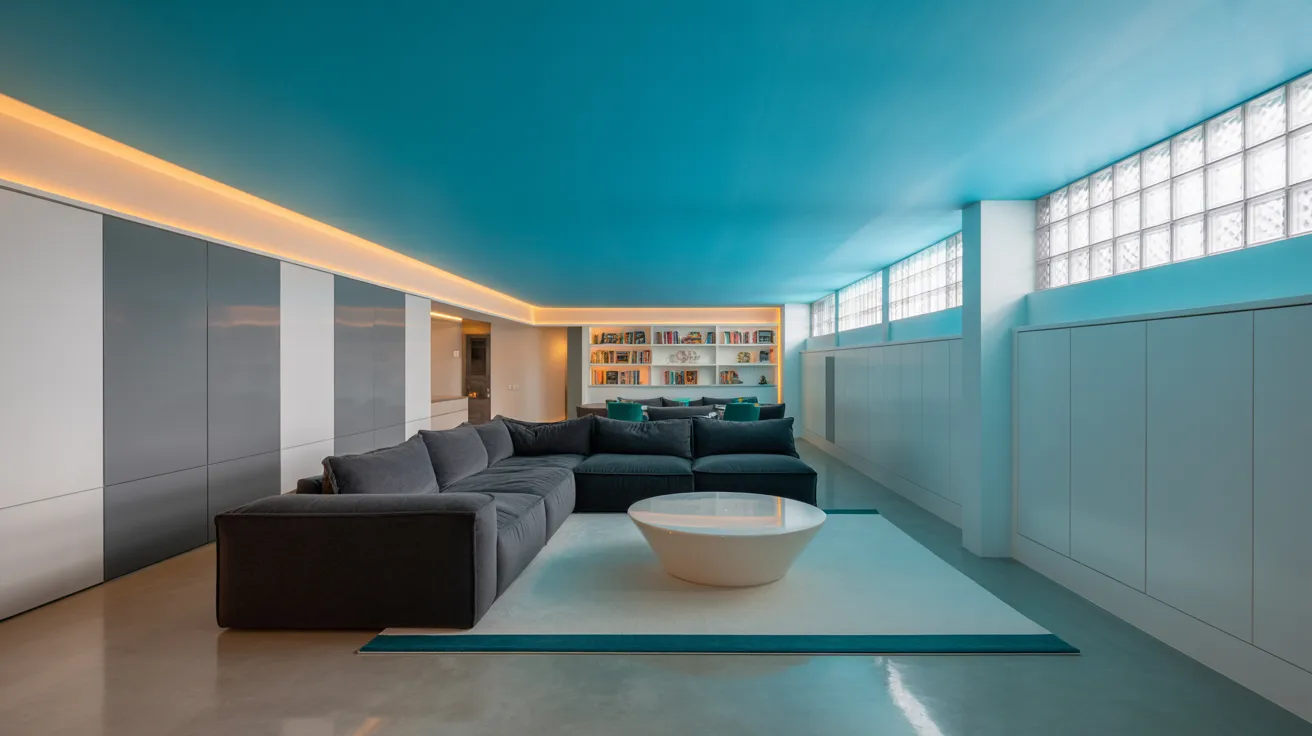
Cyan brings vibrant energy. It’s bold enough to make a statement but not overpowering.
This color energizes recreation rooms and craft spaces. It works best in basements with good lighting and modern furnishings.
Pair it with white or gray walls.
13. Lavender / Airy Purple
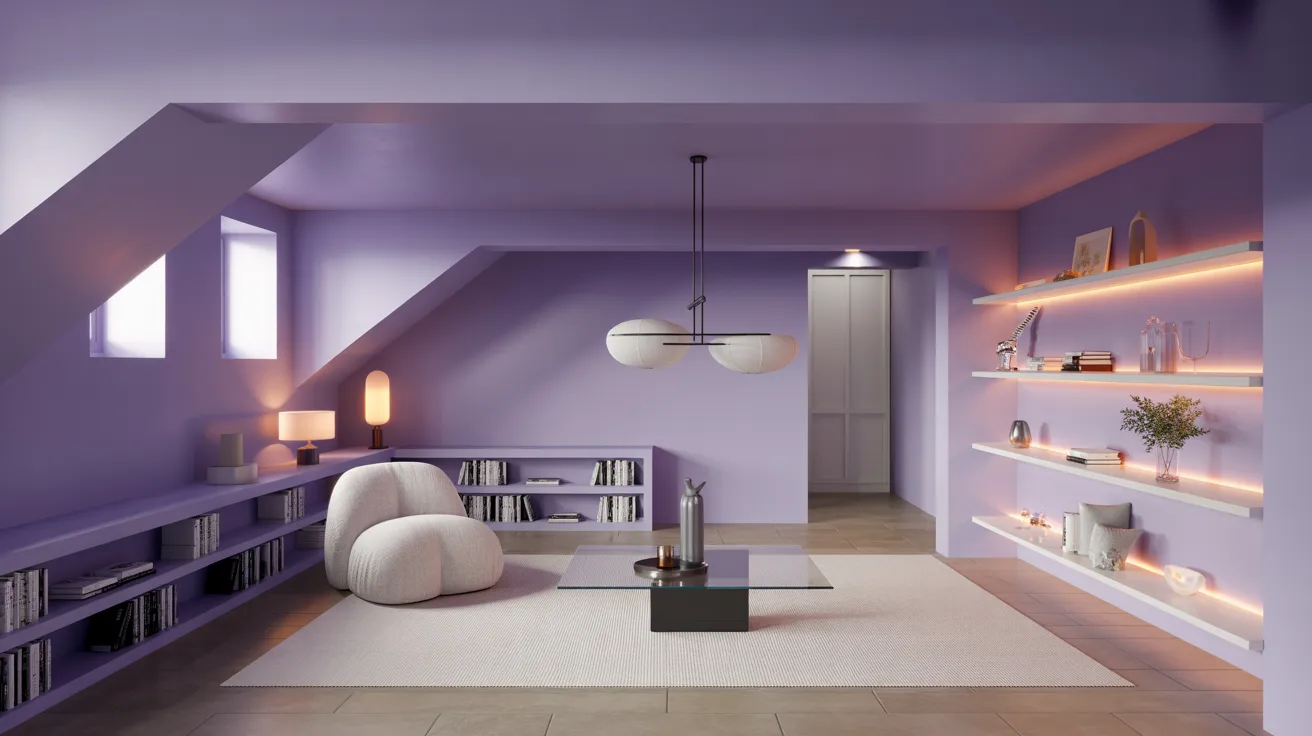
Lavender adds a subtle, airy touch. It’s feminine without being childish and works in small spaces.
This soft purple brings a touch of grace. Try it in spa-like bathrooms or quiet reading areas.
It won’t overwhelm like darker purples might.
14. Olive / Earthy Green
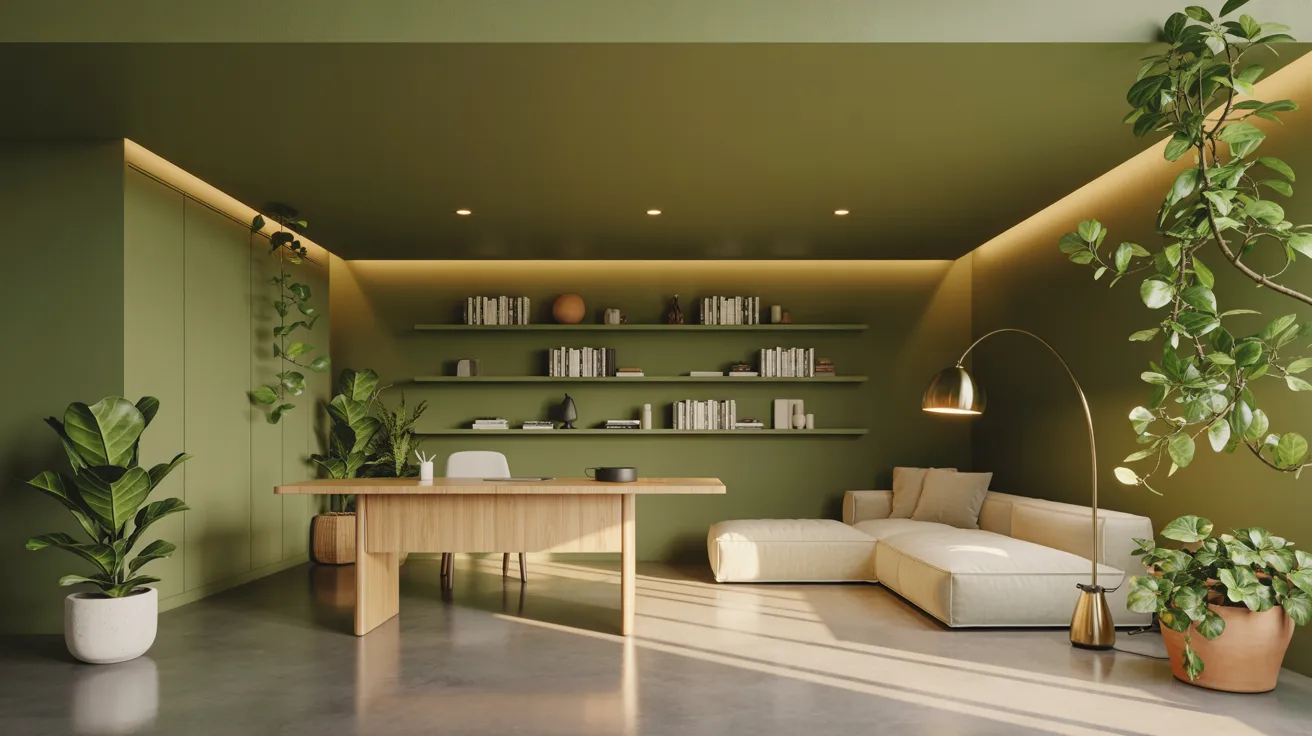
Olive feels contemporary and rich. It’s more grounded than sage and pairs well with neutral furniture.
This earthy green complements plants and natural materials. It works in modern basements with clean lines.
Great for home offices and lounges.
15. Metallic Silver
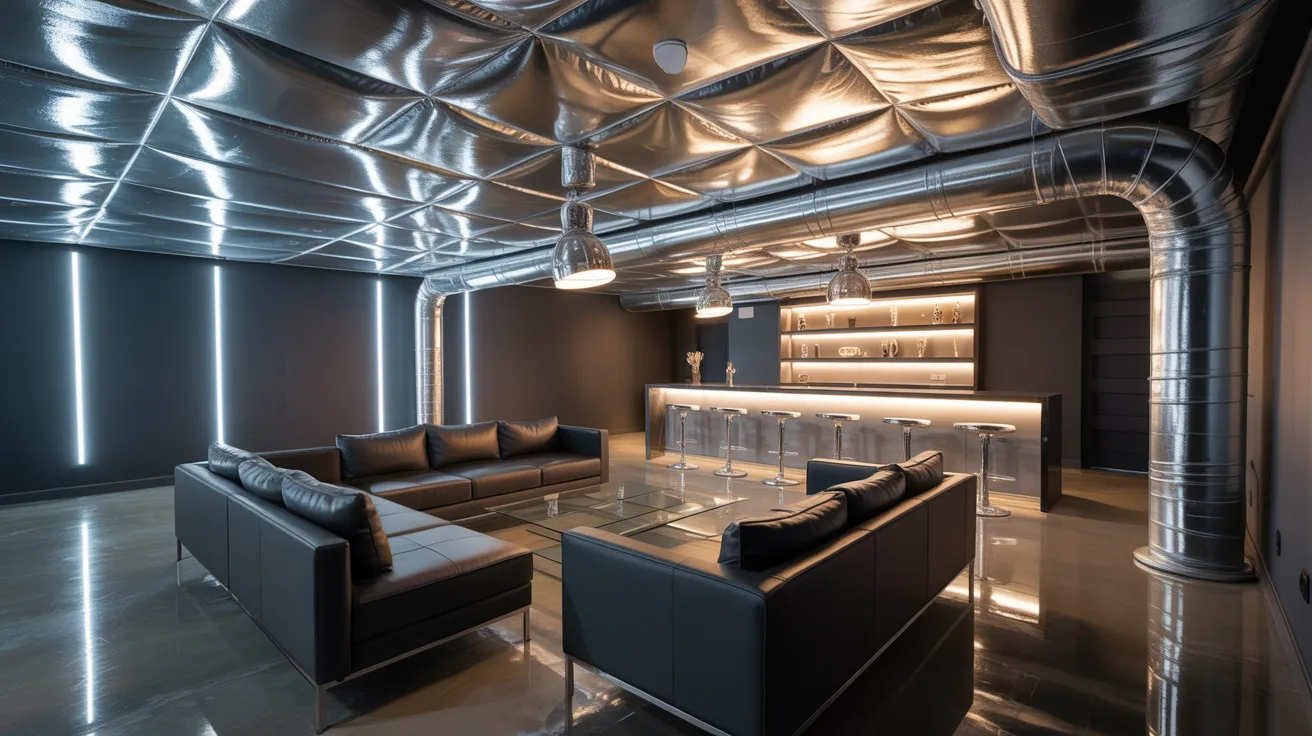
Silver creates a modern, luxe feel. It reflects light and adds visual interest to plain ceilings.
This metallic works in entertainment areas and bars. It gives industrial or contemporary spaces an upscale edge.
Use proper primer for the best finish.
16. Metallic Bronze / Gold
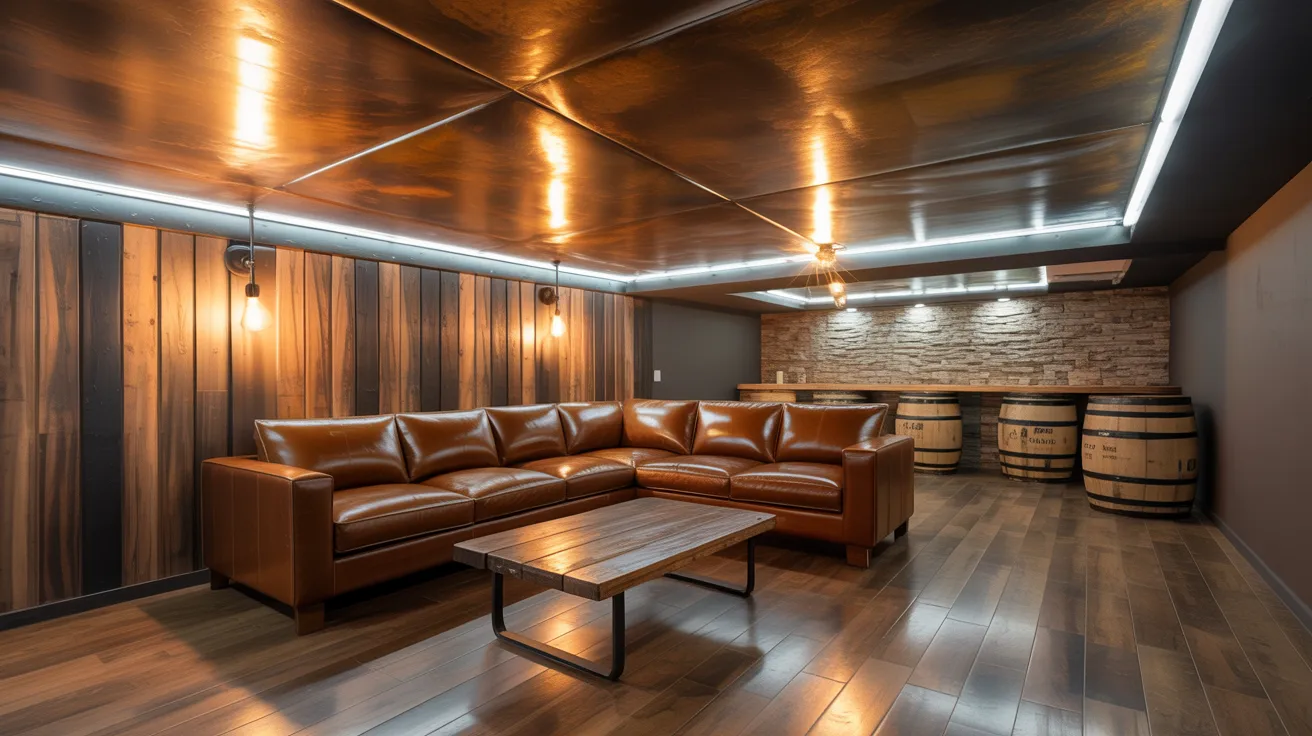
Bronze and gold add warmth with Polishedness. They work with rustic and industrial styles.
These metallics create depth and interest. They pair well with wood tones and leather furniture.
Perfect for man caves and wine cellars.
17. Wood-Stained / Natural Wood Tones
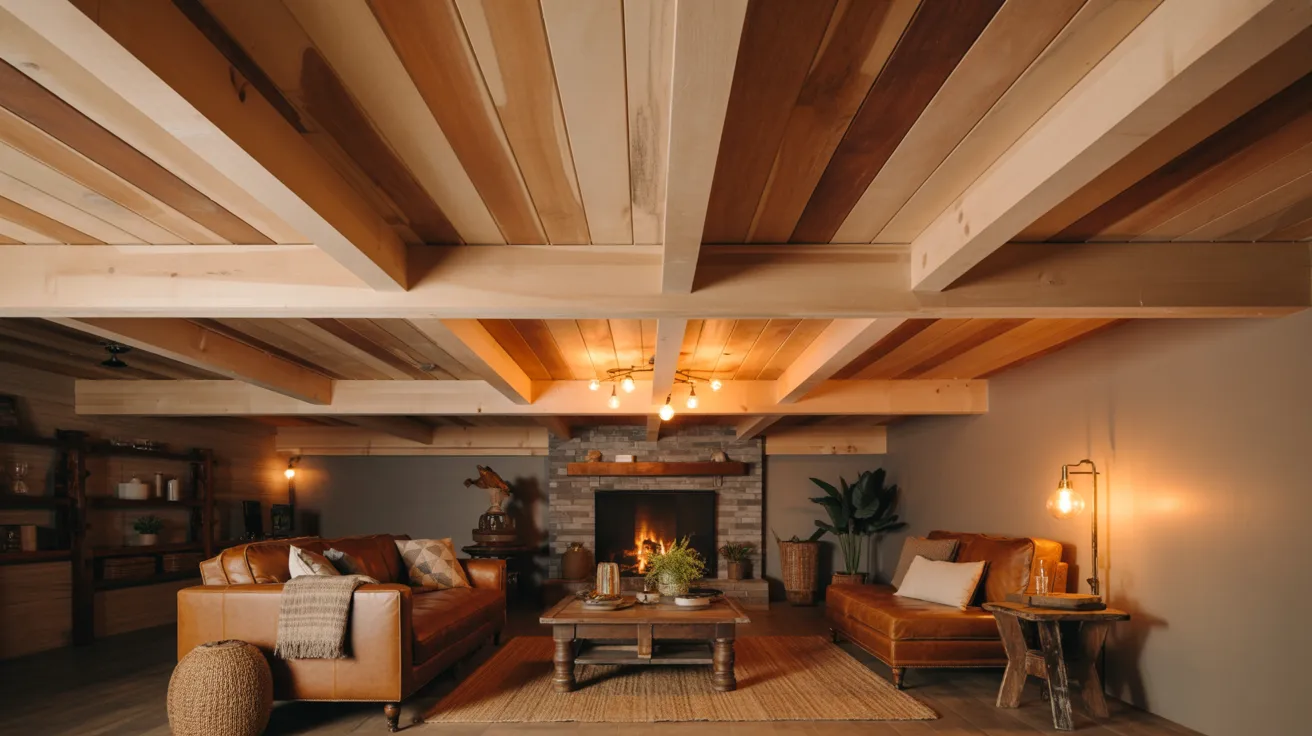
Natural wood brings organic warmth. It adds texture and interest to beamed or planked ceilings.
This option works in rustic, farmhouse, and cabin-style basements. It creates a cozy, lived-in feel.
Stain quality matters here. Go with a good product.
18. Matching Wall and Ceiling Color
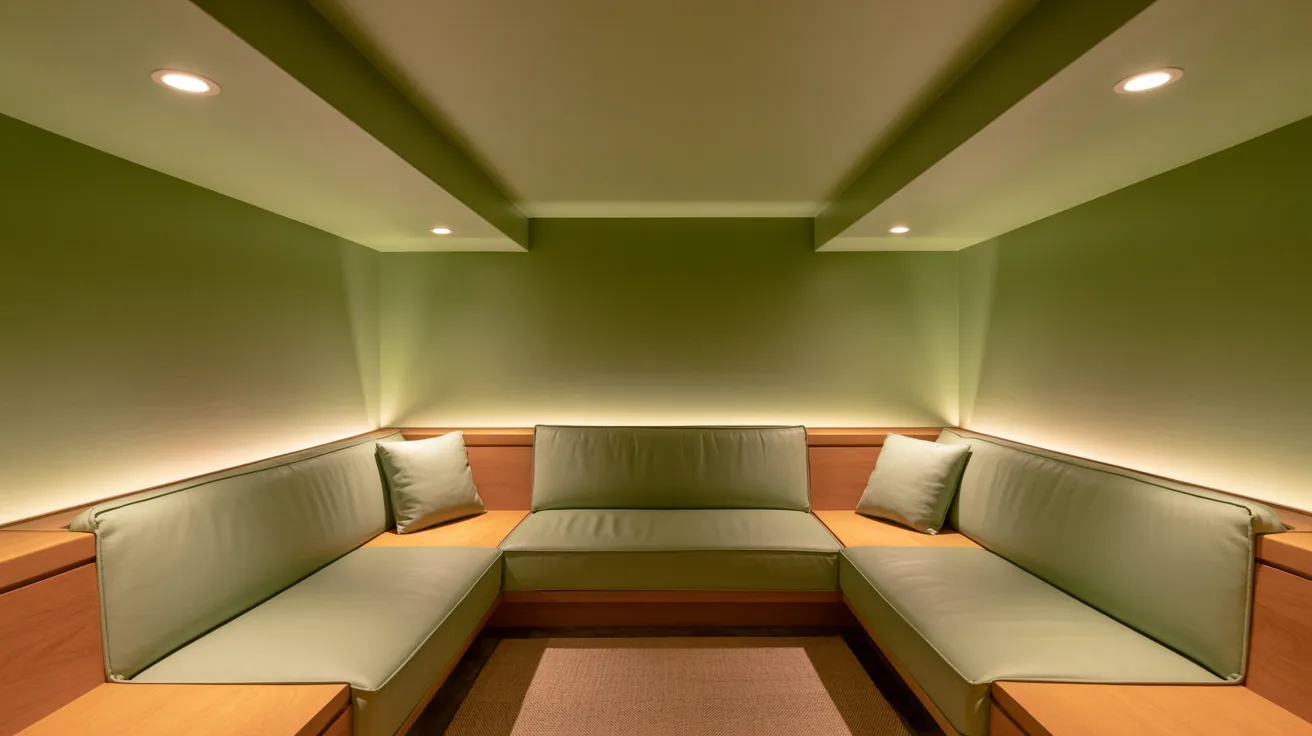
Matching walls and ceilings creates a seamless look. The space feels unified and low ceilings appear taller.
This trick works with any color. The lack of contrast makes the ceiling disappear visually.
Try it in small or low basements.
19. Bold Accent Color (Red / Orange)
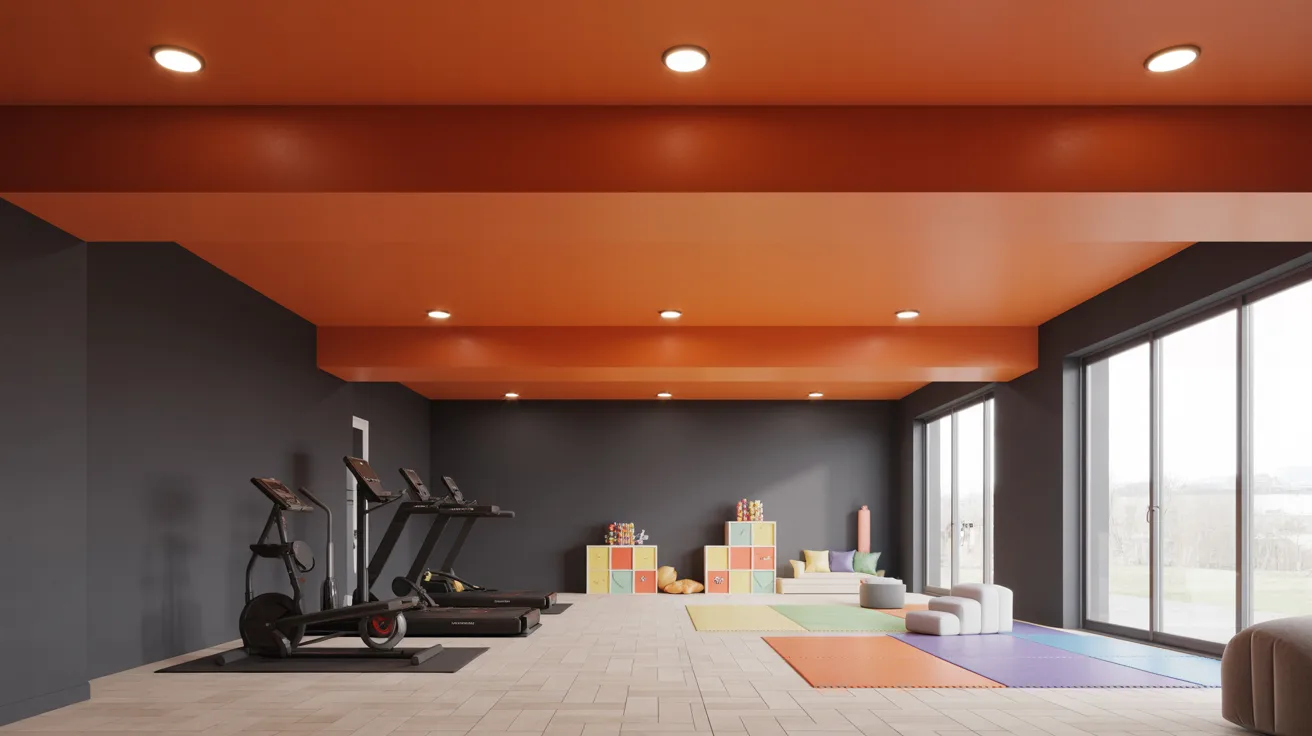
Red and orange make dramatic statements. They energize playrooms, gyms, and creative spaces.
These bold colors need careful planning. Balance them with neutral walls and plenty of light.
Use them where you want high energy.
20. Blackened Blue / Moody Blue
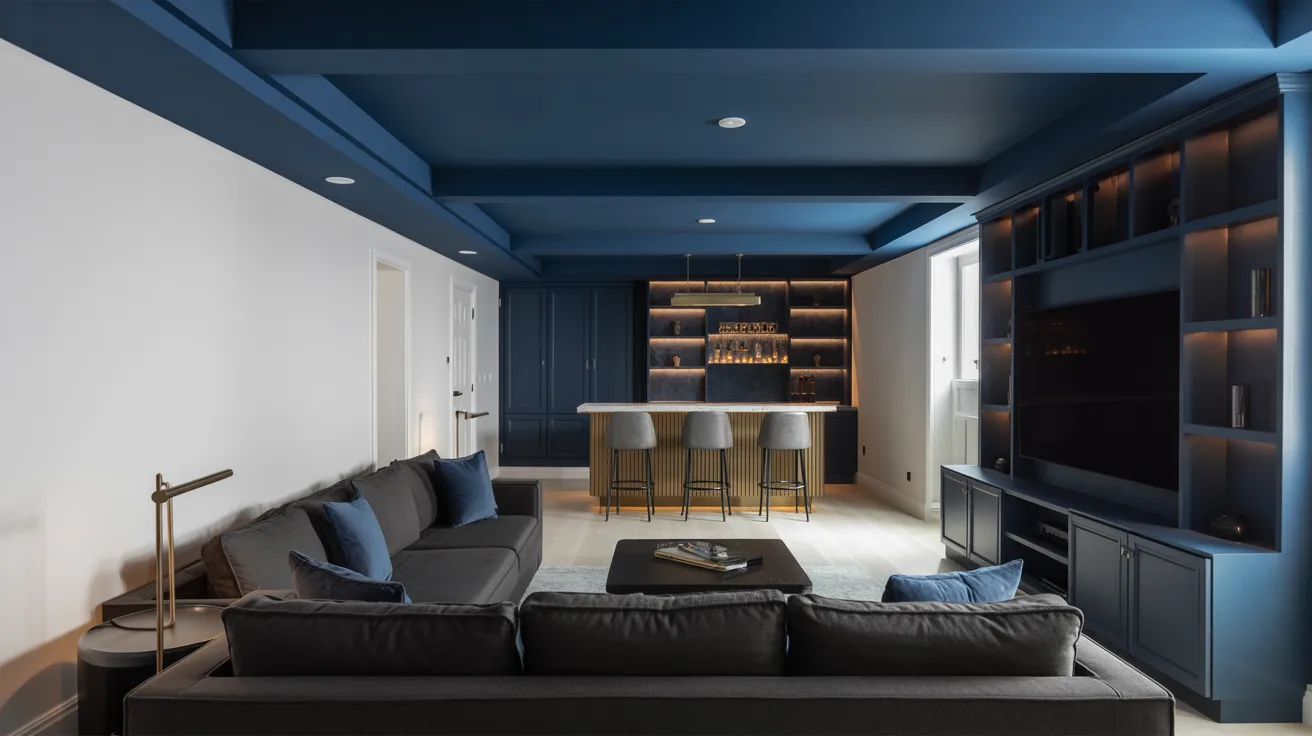
Blackened blue hides imperfections while adding depth. It’s darker than navy but not quite black.
This moody shade pairs beautifully with white walls. The contrast makes rooms feel intentional and designed.
Great for media rooms and bars.
21. Purple Haze / Smoky Purple
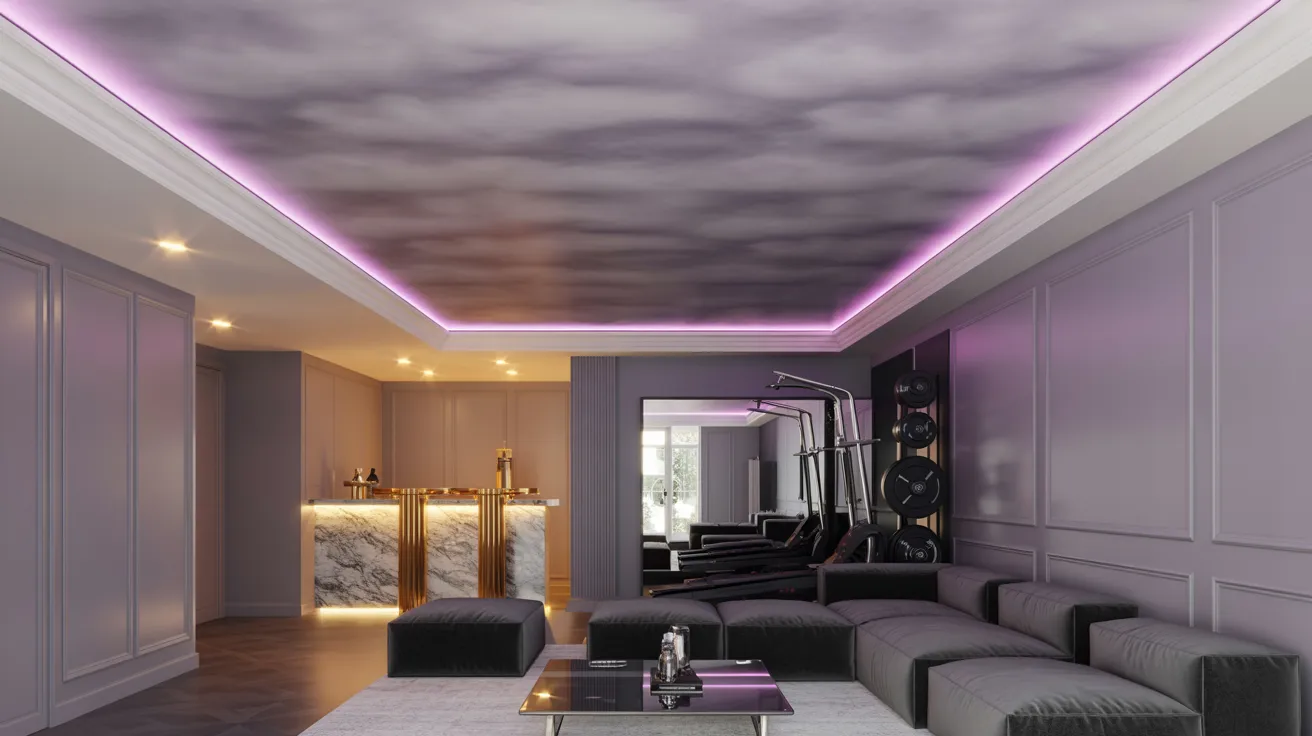
Smoky purple adds mystery and grace. It’s interesting without being loud.
This color works in luxury basements and home gyms. It creates a high-end feel in the right setting.
Pair it with gray or white for balance.
22. Teal + Seal / Blue-Green
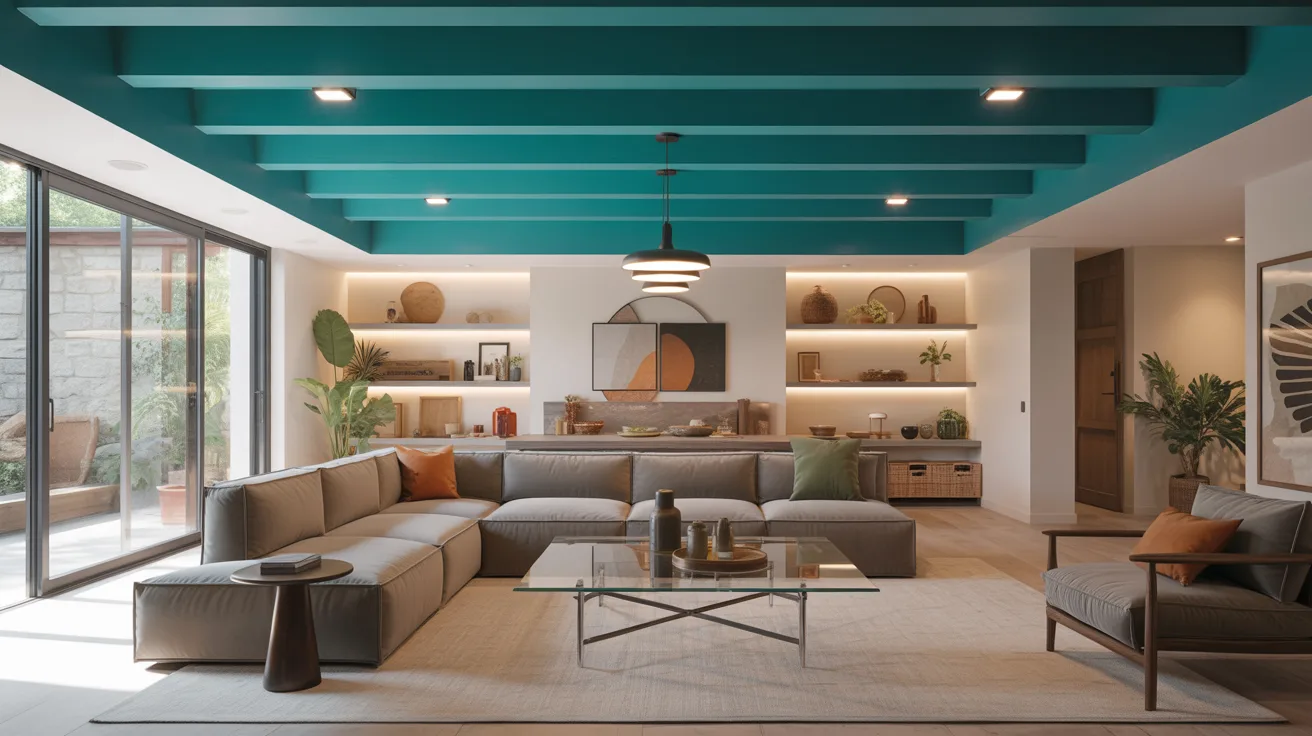
This bold mid-tone works in modern walk-out basements. It’s fresh and contemporary.
Blue-green brings the outdoors in while maintaining a bold presence. It works with natural light and modern furnishings.
Try it in living areas with windows.
23. Kicky Cobalt / Electric Blue
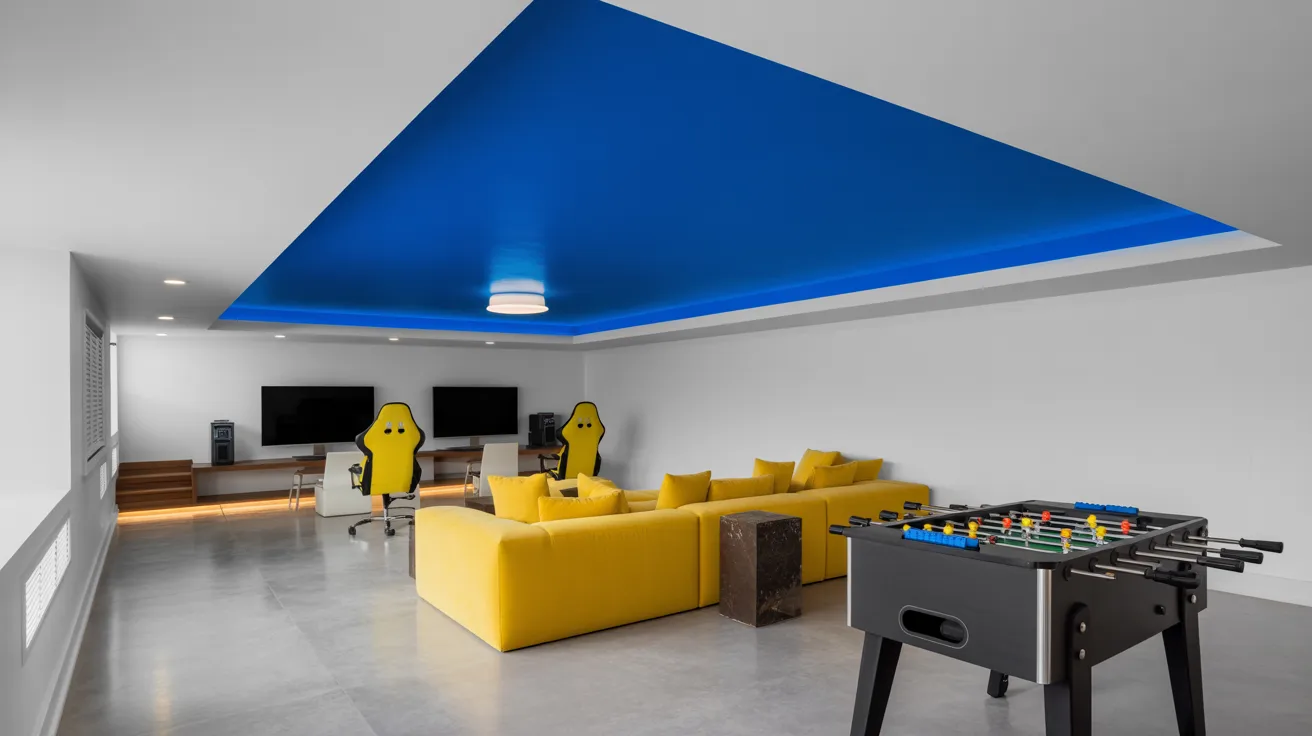
Cobalt brings youthful energy. It’s vibrant and fun, perfect for game rooms.
This electric blue works where you want excitement and activity. It pairs well with white, gray, and yellow accents.
Use it in spaces for teens and young adults.
Tips for Painting Your Basement Ceiling
Getting the paint on is just part of the job. These tips help you avoid common mistakes and get professional results.
Here’s what I’ve learned from painting dozens of basement ceilings:
- Test your color first. Paint a large sample on the ceiling and live with it for a few days. Colors look different on ceilings than on walls. Basement lighting changes how colors appear.
- Use mold-resistant paint. Basements hold moisture. Regular paint grows mildew in damp conditions. Spend the extra money on paint made for high-humidity areas.
- Prep your surface properly. Clean off dust and cobwebs. Fix any water stains or damage. Prime over dark colors before painting light ones. Good prep makes paint last longer.
- Invest in the right tools. A quality roller with an extension pole saves your neck and back. Get a paint tray that hooks to your ladder. Use angled brushes for edges and corners.
- Add extra coats to dark colors. Black, navy, and deep colors need at least two coats for even coverage. Sometimes three. Don’t try to save time by skipping coats.
Conclusion
You now have 23 solid options for your basement ceiling. I’ve used many of these in my own projects and seen them work in countless homes.
Start by thinking about your basement’s purpose. Match the color to how you’ll use the space. A home theater needs different treatment than a playroom.
Don’t be afraid to test samples on your ceiling. Live with them for a few days before committing.
What color speaks to you? Drop a comment and tell me about your basement project.
Frequently Asked Questions
What’s the best color for a low basement ceiling?
White or soft white works best for low ceilings. These colors reflect light and make the space feel taller and more open.
Can I paint my basement ceiling black?
Yes, black works well for exposed ceilings in home theaters and bars. Just add extra lighting since black absorbs light instead of reflecting it.
Should my basement ceiling match my walls?
Matching walls and ceilings creates a seamless look that makes low ceilings appear taller. This works with any color you choose.
What color hides basement ceiling imperfections?
Dark colors like black, charcoal, and blackened blue hide imperfections better than light colors. They draw the eye away from flaws.
Do I need special paint for basement ceilings?
Use mold-resistant paint designed for high-humidity areas. Basements trap moisture, so regular paint may develop mildew over time.


