

Have you ever worried that your front door might not be as secure as you think?
I’ve faced the same concern in my own home, which is why I learned exactly how to reinforce a door for maximum safety.
In this guide, I’ll walk you through practical steps I’ve used personally, from upgrading locks and hinges to adding simple security measures that really work.
With years of experience in home safety, I’ll show you cost-effective methods and small adjustments that make a big difference.
Stick with me, and you’ll gain the confidence that your entry points are stronger and safer.
Why is Reinforcement of the Door Important?

Reinforcing a door is a simple way to make your home more secure. Most break-ins happen because doors fail at weak points like the frame, hinges, or locks, rather than the door itself.
A standard door with short screws or a flimsy strike plate can be forced open quickly.
Strengthening these areas with longer screws, metal plates, or better locks makes it much harder for intruders to get inside.
It also helps protect families, pets, and valuable belongings.
Even small improvements, like adding a barricade or reinforcing the jamb, can make a big difference in overall safety and give you confidence that your entry points are stronger.
How to Reinforce a Door by Reinforcing the Door Hardware
Door hardware is often the weakest point. Strengthening hinges, locks, and strike plates makes a door harder to force open and improves security without major work or high cost.
1. Upgrade the Strike Plate
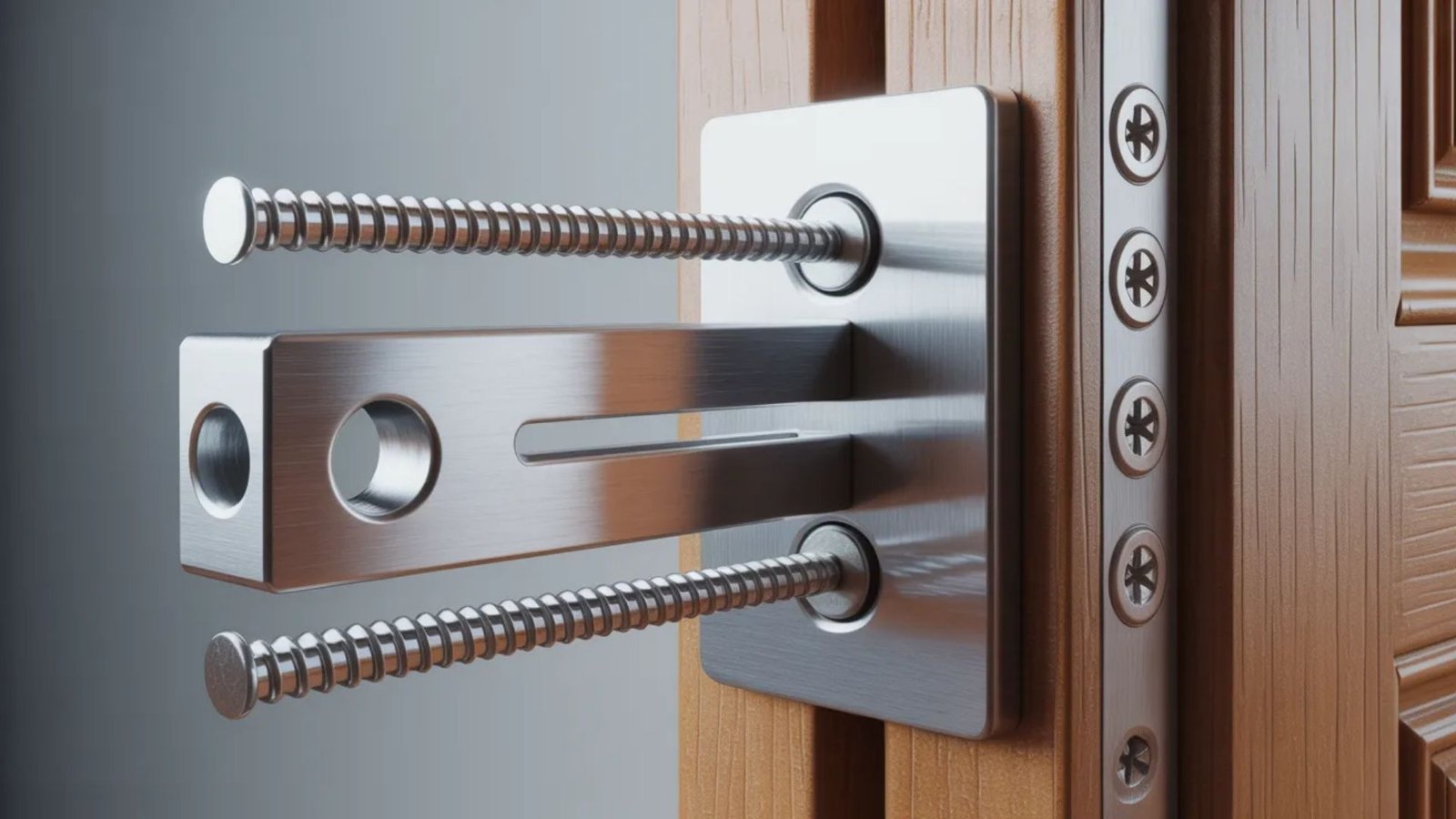
Replacing the strike plate with a 3-4 inch hardened steel plate adds strength to the door latch. Remove the old plate, align the new one, and drive long screws into the wall stud.
This makes the door more resistant to kicking and ensures the lock holds securely.
2. Reinforce Door Hinges

Hinges can fail if they use short screws. Remove the existing screws and replace them with 3-4 inch screws that anchor into the door frame and studs.
For extra security, add hinge pins or corrugated pins to prevent the door from being lifted or forced off its frame.
3. Install a Heavy-Duty Deadbolt

A heavy-duty deadbolt strengthens the lock point. Remove the old lock, align the new deadbolt with the reinforced strike plate, and secure it firmly.
High-quality deadbolts resist drilling and picking, and proper alignment ensures smooth operation while providing strong protection against forced entry.
4. Install a Latch or Door Handle Guard
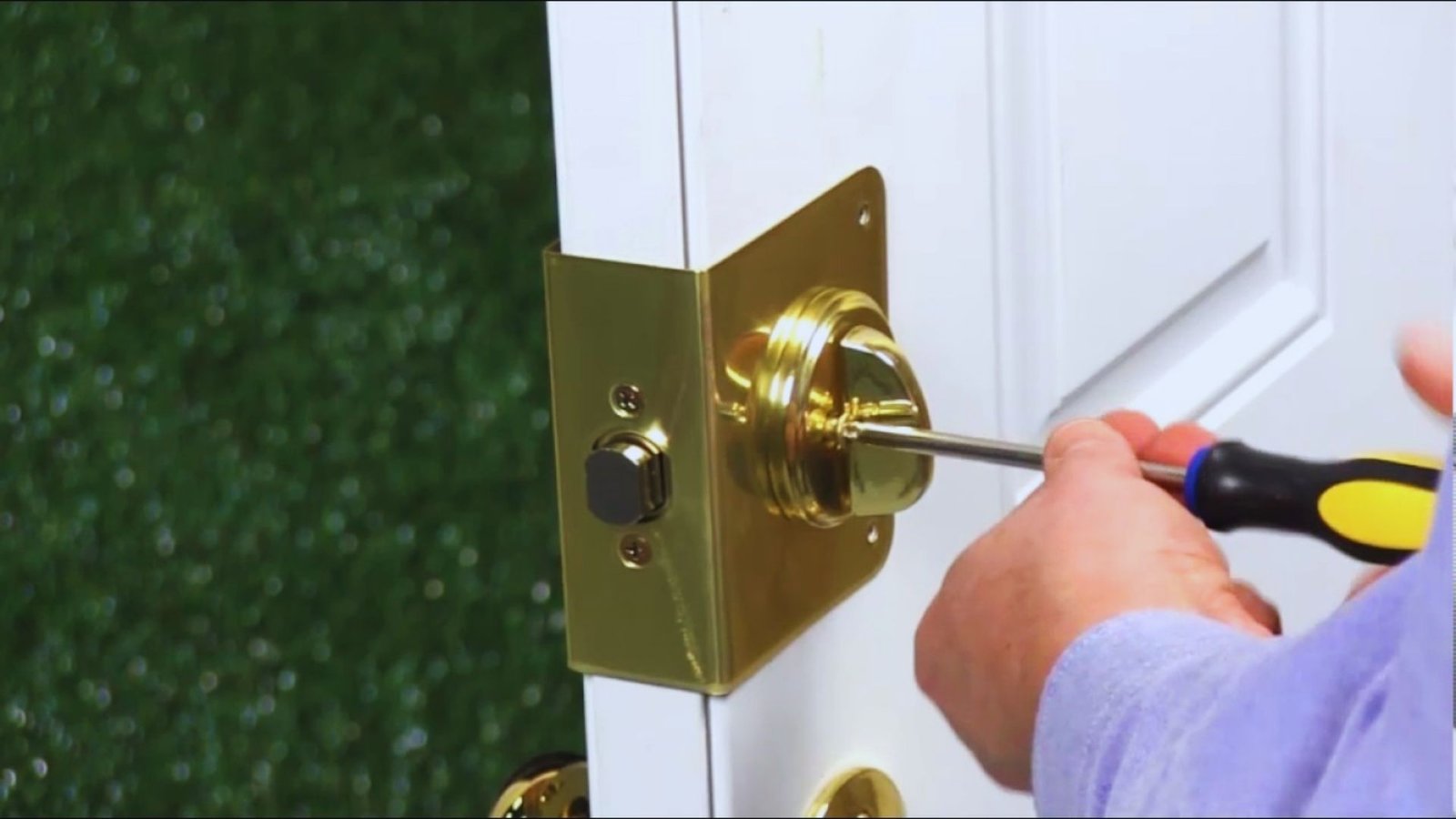
A metal guard protects the latch and handle from tampering. Position the guard to cover the area completely, then secure it with screws into the frame.
This is especially important for outward-opening doors, preventing intruders from prying or lifting the latch and adding an extra layer of defense.
How to Reinforce a Door by Strengthening the Door Frame
The door frame is often a weak point. Reinforcing it with metal plates or proper screws strengthens the door and prevents splitting without major work.
5. Apply a Door Jamb Reinforcement Kit

A door jamb reinforcement kit adds full-length metal plates along the hinge and strike sides.
Remove the existing trim if needed, fit the plates over the frame, and secure with long screws into studs.
This helps prevent the frame from splintering under strong force and keeps the door locked firmly.
6. Reinforce Doors with a Steel Mending Plate
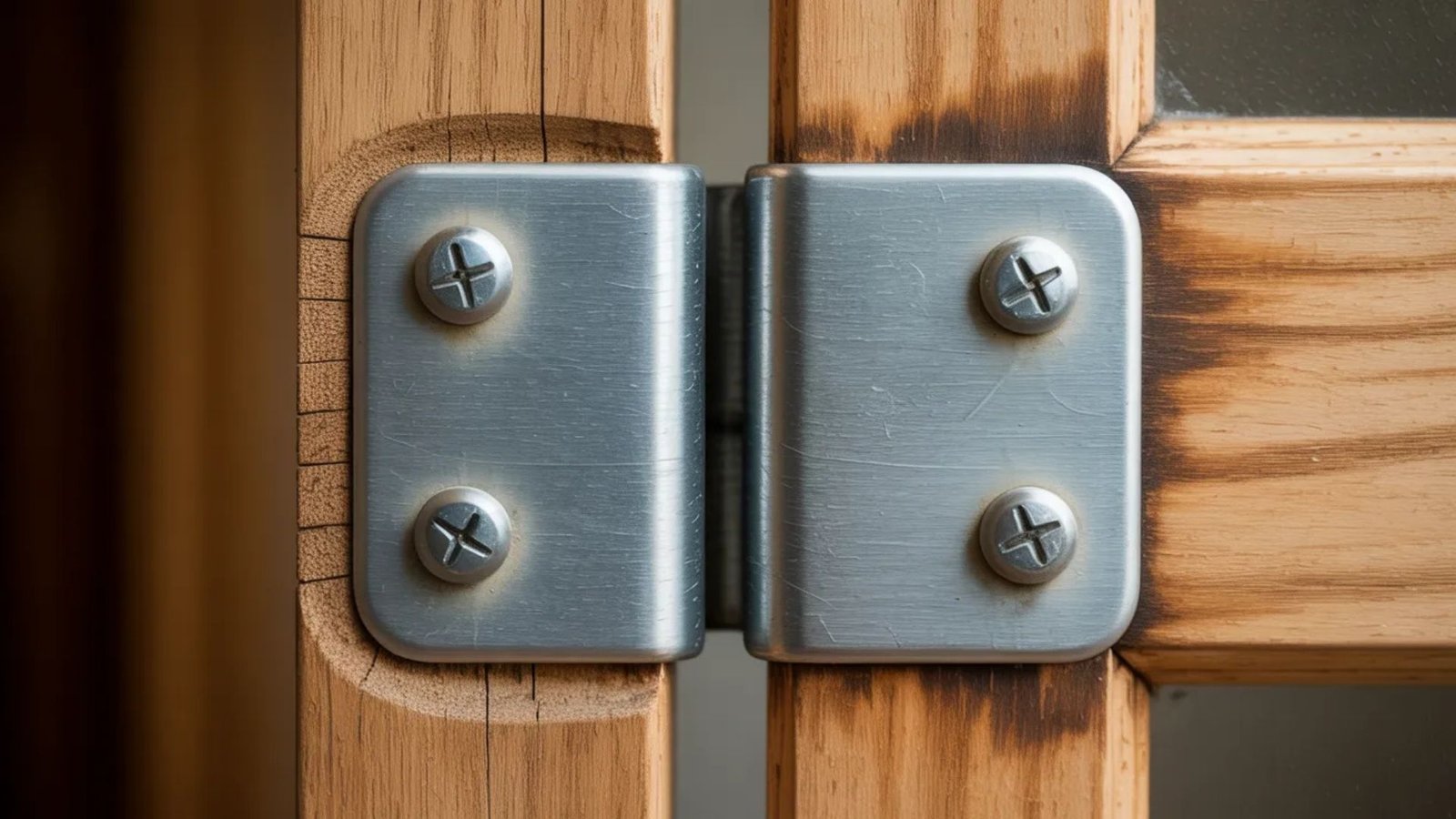
Steel mending plates strengthen weak areas of the frame. Position a 12-gauge galvanized steel plate over the vulnerable section, then secure it with 4-inch screws.
This distributes force from impacts and prevents the door frame from breaking or giving way during an attempted entry.
7. Strengthen Existing Screw Holes
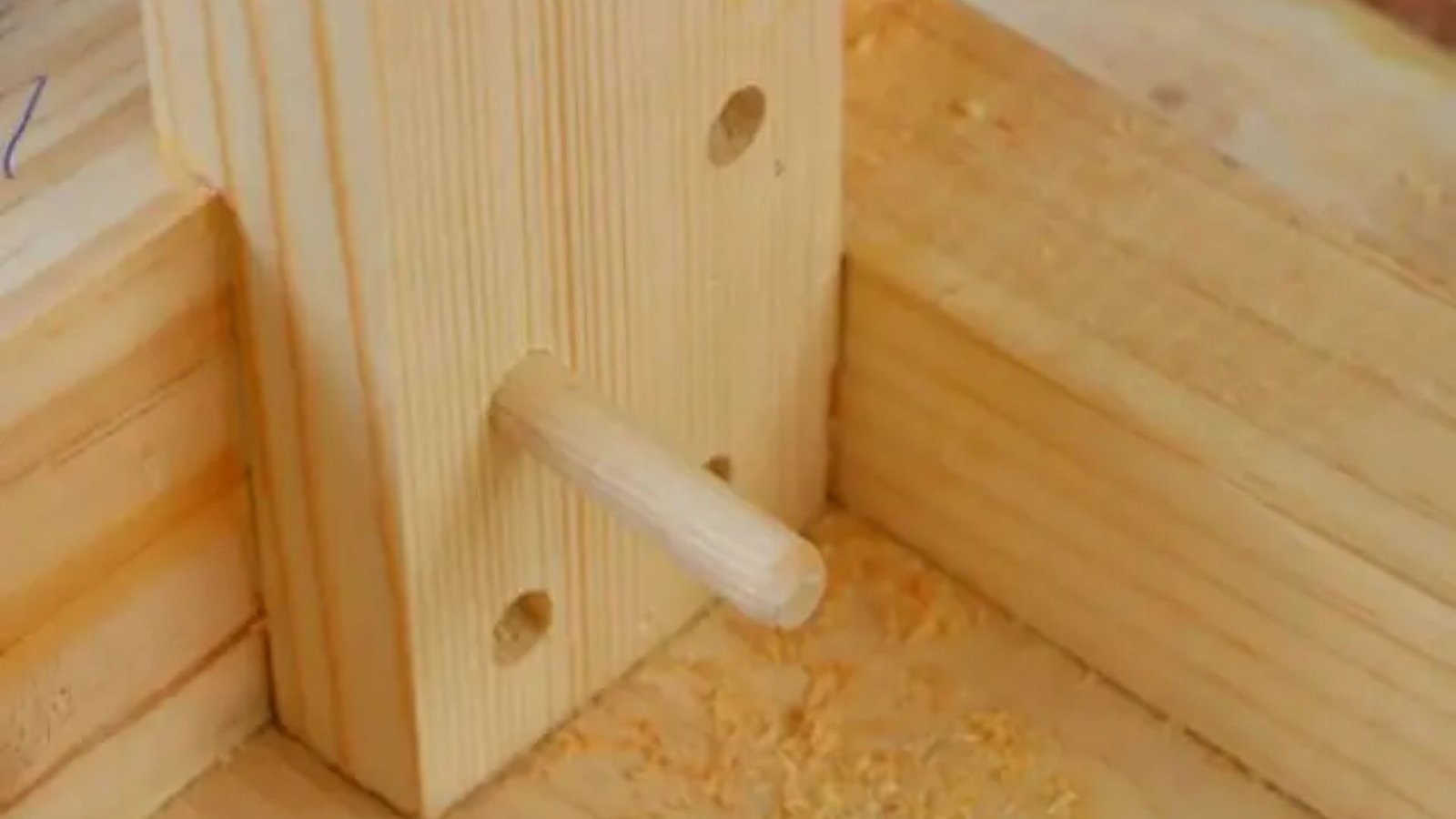
Old screw holes can loosen and weaken the door frame. Inject wood glue or epoxy into these holes before reinstalling long screws.
Once the glue sets, drive in 3-4 inch screws into the studs. This ensures the screws hold firmly and adds resistance against forced entry.
Reinforcing the Door Itself
A hollow or thin door is easy to break. Adding protective plates or reinforcing it makes the door much stronger without major work.
8. Replace Hollow-Core Doors with Solid-Core Doors

Hollow-core doors are easy to break, while solid wood or metal doors resist impact much better.
For those on a budget, existing solid doors can be reinforced with steel plates along the weak areas.
This improves strength without needing a full door replacement and keeps costs reasonable.
9. Use a Door Edge Guard / Shield
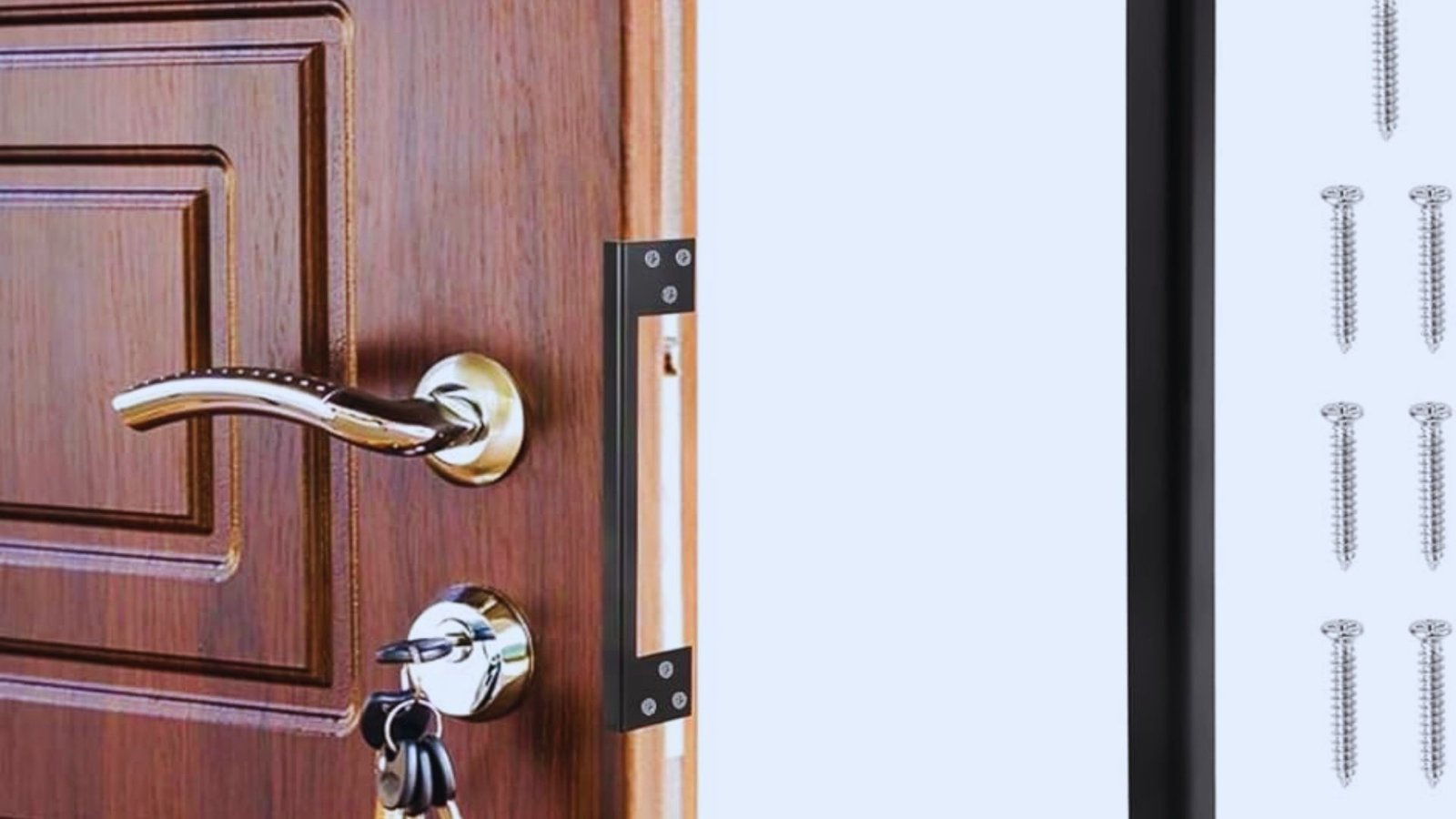
A steel edge guard wraps around the door edges to protect against splitting. Install it along the latch and hinge sides, securing it with long screws.
This prevents the door from being forced open and adds a strong barrier at the most vulnerable points of the door.
Additional Security Measures
Extra security tools like bars, reinforced glass, smart locks, and cameras make doors harder to breach and boost overall home safety.
10. Install a Door Security Bar / Barricade

Door security bars, either floor-mounted or door-mounted, add a strong defensive layer. Place the bar securely against the floor or door frame.
They are portable and easy to set up when you are home or sleeping. This simple addition makes forced entry much more difficult.
11. Reinforce Glass Panels

Doors with glass panels can be a weak point. Apply security film or use laminated glass to make it harder to break.
For sliding doors, add anti-lift blocks to prevent removal. These measures protect against easy entry while keeping natural light intact.
12. Upgrade to Keyless Entry or Smart Locks

Keypad or biometric locks reduce the risk of lock picking. Install a quality smart lock in place of a standard deadbolt.
Many models integrate with home monitoring systems, letting you control access and check the door remotely for added security and convenience.
13. Add Motion-Activated Lighting or Cameras
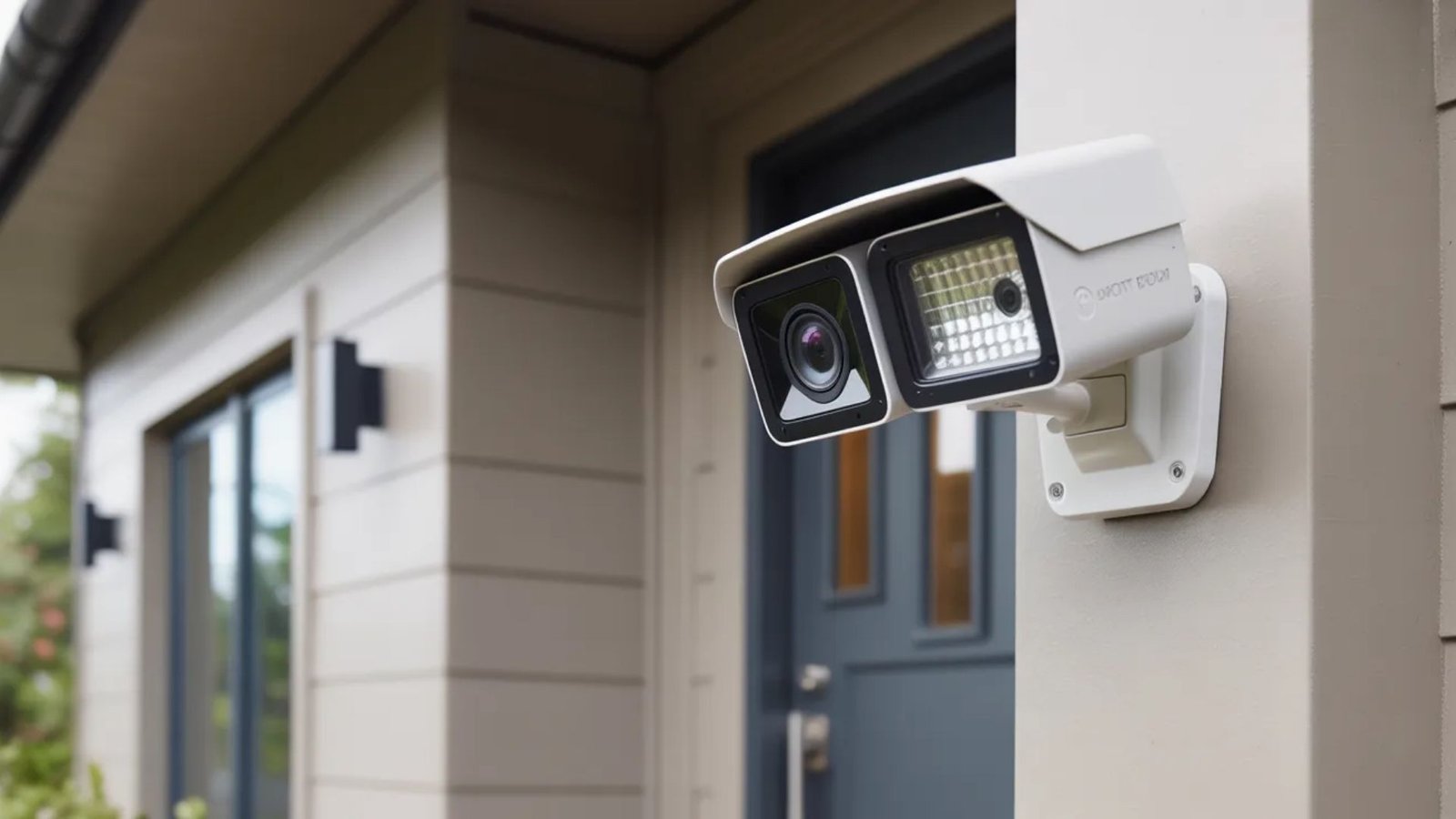
Motion-activated lights and cameras increase visibility and deter intruders. Position lights near entry points and cameras to cover doors and driveways.
For extra protection, combine with DIY door alarms. These devices make it harder for intruders to approach unnoticed.
Understanding Door Vulnerabilities
Doors usually fail at weak points, not the door itself. Reinforcing hinges, locks, or frames can prevent break-ins without major work.
Weak Points in Doors
Some parts of a door are more likely to fail under force.
Hollow-core doors vs solid-core doors: Hollow-core doors are much easier to break than solid-core doors, which resist impact better.
Weak door frames and jambs: Weak frames or jambs can split under force, making the door vulnerable.
Standard locks and strike plates: Short or low-quality locks and strike plates often fail during forced entry, leaving your home exposed if not reinforced.
Signs Your Door Needs Reinforcement
Early warning signs can show when reinforcement is needed.
Door warping or loose hinges: A door may need reinforcement if it shows warping or has loose hinges.
Difficulty locking or rattling hardware: Trouble locking or rattling hardware indicates the door might not withstand force.
Previous break-in attempts or high-risk areas: Homes with prior break-in attempts or in high-risk areas should reinforce doors for added protection.
Identifying weak points shows where to reinforce the door. Fixing these areas improves home security.
Cost-Effective Tips for Maximum Security
Small, smart upgrades can strengthen your door without spending a lot. Focusing on key areas gives the best protection for your budget.
Prioritize Weak Points: Reinforce the door’s weakest areas, like the lock and frame, first.
Use Affordable, Durable Materials: Use strong, budget-friendly items like long screws, metal plates, or basic security bars.
Compare DIY vs Professional Costs: DIY saves money on simple upgrades, while professional help may be needed for complex installations.
Reinforce weak points with durable, affordable materials. DIY upgrades save money while keeping your door secure.
Common Mistakes to Avoid
Avoiding common mistakes ensures your door reinforcement is effective.
- Using short screws or cheap hardware that can fail under force.
- Ignoring the door frame while reinforcing, leaving weak points exposed.
- Reinforcing only the door and neglecting hinges or locks.
- Skipping alignment checks for locks and strike plates.
- Forgetting to test the door after reinforcement to ensure it functions properly.
Fixing these errors strengthens your door and improves home security.
Conclusion
Now that you’ve learned how to reinforce a door, you can take simple, practical steps to make your home more secure.
I’ve shared ways to strengthen hinges, locks, strike plates, and even the door frame, all without major construction or high costs.
By focusing on weak points and adding easy security measures, you can significantly reduce the risk of forced entry. I use these methods myself, and you can too.
Start reinforcing your door today and enjoy the peace of mind that comes with a safer home!
Frequently Asked Questions
How Much Does It Cost To Reinforce A Door Yourself?
DIY upgrades usually cost $10-$100, depending on materials and devices used.
What’s The Easiest Reinforcement For Renters?
Portable locks, security bars, or temporary latch guards work well without drilling.
Are Door Braces Effective Against Forced Entry?
Yes, they add a strong barrier, especially when combined with reinforced hinges and strike plates.
How To Reinforce A Door That Opens Outward?
Use a latch or handle guard, reinforce the strike plate, and add a door edge guard.
Can A Standard Interior Door Be Reinforced Effectively?
Yes, adding long screws, metal plates, or guards improves strength, though it’s weaker than exterior doors.


