

I’ve helped a lot of people figure out their window options, and the casement vs awning window debate comes up all the time.
Both look great. Both work well. But they’re built for different situations.
In this guide, I’ll break down how each window works, what sets them apart, and where each one makes the most sense.
I’ve spent years writing about home improvement, so you’re getting real, practical advice here.
By the end, you’ll know exactly which one fits your home.
Understanding Window Types
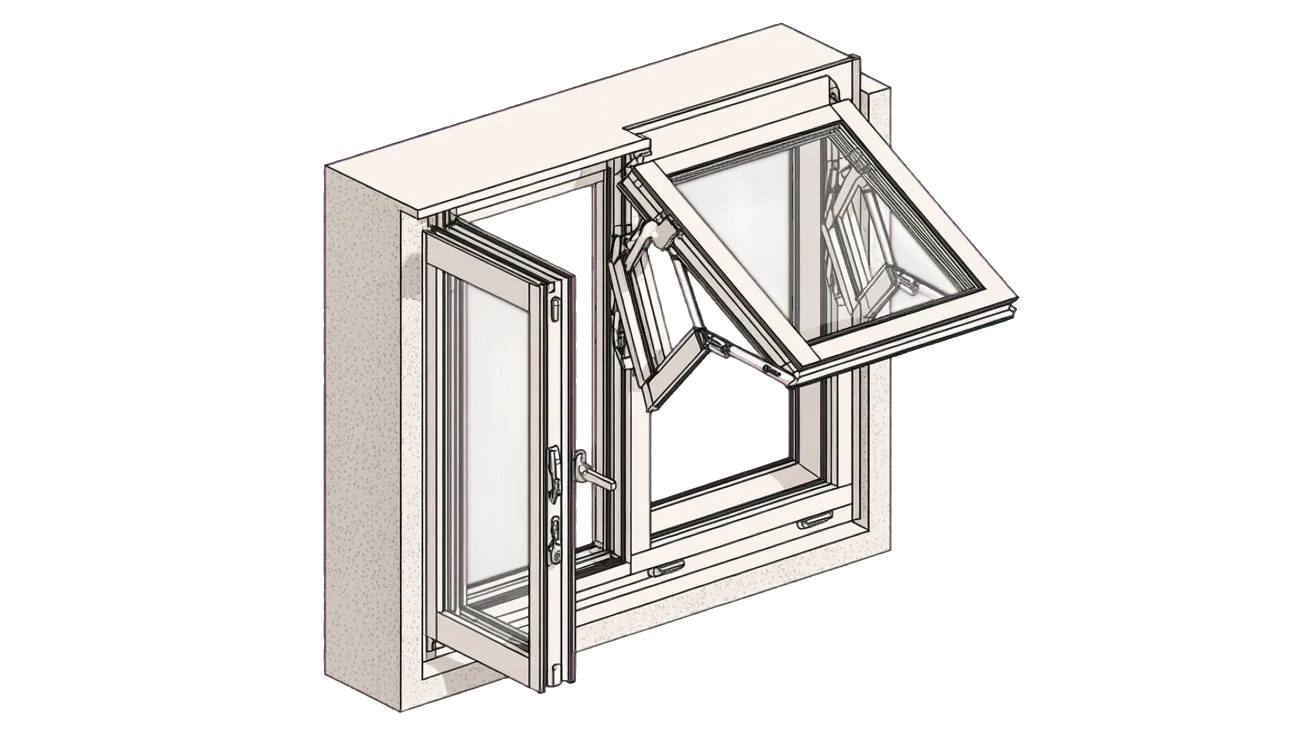
Casement and awning windows are both hinged windows, meaning they swing open rather than slide. They’re common in modern homes because they seal tightly and let in good airflow.
The main difference is how they open. Casement windows swing out sideways on vertical hinges, while awning windows are hinged at the top and open outward from the bottom.
Knowing this difference helps you pick the right one for any room.
What Is a Casement Window?
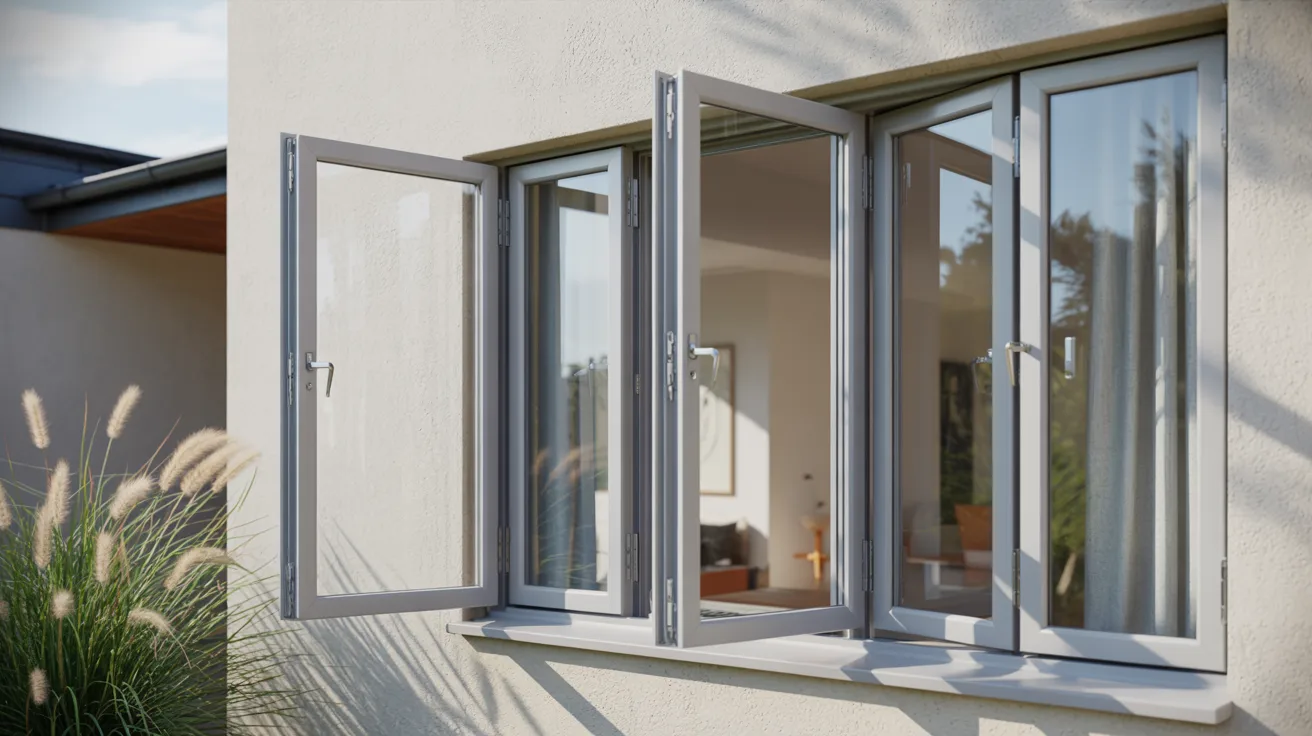
A casement window is hinged on one side and cranks open outward, like a door. You turn a handle at the bottom, and the window swings out fully.
This gives you full access to the opening, which means great airflow and clear views. They’re a popular choice for living rooms, bedrooms, and anywhere you want to catch a breeze.
Advantages of Casement Windows
- Excellent ventilation and airflow: The full opening catches wind from any direction.
- Energy-efficient airtight seal: The sash presses firmly against the frame when closed.
- Wide and unobstructed outdoor views: No center rail to block your line of sight.
- Easy operation with crank mechanism: Simple to open, even for kids or older adults.
Disadvantages of Casement Windows
- Requires exterior space to open: Not ideal near walkways or tight outdoor areas.
- Hinges may face wind pressure: Strong gusts can stress the hardware over time.
- Hardware may require maintenance over time: Cranks and hinges need occasional care to stay smooth.
What Is an Awning Window?

An awning window is hinged at the top and opens outward from the bottom, like a small awning over the opening.
This design lets you keep the window open even when it’s raining, since the glass acts as a shield.
They’re often used in bathrooms, kitchens, and basements where you need ventilation without worrying about the weather.
Advantages of Awning Windows
- Allows ventilation even during rain: The outward tilt keeps water from coming inside.
- Compact and ideal for small spaces: Fits well in narrow wall spaces or high placements.
- Good protection from weather elements: The design naturally deflects wind and rain.
- Provides added security due to smaller openings: Harder for intruders to access when open.
Disadvantages of Awning Windows
- Limited airflow compared to casement windows: The smaller opening means less breeze gets through.
- Usually available in smaller sizes: May not work for large wall openings.
- May provide narrower outdoor views: Horizontal frame lines can cut into the view slightly.
Casement vs Awning Window: Key Differences
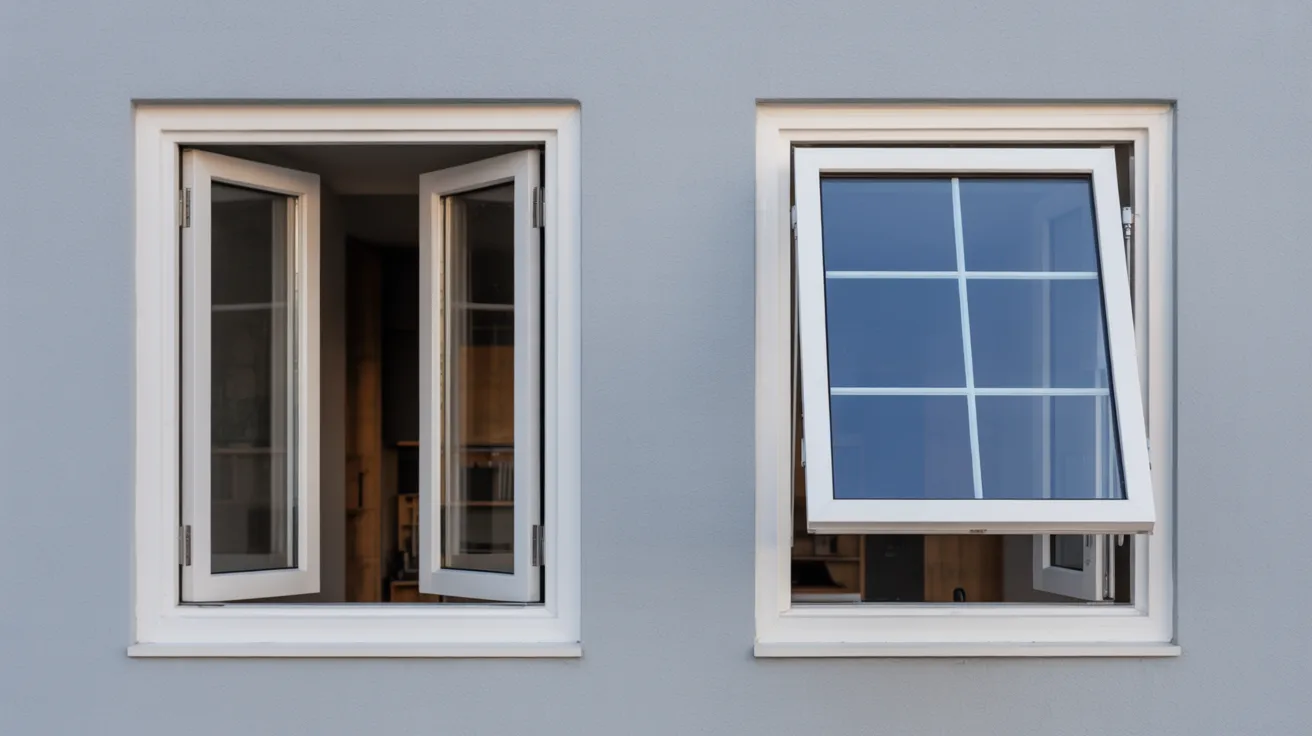
Compare how each window opens, ventilates, and fits your home’s style and layout.
| Feature | Casement Window | Awning Window |
|---|---|---|
| Opening Mechanism | Hinged on the side, swings outward horizontally | Hinged at the top, opens outward from the bottom |
| Ventilation Performance | Excellent, full opening catches cross breezes | Moderate, partial opening, but consistent airflow |
| Weather Resistance | Good when closed; vulnerable if left open in rain | Very good, open design deflects rain naturally |
| Size & Placement Flexibility | Available in larger sizes; best for main walls | Smaller sizes; great for high or narrow placements |
| Aesthetic Appeal | Clean, wide look with clear sightlines | Compact and neat; suits modern and transitional styles |
Casement vs Awning Window: Similarities
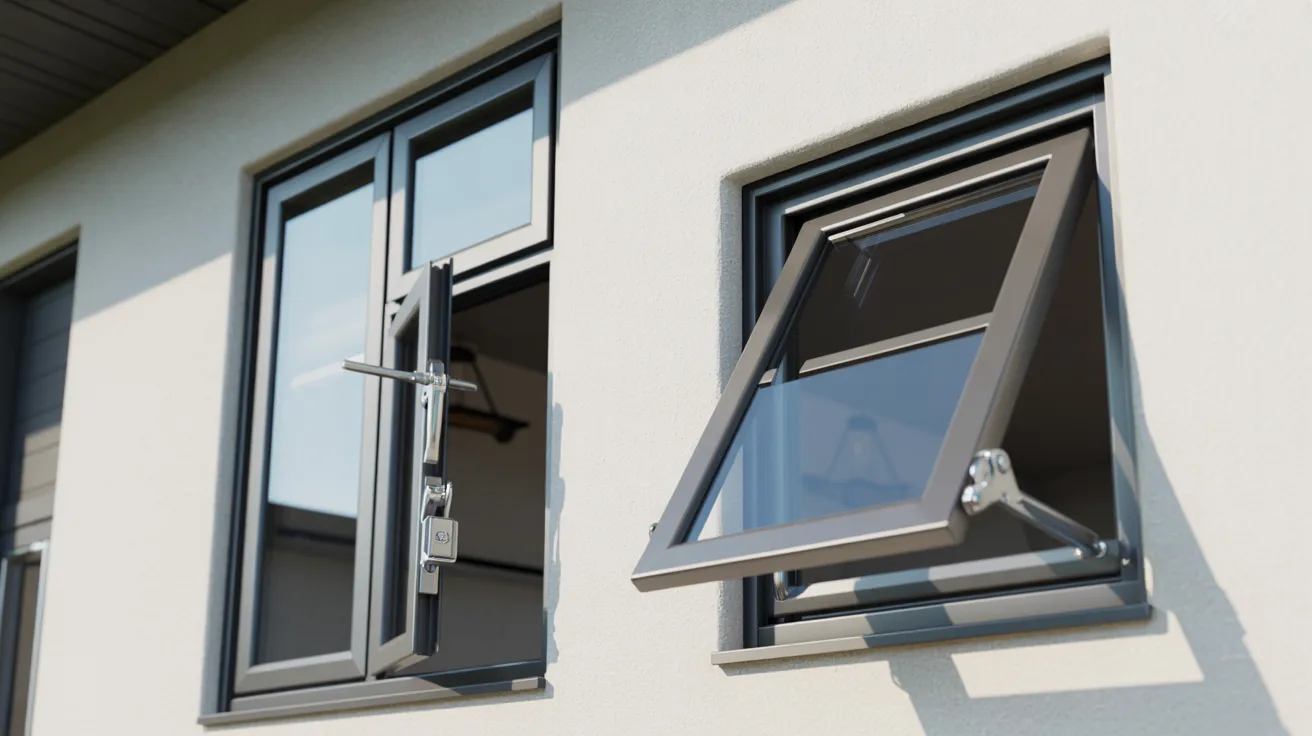
Energy Efficiency
Both window types press tightly against their frames when closed. This compression seal cuts down on drafts and heat loss.
If you’re looking to lower energy bills, either option performs well in that department. The key is proper installation and good quality weatherstripping.
Airtight Sealing
Casement and awning windows both use a compression seal rather than a sliding mechanism. That means less air leaks in or out.
This makes both types a solid pick for areas with harsh winters or hot summers. They consistently outperform double-hung windows on this front.
Modern Design Compatibility
Both styles work beautifully in modern, contemporary, and transitional homes. Their clean lines and minimal frames fit well with current design trends.
You can find them in wood, vinyl, fiberglass, and aluminum, so matching your home’s look is easy with either choice.
Easy Operation
Both window types use a simple crank mechanism to open and close. You don’t need to push or pull hard.
This makes them especially practical for windows placed above countertops or in hard-to-reach spots. People of all ages find them comfortable and straightforward to use.
Casement vs Awning Window: Cost Comparison
| Cost Factor | Casement Window | Awning Window |
|---|---|---|
| Average Window Price Range | $150 – $900 per window | $150 – $800 per window |
| Installation Costs | $150 – $400 per window | $100 – $350 per window |
| Long-Term Value and Durability | High, wide availability of parts and hardware | High, simple design means fewer mechanical issues |
Tips to Choose Between Casement and Awning Windows
- Pick casement windows for rooms where you want maximum airflow and wide views, like living rooms or bedrooms.
- Choose awning windows for bathrooms, kitchens, or basements where rain protection and privacy matter more.
- Check your exterior clearance, casement windows need open space on the outside to swing out fully.
- Think about placement height, awning windows work well high on walls, while casements are better at eye level.
- Match your climate, awning windows suit rainy regions, while casements shine in dry, breezy areas where you want to catch the wind.
Conclusion
I’ve looked at a lot of windows over the years, and honestly, there’s no wrong answer here.
Casement windows give you that wide-open, breezy feel. Awning windows are quietly dependable, rain or shine.
My honest take? If you want big airflow and views, go casement. If you have a bathroom or a tight spot that needs fresh air without worrying about weather, awning wins.
Which one are you leaning toward? Drop a comment below, I’d love to hear what you decide.
And if this helped, share it with someone doing a home renovation right now.
Frequently Asked Questions
Can I use awning and casement windows together in the same room?
Yes, you can. Many homeowners pair a large casement with a smaller awning window above it. You get great airflow and weather protection in one setup.
Which window type is better for high humidity areas like bathrooms?
Awning windows work better here. You can leave them open during rain without water getting in. They also fit well in smaller bathroom wall spaces.
Are casement windows harder to maintain than awning windows?
Not really. Both are easy to clean from inside. Casement windows may need occasional crank lubrication. Awning windows have fewer moving parts, so slightly less upkeep overall.
Do casement or awning windows offer better security?
Both lock tightly when closed. Awning windows have a small edge when left open since the opening is harder to access. Look for multi-point locking systems for extra security.
Which window type holds its value better in a home resale?
Both add value, especially in energy-efficient homes. Casement windows are more recognized by buyers for their look and airflow. Either way, placement and function matter more than the style alone.


