You just applied oil-based polyurethane to your wood floor or furniture. Now you are staring at it, wondering how long you actually need to wait.
It is a fair question. Get it wrong and you end up with smudges, sticky surfaces, or a finish that peels too soon.
Oil-based polyurethane is one of the most durable wood finishes out there. But it does take time to dry properly.
This guide breaks down exactly what to expect, coat by coat, so your project turns out right.
Oil-Based Polyurethane Dry Time Overview

Oil-based polyurethane moves through four stages before it fully hardens.
It feels dry to the touch within 24 to 48 hours, but the surface is still soft underneath. You can apply the next coat after 6 to 24 hours, depending on temperature and humidity.
After 3 to 7 days, the floor or surface is ready for light use. Avoid placing heavy furniture during this stage.
Full hardening takes around 30 days. That is when the finish reaches its maximum strength.
Dry Time vs Cure Time (Why It Matters)
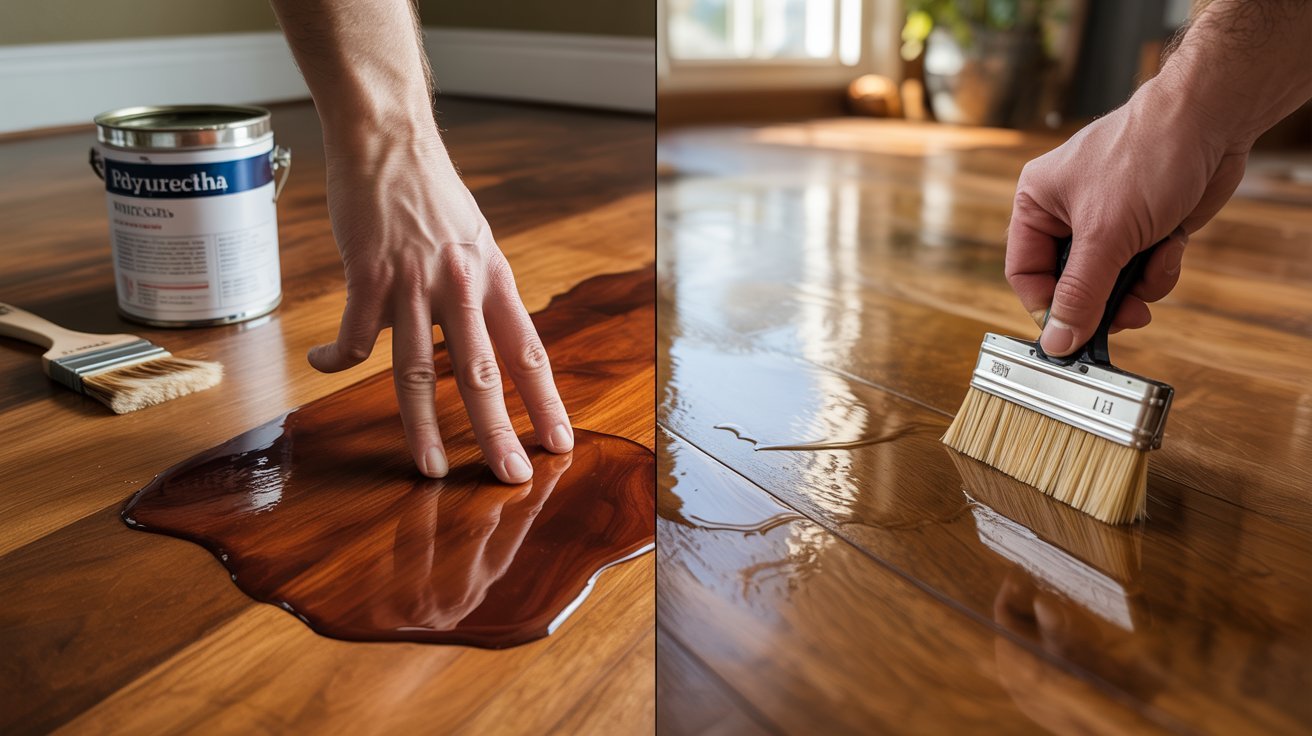
Knowing the difference between drying and curing helps you avoid costly mistakes and protects your finish long term.
What Drying Means
When polyurethane dries, the solvents evaporate from the surface. It feels smooth and ready to touch.
You can add another coat at this stage. But do not be fooled. The finish is still soft underneath and can dent or scratch easily.
What Curing Means
Curing is a chemical process that happens deep within the finish. It fully hardens the coating over time.
This is when the surface becomes truly resistant to scratches, moisture, and daily wear. No amount of drying can replace proper curing time.
Common Mistakes to Avoid
- Placing furniture on the floor before the finish has fully cured
- Walking heavily on the surface within the first few days
- Laying rugs or mats down too soon after the final coat
- Assuming the finish is ready just because it feels dry to the touch
- Skipping the wait time on warm days thinking it dried faster than usual
Factors That Affect Oil-Based Polyurethane Dry Time

Several conditions in your workspace directly affect how fast or slow oil-based polyurethane dries.
Temperature
Temperature plays a big role in drying time. The ideal range is 70 to 80°F (21 to 27°C). When the temperature drops below this, the solvents evaporate much slower.
Cold rooms or winter conditions can add hours to your drying time. Always check the room temperature before you start applying.
Humidity Levels
High humidity traps moisture in the air and slows down the drying process. The ideal humidity range is 40 to 60 percent.
Anything above that and your finish takes longer to set. On humid days, give each coat extra time before recoating.
Thickness of Coats
How thick you apply each coat makes a real difference. Thick coats hold more solvent and take longer to dry.
Thin coats dry faster and give you a smoother, cleaner result. Always apply light, even coats for the best finish.
Airflow and Ventilation
Good airflow helps solvents leave the surface faster. Open windows, use fans, or run an air mover in the room.
Without proper ventilation, solvents linger and slow the whole drying process down. Good ventilation also keeps fumes from building up in the space.
Typical Drying Timeline for Oil-Based Polyurethane
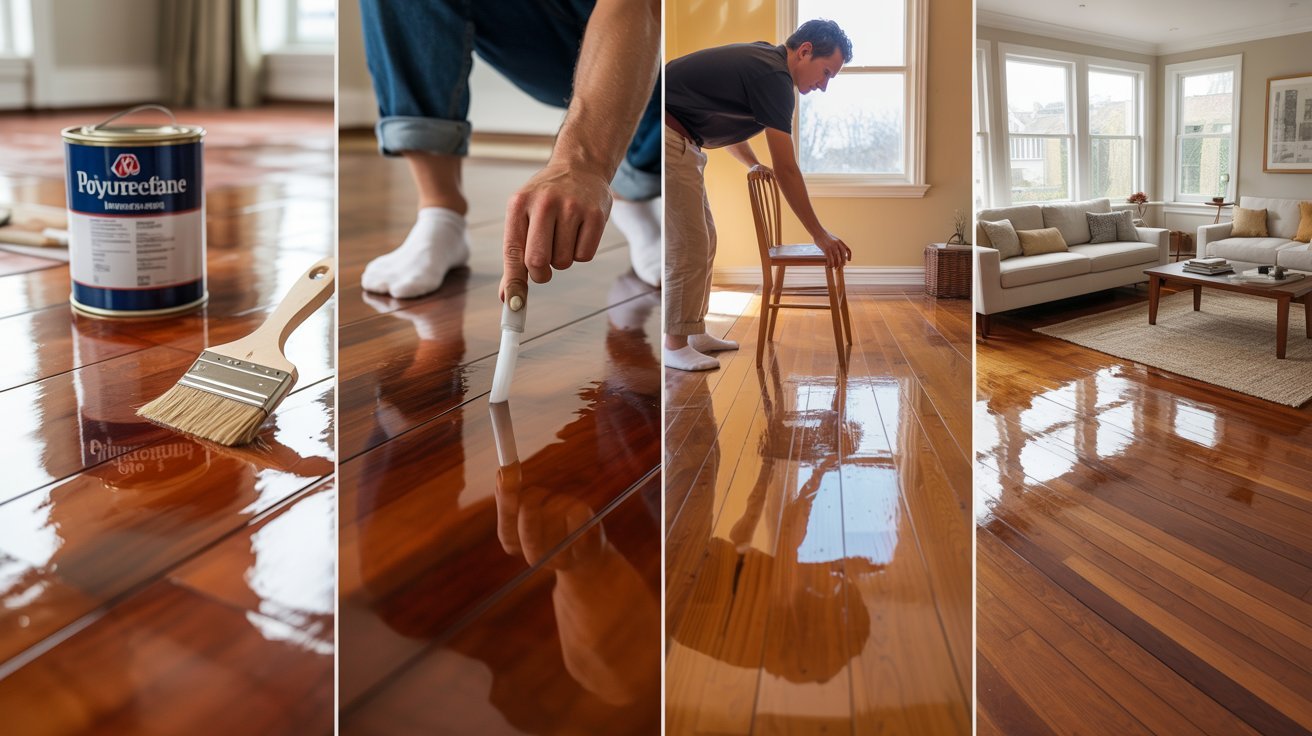
Here is a simple breakdown of what happens at each stage after you apply oil-based polyurethane.
- First 24 Hours: The surface starts to feel dry to the touch. Solvents are still evaporating underneath. Avoid walking on floors or touching furniture during this stage. Keep the room ventilated and at a stable temperature.
- After 2 to 3 Days: Light handling becomes possible. You can walk on floors with socks but avoid heavy foot traffic. Do not drag or place any objects on the surface yet. The finish is still soft and can mark easily.
- After 1 Week: The finish feels noticeably stronger. Light furniture can be placed carefully. The surface is still going through the curing process. Avoid rugs, mats, or anything that traps moisture underneath.
- After 3 to 4 Weeks: The finish is fully cured and hardened. The surface is now ready for heavy use and normal traffic. Furniture, rugs, and heavy objects can be placed without worry. This is when the finish reaches its full scratch and moisture resistance.
How to Speed Up Polyurethane Drying Time
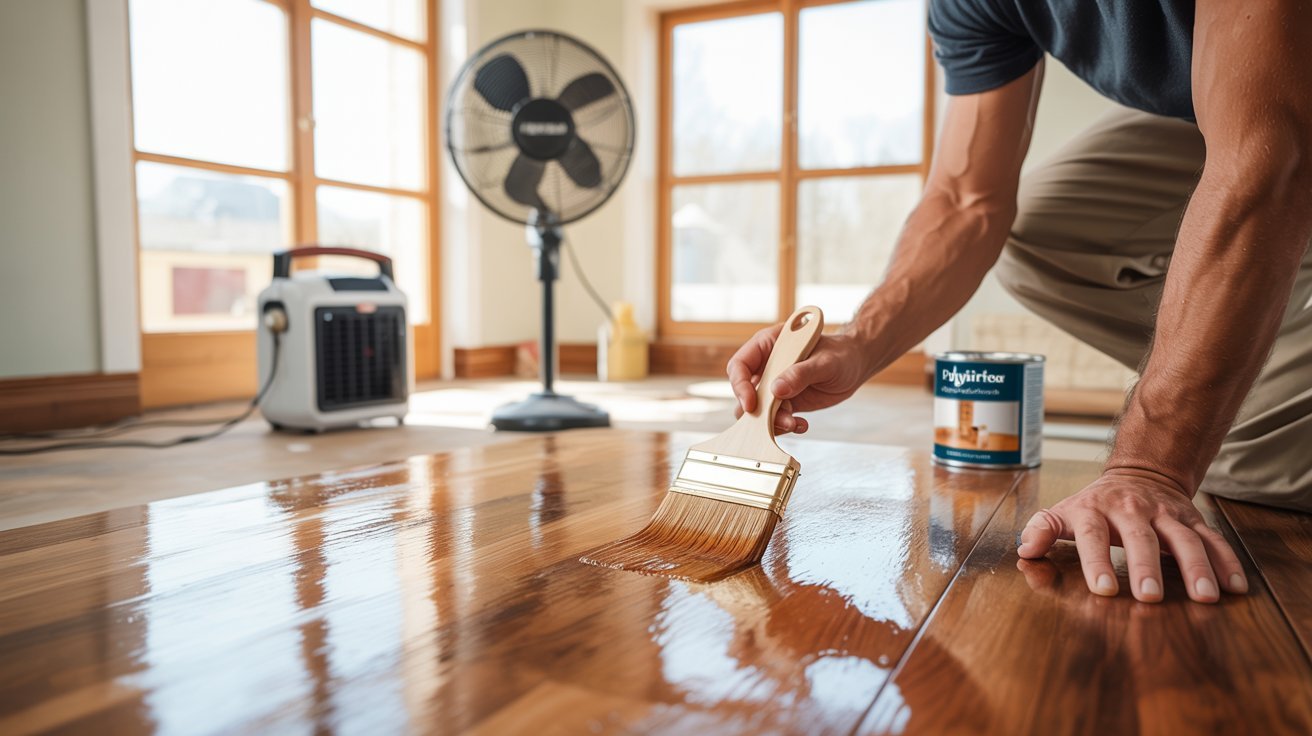
Small adjustments to your workspace can cut down drying time significantly.
Apply thin, even coats instead of thick ones. Thin coats lose moisture faster and dry more evenly. Keep the room temperature between 70 and 80°F for best results.
Open windows and use fans to improve airflow so solvents leave the surface quickly. In humid conditions, run a dehumidifier to keep moisture levels between 40 and 60 percent.
Common Mistakes That Slow Drying
Avoiding these simple mistakes can save you a lot of time and frustration.
- Applying thick layers traps solvents underneath the surface and adds hours to your drying time. Always go thin and even with every coat.
- Poor surface preparation stops the finish from bonding properly and leads to uneven drying. Sand and clean the surface well before you start.
- Low temperatures slow down solvent evaporation and leave the finish soft for longer. Never apply polyurethane in a cold or unheated space.
- High humidity adds moisture to the air and interferes with the drying process. Check humidity levels before and during application.
- Rushing between coats before the previous one is fully dry causes the finish to wrinkle or lift. Always wait the recommended time before recoating.
Signs Oil-Based Polyurethane Is Fully Dry

Knowing what a fully dry finish looks and feels like helps you avoid costly mistakes.
Run your hand lightly over the surface. If it feels hard and smooth with no soft spots, the finish is drying well. Press gently in a corner.
Any sticky or tacky feeling means it needs more time. The strong chemical smell from the solvents will also fade noticeably once the finish has dried properly.
Conclusion
Oil-based polyurethane takes time, but that wait is worth it. The finish it leaves behind is tough, long-lasting, and protects your wood for years.
The key is patience. Keep the room at the right temperature, apply thin coats, and never rush the process.
A little care during application goes a long way. Your floors and furniture will thank you for it.
Ready to start your project? Share your questions in the comments or check out our other wood finishing guides for more practical tips.
Frequently Asked Questions
How long does oil-based polyurethane take to dry to the touch?
Oil-based polyurethane typically feels dry to the touch within 24 to 48 hours. However, the surface is still soft underneath and needs more time before use.
How long should I wait before applying a second coat?
You can apply a second coat after 6 to 24 hours depending on temperature and humidity levels. Always check that the first coat feels completely dry before recoating.
When can I walk on floors after applying oil-based polyurethane?
Light foot traffic is generally safe after 3 to 7 days. For best results, wear socks and avoid heavy foot traffic until the finish is fully cured.
What is the full cure time for oil-based polyurethane?
Oil-based polyurethane reaches full hardness after about 30 days. Avoid placing heavy furniture or rugs on the surface until the finish has completely cured.
Does temperature affect how long oil-based polyurethane takes to dry?
Yes, temperature plays a direct role in drying time. Cold conditions slow down the process, so always apply polyurethane in a room kept between 70 and 80°F for best results.