

The walls and wood floors in your home do more than just fill space. They set the mood for every room.
When these two elements work together, the whole space feels pulled together and right. When they clash, something always feels off, even if you can’t quite put your finger on it.
Getting this match right comes down to three things: undertones, contrast, and balance.
This guide walks you through all of it, so you can choose wall colors with confidence.
Understand Wood Floor Undertones First
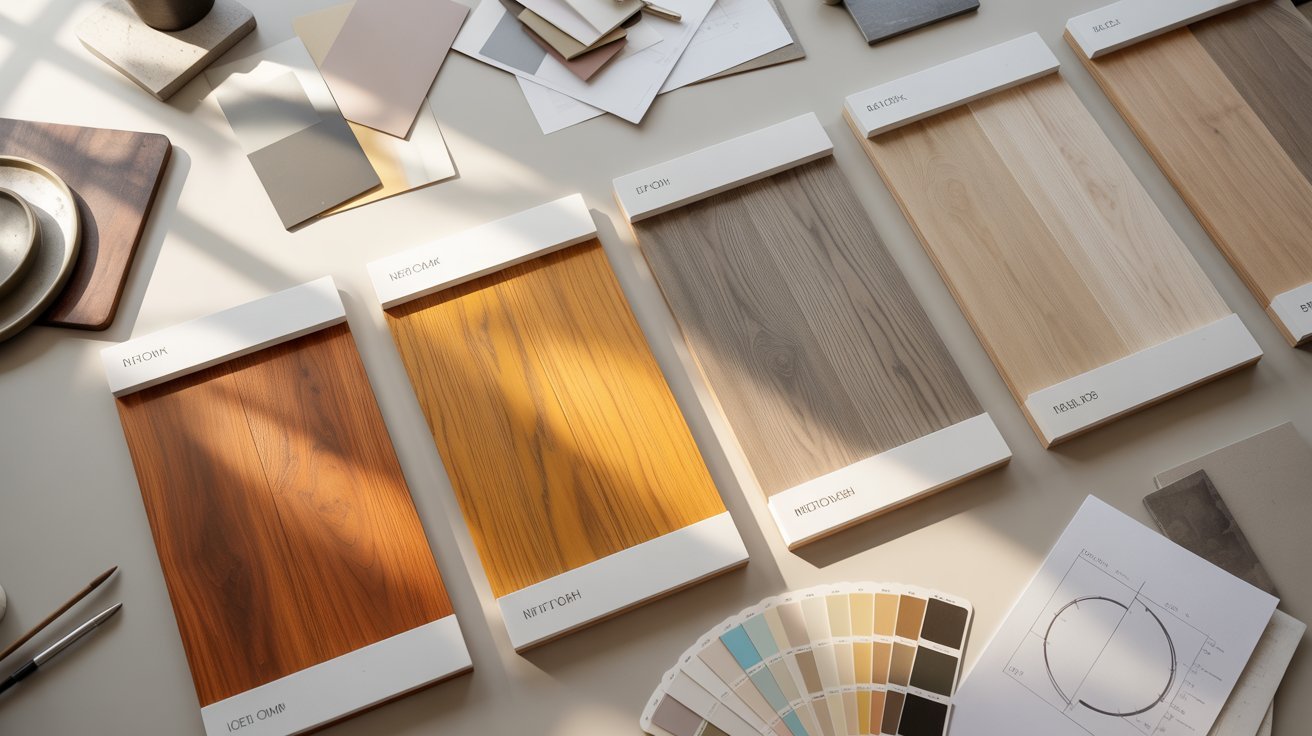
Wood floors carry subtle hues beneath their surface color. These hidden tones, called undertones, directly affect how a wall color looks in your room.
A paint shade that works beautifully in one home can look completely off in another, simply because of differing floor undertones.
Most wood floors fall into three groups: warm tones like red, orange, or yellow; cool tones like gray or ash; and neutral tones like beige or brown.
To spot yours, hold a white sheet next to the floor in natural light and notice what color reflects back.
Best Wall Colors for Different Wood Floor Types
Choosing the right wall color becomes easier once you know what your wood floor type calls for.
Light Wood Floors
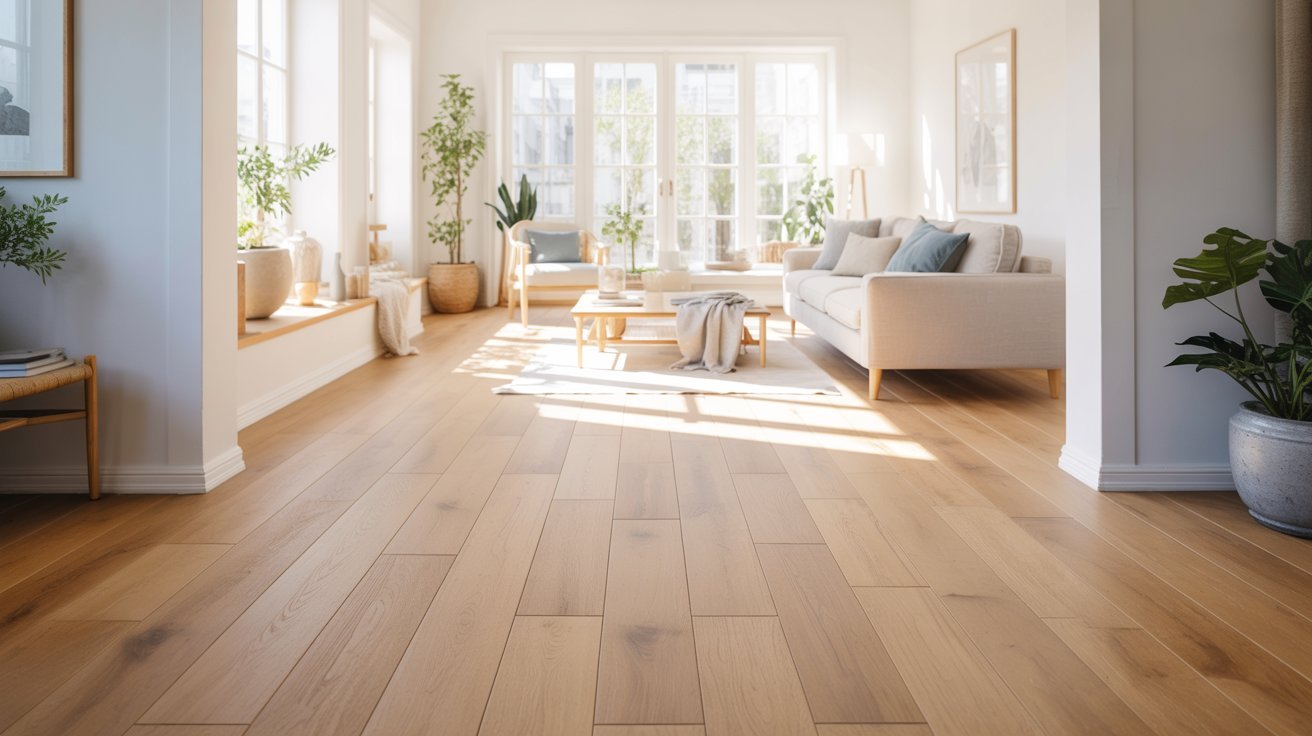
Light wood floors have a natural brightness that makes a room feel more open. Soft white, light gray, warm beige, and pale blue all work well here.
These shades complement the floor without pulling attention away from it. If your room gets good natural light, a pale blue or soft white will keep things feeling fresh and airy.
Dark Wood Floors
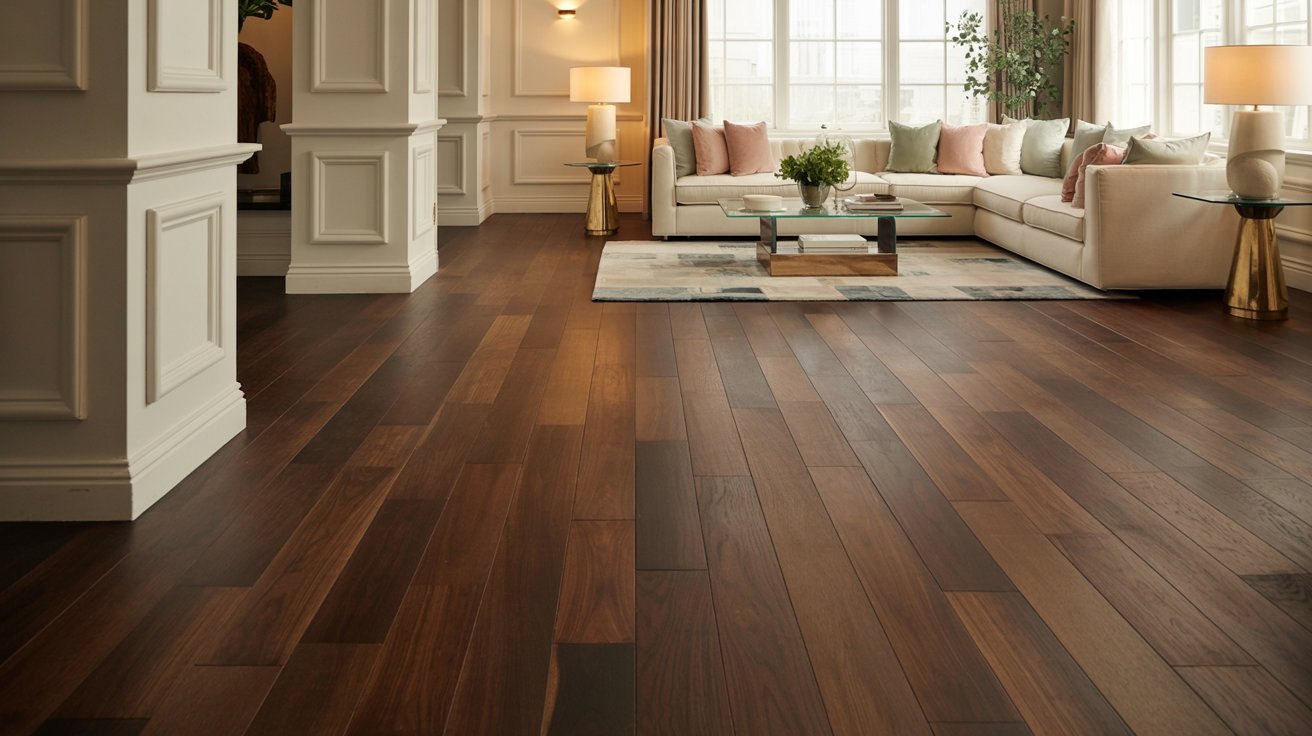
Dark wood floors bring richness and depth to a room. White, ivory, cream, and light pastels work best on the walls.
The contrast between dark floors and light walls keeps the space from feeling too heavy. Ivory and cream add warmth, while light pastels bring a soft, welcoming feel.
Medium Wood Floors
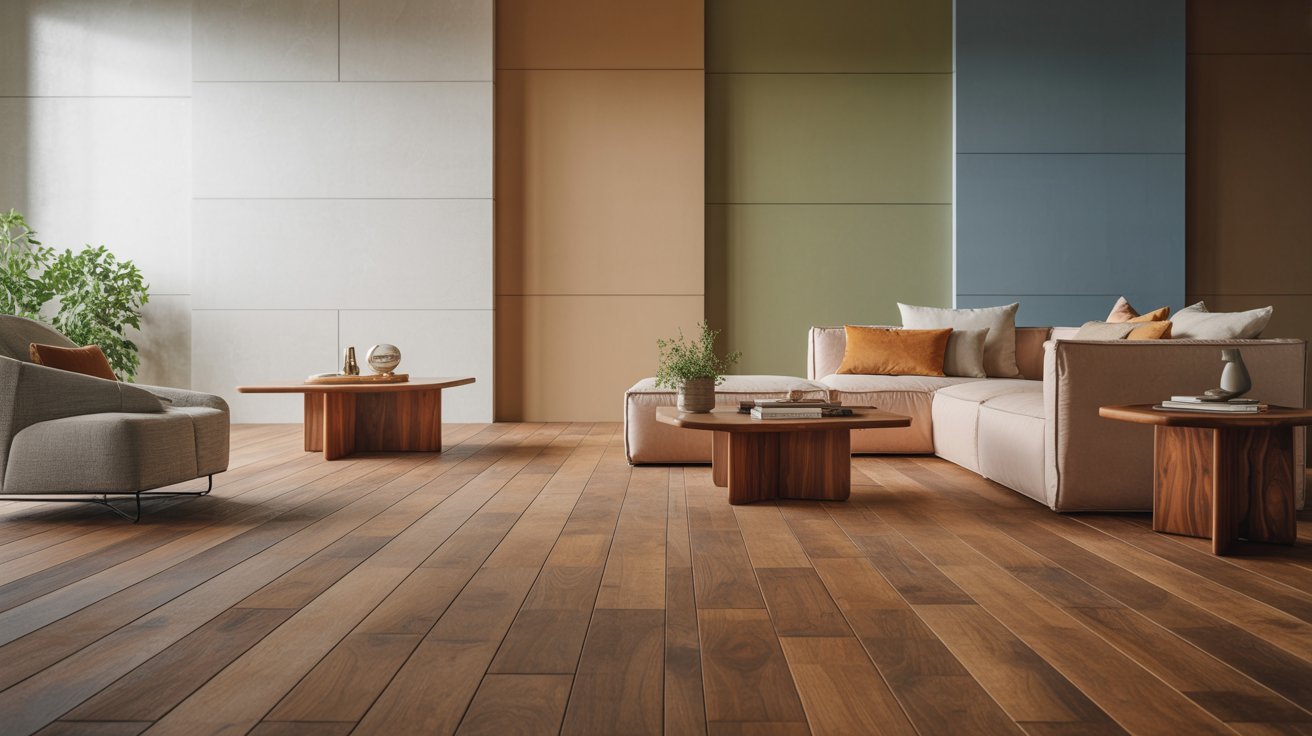
Medium wood floors work with both warm and cool wall colors. Dusty green, cool blue, neutral white, and beige are all solid choices.
If you want a calm look, go with white or beige. For a bit more character, dusty green or cool blue adds color without clashing with the floor.
Matching Wall Colors With Popular Wood Floor Tones
Different wood floor tones have specific wall colors that bring out their best qualities and keep the room balanced.
Cherry Hardwood Floors
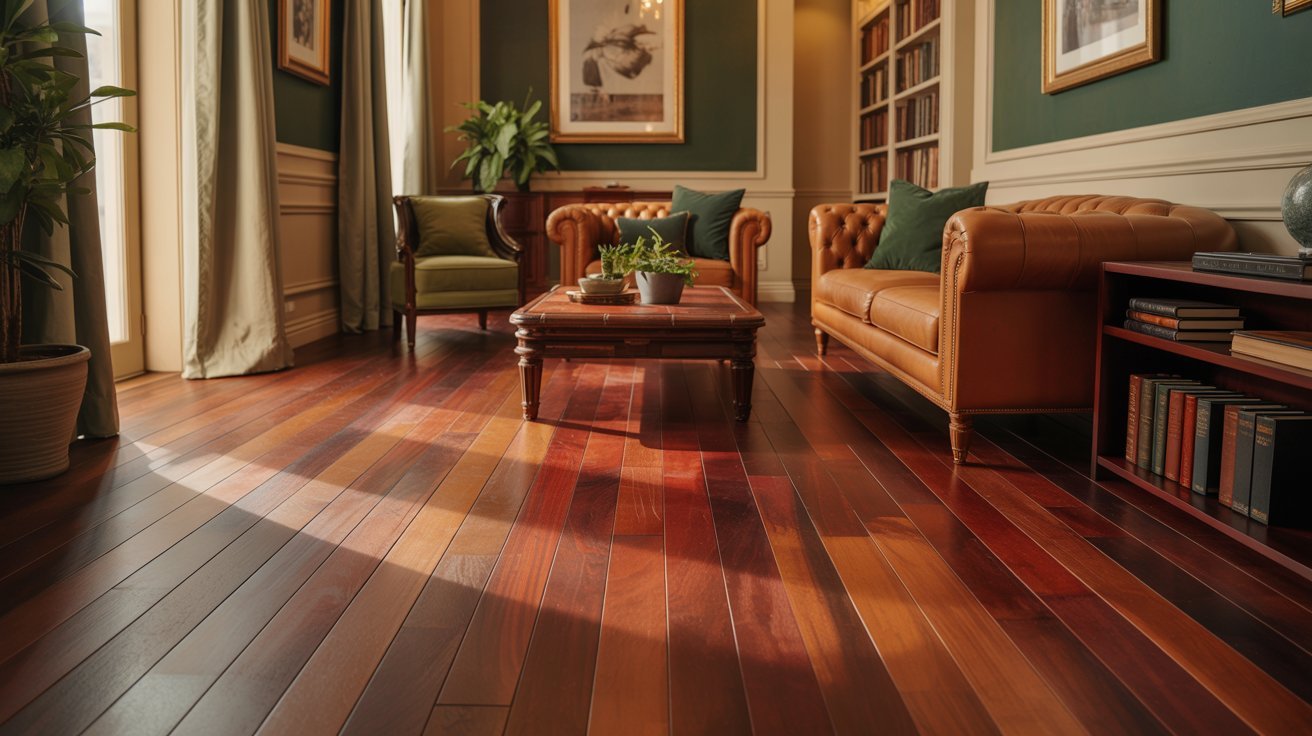
Cherry floors have a deep, warm tone that feels rich and inviting. Deep green, greige, warm beige, and soft cream all pair well with this floor type.
These colors complement the warmth without adding too much contrast. One thing to avoid is strong orange wall tones, as they tend to clash with the natural red undertones already present in cherry wood.
Golden Oak Floors
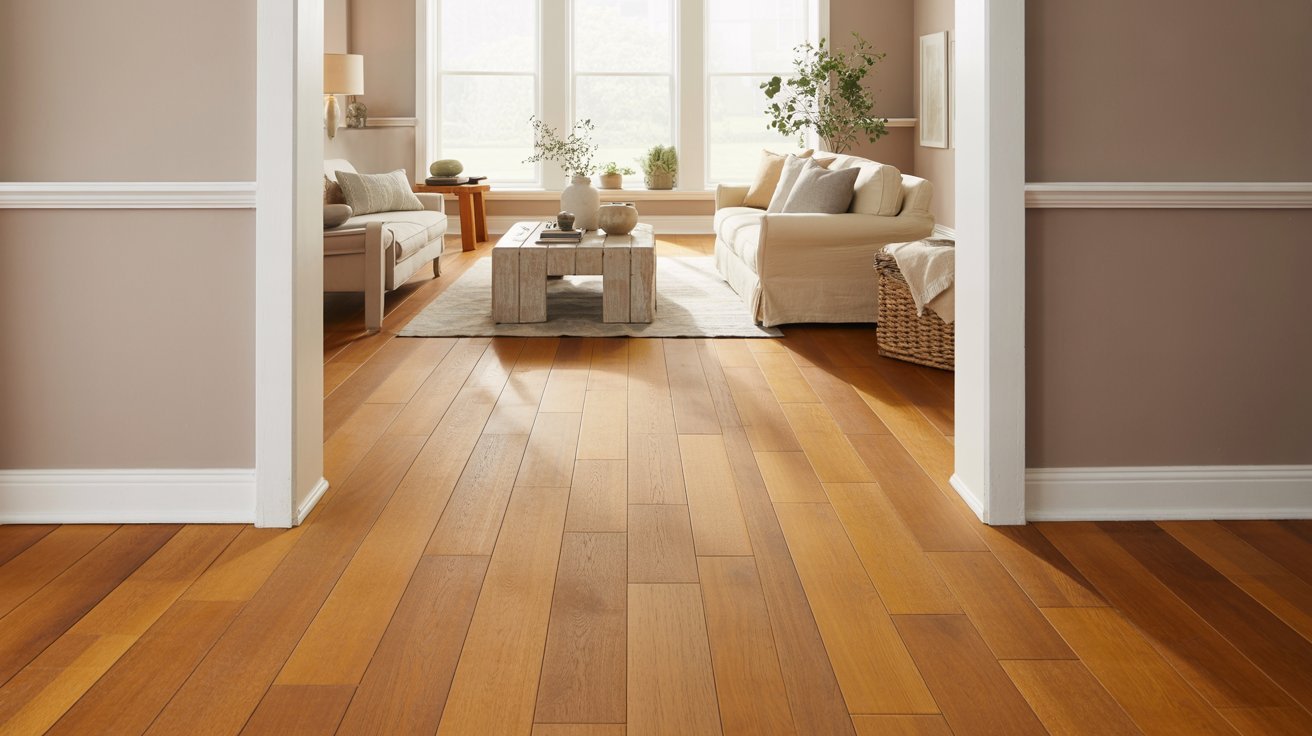
Golden oak floors have a honey-like warmth that works well with warm neutrals, soft taupe, and modern beige on the walls.
These shades sit naturally alongside the floor without competing with it. Adding white trim is a simple way to give the room a more modern and clean feel, especially if the golden tones start to feel dated.
Gray Wood Floors
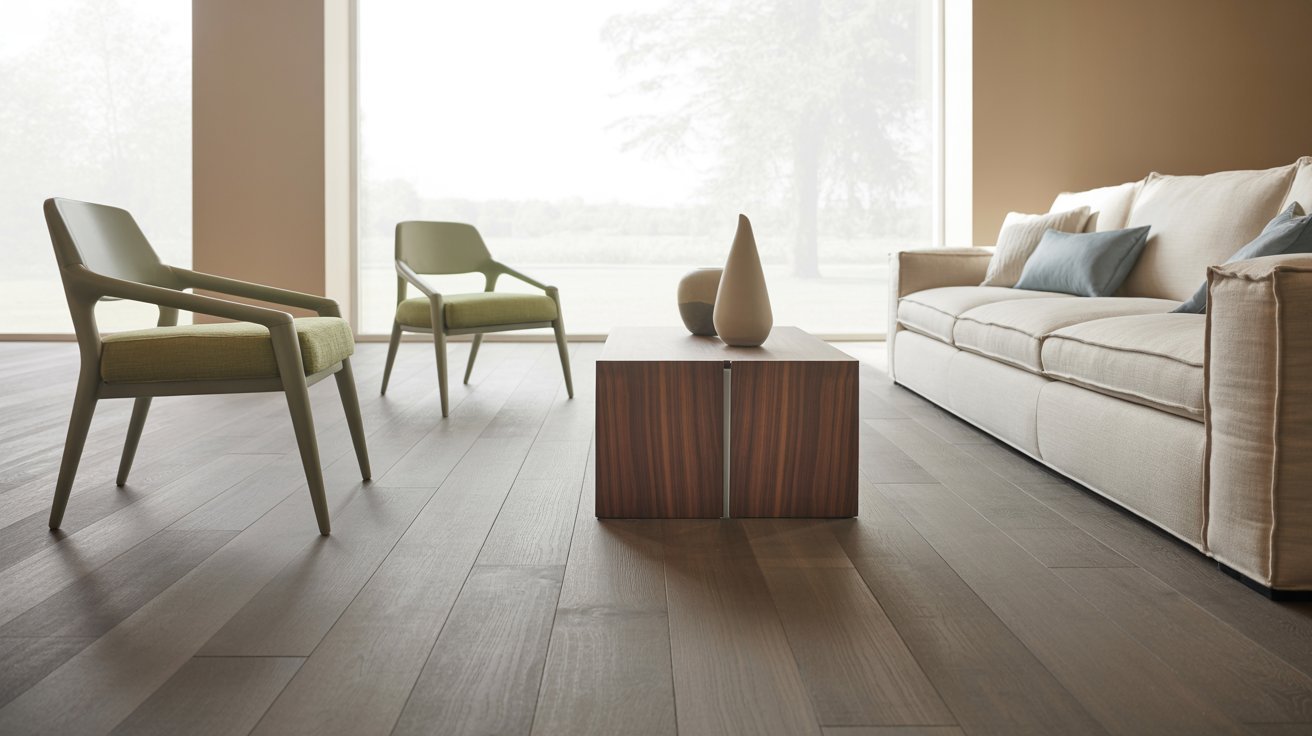
Gray wood floors bring a cool, contemporary feel to any room. White, pale blue, soft green, and warm neutral shades all work well here.
Since gray floors lean cool, adding a warm wall color helps balance the overall feel of the space. Warm neutrals in particular do a good job of keeping the room from feeling too cold or flat.
Popular Wall and Wood Floor Color Combinations
Some color combinations work well together because they bring out the best in each other.
1. Light Walls With Dark Floors

Light walls with dark floors create strong contrast and a sense of openness.
This is a classic choice in modern interiors and works well in living rooms, bedrooms, and hallways where you want the space to feel clean and structured.
2. Dark Walls With Light Floors
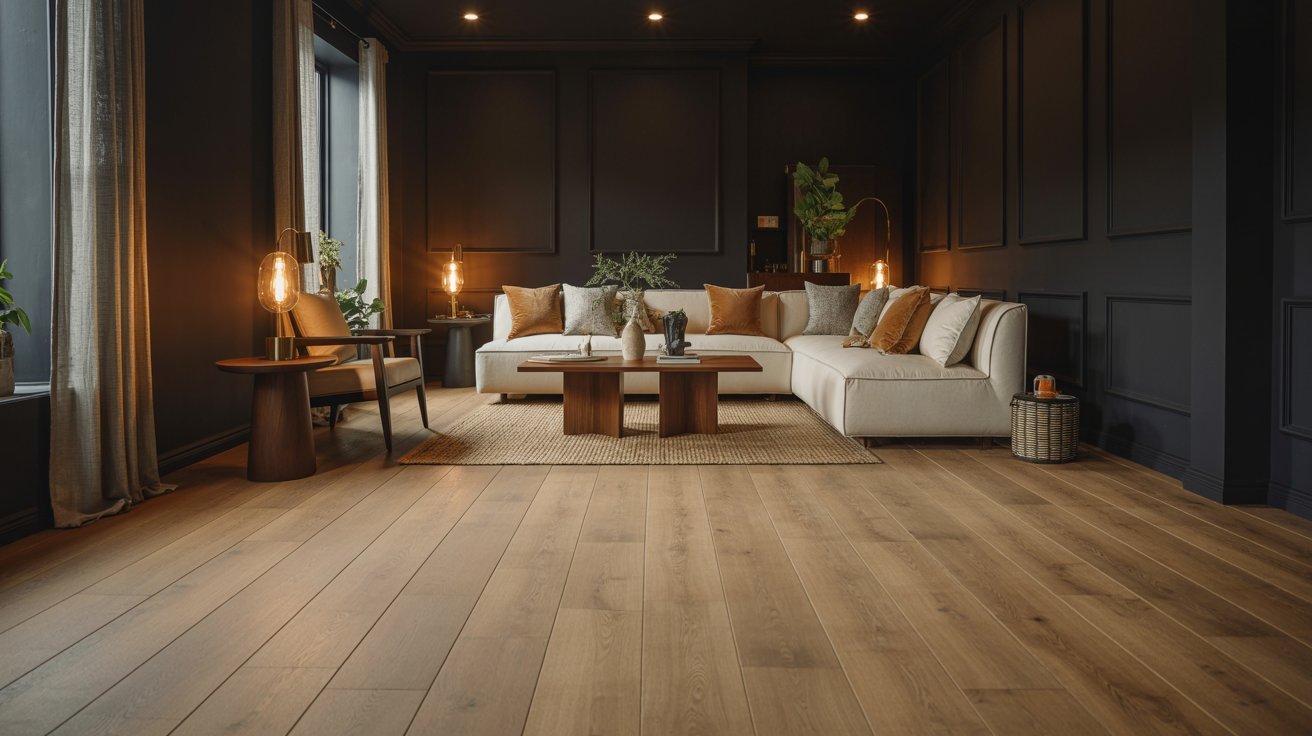
Dark walls with light floors add depth and a cozy feel to a room.
The light floor keeps the space from feeling too closed in, making this combination a good fit for intimate living areas.
3. Neutral Walls With Warm Wood Floors

Neutral walls with warm wood floors keep the room balanced and calm.
The neutral tone prevents the warm floor from overpowering the space, making everything look natural and settled.
Interior Design Tips for Matching Wall Colors and Wood Floors
Smart color choices between your walls and floors can make a big difference in how a room feels overall.
- Avoid matching your wall color exactly to the floor. When both are too similar, the room loses depth and everything blends into one flat tone.
- Use contrast to bring balance to the space. A lighter wall against a darker floor, or vice versa, gives the room a more defined and finished look.
- Repeat the floor’s color in your furniture or décor pieces. This small step ties the room together without requiring any major changes.
- Add a rug to break up strong wood tones across the floor. A well-placed rug softens the look and adds a visual pause between the floor and walls.
- Test your wall color in natural and artificial light before committing. Colors shift depending on the light in the room, so always check before making a final decision.
Quick Wall Color Matching Guide
Use this simple reference to find the right wall color for your wood floor type without the guesswork.
|
Wood Floor Type |
Best Wall Colors |
Design Effect |
|
Light Wood |
White, gray, soft blue |
Bright and airy |
|
Dark Wood |
Cream, ivory, light gray |
Sharp contrast |
|
Medium Wood |
Beige, green, blue |
Balanced and versatile |
|
Cherry Wood |
Cream, greige, green |
Warm and rich |
|
Gray Wood |
White, pale blue |
Modern and clean |
Conclusion
Getting the right wall color for your wood floors is not complicated once you understand undertones and contrast.
In most cases, neutral walls work well with almost any wood floor type. They are safe, practical, and rarely go wrong.
Before you commit to any color, test a few paint samples on your wall and observe them in natural light. Colors look different at different times of day.
Take your time, trust what you see, and choose what feels right for your space.
Ready to start? Pick up a few samples this weekend and see the difference for yourself.
Frequently Asked Questions
What is the easiest wall color to pair with any wood floor?
Neutral shades like white, beige, and soft gray work well with almost every wood floor type. They keep the room balanced without clashing with the floor tone.
How do I find the undertone of my wood floor?
Hold a white sheet or white paint sample next to your floor in natural light. The color that reflects back gives you a clear idea of your floor’s undertone.
Can I use dark wall colors with dark wood floors?
It is possible, but you need to be careful with lighting and contrast. Adding lighter furniture and good lighting helps prevent the room from feeling too heavy.
Does the size of the room affect my wall color choice?
Yes, smaller rooms benefit from lighter wall colors as they make the space feel more open. Darker shades work better in larger rooms with good natural light.
Should I match my ceiling color to my wall color?
A white or slightly lighter ceiling than your walls is usually the safest option. It keeps the room feeling open and does not compete with the floor or walls.


