

I ruined an entire roll of wallpaper on my first try. Textured walls will do that to you if nobody warns you ahead of time.
If you are asking does peel and stick wallpaper work on textured walls, you are in the right place.
This guide covers wall texture types, what experts say, how to install it properly, and how to stop it from peeling.
I have tested this firsthand and pulled real user results so you get straight answers. No guesswork.
Just honest, practical advice you can actually use.
Why Textured Walls Make Wallpaper Installation Difficult
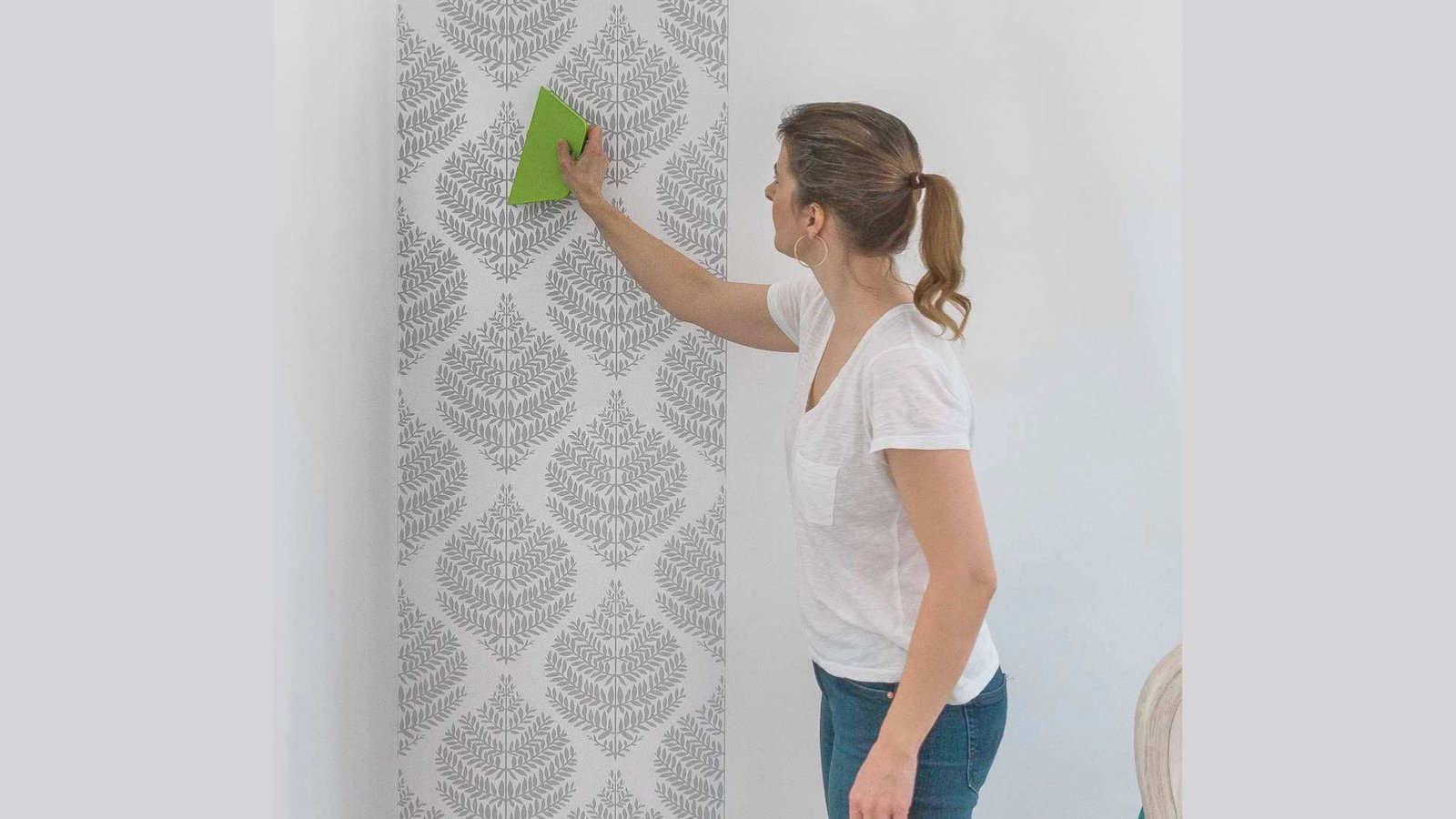
Textured walls have raised surfaces and uneven grooves. Peel and stick wallpaper needs full contact with a flat surface to bond properly.
When a wall has bumps, ridges, or heavy texture, the adhesive can only grip the raised points.
The areas in between stay unattached. Over time, air gets trapped in those gaps and the wallpaper starts to peel.
Materials and tools Required
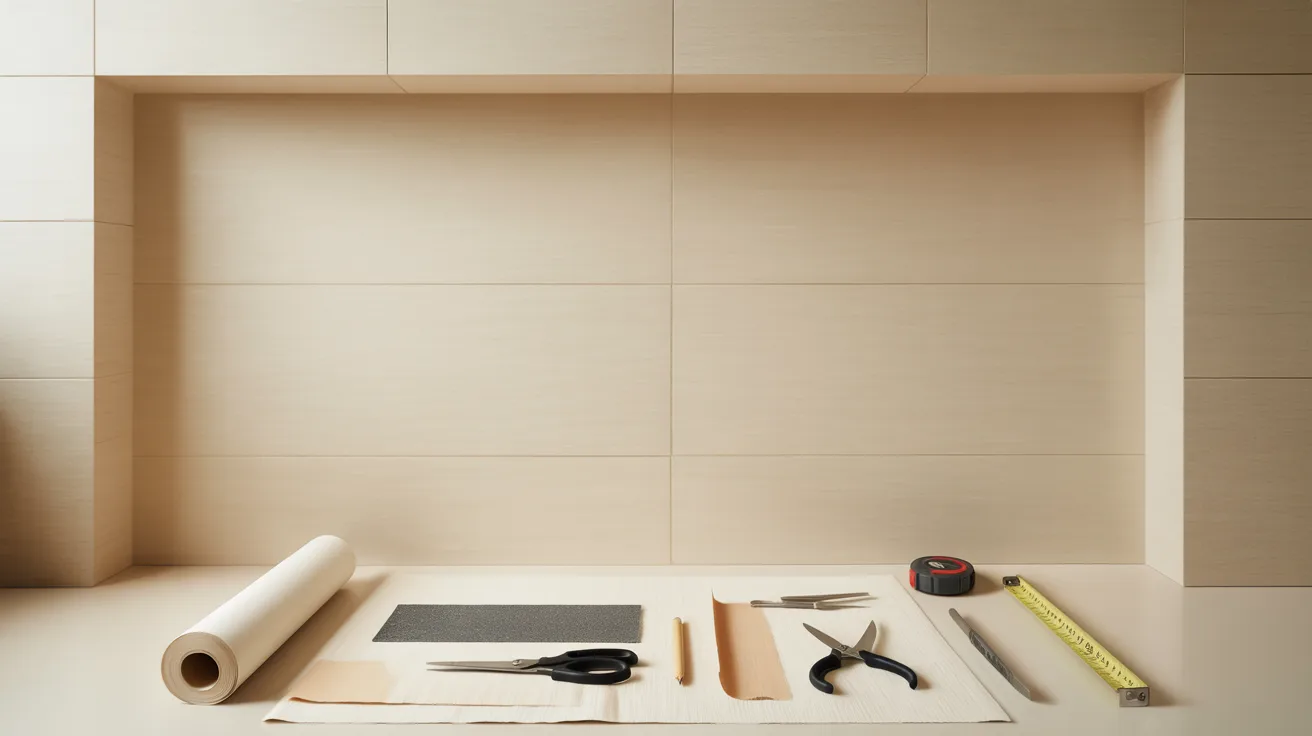
Before you start, gather your tools and materials to keep the process smooth and mistake-free.
Peel and stick wallpaper:choose a quality, thicker option for textured walls.
Smoothing tool or scraper: to remove air bubbles and press the wallpaper firmly.
Sandpaper or wall filler: to smooth out large bumps or imperfections.
Scissors and craft knife:for trimming edges neatly.
Measuring tape and pencil: to mark placement accurately.
Deeper, more irregular textures make it harder for adhesive wallpaper to hold.
Understanding Different Wall Texture Types
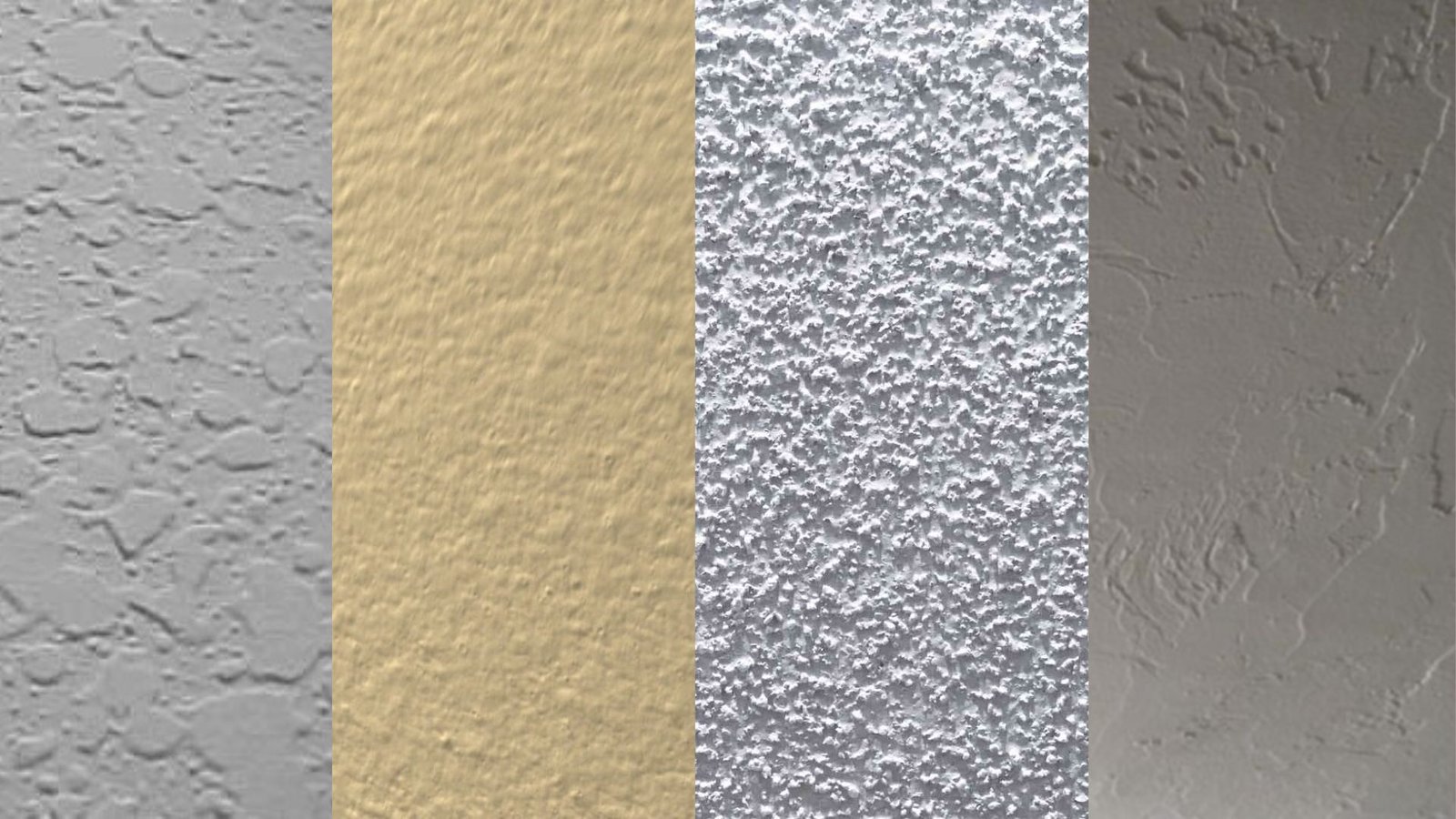
Knowing your wall texture is the first step before buying a single roll of wallpaper.
Orange Peel:This texture has a light, bumpy surface and is one of the most common wall textures in modern homes.
Knockdown:This texture has irregular, flattened peaks across the wall surface. It is heavier than orange peel and creates more air gaps for adhesive to bridge.
Popcorn texture:This texture is thick, heavy, and very uneven, making it the hardest surface for peel and stick wallpaper to bond to. The adhesive cannot make enough contact across such deep gaps.
Skip Trowel: This hand-applied texture has raised patches and flat areas mixed together. The uneven surface causes wallpaper to stick in some spots and lift in others.
What Experts and Users Say About Textured Walls
The results are mixed, and the reasons why are worth knowing before you buy a single roll.
Expert Opinions from Wallpaper Brands
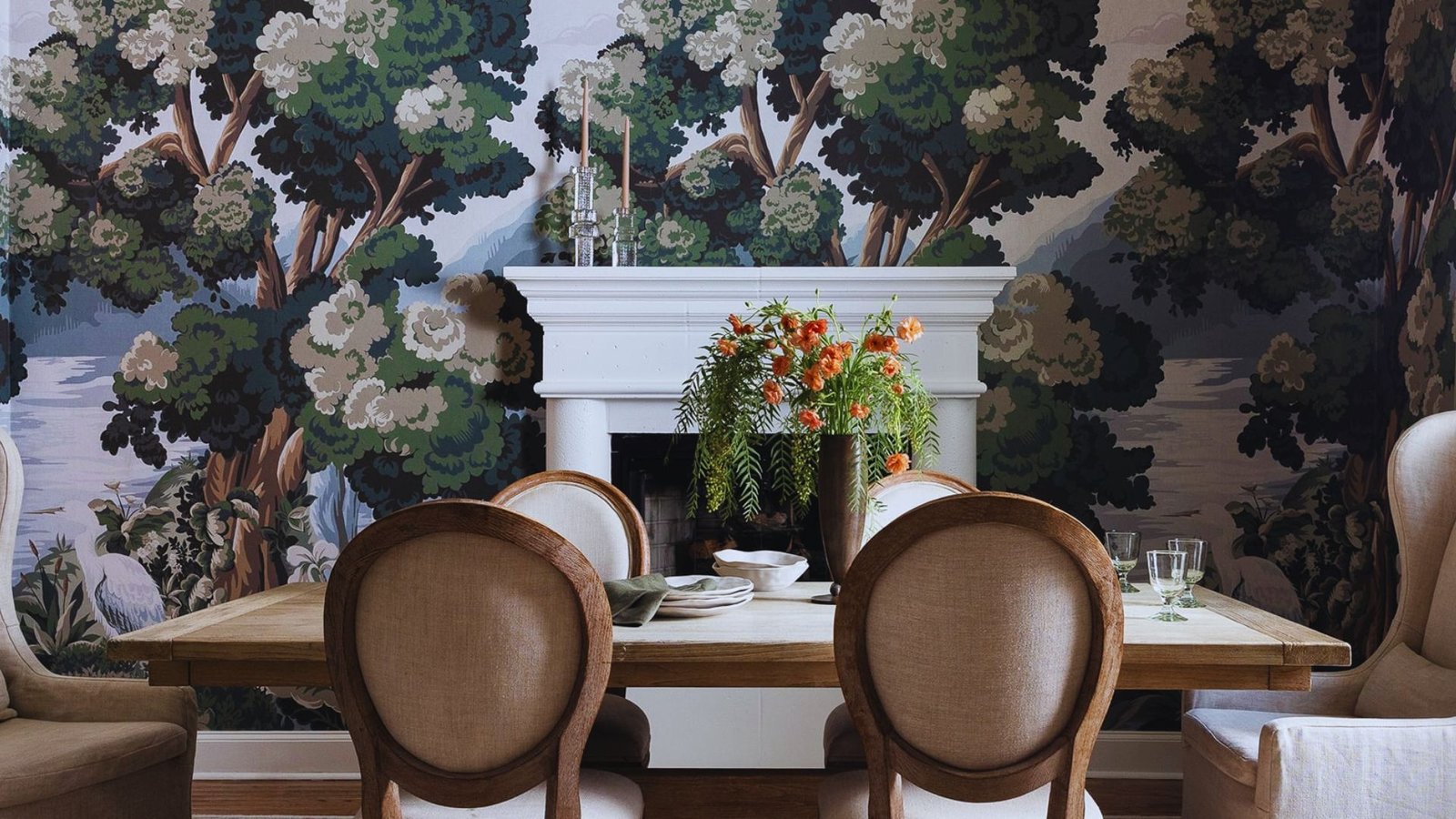
Most wallpaper brands are upfront about this. They recommend smooth or lightly sanded walls for the best results.
Some brands say their product can handle light textures like orange peel. But heavy textures like popcorn or deep knockdown are almost always a problem.
The adhesive simply cannot bond evenly across an uneven surface, and most brands will not guarantee results on textured walls.
Real User Experiences
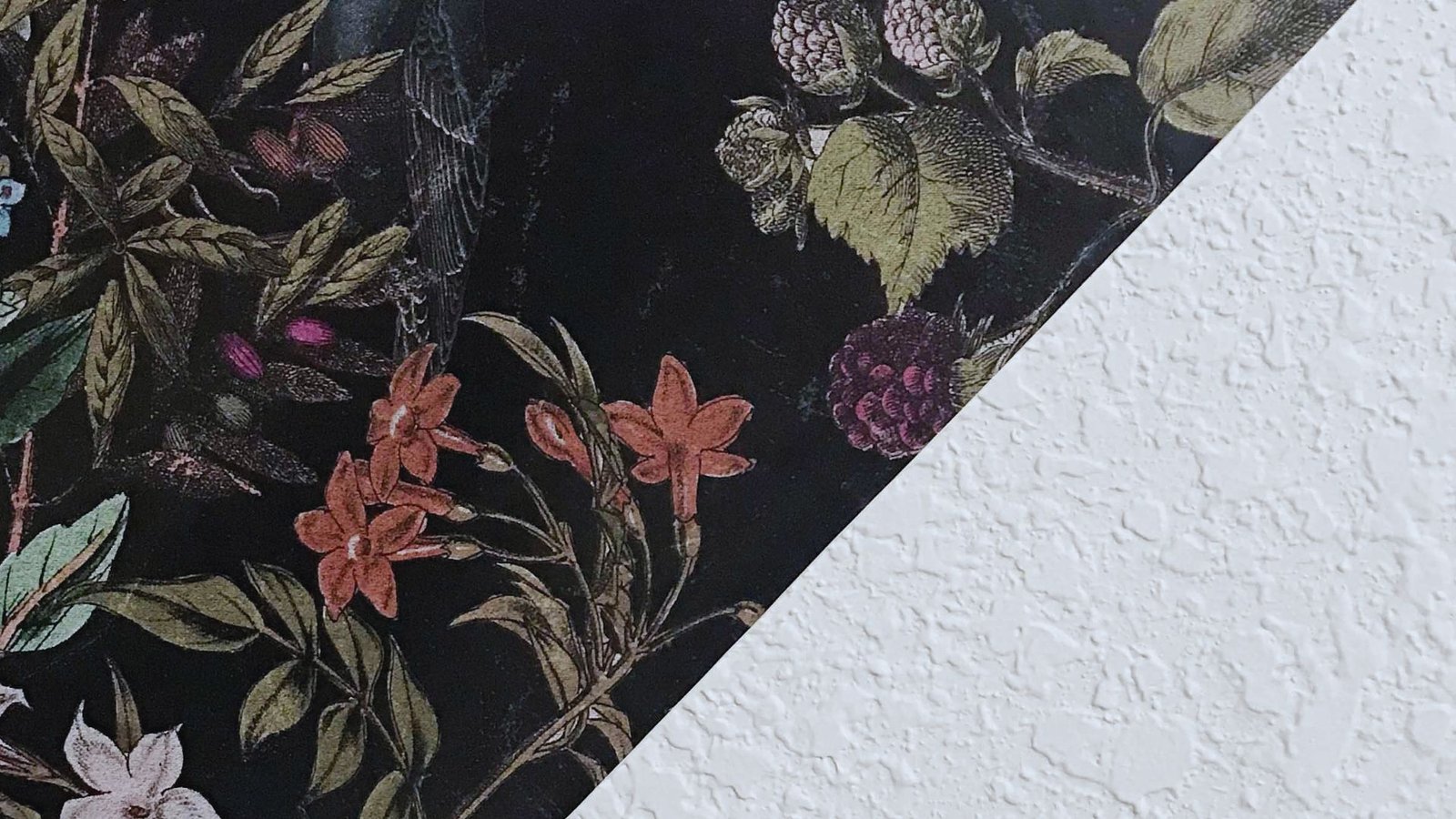
Results vary a lot. Some homeowners report success on light orange peel or knockdown walls, especially with thicker wallpaper.
Others say their wallpaper started peeling within hours. The difference usually comes down to wall prep, wallpaper quality, and how heavy the texture actually is.
No two walls are the same, so results are not consistent even within the same texture type.
Step-by-Step: Installing Peel and Stick on Textured Walls
Follow these steps in order and you give your wallpaper the best possible chance of staying up.
Step 1: Test a Sample First
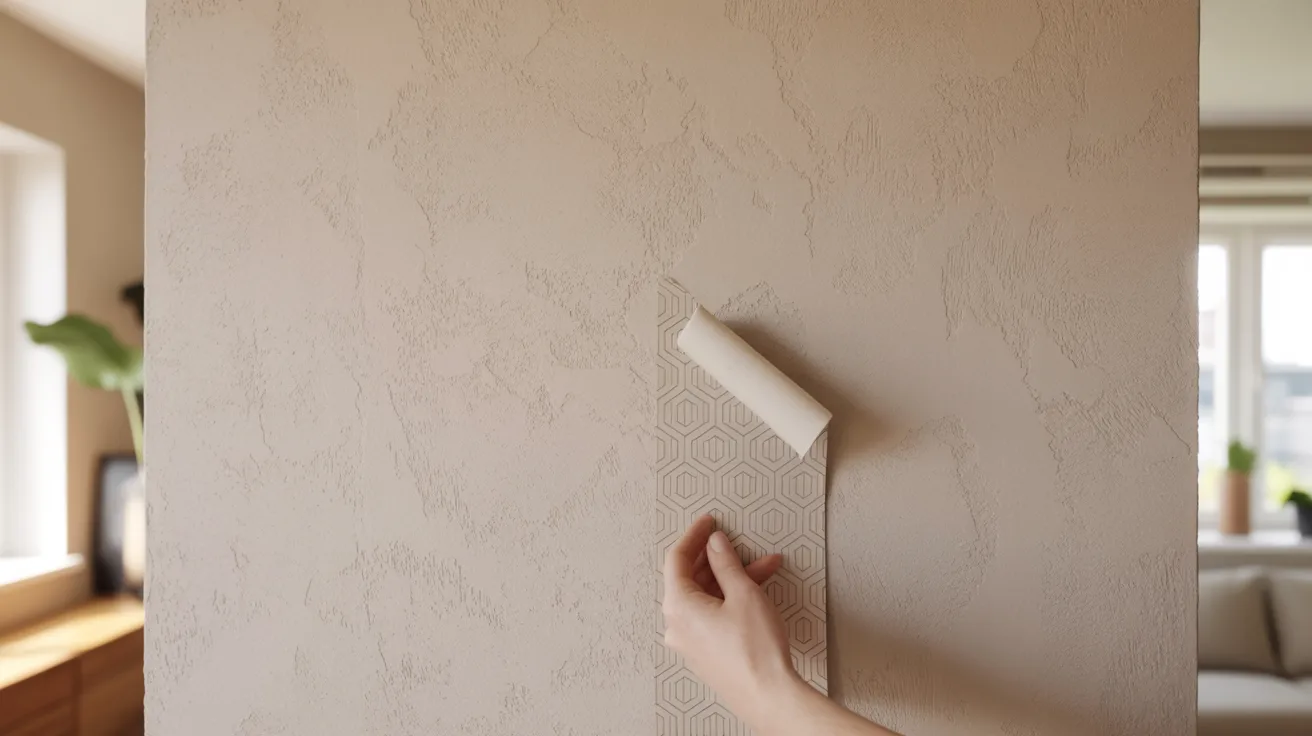
Cut a small piece of wallpaper and press it firmly onto your wall. Leave it for at least 48 to 72 hours. Check the edges and corners for any lifting.
If it holds without peeling, you are ready to move forward. If it lifts, more prep work is needed before you proceed.
Step 2: Clean and Prep the Wall
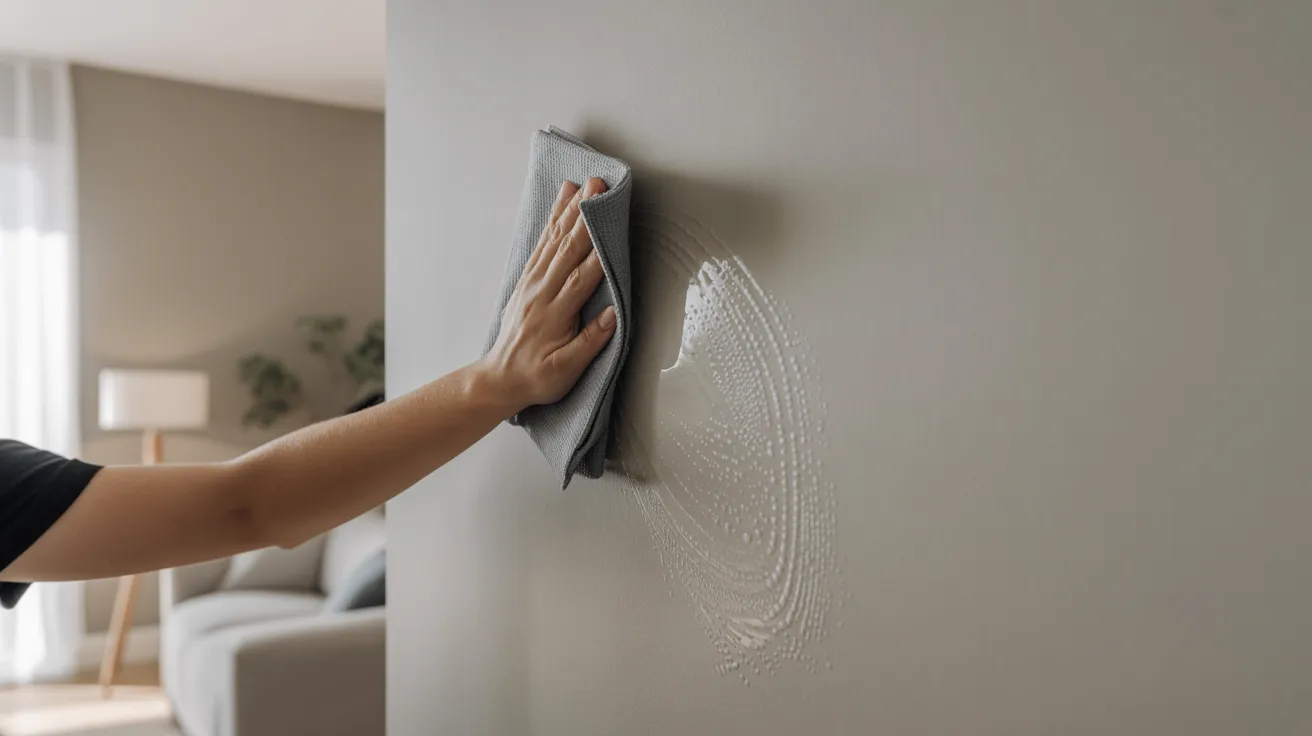
Wipe the entire wall with a damp cloth to remove dust, grease, and debris. Let it dry fully before doing anything else.
A dirty wall will always reduce adhesion, no matter how good the wallpaper is. Pay close attention to corners and edges where dust collects most heavily.
Step 3: Sand or Fill Major Bumps
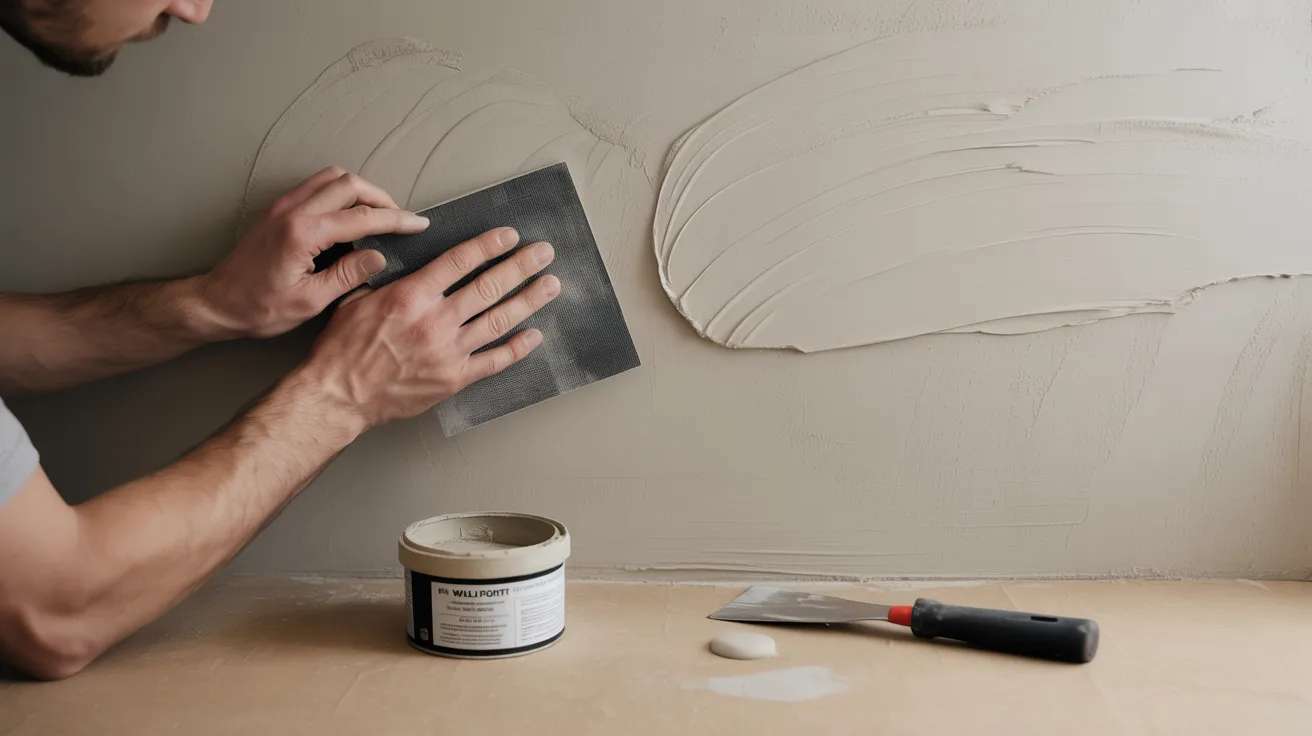
Use fine-grit sandpaper to knock down any raised peaks on the wall surface. Fill deep grooves or holes with a lightweight wall filler and let it dry completely.
The goal is not a perfectly smooth wall. You just want to reduce the most extreme high and low points before applying anything.
Step 4: Apply Wallpaper Top Down
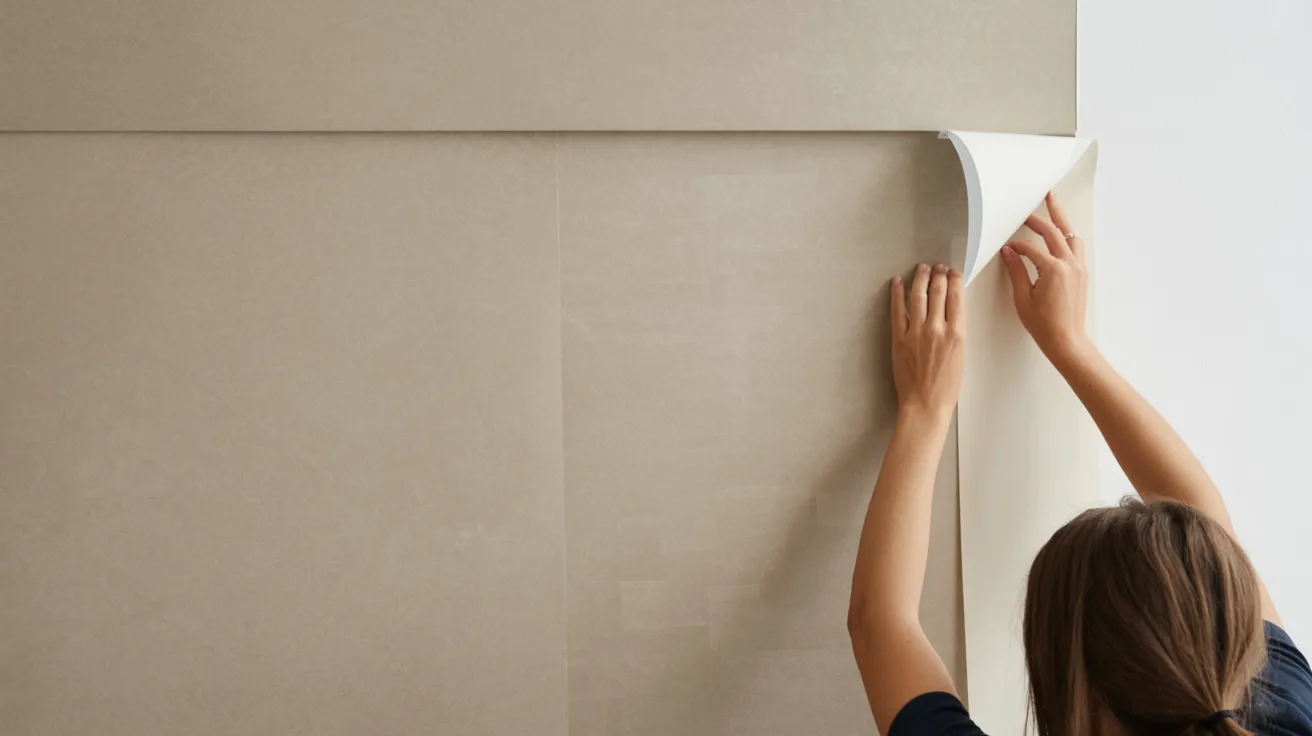
Start at the top of the wall and work downward in slow, steady sections. Peel back a small portion of the backing at a time rather than removing it all at once.
This gives you better control and reduces the risk of the wallpaper folding onto itself or sticking in the wrong spot.
Step 5: Smooth With a Squeegee or Scraper
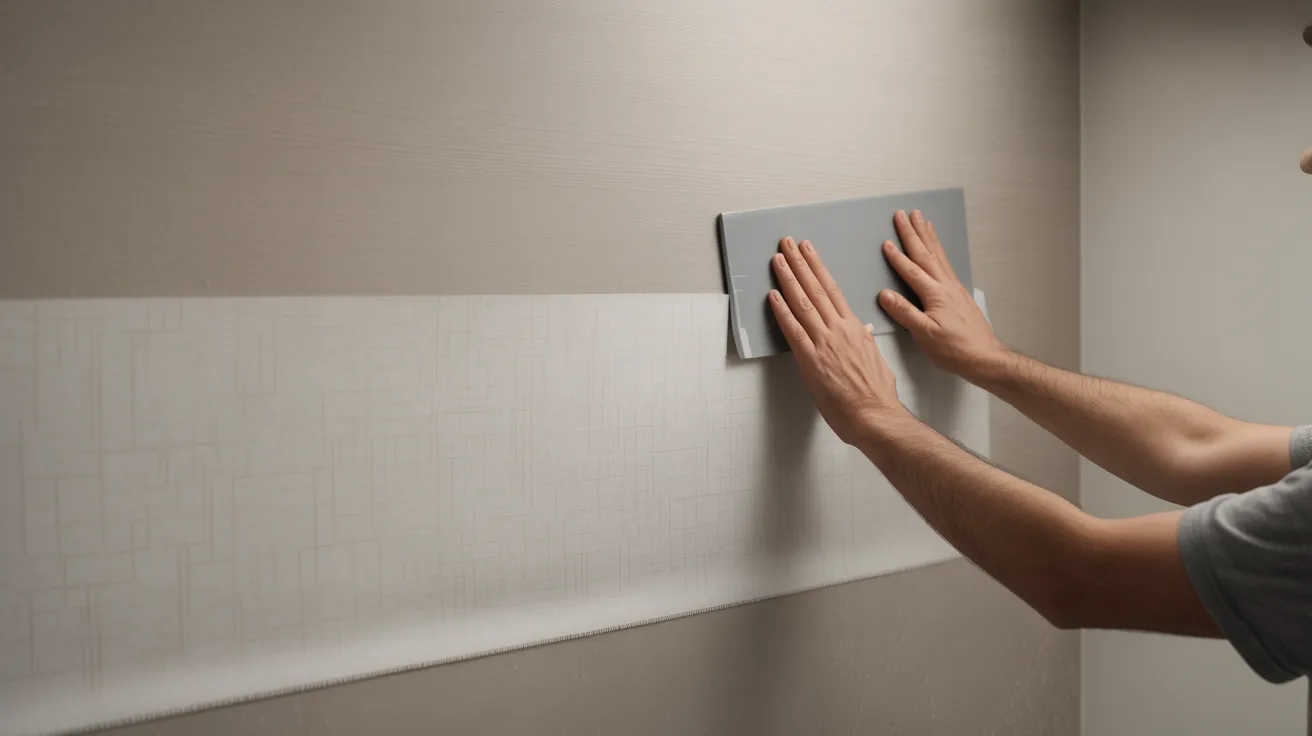
As you apply each section, use a squeegee or flat scraper to press the wallpaper firmly against the wall. Work from the center outward toward the edges to push out air pockets.
Do not rush this step. Proper pressing is what closes the gap between the adhesive and the uneven surface beneath it.
Step 6: Trim Edges Neatly
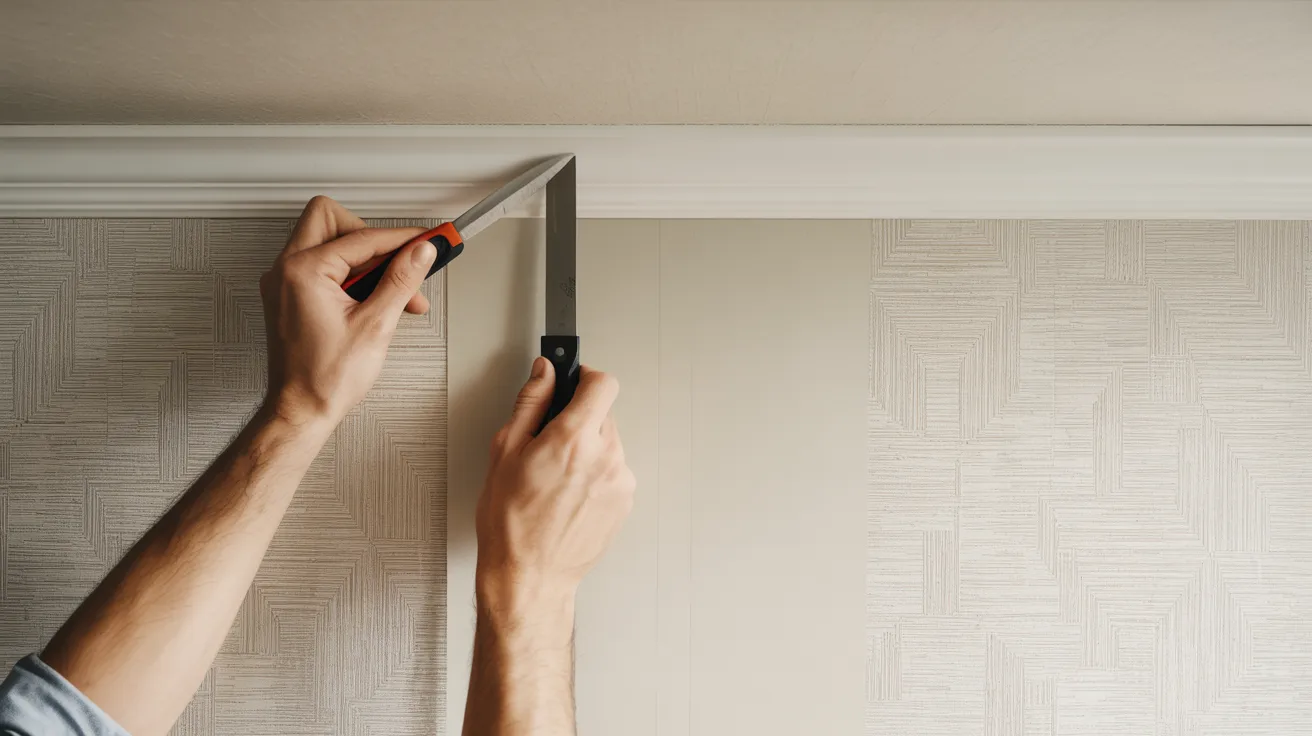
Use a sharp craft knife and a straight edge to trim any excess wallpaper along the ceiling, baseboards, and corners.
Take your time with this step. Clean, straight edges make the finished wall look professional and intentional rather than rushed or uneven.
Tips to Prevent Peeling and Improve Adhesion
A little extra effort during prep makes a big difference in how long your wallpaper stays up.
- Press firmly from the center outward to push out air pockets and improve adhesion.
- Choose darker colors or busy patterns to hide imperfections and small bubbles.
- Use a smoothing tool with real pressure along edges and corners where peeling starts.
- Try a light spray adhesive along lifting edges for extra hold.
- Run a seam roller firmly along every edge after installation to stop early peeling.
Taking a little extra time during prep saves you from dealing with peeling edges later.
Conclusion
I wasted a full roll of wallpaper before I figured out that prep is everything on textured walls.
Once I started testing samples and cleaning the surface properly, the results were completely different.
Does peel and stick wallpaper work on textured walls? It can, but only if you put in the work beforehand.
Start with a sample test and go from there.
Drop a comment below, share it with someone renovating, or check out our other home improvement guides.
Frequently Asked Questions
Does peel and stick wallpaper work on orange peel texture?
Yes, on light texture only. Test a small sample first before committing to a full wall.
How do I stop peeling and stick wallpaper from falling off textured walls?
Clean the wall, sand large bumps, and press firmly with a smoothing tool.
Can I use peel and stick wallpaper on popcorn walls?
No. The texture is too heavy. Remove it first before applying any wallpaper.
What is the best wall texture for peel and stick wallpaper?
Smooth or very light texture works best.
Will peel and stick wallpaper damage my walls when removed?
It can leave residue or pull off paint. Remove slowly and use a hair dryer to help.


