

How long does cedar siding last on a house? That’s a question I looked into closely after helping a friend pick siding for his home. Cedar can be a smart investment but only if you understand what affects its lifespan.
In this guide, I’ll cover the average lifespan, what happens when cedar goes untreated, pros and cons, comparisons with other materials, and tips to make it last longer.
I’ve talked to contractors and done the research so you’re getting straight, practical answers.
No fluff, just what you need to know before making a decision.
What Is Cedar Siding?
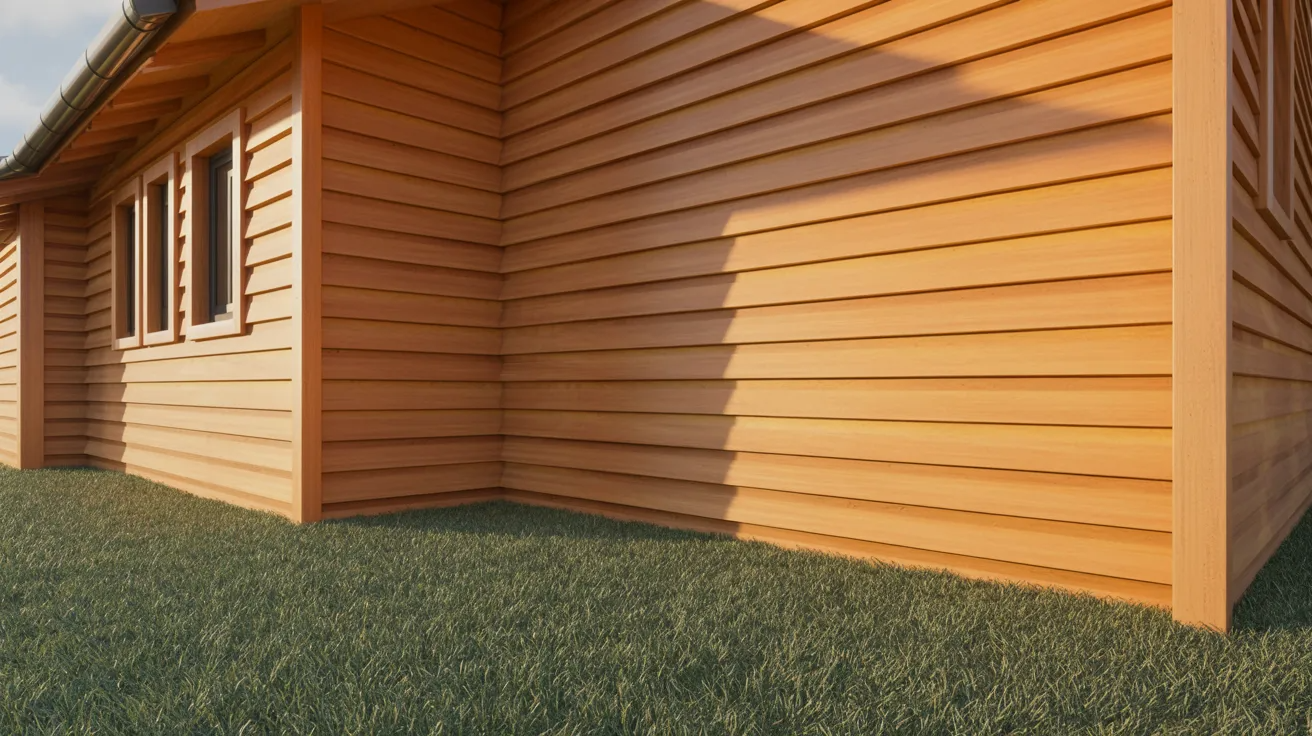
Cedar siding is a natural wood siding made from Western red cedar or white cedar trees. It covers the outside walls of a home and gives it a clean, natural look that many homeowners love.
Cedar siding comes in several styles. Bevel siding, also called clapboard, uses overlapping horizontal planks and is the most common type. Shiplap uses flat boards placed edge to edge.
Board and batten features wide vertical boards with narrow strips over the seams. Cedar shingles and shakes are tapered pieces that create a textured finish.
Cedar is light, easy to cut, and holds nails well. Its natural oils resist moisture and insects. It also insulates better than vinyl or metal siding.
How Long Does Cedar Siding Last on a House?
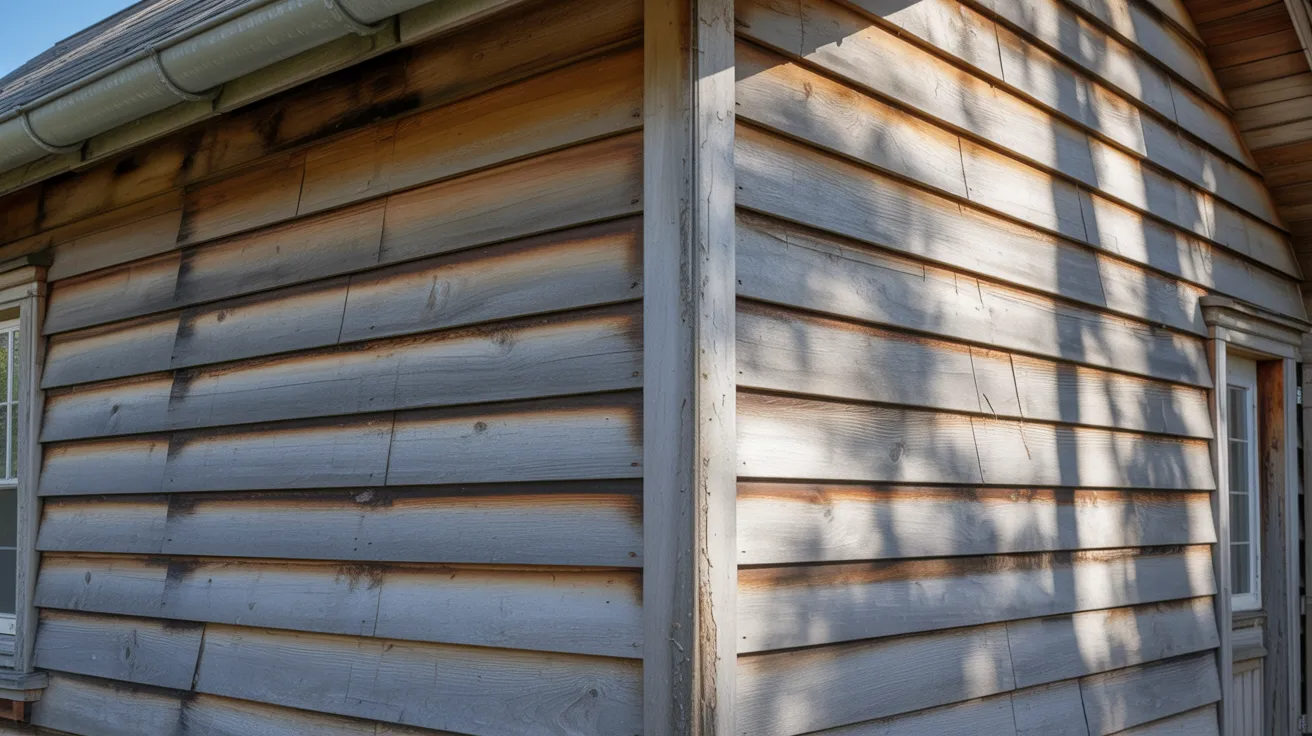
Cedar siding lifespan depends on climate, upkeep, and installation quality.
Average Lifespan of Cedar Siding
With proper care, cedar siding lasts 20 to 40 years. Some well-maintained homes have siding that holds up over the past 50 years. The key is consistent upkeep.
Staining, painting, and fixing small damage on time makes a big difference. Without regular attention, cedar breaks down faster than most homeowners expect.
Factors That Affect Cedar Siding Lifespan
Climate plays a big role. Wet or humid areas speed up rot and mold growth on wood surfaces. Heavy sun exposure dries out the wood, causing it to crack and peel over time. Poor installation is another major issue as it lets water get behind the boards and sit there.
Skipping regular maintenance like restaining every 3 to 5 years leaves the wood unprotected. Using low-quality paint or stain also shortens how long the siding holds up against weather and moisture.
How Long Does Cedar Siding Last Untreated?
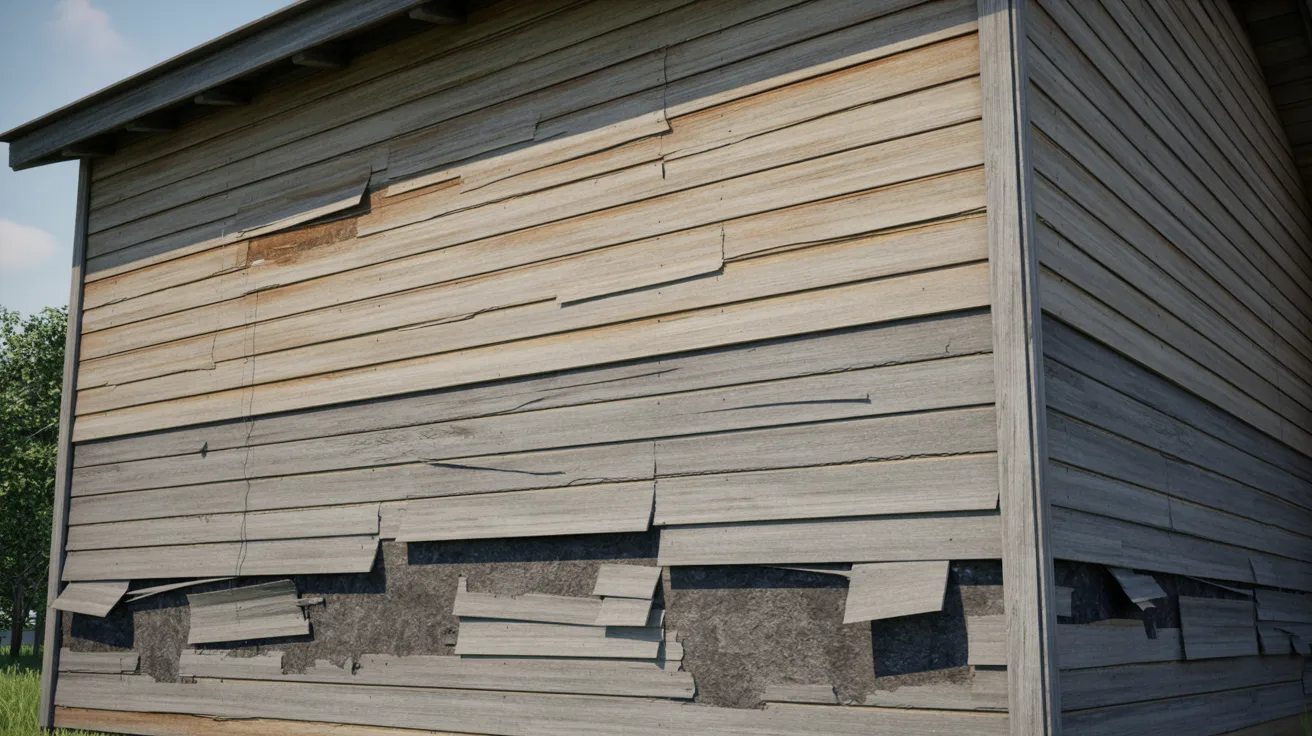
Untreated cedar siding lasts around 10 to 15 years before serious damage shows up. In wet or humid climates, it can fail even sooner, sometimes within 7 to 10 years. That is a big drop compared to properly maintained cedar that can last 40 years or more.
Without a protective coating, wood absorbs rainwater directly and starts to swell, crack, and rot. UV rays break down the surface and turn it gray and brittle over time.
Mold and mildew grow fast in shaded or damp spots. Once rot goes deep into the board, a fresh coat of stain will not fix it. Full board replacement becomes the only option.
Pros and Cons of Cedar Siding
Cedar siding has real strengths worth knowing, but the trade-offs are just as important before you decide.
Advantages of Cedar Siding
Cedar has a higher R-value than vinyl or fiber cement, which helps lower energy costs over time. When maintained properly, it holds up well against normal weather conditions.
The natural oils in cedar repel insects and moisture better than most other wood types. Individual boards can also be replaced without redoing the whole wall, making repairs simple and cost-effective.
A well-stained cedar home also keeps a warm, natural finish that improves with age.
Disadvantages Homeowners Should Know
Cedar costs more upfront than vinyl or engineered wood options. It needs staining or painting every 3 to 7 years, which adds to long-term maintenance costs.
Without regular upkeep, moisture damage and rot happen fast. Woodpeckers and carpenter bees can also cause damage to cedar boards.
Cedar is also more flammable than fiber cement or metal siding, which is worth considering depending on where you live.
Cedar Siding vs Other Siding Materials
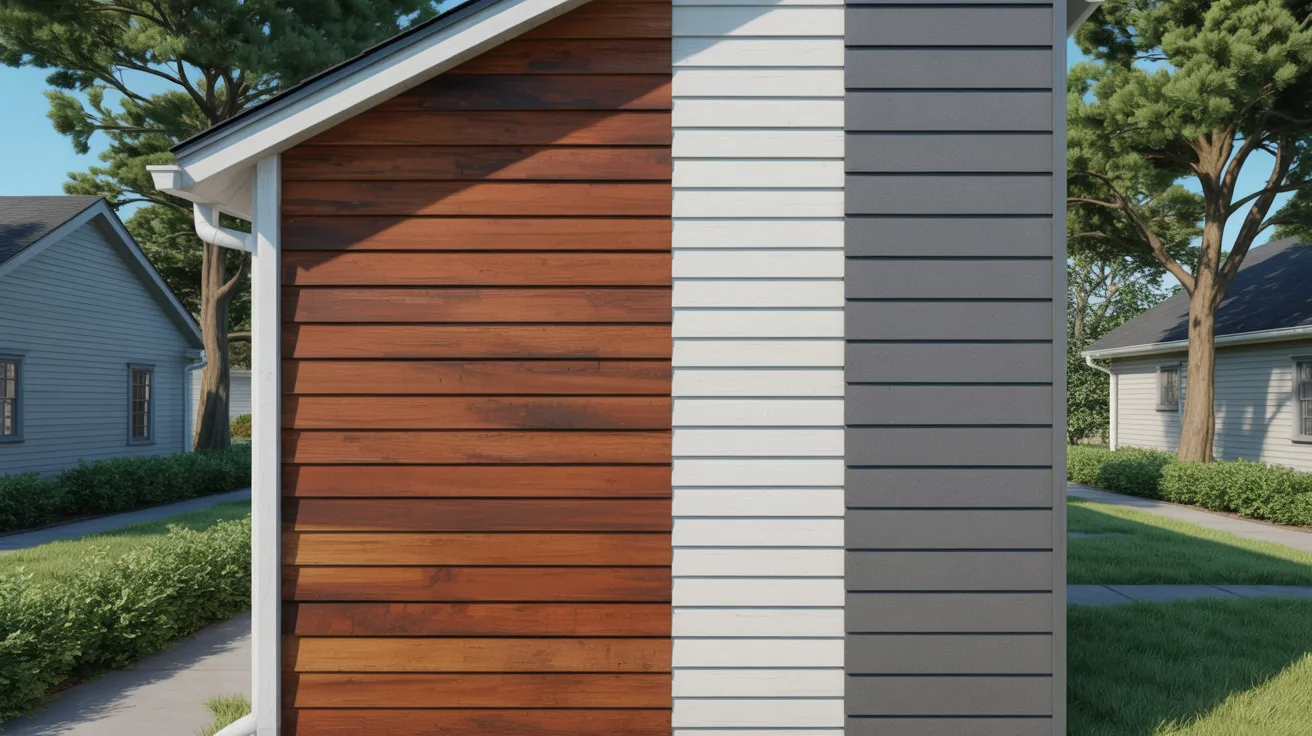
Comparing cedar to other options helps you decide if the upkeep and cost are worth it for your home.
Cedar Siding vs Vinyl Siding
Vinyl siding costs less and needs almost no maintenance. It won’t rot or need repainting. But it looks more plastic and doesn’t insulate as well. Cedar looks more natural and adds more character.
However, cedar costs more and needs regular upkeep. If budget and low maintenance are the goal, vinyl wins. If you want long-term curb appeal and are willing to maintain it, cedar is the better pick.
Cedar Siding vs Fiber Cement Siding
Fiber cement (like HardiePlank) lasts 30 to 50 years with less maintenance than cedar. It resists fire, rot, and insects well. It costs more to install than cedar but less over time.
Cedar still edges it out on natural appearance and ease of repair. For low-maintenance durability, fiber cement is hard to beat.
Cedar Siding vs Engineered Wood Siding
Engineered wood is made from wood fibers and resin. It mimics the look of cedar at a lower price. It’s more stable than real cedar and resists shrinking and swelling better.
But it doesn’t have cedar’s natural oils, so it may need more coating products to stay protected. Cedar still holds its value better over time if properly maintained.
Signs Cedar Siding Needs Repair or Replacement
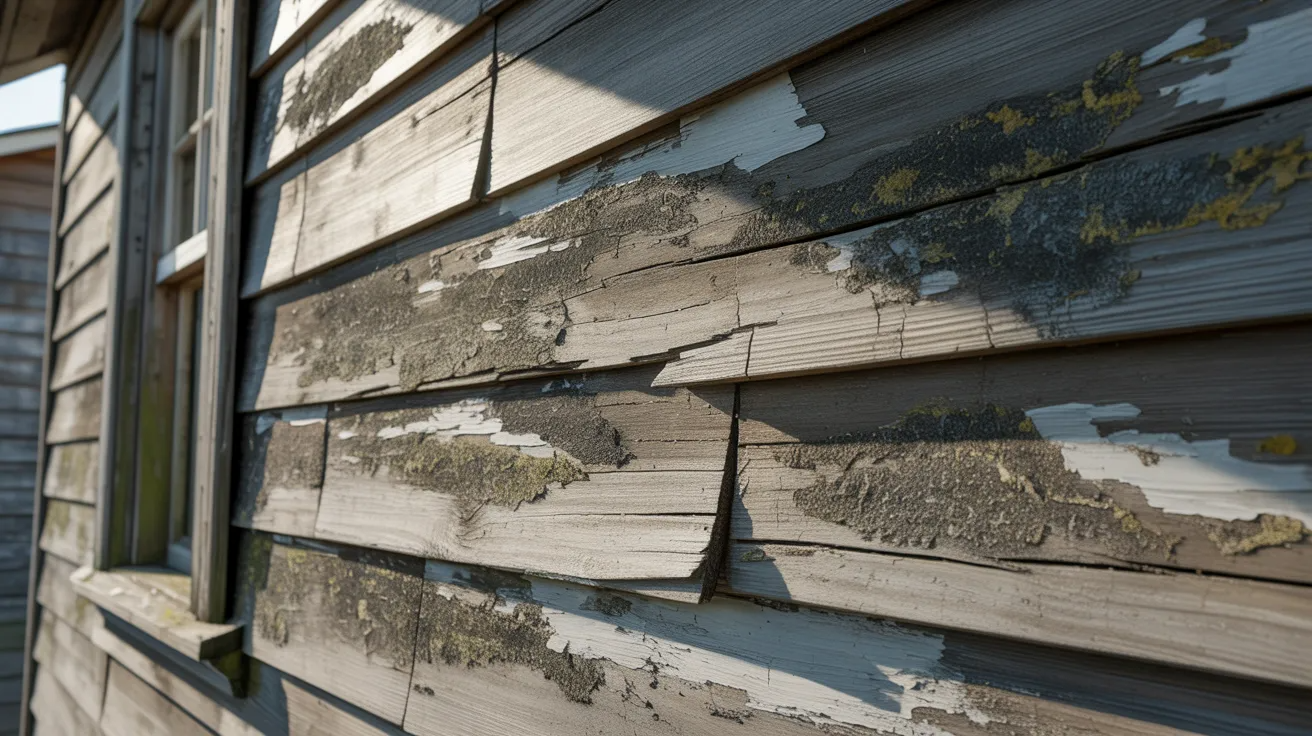
Catching damage early saves money and prevents small issues from turning into costly repairs.
Cracks, Rot, Warping, and Moisture Damage
Cracks along the grain let water into the board and once water gets inside, rot starts from the inside out. Press a screwdriver into any soft spots and if it sinks in easily, the board is already rotting. Warped or cupped boards pull away from the wall and allow moisture to get behind them.
Black or green stains are clear signs of mold or mildew. Peeling paint usually means moisture is pushing out from inside the wood. Interior water stains near exterior walls can also point to siding that is starting to fail.
Pest and Woodpecker Damage
Round holes in cedar boards are often from carpenter bees. Larger jagged holes are usually woodpecker damage as they go after insects living inside the wood.
Small tunnels or sawdust-like material near boards can mean carpenter ants or termites are present. These issues need to be fixed fast before they spread further into the wall.
Tips to Make Cedar Siding Last Longer
Simple and consistent care adds years to your cedar siding and keeps it looking good.
- Keep gutters clean so water does not overflow onto the siding
- Trim trees and shrubs away from walls to improve airflow around the wood
- Wash cedar siding once a year with mild soap and low-pressure water
- Check for cracks, soft spots, or peeling finish every spring before damage spreads
- Restain or repaint every 3 to 7 years using a high-quality exterior wood stain
- Fill any holes from woodpeckers or insects with exterior wood filler and repaint
- Fix damaged boards quickly so pests do not move deeper into the wall
Conclusion
Knowing how long cedar siding lasts on a house helped me feel more confident when advising friends on their siding choices. The short answer is 20 to 40 years with proper care and far less without it.
I have seen well-maintained cedar homes look great after decades and neglected ones fall apart in under 15 years.
The difference is mostly consistent upkeep. If you are considering cedar for your home, I hope this guide gave you clear answers.
Drop a comment below with your questions and I would love to help you out.
Frequently Asked Questions
How long does cedar siding last without painting or staining?
Without any finish, cedar siding typically lasts 10 to 15 years. In wet or shaded areas, damage can start showing in as little as 7 years due to rot and mold.
How often should cedar siding be stained or repainted?
Cedar siding should be restained or repainted every 3 to 7 years. Homes in harsh climates or with heavy sun exposure will need it closer to every 3 years.
Is cedar siding worth the cost compared to other materials?
Cedar siding costs more upfront and needs regular maintenance. However, it offers better natural insulation, a classic look, and easy board-by-board repairs that many homeowners find worth the investment.
Can cedar siding last 50 years?
Yes, but only with consistent care. Regular staining, prompt repairs, and good moisture control are all needed. Most cedar siding lasts 20 to 40 years under normal conditions.
What is the biggest threat to cedar siding lifespan?
Moisture is the biggest threat. Water causes rot, mold, and warping faster than anything else. Keeping cedar sealed and dry is the most important step in extending its life.


