

Picking the right porcelain countertop edges can feel confusing. So many styles, and each one changes how your space looks and works.
A small detail like an edge profile can affect safety, cleaning, and the overall feel of your kitchen or bathroom.
In this guide, I’ll walk you through the most popular edge profiles, their benefits, and how to choose the best one for your home.
I’ve helped many homeowners work through this decision. The right edge ties the whole room together. By the end, you’ll know exactly what to look for, whether it’s safety, style, or budget.
What Are Porcelain Countertop Edges?
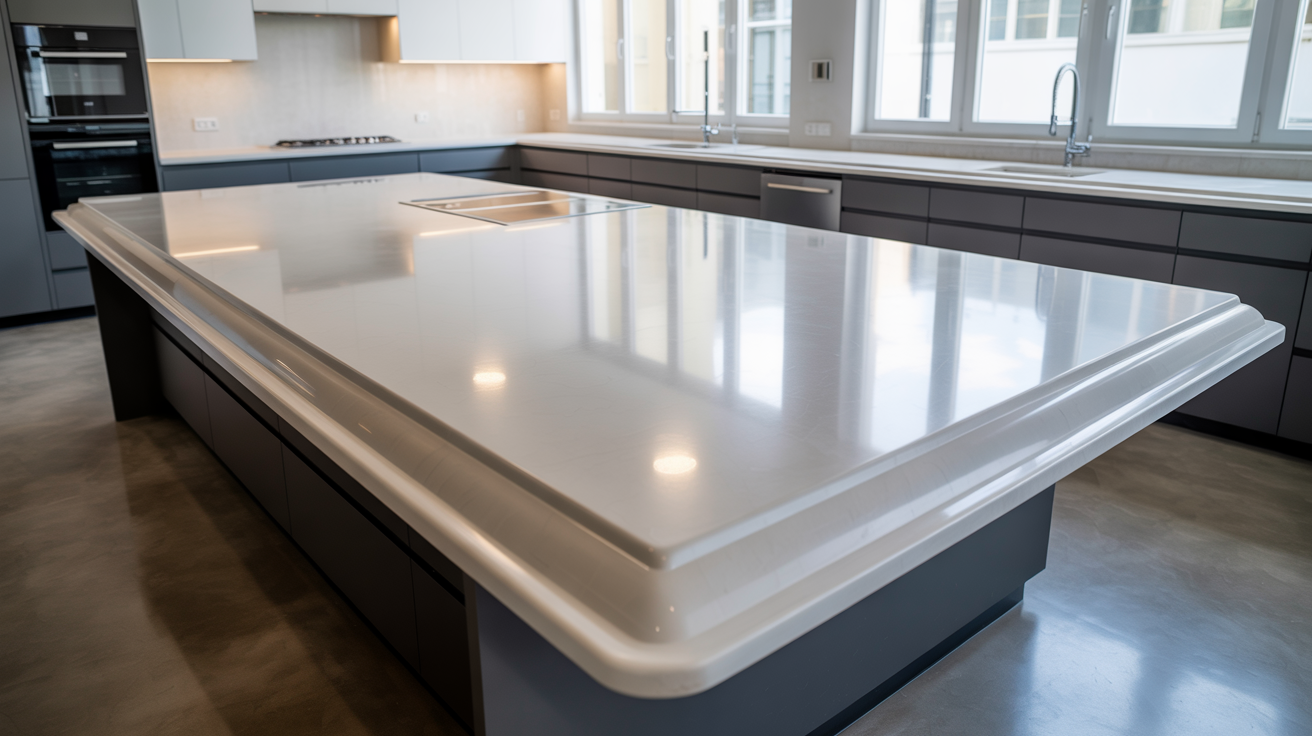
Porcelain countertop edges are the finished profiles along the outer rim of your countertop slab.
The edge profile is the cut or shape applied to the visible side of your countertop. It may seem minor, but it affects how your space looks, how safe it is, and how long it lasts.
Sharp edges look clean and modern but are more likely to chip over time. Rounded or mitered edges are softer, safer, and tend to hold up better with daily use.
They also reduce the risk of bumps and bruises, which matters in busy households with kids.
Beyond safety and durability, the edge connects your countertop to the rest of the room. Cabinets, backsplash, flooring the right edge ties it all together.
The wrong one can make even a great countertop look unfinished.
Popular Porcelain Countertop Edge Styles
There are many edge profiles to choose from, and each one suits a different style or need.
Eased Edge
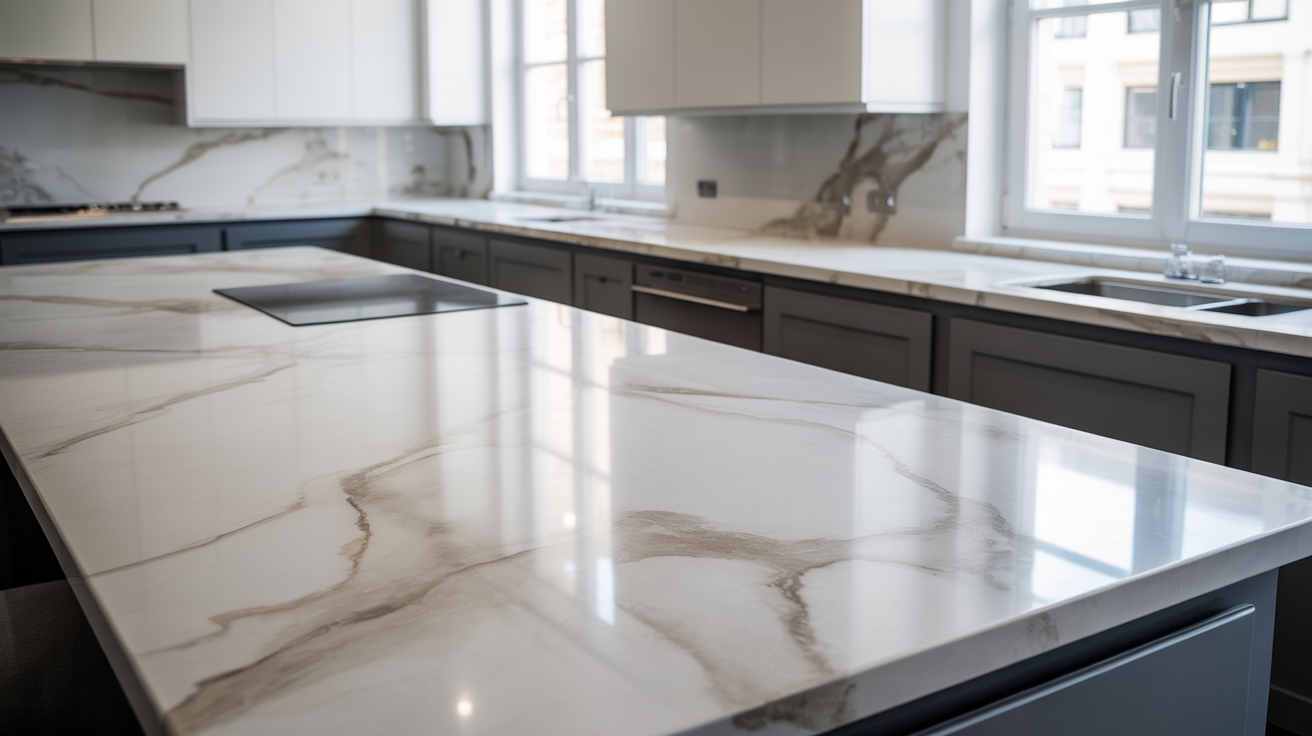
A clean, slightly rounded edge that works in almost any space.
This is one of the most common edge styles. It has a soft curve on the top corner, making it practical and easy to live with. It suits both modern and classic kitchens.
Mitered Edge
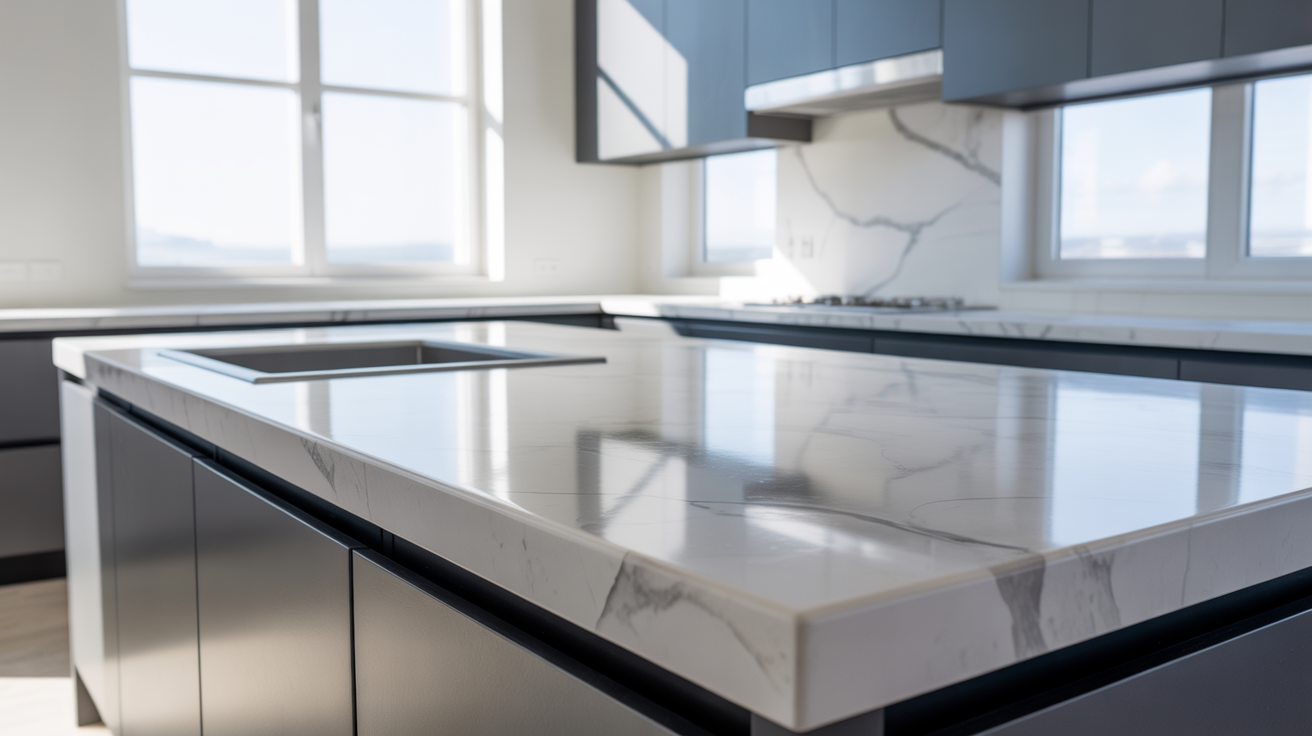
A bold edge that makes thin slabs look thick and substantial.
Two slabs are joined at a 45-degree angle to create the look of a much thicker countertop. It works well in contemporary spaces where a strong visual statement is the goal.
Sharknose Edge
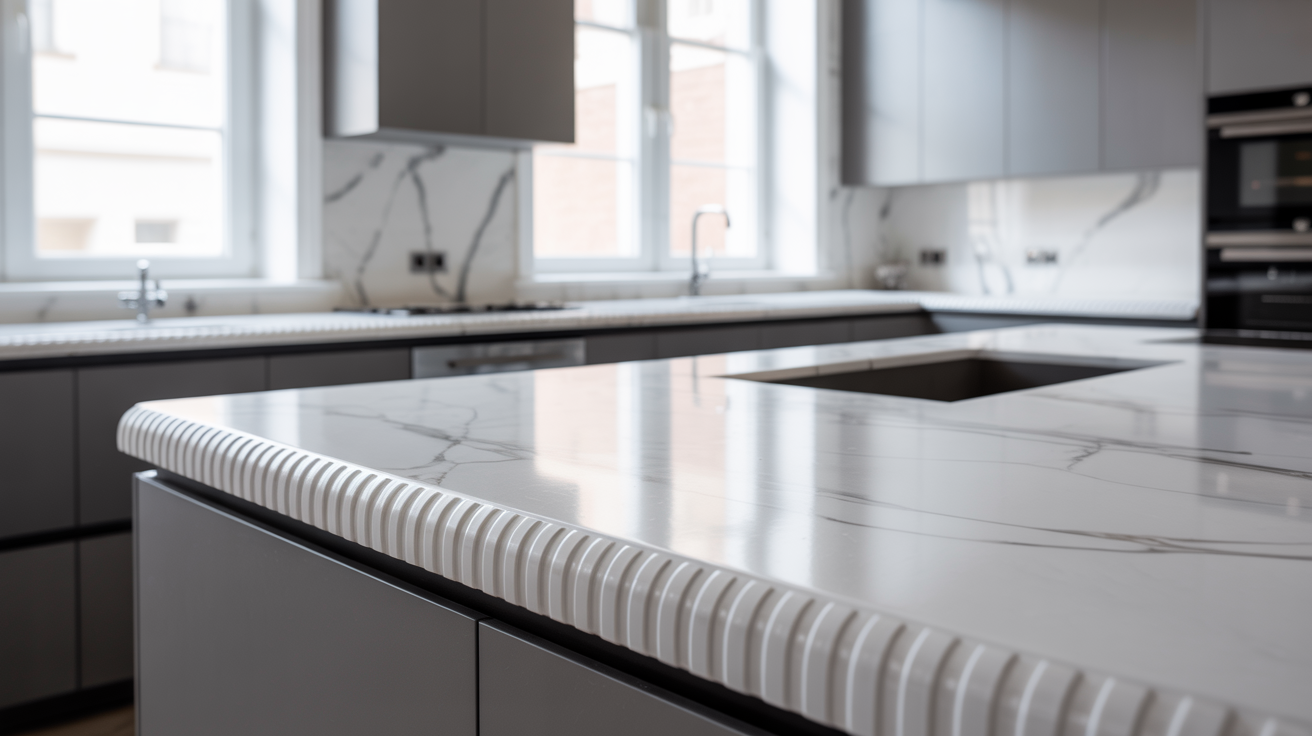
A thin, sleek profile that creates a floating countertop effect.
The sharknose edge tapers to a very fine point, giving the countertop a light and airy look. It’s popular in minimalist kitchens where clean lines matter most.
Half Bullnose Edge
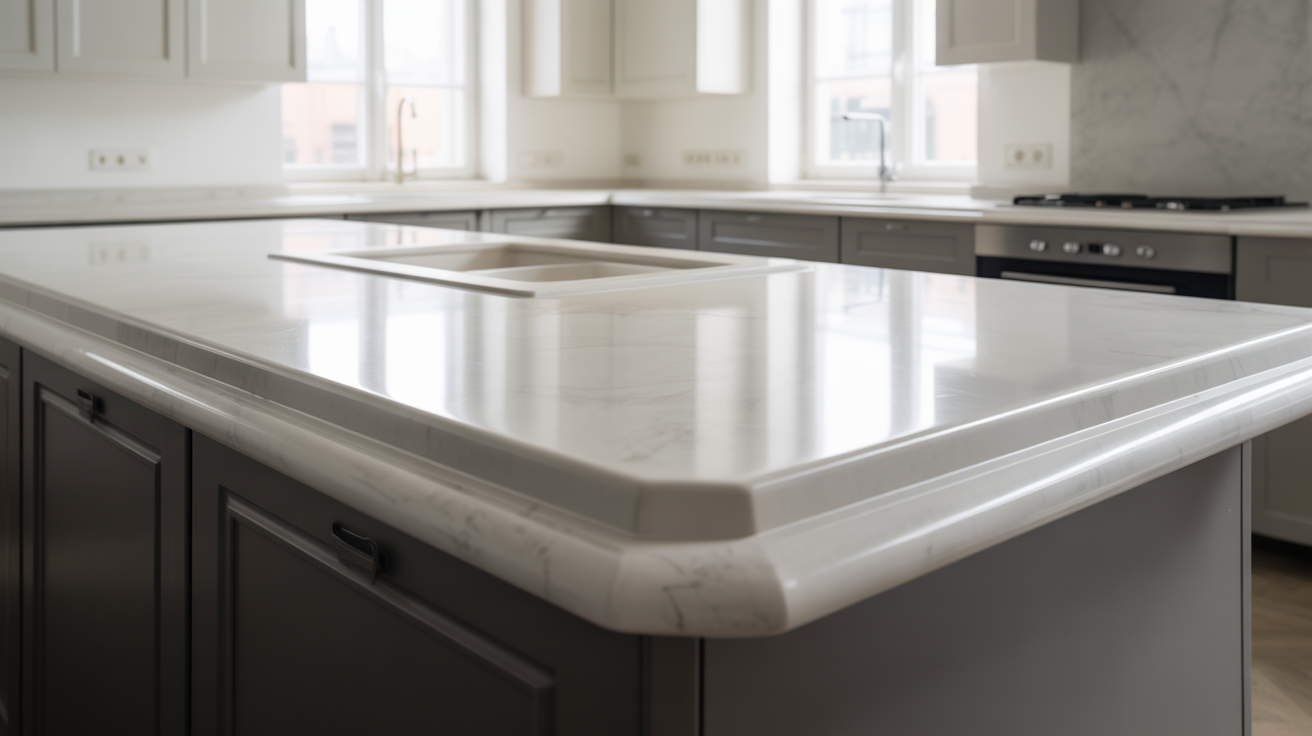
A rounded top with a flat bottom that balances style and practicality.
The top of the edge is curved, but the underside stays straight. This gives a softer look while keeping fabrication simple. It works well in both kitchens and bathrooms.
Full Bullnose Edge
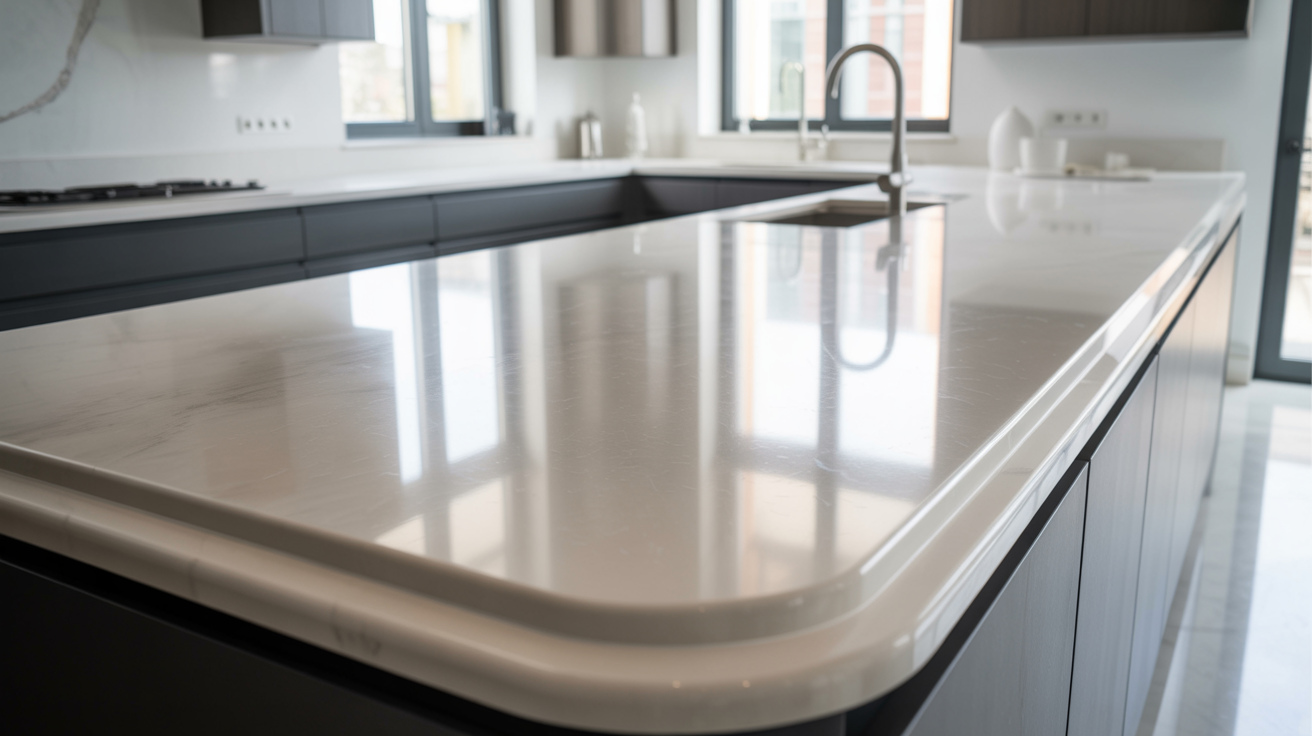
A fully rounded edge that is safe, smooth, and comfortable.
Both the top and bottom are curved, creating a soft, pill-like finish. This is a great choice for families with young children. It removes any hard corners from the countertop entirely.
Demi Bullnose Edge
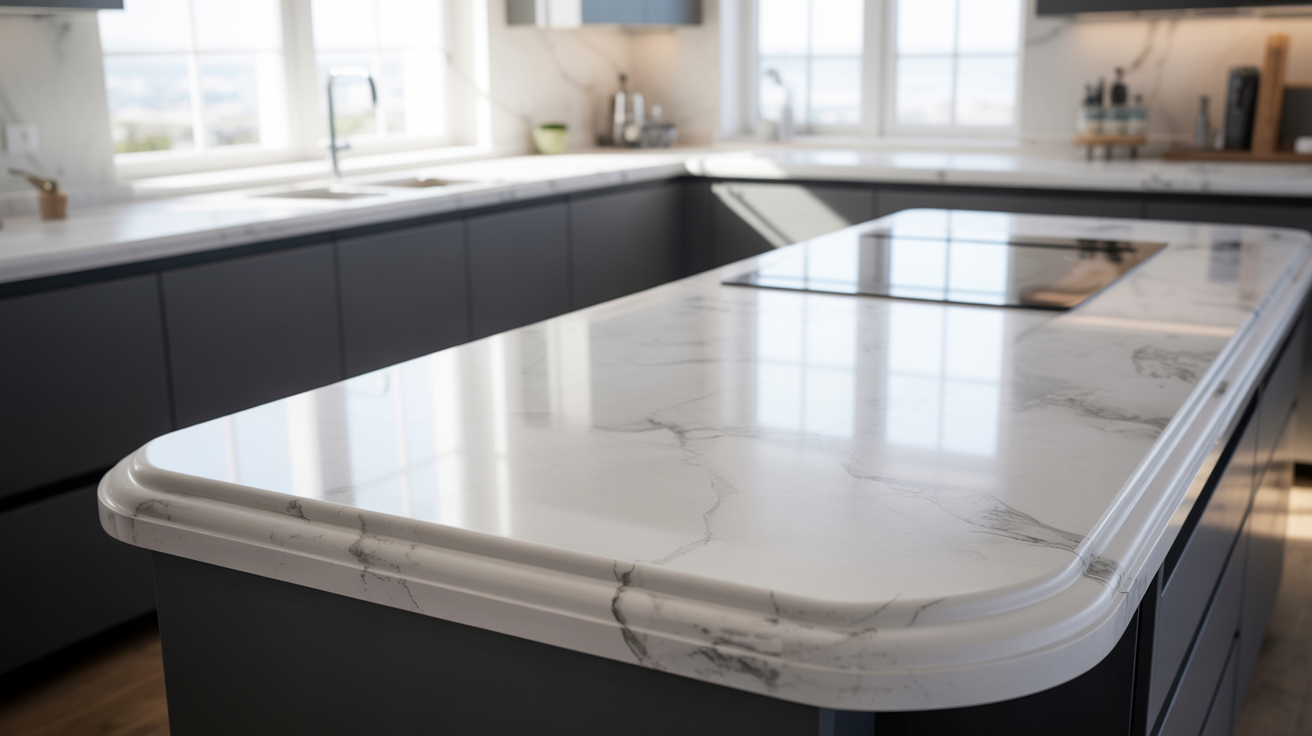
A gentle curve that adds visual interest without being too bold.
The demi bullnose has a slight wave-like shape on the top edge. It adds a little character to the surface without being too decorative. It suits transitional spaces that sit between modern and traditional.
Reversed Demi Bullnose Edge
An inverted curve that adds a floating look from below.
The curve faces downward instead of upward, which gives the countertop a light appearance from the side. It adds a design detail that most people will notice but may not be able to name.
Beveled Edge
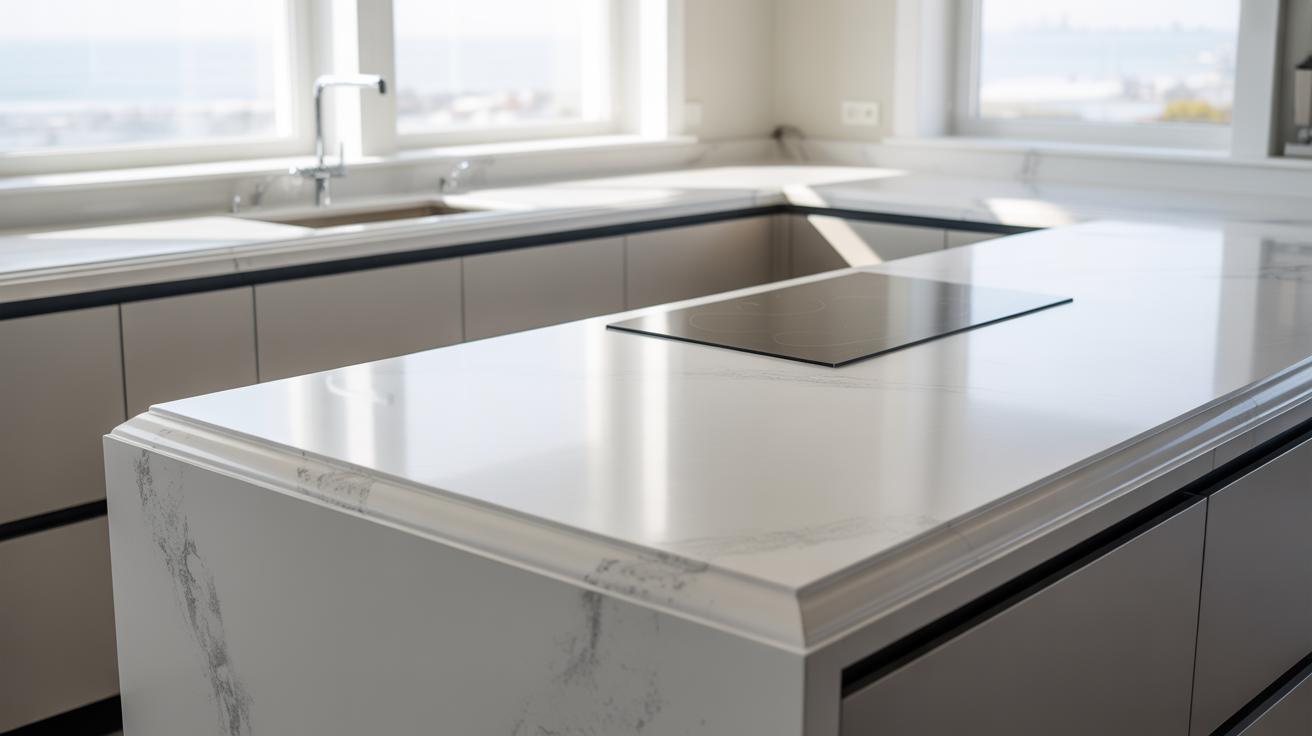
An angled cut that adds a bit of decorative detail to the edge.
The top corner is cut at an angle, creating a flat slope. It catches light in a pleasing way and gives the countertop a more finished look. It works well in both modern and traditional spaces.
Double Bevel Edge
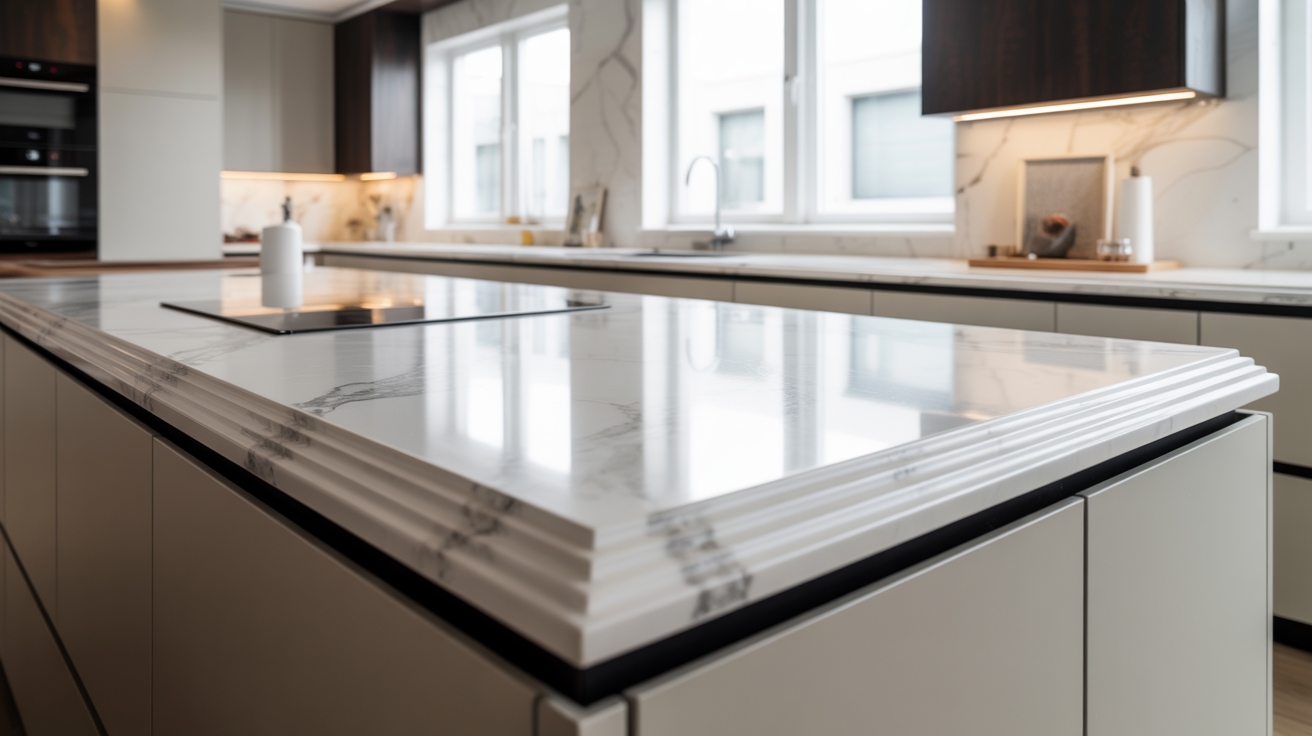
Two angled cuts on both the top and bottom for a symmetrical design.
Both corners are cut at matching angles, making the edge look polished from every side. It adds more visual detail than a single bevel and works well in spaces where style is a priority.
Double Slim Edge
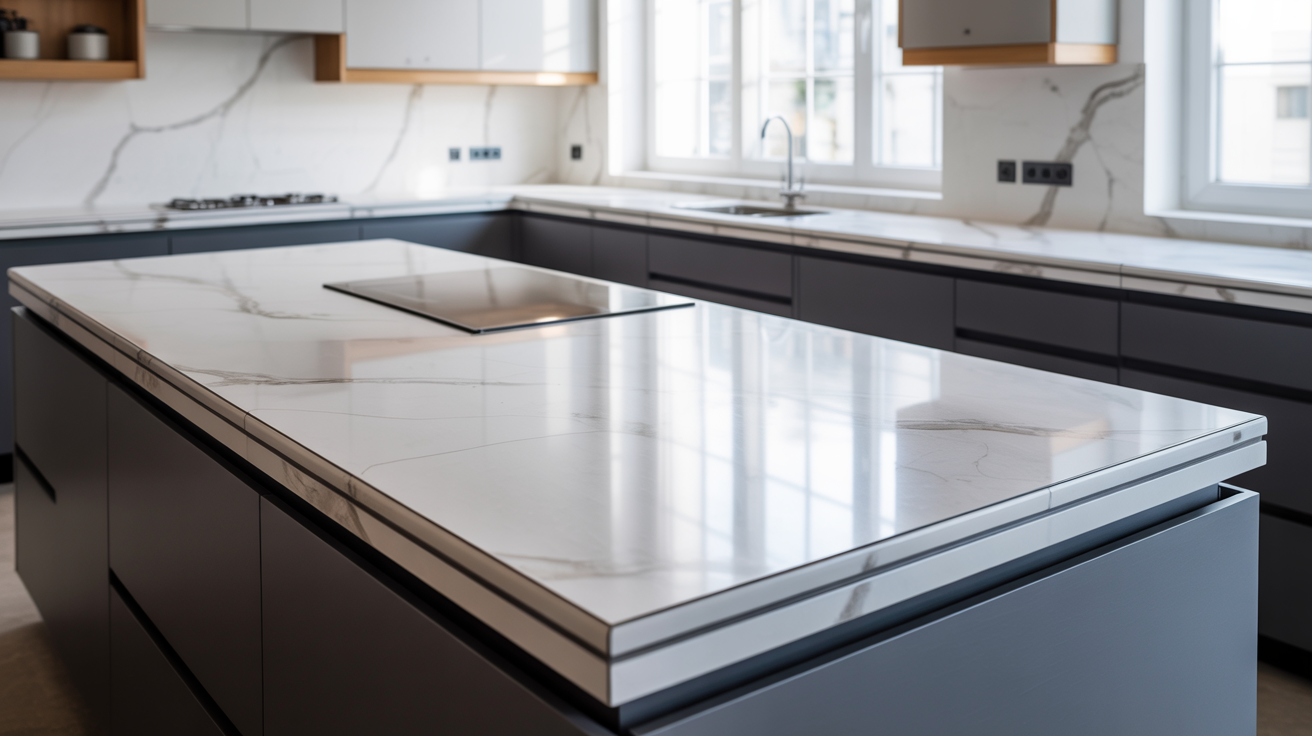
A layered profile that creates the look of extra thickness.
Two slim pieces are layered together to give the countertop a thicker appearance. It has a clean and modern look that works well in high-end kitchen designs.
Benefits of Choosing the Right Porcelain Countertop Edge
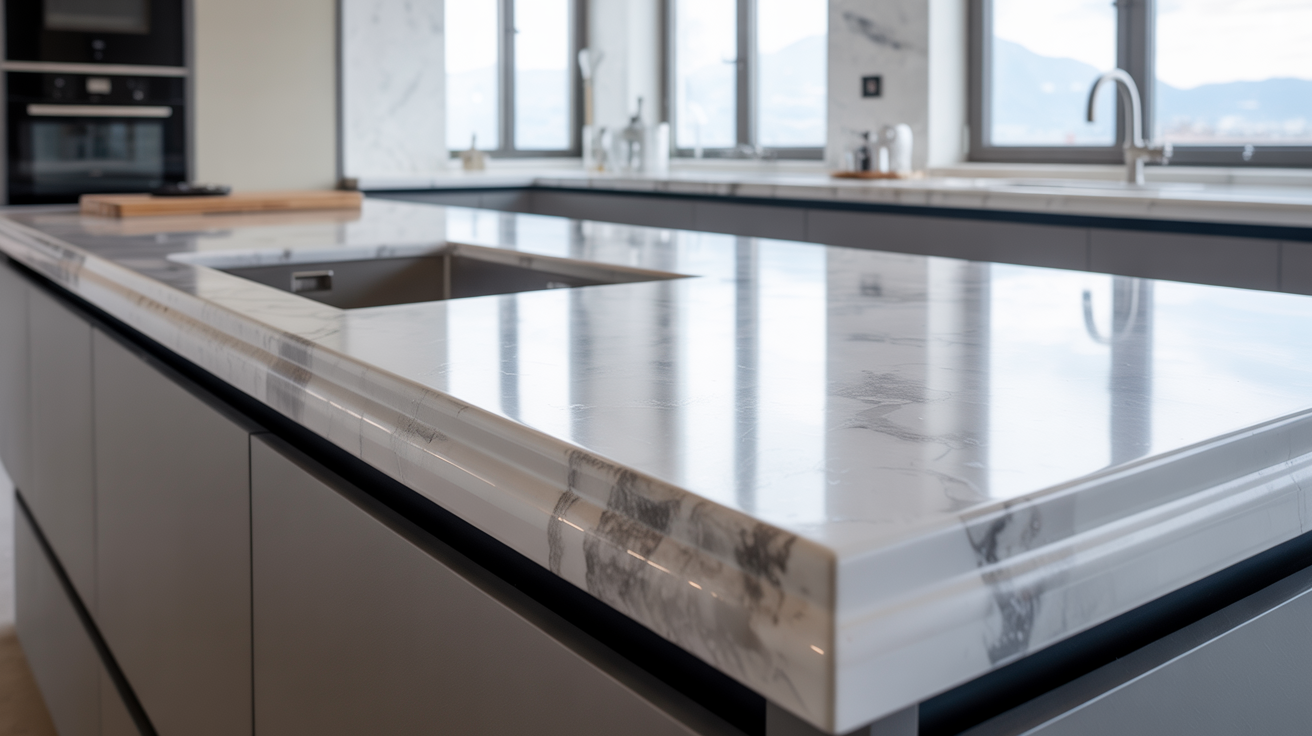
The right edge profile improves more than just looks.
Improved Safety and Comfort
Softer edges make your kitchen safer and more comfortable to use every day.
Rounded profiles reduce the chance of cuts or bruises. This matters most in households with children or elderly family members. Choosing a softer edge is a simple way to make your space more livable.
Better Durability and Chip Resistance
The shape of the edge affects how well it holds up over time.
Profiles with rounded or mitered corners are less likely to chip. Sharp or thin edges are more vulnerable to damage in busy kitchens. Picking the right shape means fewer repairs down the line.
Enhanced Kitchen and Bathroom Design
The edge profile ties into the overall style of your room.
A well-matched edge makes the space feel complete. It connects the countertop to the rest of the room in a way that feels intentional. The right profile can make a big difference in how the room looks.
Easier Cleaning and Maintenance
Simple edge profiles are easier to keep clean.
Flat or lightly rounded edges have fewer grooves where dirt can collect. More decorative profiles can trap debris and require more attention. Choosing a low-maintenance edge saves time in the long run.
How to Choose the Best Porcelain Countertop Edge
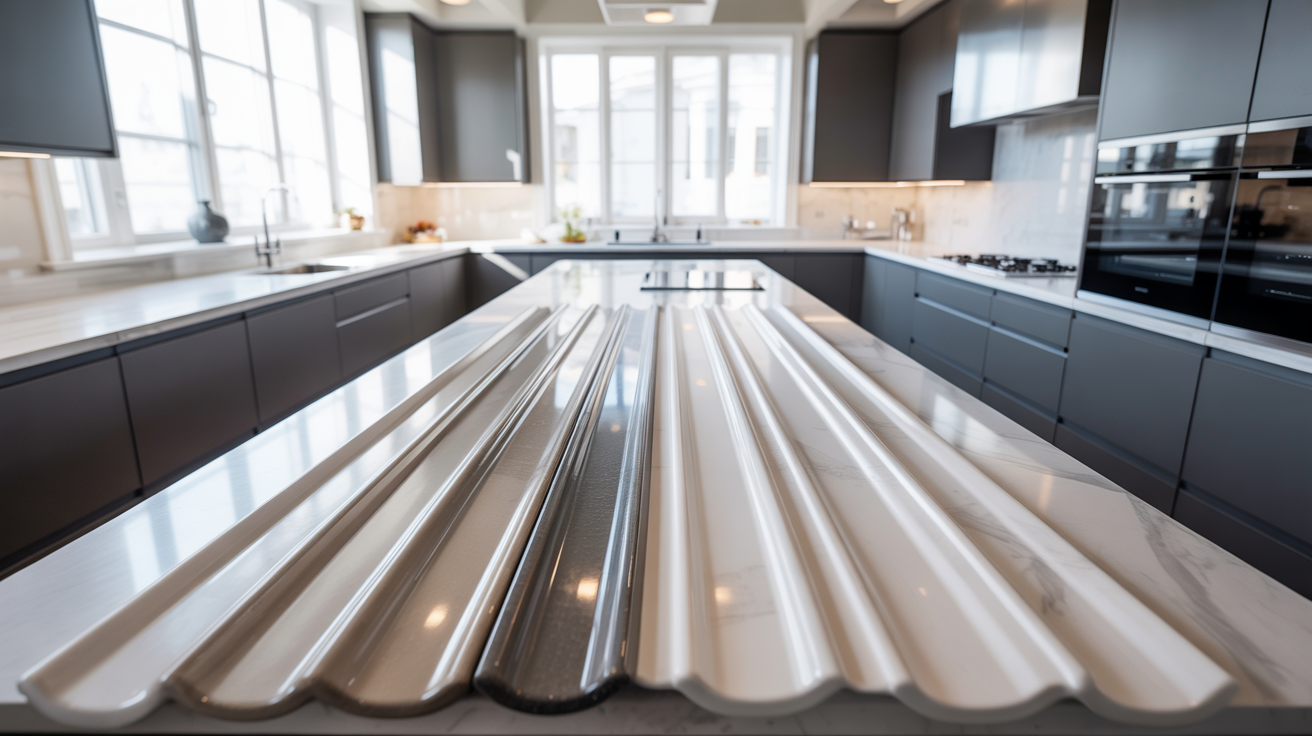
Finding the right edge comes down to your space, your family, and your budget.
Start with your interior style. Modern kitchens suit clean edges like eased or sharknose. Traditional spaces work better with bullnose or beveled profiles.
Think about who lives in your home. Families with kids are better off with rounded profiles. Design-focused spaces may suit a decorative or layered edge.
Simple flat edges are easier to clean and maintain. Decorative profiles with grooves need more attention. And always set a budget before deciding.
Complex edges like mitered or double slim cost more to fabricate than simpler styles.
Maintenance Tips for Porcelain Countertop Edges
Keeping your edges in good shape is simple with the right habits.
- Wipe edges with mild soap and a soft cloth after daily use
- Avoid harsh chemicals that can dull the surface over time
- Skip abrasive scrubbing tools that can scratch the finish
- Check corners and high-use areas regularly for early signs of wear
- Dry the edge area near the sink to prevent moisture buildup
Conclusion
Choosing the right porcelain countertop edges is one of those decisions that truly shapes how your kitchen or bathroom feels every day.
I’ve seen how the wrong edge can make a beautiful space feel unfinished, and how the right one ties everything together.
Think about your lifestyle, your design goals, and your budget before deciding. And always work with a skilled fabricator for the best results.
Found this helpful? Leave a comment below or share it with someone planning a kitchen update!
Frequently Asked Questions
What is the most durable porcelain countertop edge?
Rounded profiles like full bullnose and mitered edges tend to be the most durable. They handle daily impact better than sharp or thin edge styles.
Are straight edges prone to chipping on porcelain countertops?
Sharp, straight edges can be more vulnerable to chipping over time. Choosing a slightly rounded variation of a straight edge helps reduce this risk.
Do porcelain countertops allow decorative edge profiles?
Yes, porcelain slabs can be fabricated with a wide range of decorative edge profiles. However, the slab thickness and quality of fabrication play a key role in the final result.
Which edge style is best for modern kitchens?
Eased, sharknose, and mitered edges are popular choices for modern kitchens. They offer clean lines that suit contemporary cabinetry and open layouts.
How do I choose the right porcelain countertop edge for my home?
Start by considering your interior style, household lifestyle, and maintenance preferences. Then factor in your budget and talk to a professional fabricator for guidance.


