

I spent a lot of time researching butcher block countertops before picking one for my own kitchen. It can get confusing fast. There are so many options, prices, and opinions online.
In this article, I will cover the real pros and cons, types, costs, and care tips. No fluff. Just honest, simple information. With over a decade of writing about home improvement, I know what actually matters to homeowners.
By the end, you will know exactly what to expect and whether this countertop is the right fit for your kitchen.
What Are Butcher Block Countertops?
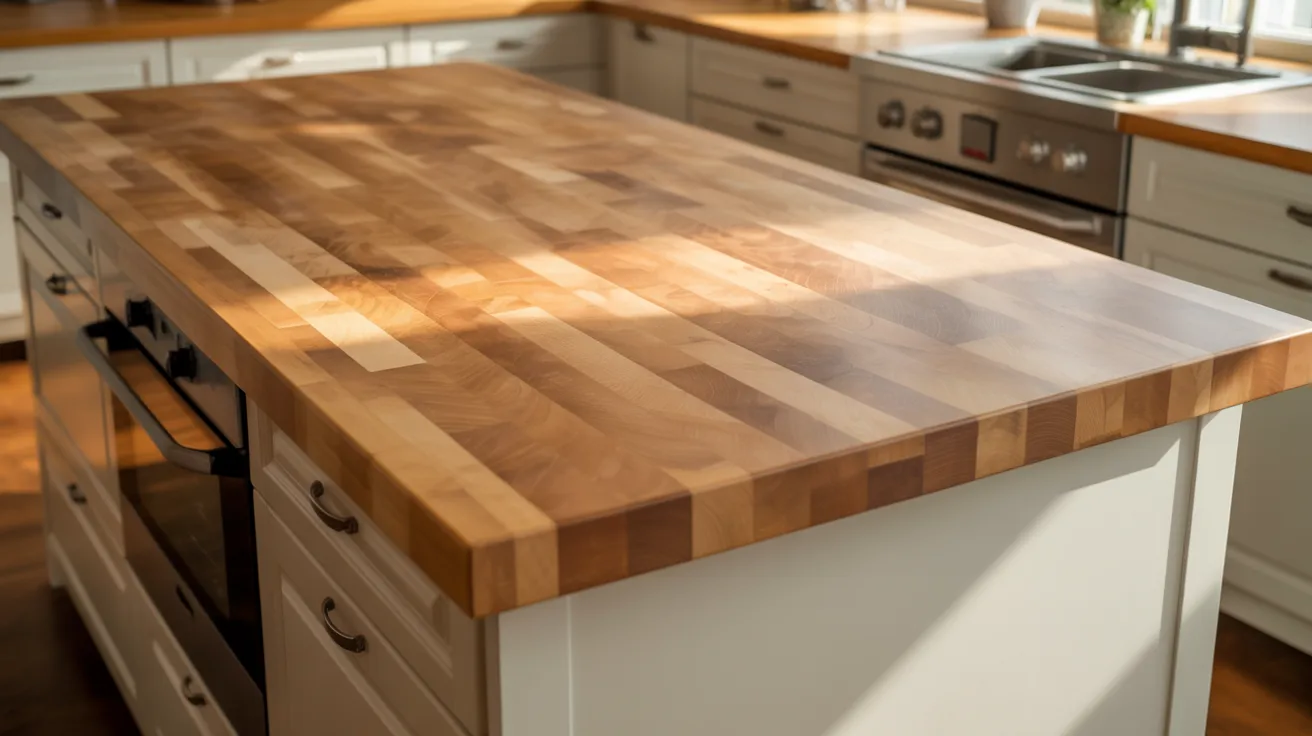
Butcher block countertops are made from wood strips glued tightly together to form thick, solid slabs. The strips run in different directions depending on the construction style. This gives each countertop its own pattern and character.
They are popular because they bring a warm, natural feel to any kitchen. You can find them in farmhouse kitchens, modern spaces, and rustic homes. They work in almost any style if paired well with the right cabinets and flooring.
People also use them in kitchen islands, prep stations, and even commercial kitchens. Butcher shops have used this type of surface for generations. That is actually where the name comes from.
Butcher Block Countertop Pros
The real benefits that make butcher block a popular choice for many kitchens.
Natural Beauty and Warm Look
Wood has a warmth that stone simply cannot match. Every butcher block slab has its own grain pattern. No two countertops look exactly the same. This gives your kitchen a personal, lived-in feel that many homeowners truly appreciate.
Eco-Friendly and Customizable
Wood is a renewable resource. When sourced responsibly, it is a more sustainable choice than stone. On top of that, you can pick from many wood species like maple, walnut, oak, and cherry. You can also choose your edge style and thickness, giving you real control over the final look.
Easy to Repair and Budget-Friendly
This is one of my favorite things about wood countertops. Got a scratch or small dent? A light sanding and a coat of oil, and it looks almost new again. Stone does not give you that option.
Butcher block also comes at many price points, from affordable store options to premium custom slabs, making it a fit for most budgets.
Butcher Block Countertop Cons
The honest downsides you should know before making your final decision.
Requires Regular Maintenance
This is the big one. Butcher block needs oiling or sealing on a regular basis. If you skip this step, the wood can dry out, crack, or absorb stains. It is not a set-it-and-forget-it surface.
Prone to Scratches and Dents
Wood is softer than granite or quartz. Knives, pots, and heavy objects can leave marks over time. You have to be a little more careful with daily use compared to harder materials.
Water Damage Risk
Standing water is the enemy of wood. If you leave spills sitting too long, the surface can warp or stain. Near the sink is where this tends to happen most. Wiping up spills quickly is a must.
Heat Sensitivity
Hot pans placed directly on the surface can scorch or crack the wood. Always use a trivet or hot pad. This is a small habit to build, but it matters a lot for the long-term look of your countertop.
Shorter Lifespan Than Stone
With proper care, butcher blocks can last many years. But it will likely need refinishing at some point. Stone countertops tend to hold up longer without as much hands-on maintenance.
Types of Butcher Block Countertops
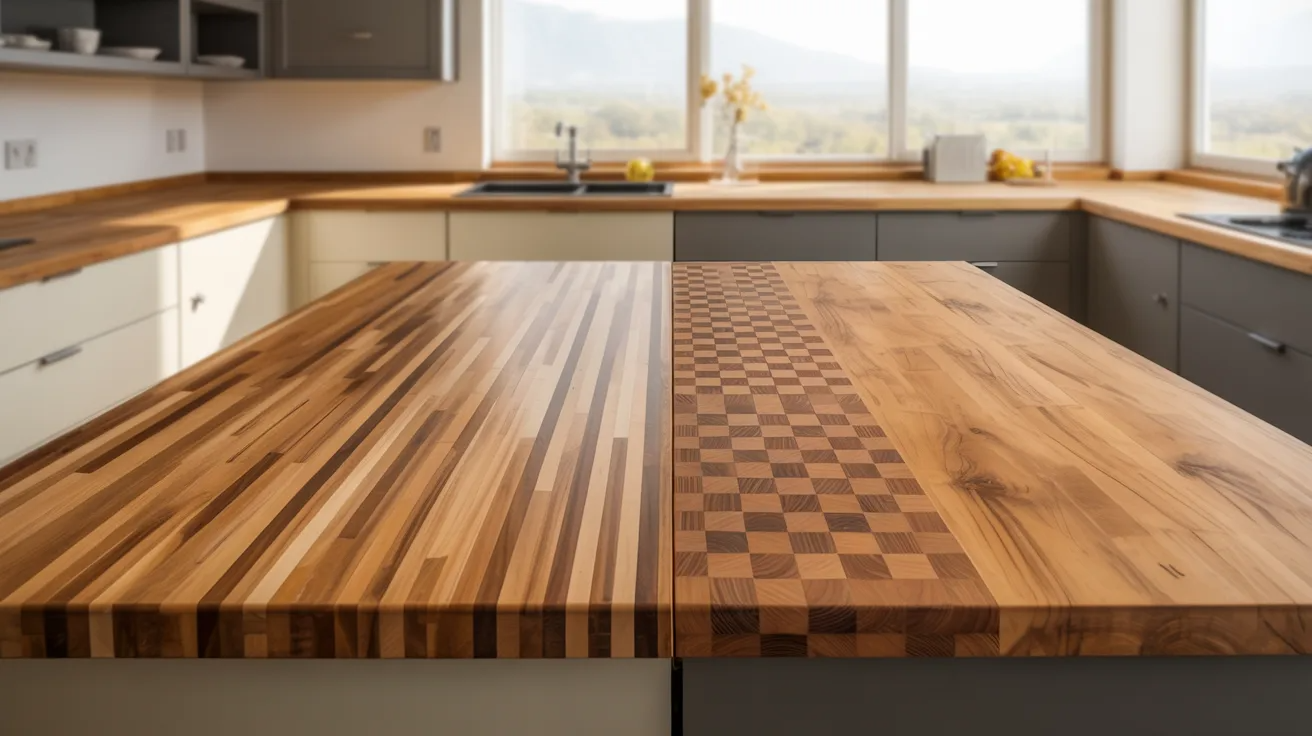
A simple breakdown of the three main construction styles available today.
Edge Grain Butcher Block
This is the most common type. The long edges of the wood strips face up. It is durable, cost-effective, and works well in most kitchens. This is what you will find at most home improvement stores.
End Grain Butcher Block
The ends of the wood strips face up, creating a checkerboard-like pattern. This style is very durable and handles heavy chopping well. It is also the most expensive option. Many serious cooks prefer it for prep areas.
Face Grain Butcher Block
The wide, flat face of the wood faces up. This shows off the natural grain pattern the most. It looks great but is more prone to warping and scratching. It is better used for display areas rather than heavy prep work.
Cost of Butcher Block Countertops
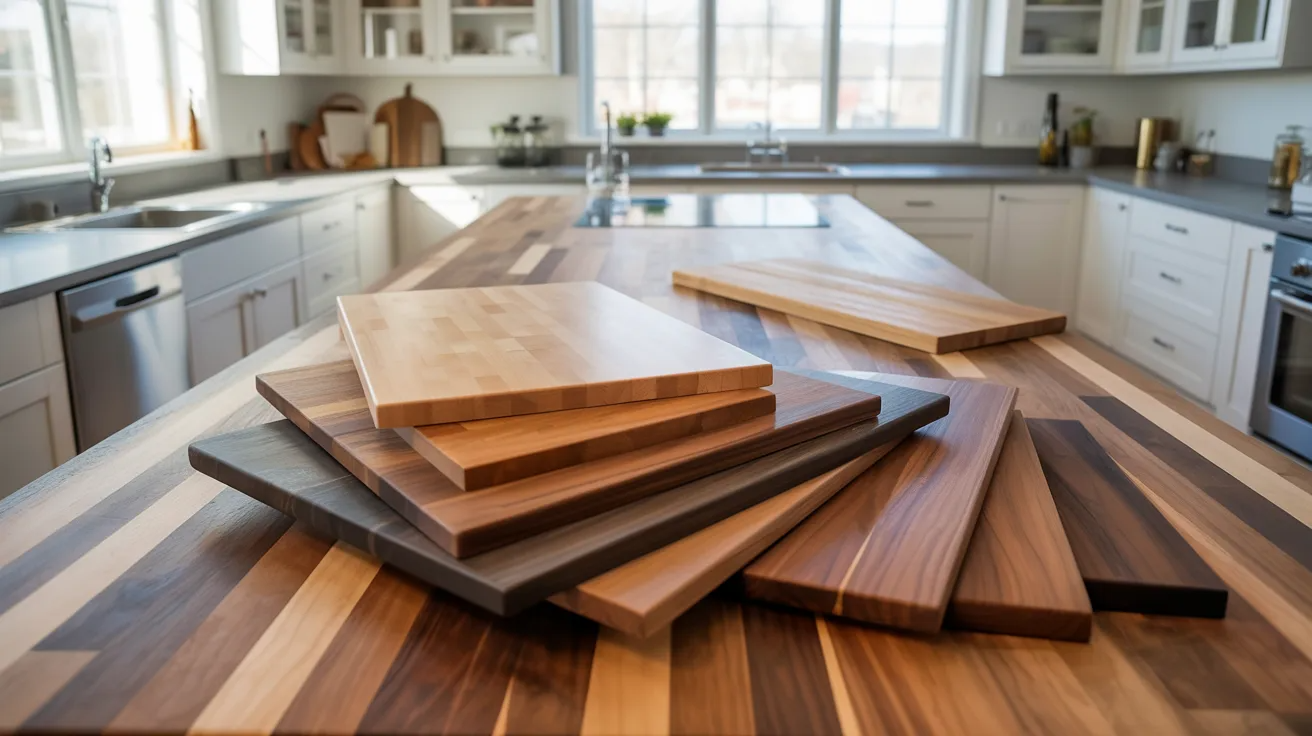
What you can expect to pay and what drives the price up or down.
Average Price Per Square Foot
Butcher block countertops typically range from $30 to $100 per square foot for materials. Installation can add more to the total cost. The type of wood and the thickness of the slab will affect where you land in that range.
Factors That Affect the Cost
Several things influence the final price:
Wood species: Exotic woods like walnut cost more than maple or pine.
Countertop thickness: Thicker slabs use more material and cost more.
Customization: Special edge profiles or unusual dimensions raise the price.
Installation: Hiring a professional adds labor costs on top of materials.
How to Maintain Butcher Block Countertops
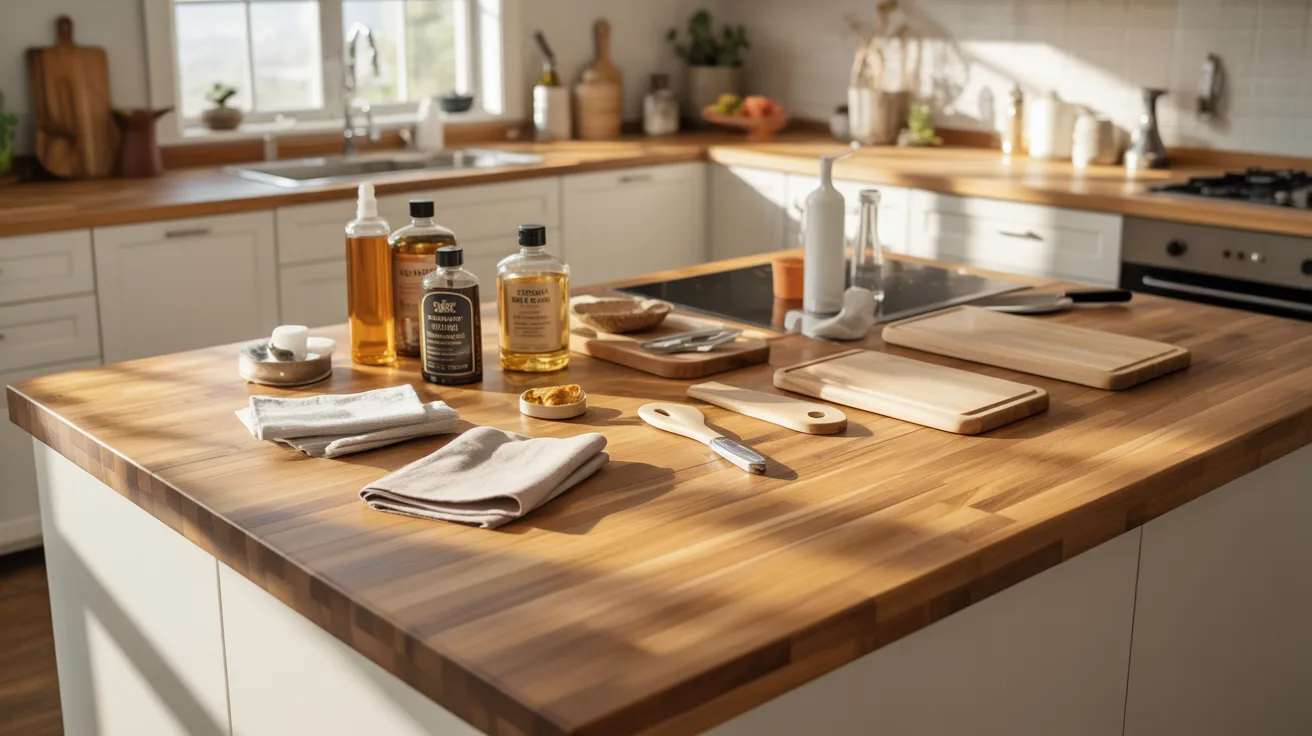
Simple care steps that will keep your countertop looking good for years.
Oiling and Sealing
Oil your butcher block countertop every one to two months, especially in the first year. Food-grade mineral oil is a safe and affordable choice. Apply it with a cloth, let it soak in, then wipe off the excess. This keeps the wood from drying out and helps resist moisture.
Daily Cleaning
Use mild dish soap and warm water for everyday cleaning. Wipe it down after cooking and dry it right away. Avoid soaking the surface or using harsh cleaners. A clean, dry countertop lasts much longer.
Preventing Damage
Use trivets for hot pots and pans. Wipe up spills as soon as they happen. Consider a cutting board for heavy chopping sessions to reduce wear. Small habits like these protect your investment over time.
Tips for Choosing the Right Butcher Block Countertop
Four practical tips to help you pick the best option for your space.
- Maple, walnut, and oak are the most durable wood species. Avoid soft woods in high-use areas.
- Unsealed surfaces work better if you plan to cut directly on the countertop.
- Use a food-safe sealer if you want stronger protection against stains and moisture.
- Match the wood tone to your cabinet color. Light wood works well with white or gray cabinets.
- Take a wood sample home before buying. Seeing it in your kitchen lighting makes a real difference.
- Dark walnut pairs well with richer, deeper cabinet tones and warm flooring.
- Be honest about upkeep. Butcher block needs regular oiling, so plan for that before you commit.
Conclusion
I will be honest. I love butcher block countertops, but they are not for everyone. They look warm and natural, and fixing scratches yourself feels genuinely satisfying.
That said, the oiling, spill wiping, and heat caution are real commitments. I learned that the hard way in my own kitchen. If you enjoy caring for your home and want a surface with real character, this could be a great fit.
Think about your lifestyle, your budget, and how much upkeep you can handle. Drop a comment below and let me know what you think!
Frequently Asked Questions
Are butcher block countertops good for everyday kitchen use?
Yes, they work well for daily cooking if you maintain them properly. Regular oiling and quick spill cleanup keep them in good shape.
How often should I oil my butcher block countertop?
Oil it once a month for the first year, then every one to three months after that. More frequent oiling is better in dry climates.
Can I cut directly on a butcher block countertop?
You can, but it will leave marks over time. Using a cutting board helps preserve the surface and extends its life.
How long do butcher block countertops last?
With proper care, they can last 20 years or more. Refinishing may be needed every few years depending on use.
Is butcher block more affordable than granite?
In many cases, yes. Basic butcher block options cost less than granite, though premium wood species can get close in price.


