

Have your vinyl windows started to look dull even after a quick wipe? Vinyl windows are durable, but dirt, dust, and water spots still build up on frames and glass over time.
When cleaning is done the wrong way, stains, scratches, or stuck tracks can appear.
From my experience with home exterior care, simple tools and the right method make cleaning much easier.
In this guide on how to clean vinyl windows, you will learn practical steps, the right cleaning supplies, and ways to handle common issues.
It also covers cleaning windows in different areas and simple habits that help keep them clear and working well for longer.
Understanding Vinyl Windows

Vinyl is a plastic material called polyvinyl chloride (PVC). It is widely used for window frames because it resists moisture and does not rust.
Unlike wood, it does not rot or need frequent painting. Aluminum frames are strong but conduct heat more readily, while vinyl helps limit heat flow.
Proper cleaning helps vinyl windows last longer. Dirt and debris can build up on frames, tracks, and seals. If ignored, this buildup may cause scratches, stains, or seal wear.
Many people think strong cleaners work better, but harsh chemicals and rough pads can damage vinyl. Mild soap, warm water, and a soft cloth usually work best.
How to Clean Vinyl Windows: Step-by-Step Guide
Clean vinyl windows help the frames last longer and keep the glass clear. The process is simple when you use the right tools and follow a few careful steps.
Tools and Materials You’ll Need:
- Soft microfiber cloths and non-abrasive sponges
- Mild dish soap or liquid detergent
- Vinegar-water mixture (30% vinegar, 70% water) for stains
- Optional cleaners: Soft Scrub, Formula 409, Bar Keepers Friend
- Small soft brush or toothbrush for corners
- Vacuum with soft brush attachment for dust removal
- Spray bottle or bucket for cleaning solutions
- Silicone-based lubricant (optional for moving parts)
Once these tools are ready, follow the cleaning steps below for safe and effective results.
Step 1: Remove Loose Dirt
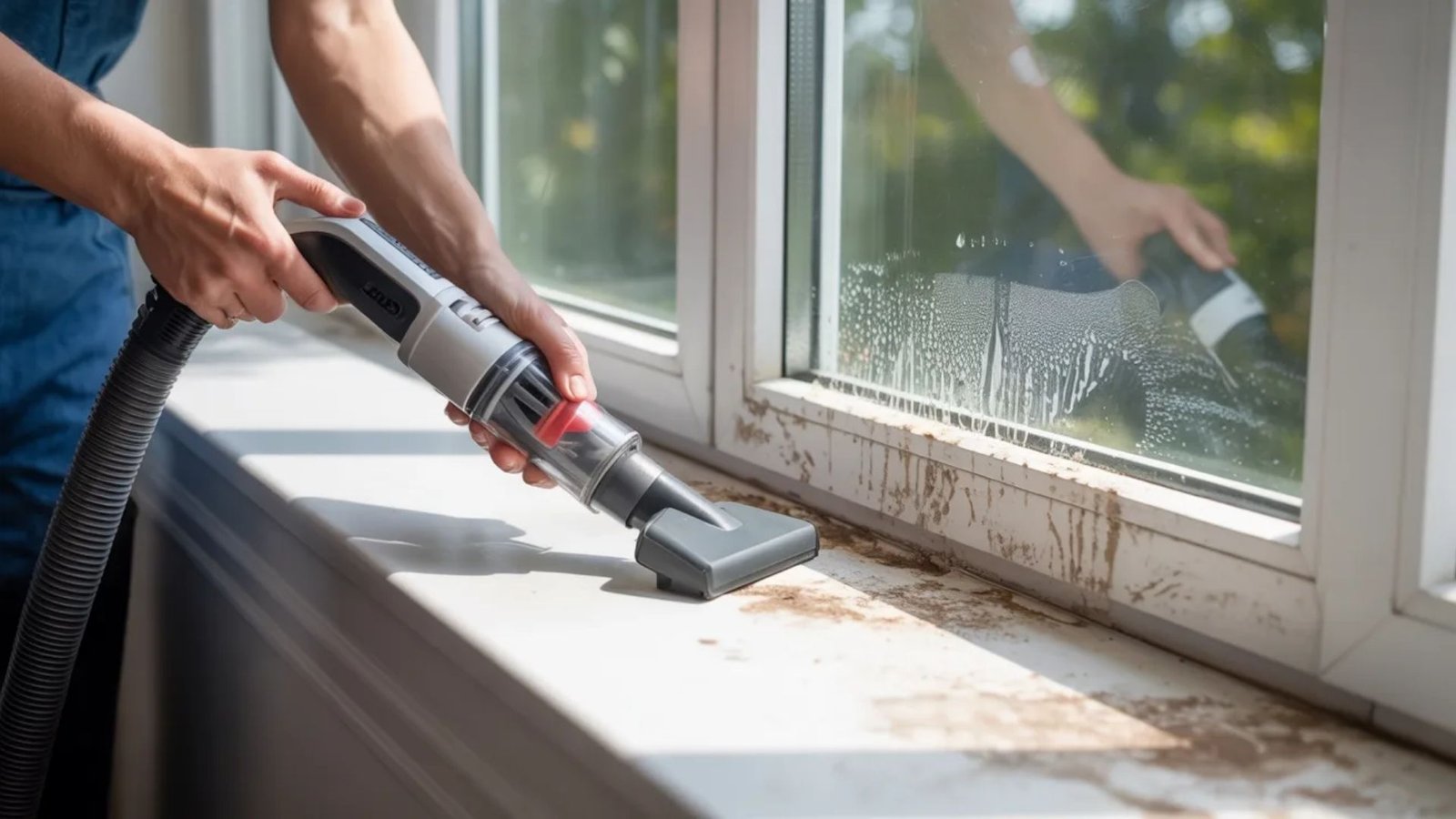
Start by clearing away dry dirt before using water. Use a vacuum with a soft brush attachment to remove dust from frames, sills, and window tracks.
After that, wipe the surface with a dry microfiber cloth to remove cobwebs and loose debris.
Step 2: Clean the Vinyl Frames
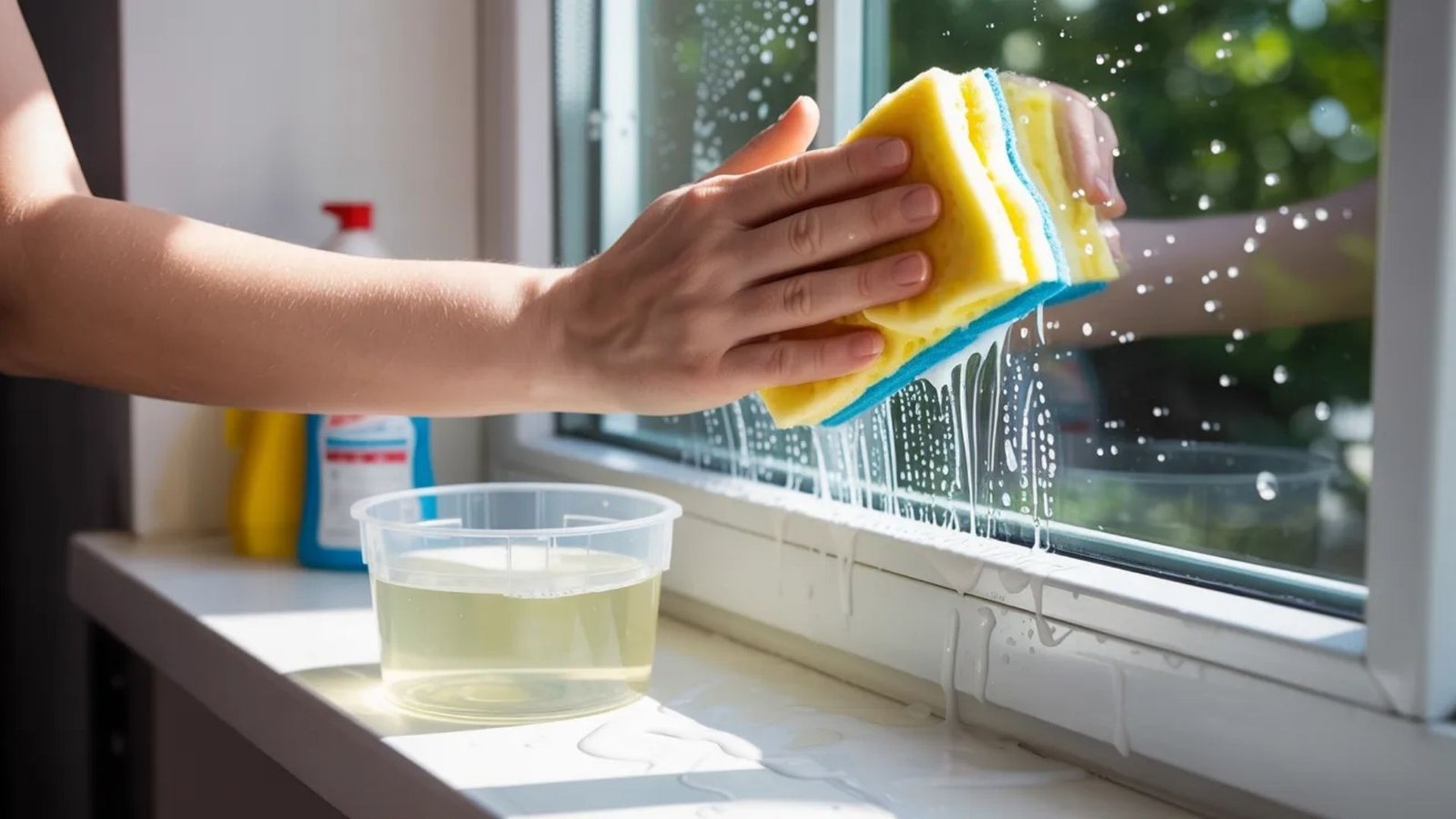
Mix a few drops of mild dish soap with warm water in a bucket or spray bottle. Dip a soft sponge or cloth in the solution and wipe the vinyl frames gently.
For tight corners and edges, a soft toothbrush can help remove trapped dirt.
Step 3: Remove Stubborn Stains
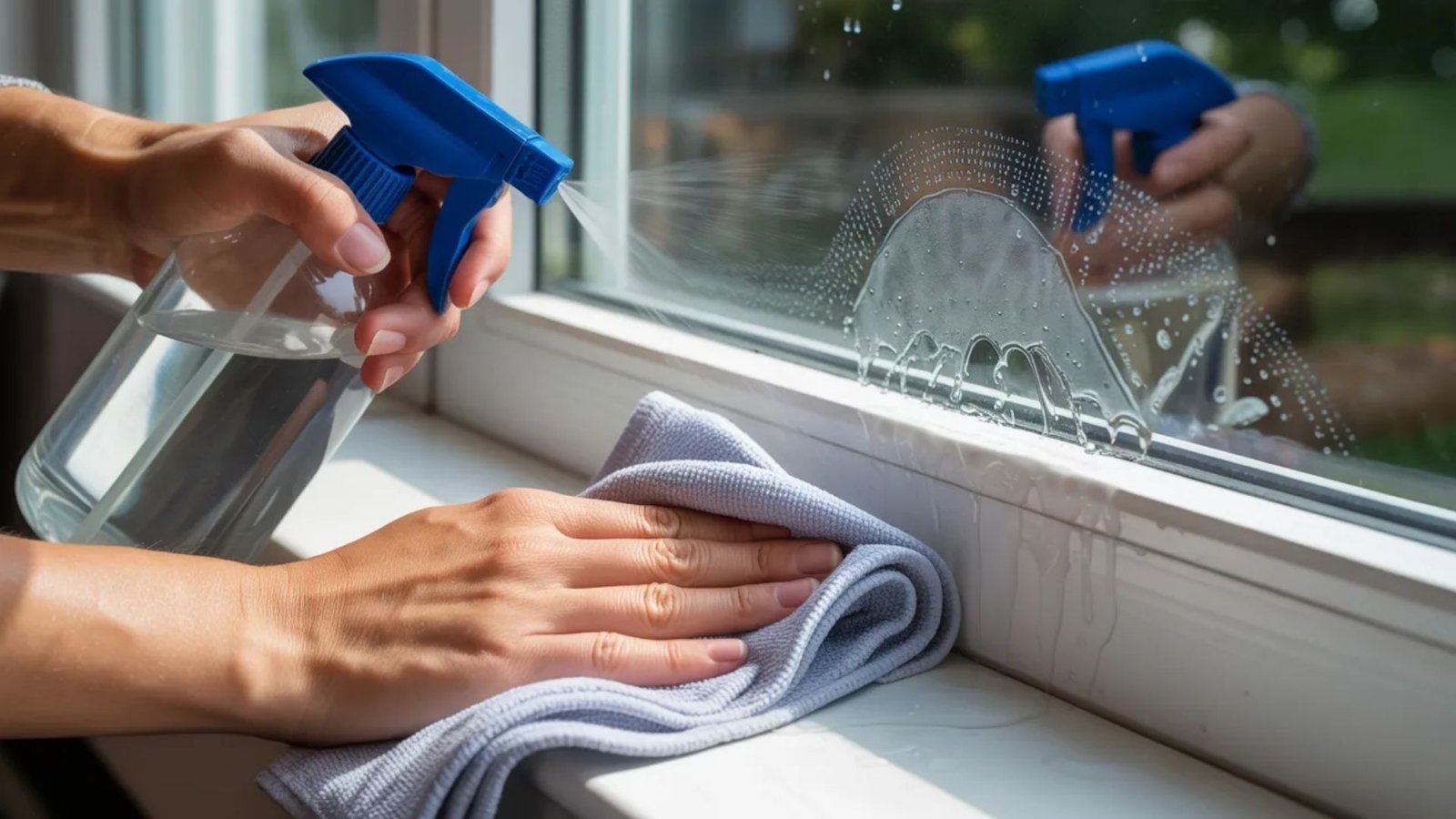
If marks remain after basic washing, apply a vinegar-water mixture or a mild non-abrasive cleaner. Rub the area gently with a soft cloth until the stain fades.
Avoid strong chemicals such as bleach, acetone, or ammonia since they may damage vinyl surfaces.
Step 4: Rinse and Dry
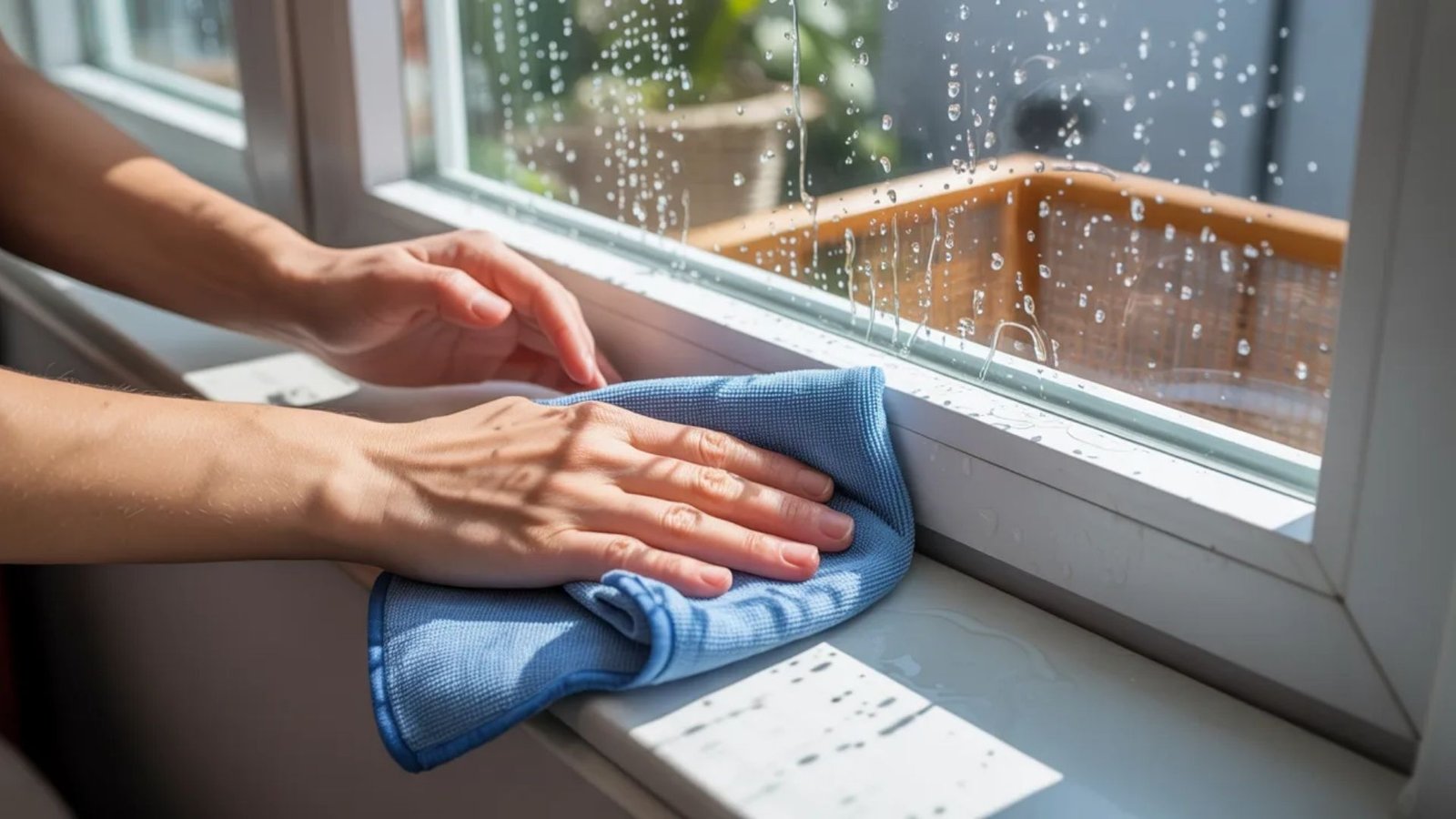
After cleaning, rinse the frames with clean water to remove any soap or cleaner residue. Leftover residue can leave marks once it dries.
Use a microfiber cloth to dry the frames and surrounding areas to help prevent streaks and water spots.
Step 5: Clean the Glass
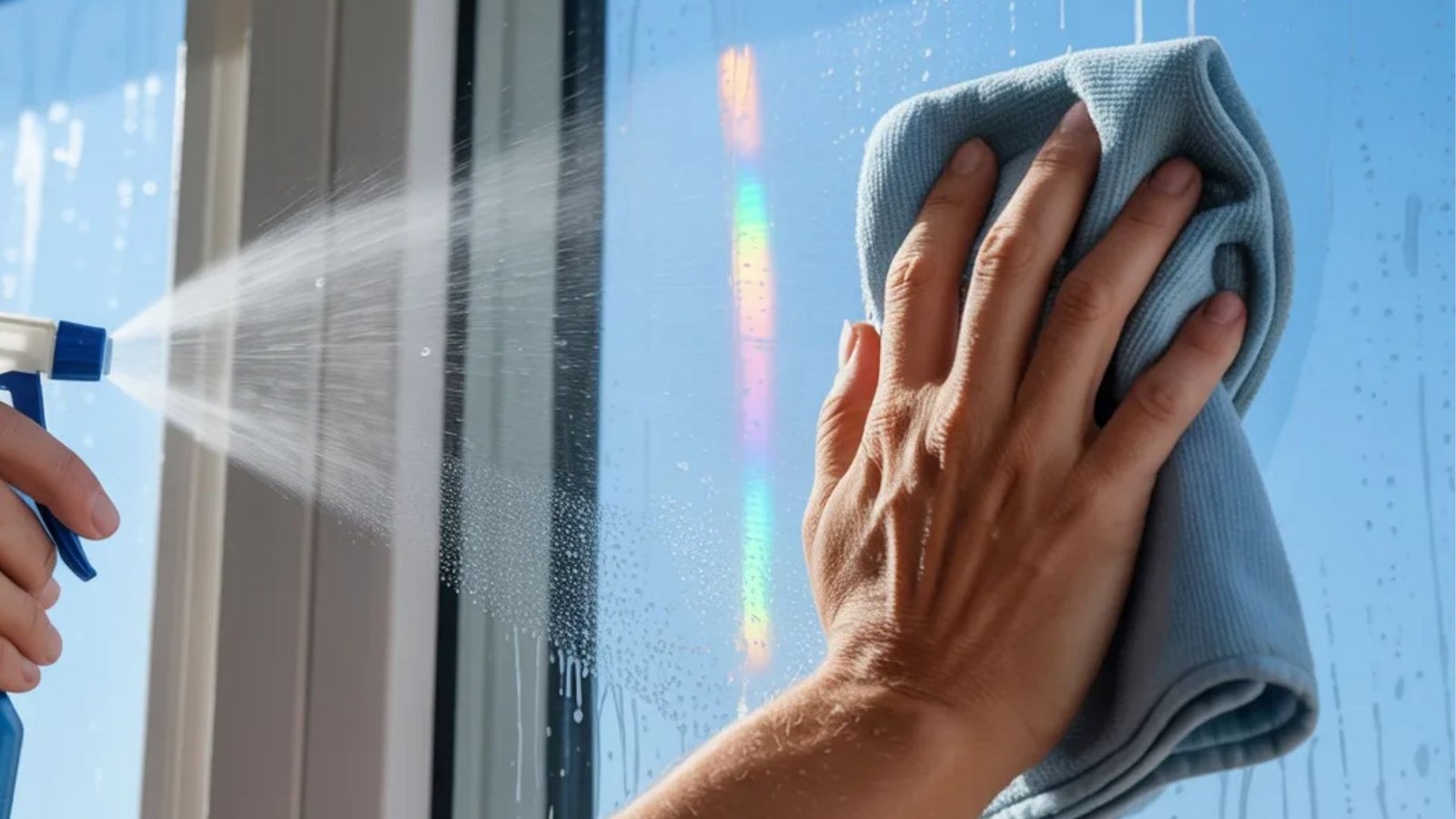
For the glass panes, spray a glass cleaner or a vinegar-water mixture on the surface. Wipe with a lint-free towel or microfiber cloth.
Move the cloth in gentle circular motions to remove fingerprints, dust, and light stains from the glass.
Step 6: Lubricate Moving Parts (Optional)
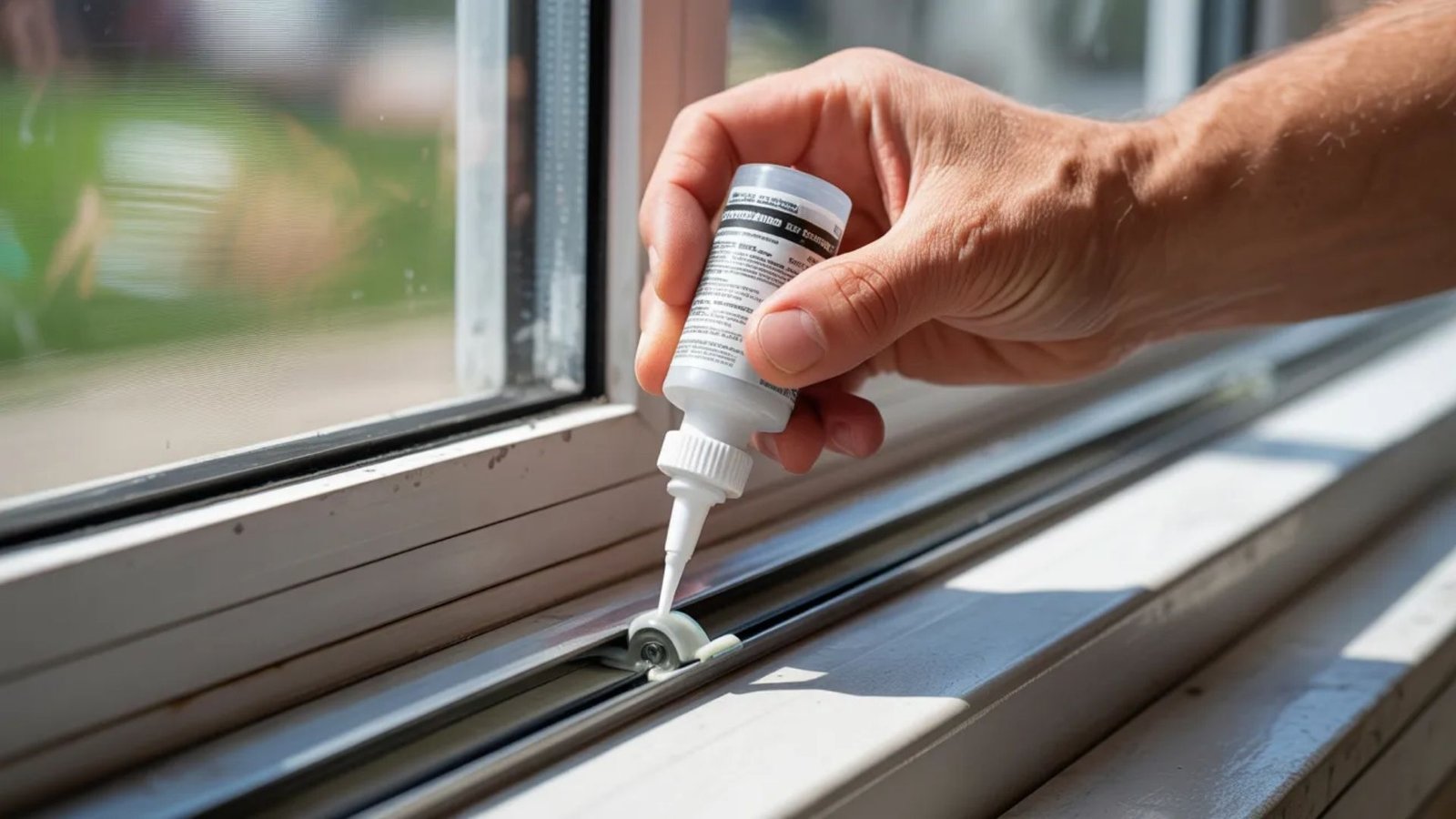
If the windows slide or tilt open, apply a small amount of silicone-based lubricant to the moving parts. Focus on the tracks and window balances.
This helps the window move smoothly, and also limits wear that may develop from friction over time.
These steps help keep vinyl windows clean and working well. Regular cleaning also helps prevent dirt buildup over time.
Cleaning Vinyl Windows in Specific Settings
Some windows collect dirt faster due to their location or nearby conditions. A few small adjustments in the cleaning method can help keep them clear and well-maintained.
Sunrooms and Conservatories
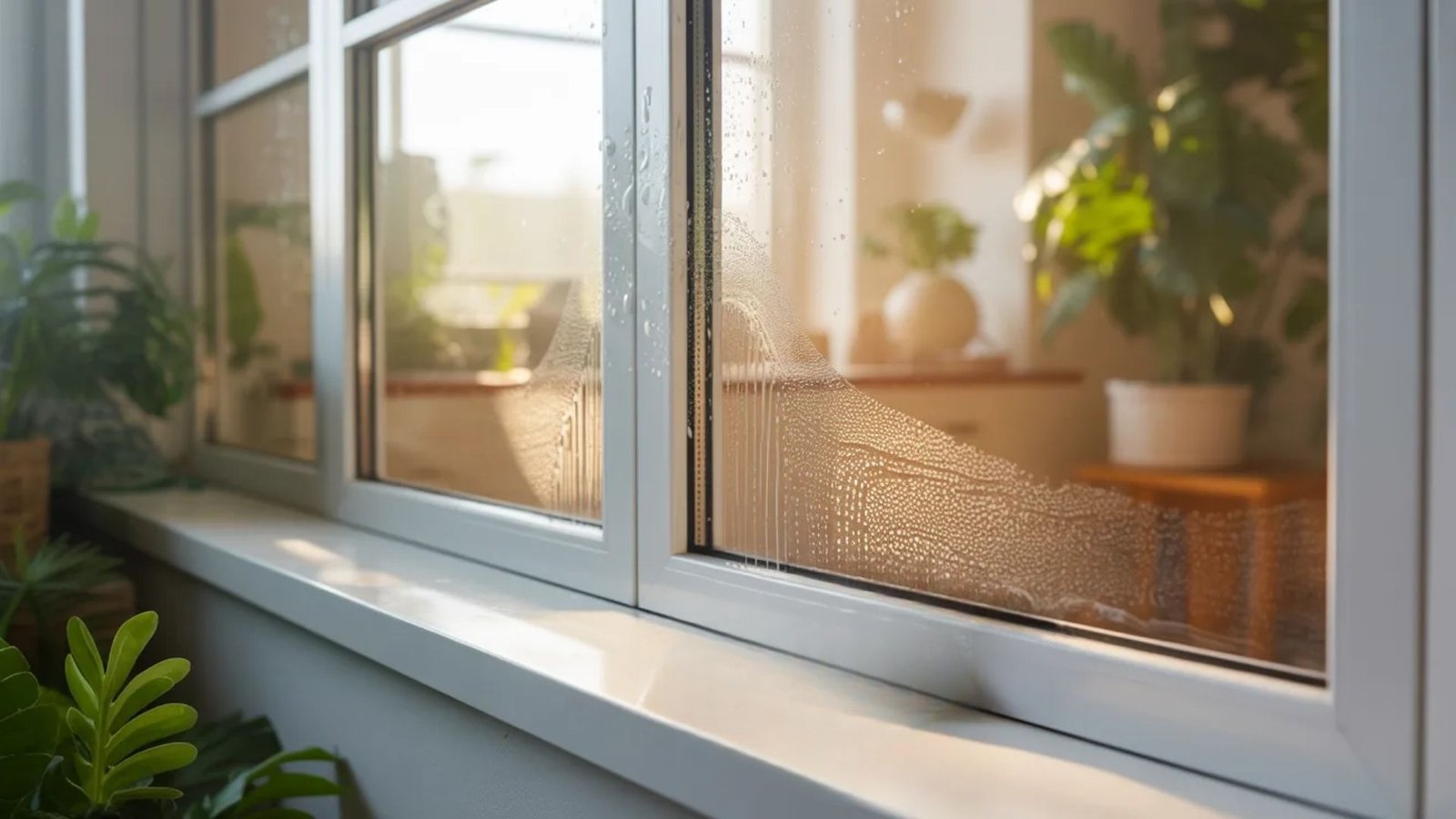
Windows in sunrooms often face strong sunlight and warm indoor air. Clean them during cooler hours so the solution does not dry too fast and leave marks.
For hard water spots caused by humidity, wipe the glass with a mild vinegar-water mixture and a soft cloth.
Windows Near Kitchens or Bathrooms
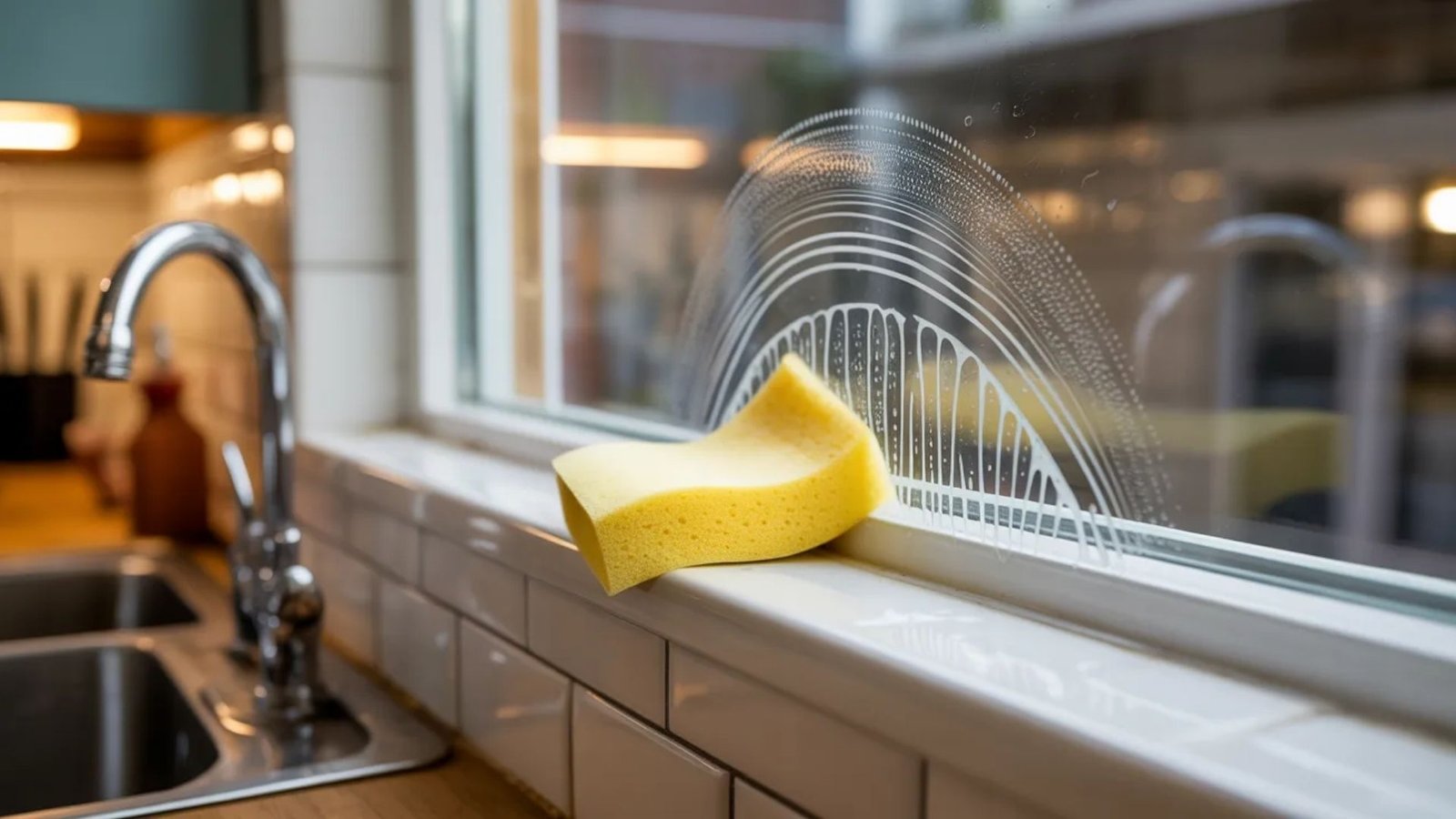
Windows close to kitchens or bathrooms may collect grease, steam residue, or soap film. Use warm water with mild dish soap to break down oily or sticky buildup.
Wipe gently with a soft sponge and rinse well to remove leftover residue from the surface.
Windows in Dusty or Polluted Areas
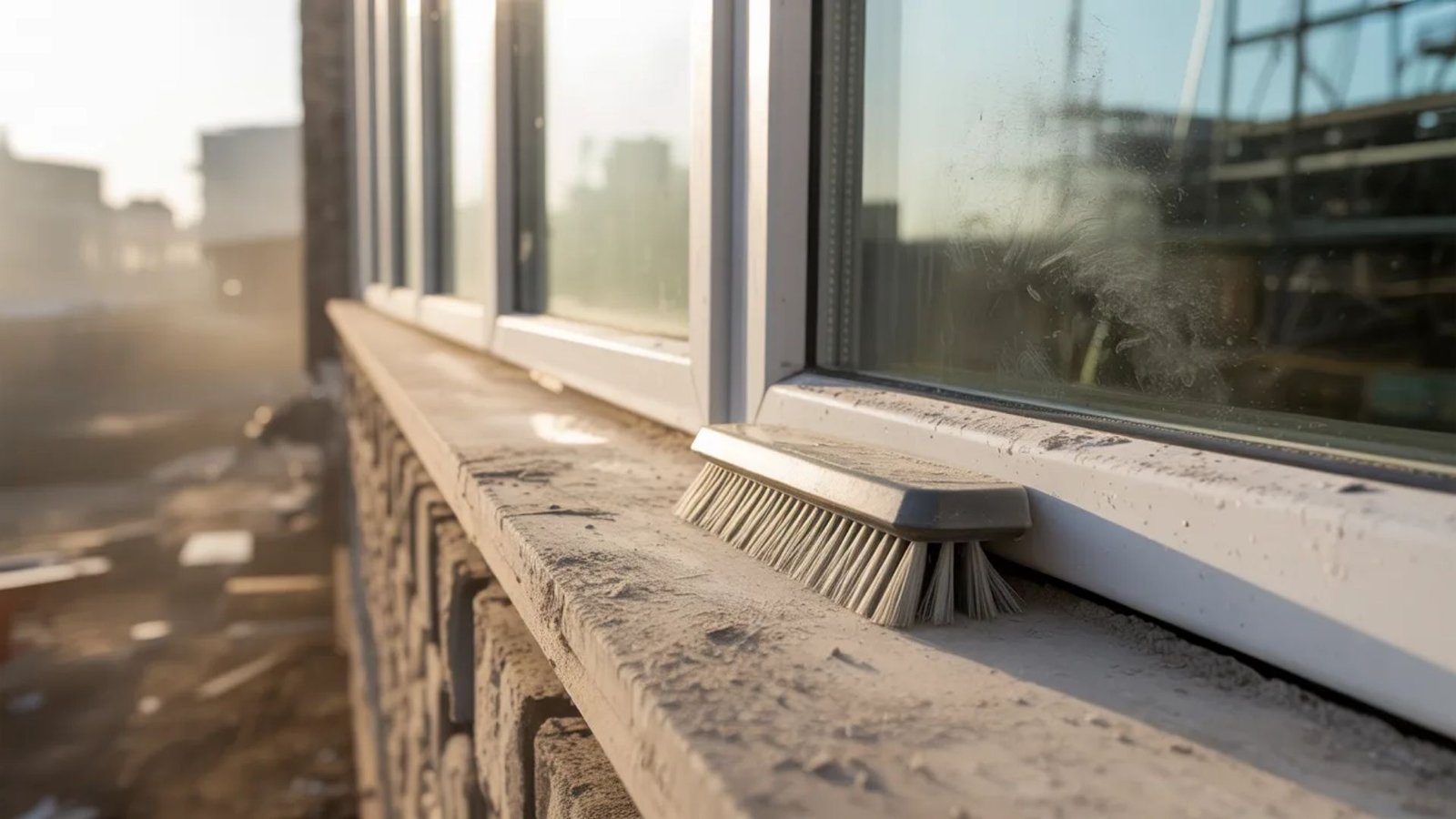
Homes near roads or construction sites may see faster dust buildup on frames and tracks. Use a vacuum with a soft brush to remove dry particles first.
Regular wiping with a damp microfiber cloth helps stop dirt from settling and forming thick layers.
High or Hard-to-Reach Windows
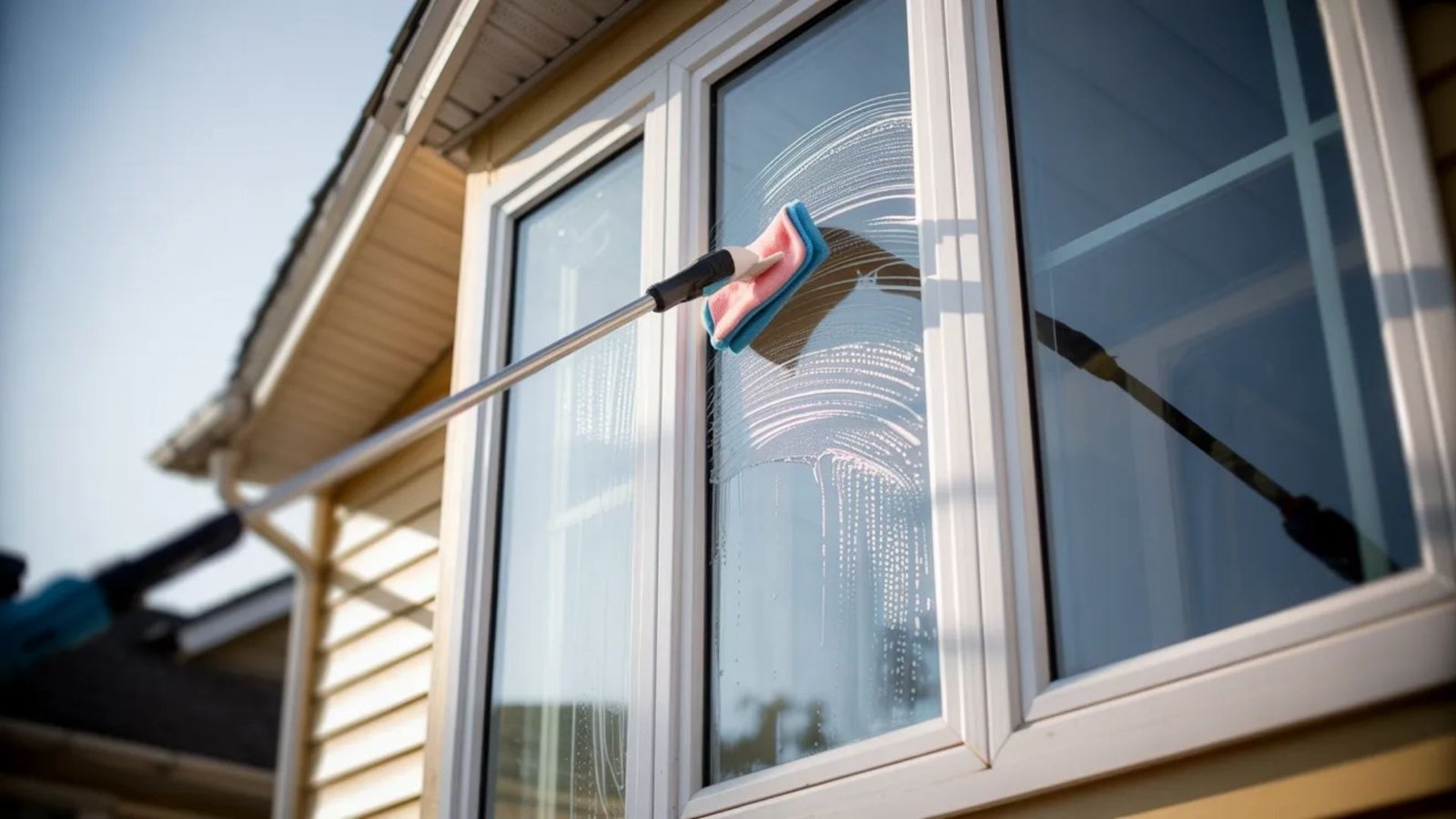
Tall windows can be harder to clean safely. Use extension poles with microfiber pads or soft brushes to reach upper areas.
Always work from a stable surface or ladder and avoid stretching too far to maintain safety while cleaning the frames and glass.
Special Considerations
Some cleaning situations need a little extra care. These tips help deal with common problems without damaging vinyl surfaces.
Mold and Mildew on Vinyl Windows: Clean affected areas with mild soap or a diluted vinegar-water solution and a soft cloth. Keep the area dry and allow airflow to reduce moisture in humid spaces.
Dealing with Scratches: Minor marks may be reduced by gently rubbing with a soft cloth and a non-abrasive cleaner. Avoid rough pads that can make scratches worse.
Weather-Related Cleaning Tips: During rainy or snowy periods, wipe frames to remove water spots. In dusty seasons, clean tracks and sills more often to prevent buildup.
Maintaining Vinyl Windows Between Cleanings
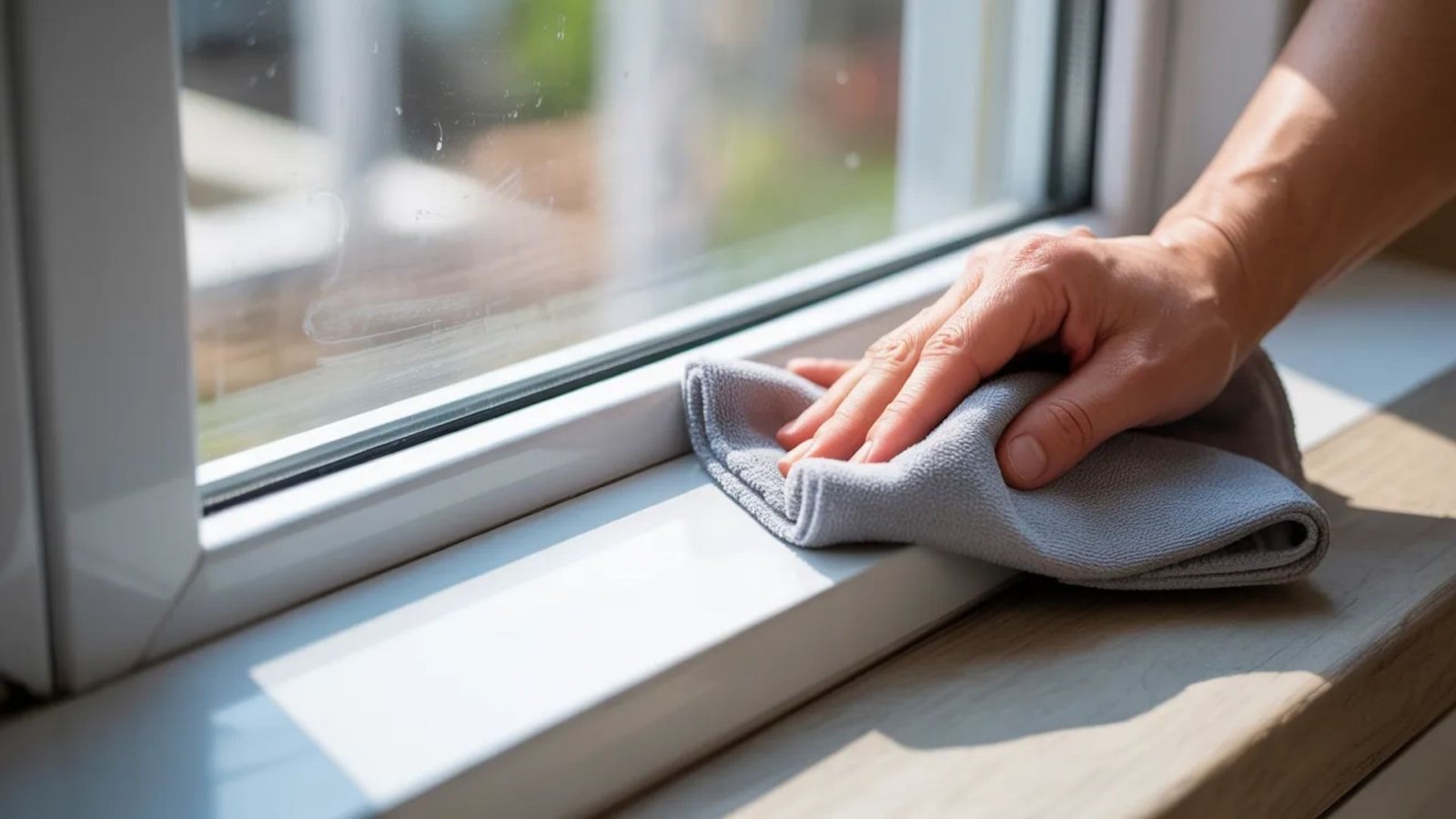
Regular upkeep helps keep vinyl windows working smoothly and reduces dirt buildup.
Wipe Frames Weekly: Use a dry microfiber cloth to remove dust and light debris from the vinyl frames. This simple step helps stop dirt from settling and makes future cleaning easier.
Check Tracks and Sills: Look for dirt, leaves, or small debris in the tracks and window sills. Clearing these areas helps the window slide or open without resistance.
Inspect Window Seals: Check the seals around the window edges for cracks or wear. Early inspection helps prevent air leaks or moisture from entering the frame.
Lubricate Moving Parts: Apply a small amount of silicone-based lubricant to sliding tracks or balances every 6-12 months to keep the window operating smoothly.
These simple checks help keep vinyl windows clean and working properly.
Common Mistakes to Avoid
A few cleaning habits can damage vinyl windows if not handled carefully.
- Using abrasive pads or hard brushes on vinyl frames
- Using harsh chemicals such as bleach, acetone, or ammonia-based cleaners
- Using high-pressure washers that may damage window seals
- Cleaning windows in direct sunlight, which can cause streaks
Avoiding these mistakes helps protect the frames and keep the windows in good condition.
Conclusion
In my experience, simple care keeps vinyl windows in good shape for years. Mild soap, soft cloths, and routine checks help prevent dirt buildup, stains, and seal wear.
Clearing tracks and wiping frames also helps the windows open and close smoothly.
When you follow the right steps for how to clean vinyl windows, the process stays quick and safe while protecting the material.
Need guidance for window care or exterior home upkeep? Reach out today and get clear advice for your next home project!
Frequently Asked Questions
How Do I Remove Stubborn Stains Without Damaging Vinyl?
Use a soft cloth with a vinegar-water solution or a mild non-abrasive cleaner. Rub gently until the mark fades. Avoid bleach, acetone, ammonia, or rough pads.
What’s The Best Way To Clean Sliding Vinyl Windows?
Vacuum dust from the tracks first. Clean frames with mild soap and water, then wipe the glass. Apply a small amount of silicone lubricant to the tracks for smooth movement.
How Often Should I Clean Vinyl Windows In Sunrooms?
Sunroom windows collect dust and water spots faster due to heat and humidity. Light cleaning once a month and deeper washing every few months helps keep them clear.
How Often Should I Clean Vinyl Windows?
Clean vinyl windows two to three times per year. Homes in dusty or high-traffic areas may require more frequent cleaning.
Can I Use WD-40 To Clean Vinyl Windows?
WD-40 is not recommended for cleaning vinyl frames or glass. It can leave an oily residue that attracts dust. Use mild soap, water, or a vinegar-water solution instead.


