

Did you know that understanding your windows can actually save you money and effort in the long run?
Knowing what are the 5 parts of a window are is the first step to spotting problems before they become costly or cause further damage.
From my years of experience working on homes, I’ve seen how recognizing the frame, sash, glass panes, hardware, and muntins helps homeowners act quickly, make informed decisions, and avoid unnecessary repairs.
In this guide, I’ll explain each component, share practical tips, and make it easy to understand.
By the end, you’ll feel confident maintaining and caring for every window in your home.
Why Understanding Window Parts Is Important
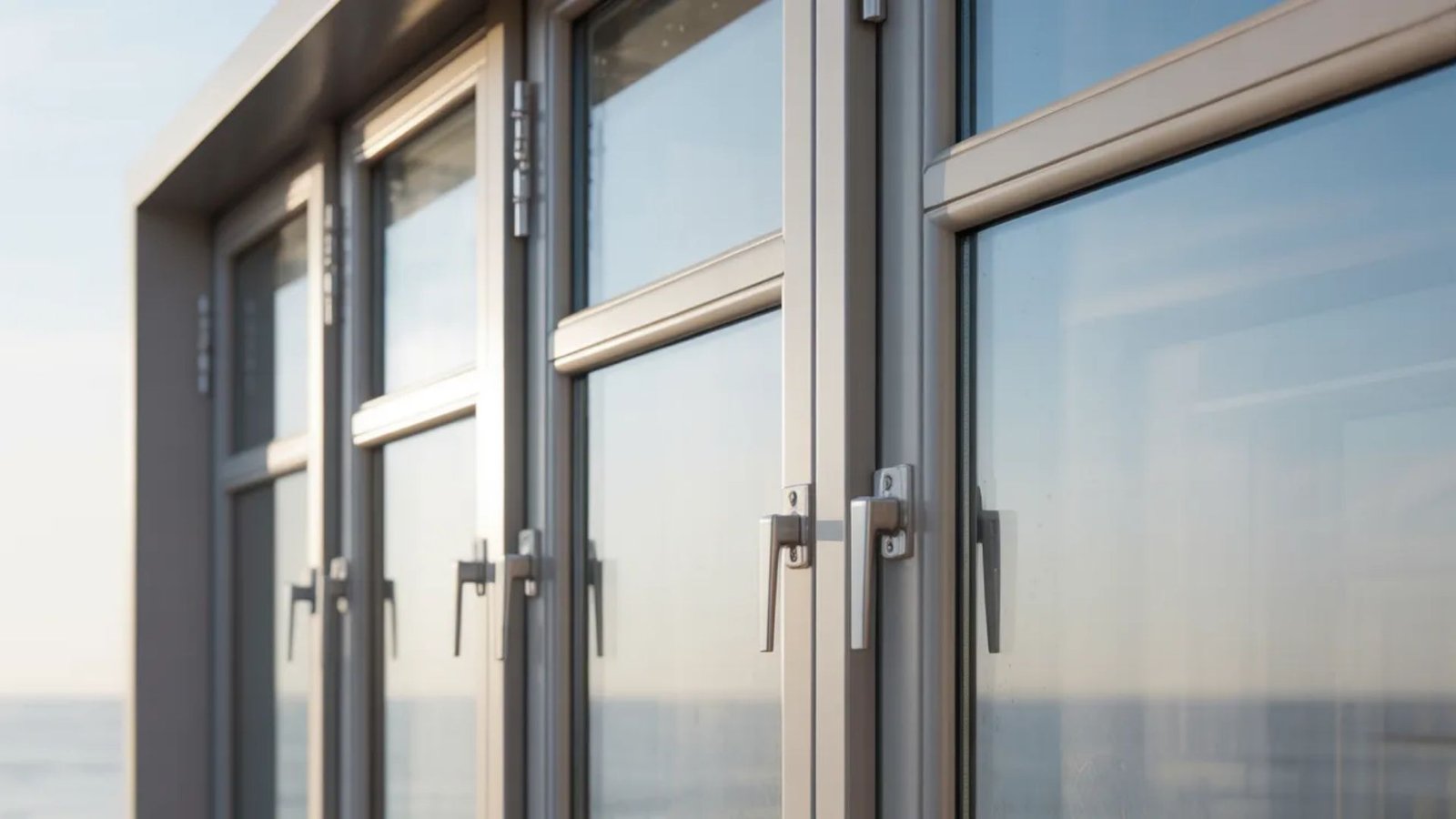
Understanding window parts helps homeowners manage repairs, maintenance, and upgrades more effectively.
When a problem appears, knowing the components makes it easier to identify which part is damaged and what needs fixing.
This knowledge also supports better replacement planning, allowing homeowners to communicate clearly with installers and understand recommended materials or designs.
Regular maintenance becomes simpler because homeowners know which areas need cleaning, sealing, or lubrication to prevent wear.
In addition, basic knowledge of window components supports informed home improvement decisions, helping homeowners choose suitable upgrades, maintain window performance, and reduce the risk of long-term damage or unnecessary repair costs.
What Are the 5 Parts of a Window
Windows have several components that support structure, operation, and insulation. Knowing these parts helps homeowners understand how windows function and perform.
1. Window Frame (The Structural Foundation)
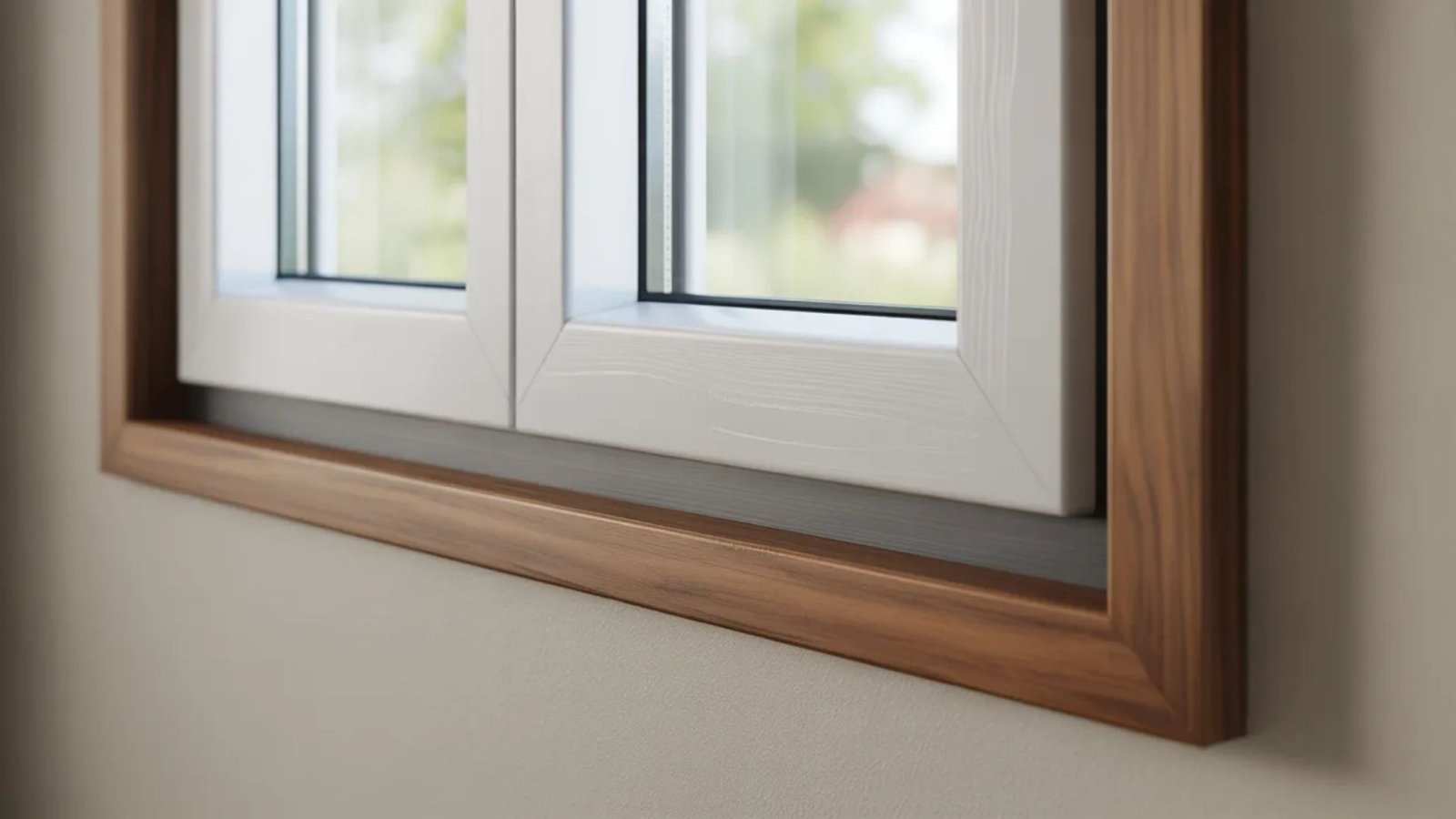
The window frame forms the outer structure that holds the entire unit in place. It connects the window to the surrounding wall and keeps all parts aligned.
The frame includes the head at the top, jambs on both vertical sides, and the sill at the bottom that directs water away.
Frames are commonly made from vinyl, wood, fiberglass, or aluminum. A strong frame supports stability, insulation performance, and protection against moisture damage.
2. Window Sash (The Moving Section)
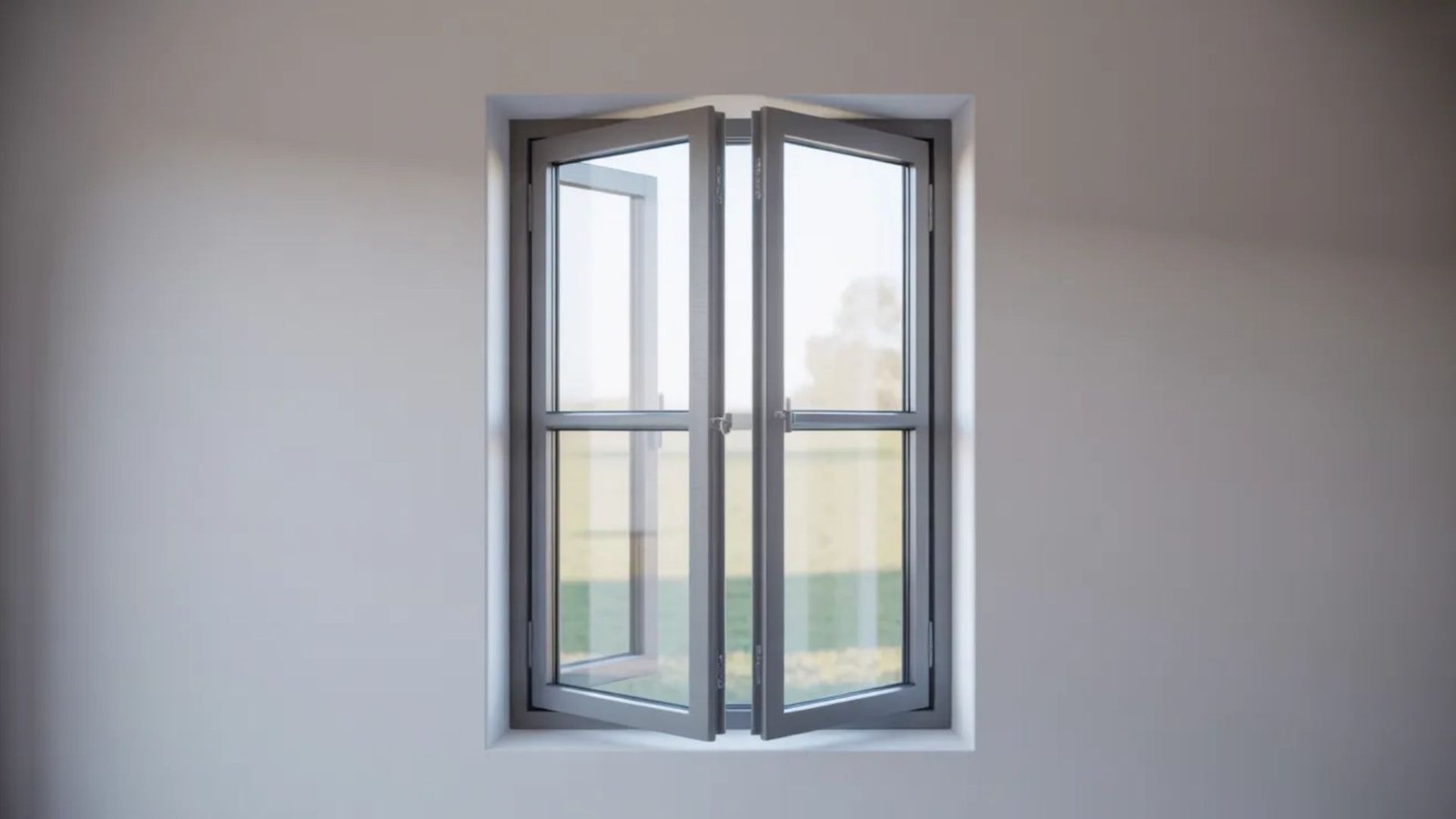
The window sash is the section that holds the glass panes inside the window. It is the part that moves when a window opens or closes.
A sash contains vertical stiles and horizontal rails that support the glass and maintain sealing.
Different window styles use different sash designs, including single-hung, double-hung, casement, and sliding windows.
Damaged or loose sashes may cause drafts, sticking, or difficulty when operating the window.
3. Glass Panes (Glazing)
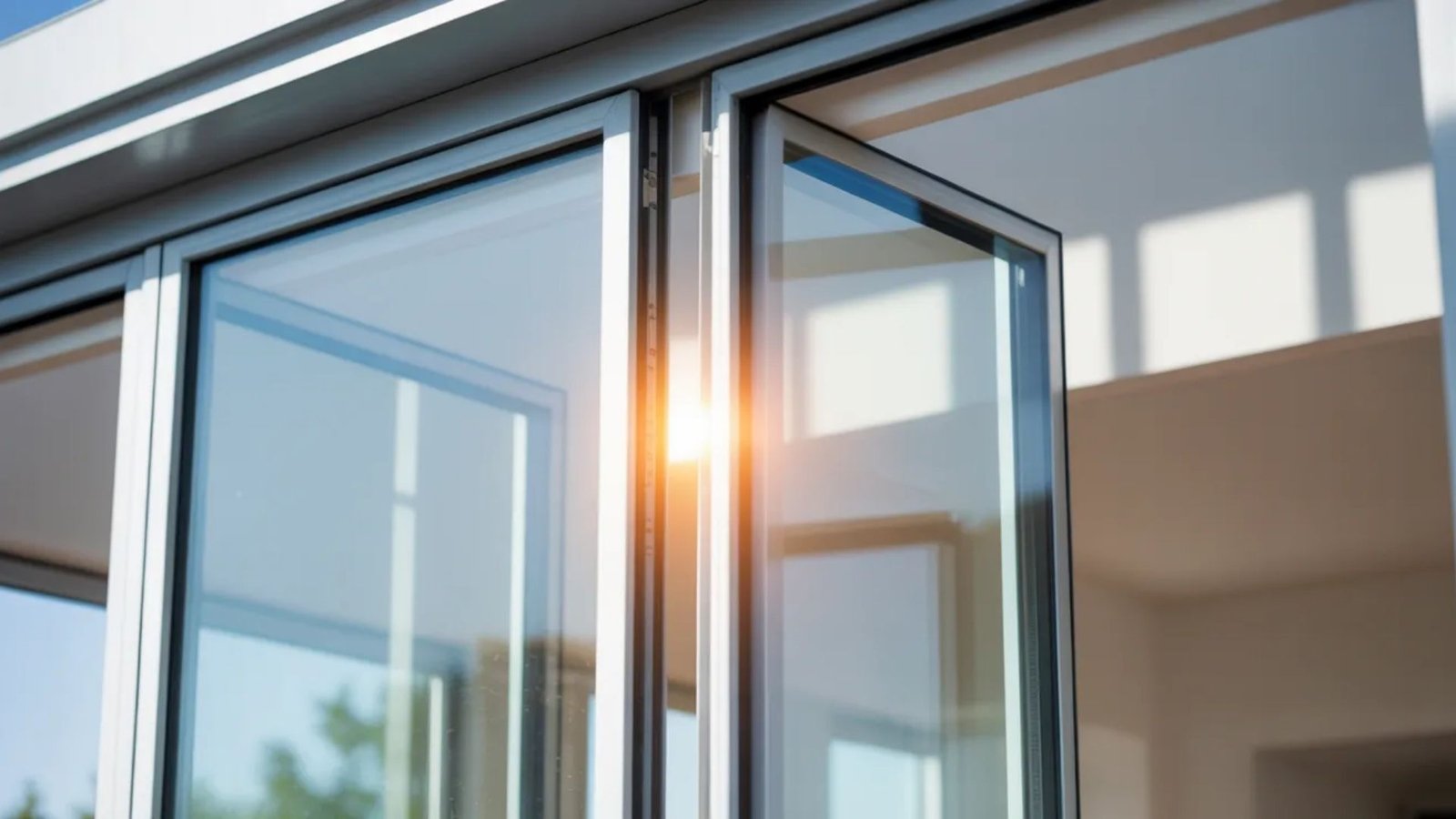
Glass panes, often called glazing, are the transparent panels fitted inside the sash. They allow light to enter while separating indoor and outdoor conditions.
Windows may contain single-pane, double-pane, or triple-pane glass. Multiple panes improve insulation, reduce outside noise, and block some ultraviolet light.
The type of glass used influences energy efficiency, comfort, and temperature control inside a home.
4. Window Hardware
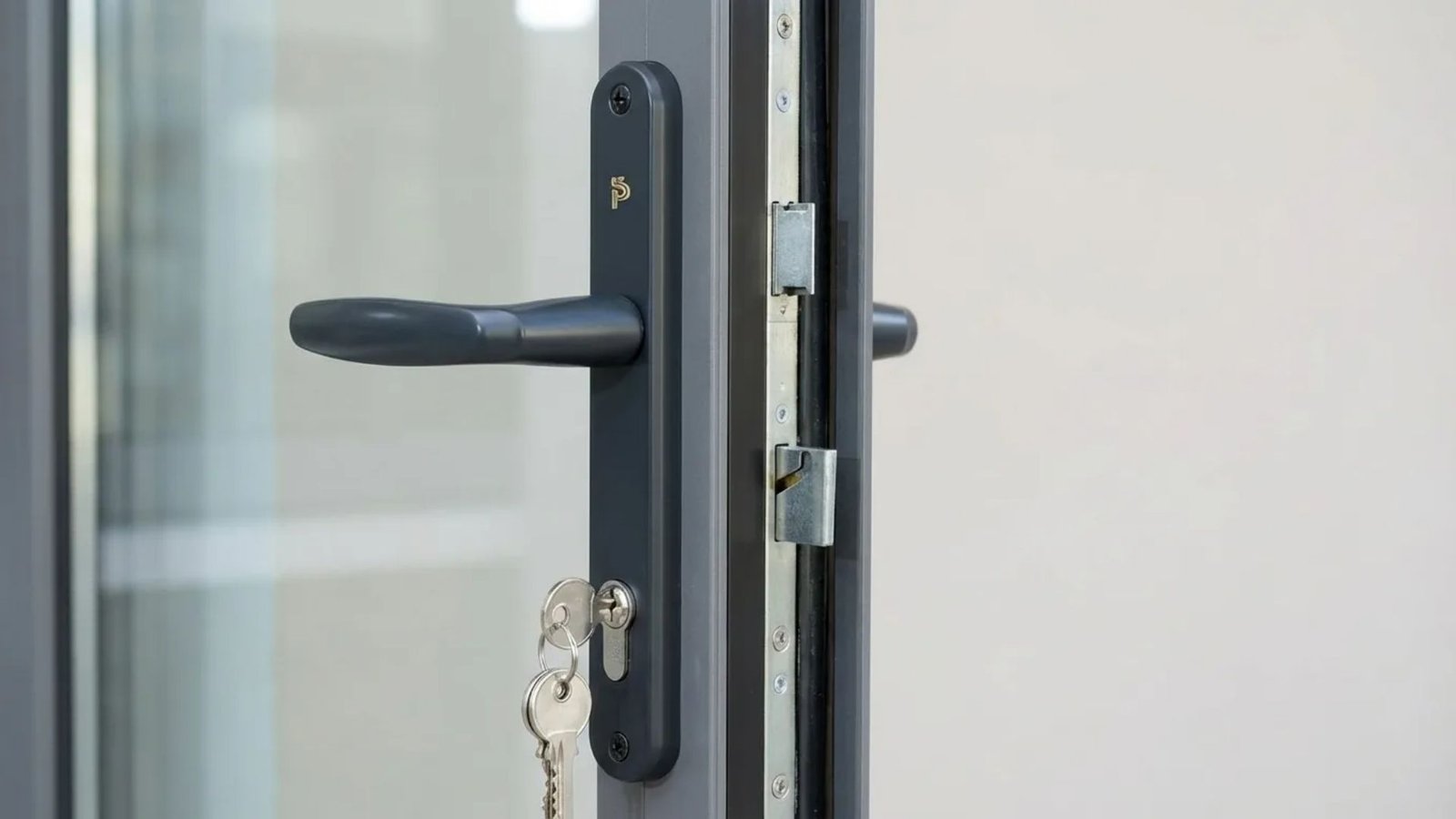
Window hardware refers to the mechanical parts that allow a window to operate. These components control movement, locking, and general functionality.
Common hardware pieces include locks, handles, hinges, cranks, and latches.
Different window styles use different mechanisms, such as crank systems for casement windows or balance systems for double-hung windows.
Properly functioning hardware supports security, smooth operation, and reliable window closure.
5. Muntins or Grilles (Glass Dividers)
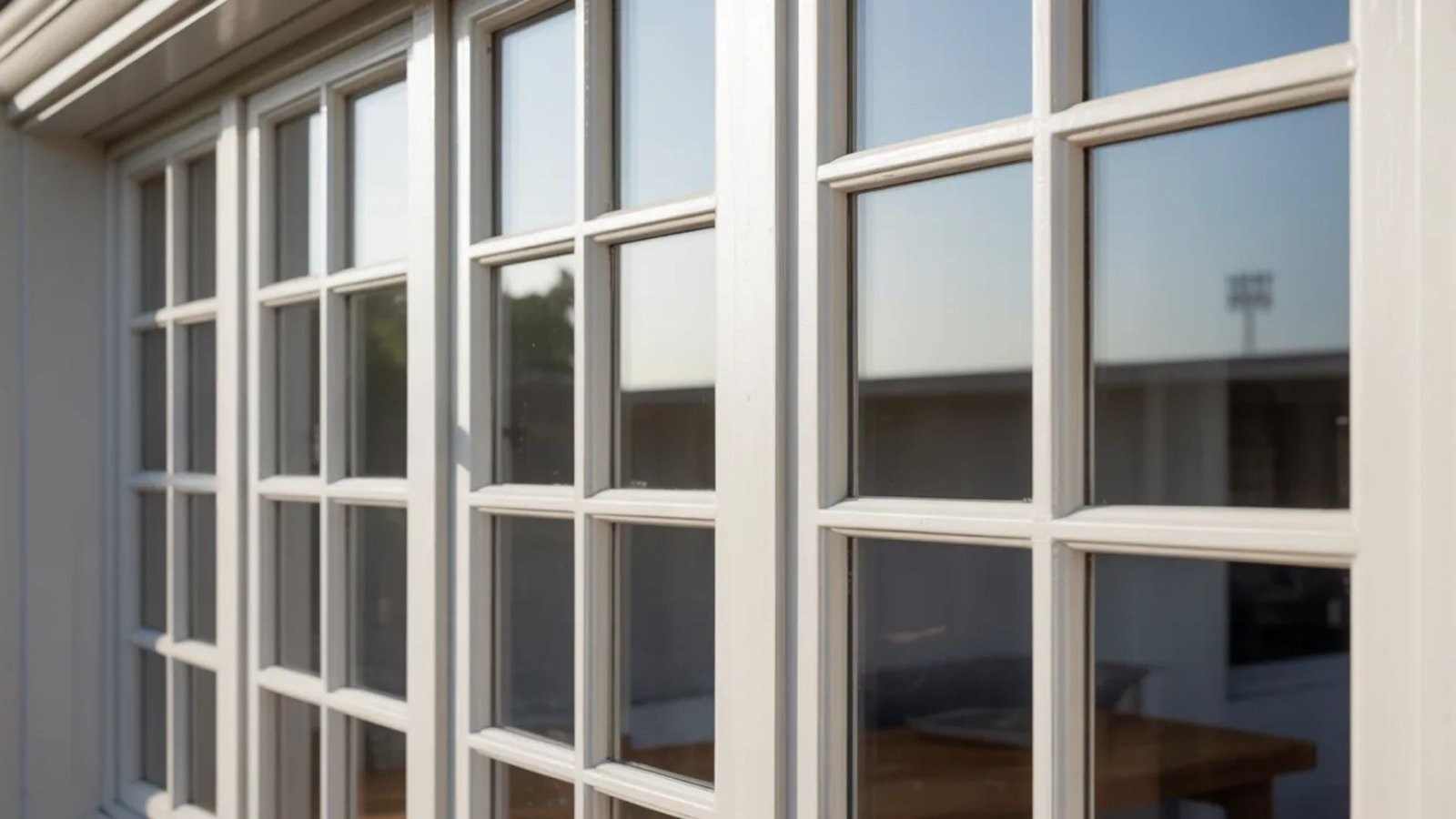
Muntins or grilles are bars that divide a window into smaller glass sections. They influence the appearance and layout of the window design.
Traditional muntins are structural bars separating small glass panes, while grilles are decorative overlays placed on top of larger glass panels.
Grid styles vary, including colonial, prairie, and modern layouts. Not all windows include these dividers, especially contemporary designs with larger glass surfaces.
Windows have several parts that support structure and operation. Understanding these parts helps identify how a window works.
Additional Window Parts You May See
Some windows include additional components that support sealing, appearance, or airflow control. These parts are not always structural but still contribute to how the window performs.
Trim
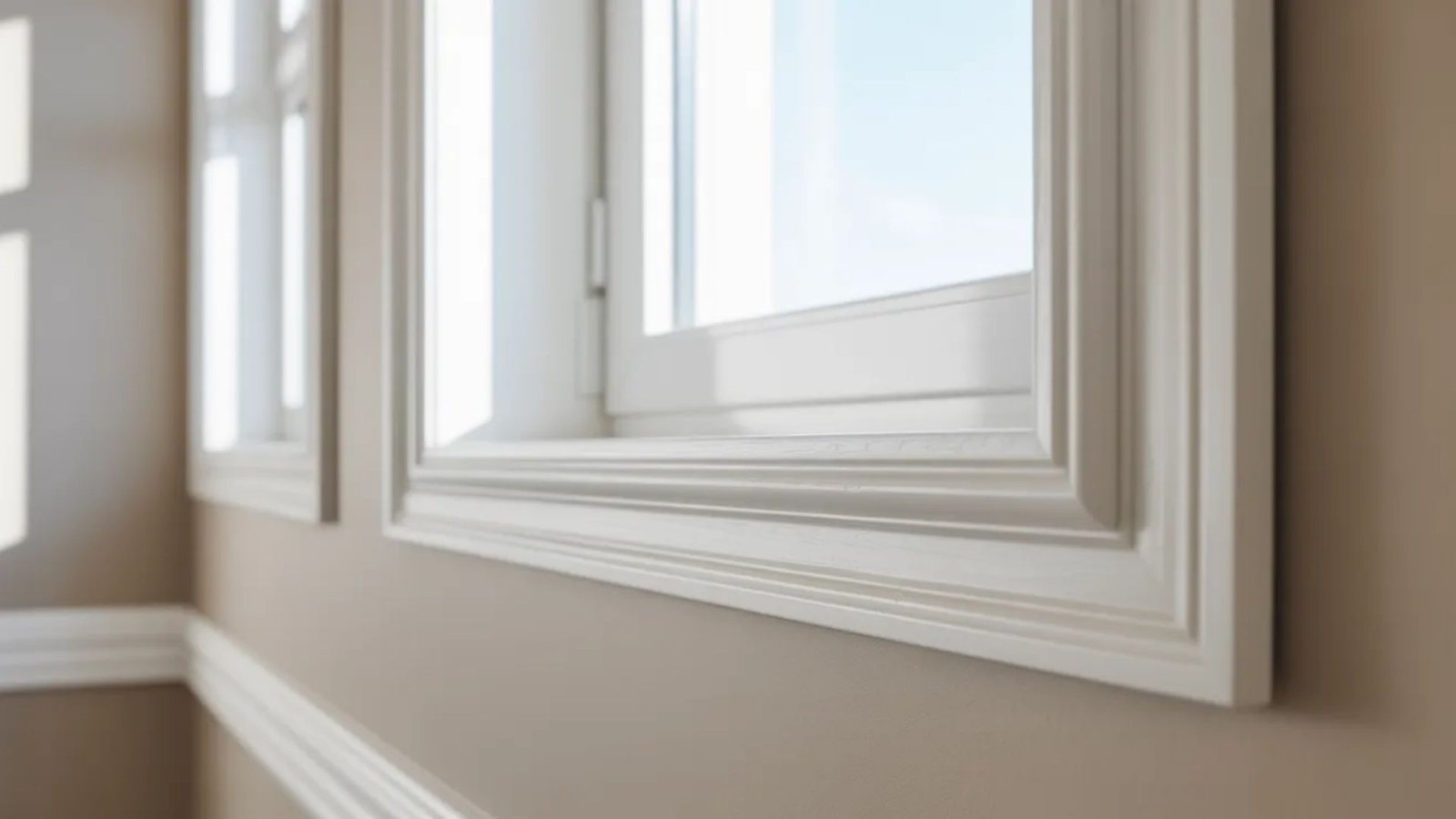
Decorative finishing was installed around the window frame. It covers the gap between the window and wall, improves the overall appearance of the installation, and helps hide joints or edges where construction materials meet.
Grilles

Bars are placed over or between glass panes that divide the window surface into smaller sections.
They primarily serve a design purpose, creating grid patterns that change the window’s overall look.
Weatherstripping
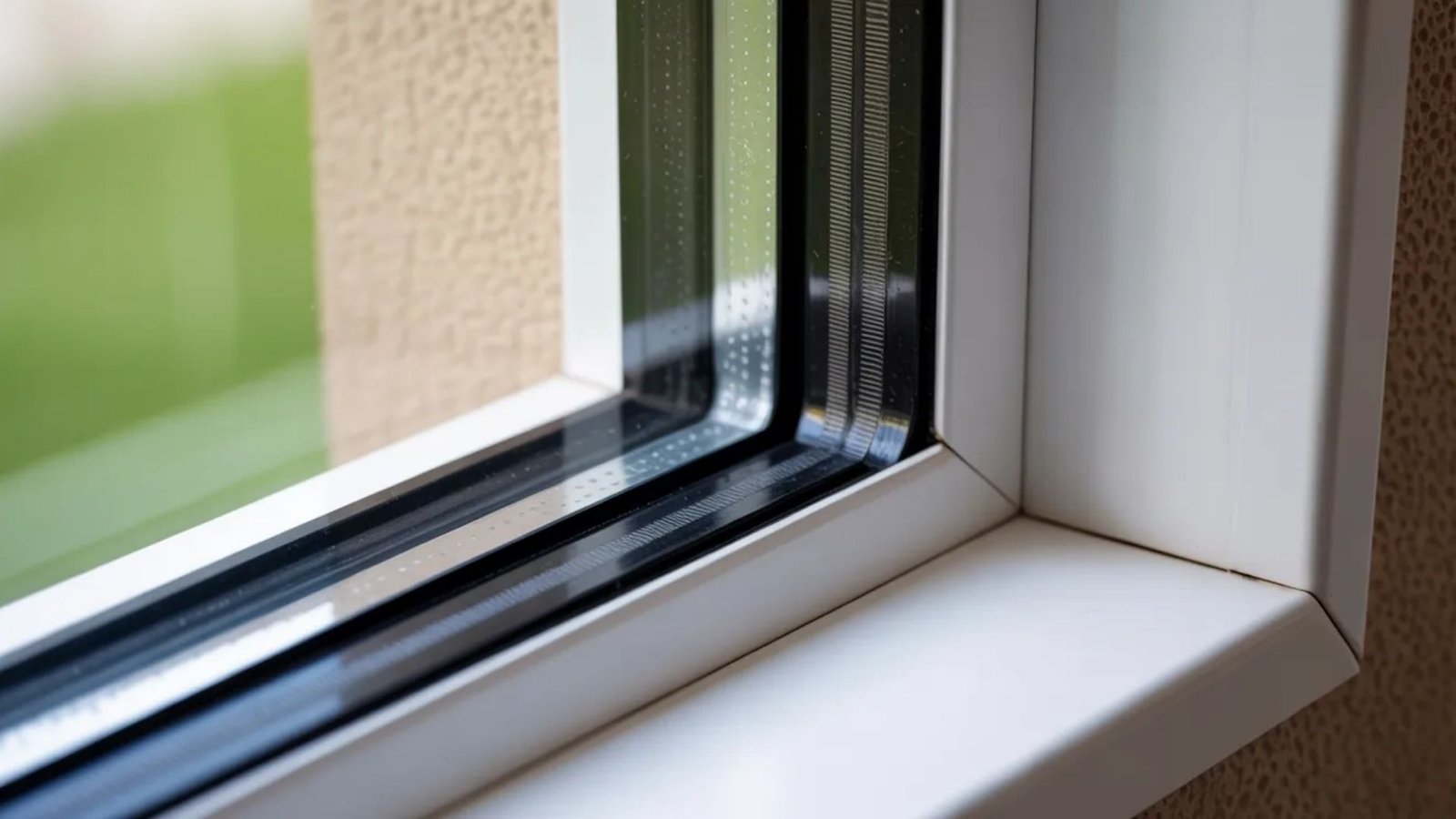
Flexible sealing material is installed along the edges of the window frame or sash.
It helps block drafts, reduce air leakage, and improve insulation by sealing small gaps where outside air could enter.
Screens
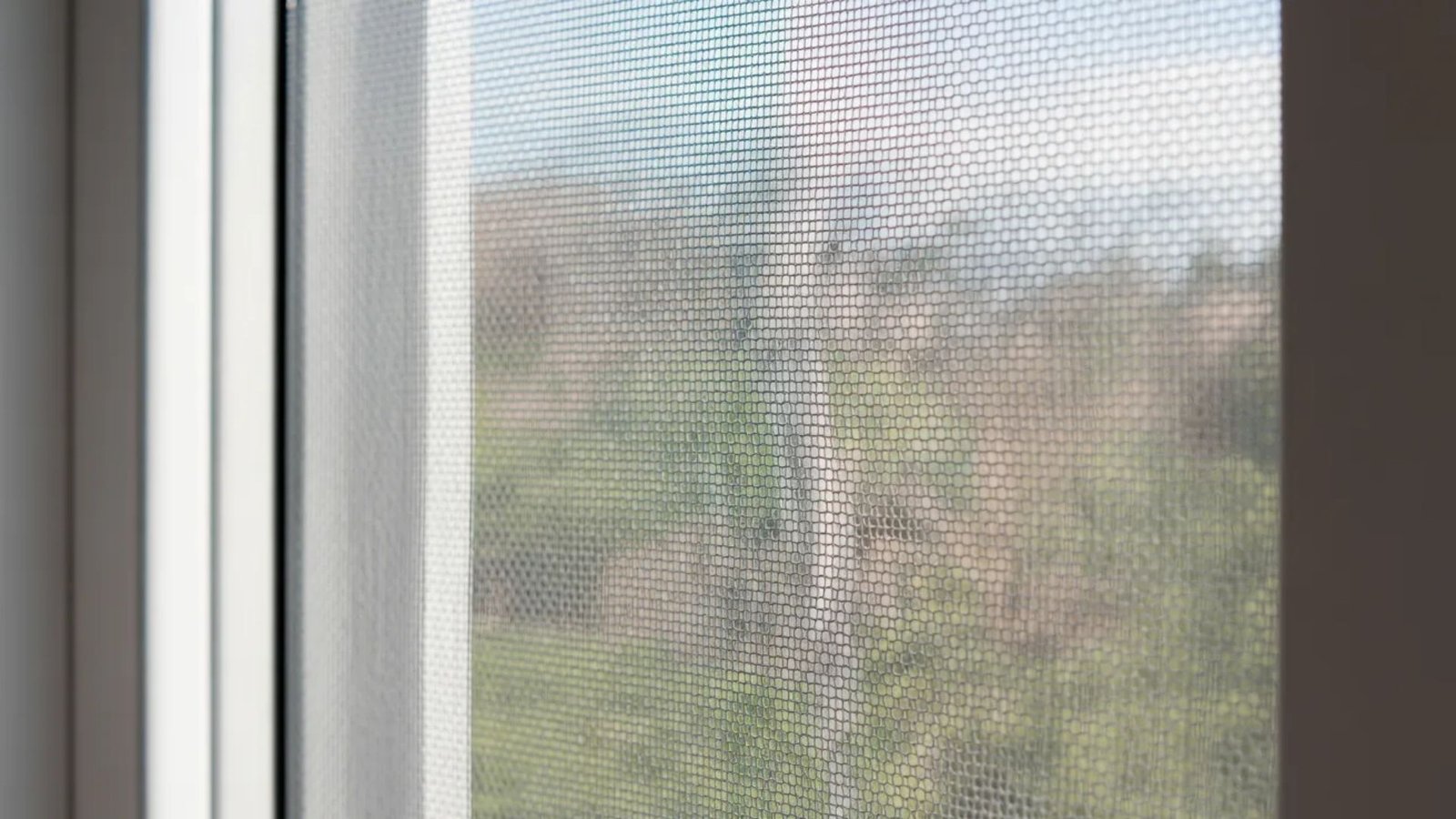
A thin mesh layer is installed over the window opening to allow airflow while blocking insects and debris.
Screens help maintain ventilation indoors while preventing unwanted particles or pests from entering the space.
Interior vs. Exterior Window Parts
Window components are divided into interior and exterior parts based on their position and function.
| Interior Window Components | Exterior Window Components |
| Sash: Movable section that holds the glass and allows the window to open or close. | Frame: Outer structure that attaches the window to the wall and supports the unit. |
| Stool: Interior bottom ledge that forms part of the window finishing. | Sill: Bottom exterior section that directs water away from the window. |
| Locks: Hardware that secures the sash when the window is closed. | Weep Holes: Small openings that allow trapped water to drain from the frame. |
| Trim: Interior finishing that covers gaps between the wall and frame. | Exterior Casing: Outside trim that covers joints and protects the window edges. |
Interior and exterior parts work together to control airflow and drain water away from the window structure.
How to Identify Window Parts in Your Home
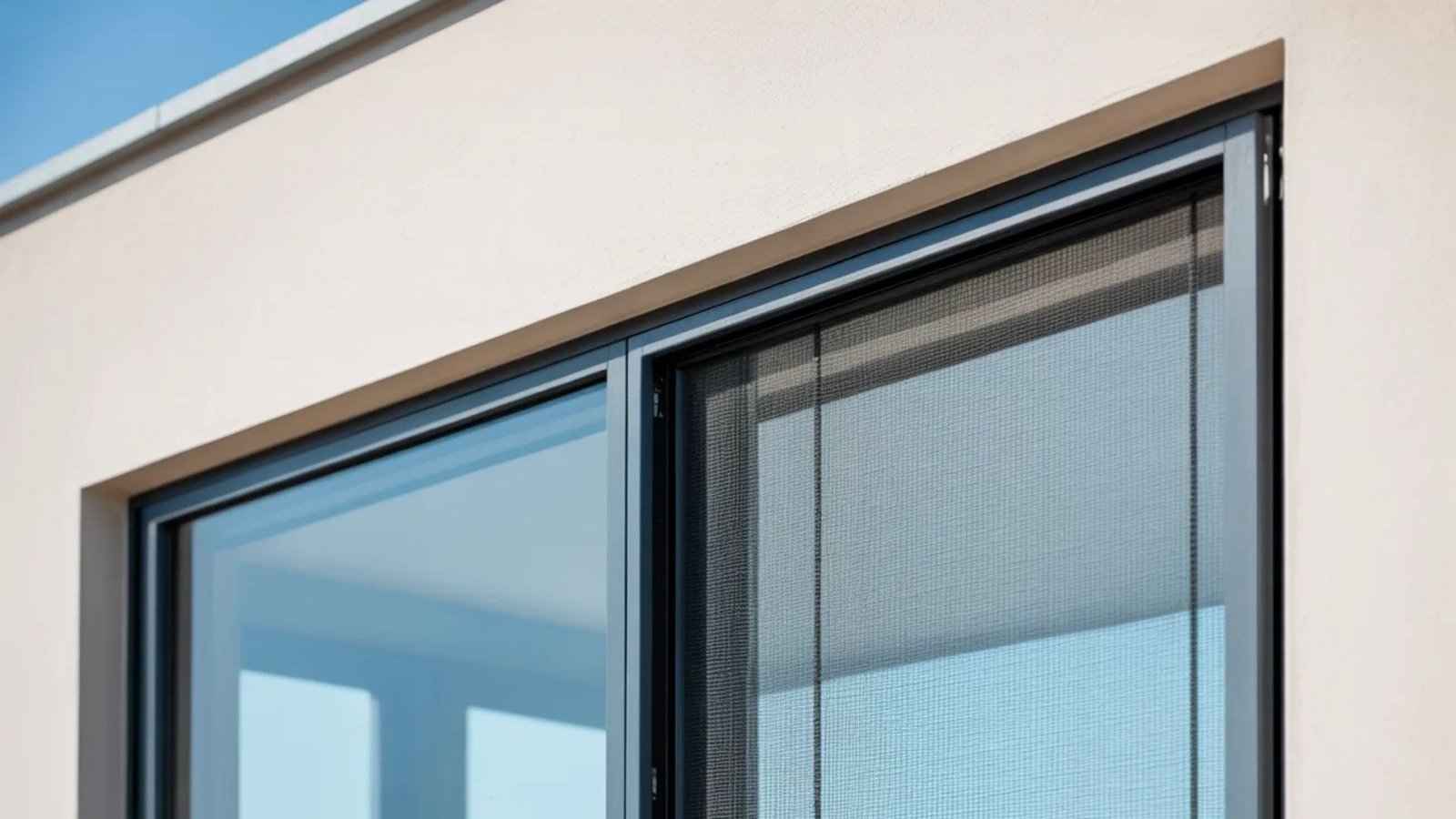
Identifying window parts helps you understand how each component functions in the overall window system.
Look at the outer structure: Examine the outer boundary attached to the wall to identify the window frame and understand how the unit is supported within the opening.
Identify the movable section: Locate the sash, which is the section that moves when the window opens or closes and holds the glass panes.
Locate hardware: Check for operating components such as locks, handles, cranks, or latches that control opening, closing, and securing the window.
Check the bottom support: Observe the lower section of the window to identify the sill or stool that supports the structure and helps manage water drainage.
Inspect the glass type: Look closely at the glass to determine whether the window uses single-pane, double-pane, or triple-pane glazing.
Following these steps makes it easier to recognize the main window components in your home.
Common Window Problems by Part
Common window issues often relate to specific parts of the window system.
|
Window Part |
Common Problem |
Typical Fix |
|
Frame |
Rot or warping |
Frame repair or replacement |
|
Glass |
Cracks or fogging |
Glass replacement |
|
Sash |
Sticking or misalignment |
Adjustment or replacement |
|
Hardware |
Broken locks |
Hardware replacement |
|
Sill |
Water damage |
Sill repair |
Identifying the affected part helps determine the appropriate repair or replacement.
Final Thoughts
From my experience, understanding what are the 5 parts of a window makes window care much easier for homeowners.
When you recognize the frame, sash, glass panes, hardware, and muntins, it becomes simpler to notice problems early and understand how the window works.
This knowledge also helps when discussing repairs or replacements with installers.
Paying attention to these components helps maintain window performance and reduces the risk of damage over time.
Checking your windows regularly can prevent small issues from growing. Keep this guide handy when identifying parts in your home!
Frequently Asked Questions
What Is the Difference Between Sash and Frame?
The frame is the outer structure attached to the wall. The sash is the inner section that holds the glass and moves when the window opens or closes.
What Are the Bars in a Window Called?
The bars dividing window glass are called muntins or grilles. Muntins separate panes, while grilles are decorative overlays.
What Are the Basic Components of a Window?
The main components include the frame, sash, glass panes, hardware, and muntins or grilles.
Is the Window Sill Part of the Frame?
Yes, the sill is usually part of the frame. It forms the bottom section and directs water away.
What Part of the Window Opens?
The sash is the part that opens and closes. It holds the glass panes inside the frame


