

Looking for a roofing solution that lasts and protects your building? EPDM roofing could be the answer.
From my experience managing multiple roofing projects, I’ve seen how the right material prevents leaks and minimizes upkeep.
In this guide, you’ll learn about its composition, system types, installation process, and cost factors, along with practical maintenance tips.
Whether you are handling a commercial property or a residential flat roof, understanding EPDM roofing helps you make smart choices.
By the end, you’ll know why it’s trusted for durability, flexibility, and long-term protection across different building types.
What Is EPDM Roofing?
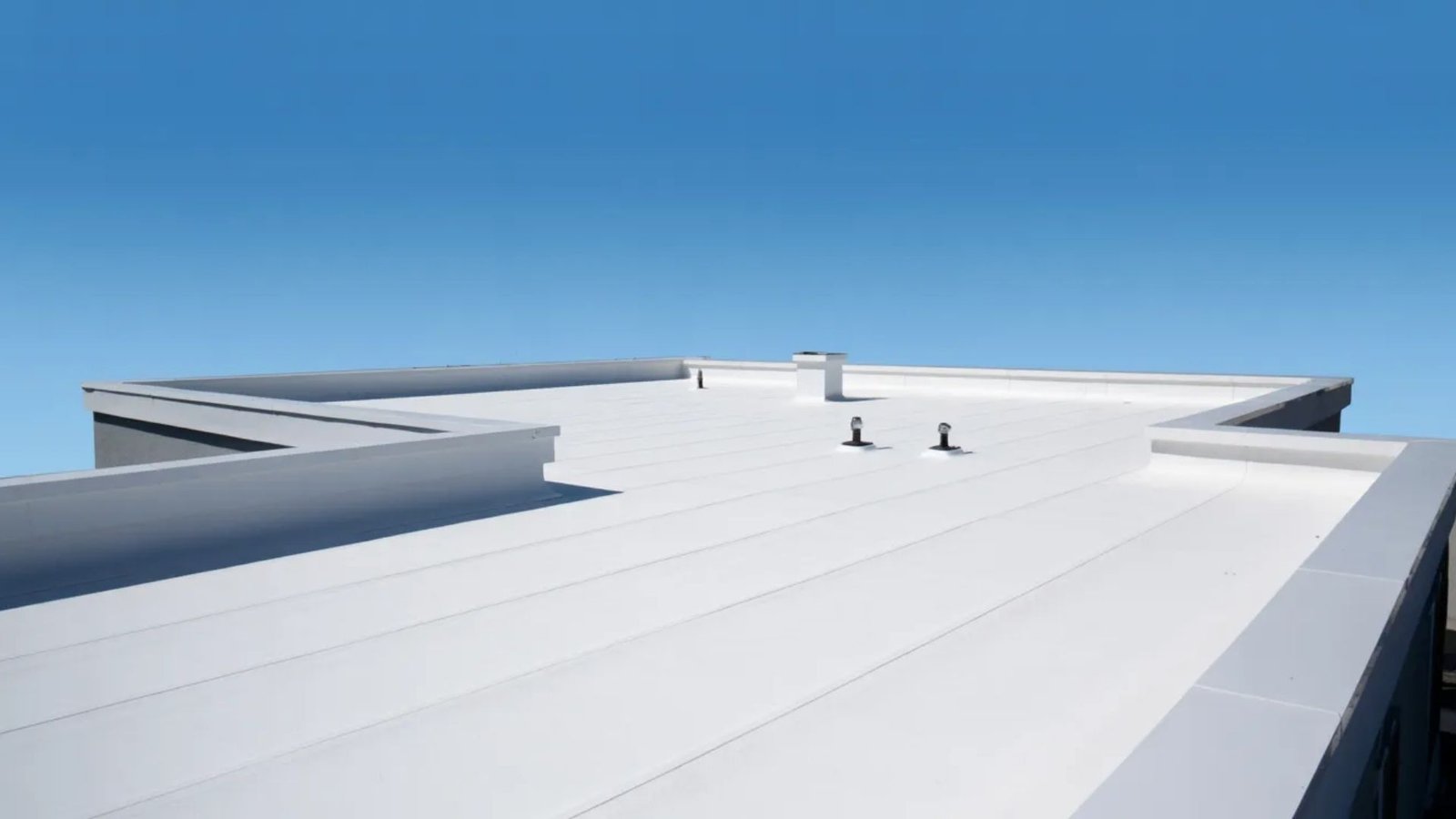
EPDM roofing, short for Ethylene Propylene Diene Monomer, is a synthetic rubber membrane mainly used on flat and low-slope roofs.
It provides a durable, waterproof layer that protects buildings from rain and moisture.
The material combines synthetic rubber polymers with reinforcing elements, carbon black, and additives to resist weather, sunlight, and aging.
Its flexibility allows the membrane to adjust to small roof movements without cracking. EPDM sheets are joined with adhesive or tape to seal seams, ensuring water tightness.
Lightweight and long-lasting, EPDM offers a reliable roofing solution for commercial and residential low-slope applications.
Key Characteristics of EPDM Roofing
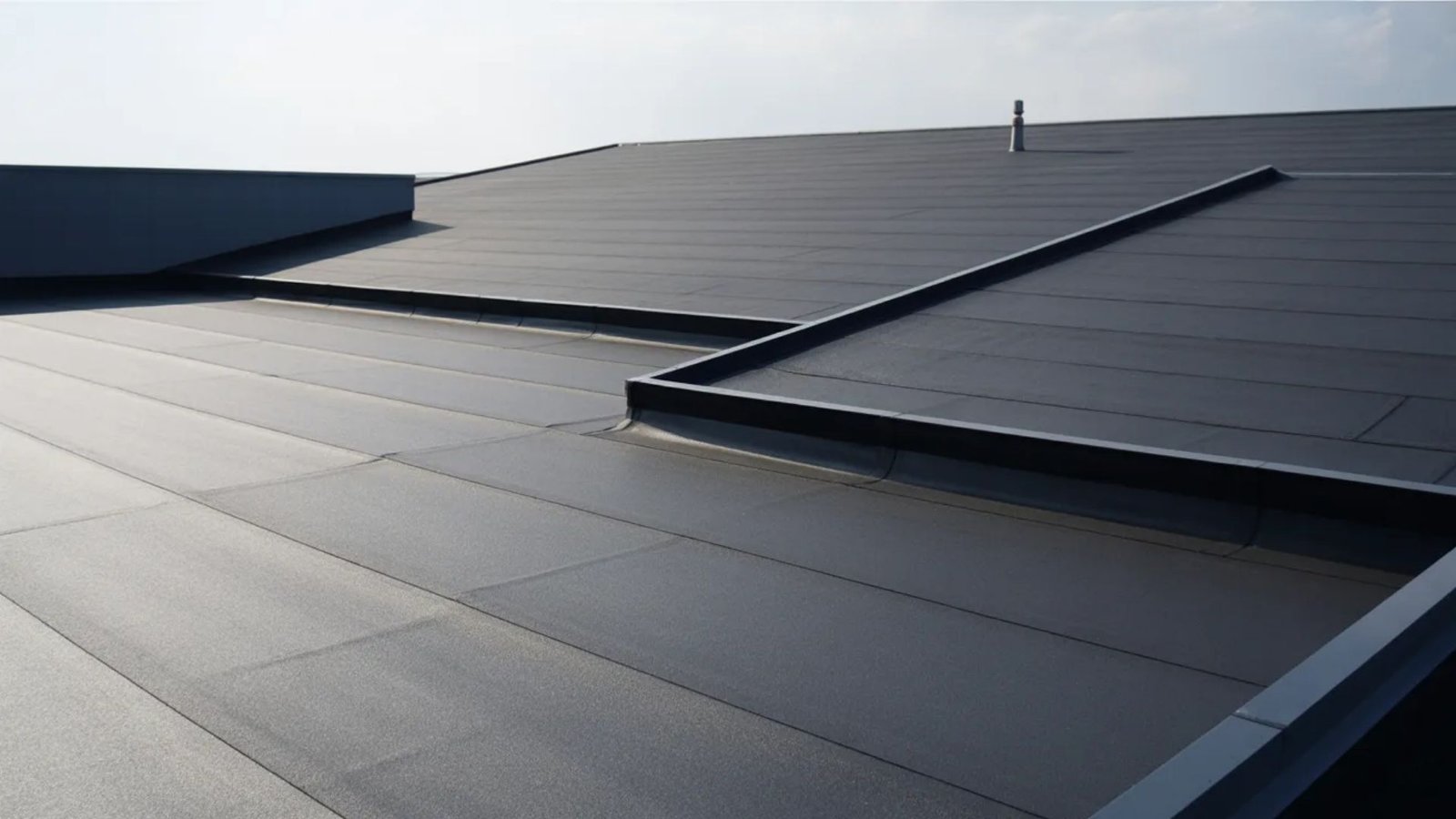
EPDM roofing is durable, weather-resistant, and easy to install, making it suitable for flat and low-slope roofs in both commercial and residential buildings.
Flexibility in Different Temperatures
EPDM remains stable in hot and cold conditions. Its rubber membrane can expand and contract with temperature changes without cracking.
This adaptability helps the roof withstand seasonal shifts while maintaining a strong, continuous waterproof barrier over the entire surface.
Weather and UV Resistance
EPDM provides excellent protection against sunlight, rain, and harsh weather. The material resists damage from UV rays, ozone, and environmental exposure.
This resistance helps the roof maintain its integrity and ensures long-lasting performance under varying conditions.
Seam Strength
Large EPDM sheets reduce the number of seams on the roof. Fewer seams lower the chance of leaks and water infiltration.
Properly sealed joints ensure the membrane remains secure, adding to the overall durability and reliability of the roofing system.
Lightweight Roofing System
EPDM is lighter than many traditional roofing materials. Its low weight makes handling and installation easier for roofing teams.
This reduces labor effort while keeping the underlying structure safe, allowing quick installation without adding extra stress to the building.
Where EPDM Roofing Is Commonly Used
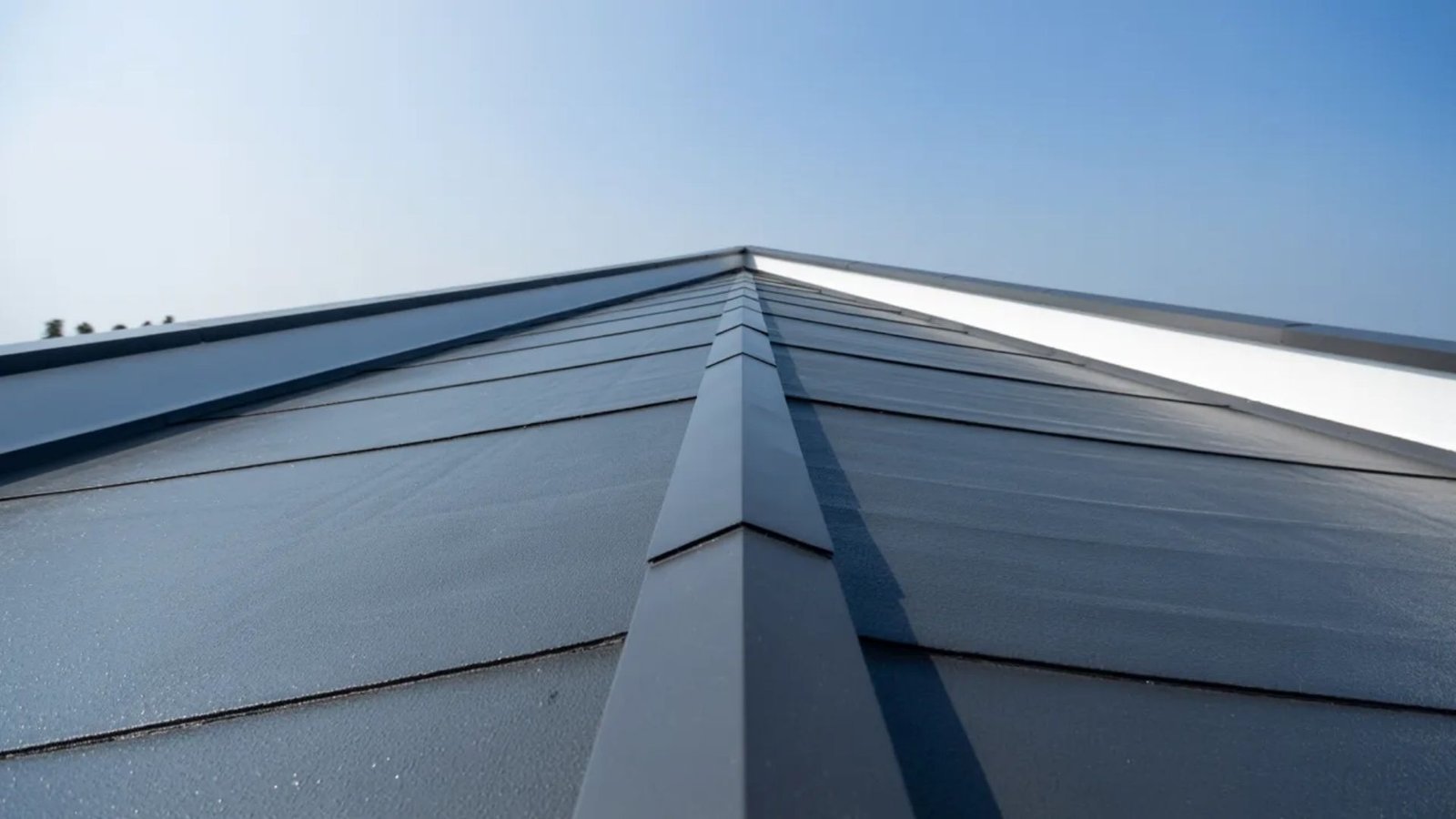
EPDM roofing is widely applied to flat and low-slope roofs. Its durability, flexibility, and waterproofing make it suitable for commercial, residential, and industrial buildings.
Commercial Buildings
EPDM is often used on warehouses, retail stores, and office buildings.
Its large sheets cover wide roof areas efficiently, providing long-lasting protection against water, sunlight, and temperature changes.
Residential Flat Roof Sections
EPDM works well for garages, home additions, and modern flat roof homes.
The flexible membrane adapts to different roof shapes while maintaining reliable waterproofing and durability.
Industrial Structures
Factories, storage facilities, and other industrial buildings benefit from EPDM roofing.
The membrane covers large surfaces with minimal seams, reducing maintenance and offering strong protection against harsh environmental conditions.
What Is EPDM Roofing Material?
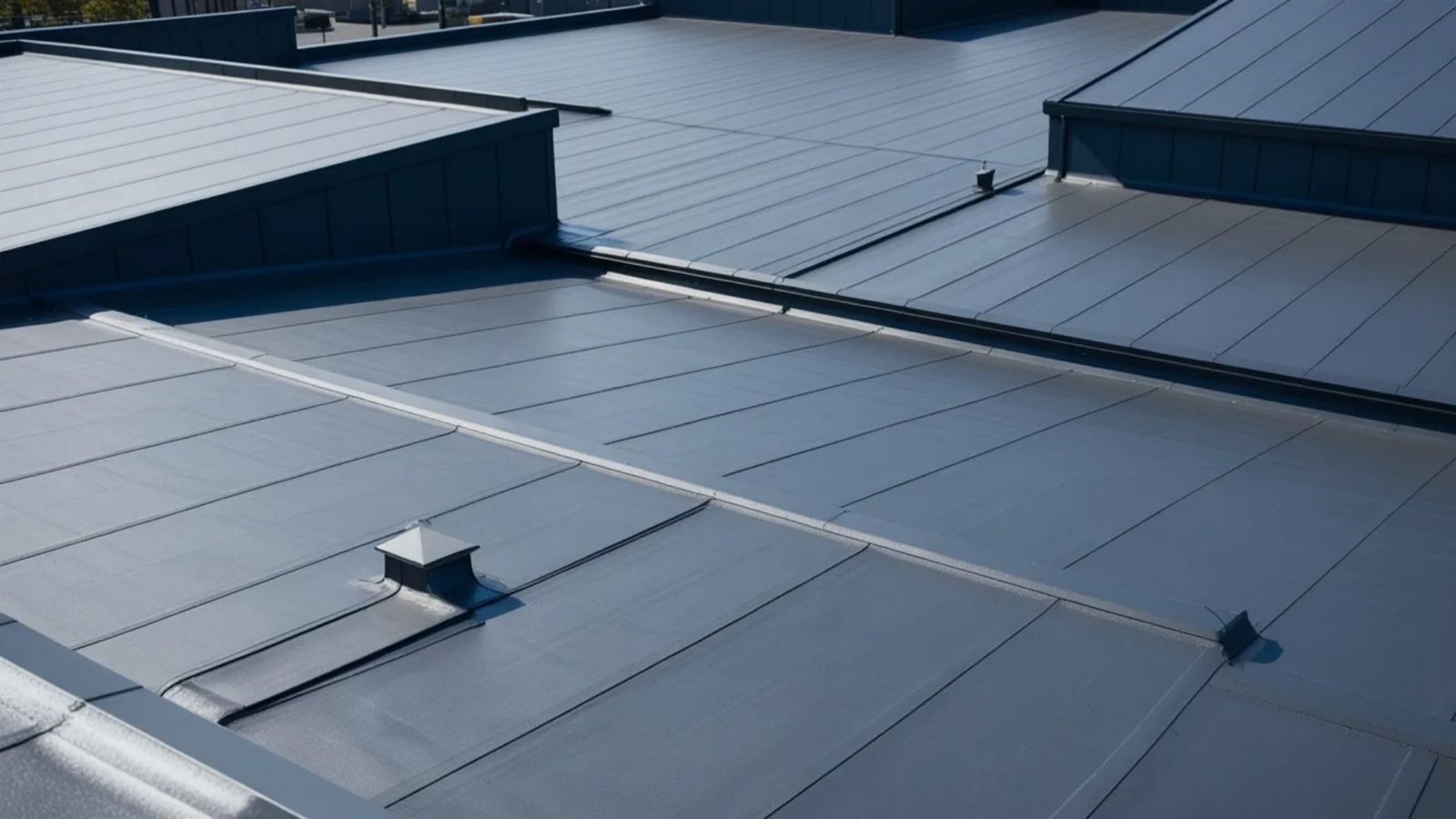
EPDM roofing is a durable, flexible, and weather-resistant rubber membrane for flat and low-slope roofs.
Chemical Composition
EPDM is made from three main components: ethylene, propylene, and a diene compound.
These chemicals are combined to form a synthetic rubber membrane. The resulting material is strong, flexible, and resistant to weather, UV rays, and temperature changes.
Manufacturing Process
The EPDM rubber is created through polymerization, producing sheets of uniform material. These membranes are rolled into large sheets for installation.
They come in thicknesses of 45 mil, 60 mil, and 90 mil to meet different roofing needs and durability requirements.
Available EPDM Colors
EPDM is available in black and white options. Black absorbs heat, while white reflects sunlight to reduce cooling needs.
The choice of color affects energy efficiency and roof surface temperature, allowing selection based on climate and building requirements.
Types of EPDM Roofing Systems
EPDM roofing has different system types for various roof sizes and installation methods. Each type provides reliable performance, durability, and waterproofing.
Fully Adhered EPDM
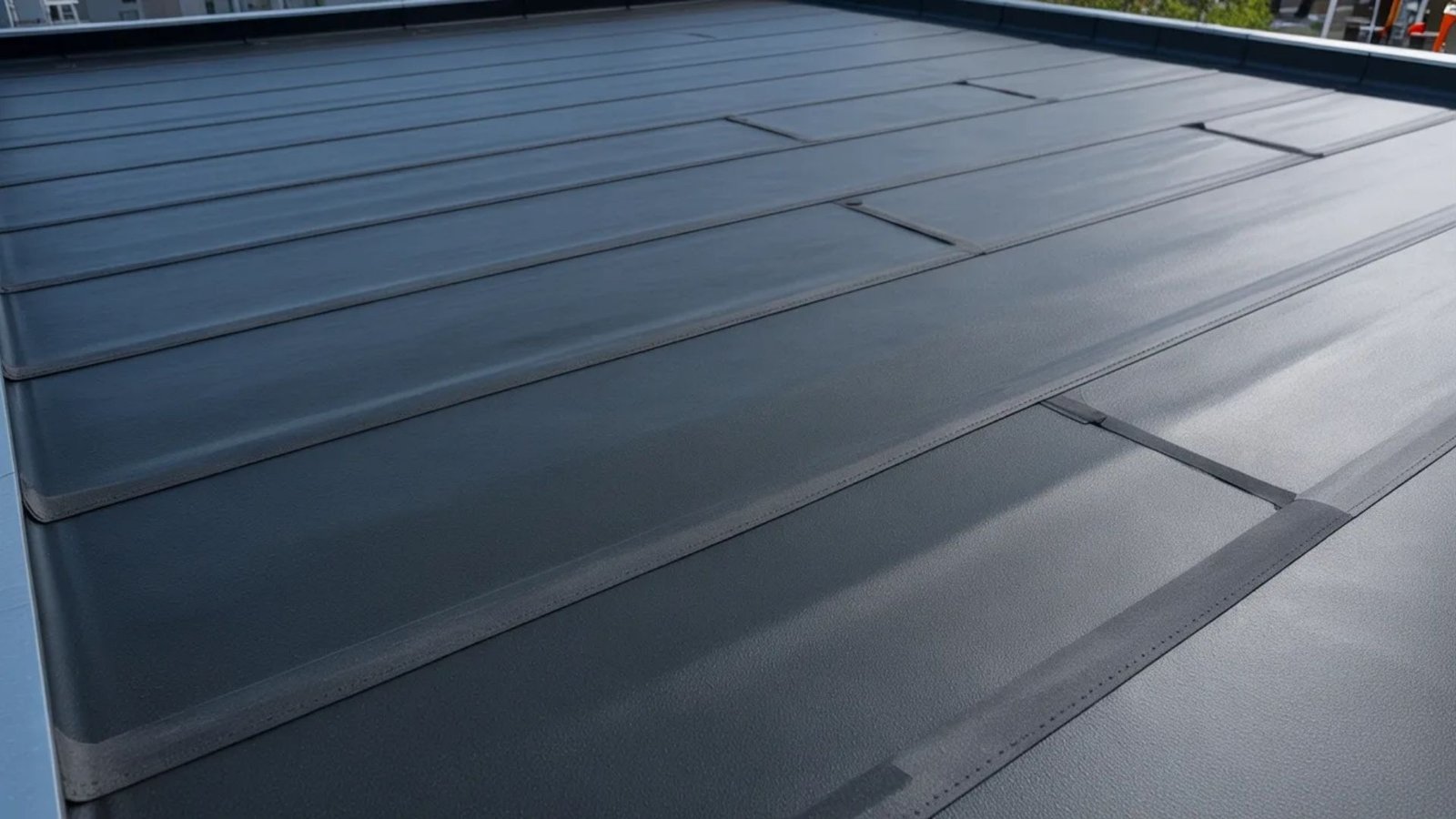
In this system, the EPDM membrane is glued directly to the insulation or roof deck.
This creates a smooth surface with minimal movement, providing a secure and continuous waterproof layer across the roof.
Mechanically Fastened EPDM
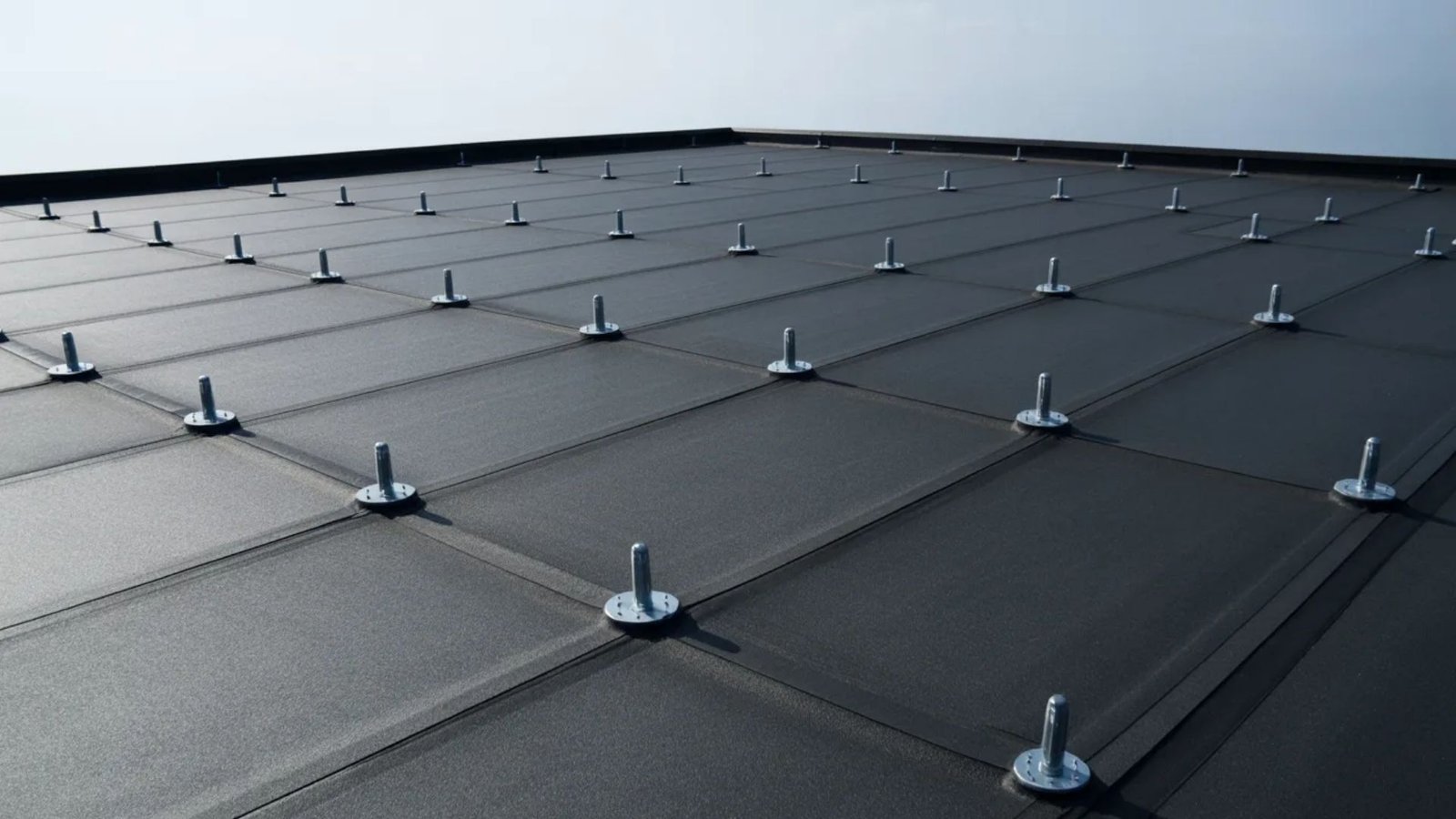
Here, the membrane is attached using fasteners and plates.
This method is common for large roofs, allowing quick installation while keeping the membrane firmly in place against wind and environmental forces.
Ballasted EPDM System
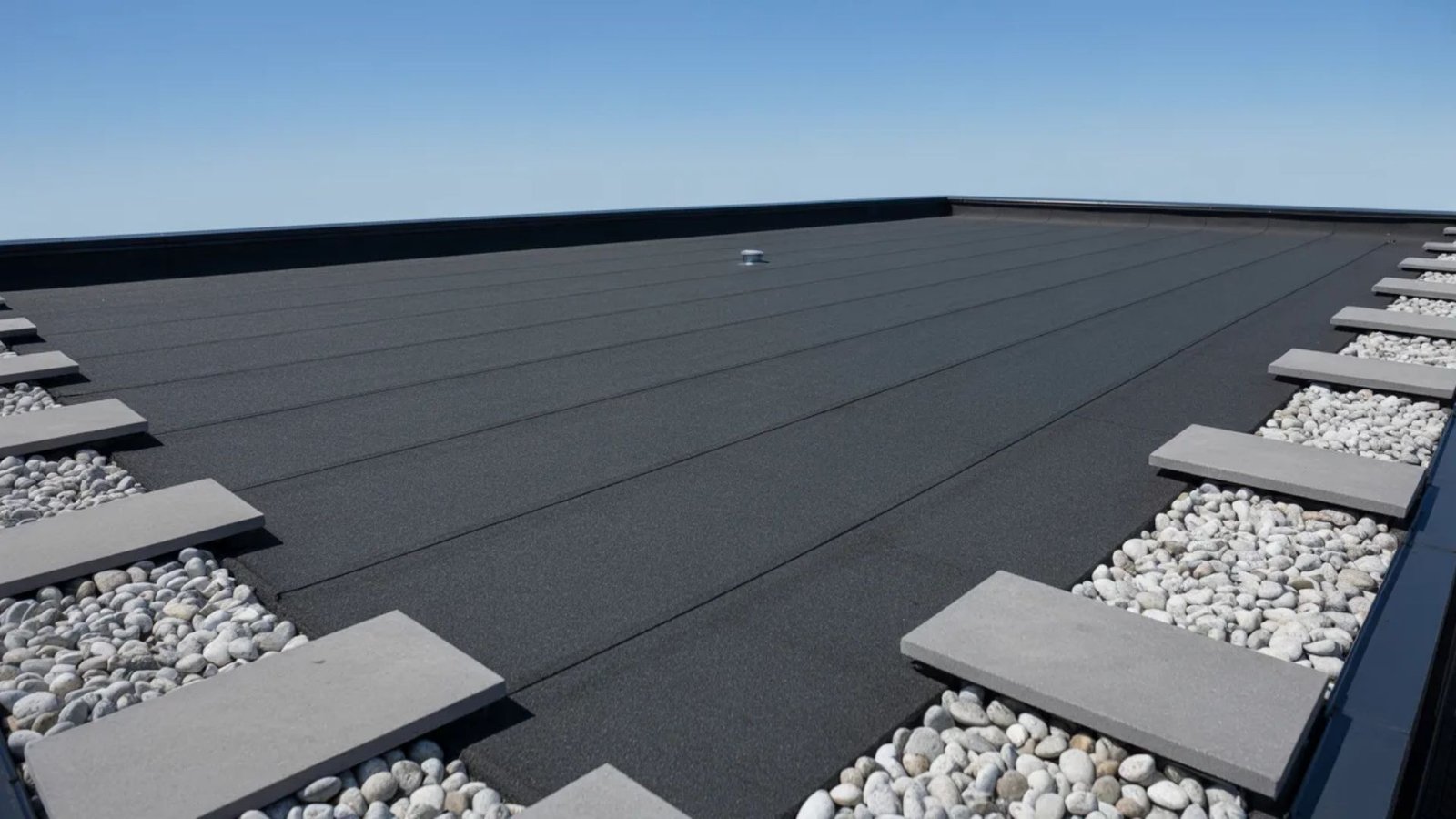
The membrane in a ballasted system is held down with stones or pavers.
This method is often used on commercial buildings, reducing the need for adhesives or fasteners while protecting the roof from wind uplift.
Layers in an EPDM Roofing System
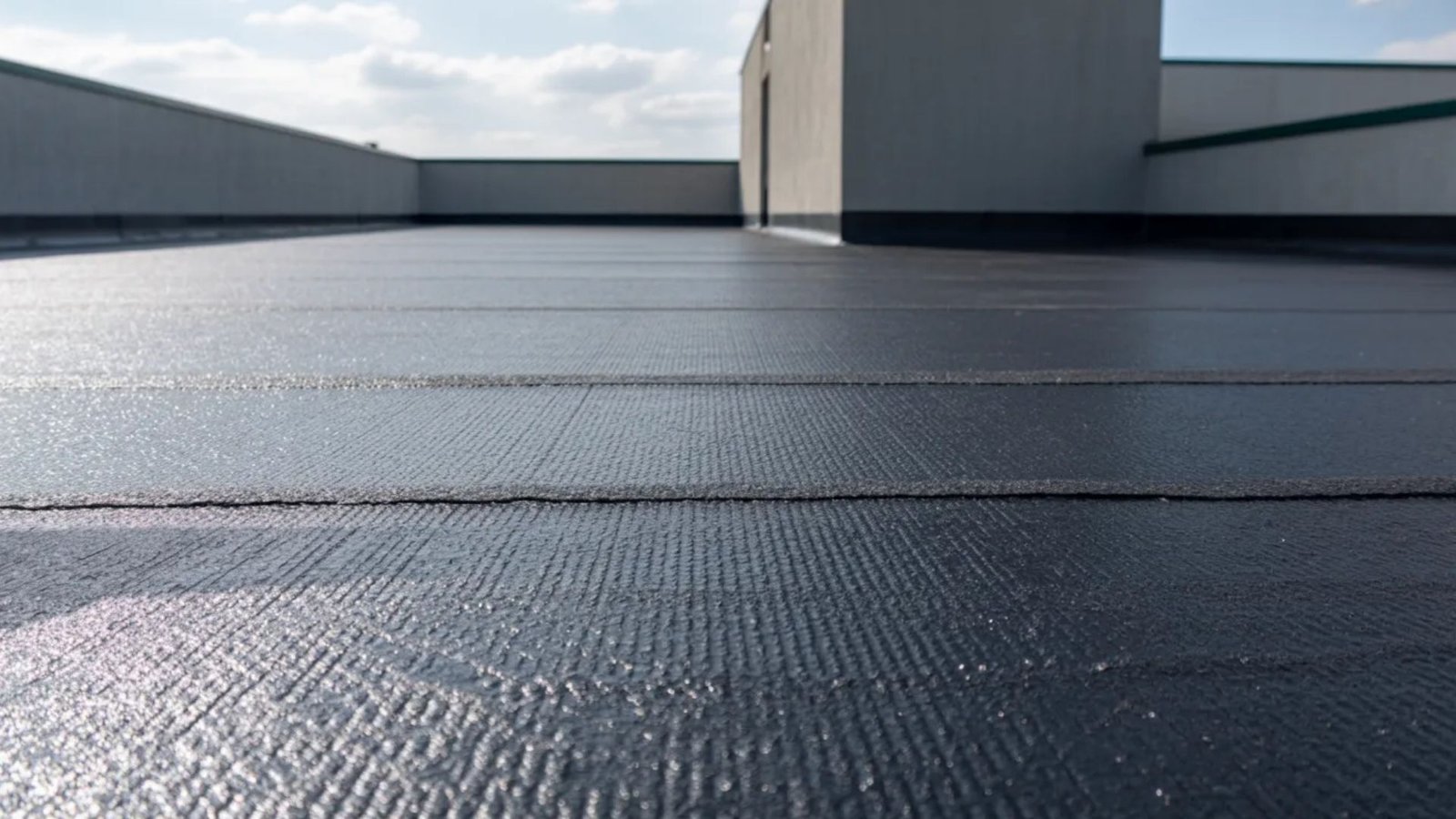
An EPDM roof is made of several layers, each serving a specific purpose. Together, these layers provide strength, insulation, and waterproofing for flat and low-slope roofs.
Roof Deck: The roof deck forms the structural base of the roofing system. It supports all other layers and provides stability for the building while holding the insulation and membrane in place.
Vapor Barrier: The vapor barrier controls moisture movement from inside the building. It prevents condensation from forming under the roof, protecting insulation and the membrane from damage.
Insulation Layer: The insulation layer improves thermal performance. It keeps the building warmer in winter and cooler in summer while increasing energy efficiency.
EPDM Membrane: The EPDM membrane is the main waterproof layer. It covers the roof surface and prevents water from entering the building, providing long-term protection against rain and moisture.
Seams and Flashing: Seams and flashing seal roof edges, joints, and penetrations. They ensure the membrane remains watertight and secure around vents, drains, and walls.
These layers work together to create a strong, durable, and watertight EPDM roofing system.
Advantages & Disadvantages of EPDM Roofing
EPDM roofing installation involves several steps to ensure a durable, waterproof, and long-lasting roof.
|
Advantages |
Disadvantages |
|
Long Service Life: Many EPDM roofs last 30-40 years with proper care. |
Appearance Limitations: The black membrane look may not suit all buildings. |
|
Strong Weather Resistance: Handles UV exposure, rain, snow, and wind. |
Vulnerability to Oil or Grease: Petroleum products can damage the membrane. |
|
Low Maintenance: Simple inspection and repair process keeps upkeep easy. |
Seam Maintenance: Adhesive seams may require regular inspection and care. |
|
Cost Efficiency: Generally more affordable than many other commercial roofing systems. |
Possible Punctures: Sharp objects or heavy foot traffic can damage the membrane. |
|
Flexible Material: Expands and contracts with temperature changes, preventing cracks. |
Limited Aesthetic Options: Fewer color and style choices compared to other roofing types. |
Following proper installation steps helps the EPDM roof perform efficiently and reduces future maintenance needs.
How Long Does EPDM Roofing Last?
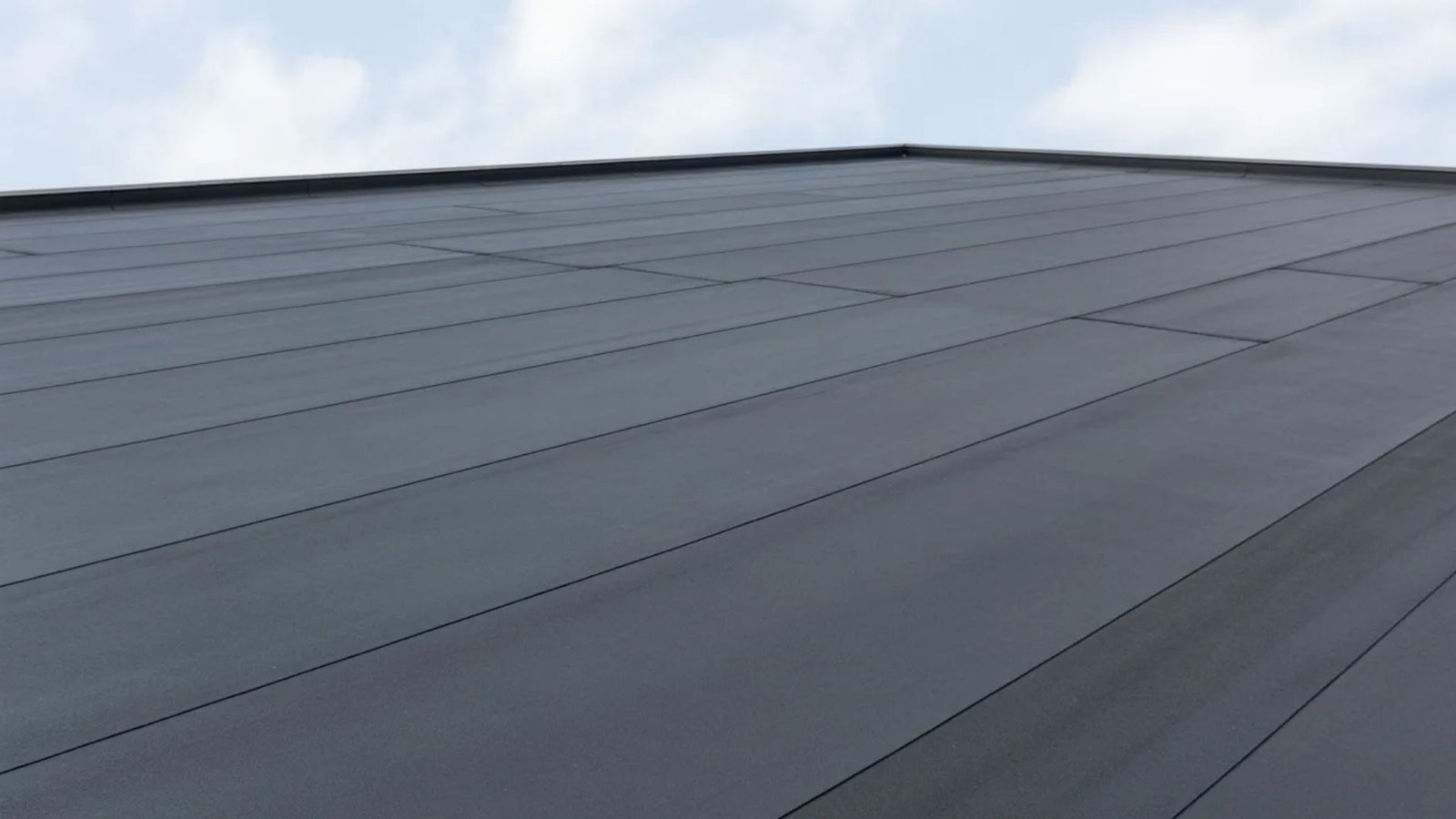
EPDM roofing typically lasts between 25 and 40 years, depending on the quality of installation and materials used.
Several factors affect its lifespan, including the roof slope, local climate, installation method, and how regularly the roof is maintained.
Proper care can help extend its durability and performance.
How EPDM Roofing Is Installed?
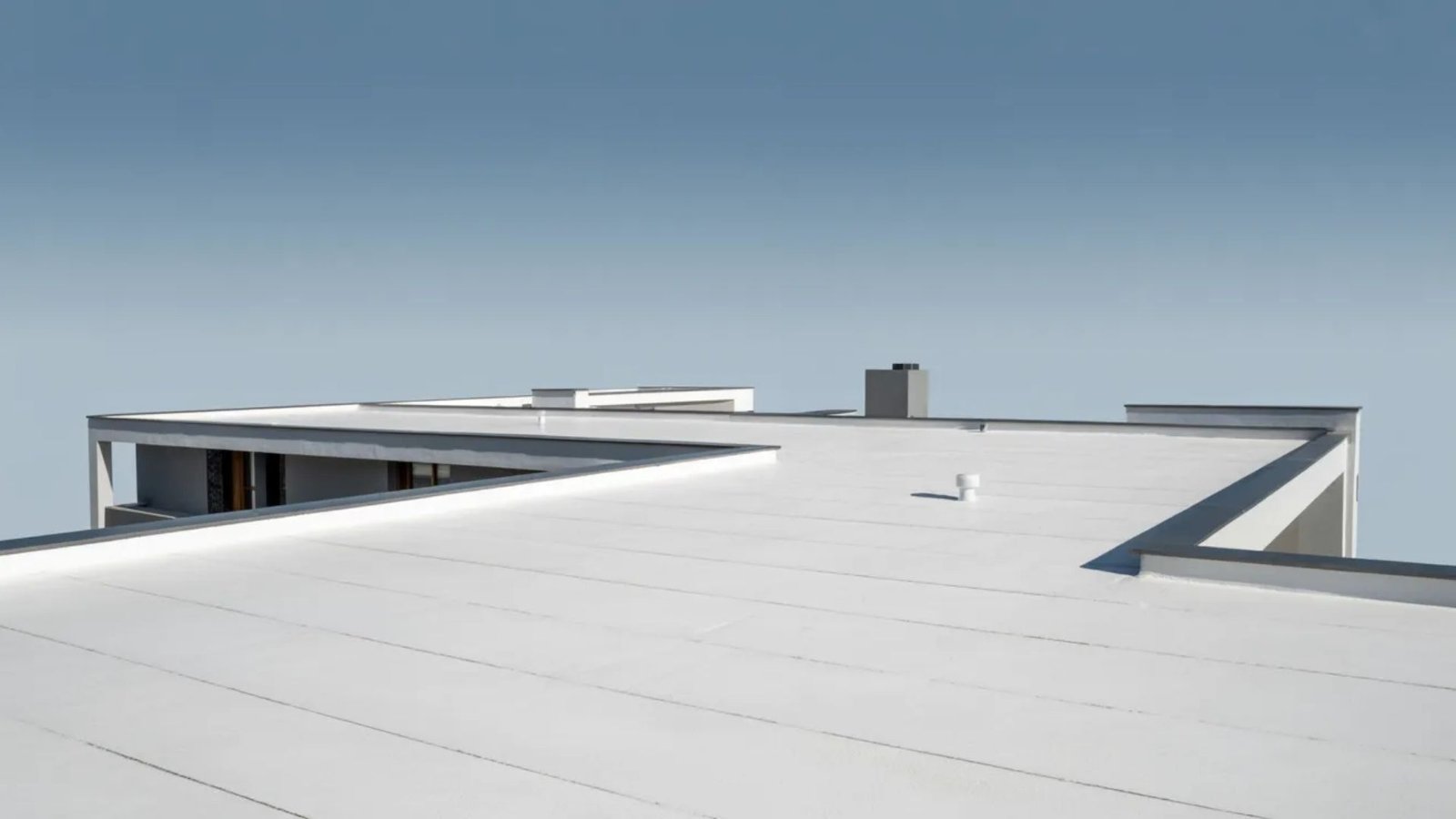
Installing an EPDM roof requires several careful steps to ensure a strong, waterproof, and long-lasting surface. Each step is important for proper performance and durability.
Roof Surface Preparation: Cleaning and inspecting the roof deck to remove debris and ensure a smooth, stable base for the roofing system.
Insulation Placement: Installing insulation boards over the roof deck to improve thermal performance and provide a level surface for the membrane.
Membrane Application: Rolling out large EPDM sheets across the roof, ensuring full coverage and alignment with the roof edges.
Seam Sealing: Using adhesive or seam tape to join membrane sheets, creating a continuous waterproof barrier across the roof.
Flashing and Edge Sealing: Securing the membrane around vents, drains, and roof edges to prevent water intrusion and maintain long-term roof integrity.
Following these installation steps ensures the EPDM roof remains durable, weatherproof, and effective for many years.
EPDM Roofing Cost Overview
EPDM roofing cost depends on material, labor, roof size, and installation method and can vary by region and project.
|
Cost Category |
Typical Cost Range (per sq. ft.) |
|
Average Material Cost |
$1.00 to $3.00 for the membrane alone |
|
Installation (Labor + Materials) |
$4.00 to $9.00 for typical residential or small commercial roofs |
|
Total Installed System |
$8.00 to $15.00 including membrane, labor, and accessories |
Factors That Affect Total Cost:
- Roof size affects cost, with larger roofs often lowering the per-square-foot price.
- Insulation type impacts cost, as higher-R insulation increases material expenses.
- Installation method matters, with fully adhered systems generally costing more than ballasted or mechanically fastened options.
These ranges provide a general idea of EPDM roofing costs, but consulting a local roofing professional will give exact pricing for your project.
Maintenance Tips for EPDM Roofs
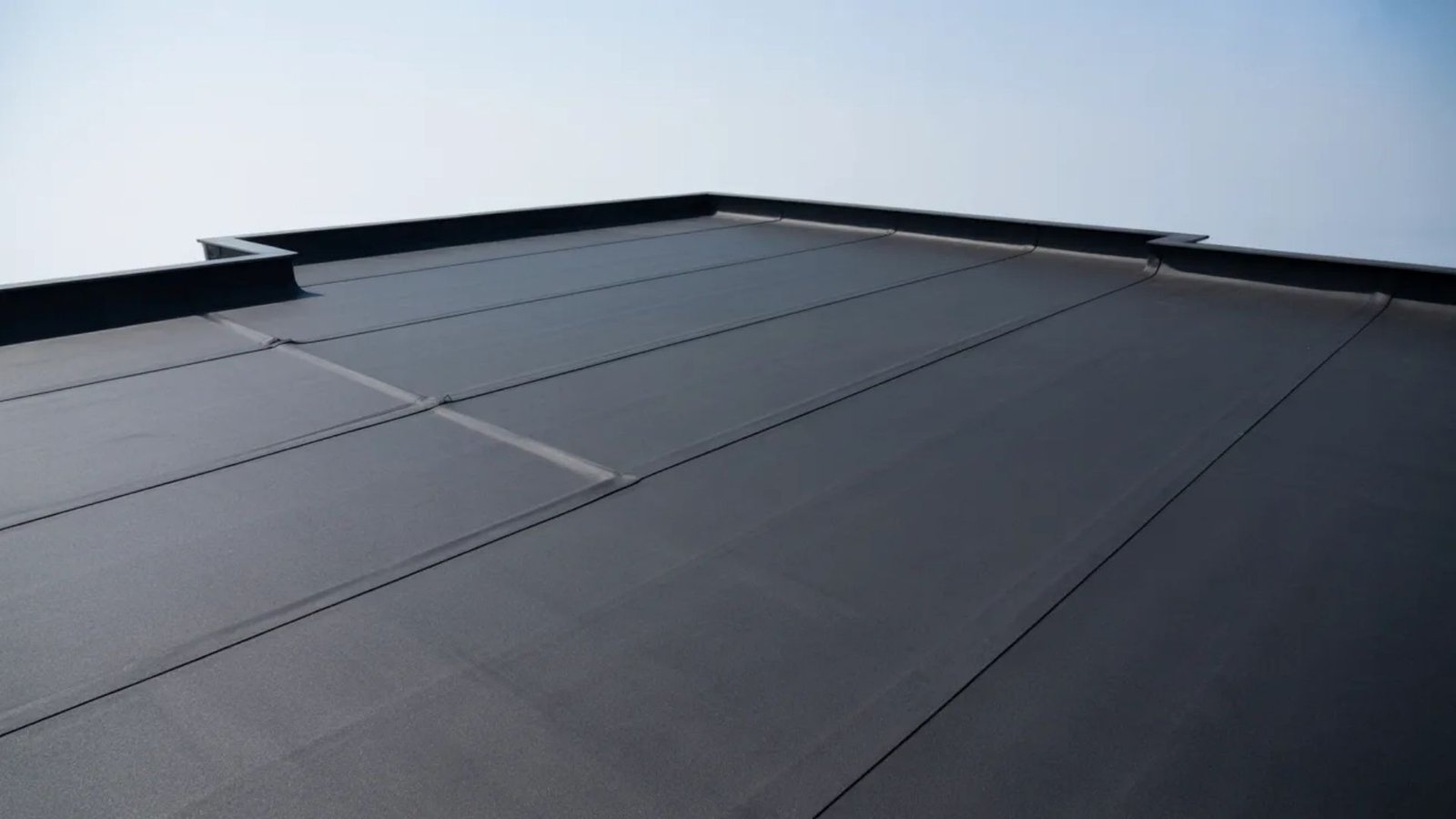
Proper maintenance helps EPDM roofs last longer and remain watertight. Regular care prevents minor issues from becoming major problems.
Routine Inspections: Check seams, flashing, and membrane edges for signs of wear or damage to catch issues early.
Cleaning the Membrane: Remove debris, dirt, and leaves regularly to prevent water pooling and maintain the roof’s performance.
Repairing Small Damage: Use patch kits to fix minor punctures or tears before they worsen. Quick repairs extend the roof’s lifespan.
Professional Inspection Schedule: Have a roofing professional inspect the EPDM roof at least once a year to ensure it remains in good condition.
EPDM Roofing vs Other Flat Roofing Materials
This table compares EPDM with other flat roofing types based on key factors like durability, lifespan, and maintenance.
|
Feature / Roofing Type |
EPDM |
TPO |
PVC |
BUR |
|
Heat Reflection |
Moderate |
High |
High |
Low |
|
Durability |
High |
Good |
High |
Moderate |
|
Flexibility |
Very flexible |
Moderate |
Rigid |
Low |
|
Lifespan |
25-40 years |
20-30 years |
25-35 years |
20-25 years |
|
Installation |
Simple |
Moderate |
Moderate |
Complex |
|
Maintenance |
Low |
Low to moderate |
Low |
High |
Choosing the right roofing material depends on your building needs, climate, and budget.
Final Thoughts
EPDM roofing provides a reliable solution for flat and low-slope surfaces, helping buildings stay protected and functional over time.
Choosing the right system and performing regular care ensures long-lasting performance and reduces unexpected issues.
Thoughtful planning, proper selection, and professional guidance make a noticeable difference when investing in a durable solution.
With consistent maintenance, EPDM roofing can offer peace of mind and dependable protection for years.
Ready to secure your building? Consult a local expert to see if EPDM roofing is the right choice for your property!
Frequently Asked Questions
Does EPDM Roofing Require Insulation?
Insulation is not required, but it improves energy efficiency and thermal performance.
Can EPDM Roofing Be Installed Over Existing Roofing?
Yes, if the surface is smooth, stable, and properly prepared.
Is EPDM Roofing Environmentally Friendly?
EPDM is recyclable, and white EPDM reflects sunlight to reduce cooling costs.
What Are the Aesthetic Limitations of EPDM Roofing?
EPDM is usually black or white, limiting color and style options.
Can EPDM Roofing Be Repaired Easily?
Small punctures can be patched, but major damage may need professional repair.


