

I’ll be honest, this was one of the most confusing choices I faced when working on my own home’s exterior.
And if you’re stuck between vertical vs horizontal siding , I get it completely. The two look different, perform differently, and cost differently.
I’ve spent years covering home improvement topics, and I’ve put this guide together to cut through the confusion.
I’ll cover what each type does, how it looks on different homes, and how the two stack up side by side.
By the end, you’ll feel confident making this call.
What Makes These Two Siding Styles So Different
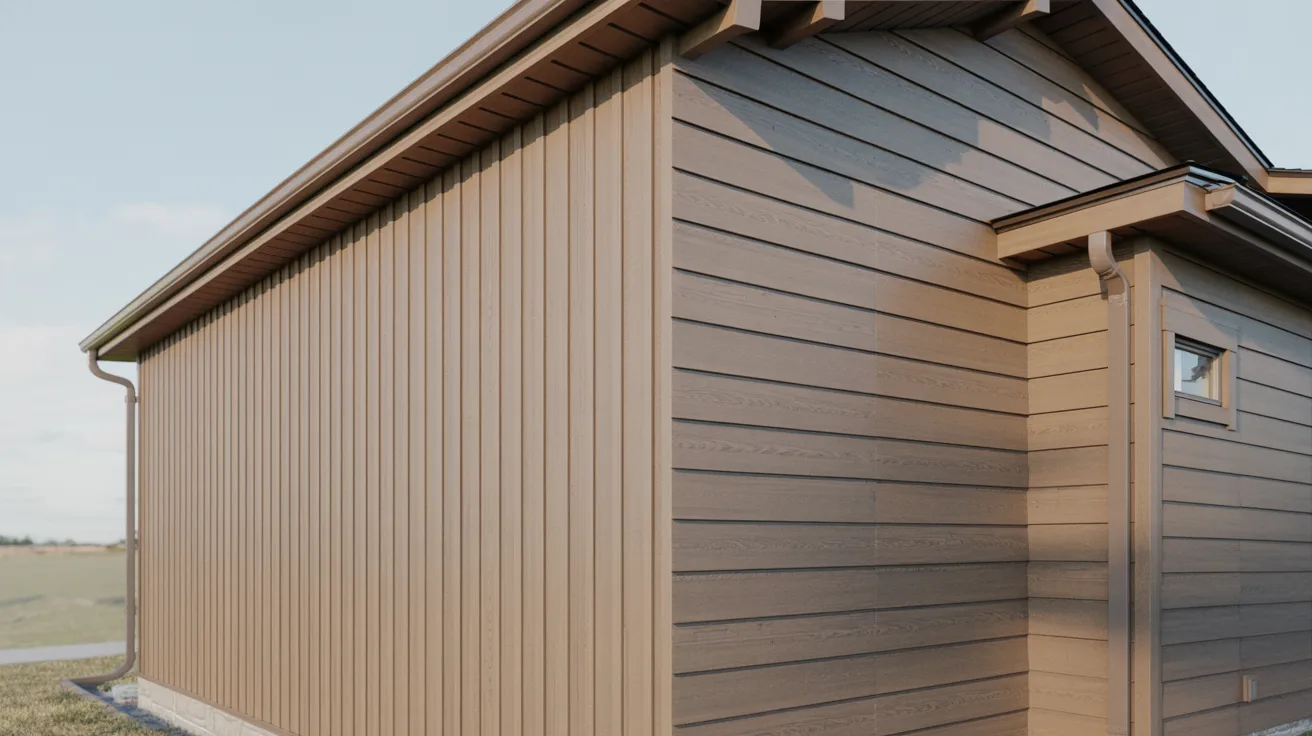
Siding is not just a finishing touch. It protects your home every single day.
The direction your panels run plays a bigger role than most homeowners expect, from how rain moves down your walls to how long installation takes and what you pay for it.
Vertical and horizontal siding have both stood the test of time.
But they work differently and look different in different homes. Getting clear on the basics now will make every other decision in this guide much easier to follow.
What Is Horizontal Siding?
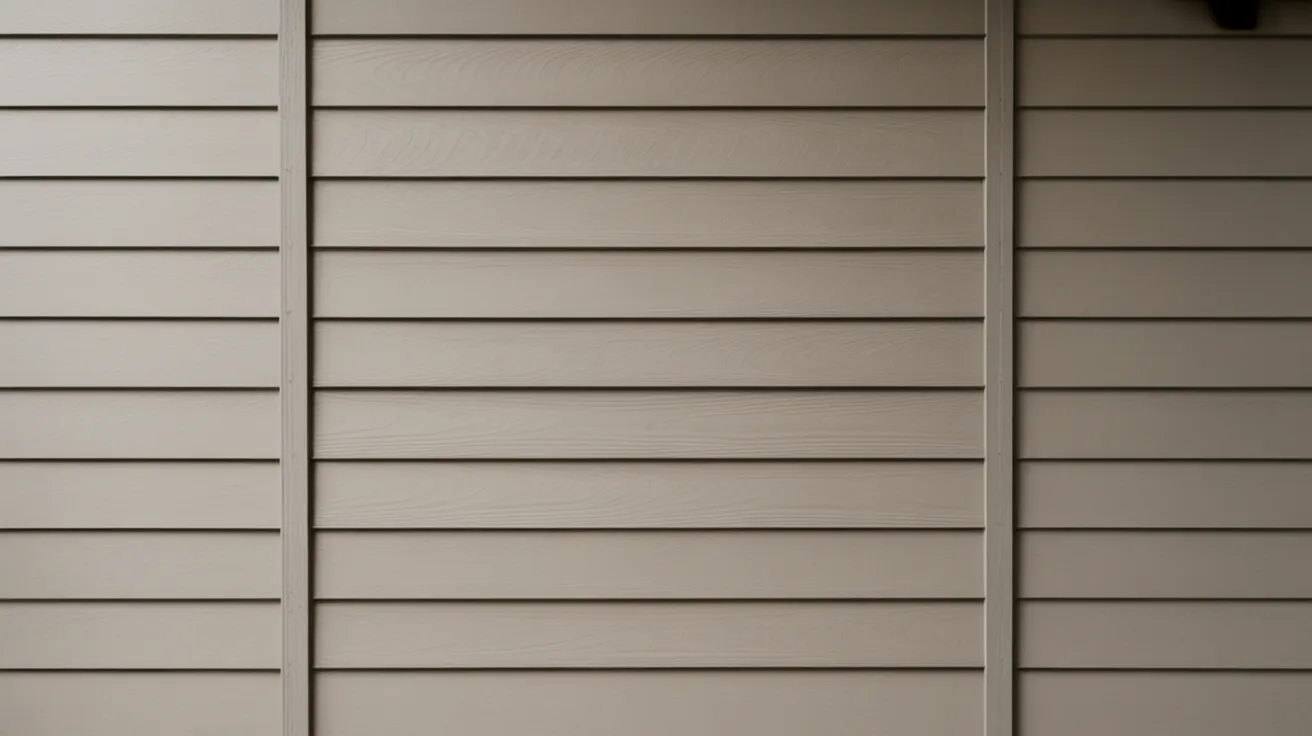
Horizontal siding is one of the most widely used exterior options for homes across the country. The panels are installed side by side, running across the wall from left to right.
It has been a go-to choice for decades and works well on many home styles. You’ve likely seen it on homes in your own neighborhood.
It’s generally more affordable and faster to put up than vertical siding. Homeowners choose it for its clean look, wide availability, and straightforward upkeep over the years.
Functionality of Horizontal Siding
Horizontal siding is built for ease and efficiency, and its functionality reflects that in every way.
- Panels run side to side across the exterior walls of the home, making them easy to work with during installation.
- The installation process is faster and less involved compared to vertical siding, saving both time and labor costs.
- It is one of the most budget-friendly siding options, which makes it a popular pick for homeowners watching their spending.
- Seams between panels can collect moisture over time, especially if they are not cleaned and maintained on a regular basis.
- Works well with a wide range of materials, including vinyl, wood, fiber cement, and engineered wood.
Style Appeal of Horizontal Siding
Horizontal siding gives a home a classic, traditional look. It’s common on colonial, ranch, and cottage-style homes.
The way the panels run side to side makes a home appear wider and more grounded from the street.
It fits well in older neighborhoods and blends naturally with most traditional home styles.
If you want a timeless exterior that feels familiar and welcoming, horizontal siding is a strong choice. The clean lines have stayed popular for good reason.
What Is Vertical Siding?
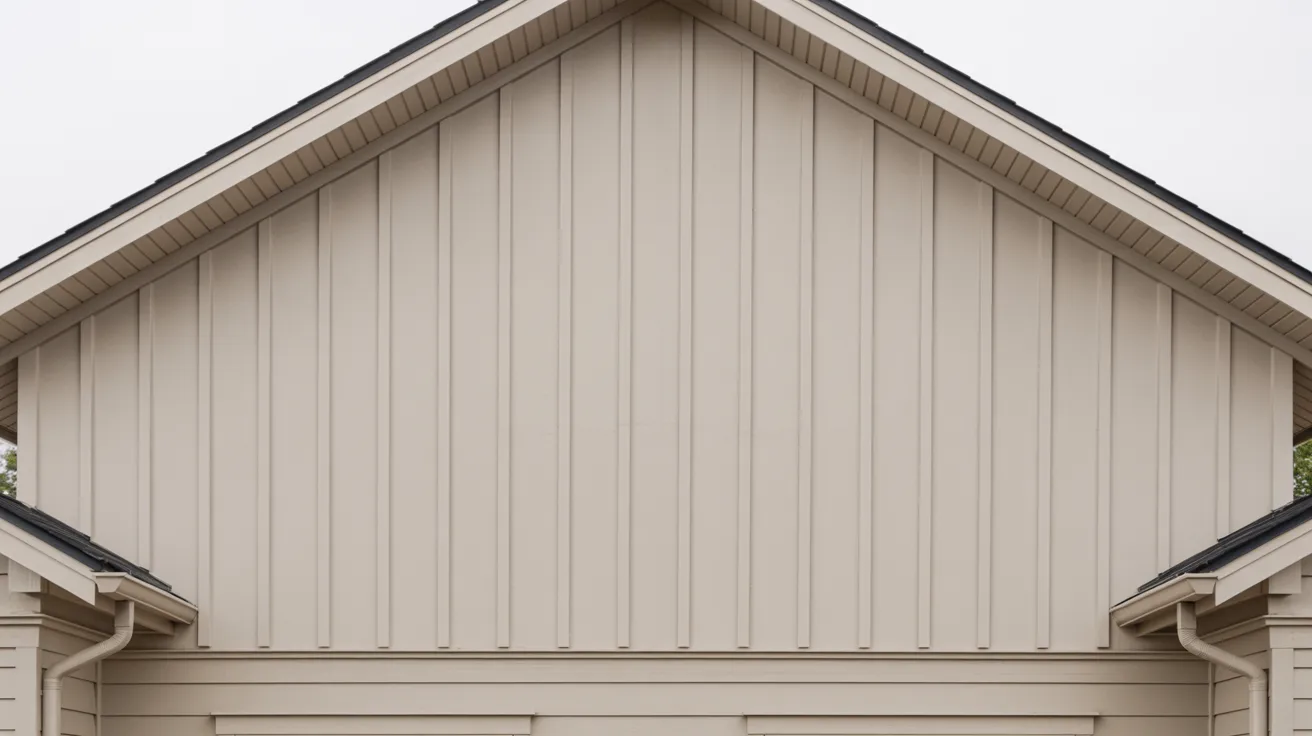
Vertical siding runs from the roofline straight down to the base of the wall. Instead of going side to side, the panels go up and down.
This gives homes a bold, modern look that stands out. It’s a popular choice for farmhouse, contemporary, and craftsman-style homes.
Beyond looks, vertical siding also performs well in wet climates because water runs off more easily. It takes more work to install, but many homeowners find the results well worth it.
Functionality of Vertical Siding
Vertical siding is built for performance, and its functionality goes well beyond just the way it looks.
- Panels run from the roofline straight down to the base of the wall, giving the exterior a bold, up-and-down look.
- Water drains off more easily compared to horizontal siding, which helps reduce moisture buildup over time.
- Installation requires extra framing, making the process more involved and typically more expensive than horizontal siding.
- It holds up well in rainy or snowy climates because water does not sit in the seams the way it can with horizontal panels.
- Offers a strong structural look that works well on both new construction and home renovation projects.
Aesthetic Appeal of Vertical Siding
Vertical siding has a bold, modern look that makes a strong impression. It’s popular on farmhouse, contemporary, and craftsman-style homes.
The up-and-down direction of the panels creates a visual effect that makes a home appear taller and more striking from the outside.
If you want your home to feel fresh and stand out on the street, vertical siding is a great option. It works especially well on homes with clean lines and sharp architectural angles.
Vertical vs Horizontal Siding Comparison
Here is a side-by-side look at how vertical and horizontal siding stack up across the most important factors.
| Feature | Vertical Siding | Horizontal Siding |
| Panel Direction | Top to bottom | Side to side |
| Overall Appearance | Modern and bold | Classic and traditional |
| Visual Effect | Makes homes look taller | Makes homes look wider |
| Weather Performance | Better water runoff | Seams may trap moisture |
| Maintenance | Easier to clean | Requires careful cleaning |
| Installation | More complex | Easier and faster |
| Cost | Higher installation cost | More budget-friendly |
| Best For | Modern and farmhouse homes | Traditional home styles |
Both siding types have real value, so the right pick comes down to your home’s style, your local climate, and your budget.
Can You Combine Vertical and Horizontal Siding?
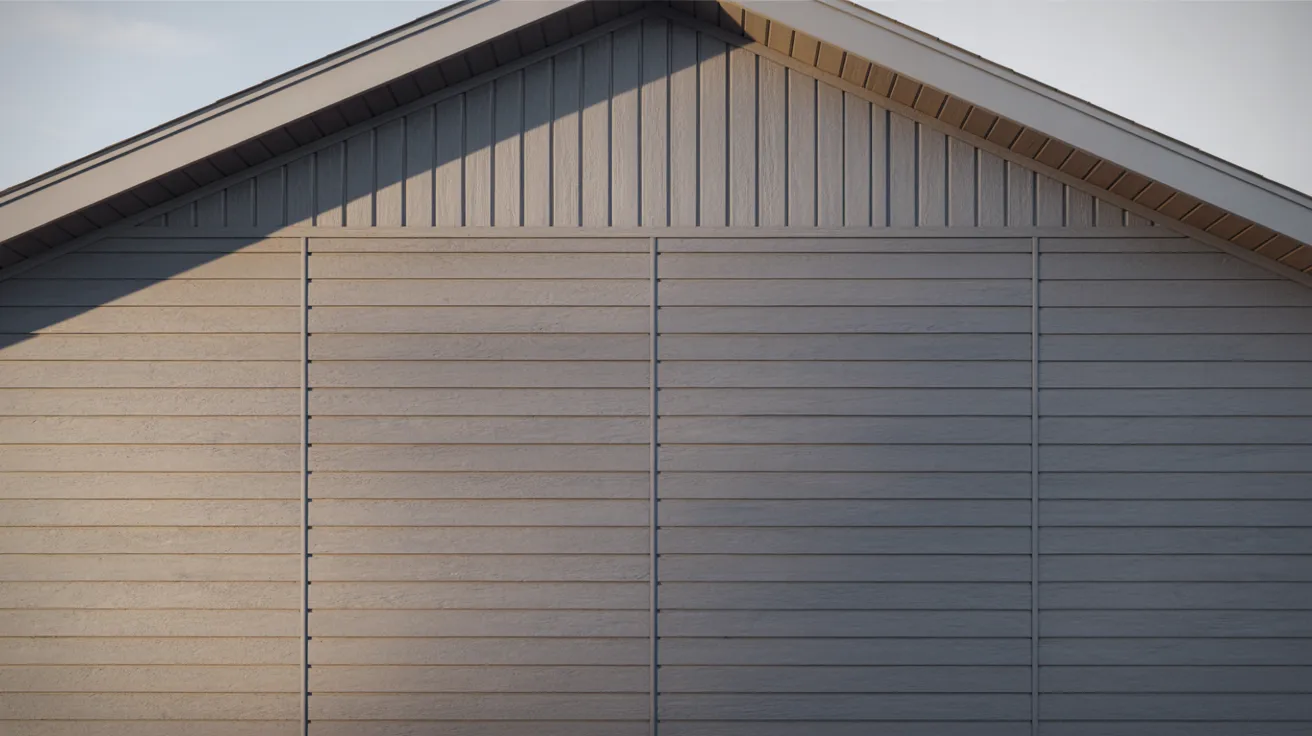
Yes, you absolutely can. Many homeowners use horizontal siding on the main walls and add vertical siding on gables or accent areas.
This mix adds depth and draws the eye to key parts of the exterior.
It can make a home look more interesting without overdoing it. Done right, it highlights the shape of your home and gives it a custom, layered feel.
It’s a smart way to get the best of both looks in one exterior design.
Conclusion
I’ve spent a lot of time going over siding options, and I know how hard it can feel to make the right call.
Vertical vs horizontal siding both have real strengths. Personally, I’m drawn to the bold look of vertical siding, but horizontal siding has a timeless charm that never goes out of style.
The right choice comes down to your home, your climate, and what you love. Take your time. Look at your home with fresh eyes.
Drop a comment below and tell me which one you’re leaning toward.
Frequently Asked Questions
Is vertical or horizontal siding more expensive?
Vertical siding costs more due to extra framing, while horizontal siding is the more budget-friendly option.
Which siding type is better for rainy climates?
Vertical siding is better for rainy climates because water runs straight down without sitting in the seams.
Can I install siding myself, or do I need a professional?
Horizontal siding works for confident DIYers, but vertical siding is best left to a professional due to its complex framing.
How long does siding typically last?
Most siding lasts between 20 and 40 years, depending on the material and how well it is maintained.
Which siding style looks best on a farmhouse?
Vertical siding is the top pick for farmhouse homes, thanks to its bold, clean, modern-rustic lines.


