

I remember standing in my backyard, trying to figure out which room addition actually made sense for my home.
If you’re stuck on the 3-season room vs 4-season room question, I completely understand the confusion. They look similar at first, but they work very differently.
In this guide, I’ll cover what each room is, how they compare, and which one fits different budgets and lifestyles.
I’ve spent years covering home improvement topics, and I’ll give you a straight, honest breakdown so you can decide with confidence.
Why the Wrong Choice Can Cost You More Than You Think
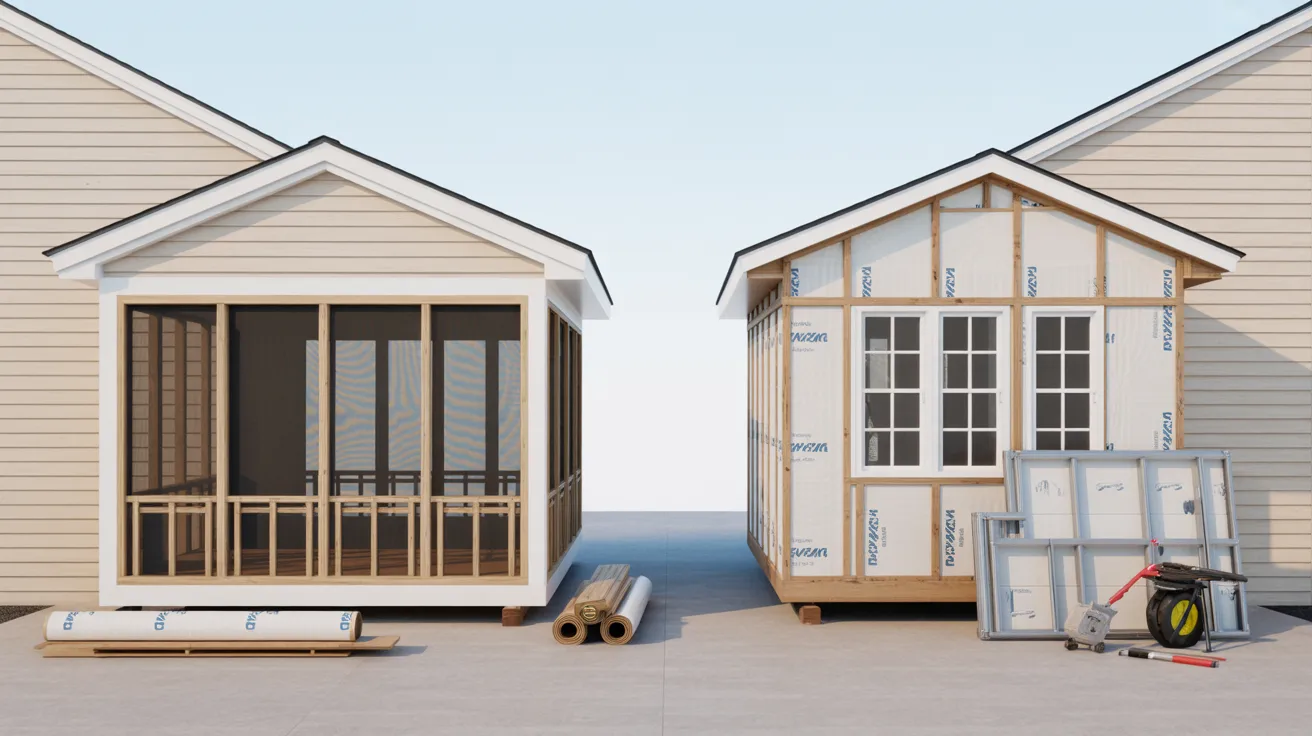
Picking the wrong room type is more common than most people expect. Some homeowners build a 3-season room and realize too late that they needed a 4-season room.
Others overspend on a 4-season room when a simpler build would have done the job. The gap between the two is bigger than it looks at first.
I’ve seen this mistake happen more times than I’d like to count.
Knowing what sets them apart, before you spend a single dollar, puts you in a much stronger position to make the right call.
What Is a 3-Season Room?
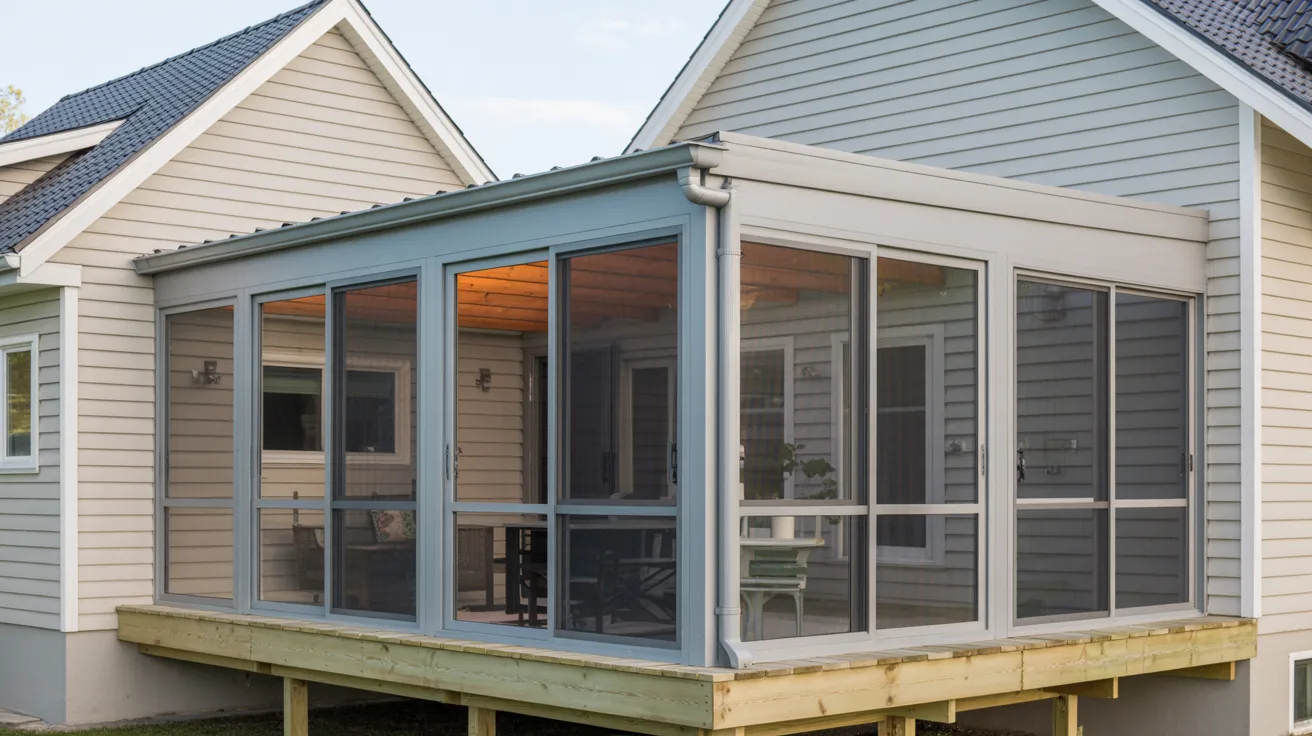
A 3-season room is an enclosed space built for use in spring, summer, and fall. It uses lightweight frames and screened or single-pane windows to let in fresh air.
It is not built for winter use. It sits on an existing porch, patio, or deck and keeps construction simple and affordable.
3-Season Room Features
A 3-season room is built for comfort in mild weather, and its features reflect that focus on simplicity and ventilation.
- Screened or single-pane windows let fresh air in and keep insects out during warmer months.
- Lightweight aluminum or vinyl frames keep the build simple and budget-friendly.
- Built directly on existing porches, patios, or decks, which cuts down on construction time.
- No HVAC system is included, so indoor temperature follows the weather outside.
- Straightforward construction makes it one of the faster and more affordable room additions available.
3-Season Room Benefits
If you want more outdoor living space without a big investment, a 3-season room brings a lot of value to the table.
- Lower cost makes it one of the most budget-friendly ways to add usable space to your home.
- Installation is quick, and the construction process causes minimal disruption to your daily life.
- It gives you solid protection from rain, wind, and insects so you can sit outside in comfort.
- You get to enjoy the outdoors across spring, summer, and fall without worrying about bugs or sudden rain.
- It works well as a relaxed sitting area, dining space, or reading spot during the milder months of the year.
3-Season Room Drawbacks
A 3-season room has clear limits, and it’s important to know them before you build one.
- Not usable in winter due to little to no insulation against the cold.
- No heating or cooling system means indoor temperature shifts with the weather outside.
- Does not count as full livable square footage, so resale value impact is limited.
- A lightweight build is less durable in heavy snow or strong winds.
- Can feel too hot in peak summer without air conditioning or climate control.
What Is a 4-Season Room?
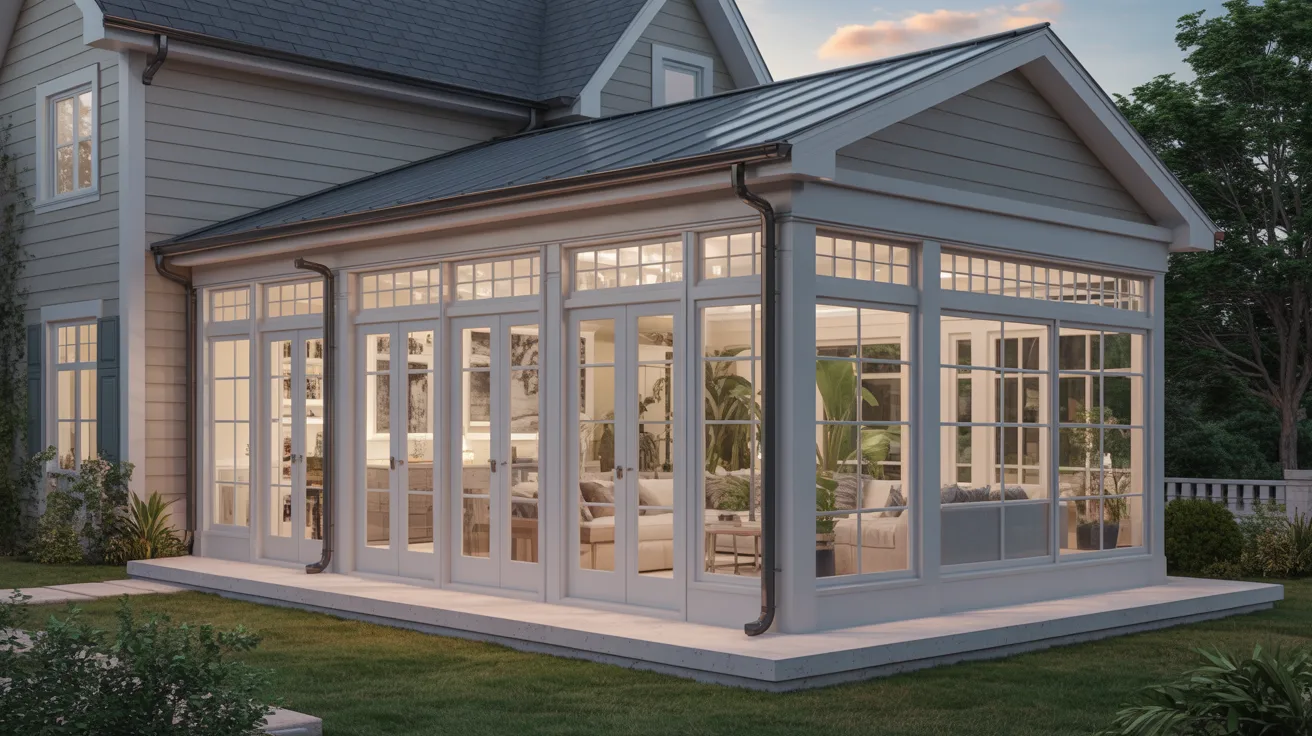
A 4-season room is a fully insulated space you can use all year long. It connects to your home’s HVAC system and is built with double-pane windows and solid framing.
It functions like a true room addition. You can use it comfortably in winter, summer, or any season in between.
4-Season Room Features
A 4-season room is built to the same standard as the rest of your home, and its features are designed for year-round comfort.
- Fully insulated walls, ceilings, and floors keep the room comfortable in every season.
- Double-pane or thermally efficient windows hold temperature and cut outside noise.
- Connects directly to your home’s HVAC system for reliable heating and cooling year-round.
- Engineered to match your home’s structure and meet local building codes.
- Custom features like skylights, vaulted ceilings, or specialty flooring can be added easily.
4-Season Room Benefits
A 4-season room is a long-term investment, and the benefits go well beyond just having more space.
- You can use it every day of the year, no matter how cold, hot, or rainy it gets outside.
- It works as a permanent extension of your home, adding real function to your living space.
- It adds livable square footage to your home, which can increase property value when you sell.
- The room can be fully customized with skylights, built-in storage, or specialty windows to suit your needs.
- It gives you a bright, comfortable space for working from home, entertaining guests, or relaxing with family.
4-Season Room Drawbacks
A 4-season room is a bigger investment, so the trade-offs are worth knowing before you decide.
- A 4-season room is a bigger commitment, and there are some real trade-offs to consider.
- Upfront cost is significantly higher due to insulation, materials, and HVAC connection.
- Construction takes longer and involves more steps than a 3-season room build.
- Permits and approvals are required, which can add time to the overall process.
- No open-air feel since the room is fully enclosed and insulated.
Side-by-Side Comparison: 3-Season and 4-Season Rooms
The right choice comes down to your budget, your climate, and how often you plan to use the space.
| Feature | 3-Season Room | 4-Season Room |
| Definition | Enclosed for spring to fall, limited insulation | Year-round sunroom, fully insulated and HVAC-connected |
| Windows and Doors | Single-pane or screened | Double-pane, energy-efficient, custom doors |
| Construction | Lightweight frames, built on decks or patios | Engineered frames, built to match home |
| Insulation and Climate | Minimal, no HVAC | Fully insulated, connected to home HVAC |
| Cost | Lower, budget-friendly | Higher due to materials and HVAC |
| Usability | Best in mild seasons, limited winter use | Usable year-round in all climates |
| Benefits | Affordable, quick, bug and rain protection | Comfortable all year, adds livable space, boosts value |
| Drawbacks | Limited winter use, not full living space | Higher cost, longer installation |
Tips for Choosing Between 3-Season vs 4-Season
These tips will help you make a clear, confident decision before you start building.
- Think about your climate first. Harsh winters call for a 4-season room.
- Set a firm budget early. A 3-season room costs less, while a 4-season room is a bigger investment.
- Consider how you’ll use the space. A summer sitting area needs a very different build than a year-round room.
- Check local building codes early to avoid permit delays.
- Talk to a contractor first. A real quote based on your home makes the decision much clearer.
The right room addition is the one that fits your life, not just your budget.
Conclusion
I’ll be honest, I went back and forth on this decision for my own home longer than I should have.
3-season room vs 4-season room is not a one-size-fits-all answer, and that’s okay.If you want something simple and affordable, go with a 3-season room.
If you want a space you can use every day of the year, the 4-season room is worth every penny.
Think about how you live, not just what looks good on paper. Drop a comment below and tell me which one you’re leaning toward.
Frequently Asked Questions
What is the main difference between a 3-season and 4-season room?
A 3-season room suits mild weather. A 4-season room works all year.
How much does a 4-season room cost compared to a 3-season room?
A 4-season room costs significantly more due to insulation and HVAC work.
Can a 3-season room be converted into a 4-season room?
Yes, but insulation, windows, and HVAC upgrades add considerable cost.
Does a 4-season room add value to a home?
Yes, it adds livable square footage and can increase your home’s property value.
Do I need a permit to build a 3-season or 4-season room?
A 4-season room almost always needs permits, and a 3-season room depends on local codes.


