

Is your home truly protected from the elements above? The roof over your head does more than keep out rain and wind.
In this guide, we will walk through the benefits of a new roof, from boosting energy efficiency to protecting your family and belongings.
As someone who has worked with homeowners for years, I’ve seen how choosing the right materials and proper installation makes a real difference in comfort and safety.
By the end, you’ll understand why a roof replacement is an investment worth considering for both peace of mind and long-term savings.
Why Roof Replacement Matters for Homeowners
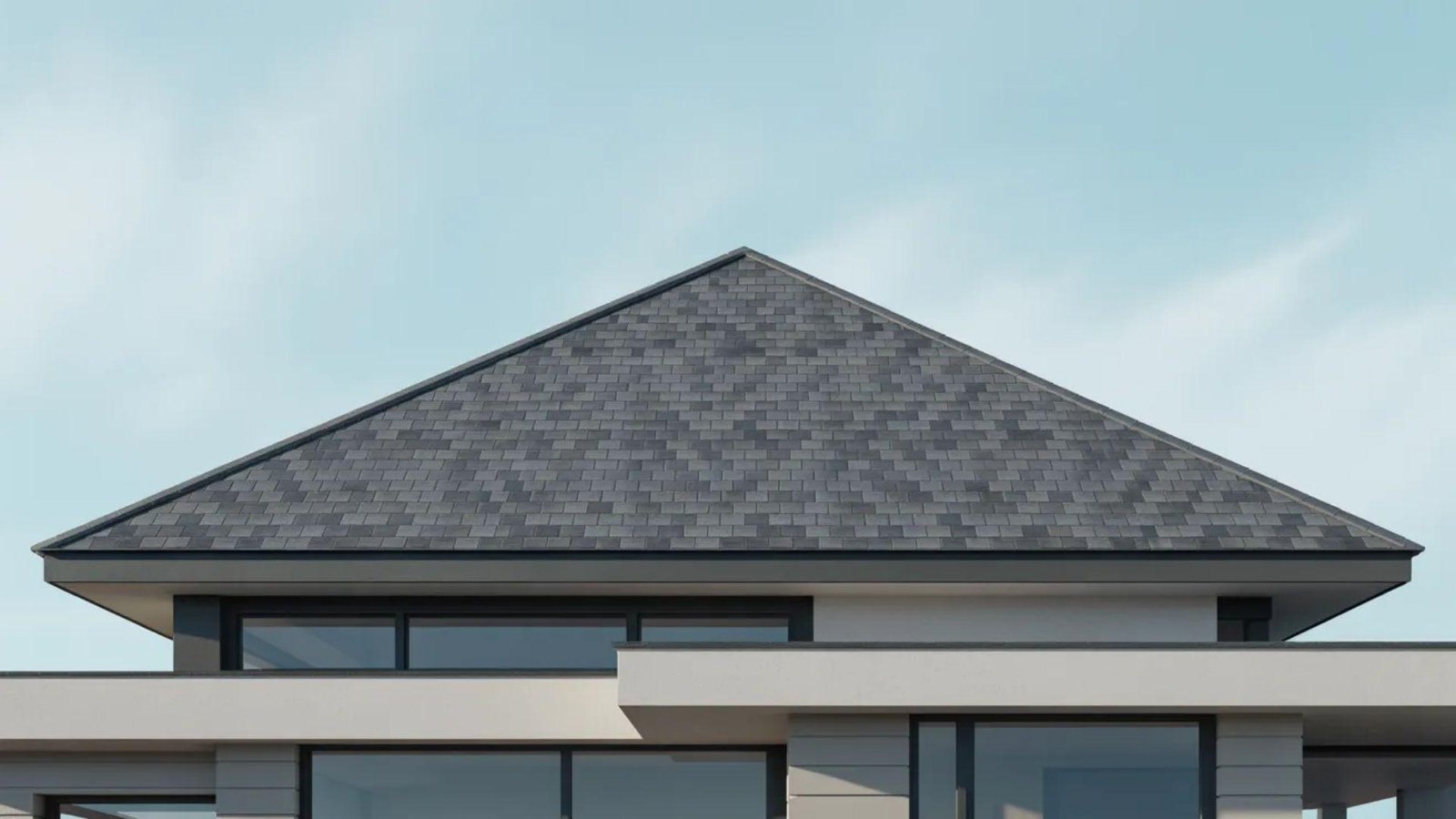
A roof is one of the most important parts of a home.
It shields the house from rain, wind, snow, and sunlight, while also supporting the structure and helping maintain a stable indoor temperature.
A strong roof keeps the home comfortable and protects walls, ceilings, and belongings from damage.
Over time, roofing materials wear down. Shingles can crack or lose their protective layer, and water may start to seep in.
Aging roofs also lose insulation efficiency, which can increase energy costs and reduce comfort. Replacing an old roof helps prevent these problems and keeps the home safe.
Benefits of a New Roof
A new roof protects the home, boosts comfort, and can save money. Here are the top 11 benefits of installing one.
1. Increased Home Value
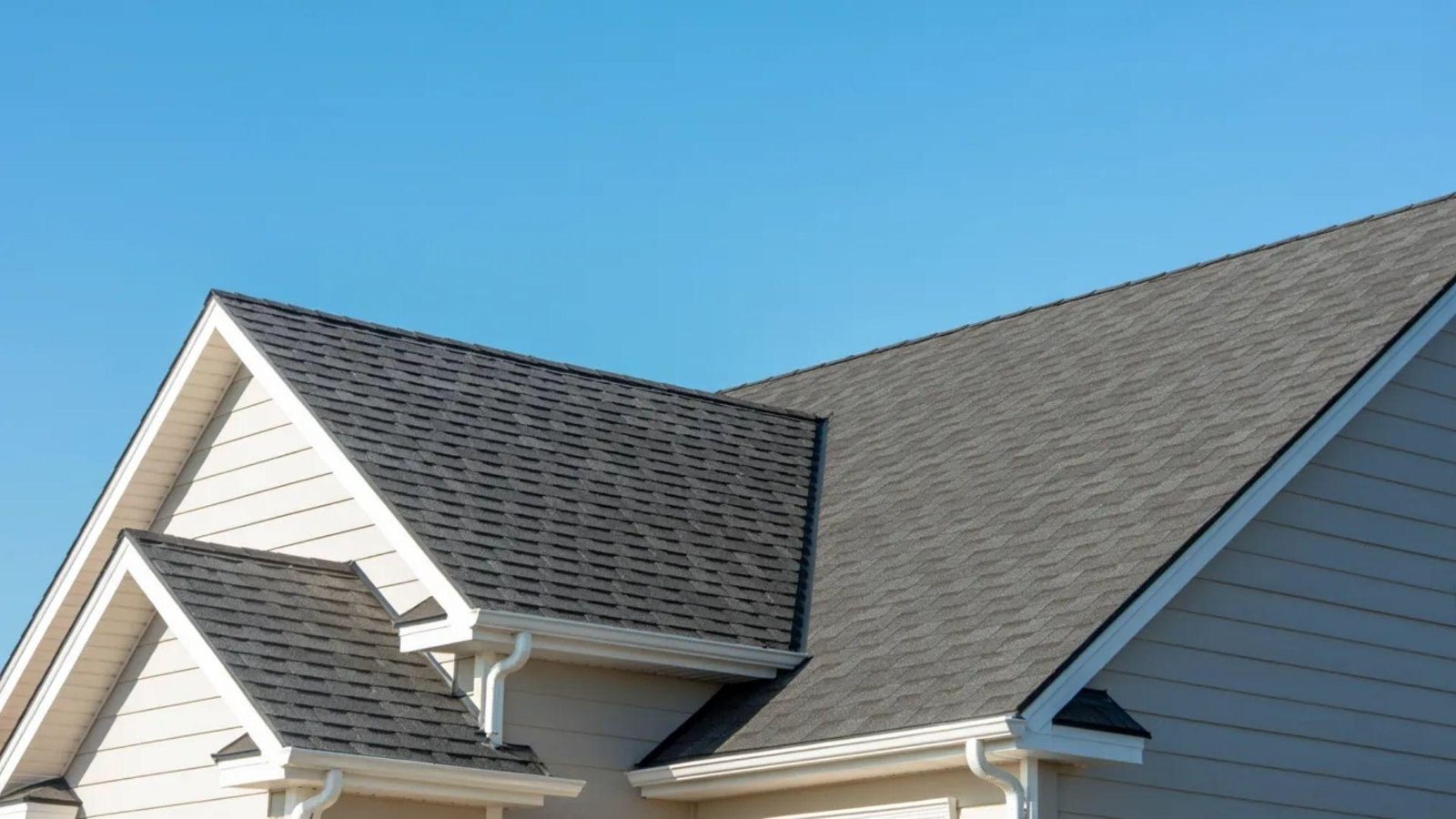
A new roof can raise a home’s resale value. Buyers often prefer houses with recently installed roofs because it reduces immediate repair concerns.
This improvement can provide a solid return on investment when selling the property.
2. Better Energy Efficiency
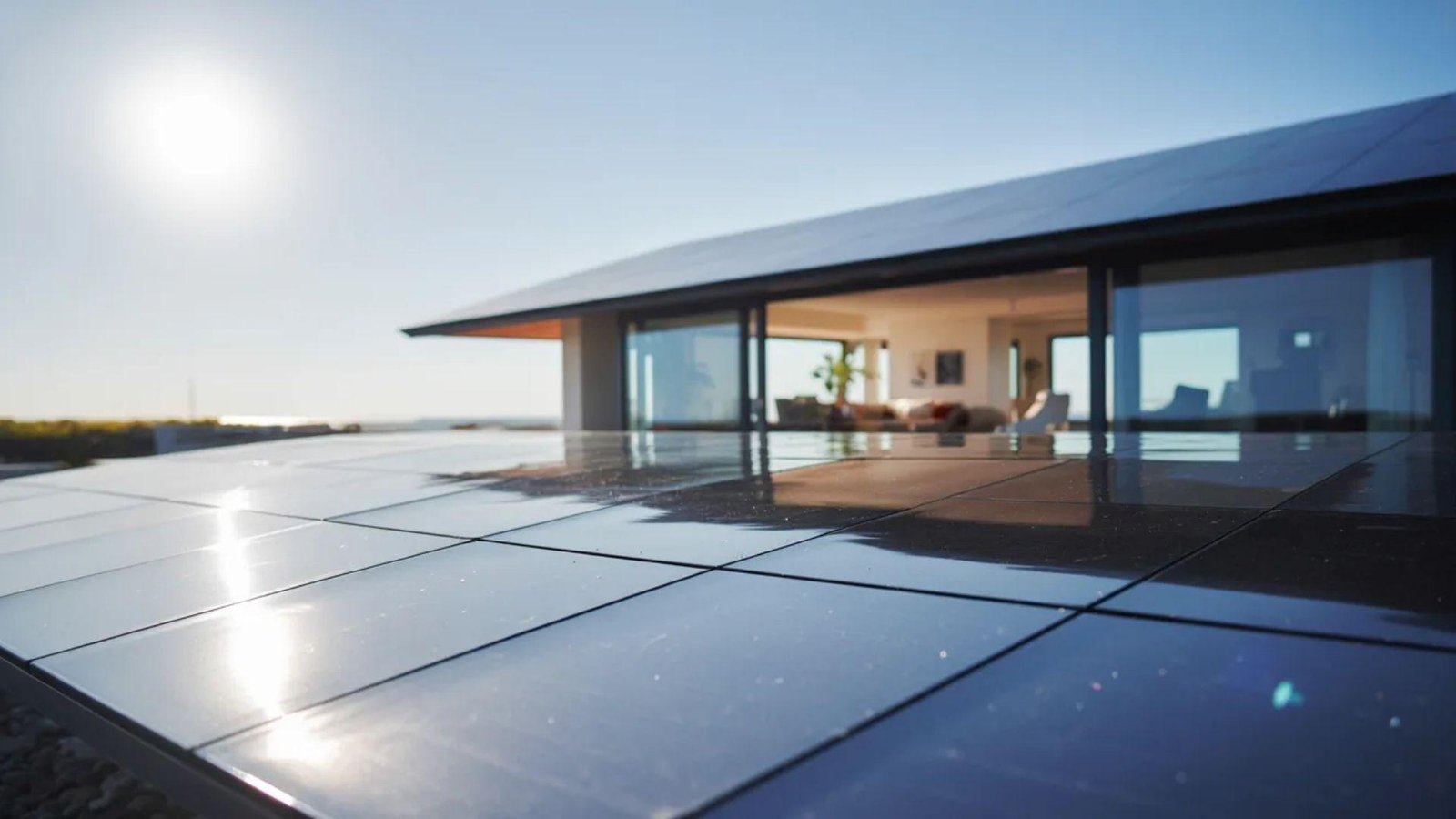
Modern roofs improve attic ventilation and reflect sunlight, helping keep homes cooler in summer.
This reduces heating and cooling demands, lowering energy bills. Efficient materials also help maintain a stable indoor temperature throughout the year.
3. Stronger Protection Against Weather
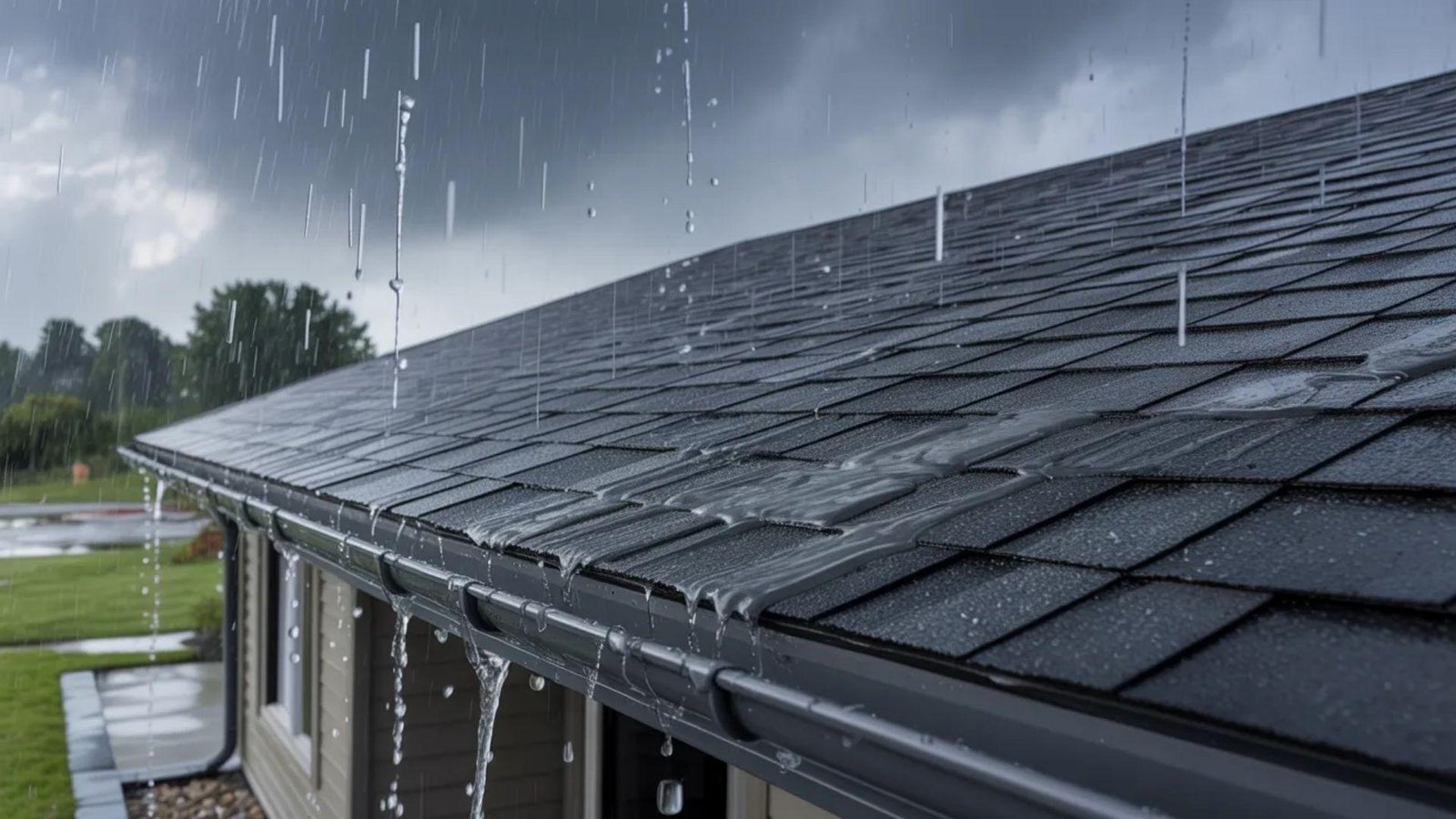
New roofs resist heavy rain, wind, snow, and moisture more effectively than older roofs.
They protect the home’s structure, prevent leaks, and reduce the risk of damage during storms, keeping both the building and its contents safe.
4. Reduced Repair Costs
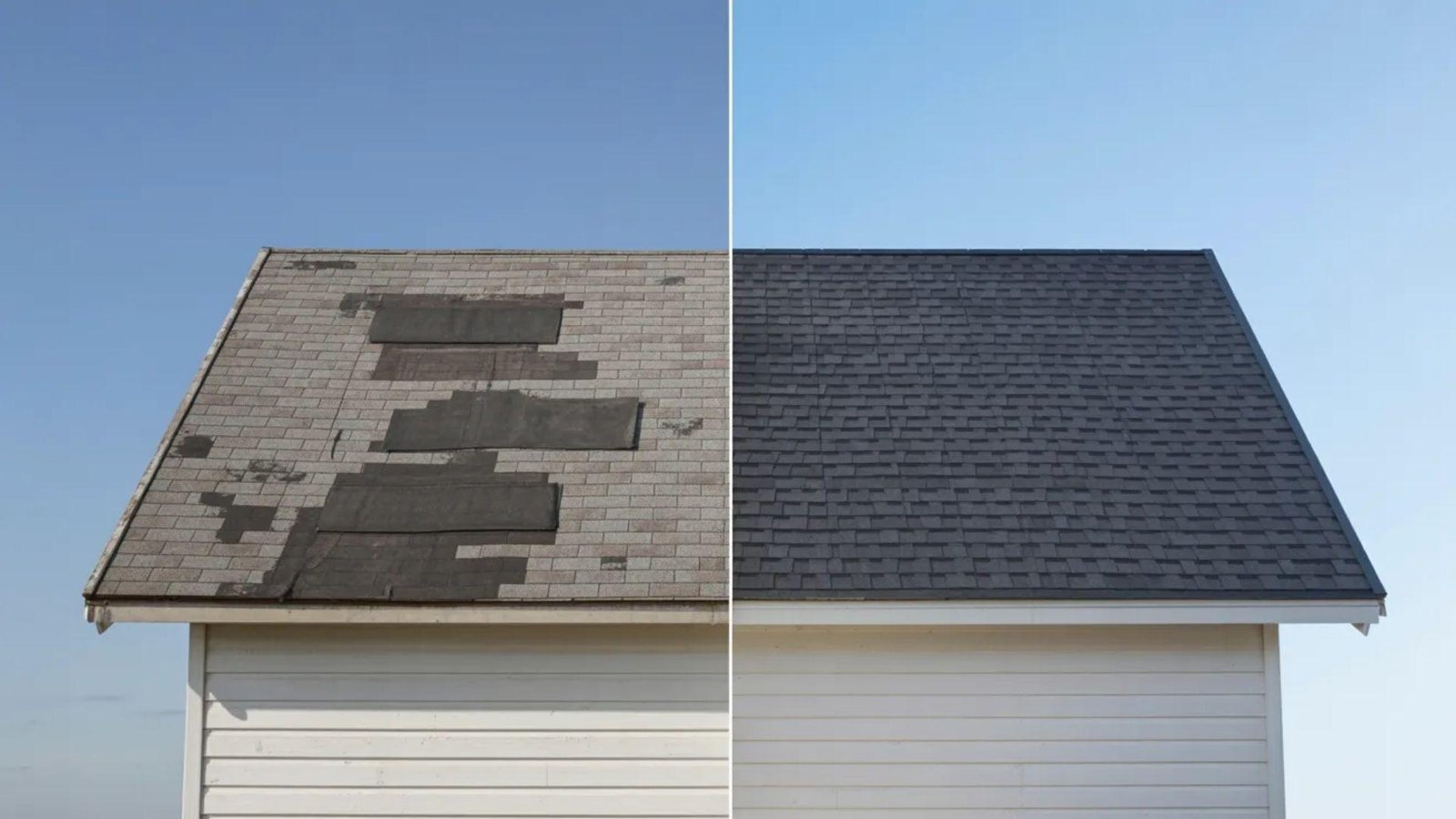
Replacing an old roof eliminates frequent patching and minor repairs.
This prevents small problems from becoming larger issues, saving money over time while maintaining the integrity of walls, ceilings, and the home’s overall structure.
5. Improved Home Appearance
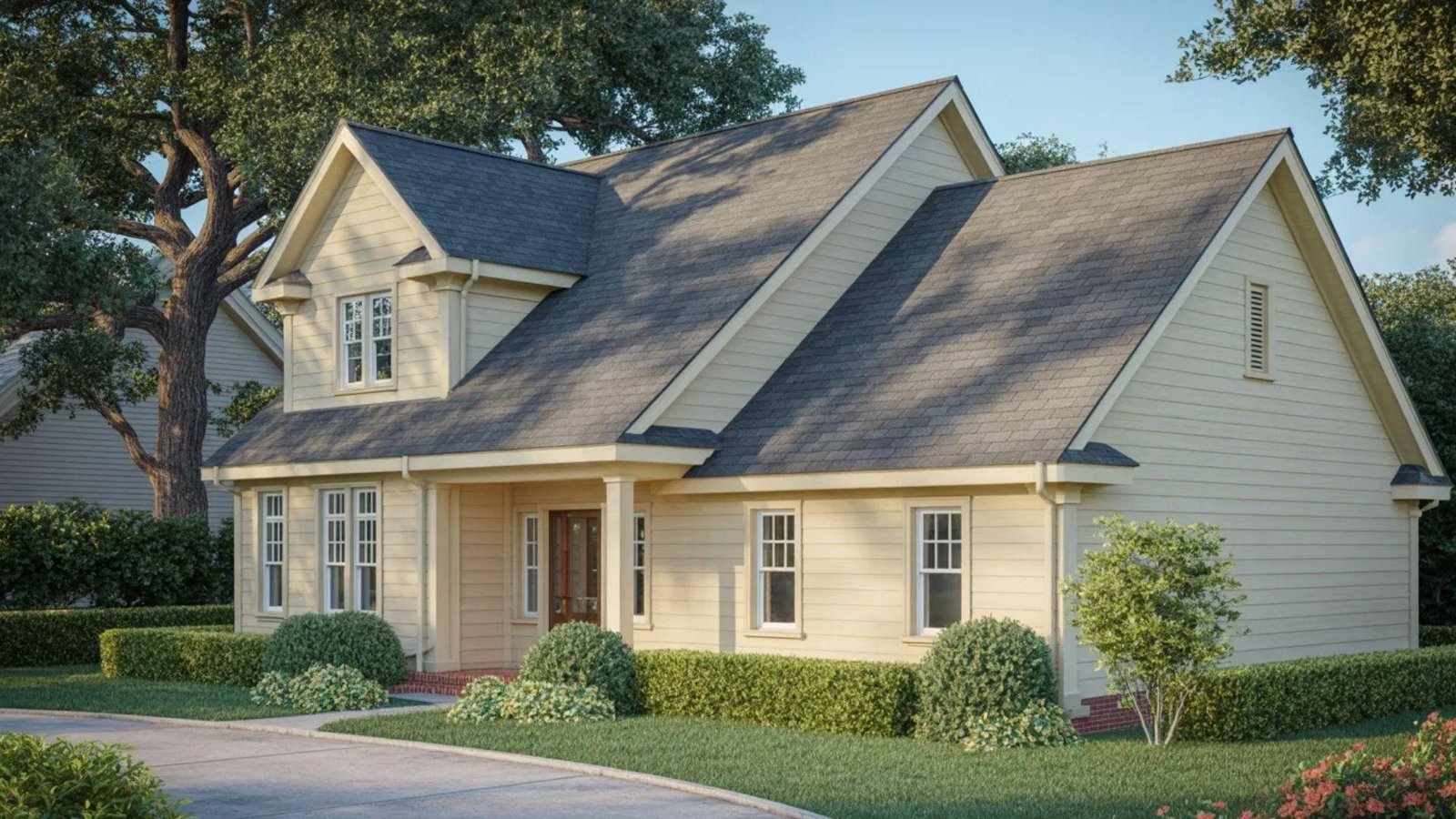
A new roof refreshes the exterior look of a house. Homeowners can choose colors and materials that match the design, giving the property a well-maintained appearance that adds visual appeal and can attract buyers.
6. Longer Lifespan with Modern Materials
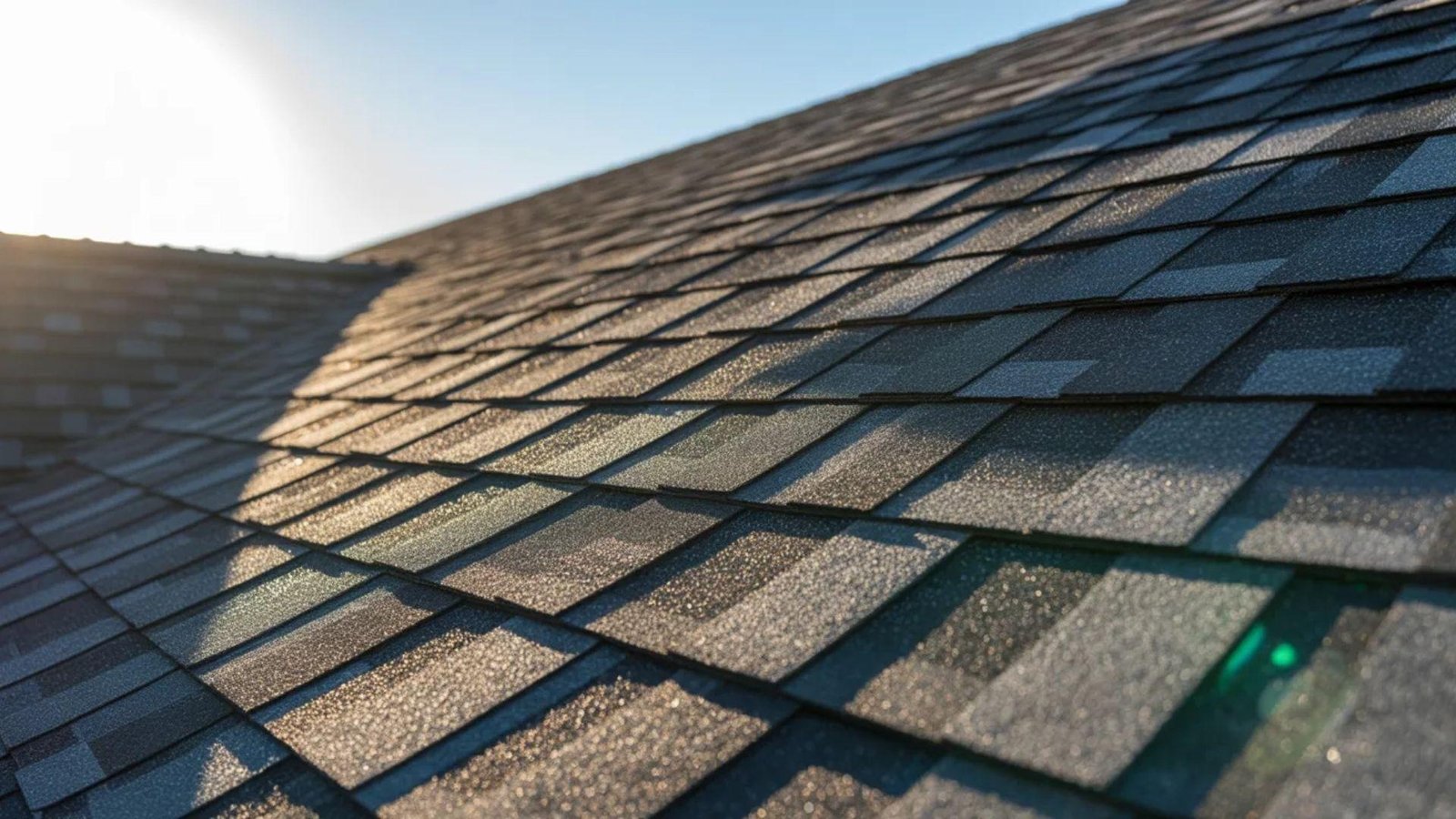
Modern roofing options like asphalt shingles, metal, or synthetic materials last longer than older types.
These roofs resist weather damage and reduce the need for replacement in the near future, offering long-lasting protection for the home.
7. Manufacturer Warranty Coverage
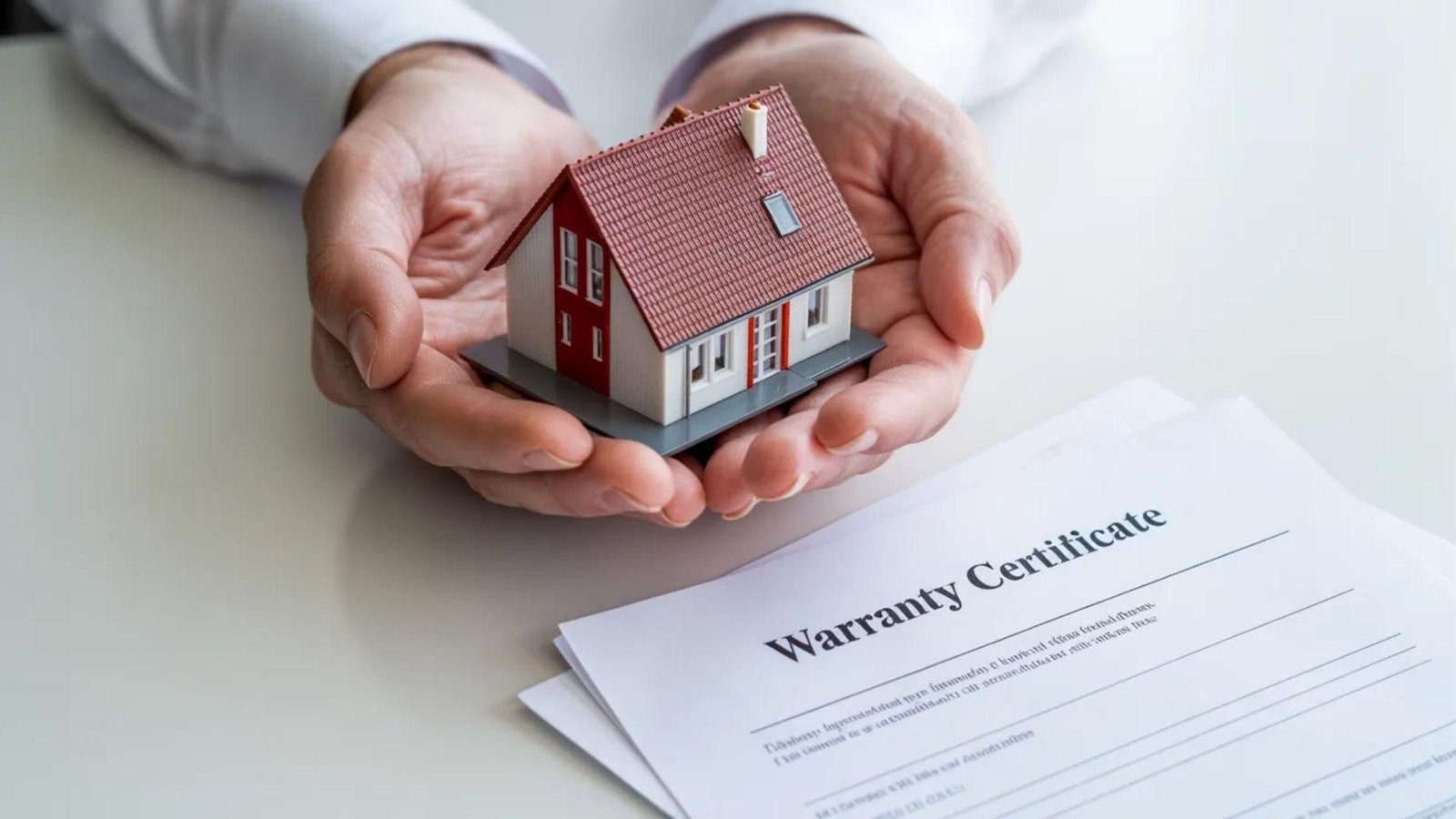
Most new roofs come with material and workmanship warranties. These guarantees cover defects or installation issues, providing homeowners with added security and reducing unexpected costs if problems occur during the warranty period.
8. Better Indoor Air Quality
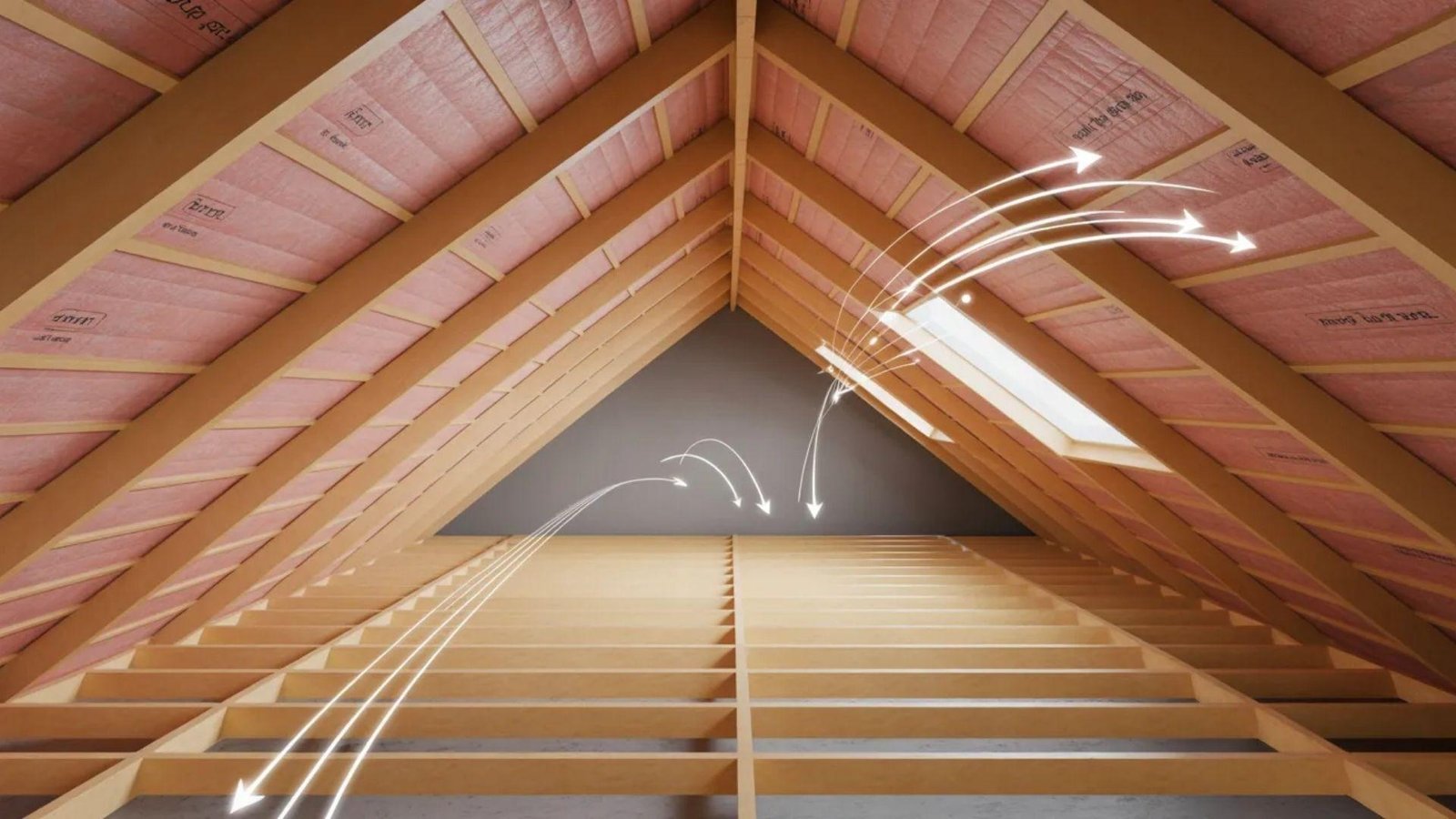
A new roof prevents leaks and moisture buildup, which can lead to mold and mildew. Keeping the home dry improves indoor air quality and reduces potential health risks for residents.
9. Increased Structural Safety
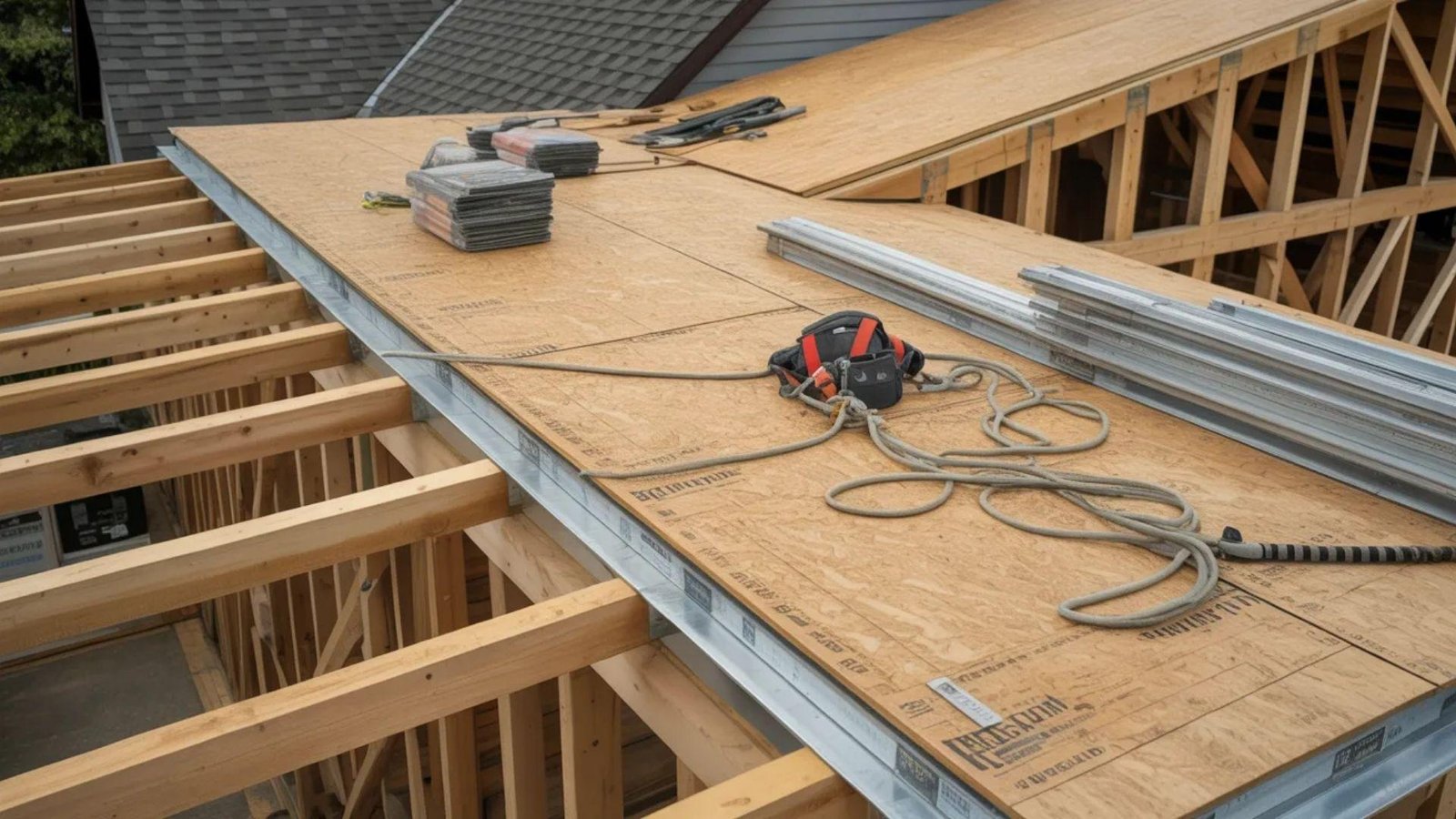
Installing a new roof replaces weakened decking and framing, strengthening the upper structure.
This ensures the roof can support weight and withstand storms, improving safety for everyone inside the home.
10. Lower Insurance Risk
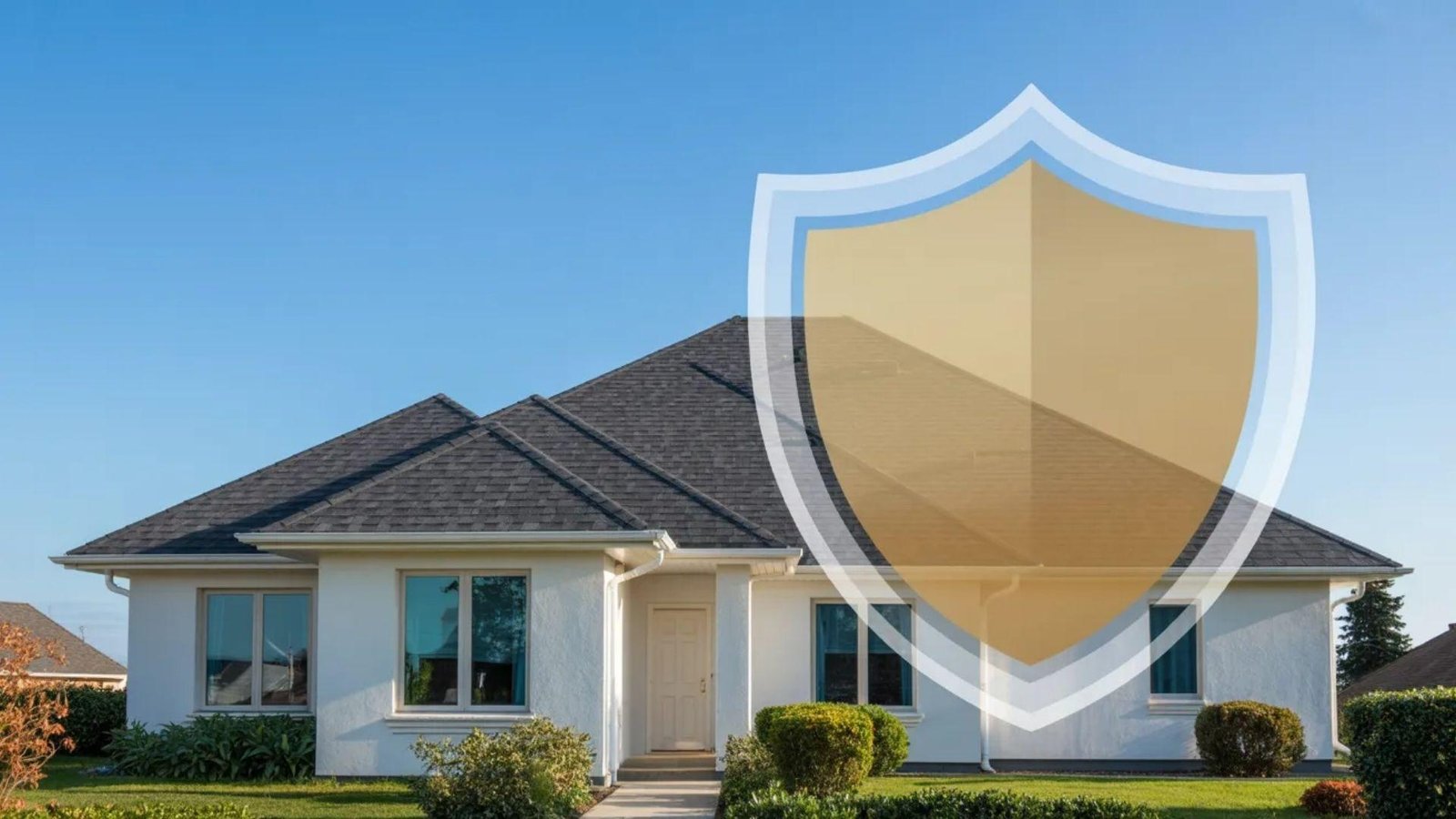
Insurance providers often offer better coverage or lower premiums for homes with newer roofs.
Replacing an old roof reduces the chance of claims related to leaks or storm damage, making homeowners eligible for potential savings.
11. Improved Attic Ventilation
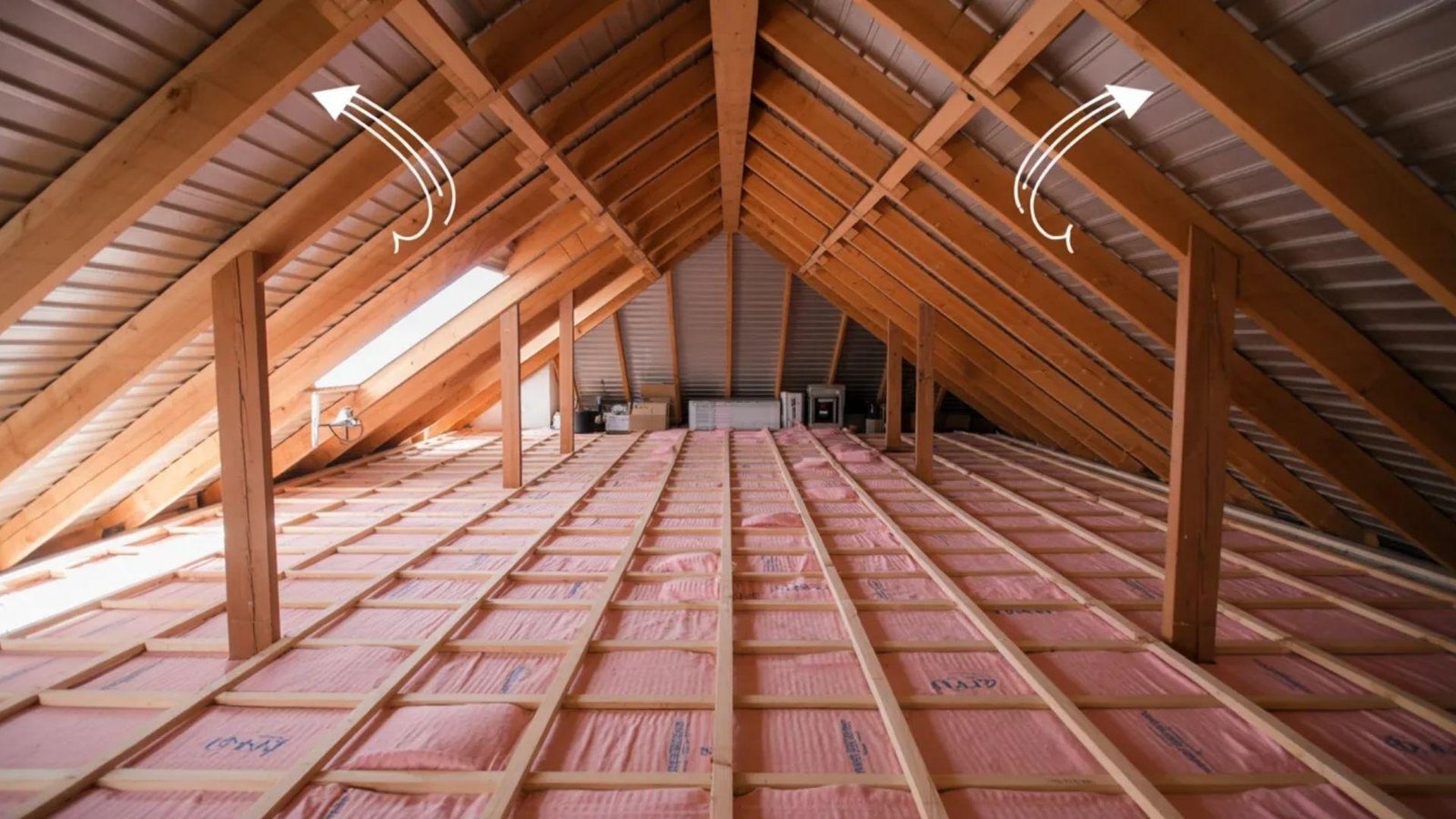
New roofs allow balanced airflow in attic spaces, which prevents heat buildup and condensation.
Proper ventilation extends the life of the roof and keeps indoor temperatures more comfortable throughout the year.
Financial Benefits of Installing a New Roof
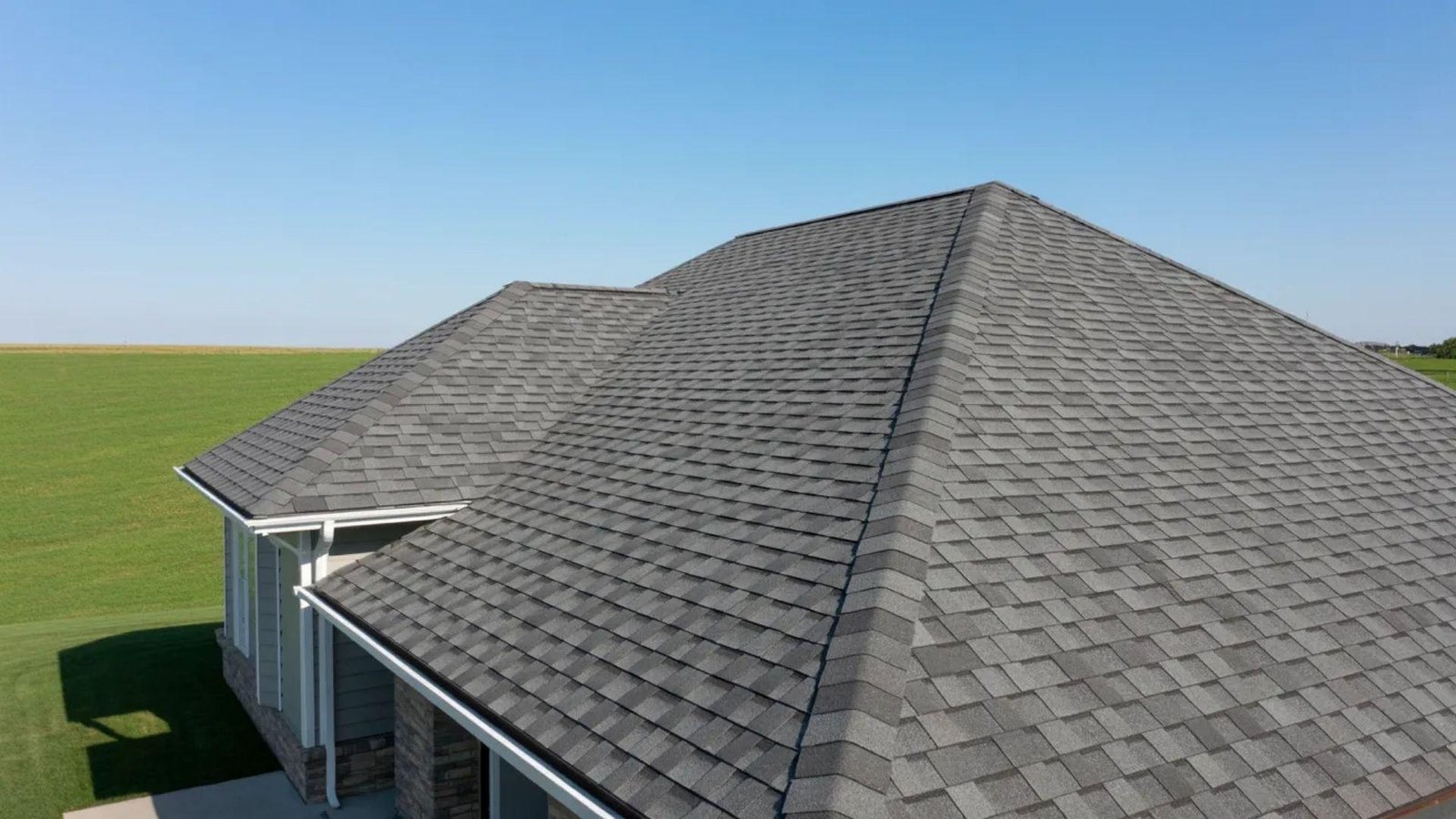 A new roof protects your home and can save money by increasing value, reducing repairs, and lowering energy bills.
Return on Investment for Roof Replacement
A new roof can boost a home’s resale value. Buyers prefer houses with recently installed roofs, which reduces concerns about repairs. On average, homeowners can see a good return when selling their property.
Long-Term Savings Compared to Constant Repairs
Replacing an old roof cuts down on frequent patching and small repairs. Over time, this saves money and prevents minor issues from turning into expensive structural problems, keeping both the home and wallet safer.
Energy Savings Over Time
Modern roofs improve insulation and reflect sunlight, helping maintain comfortable indoor temperatures.
This reduces heating and cooling costs while keeping energy use efficient, which can lower utility bills throughout the year.
Factors That Influence the Benefits of a New Roof
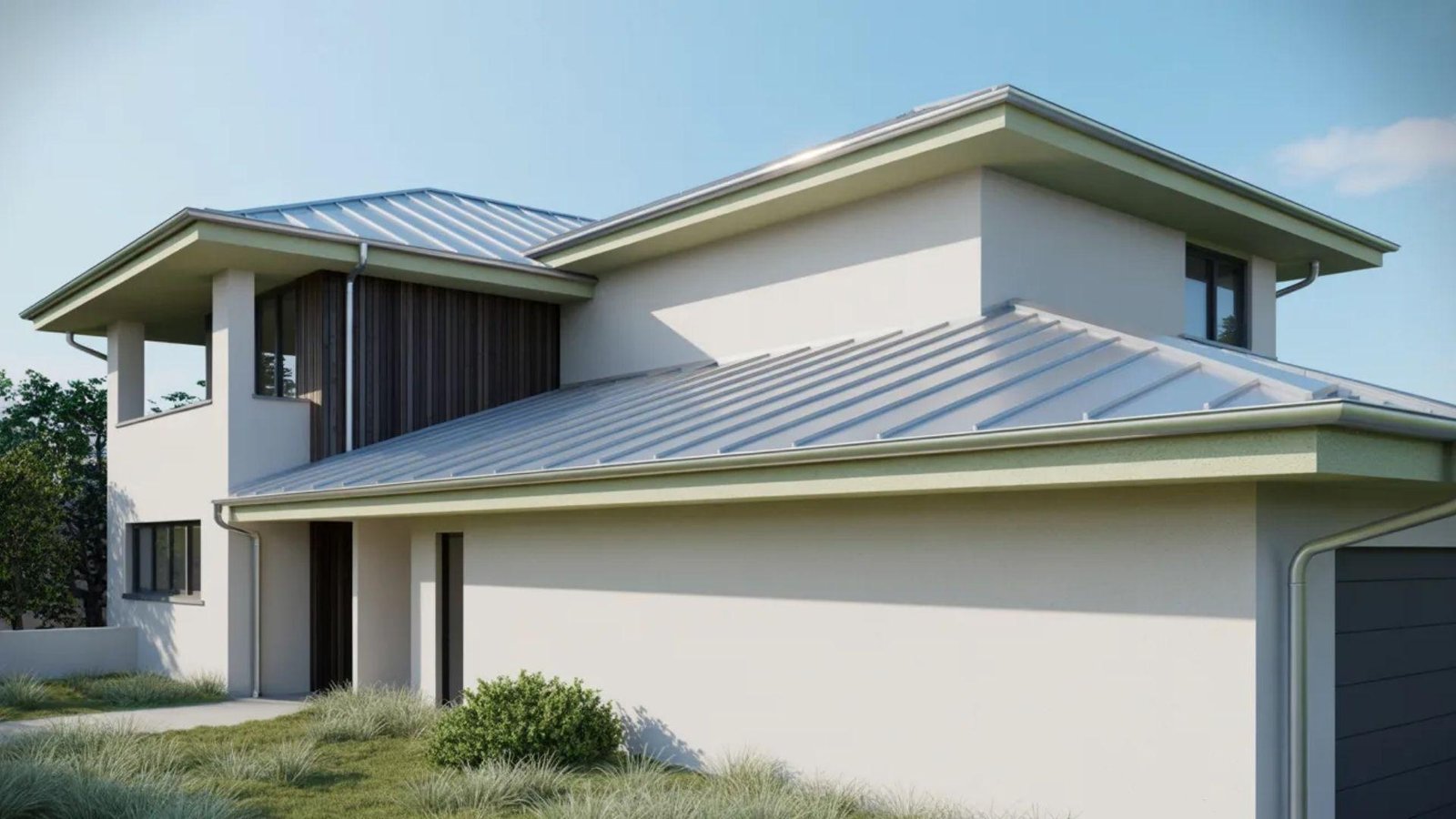
Choosing a new roof comes with different results depending on several key factors.
Roofing Material Type: Different materials last longer and reflect heat differently, affecting durability, energy efficiency, and overall roof performance.
Installation Quality: Proper installation ensures the roof functions as intended, prevents leaks, and extends its lifespan.
Climate Conditions: Rain, snow, wind, and sun exposure influence how long a roof lasts and how well it protects the home.
Attic Insulation and Ventilation: Good insulation and airflow help maintain indoor comfort, reduce energy costs, and prevent moisture buildup that can damage the roof.
Considering these factors can help homeowners maximize the advantages of a new roof.
Signs Your Home May Need a New Roof
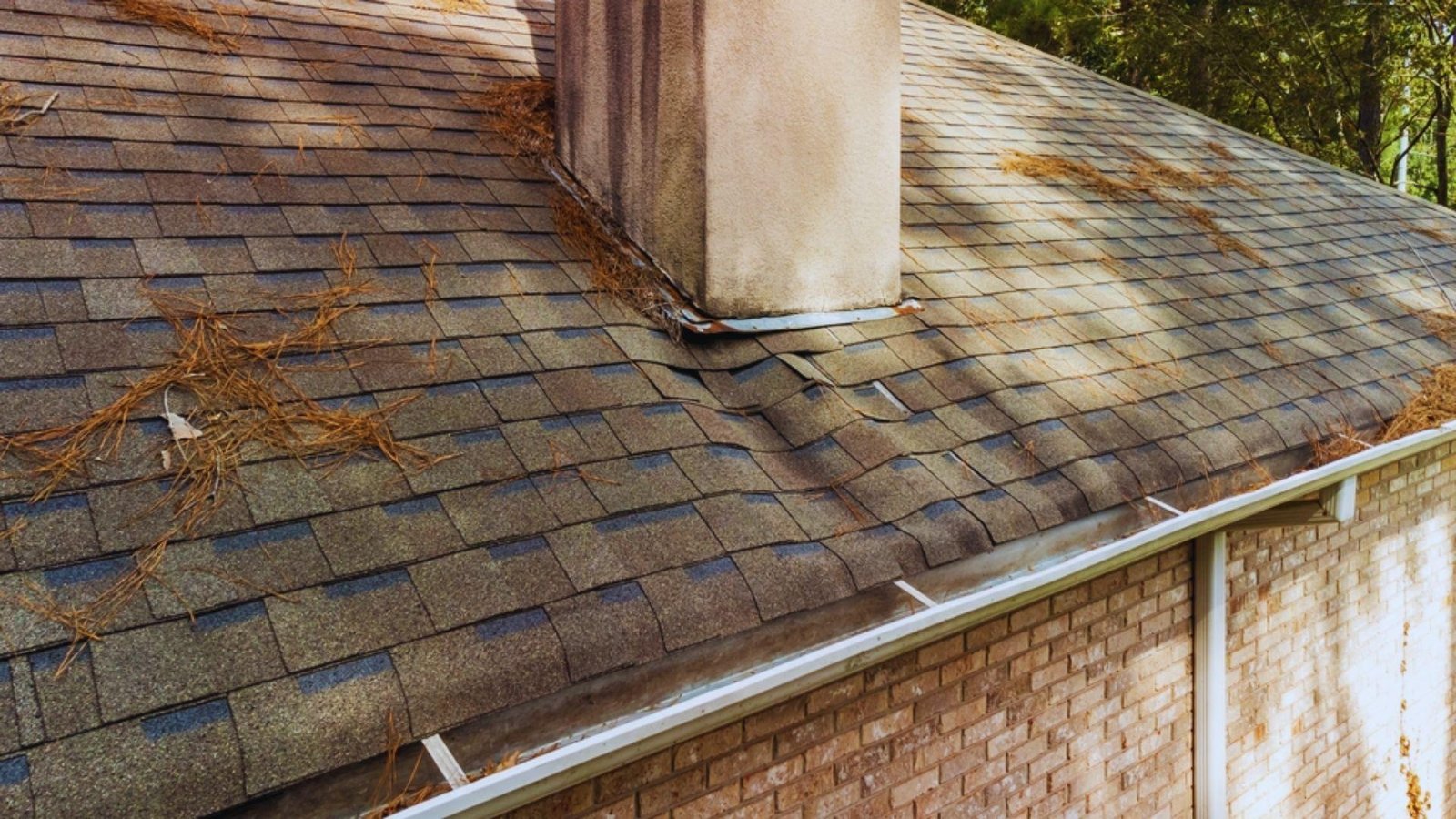
It’s important to know when a roof needs replacement to avoid costly damage.
Curling or Missing Shingles: Shingles that are curling, cracked, or missing reduce protection and increase the risk of leaks.
Frequent Leaks or Water Stains on Ceilings: Water marks or repeated leaks indicate that the roof is no longer keeping moisture out effectively.
Moss or Algae Growth: Excessive moss or algae can trap moisture, weaken shingles, and shorten the roof’s lifespan.
Sagging Roof Sections: Any sagging or uneven areas signal structural issues that may require immediate attention.
Roof Age Exceeding Typical Lifespan: Most roofs have a life expectancy of 20–25 years; older roofs often need replacement even if damage isn’t visible.
Regularly checking these signs helps protect your home and maintain its value.
Types of Roofing Materials Used in New Roof Installations

Choosing the right roofing material affects durability, appearance, and overall performance.
Asphalt Shingles: Affordable and easy to install, asphalt shingles are the most common roofing material. They offer decent durability, come in various colors, and suit many home styles.
Metal Roofing: Metal roofs are long-lasting, lightweight, and resistant to fire, wind, and snow. They reflect heat well, which can improve energy efficiency.
Tile Roofing: Tile roofs, usually made of clay or concrete, are durable and fire-resistant. They are heavier than other materials but provide a distinctive look and excellent longevity.
Slate Roofing: Slate is a premium natural stone roofing material. It is extremely durable, often lasting over a century, and offers high resistance to weather damage.
Synthetic Roofing Materials: Synthetic options, like rubber or polymer shingles, mimic other materials while being lightweight, durable, and low maintenance.
Choosing the right material ensures your new roof meets both functional and aesthetic needs.
New Roof vs Roof Repair: Which Option Is Better?
Deciding whether to repair or replace your roof depends on several factors that affect cost, durability, and safety.
| Factors / Considerations | Repairs | Replacement |
|---|---|---|
| Damage Level | Minor issues like small leaks or a few missing shingles. | Extensive damage, sagging areas, or widespread wear. |
| Roof Age | The roof is relatively new and mostly intact. | The roof is over 20-25 years old or near the end of its lifespan. |
| Cost | Lower upfront cost, quick fixes. | Higher initial cost, but avoids repeated repairs. |
| Long-Term Savings | May require frequent repairs over time. | Saves money over the years by reducing maintenance needs. |
| Home Value | Minimal impact on resale value. | Increases home value and buyer appeal. |
| Energy Efficiency | Limited improvement. | Modern materials improve insulation and reduce energy bills. |
Evaluating these factors helps homeowners make a choice that protects the home and manages expenses effectively.
How to Maximize the Benefits of a New Roof
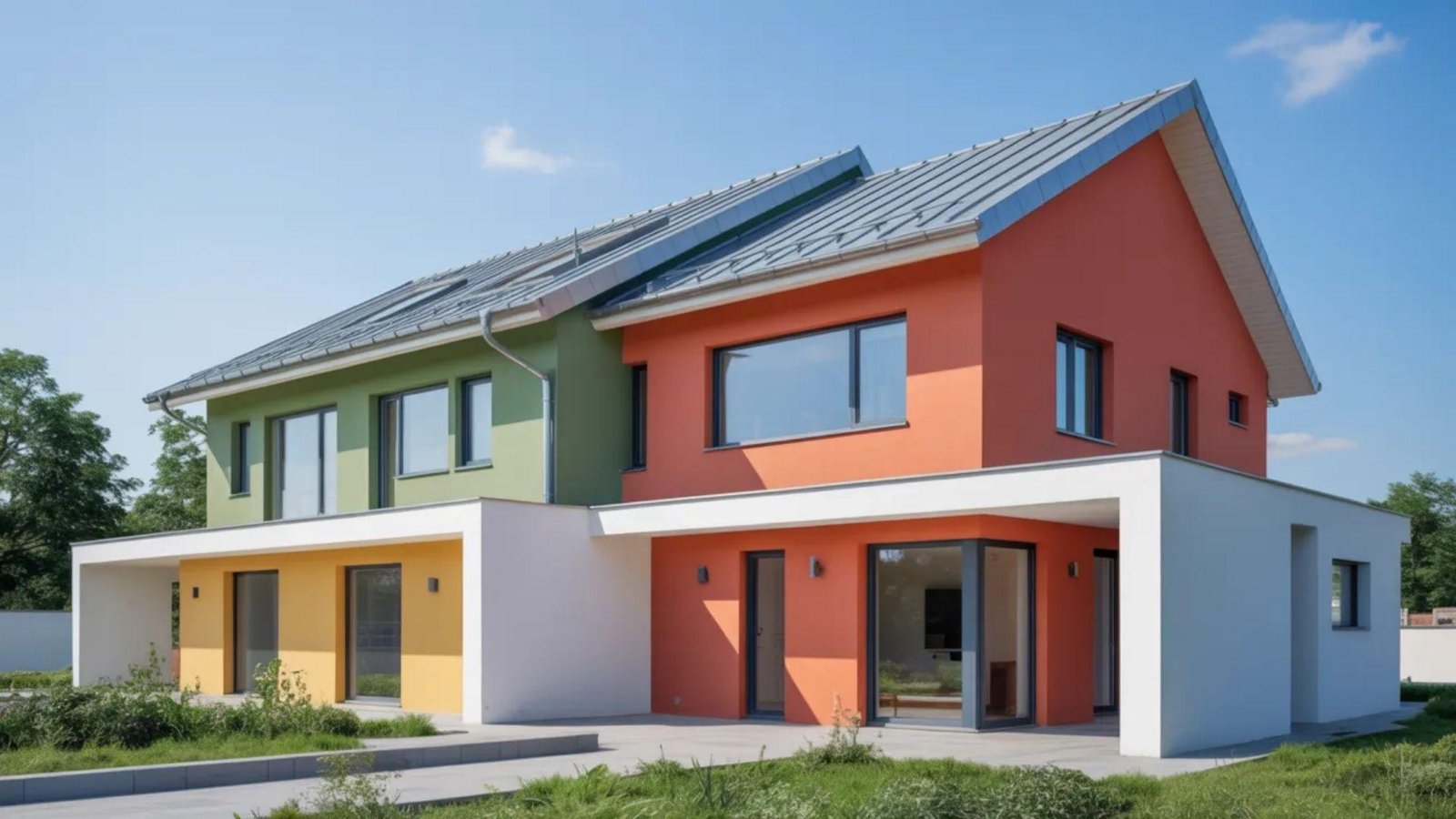
Making the most of a new roof helps it last longer and perform better.
Hiring a Qualified Roofing Contractor: A licensed, experienced contractor ensures proper installation and avoids future leaks or issues.
Choosing High-Quality Roofing Materials: Durable materials suited to your home and climate increase lifespan and reduce repairs.
Proper Roof Ventilation Design: Good ventilation prevents heat and moisture buildup, protecting the roof and keeping indoor temperatures stable.
Regular Roof Maintenance After Installation: Simple upkeep like inspections and gutter cleaning, extends the roof’s life and prevents costly damage.
Following these steps helps homeowners get the best performance and value from a new roof.
Final Thoughts
Understanding the benefits of a new roof helps you protect your home, keep your family comfortable, and save on repairs and energy bills.
By choosing the right materials, working with an experienced contractor, and maintaining your roof, you ensure long-lasting protection and peace of mind.
Every decision you make about your roof can make a real difference in your home’s safety and value.
Take the first step toward a stronger, more efficient home today. Book a roof check and see how your home can stay protected year-round!
Frequently Asked Questions
How Much Energy Savings Can A New Roof Provide?[a]
A new roof can cut energy bills by 10-20%, depending on insulation, ventilation, and reflective materials.
How Long Does A New Roof Typically Last?
Most roofs last 20-50 years, depending on the material, with asphalt shingles lasting 20-30 years and metal or slate lasting longer.
Does Replacing A Roof Lower Insurance Premiums?
Newer roofs may lower insurance premiums as they reduce the risk of leaks and storm damage.
Can a New Roof Reduce Noise Inside the Home?
Yes, a new roof can help reduce outside noise. Modern materials and proper insulation act as a barrier, making indoor spaces quieter and more comfortable.
How Often Should A Roof Be Replaced?
Roofs usually need replacement every 20-25 years, or sooner if signs of damage appear.


