

I’ve been getting this question a lot lately. More people are choosing tiny homes, RVs, and compact living spaces. and wet baths.
A wet bath is different from your regular bathroom. It’s a space-saving solution that combines everything into one waterproof area. You’ll find them in RVs, tiny houses, and small apartments.
The concept might sound strange at first. Your toilet gets wet when you shower. Your sink area gets splashed too. But thousands of people use wet baths daily without problems. They’ve figured out smart ways to make them work.
The key is understanding what you’re getting into. Wet baths require different habits than regular bathrooms. But they offer real benefits for the right situations. Smart design makes all the difference.
That depends on your lifestyle and needs. I’ll walk you through the pros and cons.
What Is a Wet Bath?

A wet bath is a bathroom where the entire space gets wet when you shower. Think of it as one big shower stall with a toilet and sink inside.
Here’s the key difference. In a regular bathroom, you have separate areas. The shower stays in its own space. The toilet and sink remain dry.
In a wet bath, everything shares the same waterproof space. When you shower, water hits the walls, floor, and everything else. That’s why it’s called a “wet” bath.
Most wet baths include:
- A toilet
- A sink or small vanity
- A showerhead
- A floor drain
- Waterproof walls and flooring
You’ll find wet baths in RVs, tiny homes, boats, and studio apartments. They’re also common in pool houses and guest bathrooms where space is tight.
Pros & Cons of a Wet Bath

Pros of a Wet Bath:
- Space-Saving: Wet baths fit into incredibly small spaces. You can squeeze one into areas as small as 20 square feet. That’s smaller than most closets.
- Easy to Clean: Cleaning becomes simple. Spray down the entire space with a hose or handheld shower. Everything is waterproof, so you can clean it all at once.
- Cost-Effective: You’ll save money on construction. Less plumbing means lower costs. Fewer materials needed too. One waterproof membrane covers everything.
- Streamlined Design: The design is clean and minimal. No shower doors to maintain. No separate shower pan to install. Everything flows together.
Cons of a Wet Bath:
- Everything Gets Wet: Your toilet paper gets soaked. Towels hanging nearby get damp. Any items left on counters get wet during showers.
- Slippery Floors: Wet floors can be dangerous. Without proper drainage, water pools. This creates slip hazards, especially for older adults.
- Limited Storage: Cabinet space is limited. Most storage must be waterproof or elevated. You can’t store much inside the space.
- May Not Suit Everyone: Some people find wet baths uncomfortable. Privacy feels limited. The compact space can feel cramped.
Who Should Consider a Wet Bath?
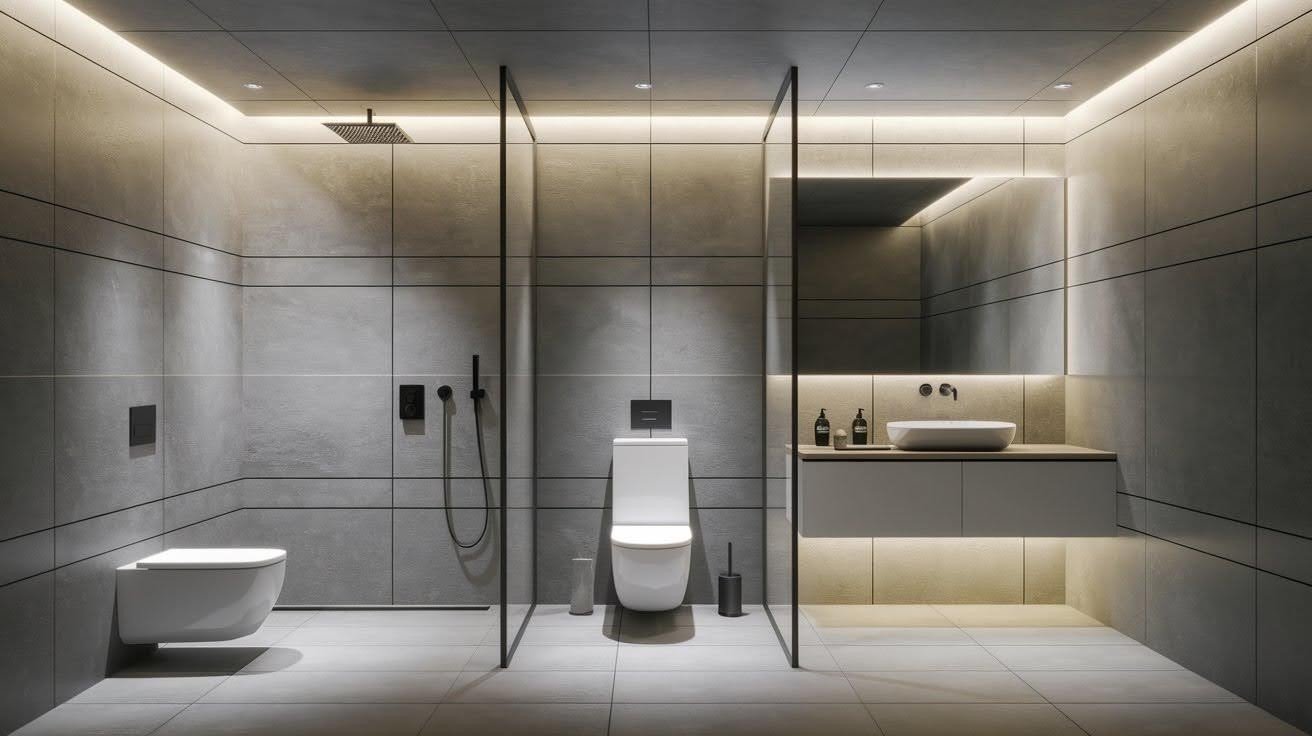
RV Owners: RVs have limited space. Every square foot counts. A wet bath maximizes your bathroom area while saving weight.
Tiny Home Dwellers: Tiny homes need smart space solutions. A wet bath frees up room for living areas. It fits the minimalist lifestyle perfectly.
Homeowners Remodeling: Guest bathrooms don’t need full-size showers. Pool houses work great with wet baths. They’re practical for spaces you won’t use daily.
Urban Apartments: Small city apartments benefit from wet baths. Studio apartments especially. You get a full bathroom in minimal space.
Wet Bath Design Tips
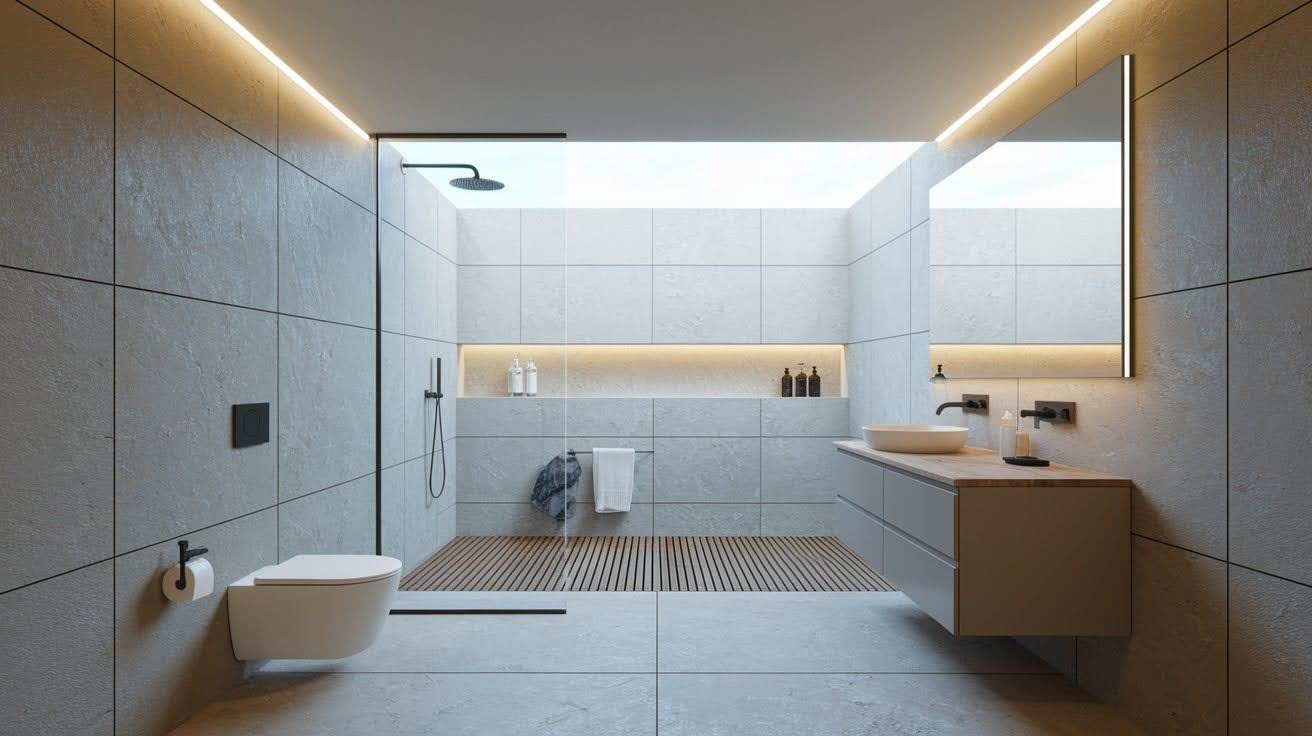
- Use waterproof materials on all surfaces
- Add a well-placed floor drain in the center or corner
- Install a toilet paper guard or covered dispenser
- Mount towel racks outside the wet area
- Include a shower curtain or glass partition if space allows
- Add built-in niches in walls for storage
- Use anti-slip flooring materials
- Install a handheld showerhead for better control
- Consider a fold-down shower seat
- Add hooks on walls for hanging items
- Use floating shelves that drain well
- Install bright LED lighting that’s waterproof
Wet Bath Maintenance Tips
- Install exhaust fans to prevent moisture buildup
- Open windows or vents after each use
- Wipe down surfaces regularly to prevent mold
- Use mildew-resistant grout or seamless wall panels
- Clean the floor drain monthly
- Check waterproof seals around fixtures
- Use bathroom cleaners designed for frequent use
- Keep towels and toiletries outside the wet area
- Squeegee walls after showers when possible
- Replace exhaust fan filters regularly
Conclusion
Wet baths aren’t for everyone. But they solve real problems for many people. If you’re working with limited space, they’re worth considering. RV owners love them. Tiny home builders swear by them.
The key is good design. Proper drainage prevents problems. Waterproof materials last longer. Smart storage keeps things organized.
Think about your lifestyle. Do you need a luxurious bathroom? Or do you want something simple and functional? Wet baths work best for people who value efficiency over comfort.
I’ve seen great wet bath designs in small spaces. With the right planning, they work well. Just remember to prioritize safety and ventilation. Your wet bath can serve you well for years.
Frequently Asked Questions
How small can a wet bath be?
You can build a wet bath in as little as 20 square feet. Most comfortable designs use 25-30 square feet. Anything smaller feels cramped for most people.
Do wet baths smell bad?
Not if you maintain them properly. Good ventilation prevents odors. Clean regularly and use exhaust fans. Poor drainage causes most smell problems.
Are wet baths safe for elderly people?
They can be with proper design. Install grab bars and anti-slip flooring. Add a shower seat. Good lighting helps prevent falls.
How much does a wet bath cost to install?
Basic wet baths cost $2,000-5,000 to install. High-end versions cost $8,000-15,000. They’re cheaper than traditional bathrooms because they need less plumbing.
Can I convert my regular bathroom to a wet bath?
Yes, but it requires major renovation. You’ll need to waterproof everything. Install proper drainage. Move electrical fixtures. It’s often easier to build new.


