
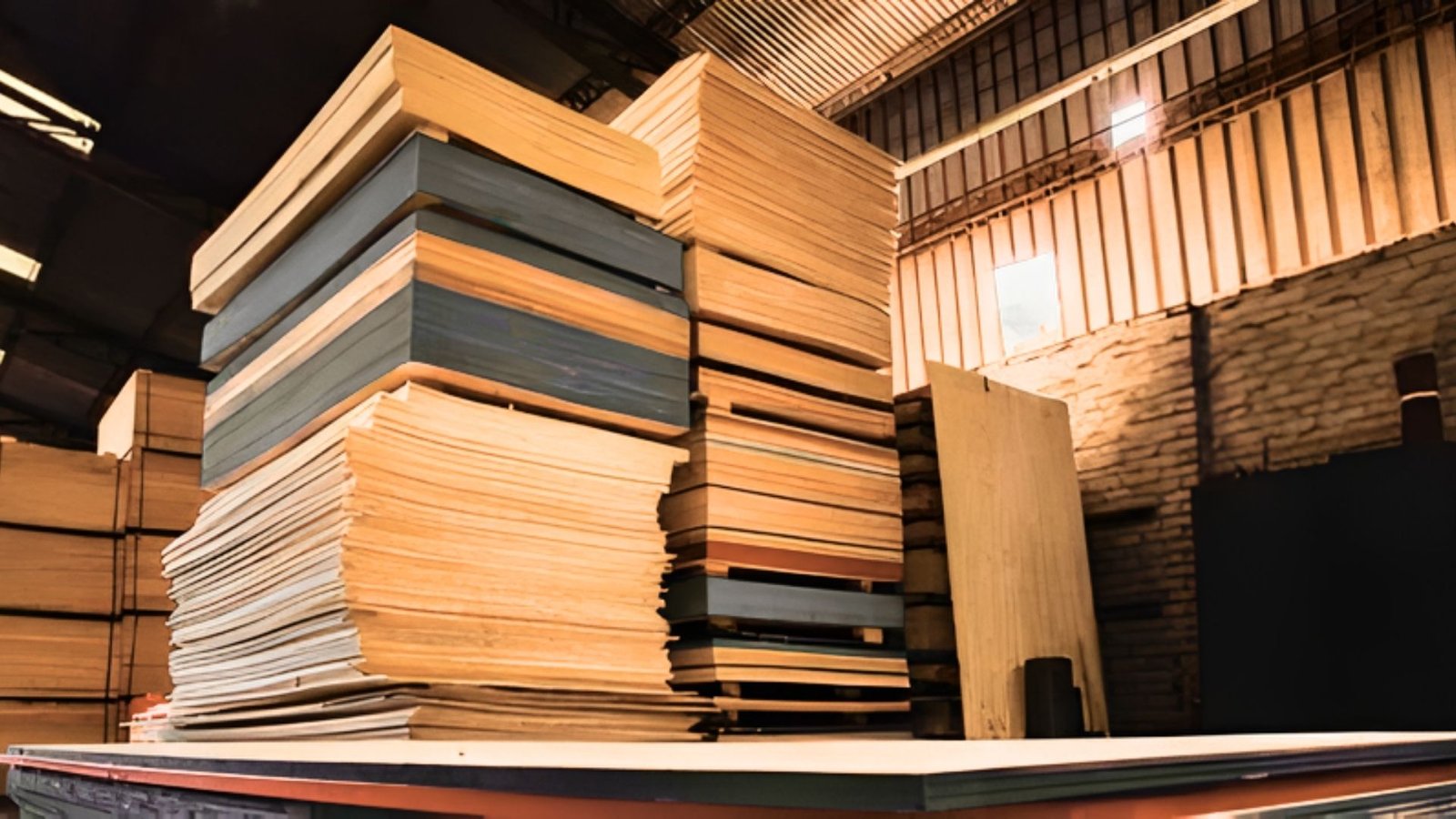
Ever noticed a plywood stamp at the jobsite and wondered if it really matters?
If you are planning a build or renovation, understanding what RTD plywood is can save you from costly mistakes later.
I have seen many projects run smoother simply because the right panel was chosen at the start.
RTD plywood is made for real construction work, where strength, moisture, and inspections all come into play.
This guide breaks it down in simple terms so you know exactly what you are buying and why it works where it does.
What Is RTD Plywood? Quick Overview
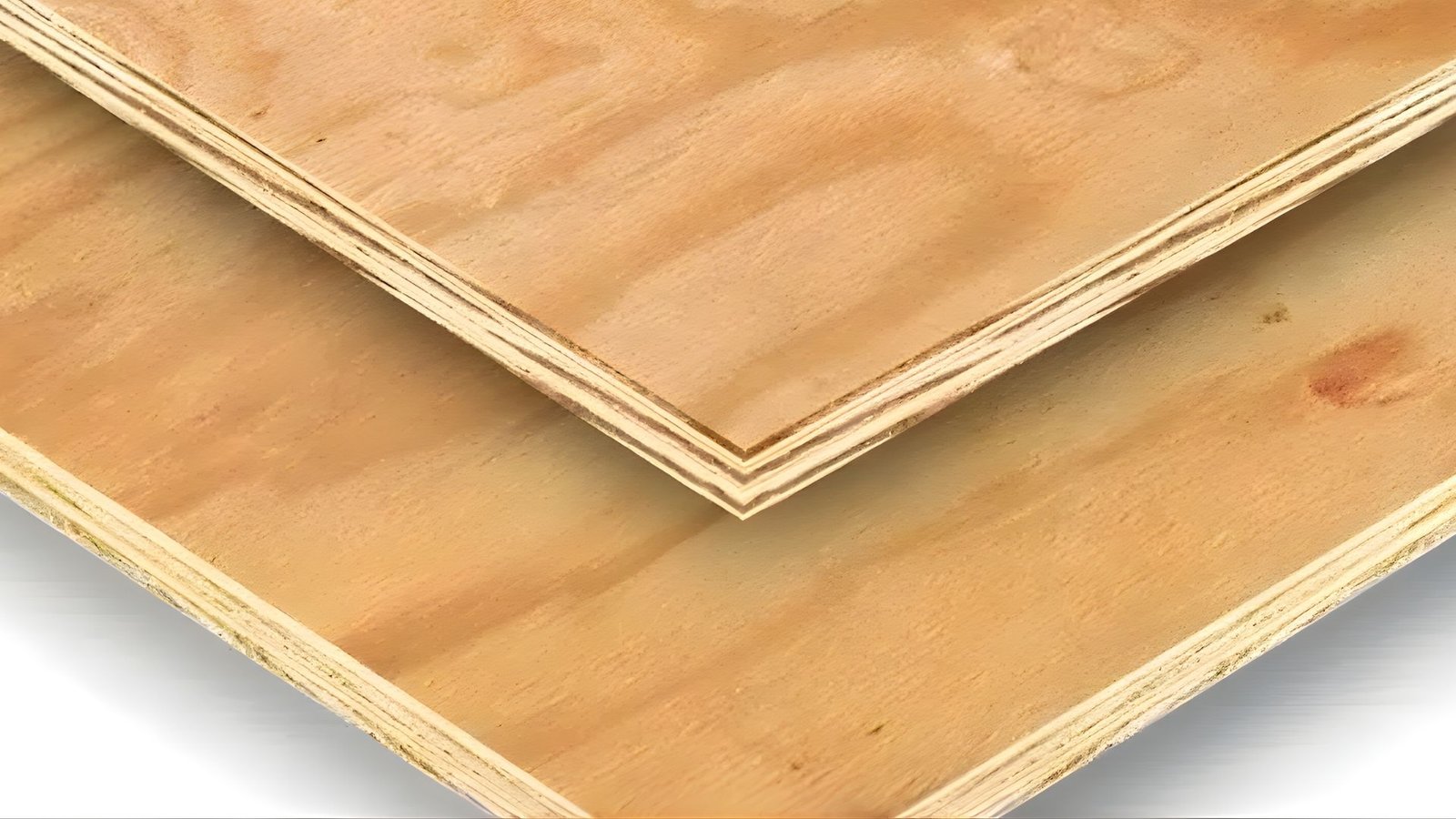
RTD plywood is a structural-grade plywood used in roofing, subfloors, and wall sheathing.
RTD stands for Resistance Temperature Detector, which refers to how temperature is controlled during manufacturing to ensure strong glue bonding.
It is often sold as APA Rated Sheathing, meaning it meets building code requirements for load and span ratings.
RTD plywood is considered structural because it is made and tested to carry weight and perform under normal construction moisture.
It is different from non-rated plywood, which may look similar but is not verified for strength or bonding.
RTD does not mean treated, waterproof, or decorative. It describes manufacturing quality and reliability, not appearance.
How RTD Plywood Is Made
than appearance. Thin wood veneers are layered with alternating grain directions to improve strength and reduce warping.
These layers are bonded using Exposure 1 water-resistant adhesive, which can handle short-term moisture during construction.
The manufacturing steps are straightforward and controlled:
- Thin wood veneers layered with cross-grain construction
- Use of Exposure 1 water-resistant adhesives
- Hot-press bonding to fuse layers together
- RTD sensors monitor heat to ensure even glue curing
After pressing, panels are checked for bond quality and structural performance before being graded and stamped for approved use.
Exposure 1 glue is designed for temporary moisture exposure. It can handle rain or humidity during construction but is not waterproof and not meant for permanent outdoor exposure.
Exterior-rated panels use different adhesive systems.
What is RTD Plywood: Key Properties
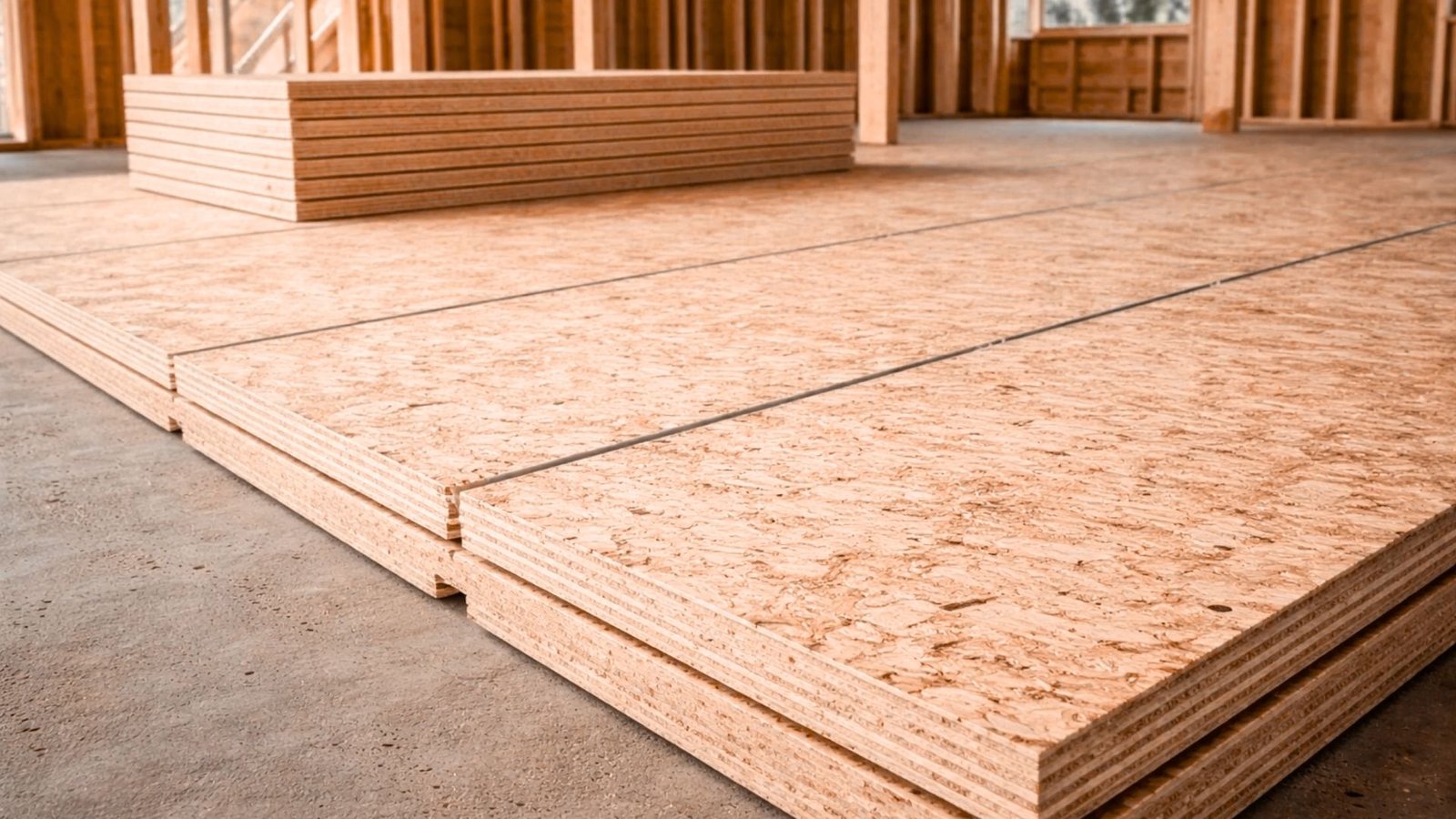
RTD plywood is known for consistent performance in structural applications. Its key properties explain why builders trust it for roofs, floors, and wall sheathing.
1. Structural Strength and Load-Bearing Ability
RTD plywood is designed to carry weight safely in structural applications like roofs and subfloors.
The controlled bonding process ensures strong glue lines between veneers, allowing the panel to distribute loads evenly.
This makes RTD plywood reliable for spanning framing members without excessive flexing or early failure during normal construction use.
2. Dimensional Stability
RTD plywood offers good dimensional stability, meaning it resists warping, twisting, and cupping.
The cross-grain veneer layout and even glue curing help the panel stay flat over time.
This stability is important for roofs and floors, where uneven panels can cause installation issues or long-term performance problems.
3. Moisture Resistance During Construction
RTD plywood uses Exposure 1 adhesives, which are designed to handle temporary moisture.
The panel can tolerate rain, humidity, and damp conditions while the structure is being built.
However, it is not waterproof and should be covered or protected once construction is complete to prevent long-term moisture damage.
4. Thickness and Span Consistency
RTD plywood is manufactured with tight quality control, resulting in consistent thickness across each panel.
This consistency helps ensure proper fastening, even surfaces, and predictable performance.
Builders rely on this uniformity to meet code requirements and avoid uneven floors or roof planes during installation.
5. Common Span Ratings
RTD plywood is often sold as APA Rated Sheathing with span ratings such as 24/16 or 32/16.
These ratings indicate the maximum spacing for roof and floor framing.
Following span ratings helps ensure the panel performs safely under load and passes building inspections without issues.
Common Uses of RTD Plywood
RTD plywood is used in structural areas where strength and consistency are required. It is suitable for covered building applications during and after construction.
Subflooring applications: RTD plywood is used for subfloors because it can carry loads and maintain a flat surface. Its consistent thickness supports proper fastening and stable finished flooring.
Roof decking: RTD plywood is commonly used for roof sheathing. It performs well under heat and short-term moisture and meets span requirements for roof framing.
Wall sheathing: RTD plywood is used for exterior wall sheathing to add structural support and provide a stable base for exterior finishes.
Temporary exterior exposure during construction: RTD plywood can handle short-term exposure to rain or humidity during construction. It should be covered once the structure is enclosed.
NOTE: RTD plywood should not be used for direct outdoor exposure, decorative furniture, or visible finished surfaces, as it is not waterproof or appearance-grade.
RTD Plywood vs. Other Plywood Types
Choosing the right plywood depends on strength, moisture tolerance, and intended use. This table shows how RTD plywood compares with other common plywood types in simple terms.
|
Feature |
RTD Plywood |
CDX Plywood |
OSB |
Interior Plywood |
|
Definition |
Structural plywood made with controlled temperature bonding |
Standard construction-grade structural plywood |
Engineered panel made from compressed wood strands |
Plywood intended for indoor, non-structural use |
|
Structural Use |
Yes |
Yes |
Yes |
No |
|
Moisture Tolerance |
Temporary moisture (Exposure 1) |
Moderate |
Swells when wet |
Poor |
|
Strength & Load Performance |
High and consistent |
Good |
High but rigid |
Low |
|
Nail-Holding Ability |
Very good |
Good |
Fair |
Good |
|
Dimensional Stability |
High |
Moderate |
Lower when wet |
Stable indoors |
|
Cost |
Higher |
Lower |
Usually lowest |
Varies |
|
Pros |
Consistent bonding, reliable strength |
Affordable and widely available |
Cost-effective, strong |
Smooth surface for interior use |
|
Cons |
Higher cost, not decorative |
Less consistent quality |
Moisture swelling |
Not structural |
How to Choose the Right RTD Plywood
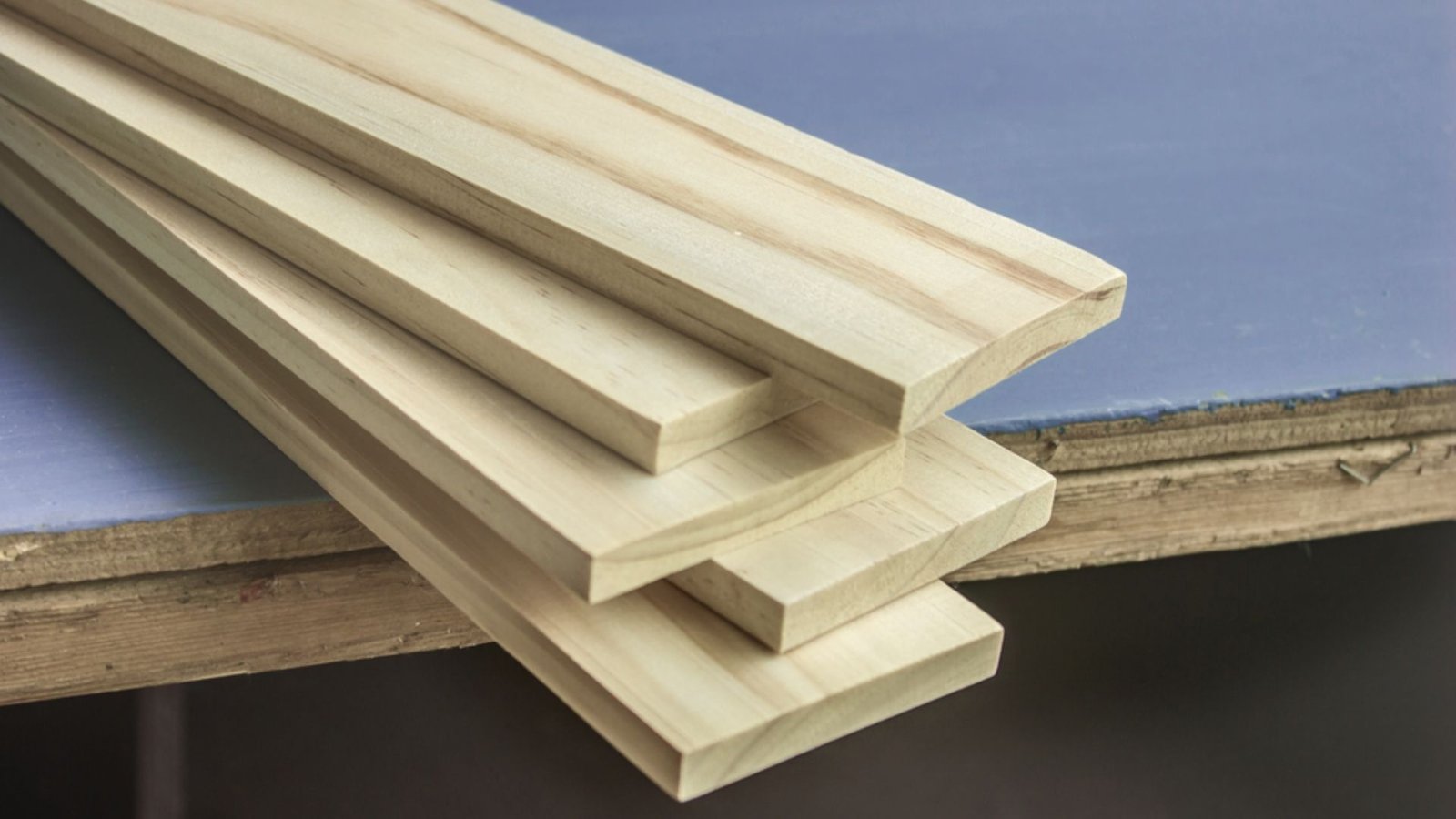
Choosing the right RTD plywood depends on how and where it will be used. Selecting the correct panel helps ensure proper strength and reliable performance during construction.
Thickness: Thicker panels provide more strength and stiffness. The thickness must match joist or rafter spacing to prevent sagging or flex.
Panel markings: RTD plywood is usually stamped as APA Rated Sheathing. The stamp shows approved use, span rating, and thickness. Always check it before installation.
Span rating: The first number applies to roof use, and the second applies to floor use. Using the correct span rating helps meet code and avoid structural issues.
Best fit by application: Floors usually require 5/8″ or 3/4″, roofs commonly use 1/2″ or 5/8″, and walls typically use 3/8″ or 1/2″ depending on framing.
Using the correct RTD plywood helps prevent flexing, weak spots, and future repairs. A quick check before buying can save time and ensure the structure performs as expected.
Tips for Working With RTD Plywood
RTD plywood works best when basic handling and installation practices are followed. These tips help maintain strength and prevent common jobsite issues.
- Use sharp blades for clean cuts and reduced edge damage
- Follow the panel’s span rating when fastening
- Leave small gaps between sheets for expansion
- Seal exposed edges if moisture is expected during construction
- Store panels flat, raised off the ground, and covered
- Avoid incorrect fasteners, span overloading, and prolonged moisture exposure
Conclusion
What is RTD plywood? It is a dependable choice when strength, consistency, and code compliance matter.
From roofs to subfloors, RTD plywood is built to handle real jobsite conditions without surprises.
I have seen projects stay flatter and inspections move faster simply by choosing the right rated panel.
Understanding what RTD means helps you avoid costly mistakes and weak structures.
If you are planning a build, take a moment to check the stamp and choose wisely before you buy!
Frequently Asked Questions
What Does RTD Stand For in Plywood?
RTD stands for Resistance Temperature Detector. It refers to temperature monitoring during manufacturing to ensure proper glue curing and bonding strength.
Is RTD Plywood the Same as CDX?
No, RTD and CDX are not the same. Both are structural, but RTD focuses on controlled bonding quality, while CDX refers to surface veneer grades.
Can RTD Plywood Be Used Outdoors?
RTD plywood should not be used for permanent outdoor exposure. It must be protected from long-term moisture and weather.
Is RTD Plywood Good for Subfloors?
Yes, RTD plywood is commonly used for subfloors. Its strength, stiffness, and consistent thickness make it reliable under load.
How Long Does RTD Plywood Last?
RTD plywood can last for decades when properly installed and protected. Longevity depends on moisture control and correct application.


