

Check out basement wall ideas not drywall, cheap, stylish, moisture-resistant options to upgrade unfinished or finished basements fast.
I finished my basement few years ago. And the one thing I kept hearing was “just use drywall.” I am glad I did not listen.
Drywall and basements are a bad combination. Moisture, mold, and unexpected repair costs tend to follow. There are smarter options out there, and most of them cost less too.
In this guide, I am sharing 23 basement wall ideas not drywall that actually hold up.
From unfinished basement wall ideas not drywall to quick easy basement wall ideas not drywall, a few of these might genuinely surprise you
Why Many Homeowners Choose Basement Wall Ideas Not Drywall
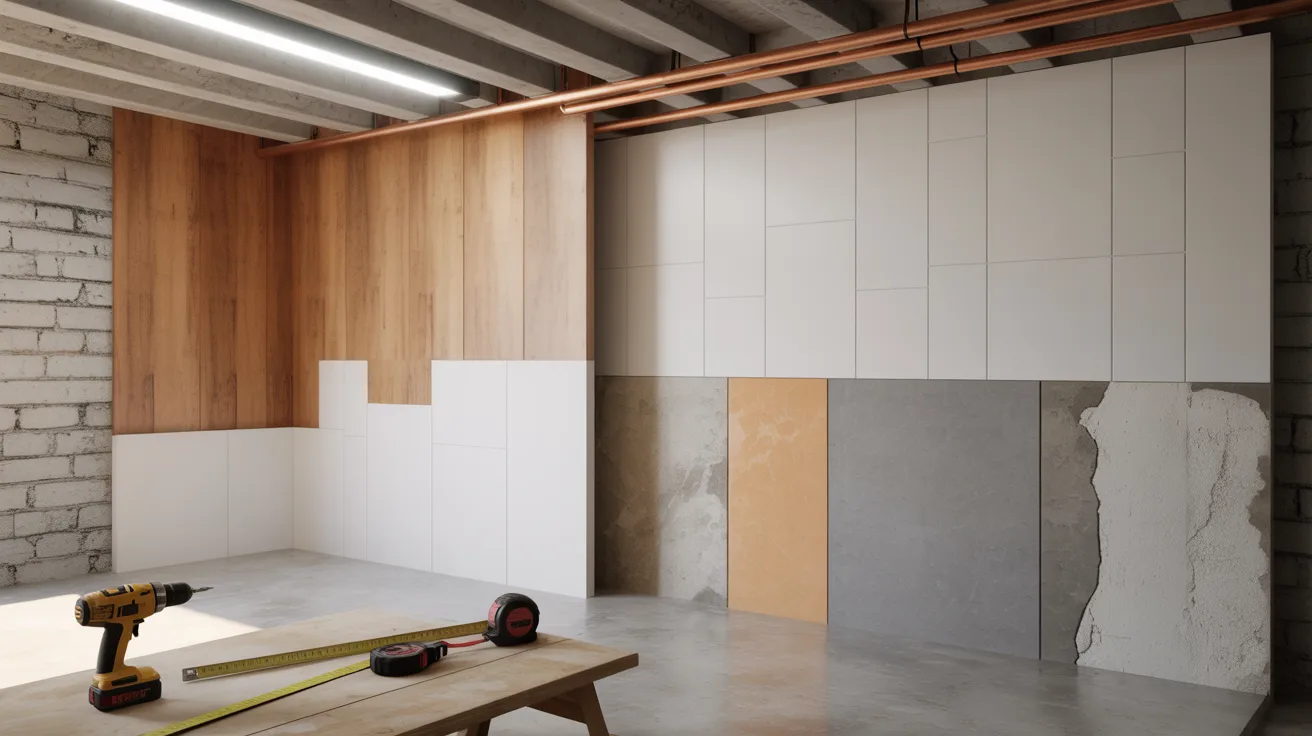
Drywall sounds simple. But basements are naturally damp spaces. Drywall soaks up moisture fast, and once mold starts growing behind it, you are looking at a full tear-out and redo.
The cost adds up too. Framing, finishing, sanding, priming, and painting are all separate steps. Most people do not realize how long the process takes until they are already in the middle of it.
A lot of homeowners looking for easy basement wall ideas not drywall want something they can put up over a weekend. Fewer steps, fewer tools, and no waiting around for joint compound to dry.
Drywall-free materials also tend to last longer in unfinished basement environments. They handle humidity better, resist minor water contact, and do not need replacing as often.
23 Basement Wall Ideas Not Drywall
Here are 23 options that work for finished and unfinished basements. Some are budget picks, some lean toward design, and a few pull double duty with insulation or storage built right in.
1. Painted Concrete Walls
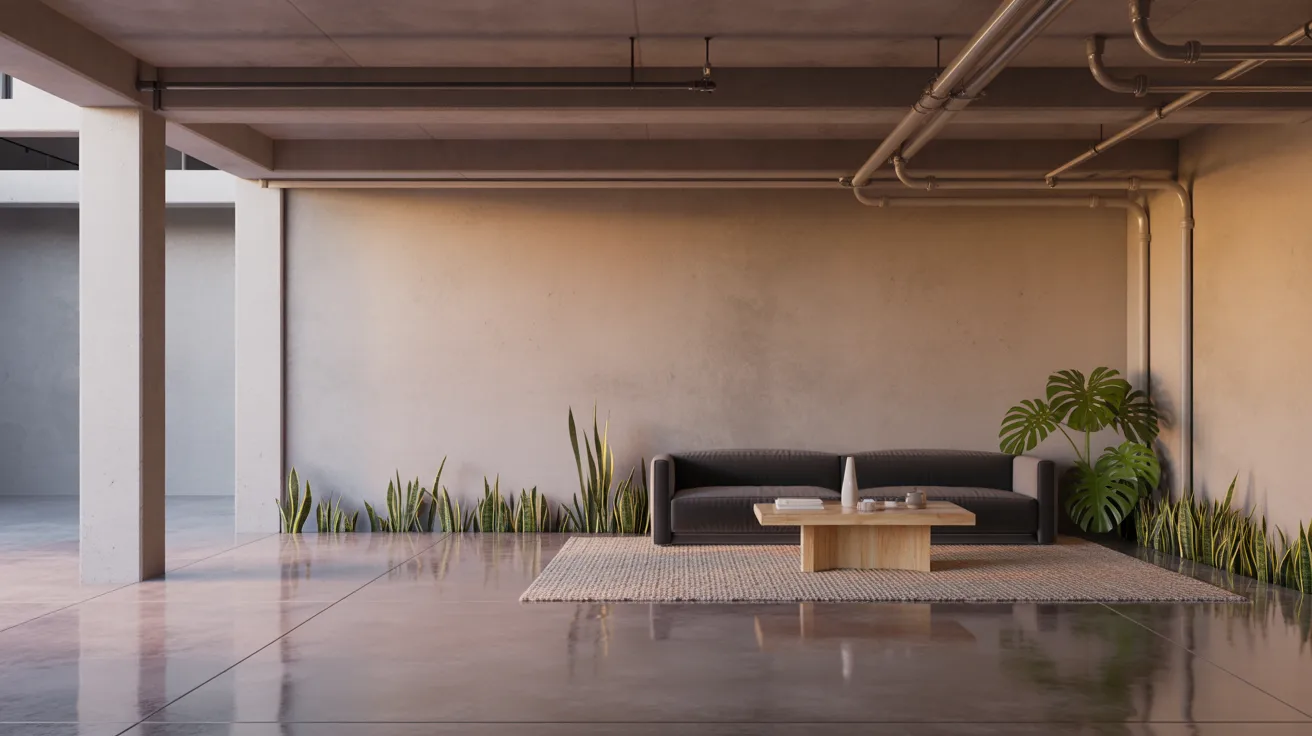
This is one of the simplest basement wall ideas not drywall you will come across. Clean the concrete surface thoroughly, then apply a waterproof masonry paint or concrete sealer.
The result is a smooth, modern industrial look. No framing, no panels, and no mess.
Light colors do the most work here. They reflect light and make smaller basement rooms feel bigger without adding any fixtures.
2. Wood Paneling
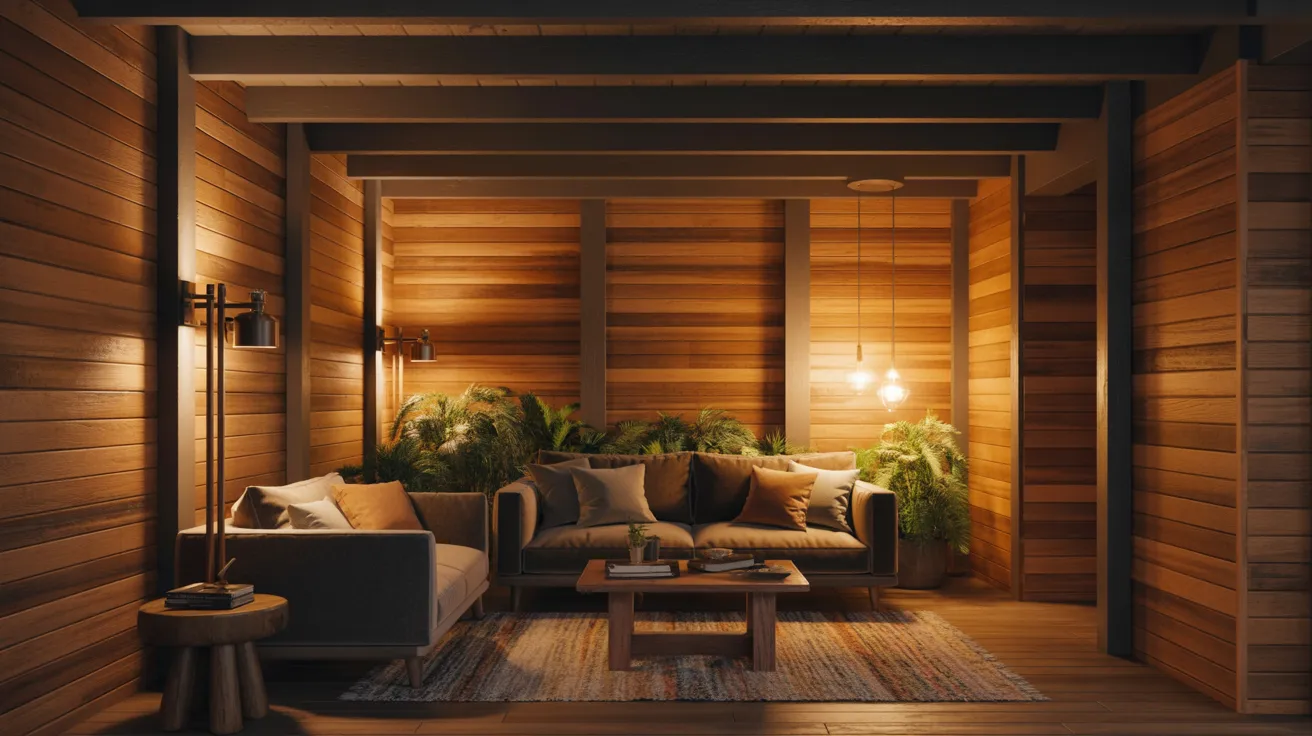
Wood paneling gives a basement a warm, comfortable feel almost instantly. It is one of the few materials that can make a cold concrete space feel like an actual room.
Install it over furring strips for a clean, simple result. No complicated tools required.
Pair it with warm lighting and rugs, and the whole setup can come together in a day or two.
3. Plywood Panels
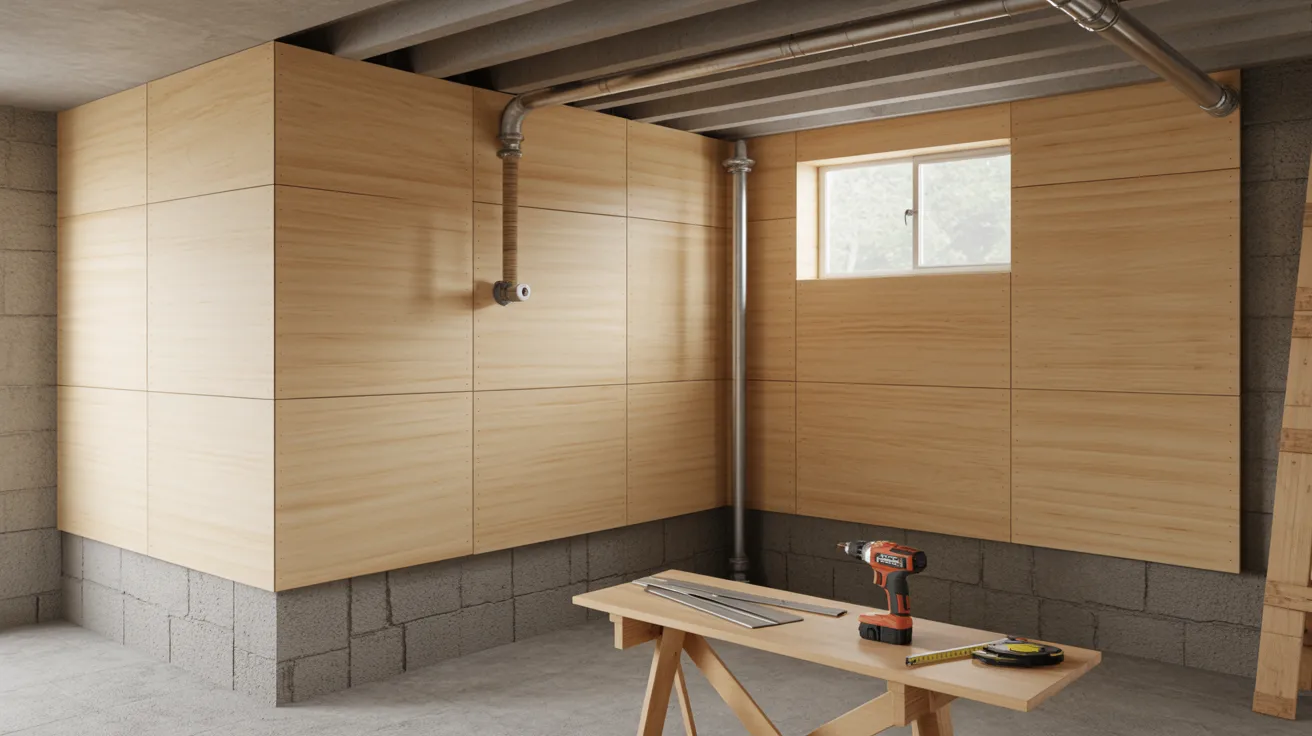
Plywood is one of the most practical easy basement wall ideas not drywall out there. Sheets cover large areas fast and cost far less than finished wall materials.
You can leave it raw for a workshop feel or seal and paint it for a cleaner finish. Either way, it holds up well.
It cuts easily around pipes, windows, and electrical boxes, which saves a lot of time on-site.
4. Shiplap Walls
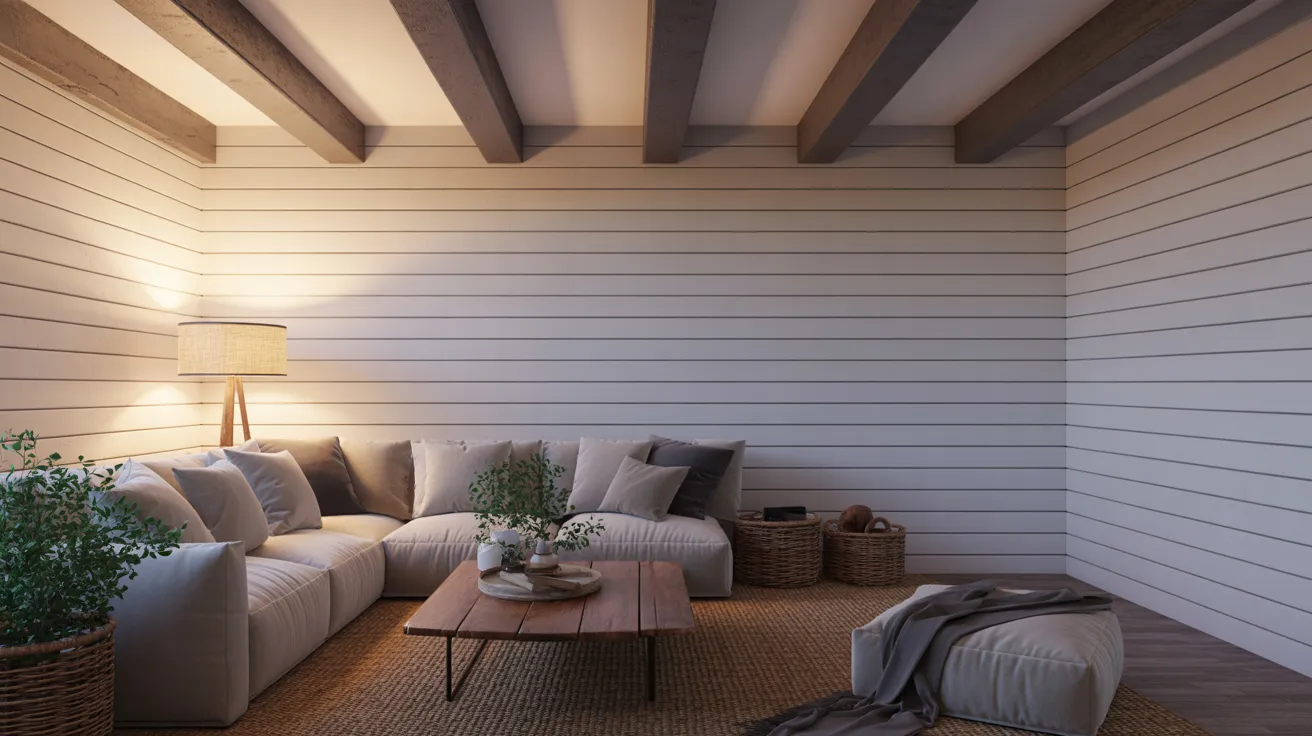
Shiplap boards have a relaxed, farmhouse look that has stayed popular for good reason. They are not difficult to install, and they give basement walls real texture.
The overlapping planks also create a natural barrier against drafts, which is a bonus in basements that tend to run cold.
Paint them white for a bright, airy finish or leave them natural for a warmer vibe.
5. Corrugated Metal Panels
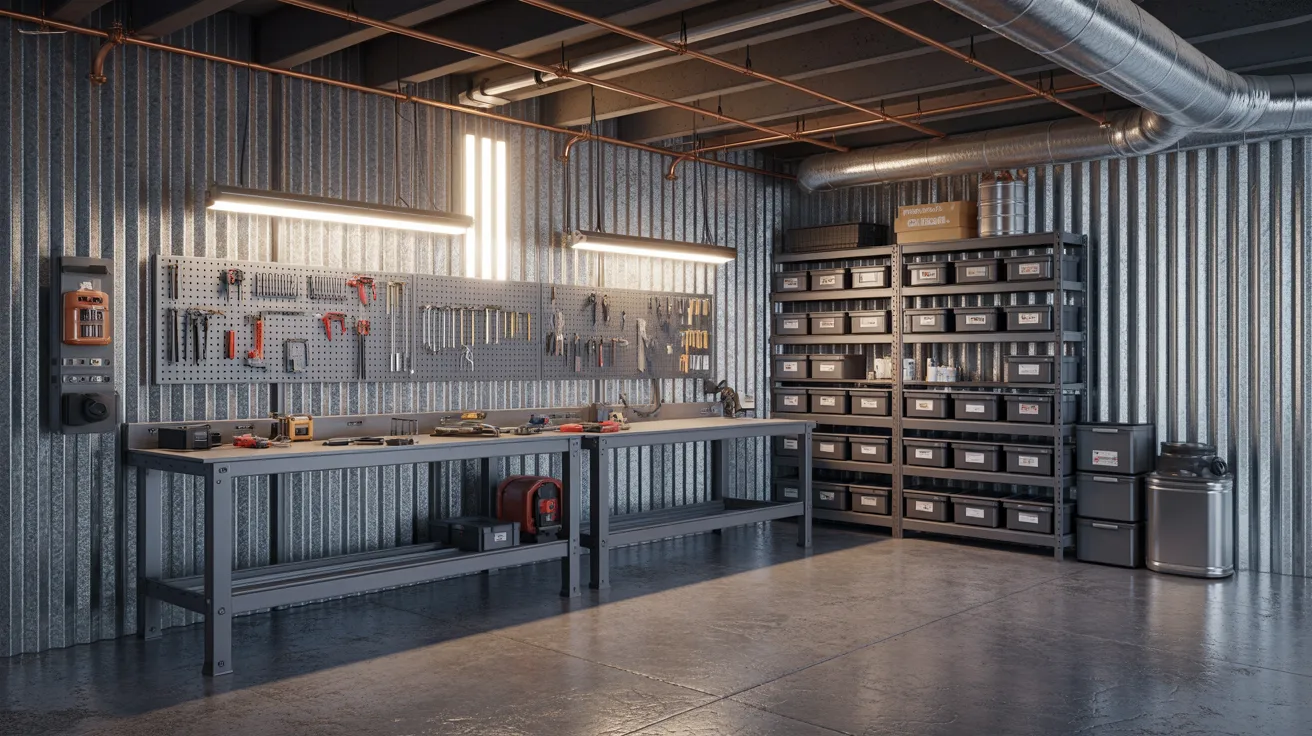
Corrugated metal is a basement wall idea not drywall that people either love immediately or overlook entirely. It is tough, moisture-resistant, and gives the space a strong industrial edge.
It goes up fast using screws and basic hardware. No special skills needed.
It works best in workshops, creative studios, or utility rooms where looks and durability both matter.
6. Fabric Wall Coverings
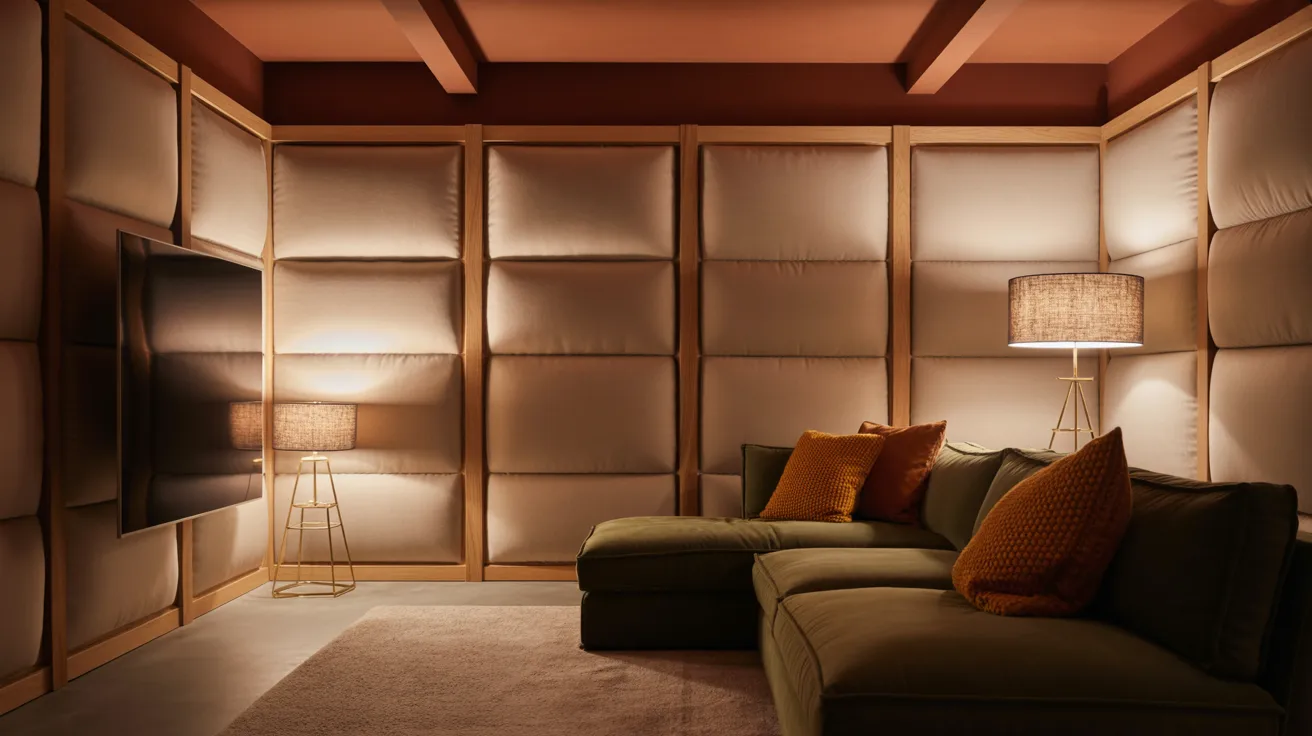
Stretching fabric over a simple wood frame softens the whole look of a basement. It also absorbs sound, which makes it ideal for media rooms or home offices.
You can swap the fabric out whenever you want a different look. It is one of the more flexible options on this list.
Stick with heavier, tighter-weave fabrics to avoid sagging over time.
7. Brick Veneer Panels
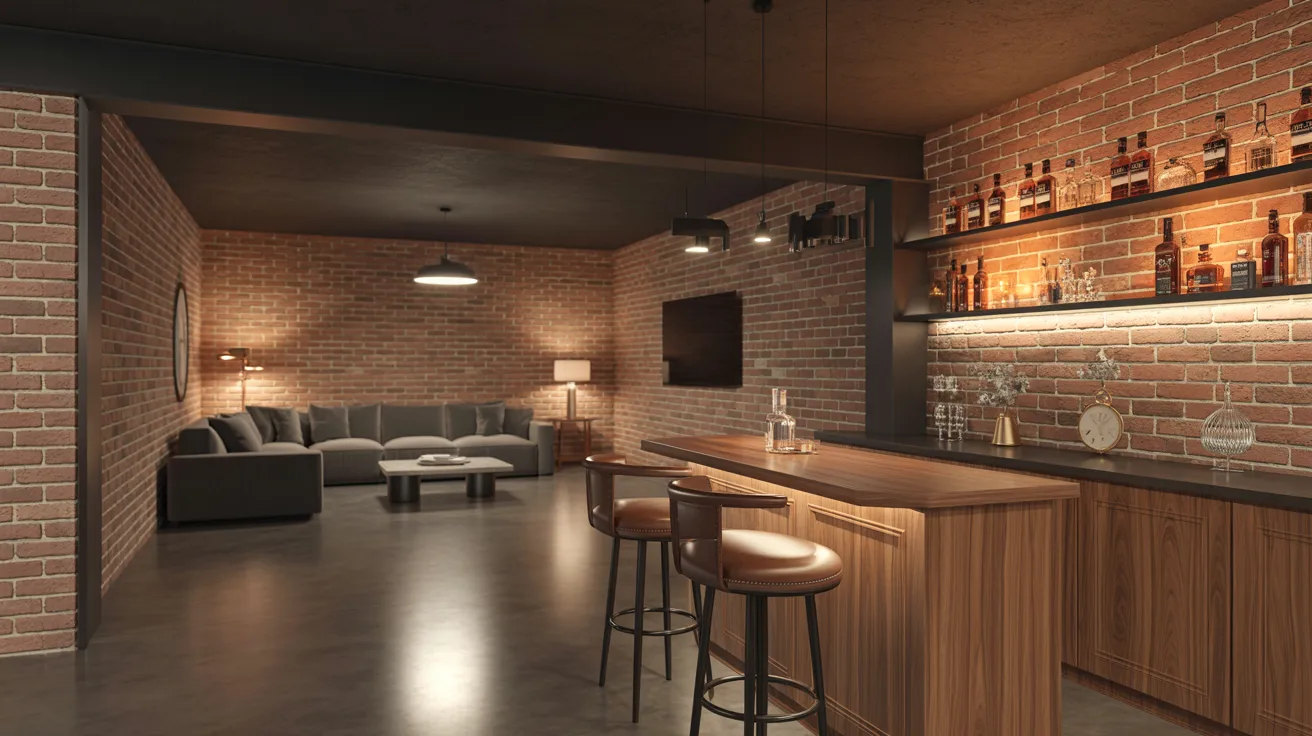
Brick veneer looks like real brick but weighs much less and installs far more easily. No masonry experience needed at all.
You can apply it directly over concrete or furring strips. It gives the space a classic, solid look without any heavy construction.
It is a great fit for finished basements, home bars, and entertainment rooms.
8. Stone Veneer
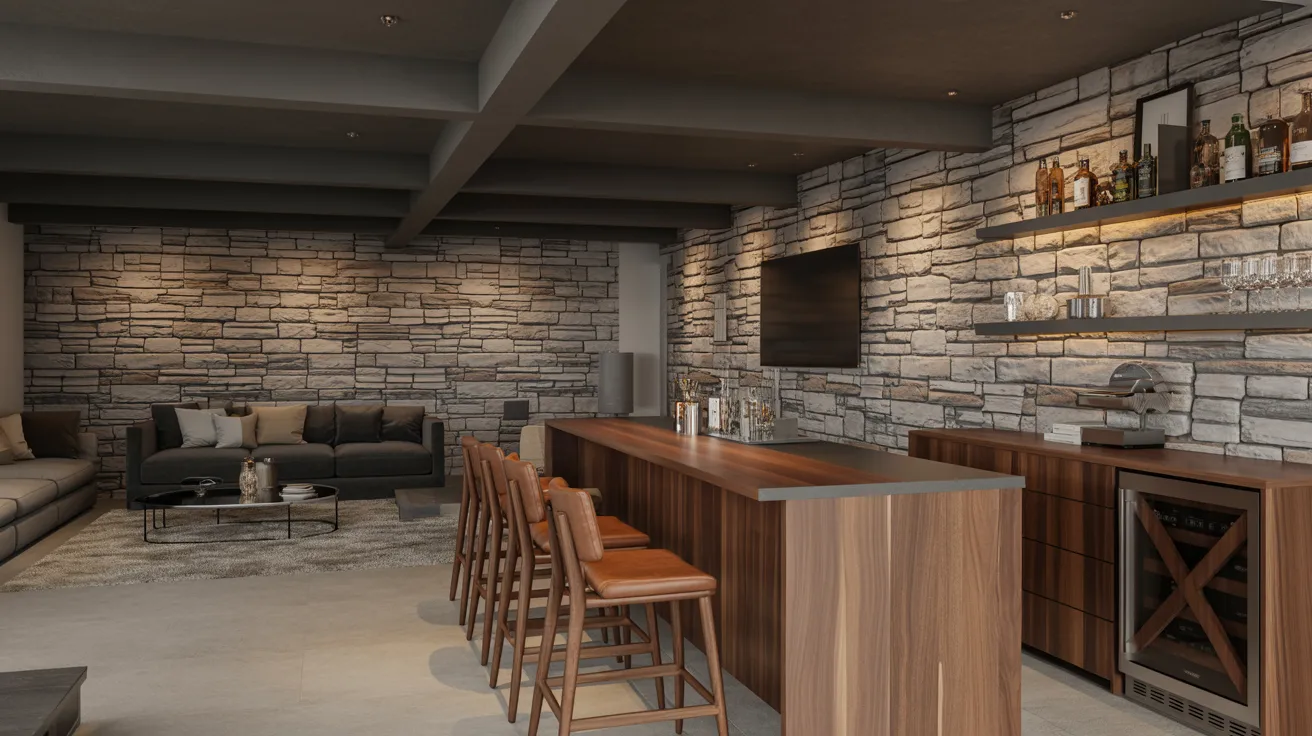
Stone veneer panels add a high-end look to basement walls without any major structural work. They are lighter than real stone and attach directly to the surface.
The result looks expensive. The cost is actually manageable. It works well as an accent wall in finished basements.
Especially popular in home bars and entertainment areas where the look really pays off.
9. Pegboard Walls
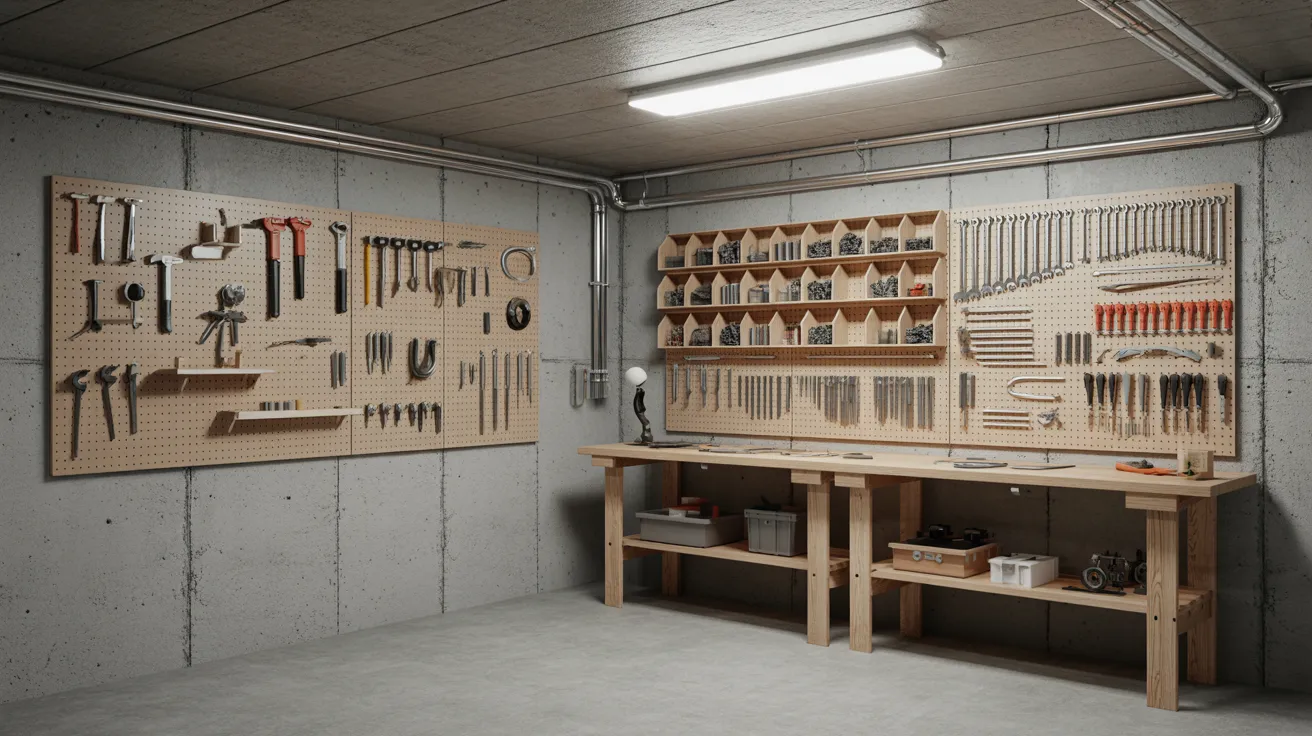
Pegboard is one of the most practical unfinished basement wall ideas not drywall. It gives you wall coverage and built-in storage at the same time.
Hooks and bins can hold tools, craft supplies, sports gear, and more. The whole system rearranges whenever your needs change.
A clear favorite for workshops and utility basements where organization makes a real difference.
10. Chalkboard Paint Walls
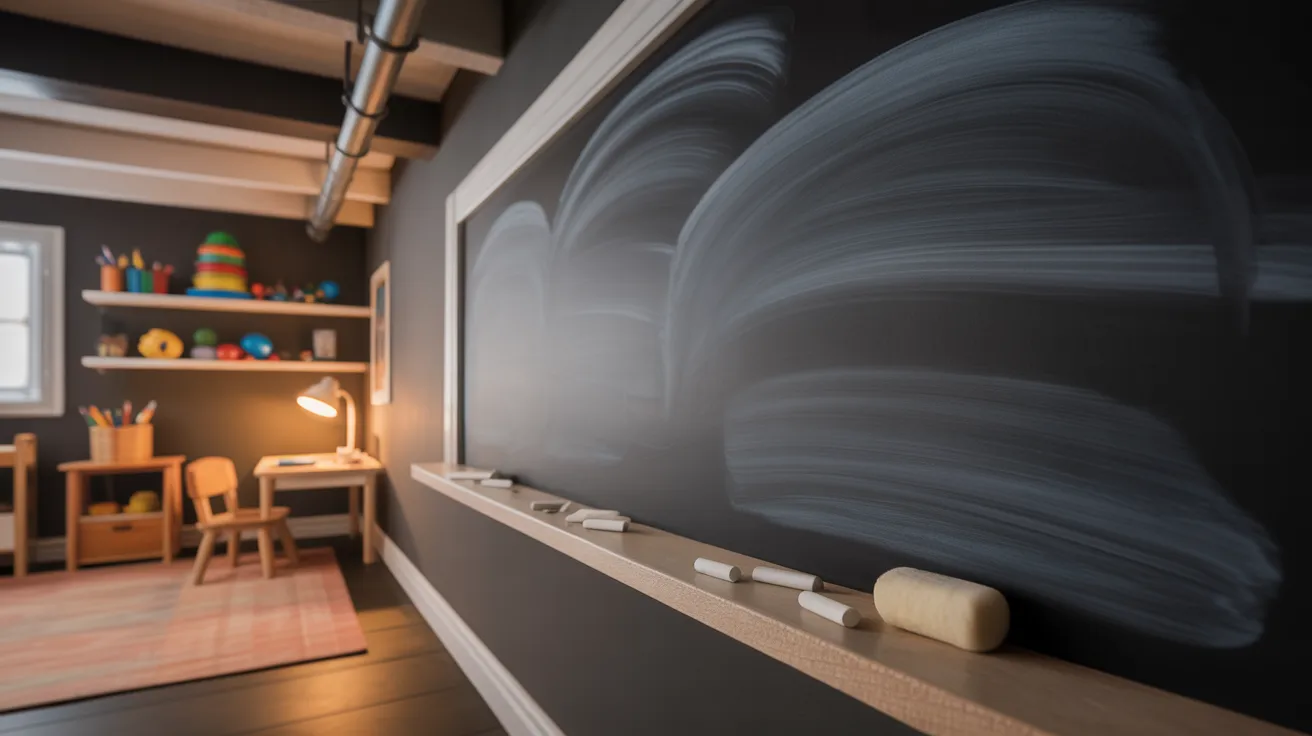
Chalkboard paint turns a plain basement wall into a writing surface. It is a fun and practical pick for playrooms, home offices, or creative spaces.
Apply it over concrete or any smooth surface. All it needs is a clean, primed base.
Kids love it. And honestly, adults who work from the basement find it surprisingly useful too.
11. Cork Panels
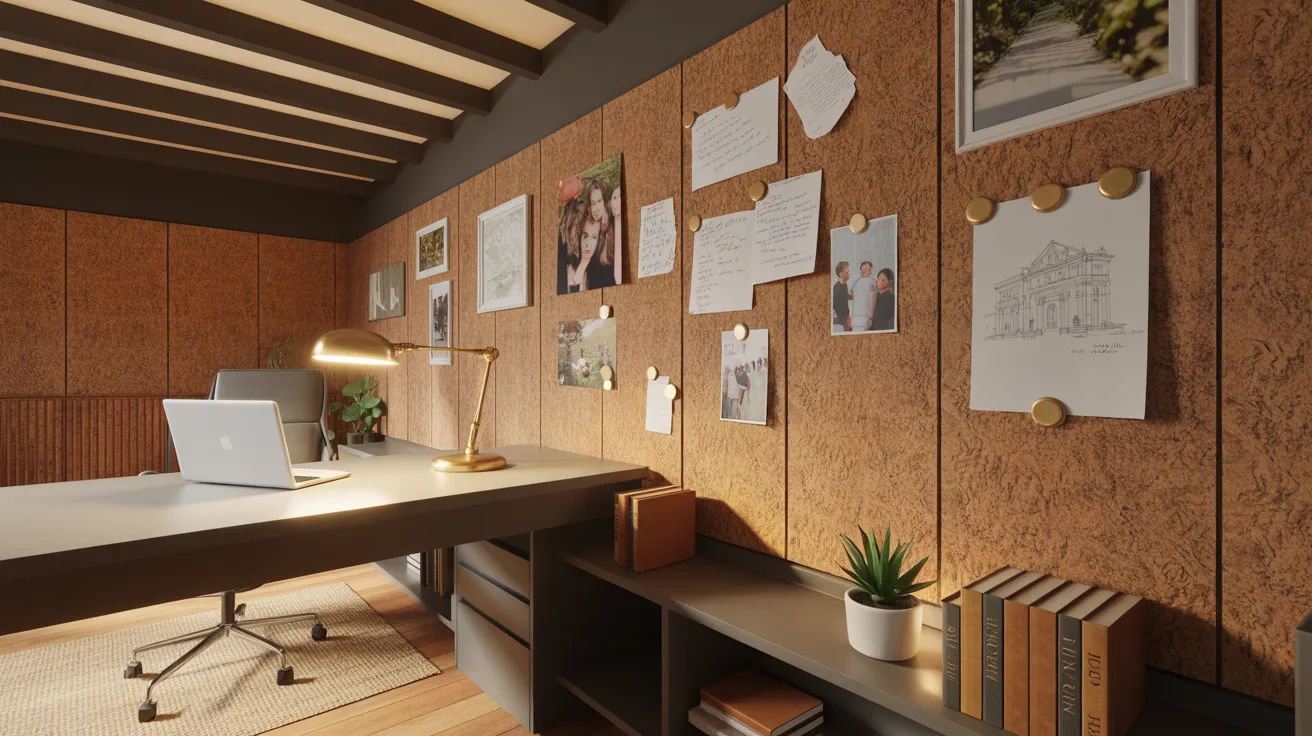
Cork tiles and panels are a quiet, practical basement wall option. They add insulation, absorb sound, and work as a giant pinboard for notes, photos, and plans.
They are light, easy to cut, and simple to install using adhesive. No framing or power tools needed.
Cork works especially well in home offices or studio spaces where noise control is a priority.
12. Pallet Wood Walls
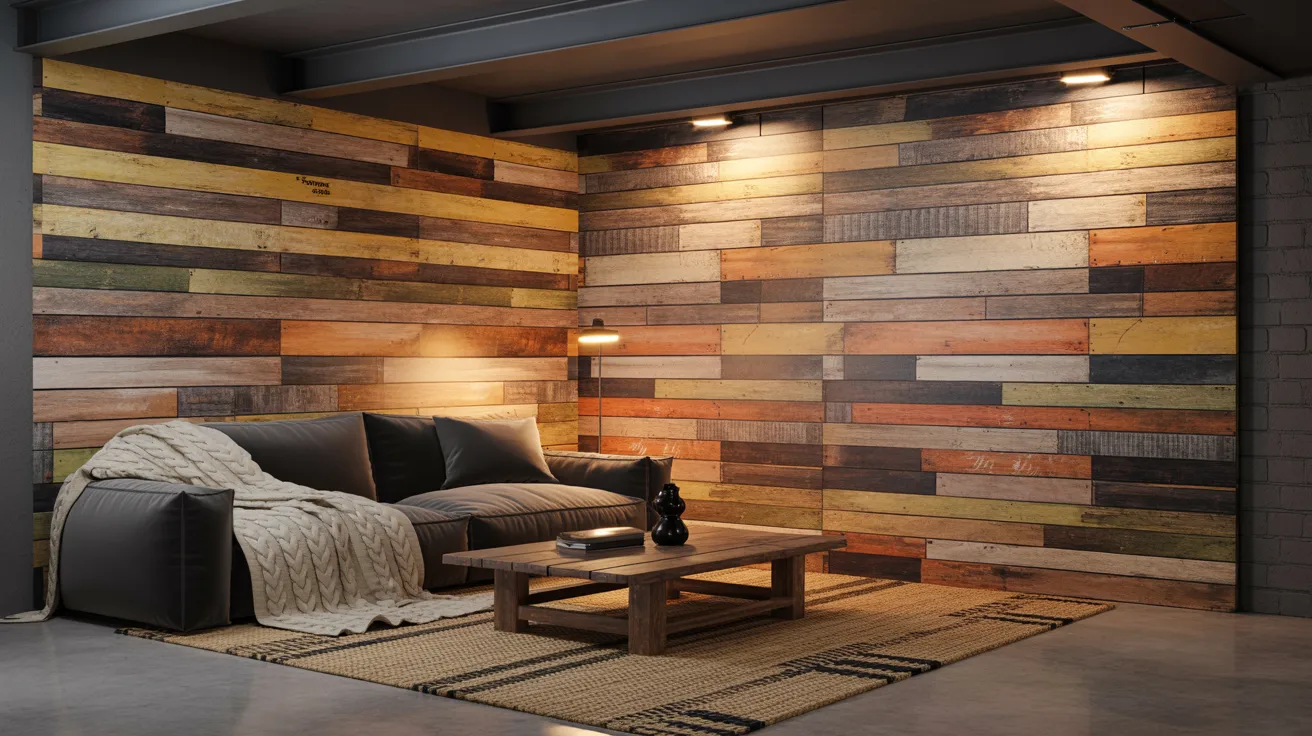
Reclaimed pallet wood is one of the most affordable basement wall ideas not drywall on this list. In many areas, you can source the pallets for free.
Sand the boards lightly, cut them to size, then nail or glue them directly to the wall. The rough, textured look adds real character.
Use it as an accent wall rather than covering every surface for the best visual result.
13. Vinyl Wall Panels
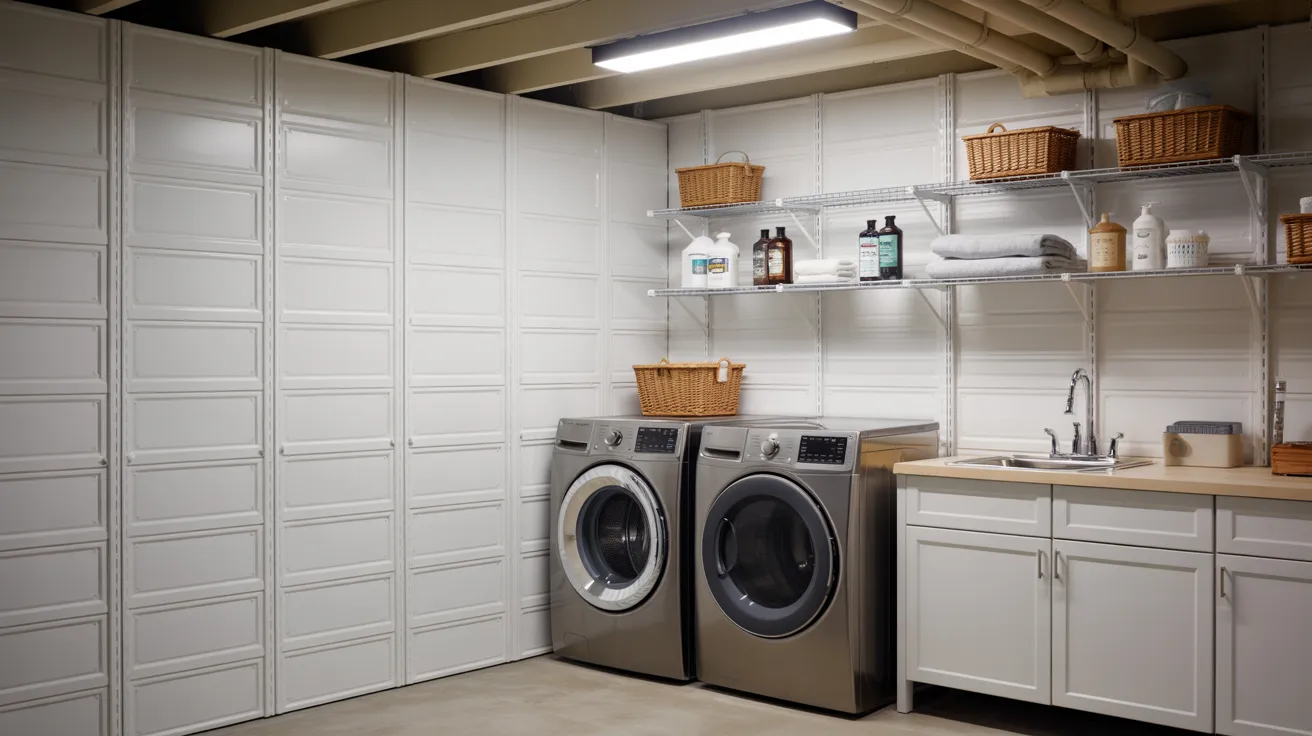
Vinyl panels are among the most practical unfinished basement wall ideas not drywall available. They are waterproof, mold-resistant, and hold up well even in consistently damp conditions.
Installation is simple. Most panels click together or glue directly to the wall surface.
They are very easy to clean too, which is a real bonus in laundry rooms or utility basement areas.
14. Foam Insulation Panels
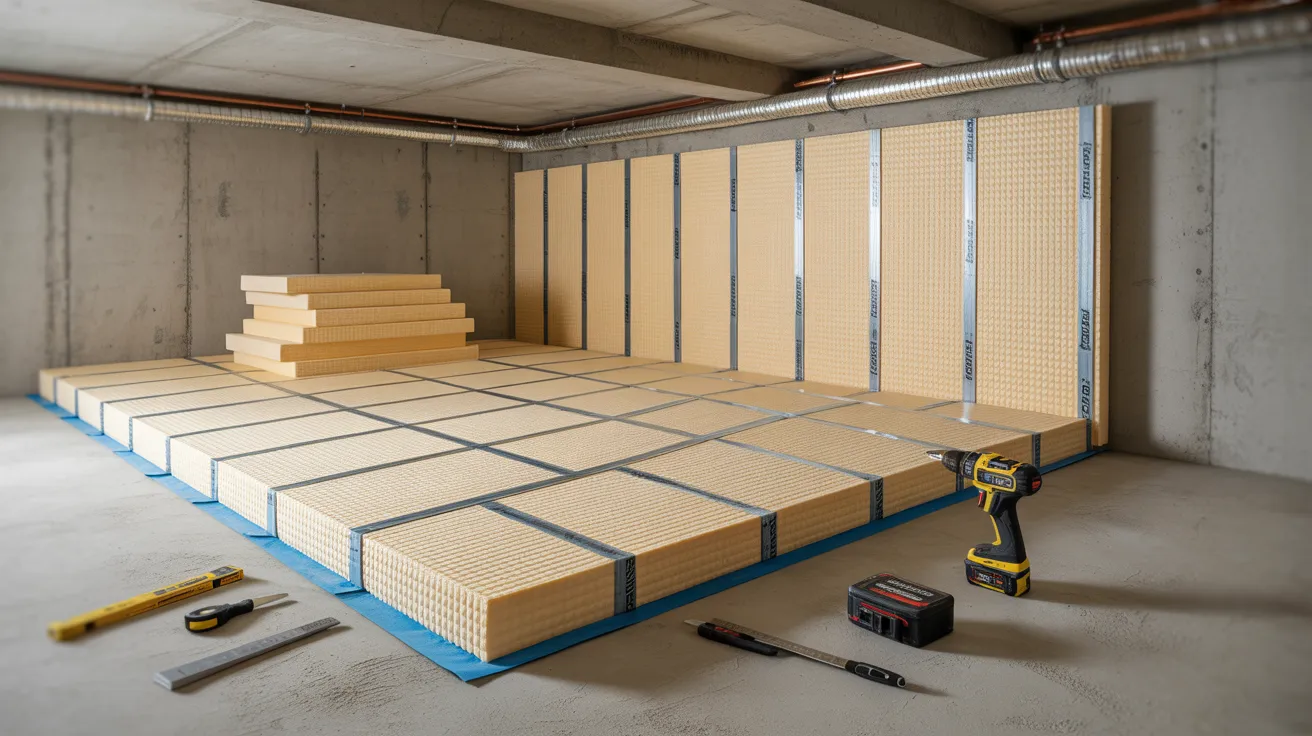
Rigid foam boards are a smart pick when insulation is the priority. They go up fast and can be painted directly or covered with a thin panel layer on top.
They noticeably cut cold transfer through concrete walls. Your heating costs may actually drop as a result.
Seal all the seams with foam tape to get the most out of the thermal performance.
15. OSB (Oriented Strand Board)
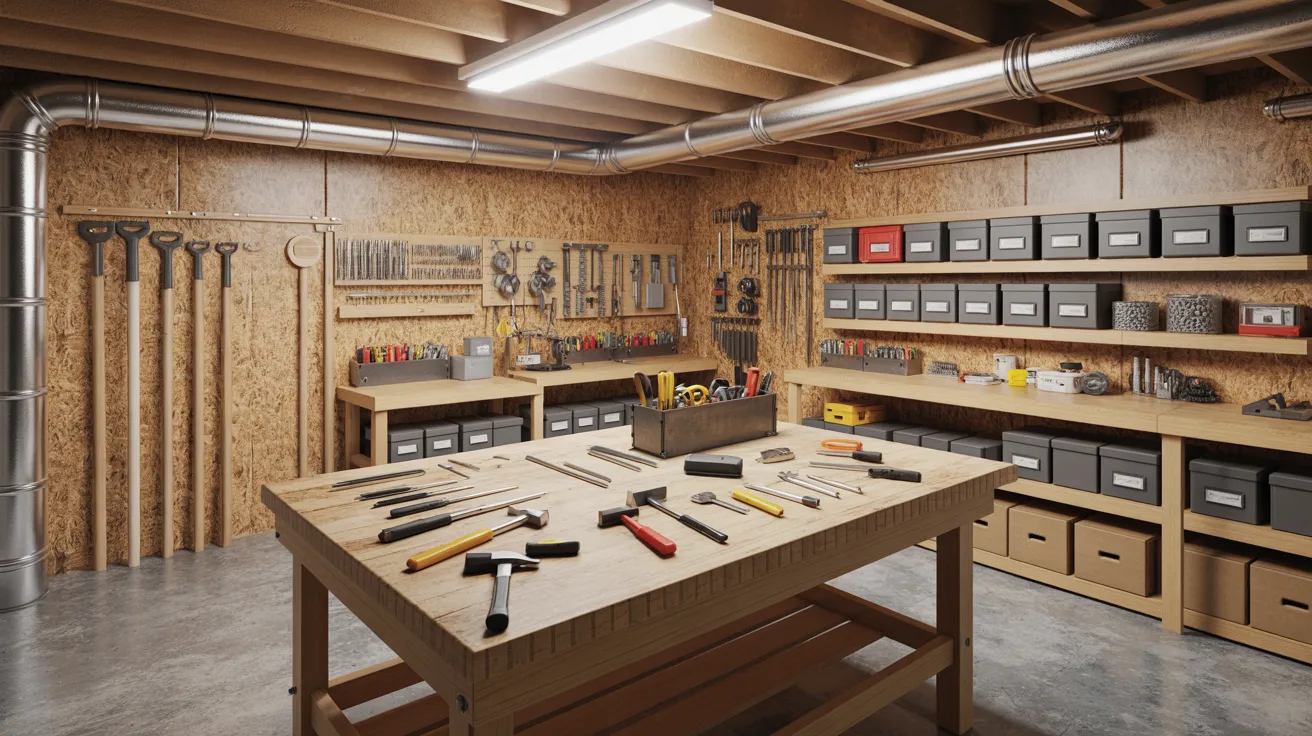
OSB sheets are thick, durable, and very affordable. They are a solid pick for utility spaces or workshop basements where looks are not the top priority.
They screw directly to framing and cover large areas fast. No finishing or sanding required.
You can paint OSB for a cleaner look, or leave it raw for a purely functional finish that still looks intentional.
16. Slat Wood Walls
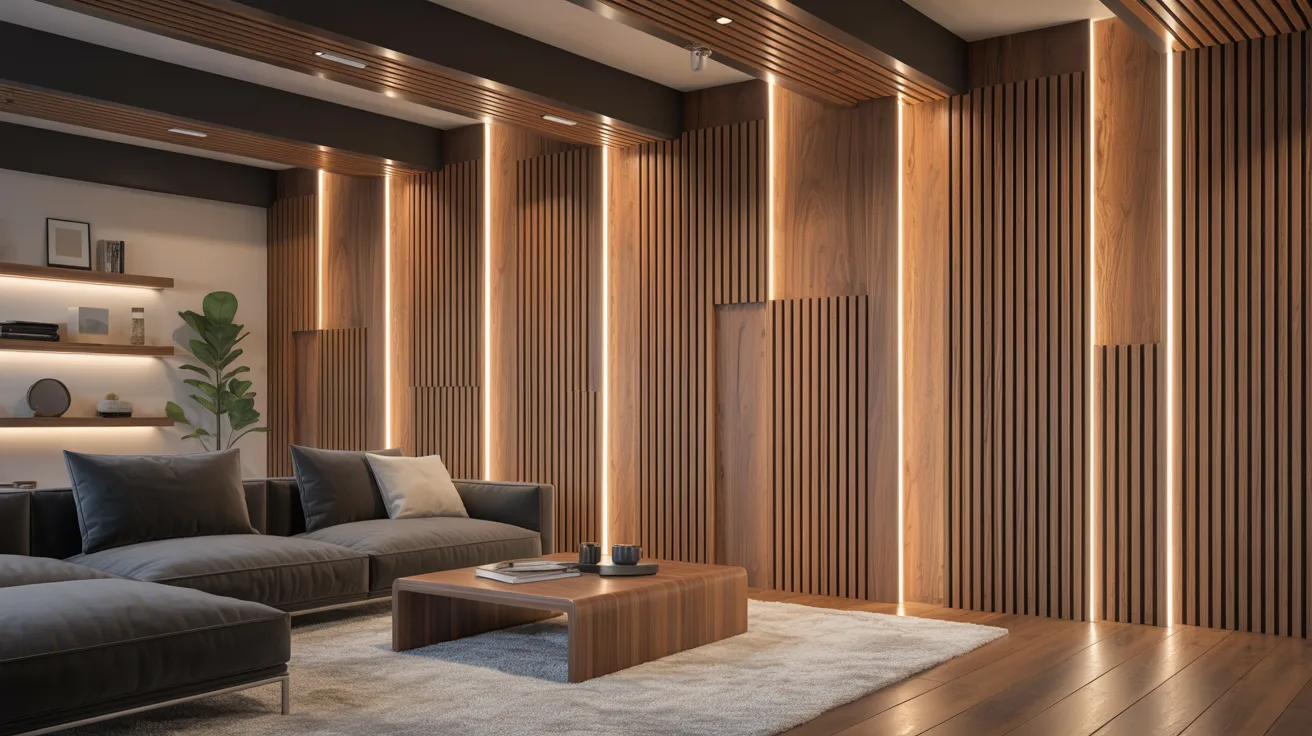
Vertical wood slat panels have a modern, architectural look that works especially well in finished basement spaces. They add depth to flat concrete walls without a lot of effort.
Most panels come pre-assembled and mount directly to the wall surface. Installation is genuinely fast.
They look sharp in home offices, entertainment rooms, and media spaces.
17. Decorative Wall Tiles
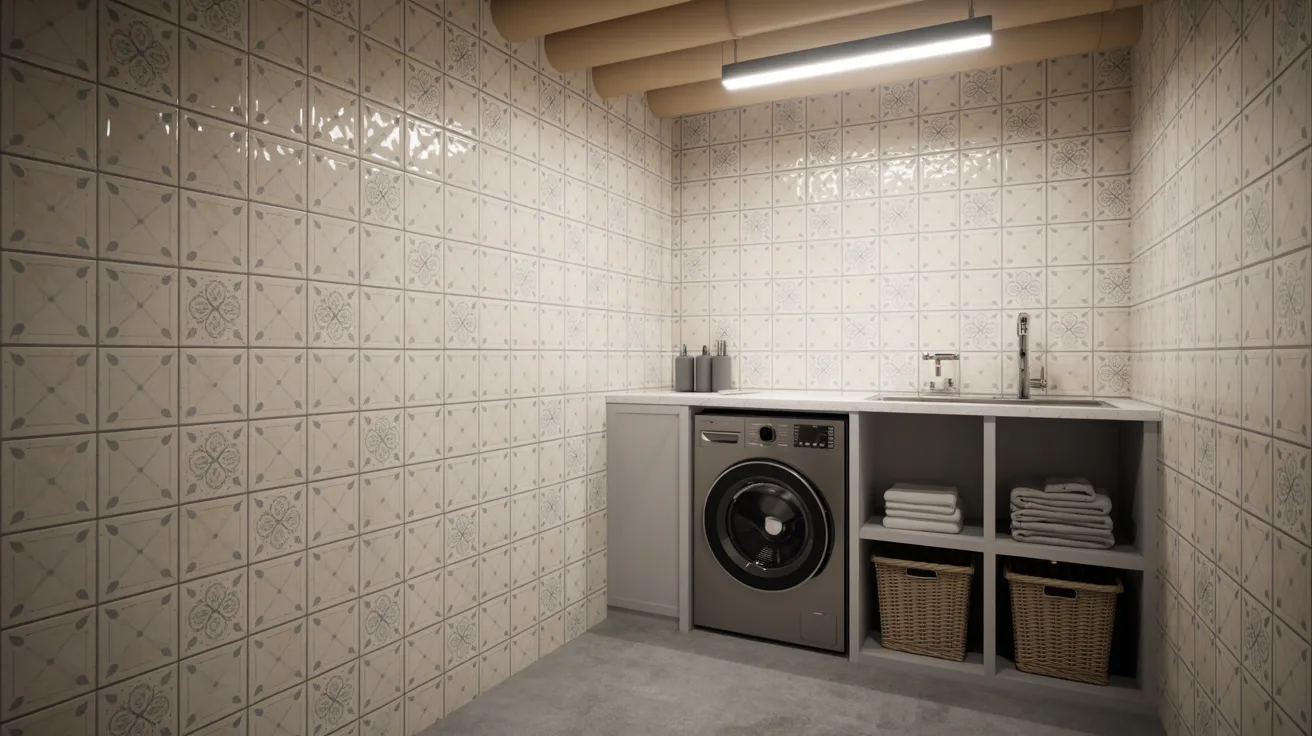
PVC and plastic wall tiles are an easy basement wall idea not drywall that adds real style. They come in many patterns and are simple to cut and put in place.
Most systems use peel-and-stick or interlocking designs. No grout and no mess involved.
They work well in laundry rooms, basement bathrooms, or any wet-prone area.
18. Concrete Skim Coat
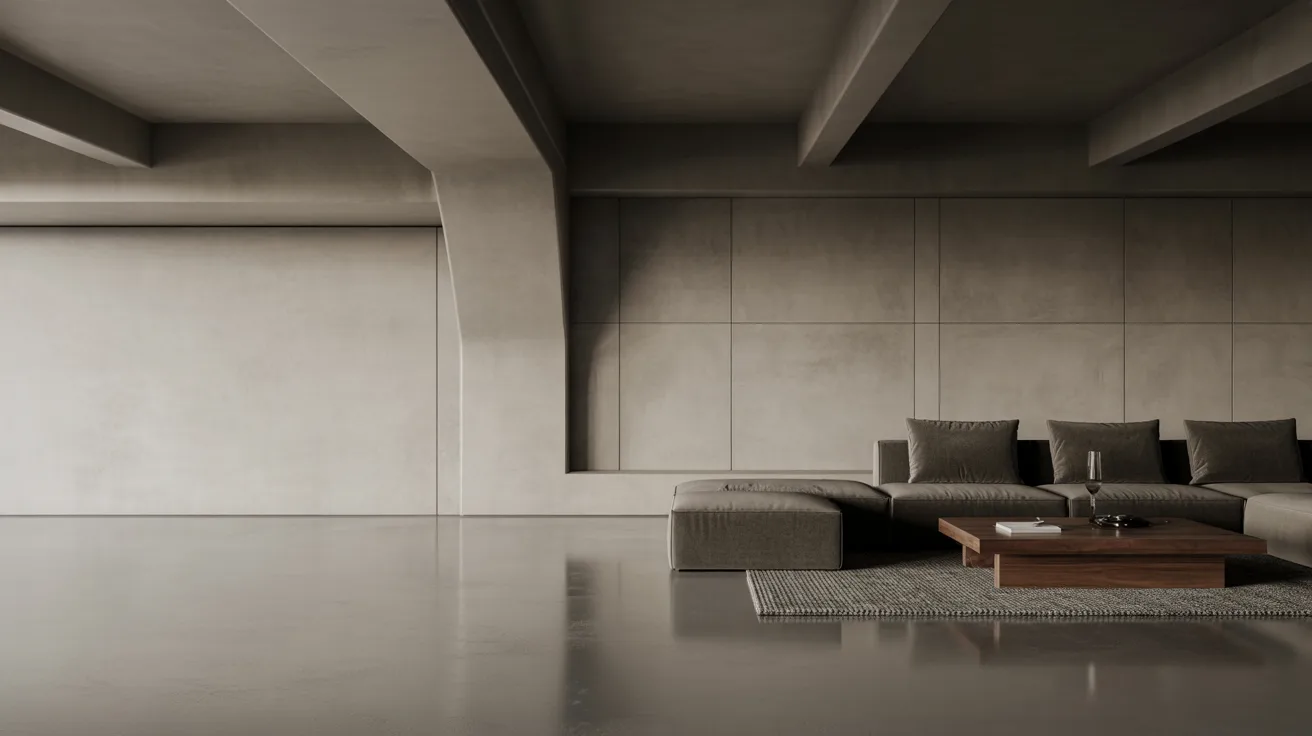
A skim coat is a thin layer of concrete mixture applied over existing walls to smooth them out completely. The result is a clean, minimalist finish with no panels needed at all.
It is a step above plain painted concrete. The surface gets sealed after application for a polished look.
Works best in modern or industrial-style basement spaces where clean lines are the goal.
19. Painted Brick
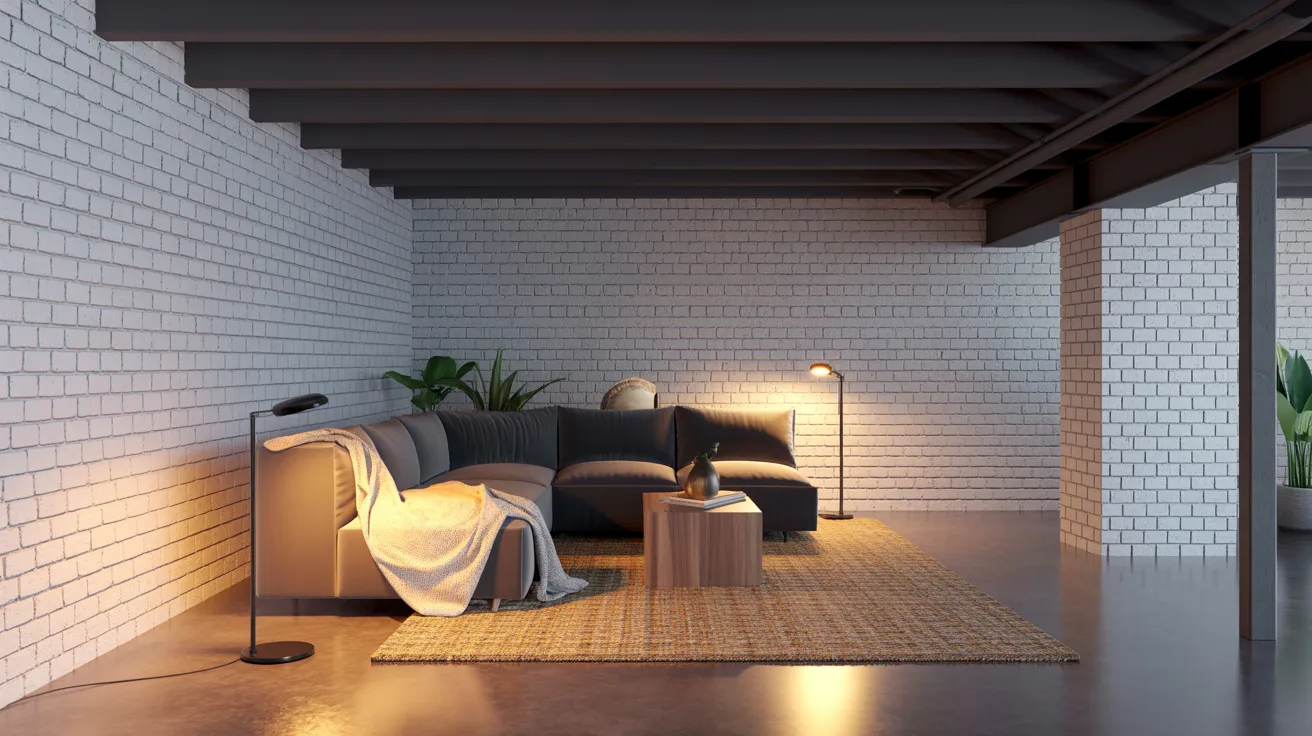
If your basement already has exposed brick, painting it is one of the fastest upgrades you can make. The right color can completely shift how the space feels.
White or light gray paint opens up dark basement rooms quickly. Darker tones create a moody, dramatic atmosphere.
No new materials needed. Just clean the brick, prime it, and paint.
20. Barn Wood Panels
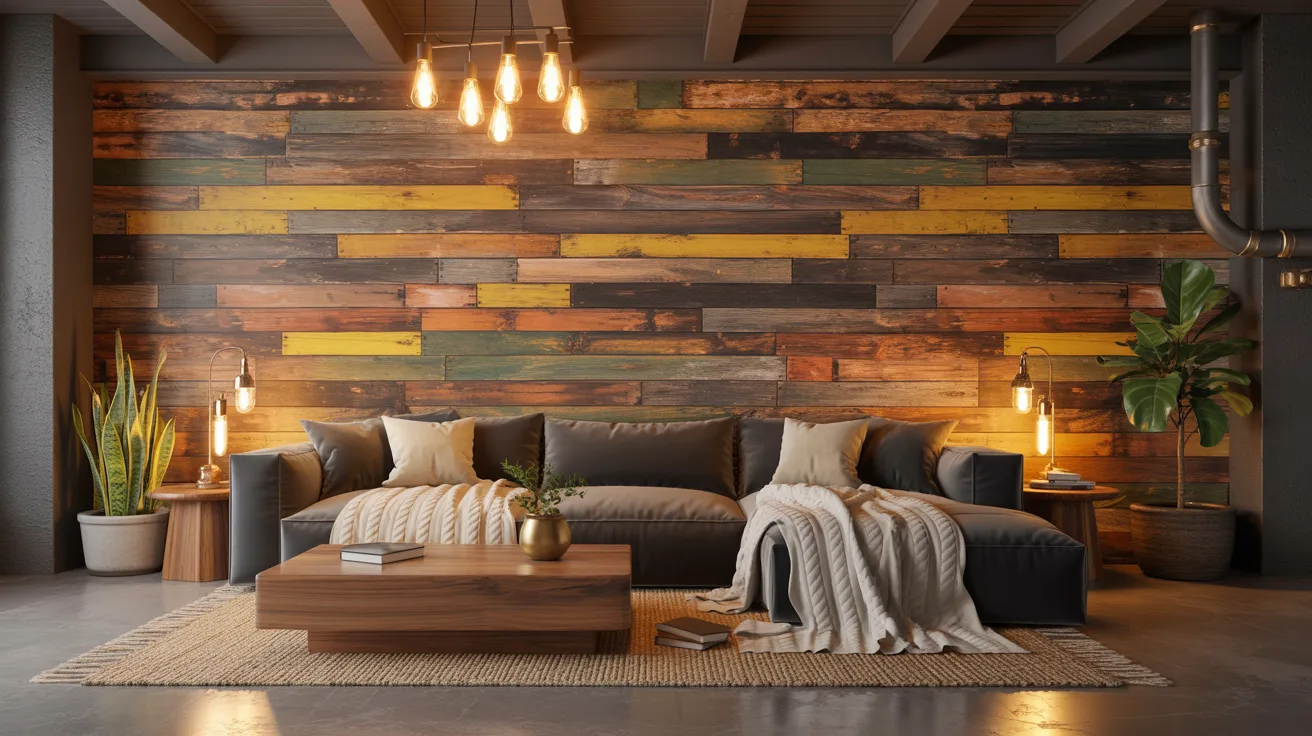
Reclaimed barn wood brings a rustic, weathered quality that no manufactured panel can fully replicate. Each board looks a little different, and that variation is what makes it special.
It works best as a feature wall rather than covering everything. The contrast with smoother finishes looks genuinely great.
Seal the wood before installing to protect it from basement humidity over time.
21. Wall Murals
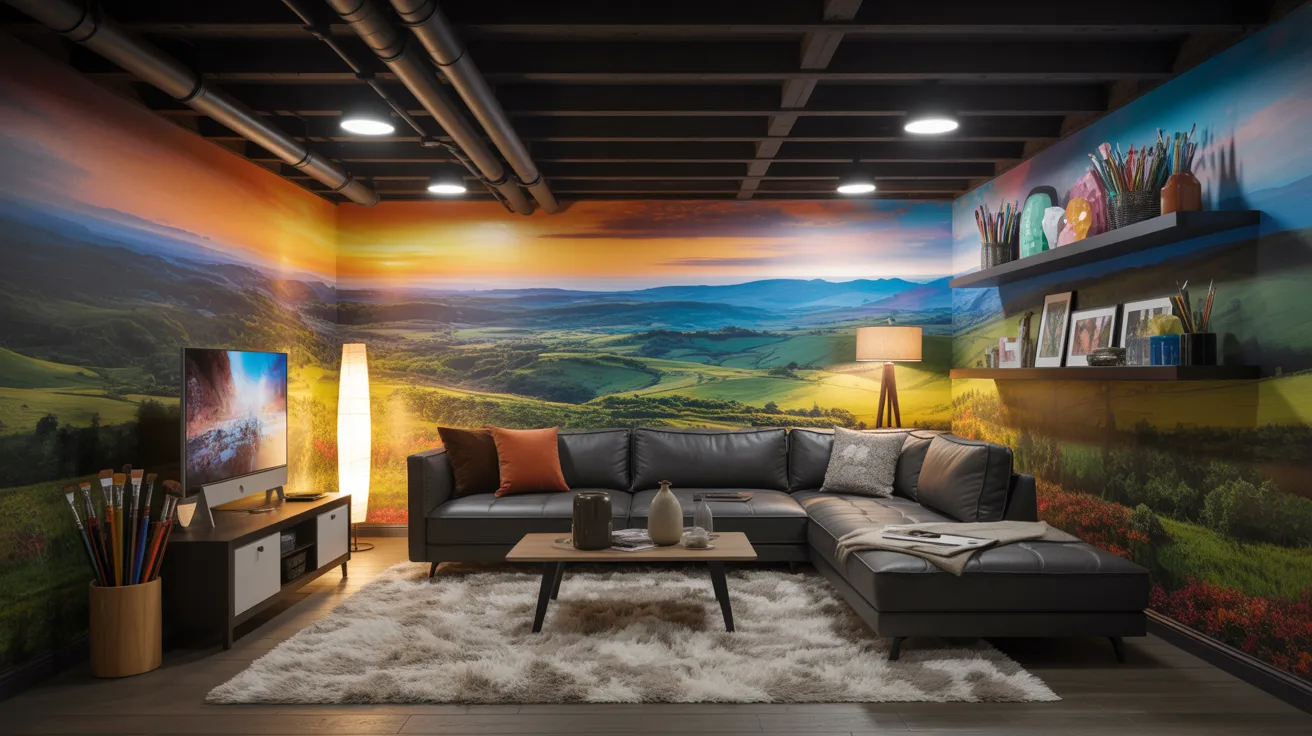
A large painted or printed mural can visually open up a smaller basement space. It creates a focal point and draws the eye in a way plain walls simply cannot.
Peel-and-stick mural wallpaper is easy to apply and just as easy to remove if you want to change things later.
It is a bold choice that pays off well in playrooms, home gyms, and creative studio spaces.
22. Wainscoting Panels
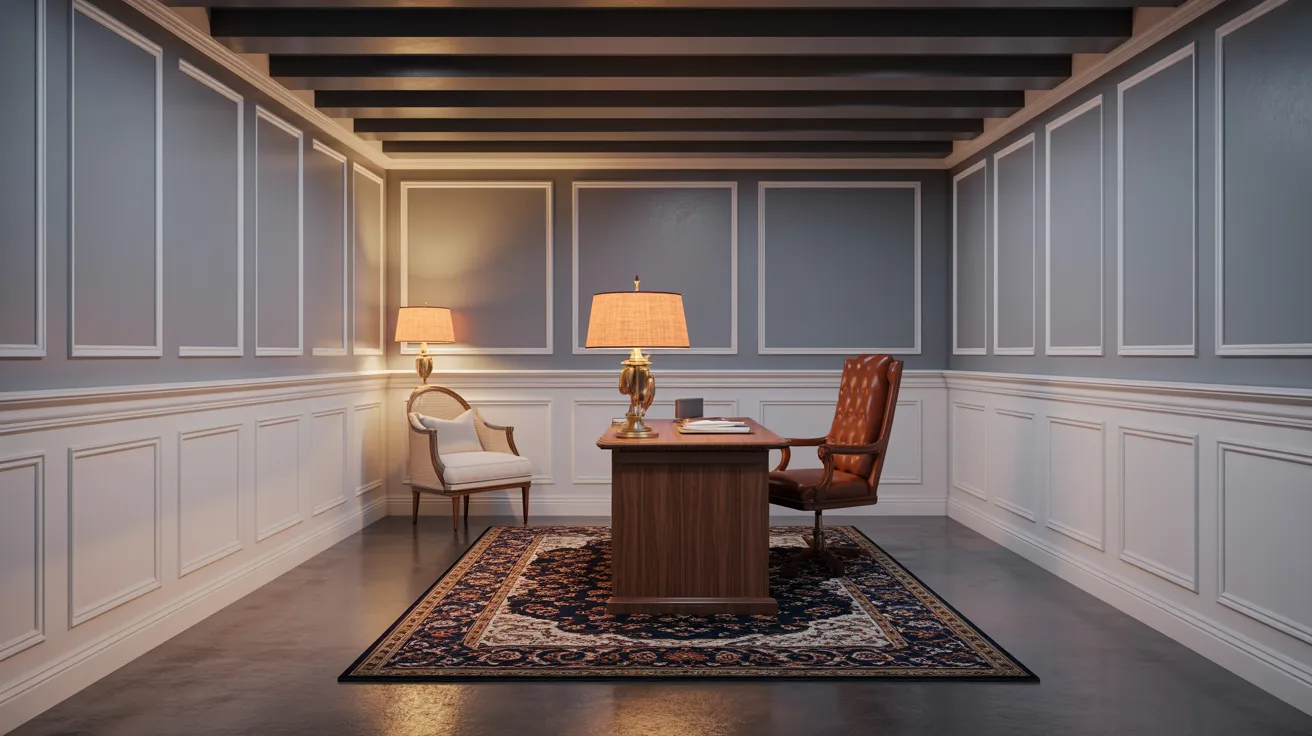
Wainscoting covers the lower half of basement walls and creates a polished, put-together look without fully finishing every surface. It is popular in partially finished rooms.
Pair it with paint on the upper wall section for a layered, designed result. It adds depth without a heavy investment.
Works well in home offices, guest rooms, or any finished basement area.
23. Acoustic Panels
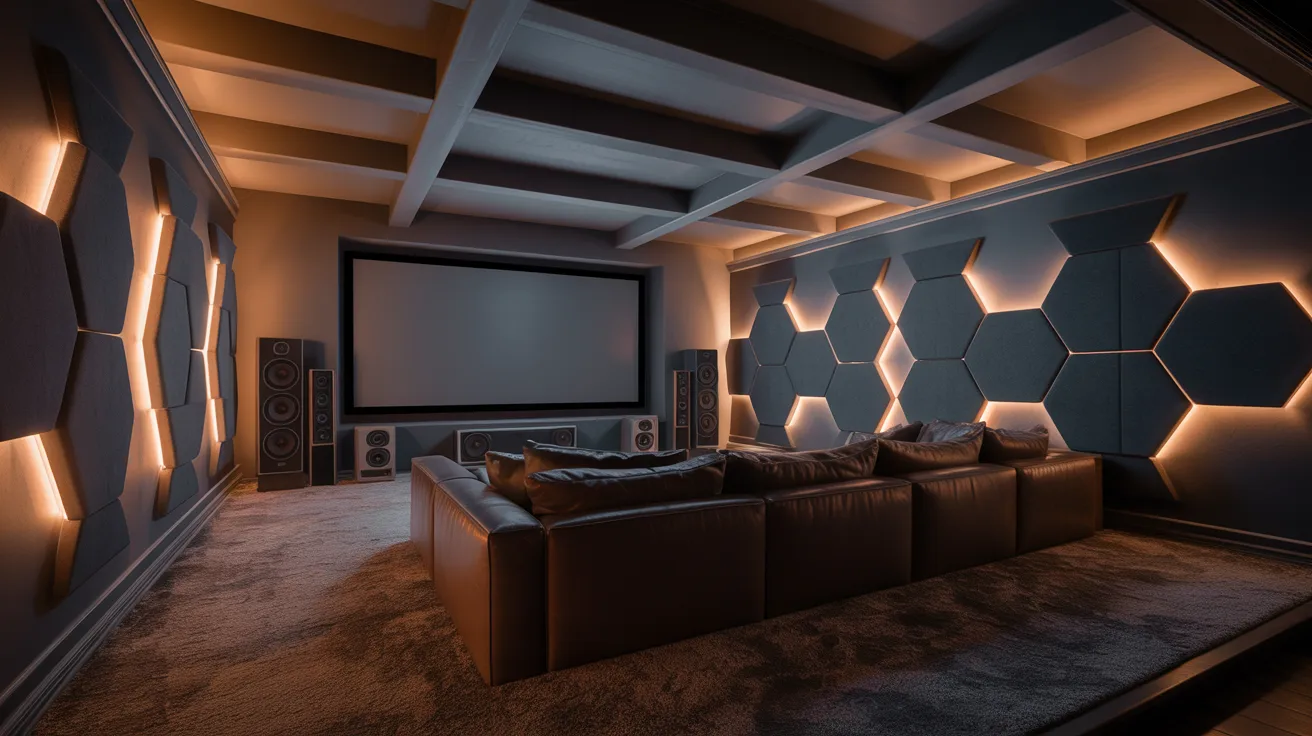
Acoustic foam or fabric panels are built to absorb sound and cut echo. They are a must-have for home theaters, recording setups, or music practice rooms.
They mount directly to walls with adhesive or hooks. No framing or major installation required.
Many styles actually look good on the wall too. Color and pattern options have come a long way.
Tips for Finishing Basement Walls Without Drywall
Before you pick a material and start putting things up, a little prep work goes a long way. Basements have different conditions from the rest of the house, and skipping these steps tends to create bigger problems later.
- Waterproof first. Seal or treat concrete walls before installing any panels or coverings to stop moisture from getting behind materials.
- Choose mold-resistant materials. Look for vinyl, treated wood, or coated panels whenever your basement sees consistent humidity.
- Add insulation if the space runs cold. Rigid foam behind panels makes a noticeable difference in comfort and heating costs.
- Keep access points open. Leave removable sections or access panels near pipes, wiring, and utility connections.
- Use light colors. Lighter walls reflect more light and make low-ceiling basements feel more open and less closed-in.
- Mix materials for accent walls. Combining two or three options, like shiplap with painted concrete or wood slats with stone veneer, adds visual interest without extra cost.
Good prep before installing is what separates a basement that holds up for a decade from one that needs fixing within a year. Take the extra hour to do it right the first time.
Final Thoughts
Skipping drywall in your basement might feel like a risk. But honestly, it is one of the better decisions you can make for a space that deals with moisture, cold, and everyday wear.
You have 23 options sitting right here. Pick one, start small, and see how it feels.
I would love to know what direction you are leaning. Drop a comment below and tell me which material caught your eye.
And if this helped, share it with someone who is planning a basement project right now.
Frequently Asked Questions
What is the cheapest basement wall option instead of drywall?
Painted concrete, OSB boards, and plywood panels are among the most affordable picks. In many cases, painted concrete costs the least since no new material is needed beyond paint and sealer.
Can you finish a basement without drywall?
Yes, absolutely. Many homeowners use wood panels, vinyl boards, brick veneer, or painted concrete instead and get great results without touching a sheet of drywall.
What are good unfinished basement wall ideas not drywall?
Vinyl panels, pegboard, plywood, and rigid insulation boards are popular picks because they handle moisture far better than drywall in unfinished basement conditions.
What is the easiest basement wall material to install?
Plywood panels, shiplap boards, and PVC wall tiles are considered some of the easiest basement wall ideas not drywall because they require minimal framing and no messy finishing steps.
Are drywall alternatives better for basements?
In many cases yes. Options like vinyl panels or moisture-treated wood resist humidity and mold better than traditional drywall, which makes them a more practical long-term choice for basement walls.


