

Thinking about switching out your old bathtub for a shower? This step-by-step guide walks you through everything from planning to the final install.
Converting a bathtub to a shower is not as complicated as it might seem, but it does require the right information before you get started.
A lot of homeowners put it off simply because they do not know where to begin, what it will cost, or how long it will take.
You will find all of that here, broken down into simple, actionable steps so you can move forward with confidence.
Why Convert a Bathtub to a Shower?
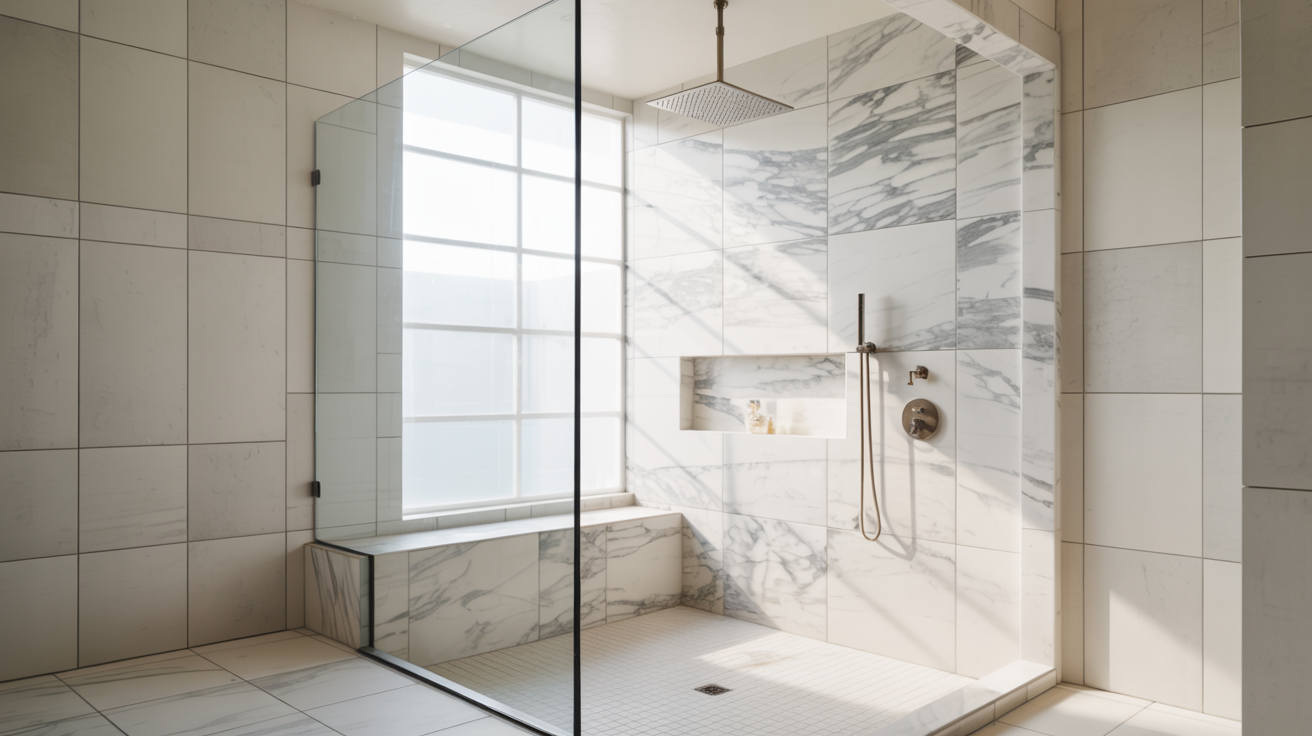
This is one of the most practical bathroom upgrades a homeowner can make.
Many people rarely use their bathtub but step into a shower every single day. Converting that unused tub into a shower gives you a space that works harder for your lifestyle.
It can also free up floor space, reduce cleaning time, and make your bathroom safer and more accessible.
Showers are simply easier to use on a daily basis. There is no climbing over a high tub wall, no waiting for a tub to fill, and no awkward positions when cleaning.
For older adults or anyone with mobility concerns, that difference matters a lot.
Beyond function, a new shower can also refresh the entire feel of your bathroom without requiring a full remodel.
It is a focused change that delivers results you will notice every single morning.
How to Convert a Bathtub to a Shower: Step-by-Step
Here is exactly what the process looks like from start to finish.
Step 1: Assess Your Bathroom and Set a Budget
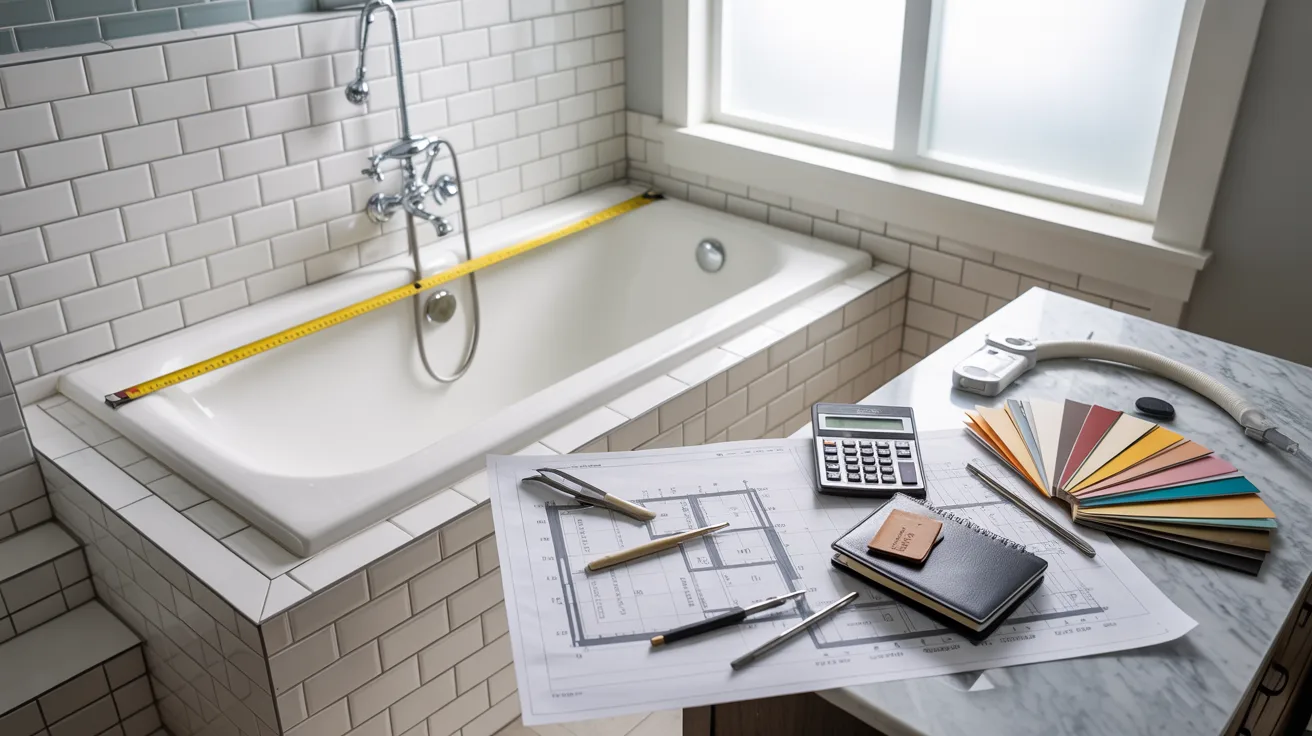
A quick assessment upfront saves time and money later.
Note the size of the tub space, where the plumbing sits, and whether you want to keep it in place. Moving plumbing adds significant cost, so staying in the same location is the smarter call.
A basic kit conversion runs between $1,200 and $3,000, a professional install between $3,000 and $5,000, and a custom build can reach $8,000 or more.
Step 2: Choose the Right Conversion Option
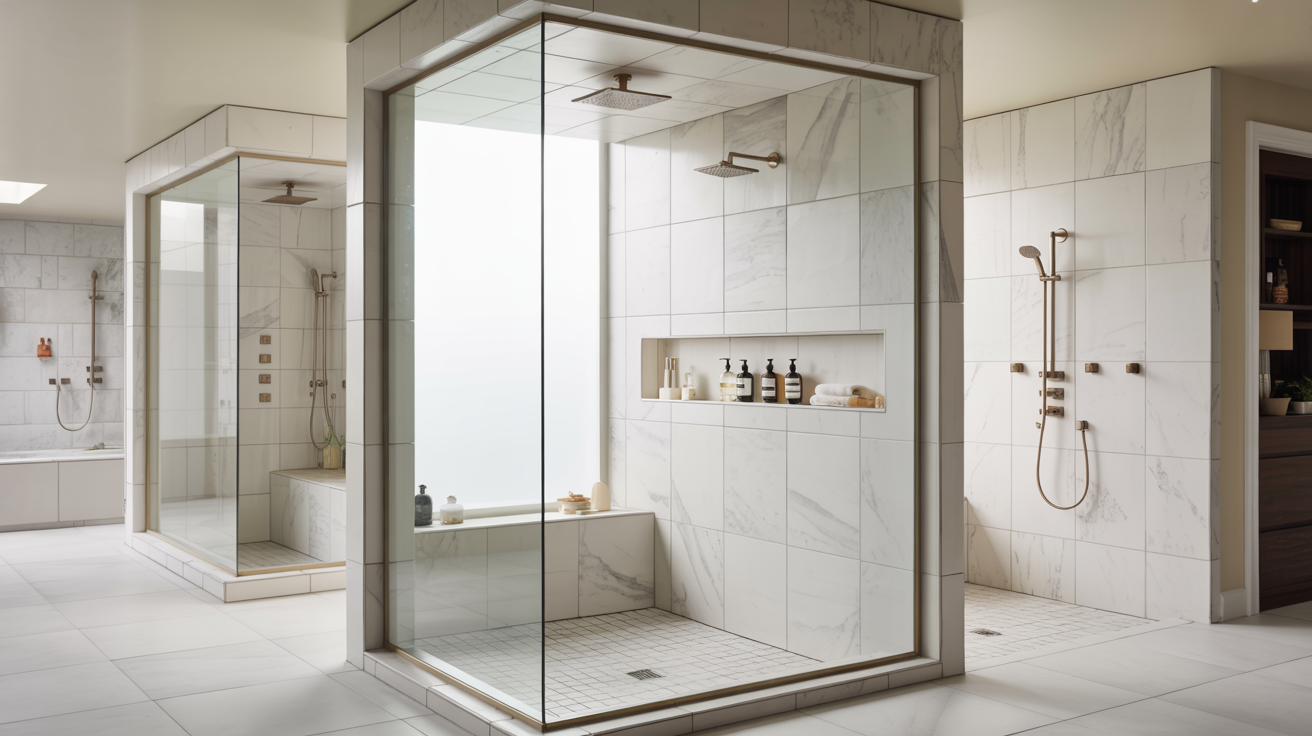
The right method depends on your budget, timeline, and comfort with renovation work.
A DIY kit is the most affordable route but requires careful waterproofing. A one-day professional service is fast and uses a prefabricated system installed in a single visit.
A full professional remodel suits custom builds or bathrooms that need structural changes. Always get at least two or three quotes before deciding.
Step 3: Pick Your Shower Style and Design
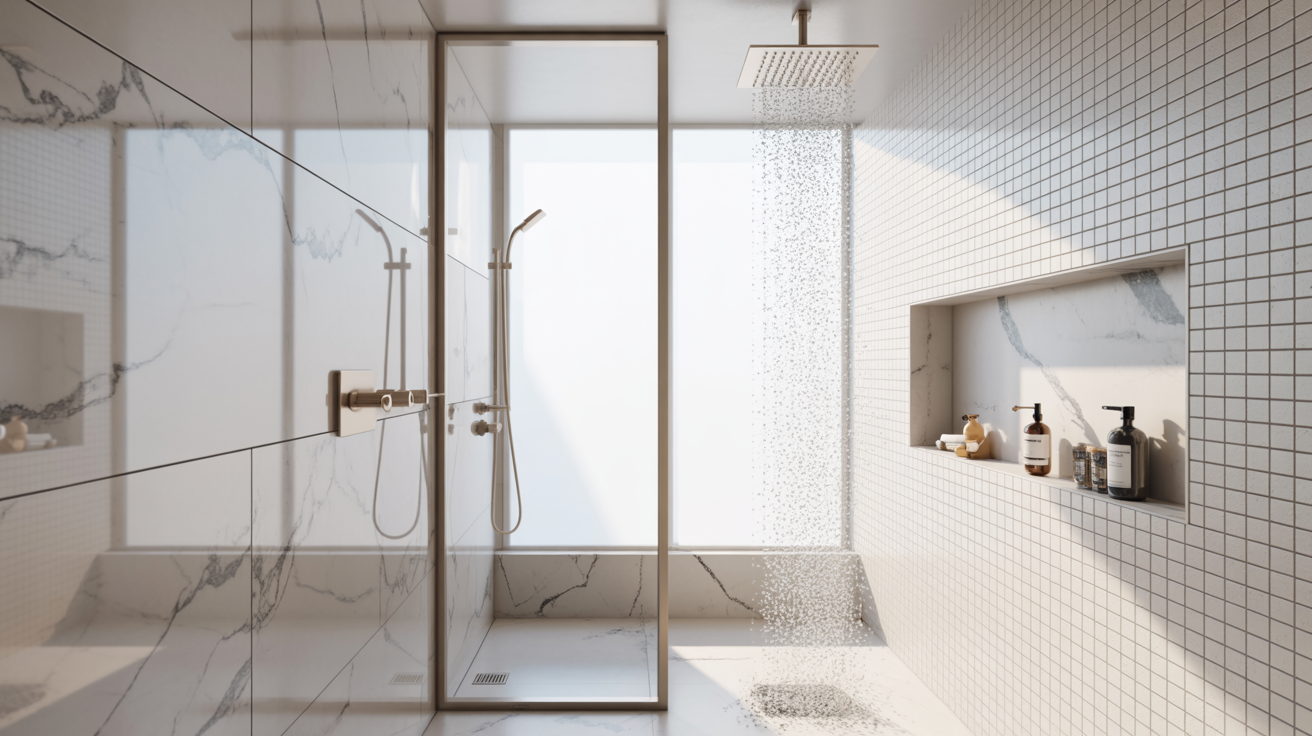
Choosing the right layout early helps avoid costly changes during installation.
A walk-in or curbless shower is open and works well for accessibility. A corner shower fits neatly into smaller bathrooms and frees up floor space.
If your budget allows, add a rainfall showerhead, built-in seating, or wall niches during the build since adding them later costs more.
Step 4: Remove the Bathtub
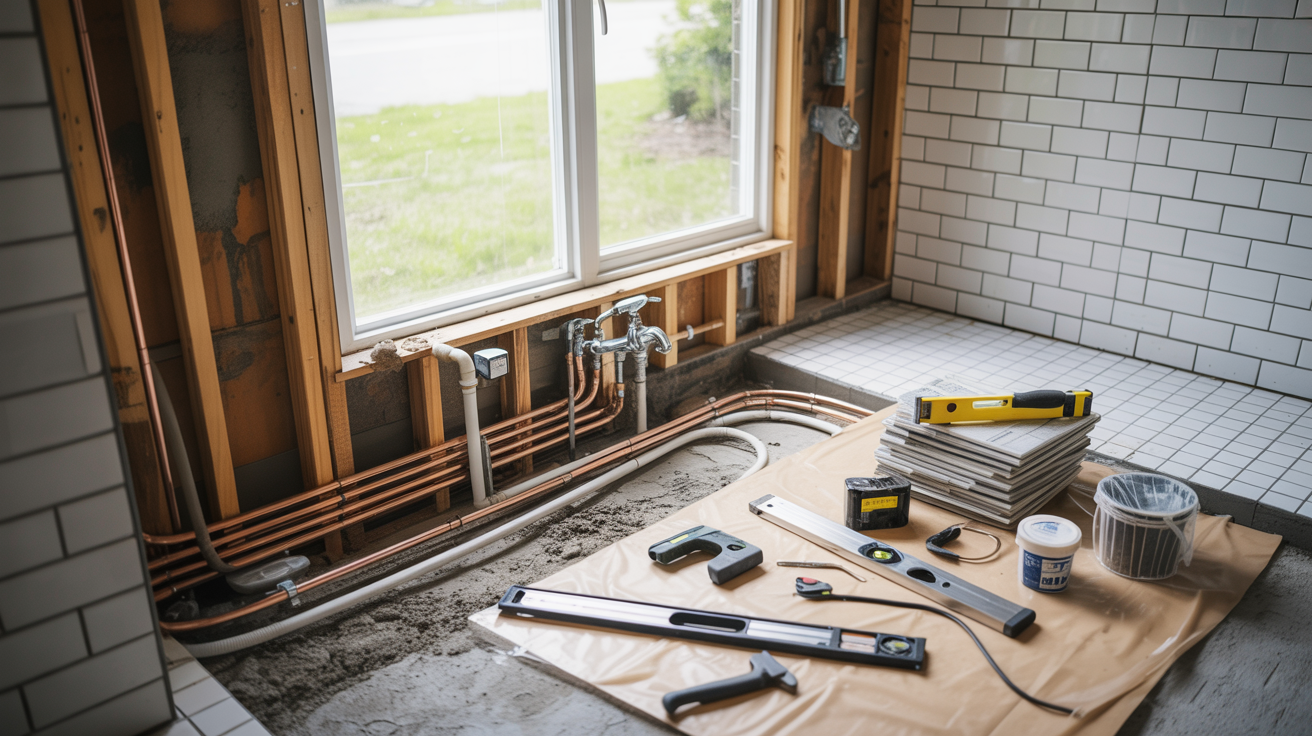
This is where the physical work begins, and it should be handled with care.
Turn off the water supply, disconnect the drain, and score the caulk around the tub edges before pulling it out.
Heavy tubs like cast iron may need to be cut into sections for removal. If you hire a contractor, they handle all of this and haul the old tub away.
Step 5: Prep the Space and Adjust Plumbing
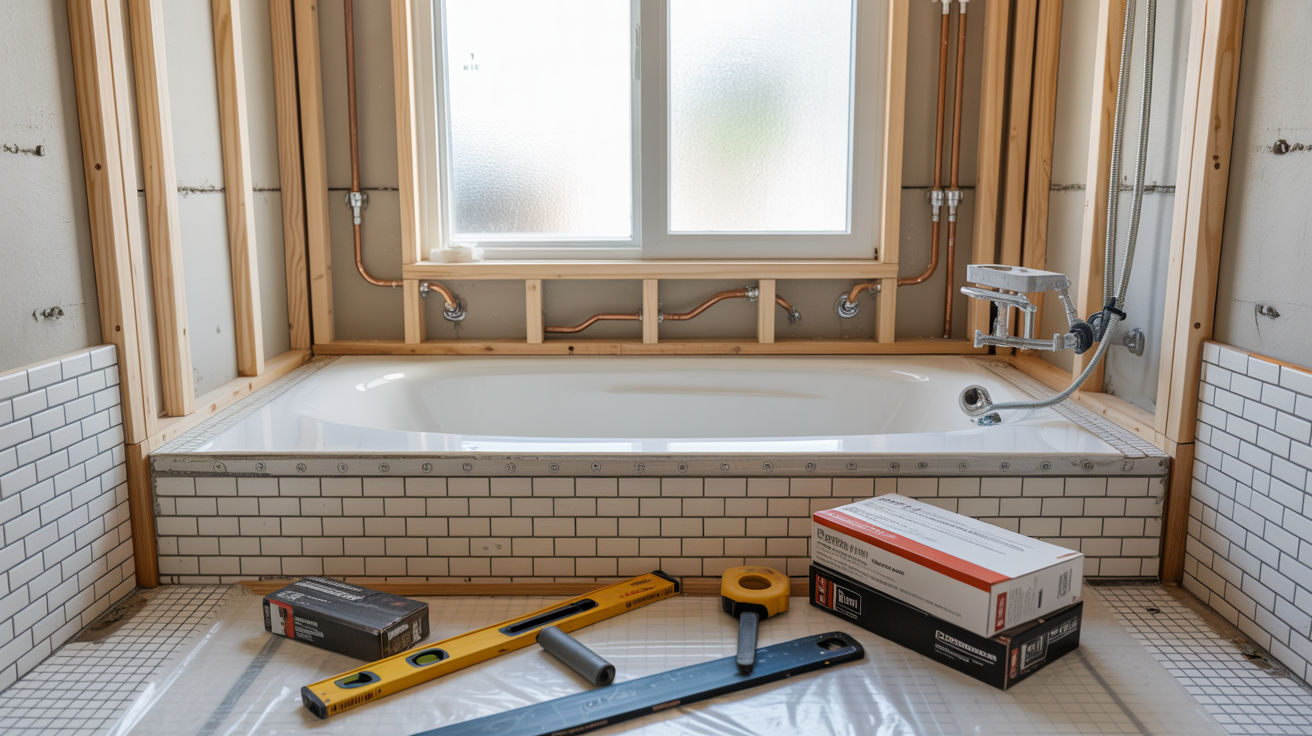
Getting the base area right is the most important part of a long-lasting shower.
If the new drain lines up with the existing one, installation stays simple. If not, bring in a licensed plumber.
Then apply a waterproof membrane or cement board to all walls before anything goes up, paying close attention to corners and seams.
Step 6: Install the Shower Base and Walls
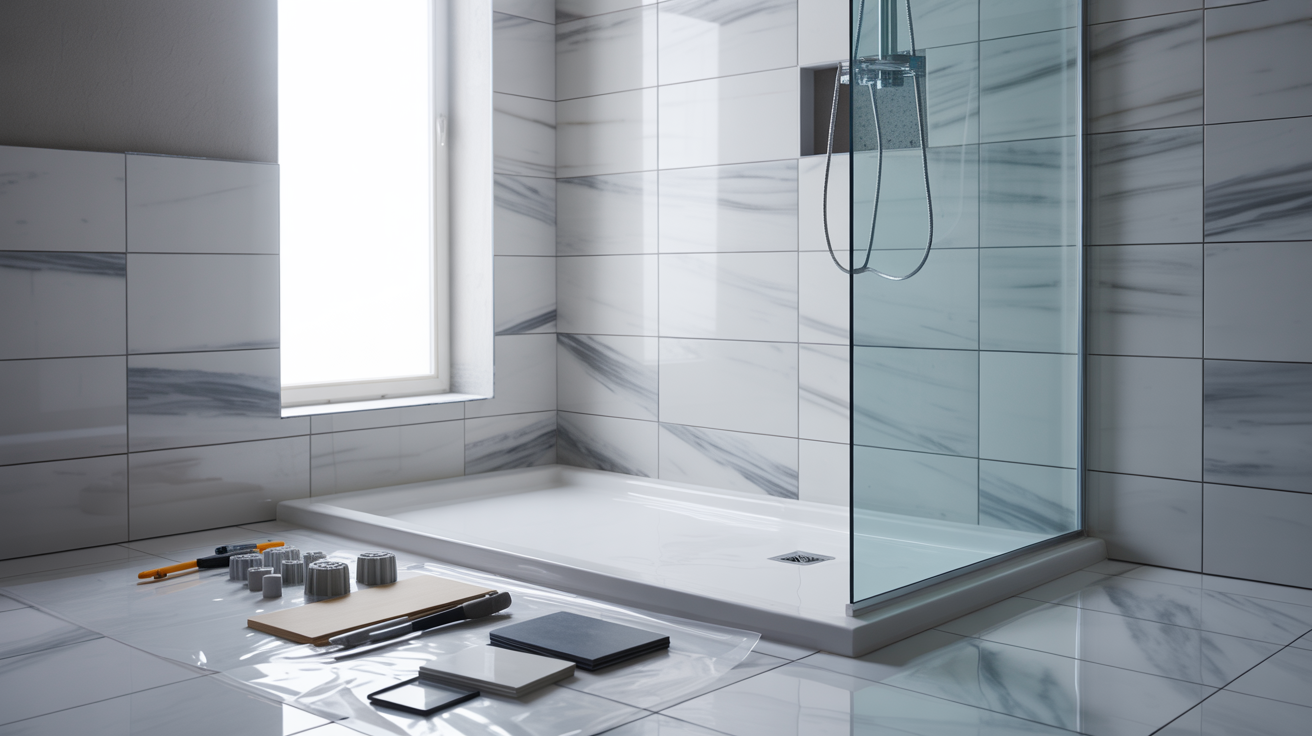
With the space prepped, the actual shower structure goes in.
Set the base in position, level it in all directions, and connect it to the drain. Once secured, wall panels snap or glue into place if using a kit.
If tiling, apply adhesive over the waterproof membrane, then grout and seal. Large tiles or seamless panels reduce grout lines and make cleaning easier.
Step 7: Install the Showerhead, Fixtures, and Door
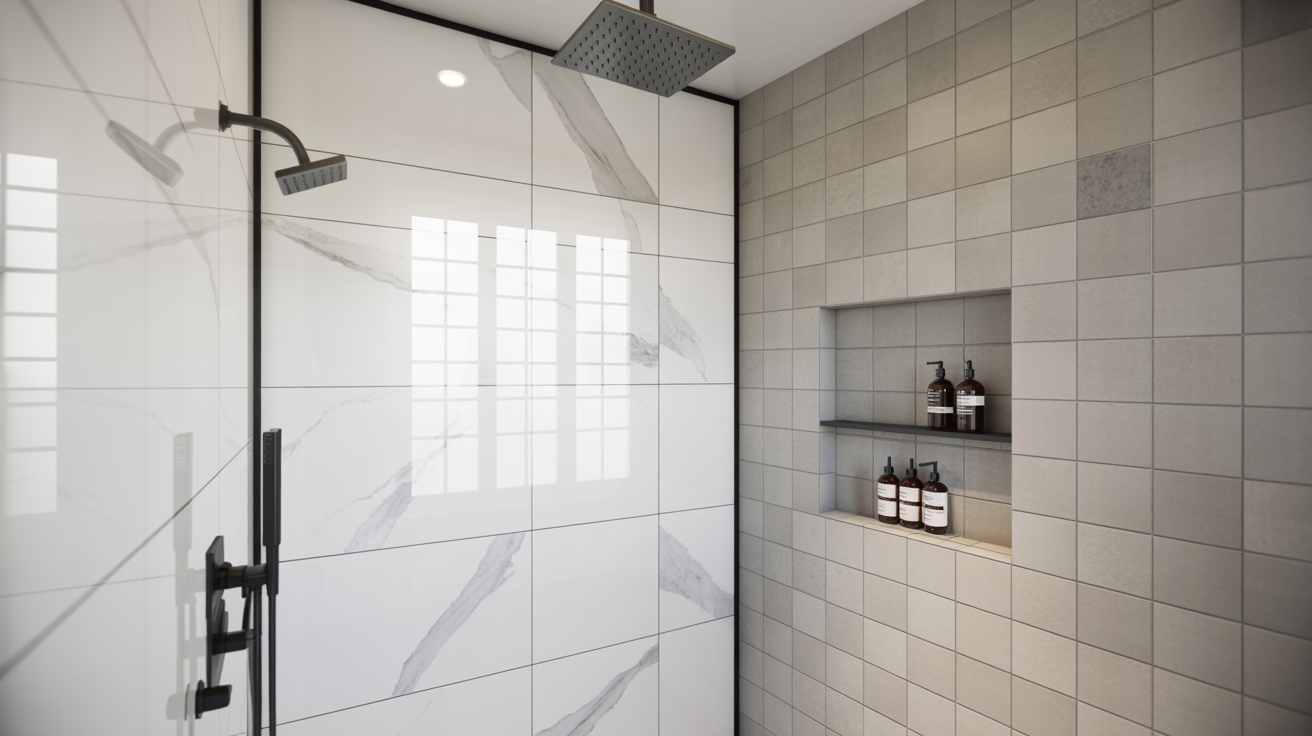
The final step is connecting everything and finishing the space.
Attach the showerhead, valve, and handles to your plumbing setup. Install the shower door, curtain rod, or glass panel to close off the space.
Seal all edges with silicone caulk and let everything cure fully before running water.
Benefits of Converting a Bathtub to a Shower
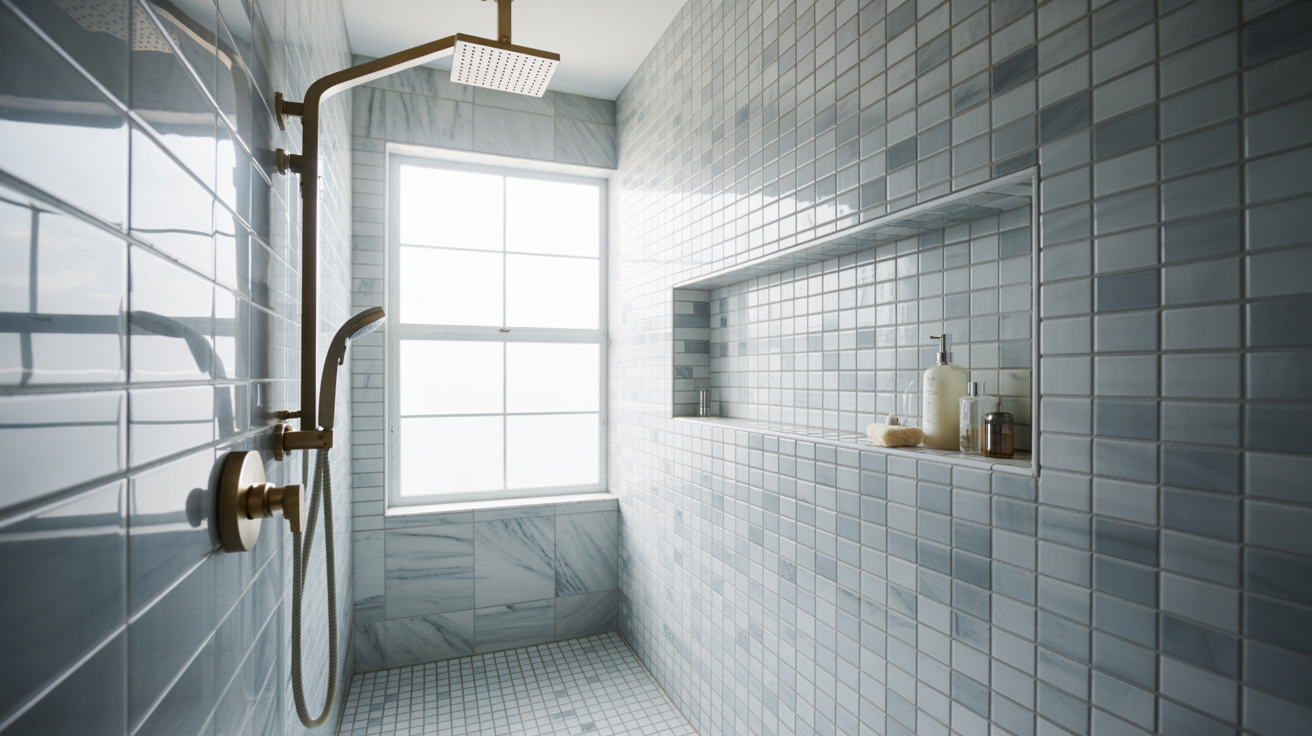
Switching from a tub to a shower comes with real, everyday advantages that go beyond just looks.
Saves Space
A shower footprint is far smaller than a bathtub, and that difference adds up.
A shower takes up significantly less floor space than a bathtub. Removing a bulky tub opens up the bathroom in a noticeable way, making even smaller bathrooms feel more open and easier to move around in.
Easier and Safer to Use
A shower removes one of the most common causes of bathroom accidents.
There is no high tub wall to step over, which reduces the risk of slipping. Adding grab bars or a built-in seat makes it even safer for older adults or anyone with mobility concerns.
Faster Daily Routine
No filling, no waiting, just step in and get going.
A shower is simply quicker than filling and soaking in a tub. For most people, this alone makes the switch worth it since it fits better into a busy daily schedule.
Easier to Clean
Fewer corners and smoother surfaces mean less time scrubbing.
Showers have fewer hard-to-reach corners and more seamless surfaces than a bathtub. Less grout and fewer edges mean less scrubbing and less time spent on upkeep each week.
Adds Appeal to Your Home
A well-installed shower can refresh your bathroom without a full remodel.
A modern shower can refresh the entire feel of your bathroom and is an upgrade buyers tend to respond well to, especially when the home still has at least one other bathtub.
Tips for a Successful Conversion
A few smart habits during the process will make a big difference in the final result.
- Keep the plumbing in its current location whenever possible to cut costs
- Use slip-resistant flooring in the shower to reduce fall risk
- Add grab bars and a fold-down seat if accessibility is a current or future concern
- Choose large tiles or seamless panels to minimize grout lines and simplify cleaning
- Build in wall niches or shelving during installation rather than adding them later
- Never rush the waterproofing or caulking steps, as these protect everything behind the walls
- Always let caulk and grout cure completely before using the shower
Conclusion
A bathtub to shower conversion is one of the most practical upgrades you can make in your home.
Plan it carefully, pick the right method for your budget, and never rush the waterproofing steps. Do those things right and you will end up with a shower that looks great, functions well, and lasts for years.
Have questions or already done a conversion? Drop a comment below and share how it went.
Frequently Asked Questions
How long does a bathtub to shower conversion take?
A one-day service wraps up in a single visit, a DIY kit takes a full weekend, and a custom professional remodel can take anywhere from three days to two weeks.
Does removing a bathtub hurt home value?
Not necessarily. If your home has at least one other tub, converting a second one to a shower can actually appeal to buyers. Removing the only tub may affect resale value.
Can I convert a tub to a shower without moving plumbing?
Yes, in many cases. If the new shower base fits over the existing drain, plumbing changes are minimal. Moving the drain or supply lines will require a plumber and add to the cost.
Is a DIY kit good enough for a permanent shower?
Yes, if installed correctly. Proper waterproofing and sealing are the key steps. Get those right and a kit-based shower can last for many years.
Do I need a permit to convert a bathtub to a shower?
It depends on your location and the scope of work. If the conversion involves moving plumbing or structural changes, a permit is typically required. Check with your local building authority before starting.


