

Most people spend hours choosing the right carpet. Nobody thinks about what goes underneath it.
I made that mistake once. The carpet felt fine in the store and flat within a year. Turns out, the padding was the problem the whole time.
The best carpet padding thickness is not a one-size-fits-all answer. It depends on your carpet type, your subfloor, and how the room gets used every day.
Get it right and your carpet lasts years longer. Get it wrong and you are replacing it far sooner than you should.
Let me show you exactly what to look for.
What Is Carpet Padding and Why It Matters
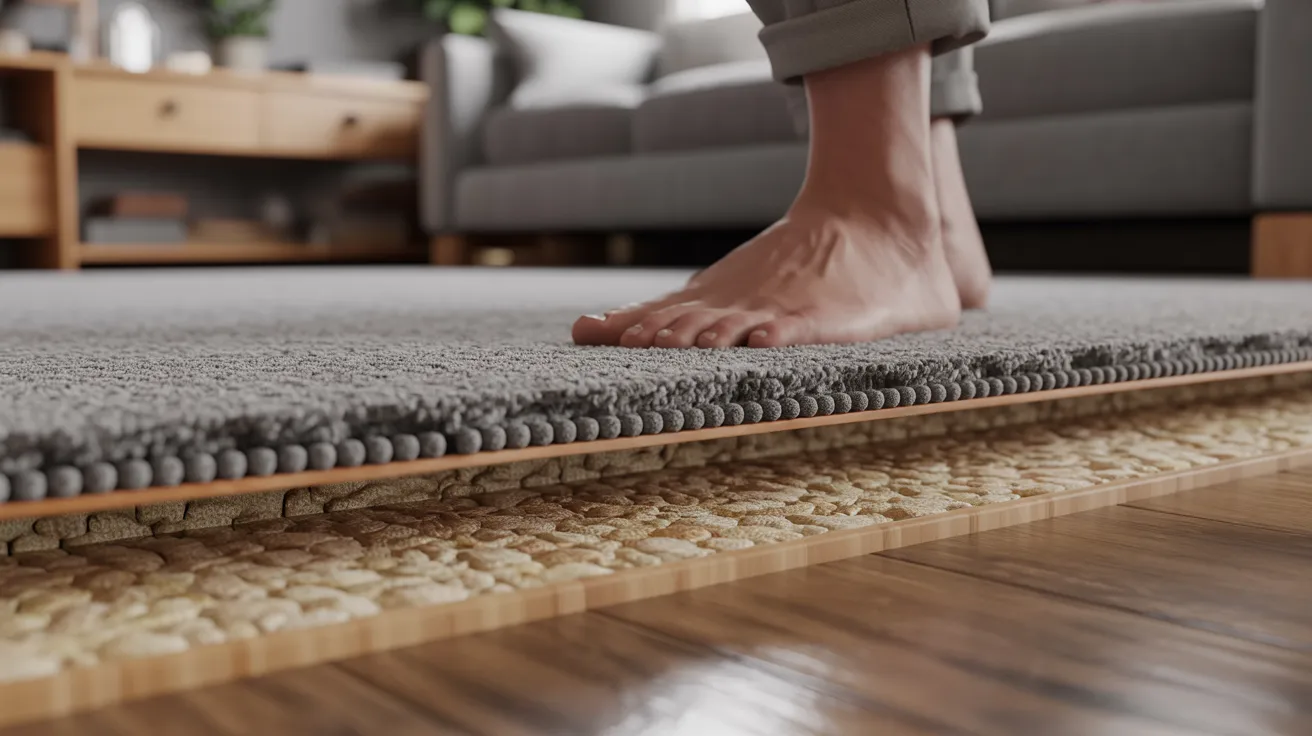
Carpet padding is the layer that sits between your carpet and the subfloor. It is sometimes called an underlayment or cushion.
Its job is more than just softness. Good padding absorbs impact, reduces noise, and acts as a thermal barrier between your floor and the room above it.
It also protects the carpet itself. Every step you take pushes the carpet fibers down. Without padding, those fibers grind directly against the hard subfloor and wear out much faster.
Padding thickness plays a direct role in all of this. Too thin and you lose comfort and protection. Too thick and you create instability that damages the carpet from below.
Standard Carpet Padding Thickness

Most carpet padding falls between 1/4 inch and 1/2 inch in thickness, depending on the material and purpose.
Dense foam padding typically ranges from 1/4 inch to 7/16 inch. Felt padding usually runs between 3/8 inch and 1/2 inch.
Thinner padding is firmer and more stable. It works well under low-pile and looped carpets, and in high-traffic areas where you need the floor to hold its shape.
Thicker padding feels softer and more cushioned underfoot. It suits bedrooms and living rooms where comfort is the priority. But going too thick creates a spongy, unstable surface that wears carpet down faster.
The sweet spot for most homes is 3/8 inch at a density of 6 to 8 pounds. That combination gives you comfort without sacrificing durability.
Choosing the Best Carpet Padding Thickness

There is no single answer that works for every room. The best carpet padding thickness depends on several things working together.
Carpet type matters first. Plush and high-pile carpets pair well with slightly thicker padding. Berber and low-pile looped carpets need thinner, denser padding to stay stable and avoid buckling.
Foot traffic is the next factor. High-traffic areas like hallways, stairs, and living rooms need firmer, thinner padding, around 1/4 inch to 3/8 inch. Bedrooms and low-traffic spaces can handle up to 7/16 inch comfortably.
Your subfloor type also plays a role. Concrete subfloors benefit from padding with moisture resistance built in. Wood subfloors are more forgiving but still need the right density to prevent squeaking and shifting.
Room purpose ties it all together. For a home office or playroom, go for medium thickness with high density. For a master bedroom, a little extra cushion is a reasonable choice. For stairs, always choose thin and dense for safety and stability.
Common Materials and Their Ideal Thickness
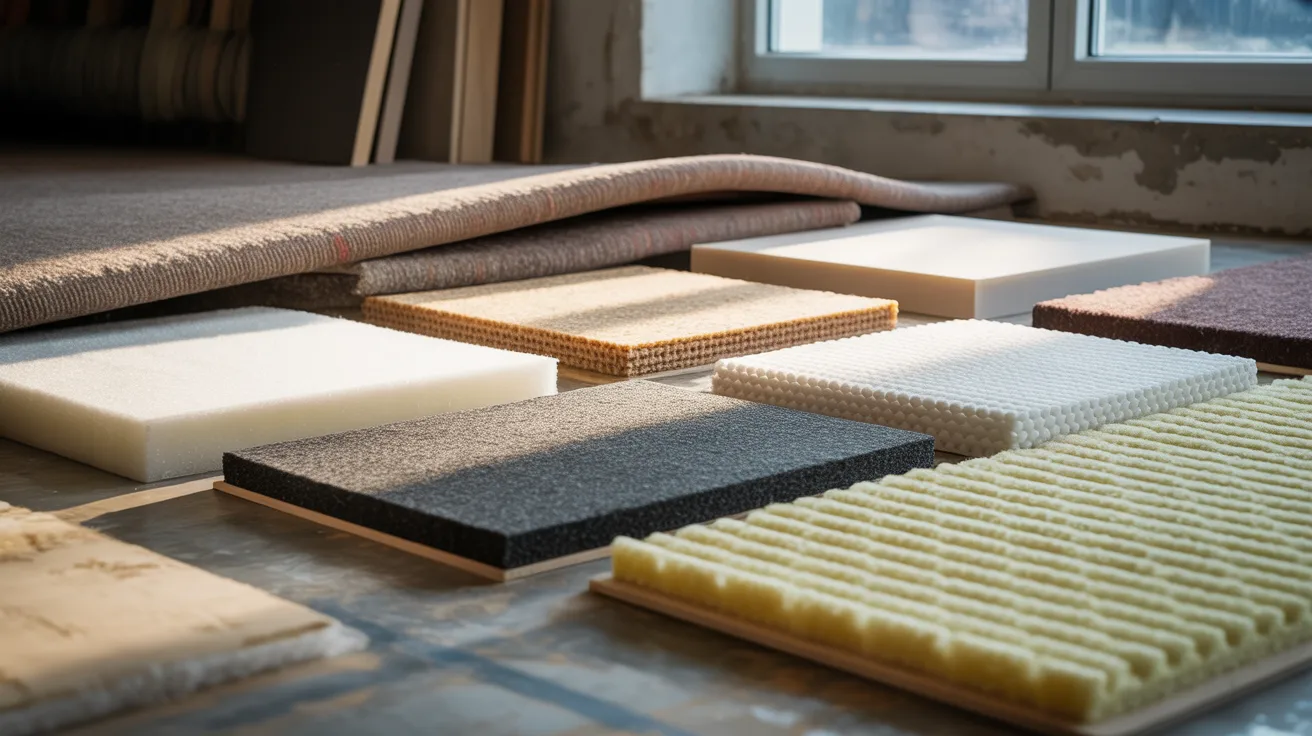
The material of your padding affects thickness recommendations just as much as the room does. Here is what you need to know before you buy.
Each material has a different density profile, and that changes how thick you actually need to go to get the performance you want.
- Foam padding is the most common and affordable option. The ideal thickness is 3/8 inch at 6 to 8 lb density. Avoid going above 1/2 inch with foam as it tends to compress unevenly over time.
- Felt padding is denser and more durable. A thickness of 3/8 inch to 1/2 inch works well. It is a strong choice for high-traffic areas because it holds its shape longer than foam.
- Rubber padding is firm, resilient, and long-lasting. It typically comes in 1/4 inch to 3/8 inch and works well under Berber and commercial-grade carpets.
- Memory foam padding offers the most cushioning. Keep it at 3/8 inch maximum and pair it only with high-pile or plush carpets in low-traffic rooms.
- Moisture-resistant padding is essential for basements and any area prone to humidity. Look for a waffle rubber or closed-cell foam option at 1/4 inch to 3/8 inch thickness.
No matter which material you choose, always check the density rating alongside the thickness. A thin but dense pad will often outperform a thick but soft one in real-world use.
How Carpet Padding Thickness Affects Carpet Warranty
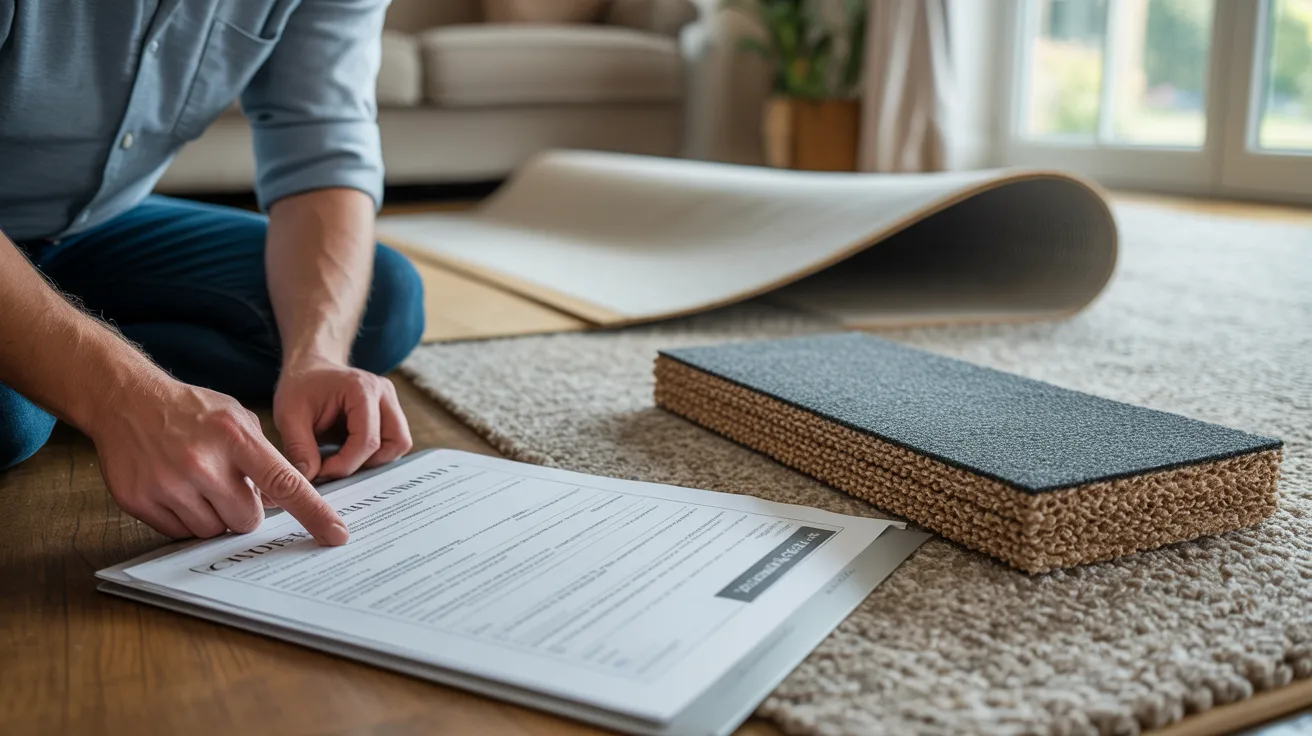
Most carpet manufacturers include padding specifications in their warranty terms. This is something a lot of buyers overlook until it is too late.
The standard warranty requirement is padding no thicker than 7/16 inch and no less than 6 lb density. Going outside those numbers can void your coverage.
Padding that is too thick creates excessive flex in the carpet backing. Over time, that flex causes the backing to crack and the seams to split. Manufacturers will not cover that damage if the padding is out of spec.
Padding that is too thin fails to protect the carpet fibers from the hard subfloor. The result is premature wear, and again, the warranty will not apply if the padding did not meet the minimum standard.
Before you buy any padding, check your carpet manufacturer’s documentation. The recommended thickness range will be listed clearly. Staying within it protects both your carpet and your investment.
Maintenance Tips for Optimal Performance
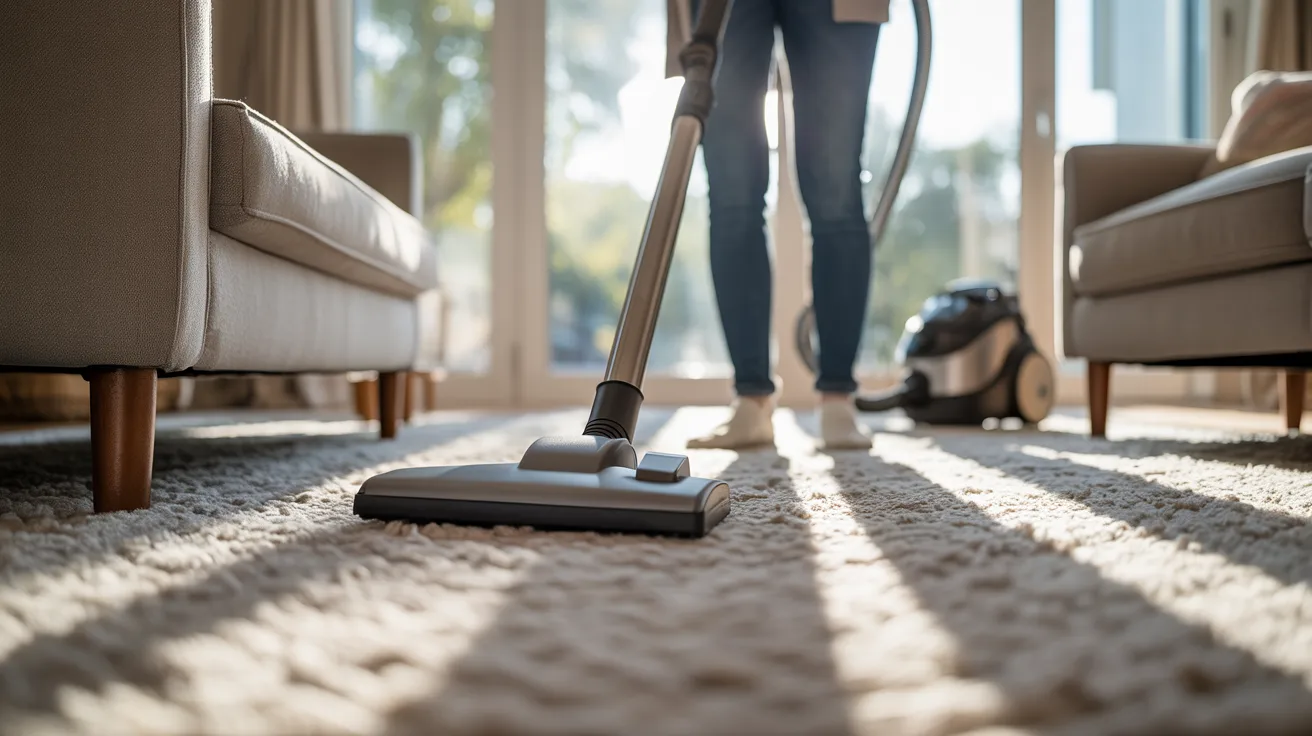
The right padding thickness only works long-term if you maintain it properly. A few consistent habits make a significant difference.
Padding that is well cared for can last as long as the carpet itself. Here is how to get the most out of it.
- Vacuum regularly using the correct height setting. Running your vacuum too low on thick carpet compresses the padding unevenly over time. Adjust the height so the vacuum glides without dragging.
- Address spills immediately. Liquid that soaks through the carpet reaches the padding fast. If padding stays wet, it breaks down from the inside and develops mold or odor.
- Use furniture coasters under heavy pieces. Concentrated weight from furniture legs compresses padding permanently in those spots. Coasters spread the load and prevent permanent dents.
- Watch for these signs that your padding needs replacing: a crunching sound when you walk, visible ripples or bubbles in the carpet surface, a flat or hard feel underfoot, or persistent odor even after cleaning.
- Do not wait for the carpet to fail before replacing the padding. If you are installing new carpet, always replace the padding underneath. Old padding under new carpet is one of the most common reasons new carpet wears out too quickly.
Keeping up with these habits extends the life of both the padding and the carpet above it significantly.
Conclusion
The carpet gets all the attention. The padding does all the work.
Most flooring mistakes happen before the first roll is ever cut. Do not let padding be yours.
If this guide on best carpet padding thickness helped you figure out what your floor actually needs, that is a great start. Now act on it before your next install.
Got a specific room or carpet type you are unsure about? Drop it in the comments and I will help you work it out.
And if this saves you a headache, share it with someone who needs it.
Frequently Asked Questions
What Is the Best Carpet Padding Thickness for High-Traffic Areas?
For high-traffic areas like hallways, stairs, and living rooms, a dense padding between 1/4 inch and 3/8 inch at 8 lb density is the best choice. The firmness keeps the carpet stable and prevents premature wear from heavy use.
Can I Use Thick Padding Under All Carpet Types?
No, thick padding should not be used under low-pile or looped carpets like Berber, as it creates instability that causes the carpet to buckle and the backing to break down. Always match padding thickness to the specific carpet construction.
Does Thicker Padding Make My Carpet Feel Softer?
Yes, thicker padding does add noticeable cushioning underfoot, but going beyond 7/16 inch can cause the carpet to feel spongy and unstable over time. The best comfort comes from pairing the right thickness with the correct density for your carpet type.
How Often Should Carpet Padding Be Replaced?
Most carpet padding lasts between 8 and 10 years under normal conditions, though heavy foot traffic or moisture exposure can shorten that lifespan. A good rule of thumb is to replace the padding every time you install new carpet.
Is Carpet Padding Necessary for Warranty Purposes?
Yes, most carpet manufacturers require padding that meets specific thickness and density standards as a condition of their warranty. Always check your carpet’s warranty documentation before purchasing padding to make sure you stay within the approved specifications.


