

Choosing the right tile for your shower walls can feel overwhelming. I’ve been there, standing in a tile showroom, completely unsure where to start.
So many options, so many opinions, and so much conflicting advice online.
This guide cuts through all of that. From materials to sizes, finishes to design ideas, you’ll find practical advice that works in real bathrooms. I’ll help you avoid costly mistakes and pick a tile that actually lasts.
No confusing jargon. No endless product lists. Just clear, honest advice you can use today. Let’s get into it.
What Is the Best Tile for Shower Walls?
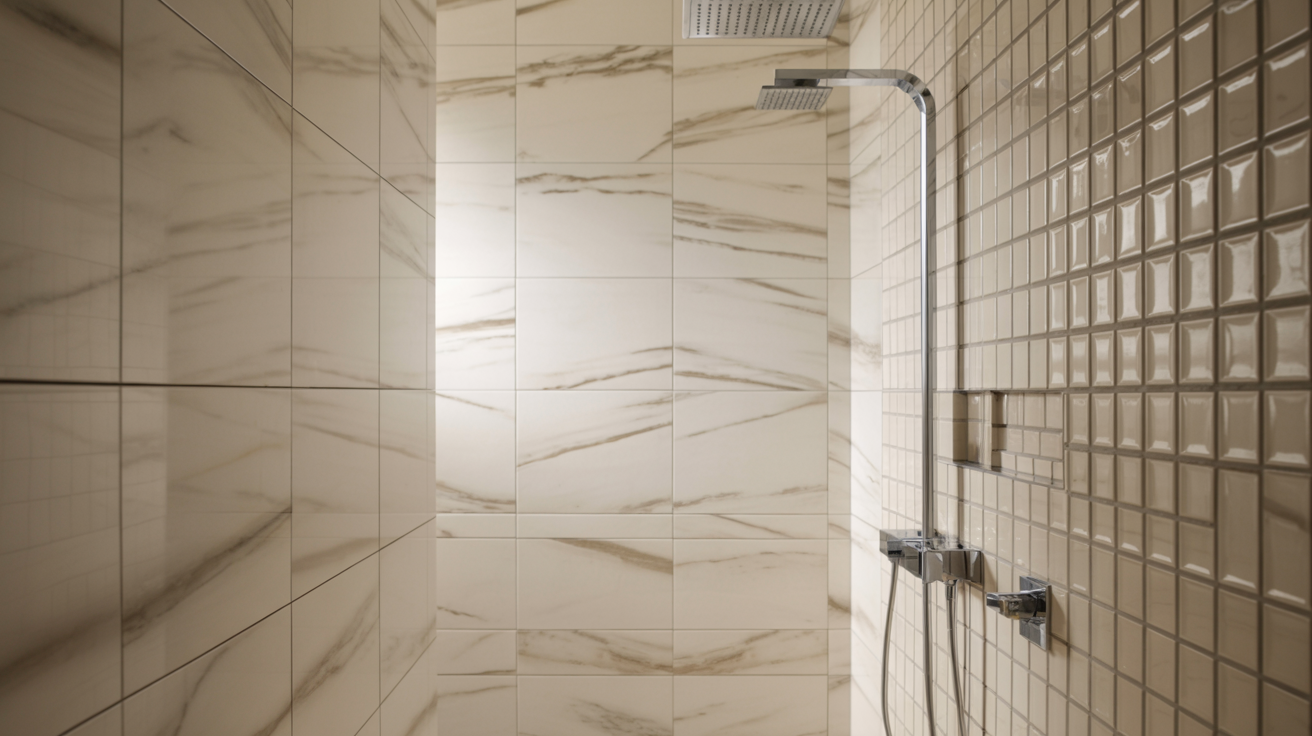
The right shower wall tile balances looks, performance, and long-term value.
Shower walls face water, steam, and soap every single day. Not every tile handles that well. Some absorb moisture. Others crack over time.
The best options have a low water absorption rate, resist mold, and are easy to clean.
If moisture seeps through your tile, it leads to mold behind the walls. That is costly to fix. Always check the water absorption rating before buying.
For modern bathrooms, porcelain and large-format tiles are very popular. They give a clean, open look. Subway tiles in neutral tones are also a solid choice for a simple, timeless style.
Types of the Best Tile for Shower Walls
Different tile types suit different budgets, styles, and maintenance needs.
Ceramic Tile for Shower Walls
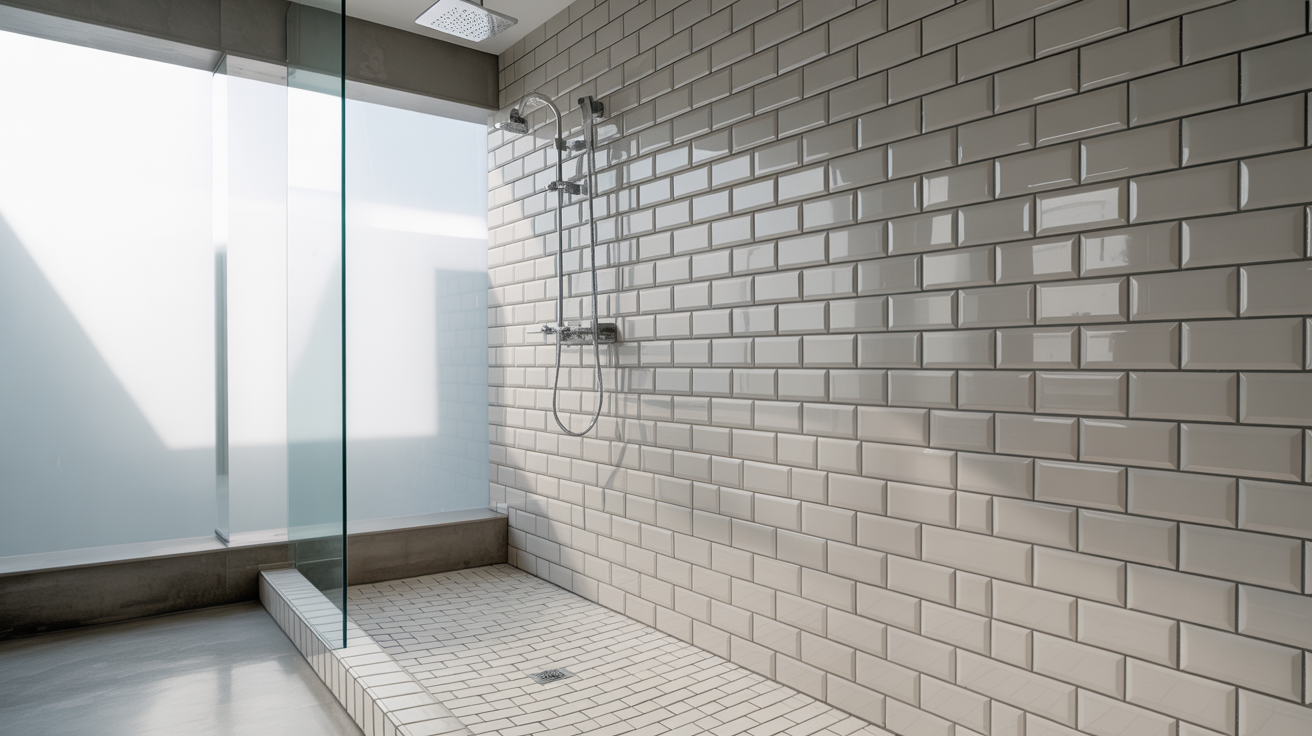
Ceramic is affordable and easy to install, making it a great budget-friendly option.
It comes in many colors and patterns but absorbs slightly more water than porcelain. Best used in guest bathrooms or low-traffic showers.
Porcelain Tile for Shower Walls
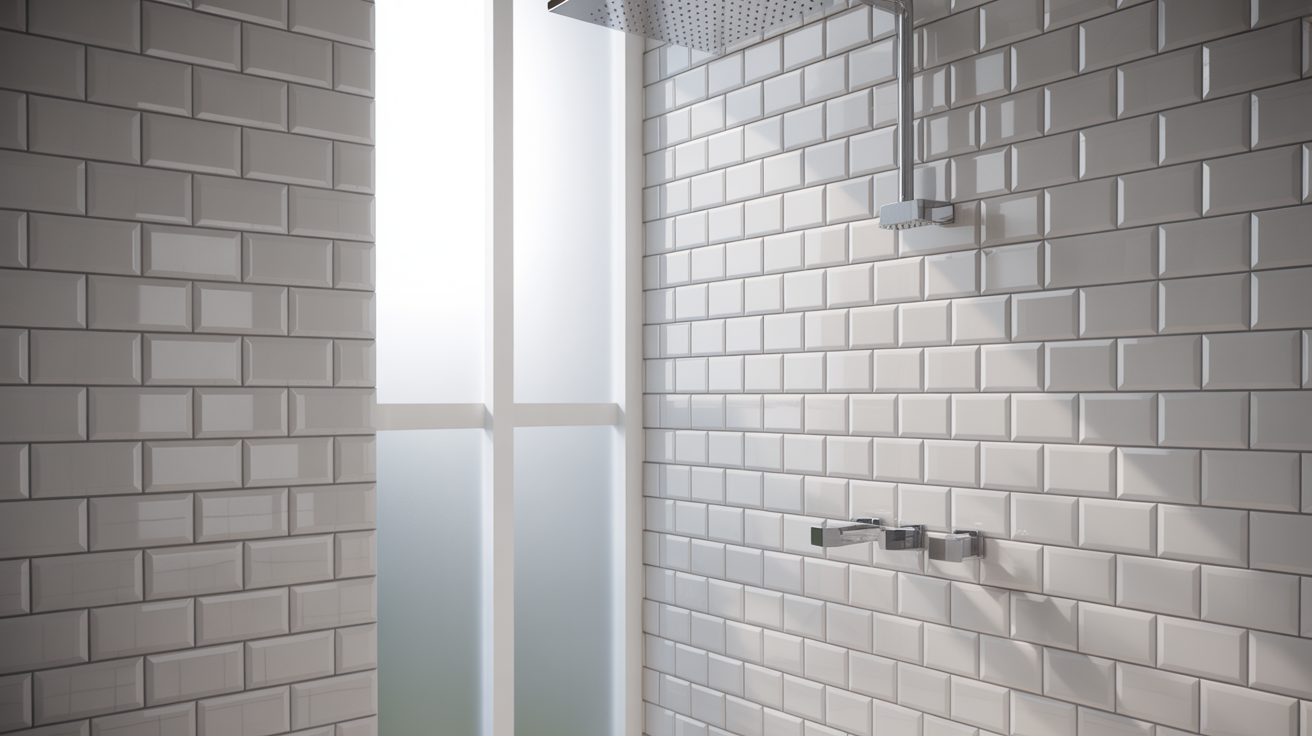
Porcelain is denser, less porous, and built to handle daily moisture.
It costs more than ceramic but holds up far better in a primary bathroom that gets heavy use every day.
Natural Stone Shower Wall Tiles
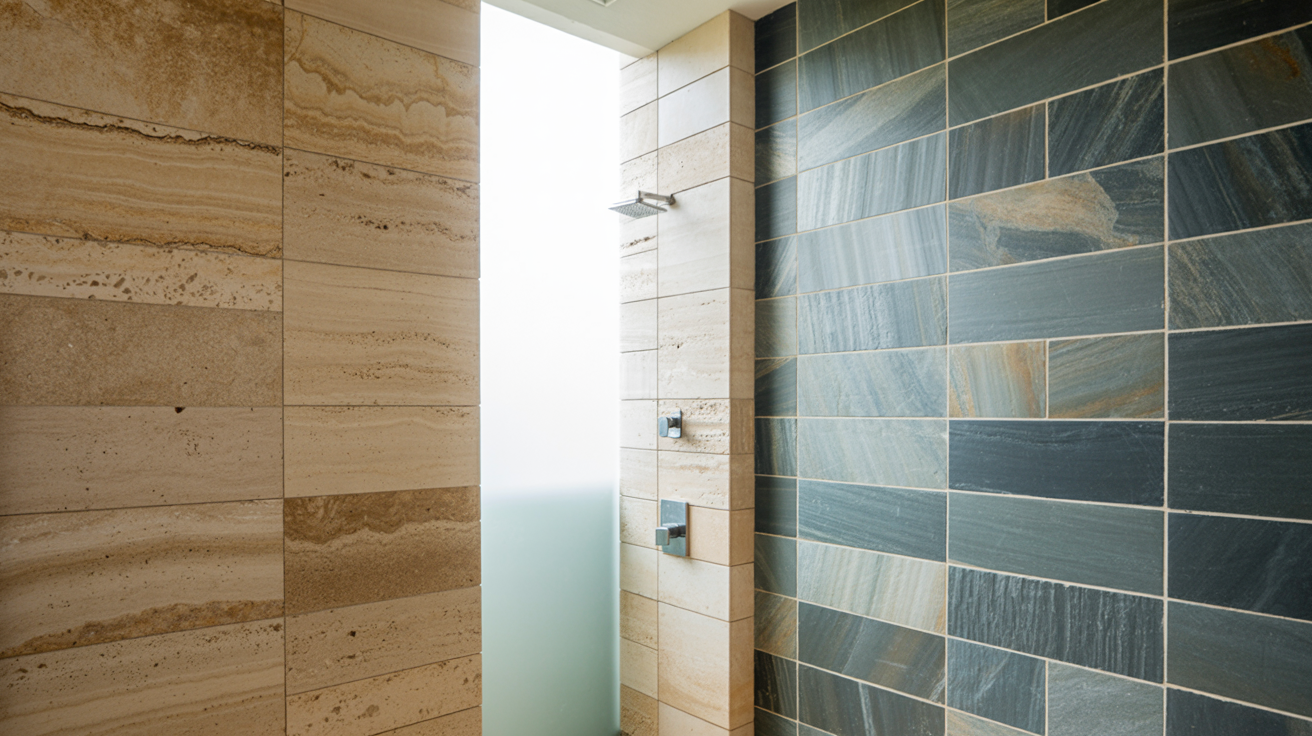
Natural stone looks great but needs regular sealing and more upkeep than other tiles.
Marble, travertine, and slate are popular choices. If you are willing to maintain it, the results are worth it.
Glass Tiles for Decorative Shower Walls
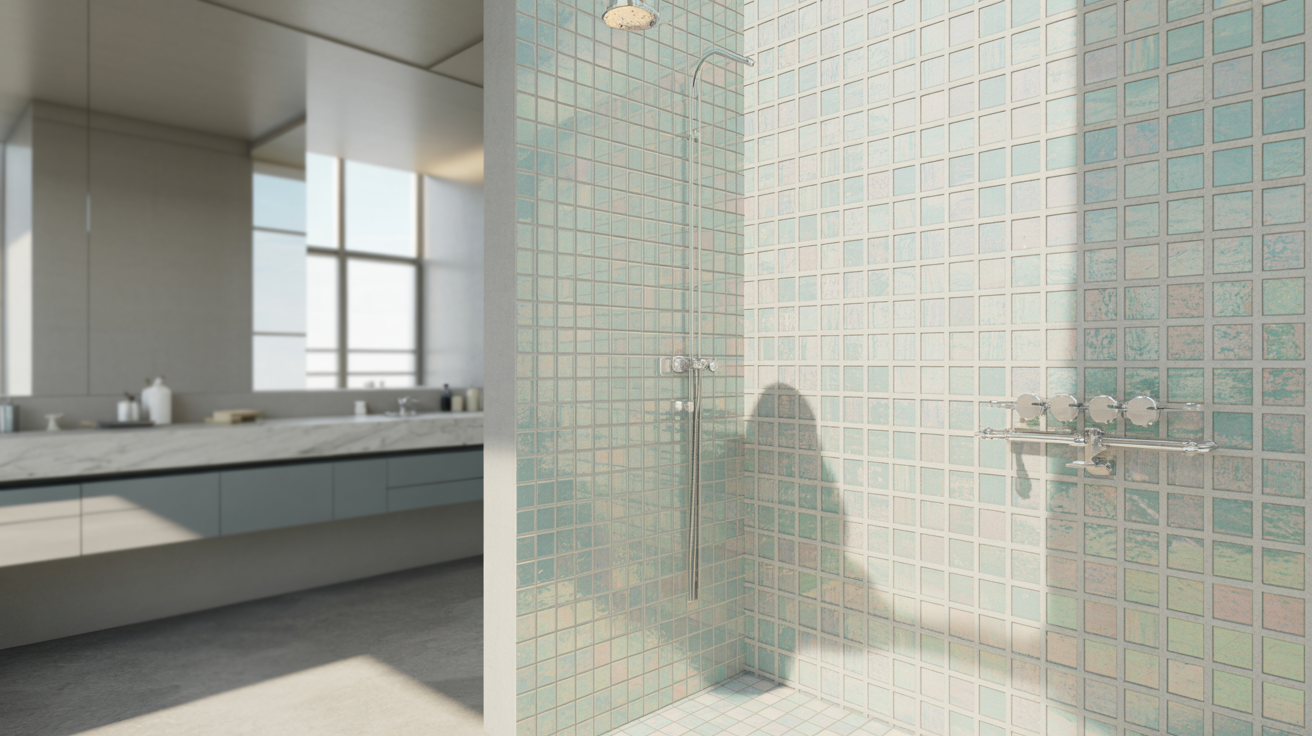
Glass tiles work best as accents, not full wall coverage.
They reflect light and open up small spaces but show water spots easily. Use them as a border or feature strip for the best effect.
Best Tile for Shower Walls: Ceramic or Porcelain?
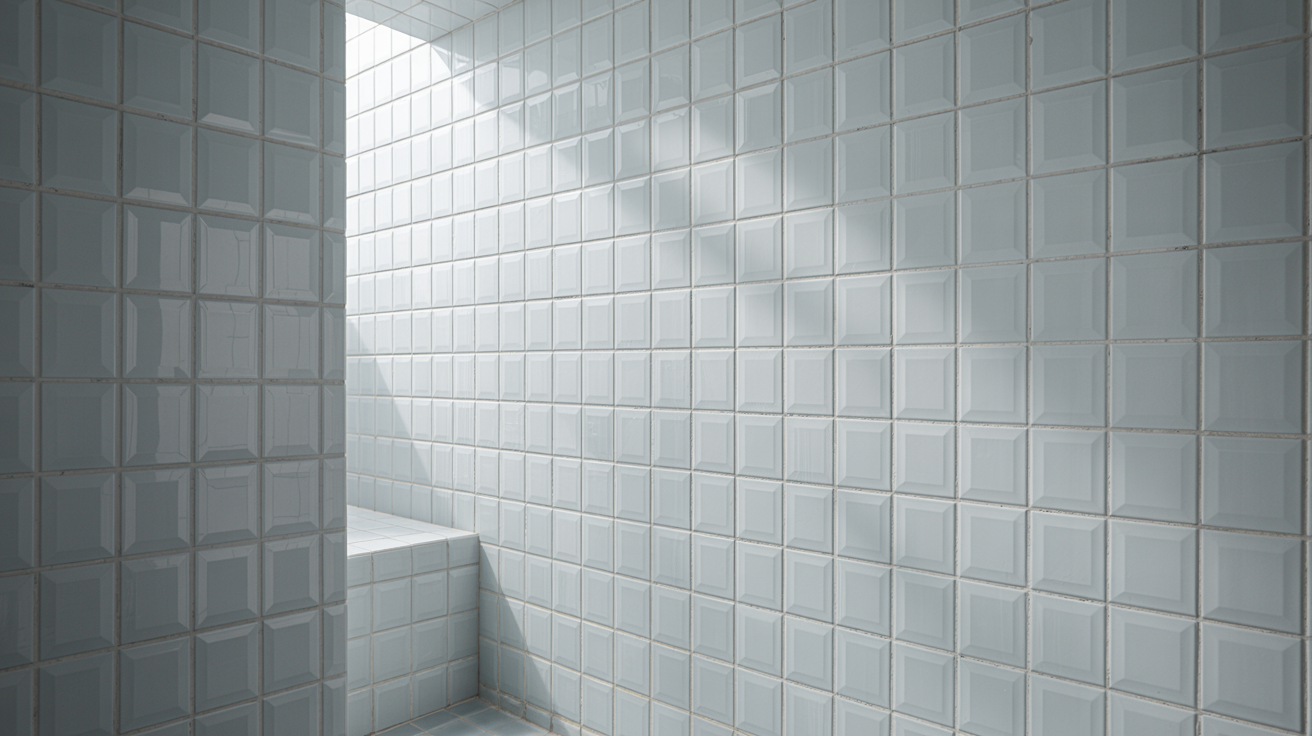
Both are solid options, but the right pick depends on your bathroom’s needs.
Key Differences Between Ceramic and Porcelain Tiles
Knowing the difference helps you spend your money in the right place.
Ceramic is softer and more porous. Porcelain is harder, denser, and fired at higher heat. That makes porcelain less likely to absorb moisture and better suited for wet spaces.
Which Option Is More Durable for Showers
Porcelain handles scratches, stains, and daily moisture better than ceramic.
It holds up well in high-traffic showers used by multiple people. Ceramic works fine in the right setting but cannot match porcelain’s long-term strength.
When to Choose Ceramic vs Porcelain for Your Bathroom
Your budget and how often the shower is used should guide this decision.
Choose ceramic for a tight budget or a guest shower with light use. Choose porcelain for a primary bathroom that needs a strong, low-maintenance tile that lasts for years.
Best Tile for Shower Walls and Floor
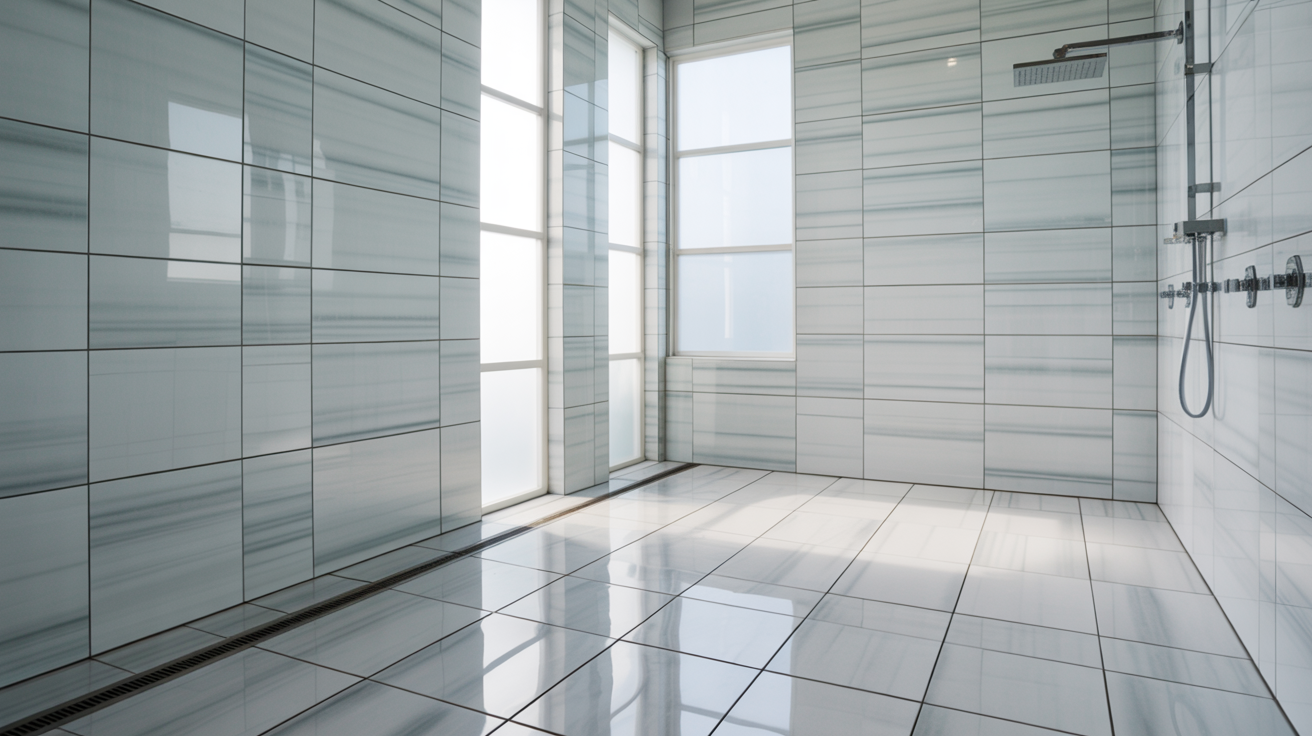
Coordinating your wall and floor tiles creates a clean and pulled-together bathroom.
Should Shower Wall and Floor Tiles Match?
They don’t have to match exactly, but they should always complement each other.
Using the same tile on both surfaces makes a small shower feel larger. If you mix tiles, keep the colors and tones in the same family.
Best Tile Combinations for Walls and Floors
The right combination brings the whole bathroom together without much effort.
Large-format porcelain on walls pairs well with mosaic floor tiles. Subway tiles on walls work nicely with a simple hex floor tile. For a bolder look, try a patterned floor with a plain wall tile.
Design Tips for a Cohesive Bathroom Look
Simple choices made with intention always give the best results.
Stick to two or three colors and keep grout consistent throughout. If the floor tile is bold, keep the walls simple and neutral.
Best Tile for Shower Walls Easy to Clean
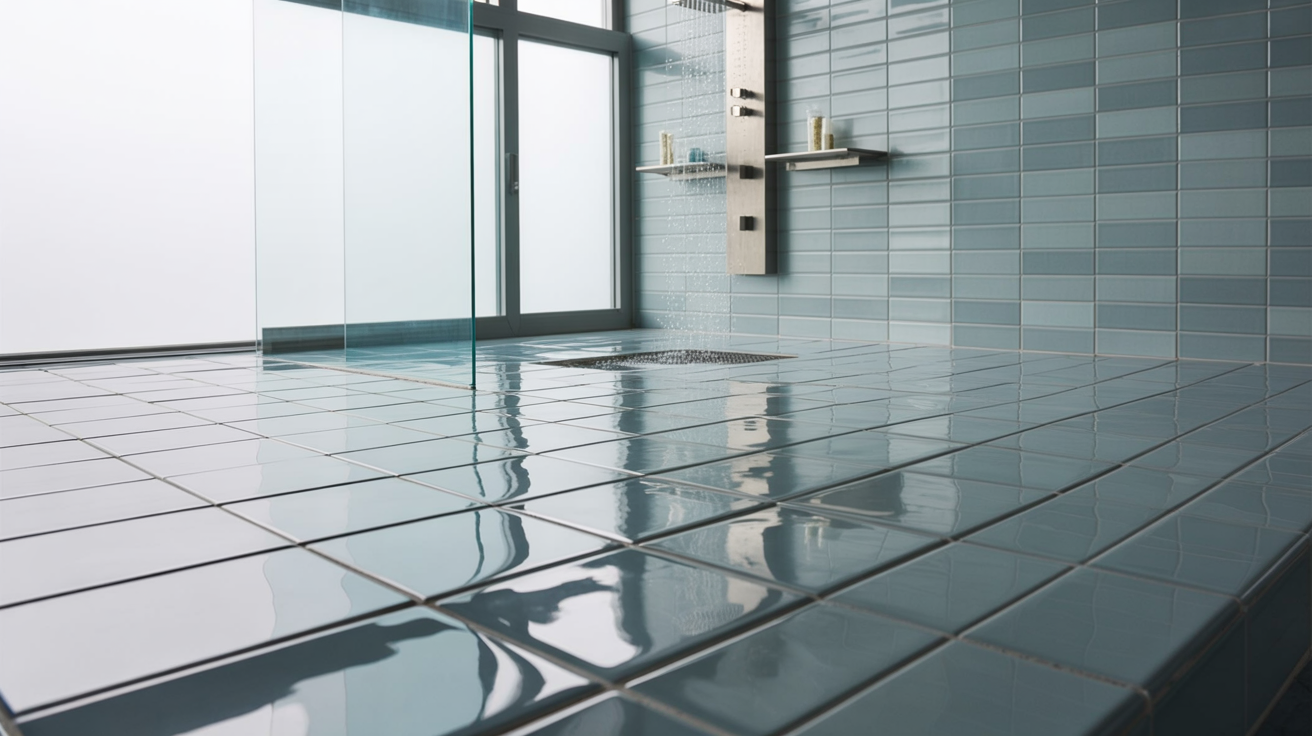
Nobody wants to spend hours scrubbing their shower every week.
Low-Maintenance Tile Materials
The material you choose will determine how much time you spend cleaning.
Porcelain and ceramic are the easiest to maintain. Glass shows water spots quickly. Natural stone needs special cleaners and regular sealing.
Tile Finishes That Resist Stains and Soap Buildup
The right finish makes a big difference in day-to-day upkeep.
Polished finishes are easy to wipe down. Matte finishes hide water spots better. Glazed tiles resist soap scum well, and larger tiles with fewer grout lines collect less buildup.
Best Grout Choices for Easy Cleaning
Grout choice matters just as much as the tile itself.
Use epoxy grout. It resists stains, mold, and moisture better than cement grout. It costs more upfront but saves a lot of time and effort over the years.
Best Tile for Shower Walls Makeover Ideas
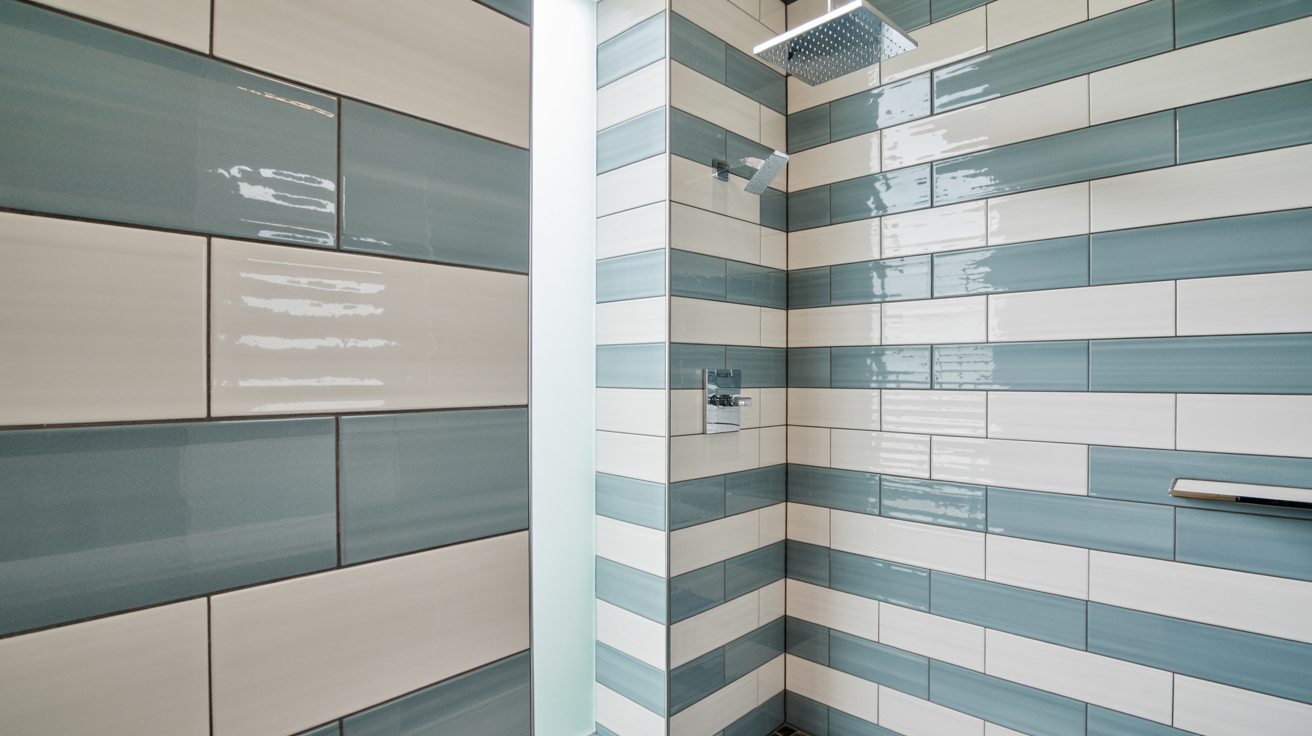
You do not need a full renovation to give your shower a fresh new look.
Updating an Outdated Shower With New Tile
A tile refresh can make an old shower feel completely new again.
If the old tiles are in good shape, you can tile over them. Otherwise, removing them and starting fresh gives the best result.
Budget-Friendly Shower Tile Upgrades
Great results do not always require a big budget.
Stick to standard tile sizes, use affordable subway tiles, and shop end-of-line tiles for big savings. A bold grout color adds interest without extra cost.
Creating a Spa-Like Bathroom Design
A few smart choices can make your shower feel like a retreat.
Use large-format stone-look tiles in warm tones, keep grout lines thin, and add a built-in niche. Good lighting does the rest.
Expert Tips for Choosing the Best Tile for Shower Walls
Making the right choice comes down to knowing what matters most for your space.
- Light colors open up small bathrooms and make them feel more spacious
- Dark tiles create a bold, dramatic look that works well in larger spaces
- Neutral tones age well and stay flexible with changing styles over time
- Warm tones like beige and sand bring a cozy, welcoming feel to the space
- Cool tones like grey and white feel clean, fresh, and modern
Conclusion
I know how much a good shower tile can change the way a bathroom feels. I’ve helped friends pick tiles that they still love years later, and I’ve also seen quick decisions lead to regret.
Take your time with this choice. Think about your lifestyle, your budget, and how much upkeep you want.
The best tile for shower walls is the one that works for you every single day. Found this helpful? Drop a comment or share it with someone planning a bathroom refresh.
Frequently Asked Questions
What is the best tile for shower walls?
Porcelain is widely considered the best tile for shower walls due to its low water absorption and durability. It works well in both modern and traditional bathroom styles.
What is the best tile for shower walls and floor?
Porcelain tiles work well on both shower walls and floors. For floors, choose a textured or matte finish with a good slip resistance rating to keep the surface safe when wet.
Is ceramic or porcelain the best tile for shower walls?
Porcelain is the better choice for most showers because it is denser and more water-resistant than ceramic. Ceramic is a good option for low-traffic showers or tighter budgets.
What size is the best tile for shower walls?
Large-format tiles like 12×24 or 24×48 inches are popular for shower walls. They create fewer grout lines, making cleaning easier while giving the shower a spacious, open feel.
How do I keep shower wall tiles clean and mold-free?
Use epoxy grout to resist moisture and mold growth over time. Clean tiles weekly with a mild cleaner and use a squeegee after each shower to remove water from the surface.


