

Choosing the right window style matters more than most homeowners think. Single-hung and double-hung windows look similar from the outside, but they work differently and cost differently too.
If you are planning a renovation or building a new home, picking the wrong type can affect your ventilation, cleaning routine, and budget.
This guide breaks down the design, functionality, cost, and benefits of both styles so you can make a confident, well-informed choice.
By the end, you will know exactly which window fits your home best.
What Is a Single-Hung Window?
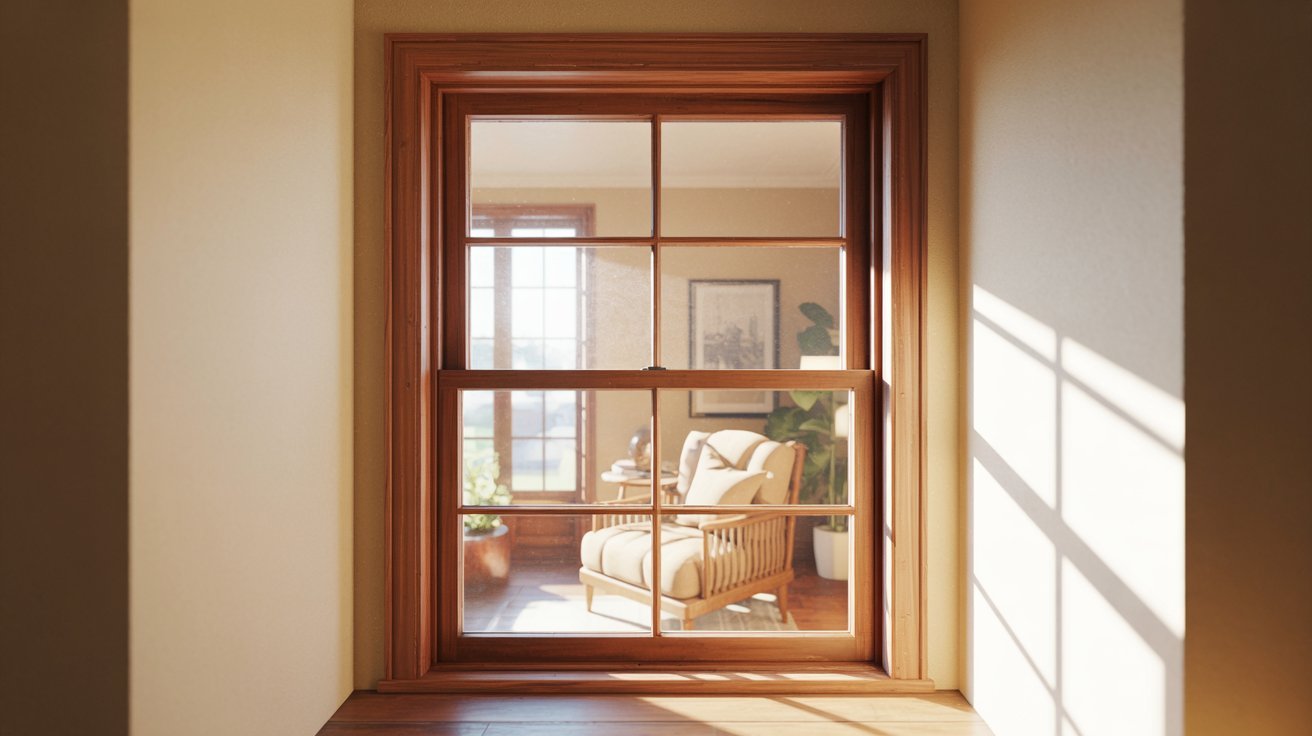
A single-hung window is one of the most common window styles found in homes today. It is simple in design, easy to operate, and works well for most standard spaces.
Basic Design of Single-Hung Windows
A single-hung window has two sashes stacked on top of each other. The bottom sash moves up and down, while the top sash stays fixed in place. It is a straightforward design that has been used in homes for a long time.
How Single-Hung Windows Function
To get air into the room, you slide the bottom sash upward. The top half of the window does not move at all. This makes the operating mechanism simple and easy to use for most people.
Main Benefits of Single-Hung Windows
Single-hung windows are a practical choice for many homeowners. Here is why:
- They cost less than double-hung windows
- Fewer moving parts mean less chance of wear and tear
- The fixed top sash creates a tighter seal, which can help with energy efficiency
What Is a Double-Hung Window?
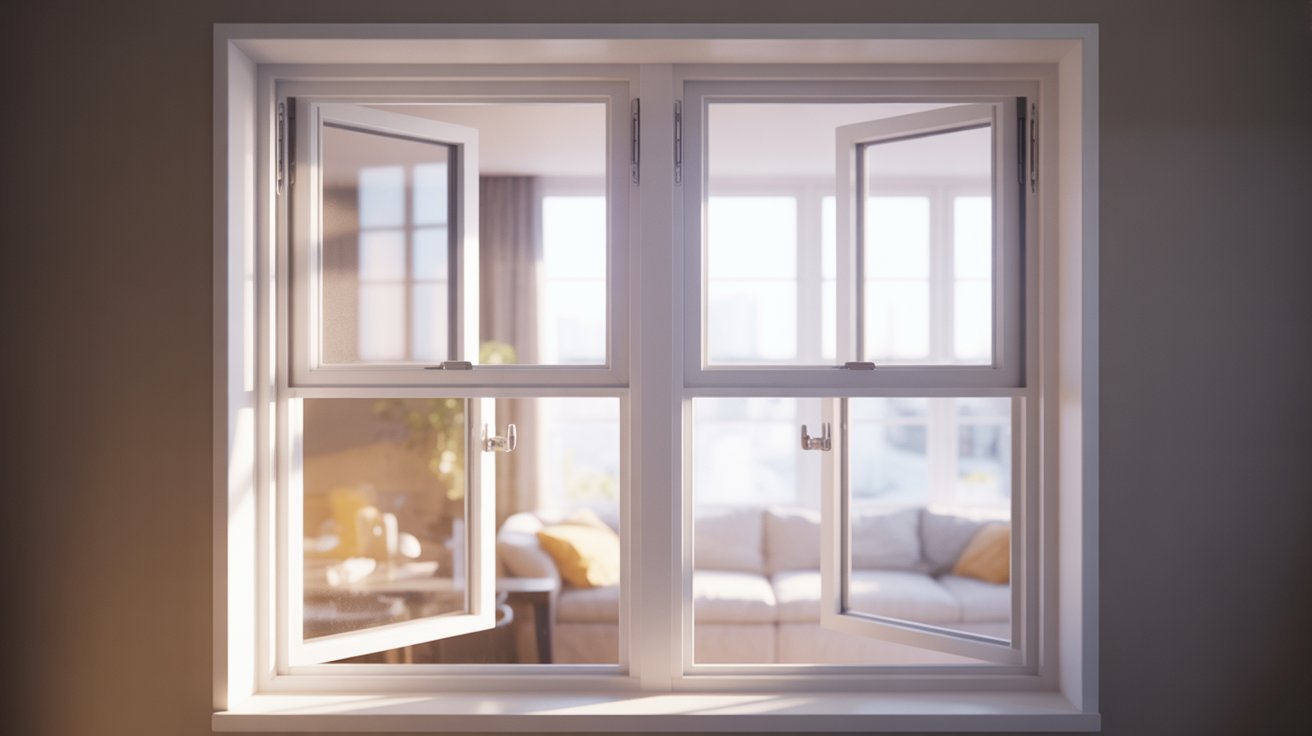
A double-hung window gives you more control over how air moves through your home. Both sashes move, which makes it a flexible and practical option for many homeowners.
Basic Design of Double-Hung Windows
Unlike a single-hung window, a double-hung window has two movable sashes. Both the top and bottom sashes can slide up and down independently, giving you more options for how you use the window.
How Double-Hung Windows Work
You can slide either the top sash down or the bottom sash up, or both at the same time. This gives you flexible ventilation and lets you control airflow based on your comfort and the weather outside.
Main Benefits of Double-Hung Windows
Double-hung windows are a popular choice for good reason.
Here is what makes them stand out:
- Improved airflow since both sashes can open at the same time
- Tilt-in sashes make cleaning the outside glass from inside your home much easier
- Greater versatility since you can adjust both sashes to suit different needs and situations
Single-Hung vs Double-Hung Windows: Quick Comparison
Not sure which window suits you best? This table breaks down the key differences at a glance.
| Feature | Single-Hung Windows | Double-Hung Windows |
|---|---|---|
| Only bottom sash moves | Both top and bottom move | |
| Limited airflow | Better airflow control | |
| Harder to clean outside | Easier with tilt-in sashes | |
| Usually cheaper | Usually more expensive | |
| Fewer moving parts | More moving parts | |
| Budget-friendly homes | Better airflow and easy cleaning |
Difference Between Single and Double Hung Windows
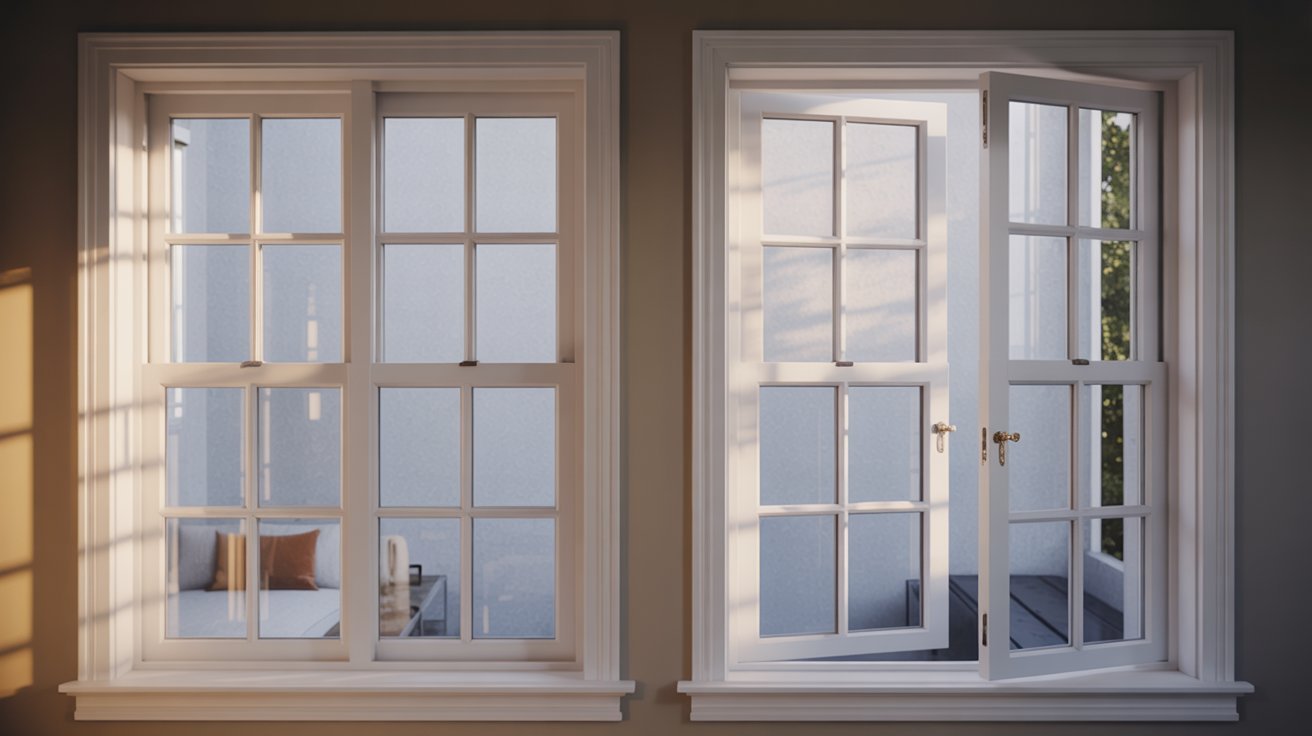
Both window styles look similar from the outside, but they work quite differently. Knowing these differences helps you choose the right one for your home.
Window Design and Structure
The biggest structural difference is in how many sashes move. A single-hung window has only one movable sash at the bottom, while a double-hung window has two movable sashes, both at the top and bottom.
Ventilation and Airflow
A single-hung window offers limited airflow since only the bottom sash opens. A double-hung window allows better air circulation because both sashes can open at the same time, letting fresh air in from the bottom and warm air out from the top.
Cleaning and Maintenance
Cleaning a single-hung window can be tricky. The fixed top sash usually requires cleaning from the outside. Double-hung windows are easier to maintain because both sashes tilt inward, so you can clean the outer glass from inside your home.
Cost Comparison
Single-hung windows are typically the more affordable option. Double-hung windows cost more because they have additional moving parts and a more complex build. The price difference can vary depending on the brand, size, and material.
Energy Efficiency
Single-hung windows may have a slight edge in energy efficiency because fewer moving parts means fewer gaps for air to pass through. That said, the overall efficiency of any window depends on the type of glass used and how well it is installed.
Pros and Cons of Single-Hung Windows
Single-hung windows are a solid choice for many homes, but like anything, they come with their own set of strengths and limitations.
Advantages
- Lower upfront cost compared to double-hung windows
- Simpler design with fewer moving parts
- Fixed top sash can reduce air leaks and improve sealing
- Good option for rooms where ventilation needs are minimal
- Widely available in many sizes and materials
Limitations
- Only the bottom sash opens, which restricts airflow
- Cleaning the top sash from outside can be inconvenient
- Less flexible in terms of ventilation control
- Not ideal for hard-to-reach or upper floor windows
Pros and Cons of Double-Hung Windows
Double-hung windows offer more functionality, but they also come with a few trade-offs worth knowing before you buy.
Advantages
- Both sashes open, allowing better airflow and ventilation
- Tilt-in feature makes cleaning much easier from inside the home
- More flexible for controlling air circulation in different weather
- A practical choice for upper floor or hard-to-reach windows
- Works well in most home styles and room types
Limitations
- Higher cost due to more moving parts and complex build
- More components mean more potential maintenance over time
- Slightly more chance of air leaks compared to single-hung windows
- May require more frequent checks to keep seals in good condition
When to Choose Double-Hung Windows
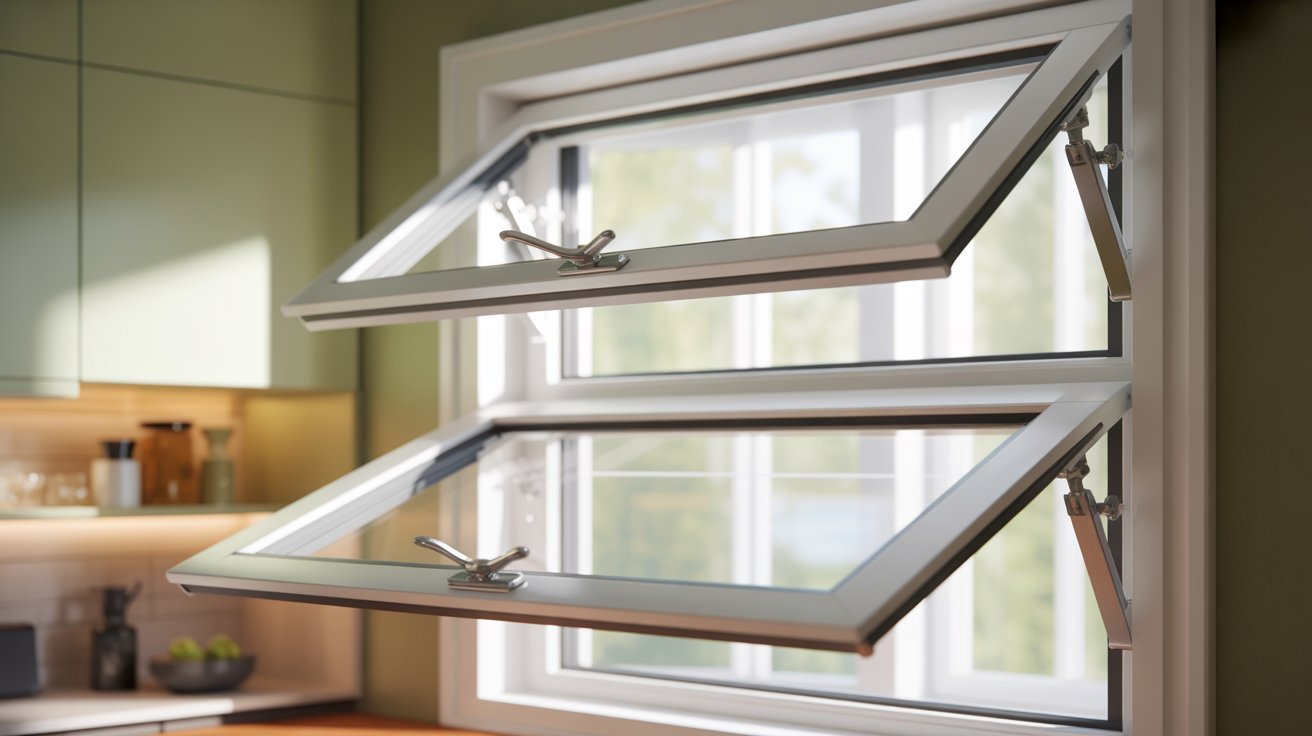
Double-hung windows are a smart pick when airflow and easy maintenance matter most. If your home feels stuffy or lacks proper air circulation, having both sashes open helps fresh air move through more freely.
For upper-floor windows, the tilt-in feature saves you from climbing ladders to clean the glass. Rooms like kitchens and bathrooms, where moisture and heat build up, also benefit from adjustable ventilation.
You can open the top, bottom, or both sashes depending on what the room needs.
Conclusion
Both single-hung and double-hung windows have their place in a well-built home. Single-hung windows work great if you want a budget-friendly option with a simple design.
Double-hung windows are worth the extra cost if airflow, easy cleaning, and flexibility matter to you. Think about your room type, floor level, and how much maintenance you are comfortable with.
Still unsure which window suits your home? Contact our team today for a free consultation and get expert advice specific to your needs.
Frequently Asked Questions
What is the main difference between single and double hung windows?
A single-hung window has only the bottom sash that moves, while a double-hung window allows both sashes to open. This difference affects how much ventilation and flexibility each window offers.
Which window type is more affordable?
Single-hung windows cost less because they have fewer moving parts and a simpler build. Double-hung windows are priced higher due to their more complex mechanism.
Are double-hung windows easier to clean?
Double-hung windows have a tilt-in feature that lets you clean both sashes from inside your home. Single-hung windows require outside access to clean the fixed top sash.
Which window is better for energy efficiency?
Single-hung windows may have a slight edge since the fixed top sash reduces air leaks. Overall efficiency still depends on glass quality and proper installation.
Can I use single-hung windows on upper floors?
Single-hung windows can be installed on upper floors but cleaning them from outside can be difficult. Double-hung windows are a more practical and convenient choice for upper-floor use.


