

Picking the right siding for your home is not easy. I’ve seen homeowners spend weeks researching, only to feel more confused. Fiber cement siding pros and cons is one of the most searched topics for a reason people want real answers before spending thousands of dollars.
In this article, I’ll cover what fiber cement siding is, its key pros and cons, how long it lasts, and what it costs.
I’ve worked around home exterior projects long enough to give you straight, honest information. By the end, you’ll know exactly what to expect.
Let’s break it all down.
What Is Fiber Cement Siding?
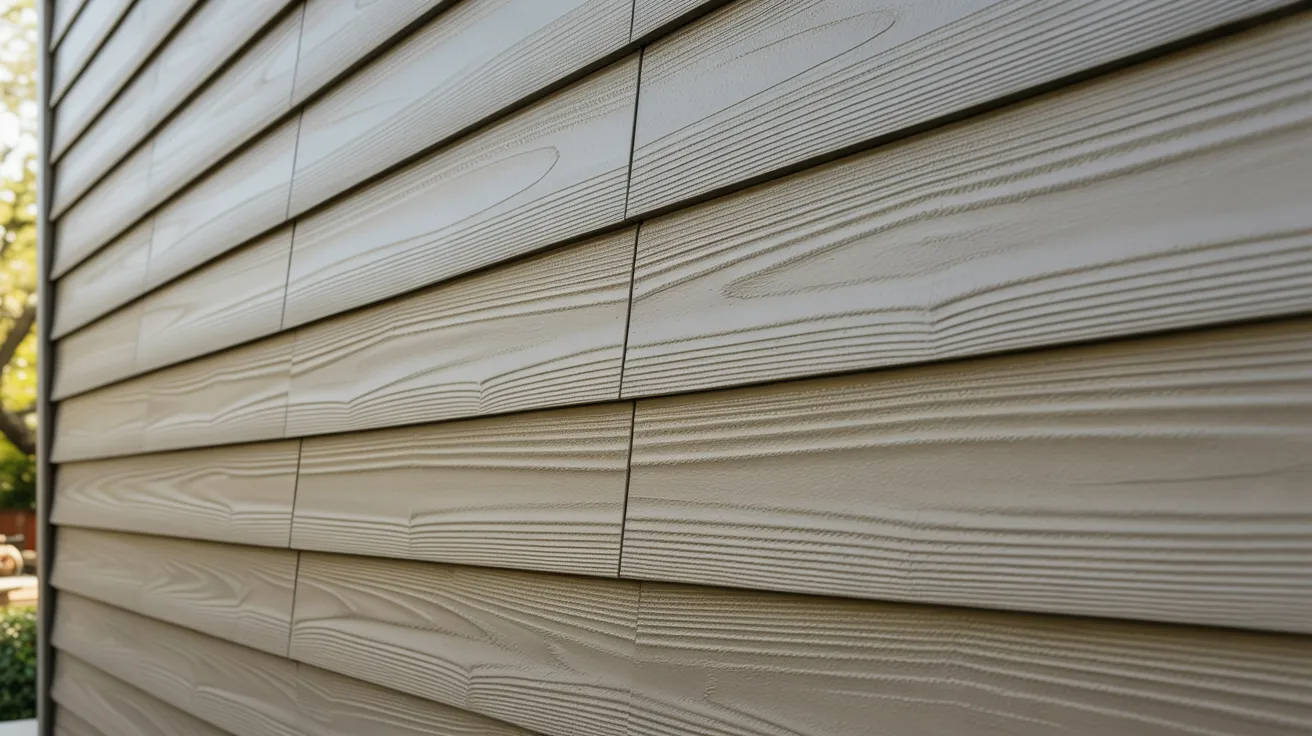
Fiber cement siding is a hard, flat panel used to cover the outside walls of a home. It looks like wood or masonry but holds up much better over time. It resists weather, pests, and fire without breaking down the way other materials do.
Three main ingredients make it work. Cement forms the base and gives it strength. Sand adds density and helps it resist cracking. Cellulose fibers, made from wood pulp, bind everything together and add a little flexibility to the panel.
To manufacture it, all three ingredients are mixed, pressed into sheets or planks, then cured under heat and pressure. This makes each panel very dense and tough. Some come pre-painted from the factory. Others arrive primed and ready to paint on-site. That flexibility is a big reason so many homeowners choose it.
Pros of Fiber Cement Siding
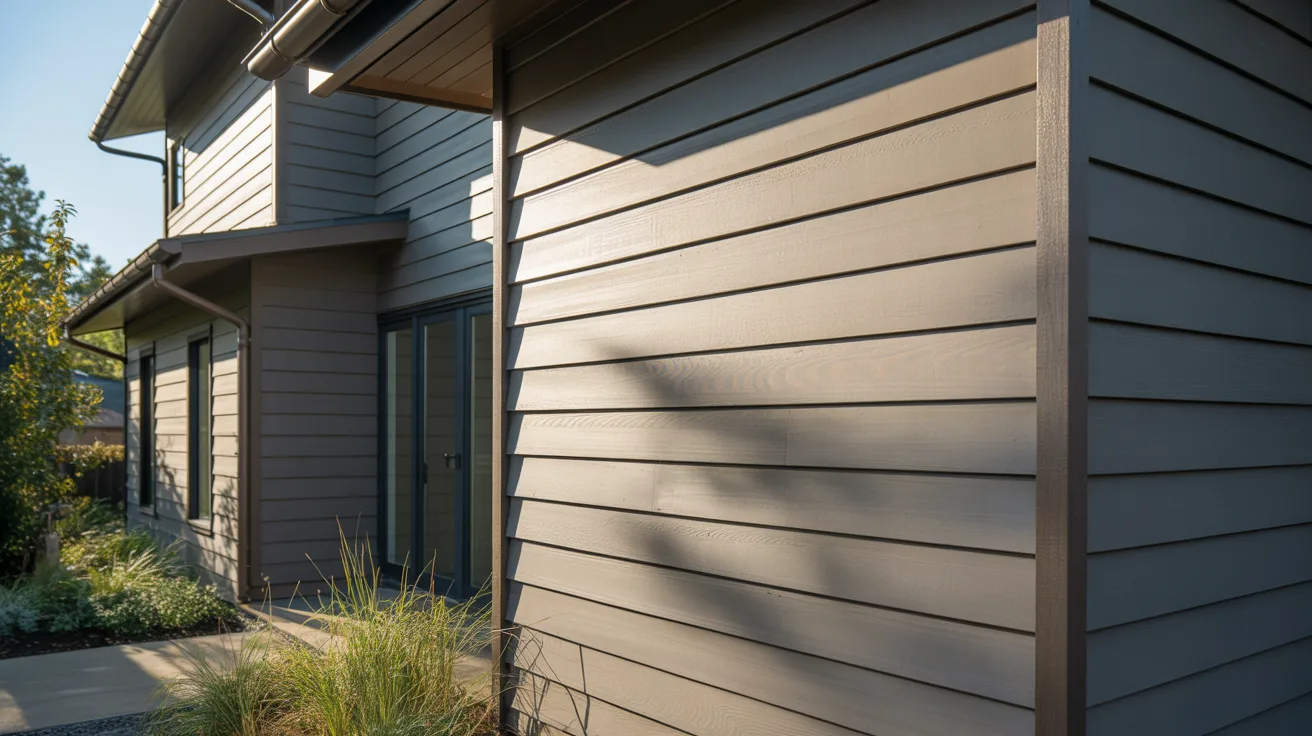
Here is why so many homeowners say this siding is worth the investment.
Exceptional Durability and Weather Resistance
Fiber cement siding is tough. It does not warp, crack, or swell easily. Wood siding rots over time. Vinyl cracks in cold weather. Fiber cement holds its shape even in rough conditions.
It is also non-combustible, meaning it does not catch fire easily. That makes it a smart pick in areas with wildfires, heavy rain, strong winds, or hail. Fewer repairs, less worry.
Long Lifespan With Low Maintenance
With the right care, fiber cement siding can last 30 to 50 years. Some well-maintained homes still have original panels after 40 years. Day-to-day upkeep is simple.
An occasional rinse with a garden hose is usually all it needs. You won’t deal with rotting boards or insect damage. The only regular task is repainting every decade or so.
Wide Range of Styles and Designs
Fiber cement comes in many forms. You can get it to look like wood planks, shingles, or even stone. It takes paint well, so your color options are wide open.
This gives homeowners a lot of freedom when thinking about how their home looks from the street.
Cons of Fiber Cement Siding
Being honest about the downsides helps you plan and avoid surprises.
Higher Installation Cost and Heavy Material
Fiber cement costs more than vinyl siding. Materials alone can run $5 to $13 per square foot. Add labor and the total becomes significant. On top of that, each panel is heavy.
A standard 12-foot plank can weigh over 30 pounds. Moving and placing these panels takes strength and the right tools. That adds both time and cost to every project.
Professional Installation Is Usually Required
This is not a weekend DIY project for most homeowners. Fiber cement needs to be cut with special blades, handled carefully to avoid breakage, and sealed properly.
One mistake during installation can lead to moisture problems or cracked panels later on. Hiring an experienced pro is almost always the right call.
Repainting May Be Needed Over Time
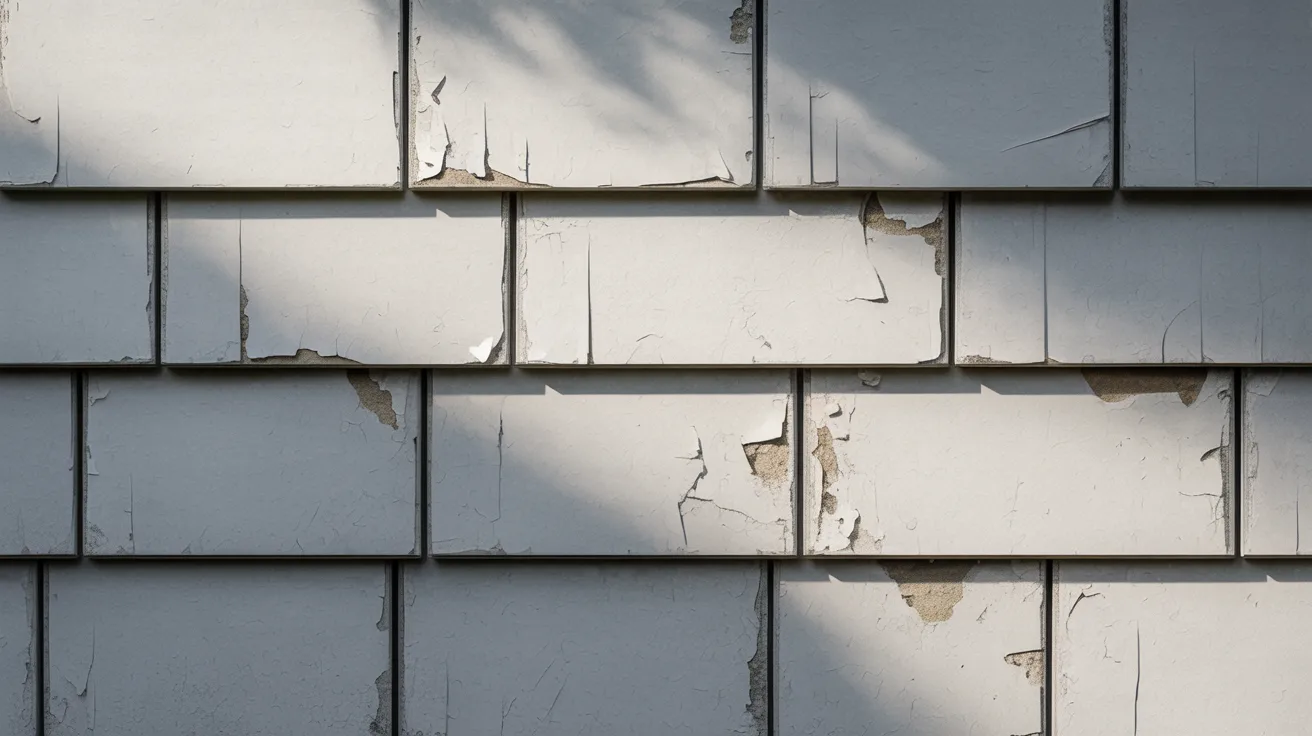
Fiber cement holds paint well, but not forever. Most homeowners need to repaint every 10 to 15 years. This is not a dealbreaker, but it is an added expense to plan for.
If you let the paint chip and peel without touching it up, water can start working its way into the panels. Staying on top of it keeps the siding in good shape for the long run.
How Long Does Fiber Cement Siding Last?
Lifespan matters as much as looks. Here’s what to expect over the years.
Average Lifespan of Fiber Cement Siding
Most fiber cement siding lasts between 30 and 50 years. High-quality brands with proper installation can reach the upper end of that range.
That makes it one of the longest-lasting siding options available to homeowners today. Not many materials can make that claim.
Factors That Affect Its Longevity
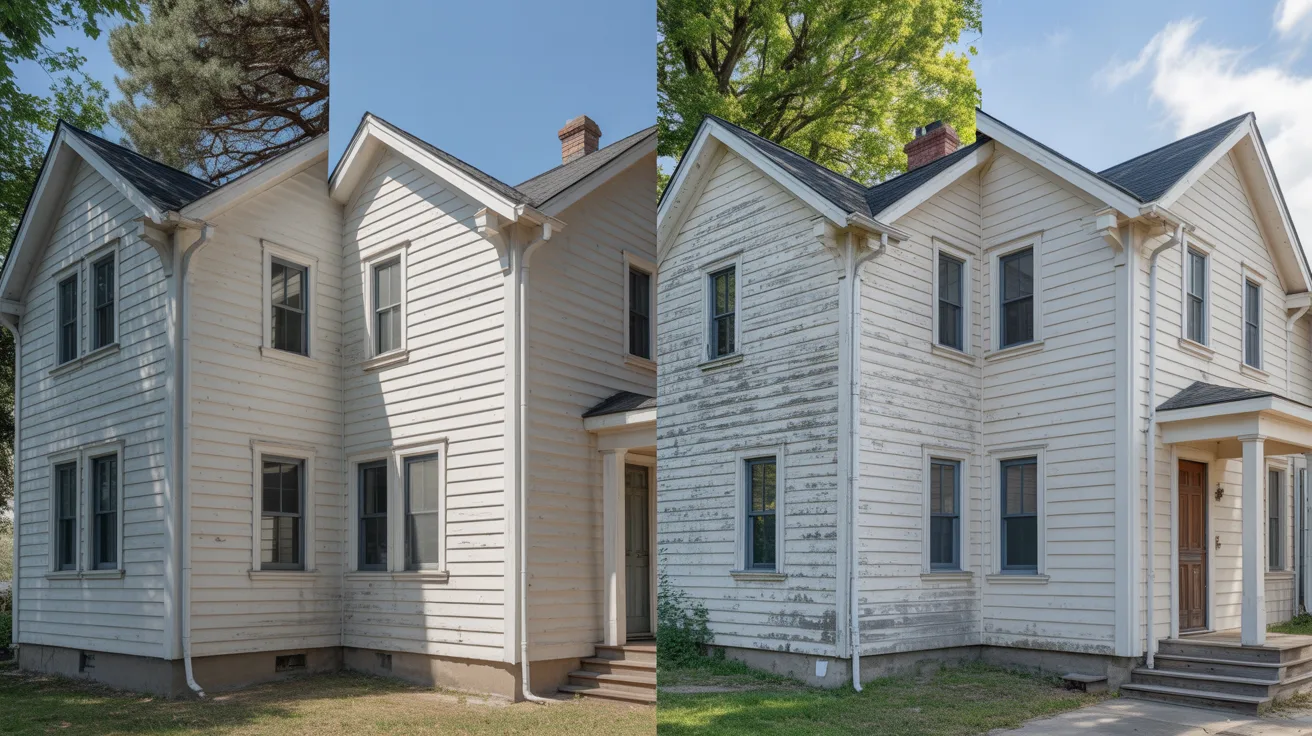
A few things can shorten or extend the life of your siding. Harsh winters and very humid regions can speed up wear over time. Poor installation allows moisture to get behind panels, which causes damage from the inside out.
Letting paint chip and peel without fixing it gives water an easy entry point. Brand quality also matters not all fiber cement products are built to the same standard. Choosing a trusted brand from the start makes a real difference.
Maintenance Practices That Extend Lifespan
The good news is that keeping fiber cement in great shape does not take much effort. Wash the siding once or twice a year with a garden hose. Touch up paint chips as soon as you spot them.
Check the caulk around windows and doors every few years and reseal where needed. Trim any trees or bushes that rub against the panels. These small habits done consistently can add many years to your siding’s life.
Cost of Fiber Cement Siding
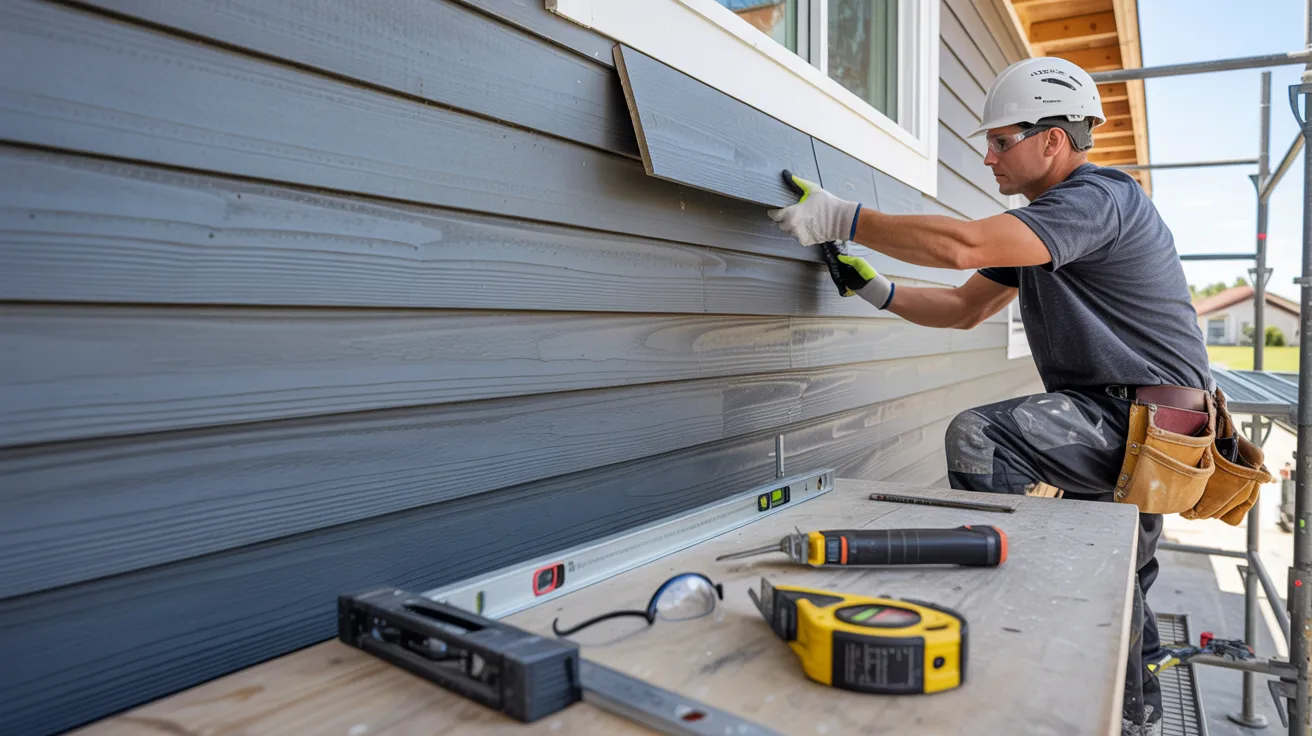
Understanding the full cost picture helps you plan your budget without surprises.
Average Material Costs
Fiber cement panels typically cost $5 to $13 per square foot for materials alone. The price varies depending on the brand, thickness, and texture you choose.
Installation Costs
Labor costs for fiber cement installation run between $3 to $7 per square foot. For a 1,500 square foot home, the total installed cost can range from $12,000 to $30,000 or more depending on the region and complexity of the job.
Long-Term Value for Homeowners
Yes, the upfront cost is high. But fiber cement siding adds real value to a home. It can boost resale value and lower the need for costly repairs over the years. When you spread the cost over 40 years, the math often works in your favor.
Tips for Choosing the Right Fiber Cement Siding
Small decisions now can save you time, money, and stress later.
- Choose thicker panels with factory-applied paint if you live in a humid or very cold region
- Always check that the product is rated for your specific climate before buying
- Match the siding style to your home lap for traditional, panel for modern, shingle for classic
- Ask installers how many fiber cement jobs they have completed and check their reviews
- Request references before hiring any crew good installers stand behind their work
- Compare warranties across brands some offer 30 years, others offer far less
- James Hardie, LP SmartSide, and Allura are all reliable brands worth looking into
Conclusion
Choosing siding is a big decision, and I know it can feel overwhelming. Fiber cement siding pros and cons are worth understanding fully before you commit. In my opinion, it is one of the best long-term investments a homeowner can make if the budget allows.
It is tough, low-maintenance, and looks great for decades. Yes, the upfront cost is real. But so are the benefits. Take your time, get a few quotes, and talk to an experienced installer.
Drop a comment below if you have questions I’d love to help!
Frequently Asked Questions
Is fiber cement siding worth the cost?
Yes, for most homeowners it is. The long lifespan and low maintenance needs often make up for the higher upfront price over time.
Can fiber cement siding get damaged by water?
It resists moisture well, but water can still cause damage if the siding is poorly installed or if paint is allowed to peel for a long time.
Does fiber cement siding need to be painted?
Yes. Most fiber cement siding comes pre-painted or primed, but it will need repainting every 10 to 15 years to stay protected and look its best.
How does fiber cement siding compare to wood siding?
Fiber cement lasts longer than wood, resists rot and insects, and needs less upkeep. Wood offers a more natural look but requires more regular maintenance.
Can I install fiber cement siding myself?
It is possible, but not recommended for most people. The material is heavy, requires special cutting tools, and improper installation can lead to moisture damage or voided warranties.


