

After helping renovate three homes, I can tell you that siding decisions cause more stress than almost anything else on the project.
I kept coming back to one name every single time: James Hardie.
If you are trying to choose the right Hardie Plank siding styles for your home, this guide covers everything you need.
You will find the main product types, nine distinct style options, and common mistakes to avoid.
I put this together from real research and hands-on knowledge. Every detail here is reliable and ready to use.
What You Need to Know Before Choosing Hardie Plank Siding

Hardie Plank siding is made from fiber cement, a material known for its durability, resistance to moisture, and low maintenance needs.
It holds paint well, handles extreme weather, and lasts significantly longer than vinyl or wood siding.
Before you choose a style, it helps to understand the three main product types available and how each one suits different home designs.
Knowing the basics saves you time and helps you make a more confident decision from the start.
Types of Hardie Plank Siding for Homes
There are three core Hardie Plank product types, and each one serves a different purpose on the exterior of a home.
HardiePlank Lap Siding
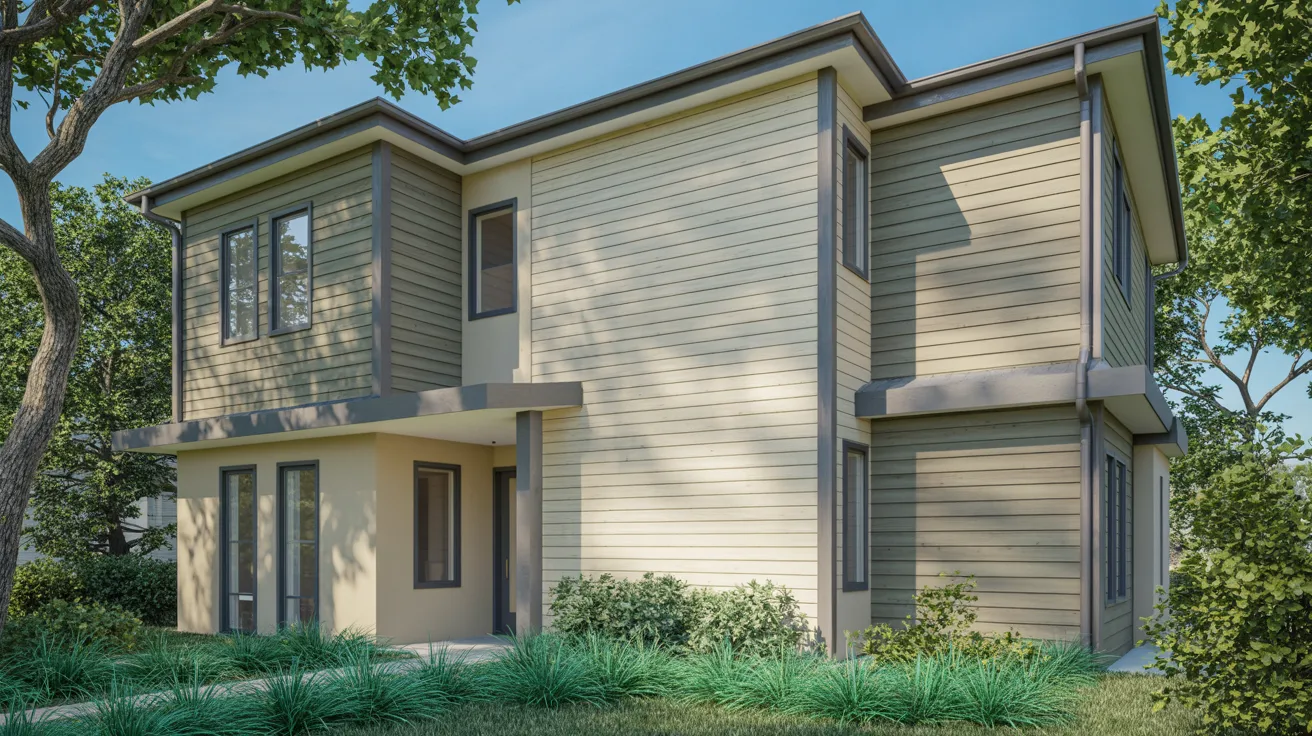
HardiePlank Lap Siding is the most popular option. It runs horizontally across the exterior and suits a wide range of home styles.
It is durable, low maintenance, and available in multiple textures and widths to match different architectural looks.
HardiePanel Vertical Siding

HardiePanel Vertical Siding runs from top to bottom and works well on modern or farmhouse-style homes.
It creates a clean, tall appearance and pairs well with horizontal lap siding for contrast. It is a strong choice for accent walls and full exteriors.
HardieShingle Siding
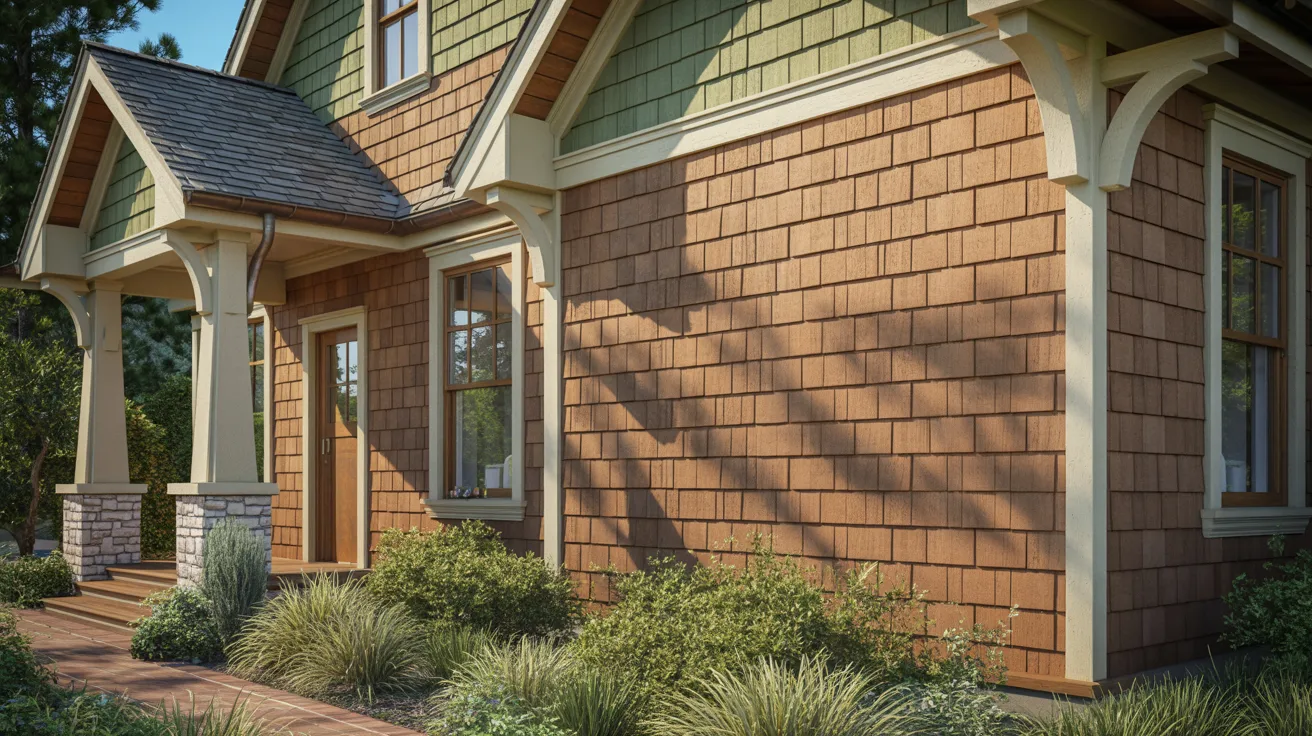
HardieShingle Siding mimics the look of natural cedar shingles without the upkeep. It works well on cottage-style and craftsman homes.
The textured surface adds depth and character to any exterior and holds up well against harsh weather conditions over time.
List of 9 Various Hardie Plank Siding Styles for Homes
These nine styles cover every home type and design preference so you can find the right fit for your exterior.
1. Traditional Lap Siding
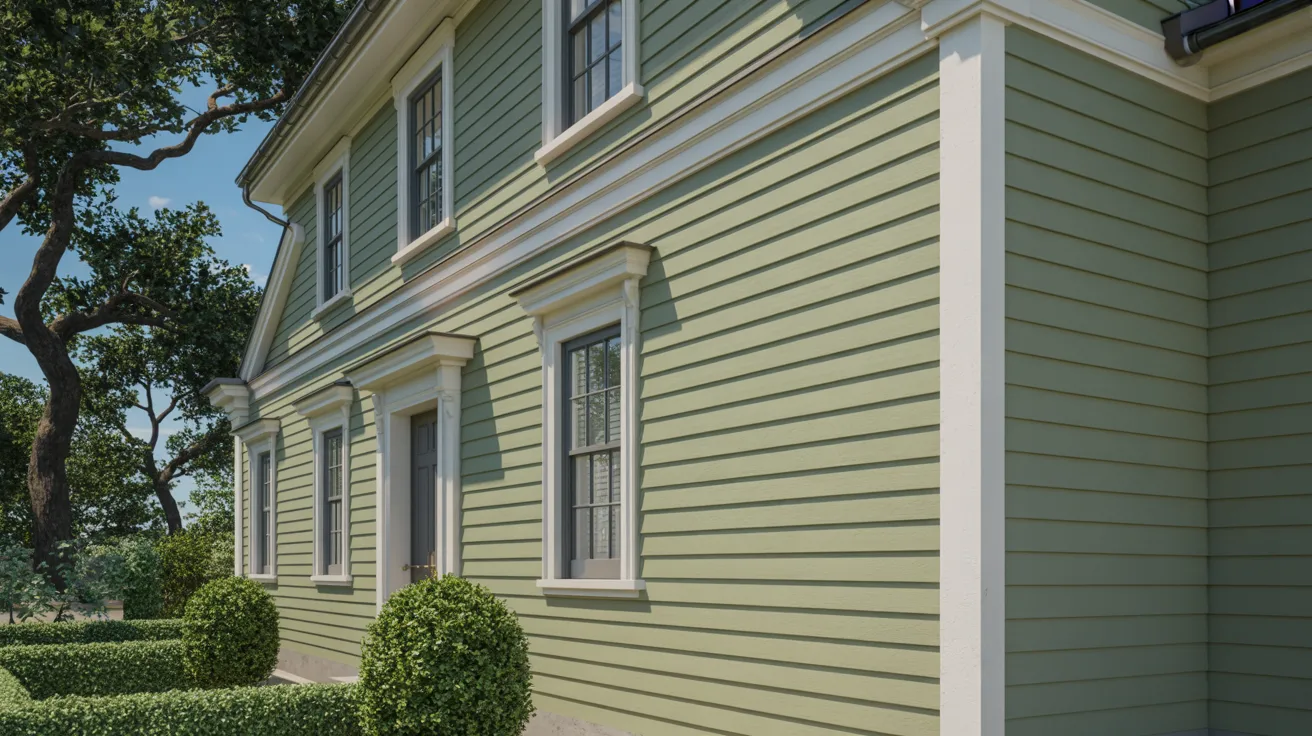
Traditional lap siding has a smooth, clean profile that suits colonial and classic home styles. The horizontal lines create a timeless look that works on both older and newer homes.
It is one of the most widely used Hardie Plank styles available and suits almost any exterior color palette.
Its low-profile design makes it a reliable starting point for homeowners who want a clean, fuss-free exterior.
2. Beaded Lap Siding

Beaded lap siding features a small rounded bead along the bottom edge of each plank. This detail adds a subtle decorative touch that works well on craftsman and cottage-style homes.
It gives the exterior a refined, finished look without adding visual complexity to the overall design.
The beaded edge catches light in a way that makes even simple color choices look more intentional and polished.
3. Custom Colonial Lap Siding
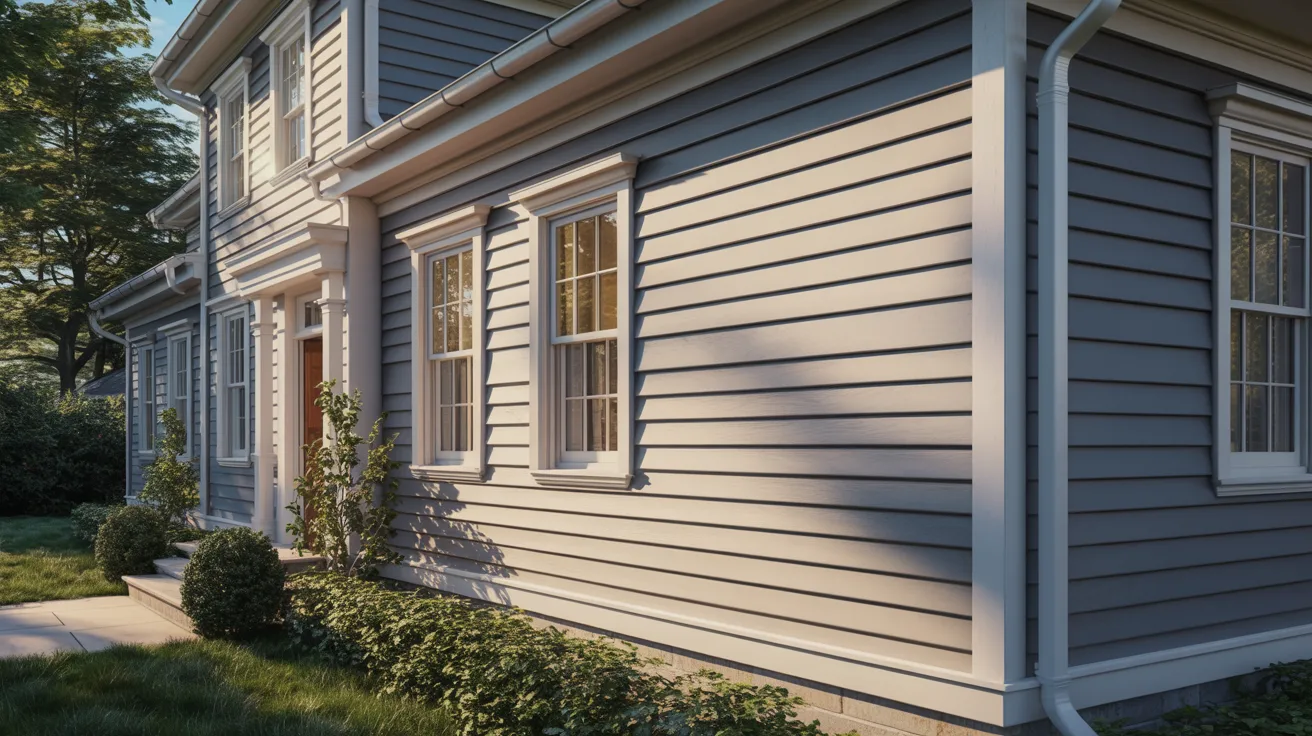
Custom colonial lap siding has a slightly deeper profile than standard lap siding. The shadow line it creates gives the exterior more visual depth and dimension.
It suits traditional and colonial-style homes particularly well and adds a sense of structure and character to a flat wall surface.
That deeper shadow line also makes the siding stand out more in photographs and during golden hour light.
4. Smooth Vertical Panels
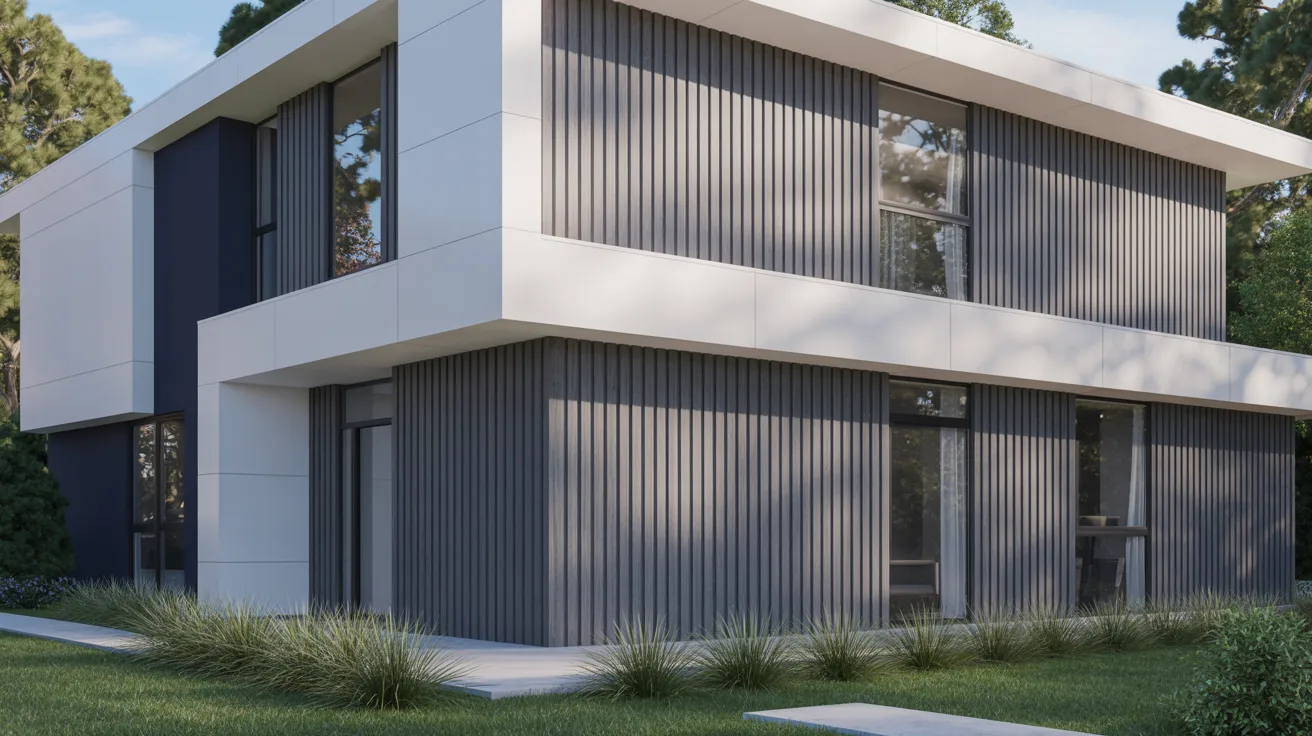
Smooth vertical panels have a clean, flat surface with no texture or grain. They work well on modern and contemporary homes where a minimal look is the goal.
Paired with bold trim or contrasting colors, smooth vertical panels create a sharp, current exterior appearance that photographs very well.
They also work as a strong accent element when mixed with horizontal lap siding on the same facade.
5. Stucco Texture Panels
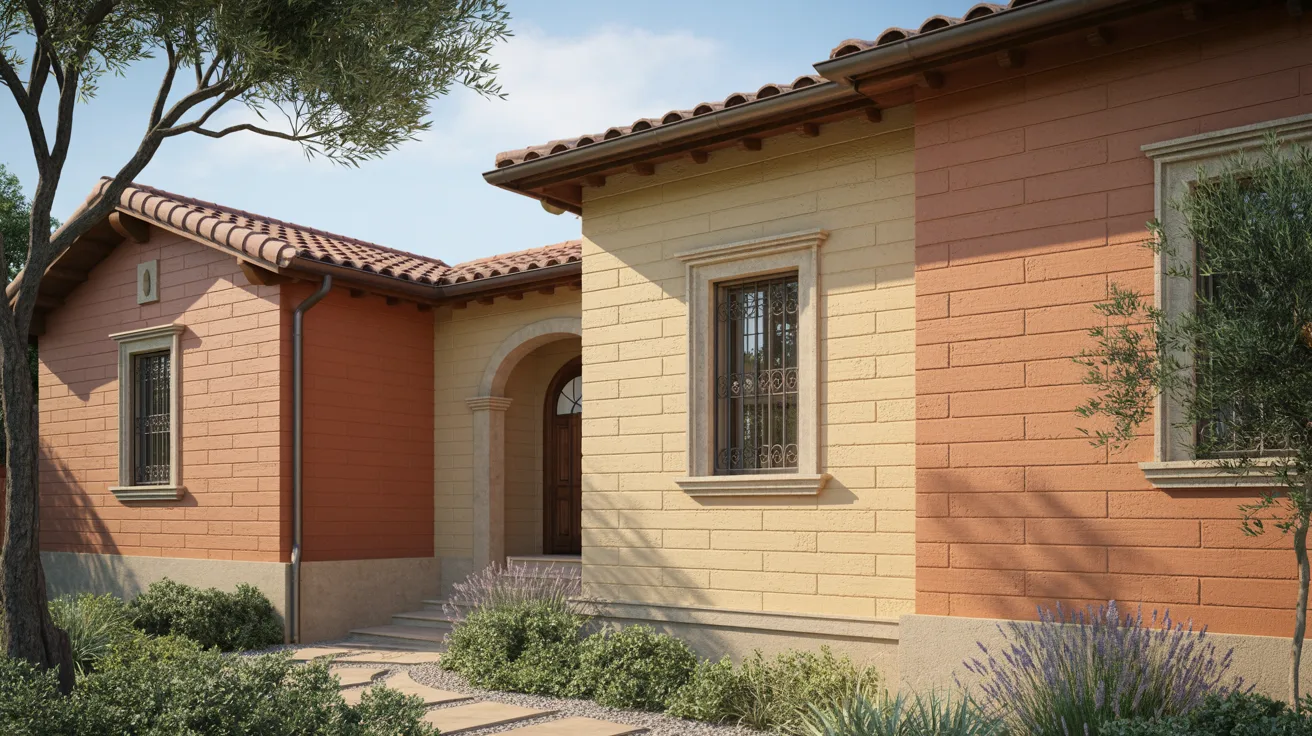
Stucco texture panels replicate the look of traditional stucco without the cracking and maintenance issues that come with real stucco.
They suit Mediterranean and Spanish-style homes and hold paint well over time. The textured surface adds warmth and visual weight to the exterior of any home.
Homeowners who want the stucco aesthetic without the repair costs tend to find this option worth every penny.
6. Sierra 8 Vertical Panels
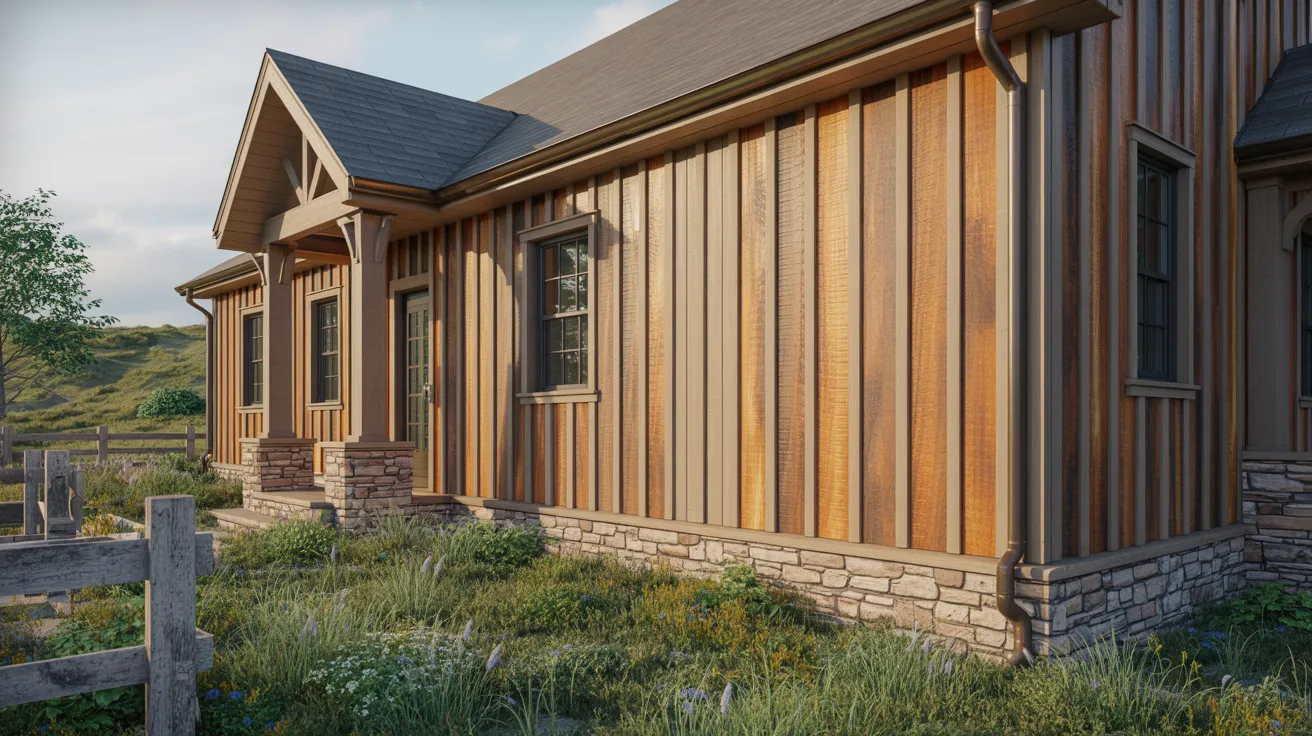
Sierra 8 vertical panels have a wood grain texture that runs vertically along each panel. This creates a natural, organic look that suits farmhouse and rustic-style homes.
The grain detail adds warmth to the exterior and pairs well with natural stone accents and earthy color choices.
If you love the look of board and batten but want something more durable, this panel is a strong alternative.
7. Straight Edge Shingles

Straight edge shingles have a clean, uniform bottom edge that creates a neat, structured appearance. They work well on craftsmen and traditional homes.
The consistent pattern across the wall surface gives the exterior a polished look while still adding the texture and depth that shingle siding is known for.
This style is especially effective on accent walls or dormers where you want detail without visual chaos.
8. Staggered Edge Shingles

Staggered edge shingles have an irregular bottom edge that mimics the look of hand-split natural shingles.
This creates a more relaxed, organic appearance that suits coastal, cottage, and historic-style homes.
The variation in the edges adds visual interest and gives the exterior a natural, lived-in character.
9. Scalloped Shingles
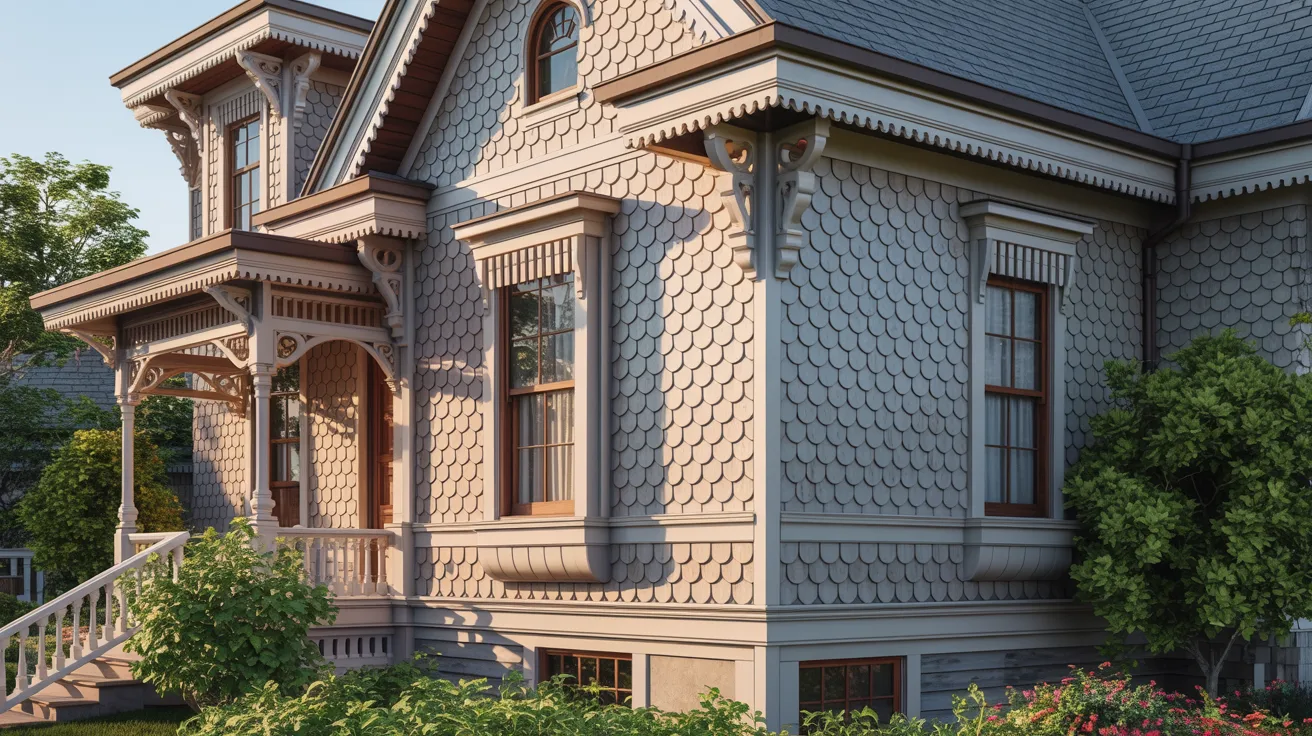
Scalloped shingles have a curved, rounded bottom edge that creates a decorative pattern across the wall.
They are often used as accents in gable ends or upper story sections rather than full exteriors.
This style adds a classic, Victorian-era feel and works well on homes with detailed trim and architectural features.
Common Mistakes When Choosing Hardie Plank Siding Styles
Avoiding these mistakes saves you time, money, and a lot of regret after installation.
- Ignoring your home’s style. Match the siding profile and texture to your exterior first.
- Mixing too many styles. More than two styles on one exterior looks disconnected.
- Skipping maintenance consideration. Heavily textured surfaces collect more dirt and need more cleaning.
- Not testing colors first. Always test on the actual wall before ordering.
- Skipping local code checks. Check building regulations before purchasing anything.
These are simple checks that make a real difference in the final outcome of any siding project.
Conclusion
Choosing Hardie Plank siding styles felt overwhelming to me at first. So many options, no clear starting point.
Once I broke it down by product type and home style, everything became much clearer. I want that same clarity for you.
Use this guide to narrow down your options and pick a style that fits your home. Drop a comment below and tell me which style caught your attention.
Found this helpful? Share it with someone planning a renovation today.
Frequently Asked Questions
What is the most popular Hardie Plank siding style?
HardiePlank Lap Siding. It suits the widest range of home designs.
How long does Hardie Plank siding last?
Typically 30 to 50 years with proper installation and maintenance.
Can Hardie Plank siding be painted any color?
Yes. It accepts paint well and can be repainted as needed.
Is Hardie Plank siding good for all climates?
Yes. It resists warping, cracking, and rot in most weather conditions.
How much does Hardie Plank siding cost to install?
Most homeowners pay between 10 and 20 dollars per square foot.


