

I picked the wrong stone finish for my kitchen countertop once, and I regretted it within a month.
If you’re stuck trying to decide between honed vs polished stone finishes, I want to save you from making the same mistake.
The two look very different, perform differently, and suit different spaces.
In this guide, I’ll cover what each finish is, how they compare, and how to pick the right one for your home.
I’ve spent years covering home improvement topics, and I’ll give you a clear, honest breakdown.
The Finish You Pick Changes More Than Just the Look
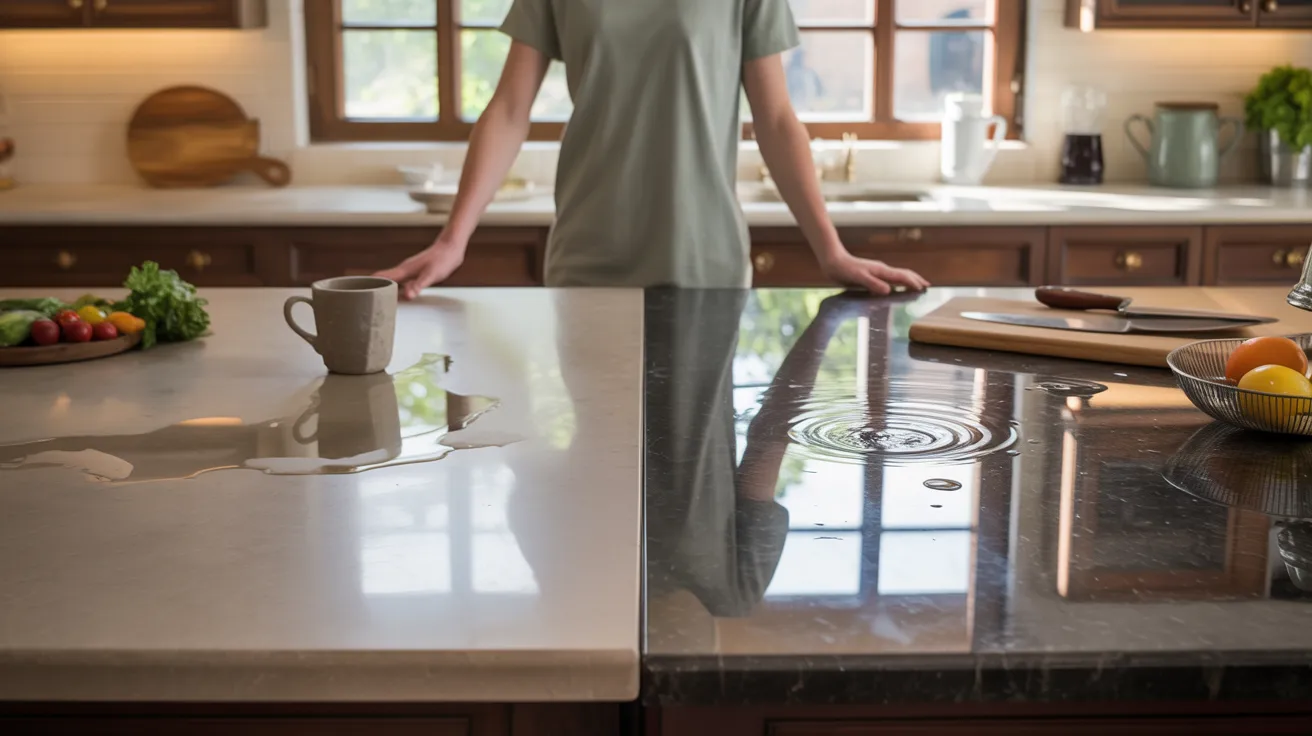
A lot of homeowners treat this as a purely visual decision. That’s where things go wrong.
The finish you choose affects how the stone handles spills, how safe it is in wet areas, how often it needs sealing, and how well it hides daily wear.
Honed and polished stone behave very differently in real-life conditions.
Getting clear on those differences now helps you pick the right finish for the right space without second-guessing yourself later.
Honed Stone Finish
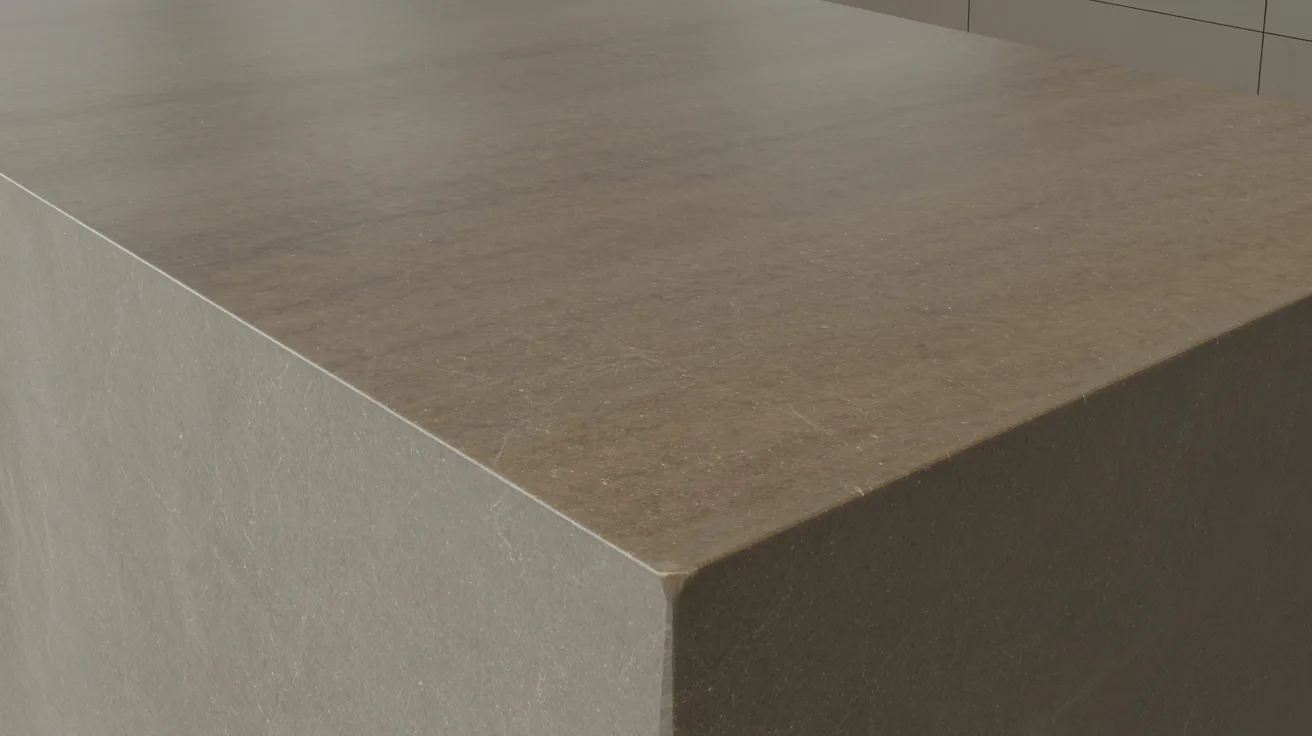
A honed stone finish has a matte, velvety surface with very little shine. It is created by stopping the polishing process before a glossy surface forms.
It feels smooth to the touch but reflects very little light. Honed stone works well in busy spaces where wear and tear are part of daily life.
It is a practical, low-fuss option that also looks clean and modern in the right setting.
Characteristics of Honed Stone
Honed stone has a distinct set of characteristics that set it apart from other finishes.
- Matte, velvety texture that feels smooth with no shine or gloss.
- Low reflectivity means fingerprints, smudges, and light scratches are far less visible.
- More porous than polished stone, so it absorbs liquids more readily.
- Regular sealing is needed to protect against stains and moisture.
- The soft, flat finish gives stone a relaxed, natural look that suits modern spaces.
Benefits of Honed Stone
Honed stone offers real, practical advantages that make it a smart pick for many homes.
- It hides everyday wear, light scratches, and etch marks far better than a polished surface ever could.
- The matte finish gives spaces a modern, understated look that feels current without being overdone.
- It is safer in wet or high-traffic areas because the surface is less slippery than polished stone.
- Works well in homes with kids or pets where surfaces take a lot of daily use and abuse.
- The forgiving surface means minor damage is rarely noticeable, keeping the space looking good for longer.
Suitable Applications for Honed Stone
Honed stone works best in spaces that see heavy use or need a safer, more practical surface.
- High-traffic floors like kitchens, bathrooms, and foyers benefit from the matte, slip-resistant surface.
- Contemporary countertops and tabletops where a clean, flat look suits the overall design of the space.
- Outdoor areas and pool surrounds where a less slippery surface is a priority for safety.
- Bathroom floors and shower walls where wet conditions make a matte finish the smarter, safer choice.
- Any space where you want a low-key, natural look without the formality of a high-gloss surface.
Polished Stone Finish
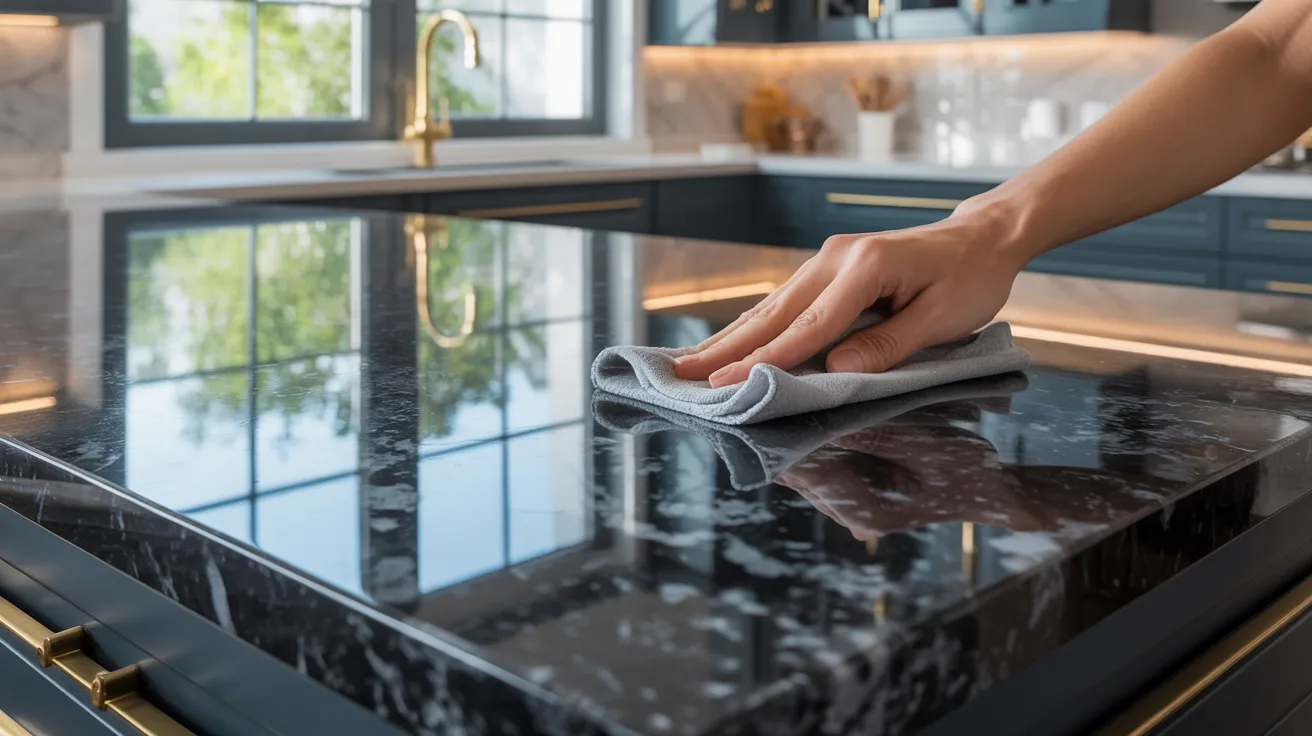
A polished stone finish is smooth, shiny, and highly reflective. It is created by buffing the stone surface to a high gloss that brings out the natural color, pattern, and veining of the stone.
It looks rich and formal. Polished stone is less porous than honed stone, which makes it easier to clean and more resistant to staining in everyday use.
Characteristics of Polished Stone
Polished stone has a bold, glossy surface with a distinct set of properties worth knowing before you commit.
- The surface is smooth, shiny, and highly reflective, catching and bouncing light across the room.
- Natural colors, patterns, and veining are brought out fully by the high-gloss polished surface.
- Less porous than honed stone, which means liquids sit on top rather than absorbing quickly into the surface.
- Scratches, etch marks, and surface imperfections are more visible on a polished finish than on a honed one.
- The glossy surface is easier to wipe clean but requires care to avoid dulling the shine over time.
Benefits of Polished Stone
Polished stone brings a level of visual impact and practical ease that makes it a popular choice for many spaces.
- Stronger stain resistance due to low porosity, so liquids don’t absorb as quickly.
- Gives any space a timeless, formal look that feels rich and well-finished.
- Brings out the full natural beauty of the stone, including its color, pattern, and veining.
- Easy to wipe clean with a damp cloth, keeping upkeep simple and quick.
- Best for spaces where appearance is the priority over heavy daily wear.
Suitable Applications for Polished Stone
Polished stone works best in spaces where appearance is a priority and heavy foot traffic is not a concern.
- Countertops, bathroom vanities, and backsplashes are the most popular and practical uses for polished stone.
- Fireplace surrounds and entryways where the glossy surface makes a strong visual statement.
- Decorative and statement surfaces in living rooms, dining rooms, and formal spaces.
- Wall cladding and feature panels where the reflective surface adds depth to the room.
- Any space where a formal appearance and easy cleaning are the top priorities.
Honed vs Polished Stone: Side-by-Side Comparison
Here is a clear look at how honed and polished stone stack up across the factors that matter most.
| Feature | Honed Stone | Polished Stone |
| Appearance | Matte, soft, understated | Glossy, reflective, formal |
| Texture and Feel | Velvety, smooth | Smooth, shiny |
| Reflectivity | Low, hides fingerprints and smudges | High, highlights color and veining |
| Scratch Visibility | Hides scratches and etch marks | Scratches and etches are more visible |
| Stain Resistance | More porous, requires regular sealing | Less porous, naturally resists stains |
| Maintenance | Needs frequent cleaning and sealing | Easier to clean, low-maintenance |
| Durability | Forgiving for wear and tear | Stain-resistant but shows surface imperfections |
| Safety | Less slippery, ideal for wet areas | Can be slippery, especially when wet |
| Style | Modern, contemporary, casual | Classic, luxurious, formal |
| Best Applications | High-traffic floors, countertops, pool areas | Countertops, backsplashes, fireplace surrounds |
Both finishes have real strengths. The right one depends entirely on where you’re using it and how much upkeep you’re willing to do.
How to Choose the Right Finish
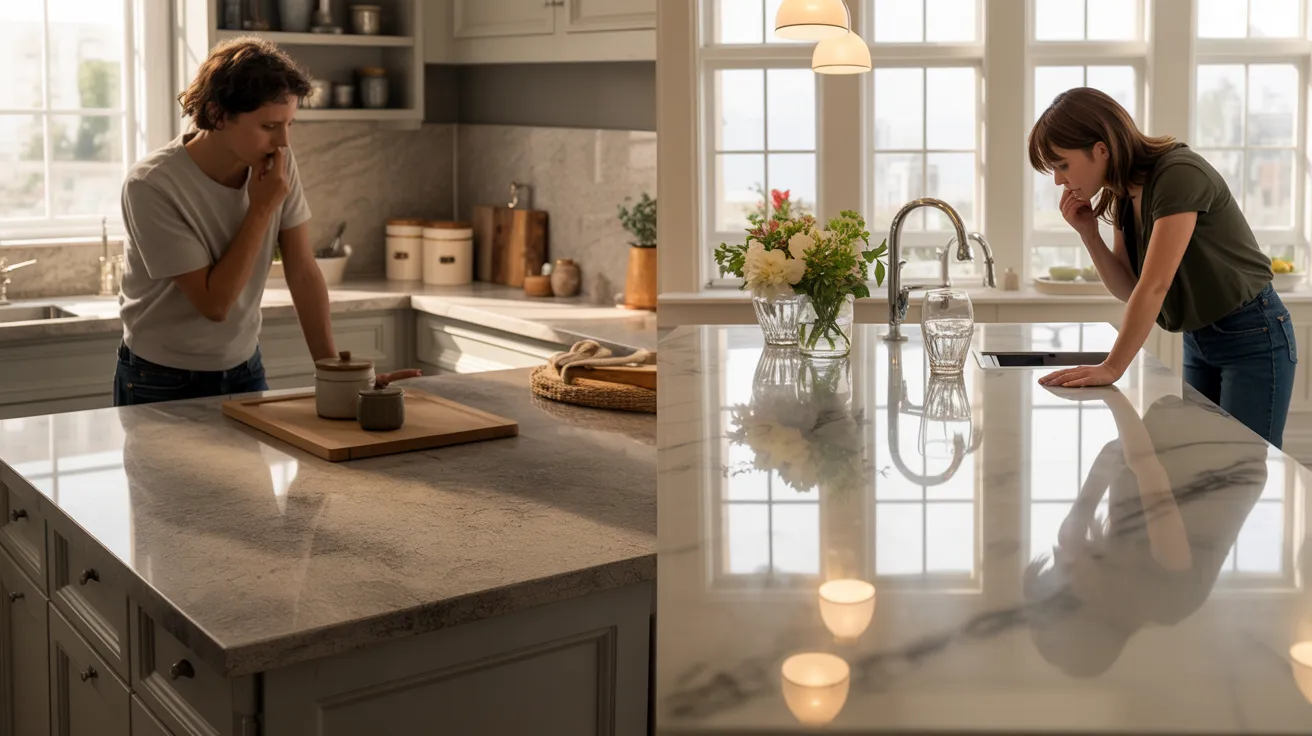
Start by thinking about the space, not just the look. If the area gets heavy foot traffic, moisture, or daily wear, honed stone is the more practical pick.
If you want a surface that makes a strong visual statement and is easy to wipe down, polished stone delivers that well.
Your design style matters too. Honed suits modern and casual interiors. Polished fits formal and classic spaces.
Think about how much time you want to spend on maintenance, and let that guide your final call.
Conclusion
The right stone finish is the one that holds up to your life, not just the one that catches your eye.
Polished marble taught me that lesson the hard way, and I do not want you making the same mistake.
Think function first, then beauty. Consider the traffic and daily wear before you decide.
If this guide made your decision easier, share it with someone who needs it and leave a comment below with the finish you are going with.
Frequently Asked Questions
What is the main difference between honed and polished stone?
Honed is matte and velvety. The polish is glossy and reflective.
Which finish is easier to maintain, honed or polished?
Polished cleans easier, but honed hides scratches better in busy areas.
Is honed stone more slippery than polished stone?
No. Honed is actually the safer, less slippery option.
Does honed stone need more sealing than polished stone?
Yes. Honed is more porous and needs regular sealing.
Can polished stone be changed to a honed finish later?
Yes, but it requires professional grinding and can be costly.


