

How long do tiles last? Check out facts about tile lifespan, what affects durability, and simple tips to make your tile floors last decades.
I once watched a neighbour rip out a perfectly good tile floor just because she assumed it was “old enough to replace.” Turns out, those tiles had decades left in them.
That got me thinking. Most people have no idea how long do tiles last or what actually shortens their lifespan.
The answer might surprise you. With the right material, installation, and a simple how long do tiles last tracker habit, some floors outlive the people who laid them.
So what’s the secret? Let’s get into it.
Average Lifespan of Tile Flooring
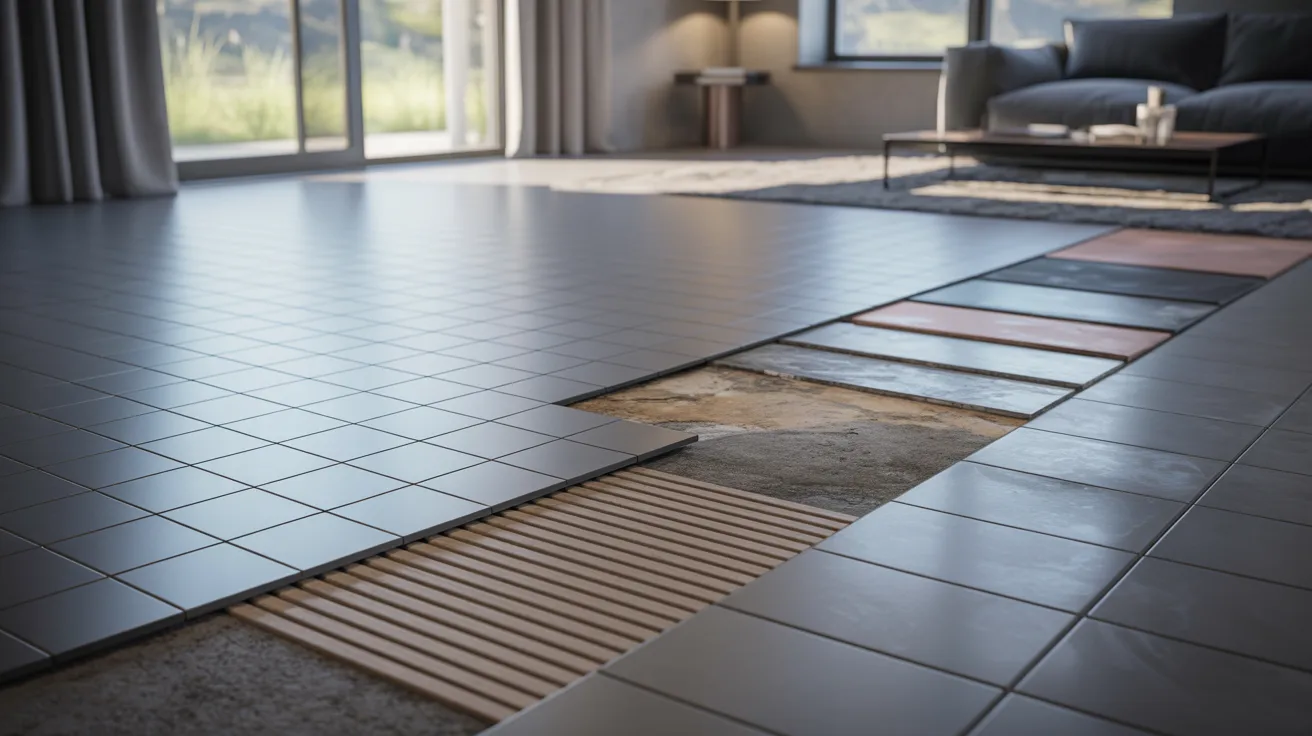
Tiles outlast almost every other flooring type.
On average, ceramic tiles last 50 to 75 years, porcelain tiles push well past 75 to 100 years, and natural stone tiles can last over a century when cared for properly.
Compare that to carpet, which typically lasts 10 to 15 years, or laminate and vinyl, which rarely make it past 20 to 25 years. Tiles simply hold up better under daily life.
One thing worth knowing: the tile itself usually outlasts the grout. Grout can start breaking down within 10 to 20 years and may need replacing well before the tiles do.
A practical how long do tiles last tracker routine, where you check grout condition, surface wear, and any cracking every year or two, helps you catch small problems before they turn into costly ones.
7 Key Factors That Affect How Long Tiles Last
Tile lifespan isn’t just about the material. Several factors work together to determine how long your floor holds up. Here’s what actually matters.
1. Type of Tile Material
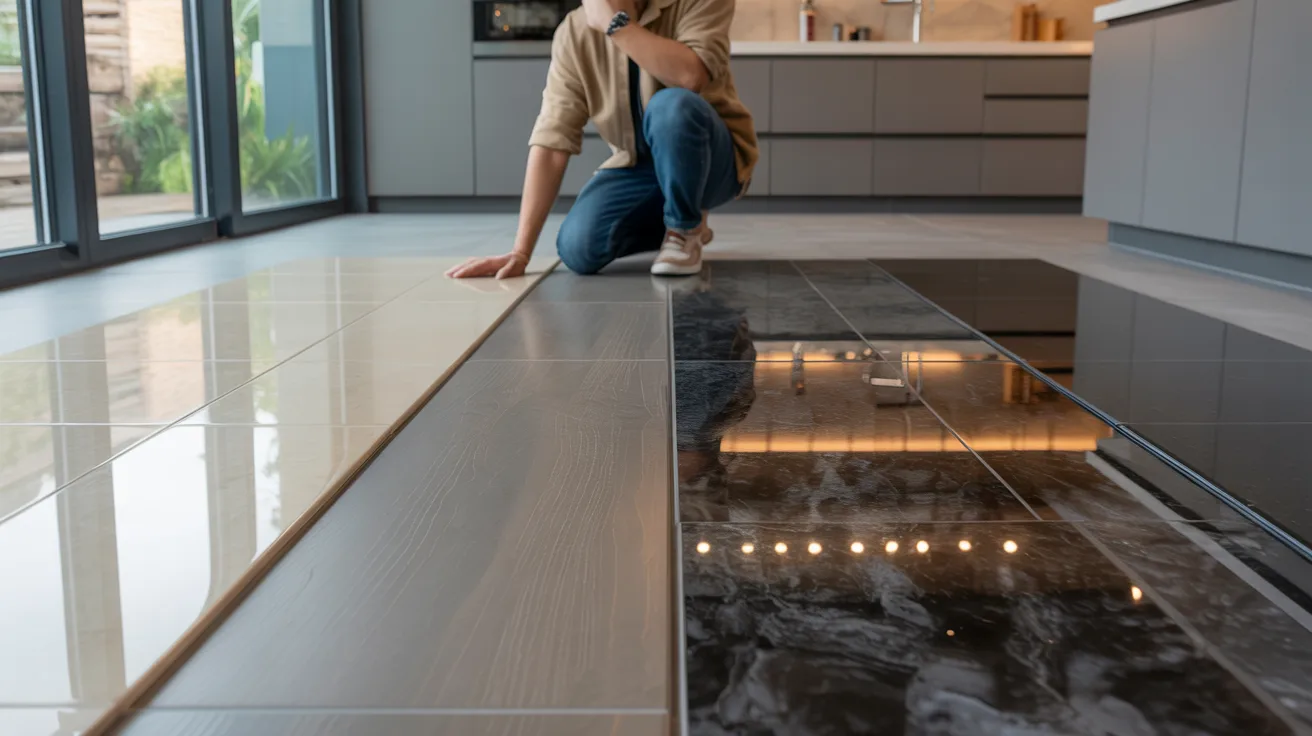
Not all tiles are made the same. Ceramic is affordable and durable but more porous than porcelain, making it slightly less resistant to moisture and heavy wear.
Porcelain is denser, harder, and absorbs far less water. That’s why it consistently lasts longer in high-use areas like kitchens and bathrooms.
Natural stone like granite or slate can last the longest of all, but it needs more maintenance to stay in good shape over time.
2. Quality of Installation
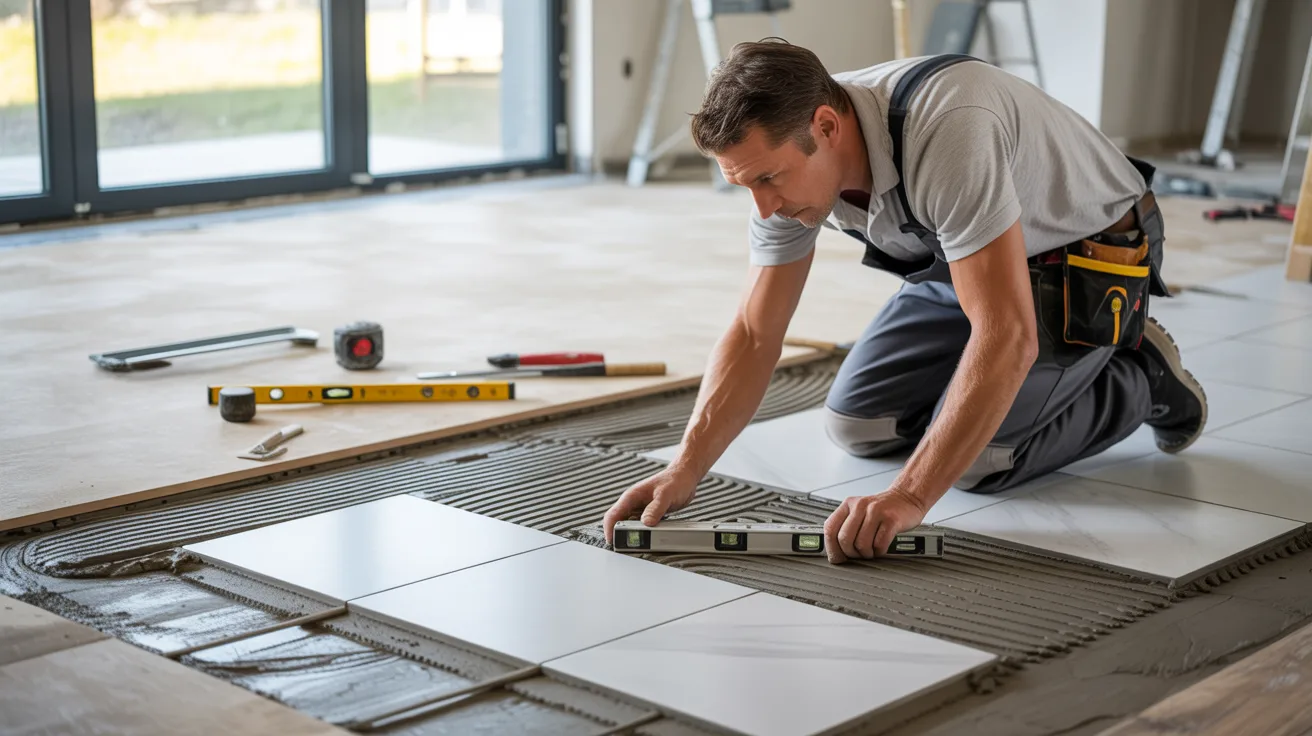
Even the best tile fails early if it’s laid incorrectly. A properly prepared subfloor is the foundation of everything.
If the subfloor has dips, flex, or moisture problems, tiles will crack and loosen within a few years regardless of their quality.
Always hire an experienced installer. Cutting corners here costs far more in repairs later.
3. Foot Traffic Levels
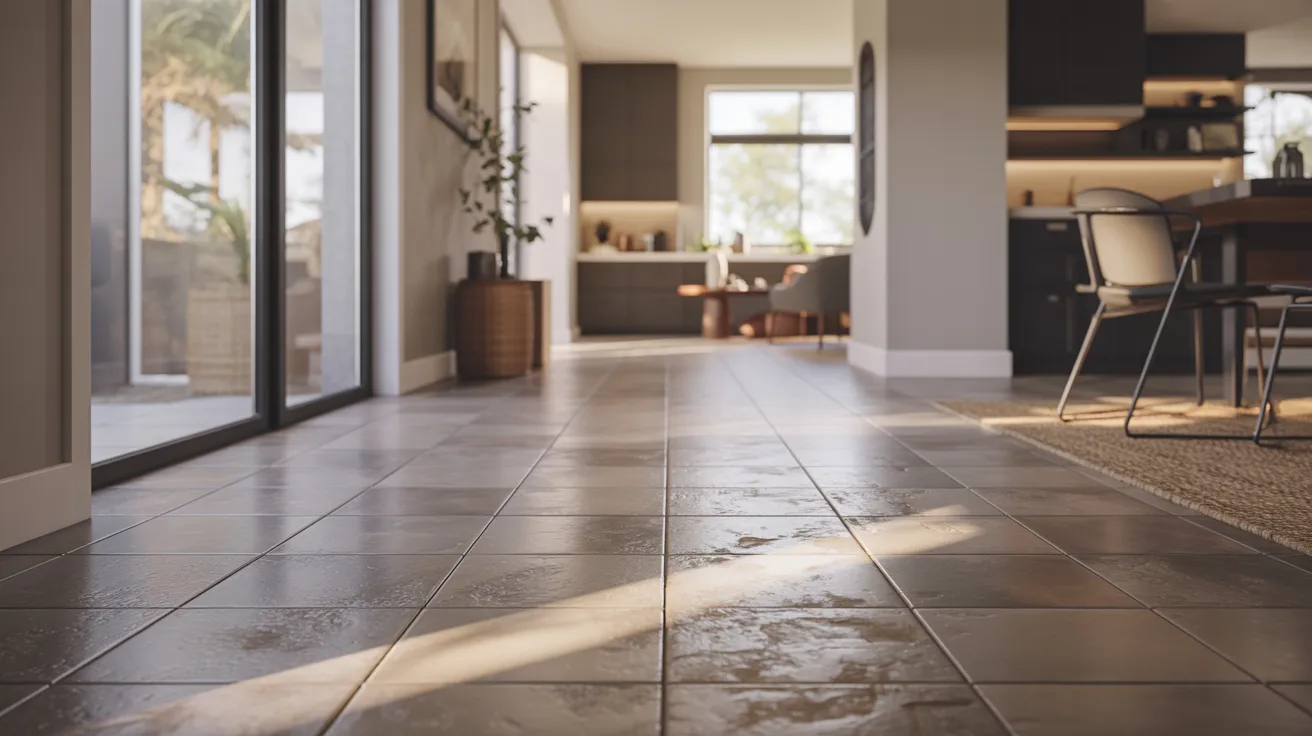
High-traffic areas wear tiles down faster. Hallways, kitchens, and entryways take the most punishment and will show signs of wear sooner than a spare bedroom floor.
Commercial spaces see even heavier use, which is why commercial tiles are rated differently from residential ones.
If you’re tiling a busy area, choose tiles with a higher PEI wear rating to get the most life out of them.
4. Tile Thickness and Quality
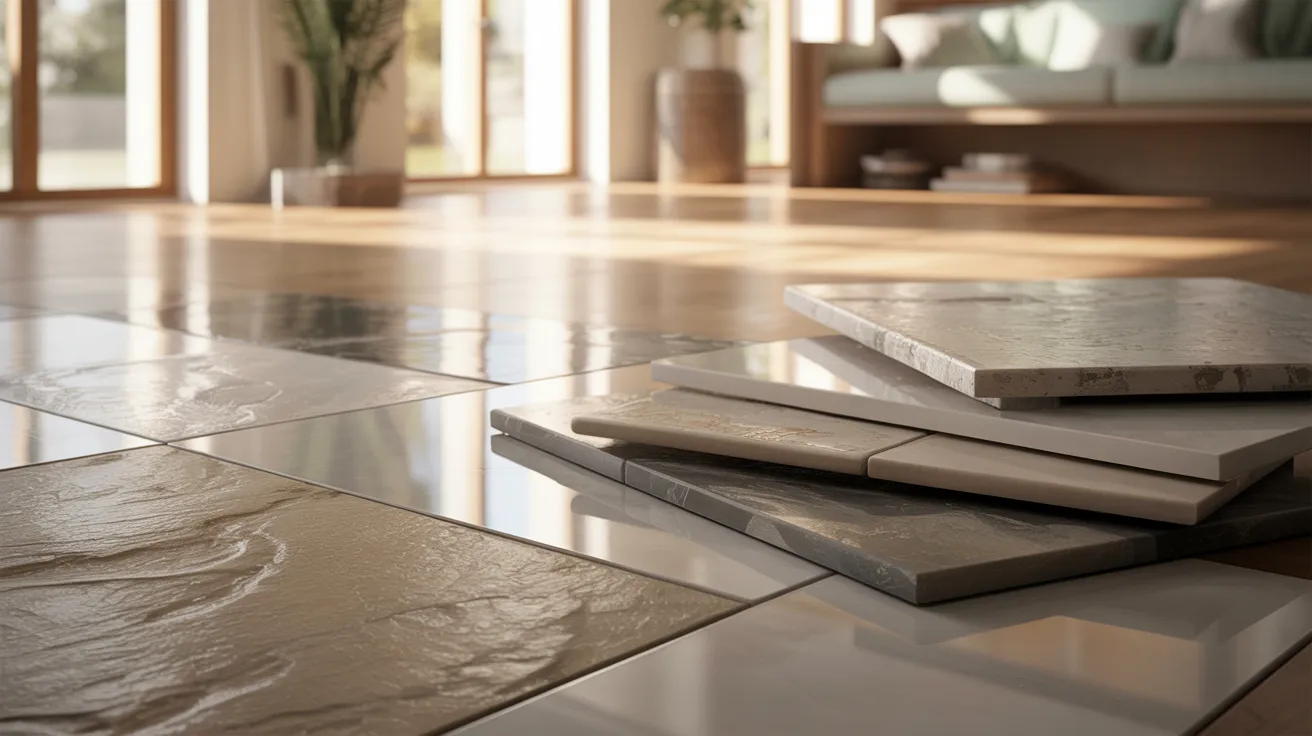
Thicker tiles handle impact better and are less likely to crack under pressure. Tile quality is rated using the PEI scale, which goes from 1 to 5.
PEI 1 tiles are for light use like wall cladding. PEI 4 or 5 tiles are built for heavy foot traffic and last significantly longer in those conditions.
Cheap, thin tiles may look fine at first but tend to chip and crack much sooner than their higher-quality counterparts.
5. Grout Quality and Maintenance
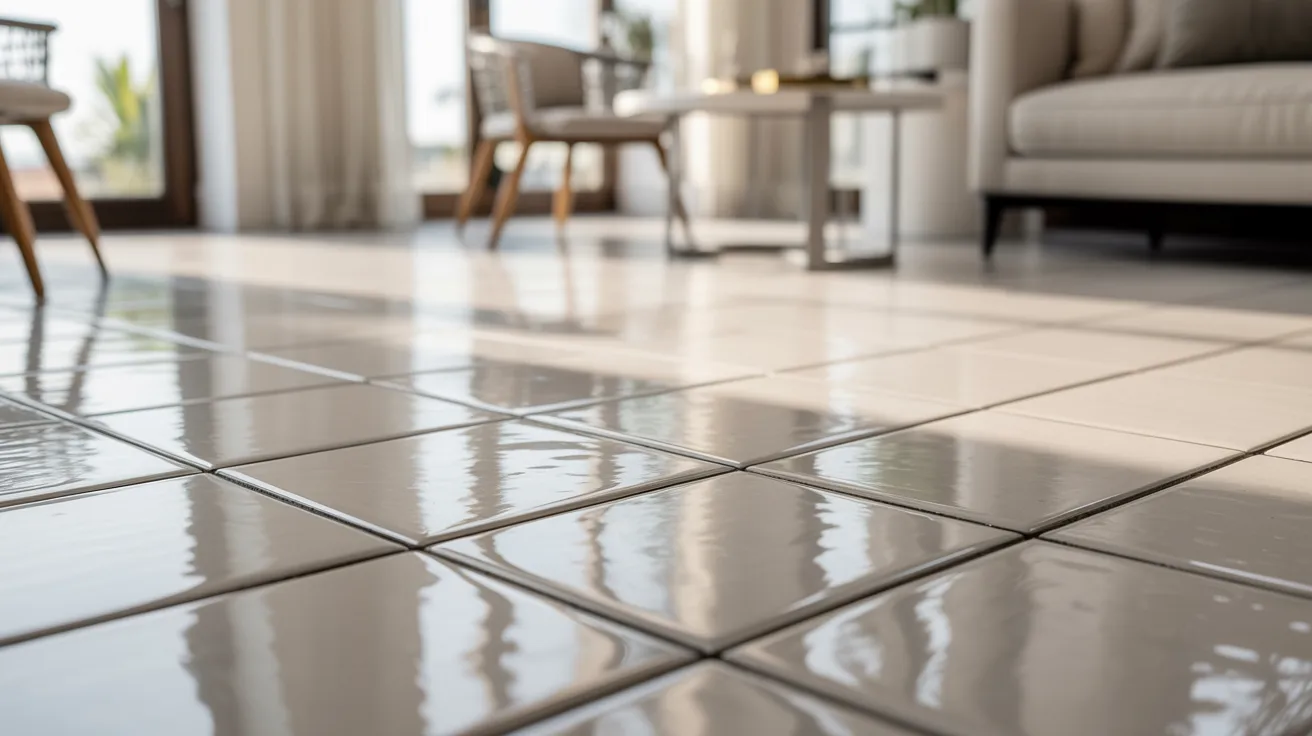
Grout is the weak point in most tile floors. When it deteriorates, water gets underneath the tiles and causes damage that shortens the entire floor’s lifespan.
Sealing your grout every one to two years keeps moisture out and stops it from crumbling prematurely.
Using quality grout from the start also makes a difference. Epoxy grout is harder, more stain-resistant, and lasts longer than standard cement-based grout.
6. Cleaning and Maintenance Habits
Regular sweeping and mopping keeps grit and debris from scratching tile surfaces over time. It’s a small habit that pays off over decades.
Avoid harsh chemical cleaners. They strip grout sealant and dull the tile finish, making the floor look worn even when it’s structurally fine.
Mild, pH-neutral cleaners work best for regular use. They clean effectively without doing any damage.
7. Environmental Conditions
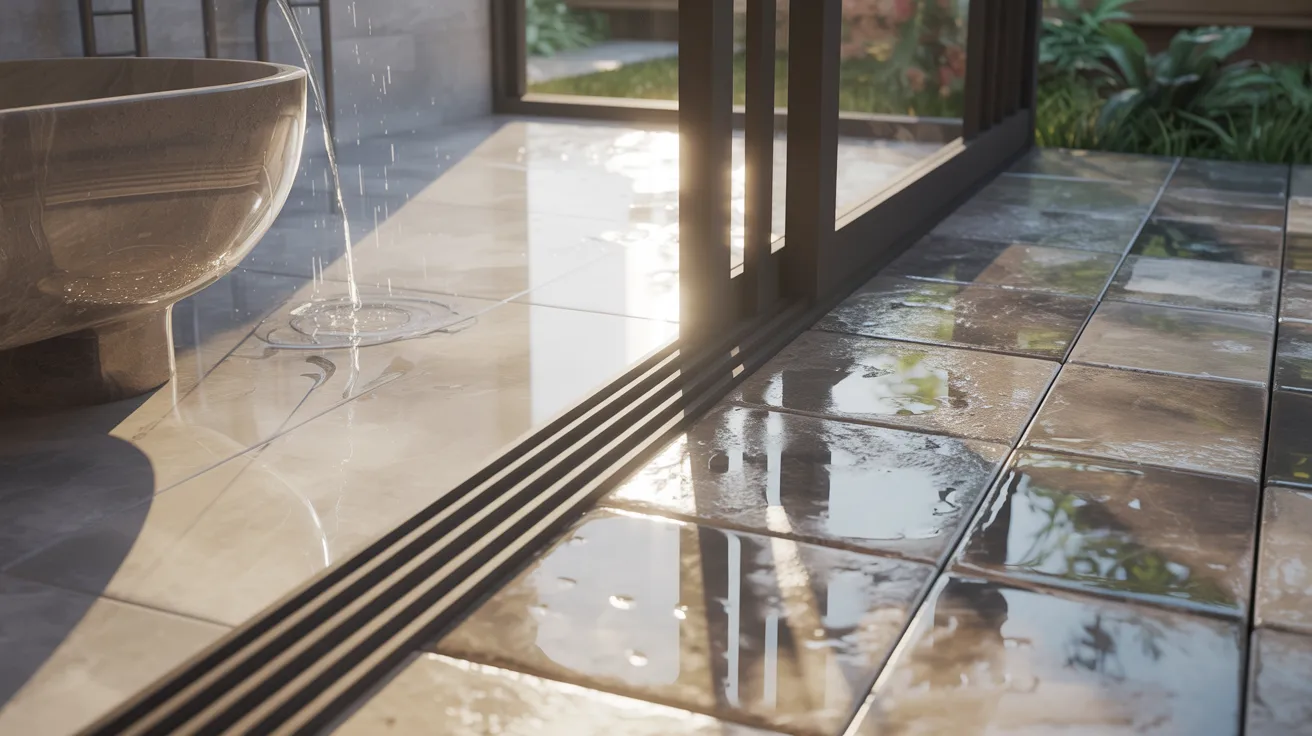
Bathrooms, kitchens, and outdoor areas expose tiles to constant moisture. Without proper sealing and ventilation, that moisture works into grout lines and weakens the floor from underneath.
Temperature swings cause tiles to expand and contract. In outdoor settings or unheated spaces, this movement can cause cracking over time, especially in lower-quality tiles.
Choosing frost-resistant tiles for outdoor use and keeping indoor humidity stable makes a real difference to long-term durability.
Signs Your Tile Floor Is Reaching the End of Its Lifespan
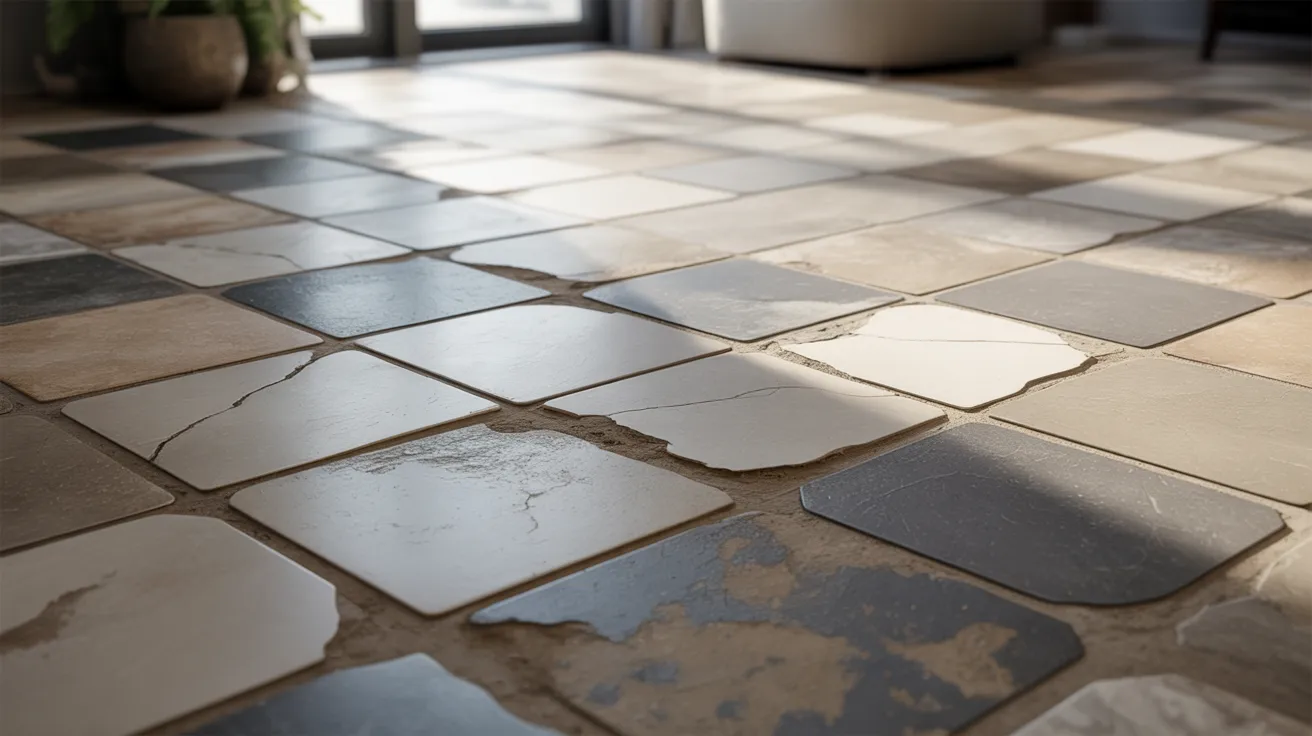
Tiles rarely fail all at once. The signs tend to build up gradually, and knowing what to look for helps you act before small issues become big ones.
- Cracked or chipped tiles that keep appearing even without obvious impact
- Tiles that sound hollow when tapped or feel loose underfoot
- Grout lines that are crumbling, discoloured, or missing in sections
- Stains that stay no matter how many times you clean them
- Uneven tiles or areas where the floor feels like it’s shifting
If you’re seeing two or more of these signs across a large area, it’s worth getting a professional opinion.
Isolated damage can usually be repaired, but widespread issues often point to something deeper.
How to Make Your Tiles Last Longer
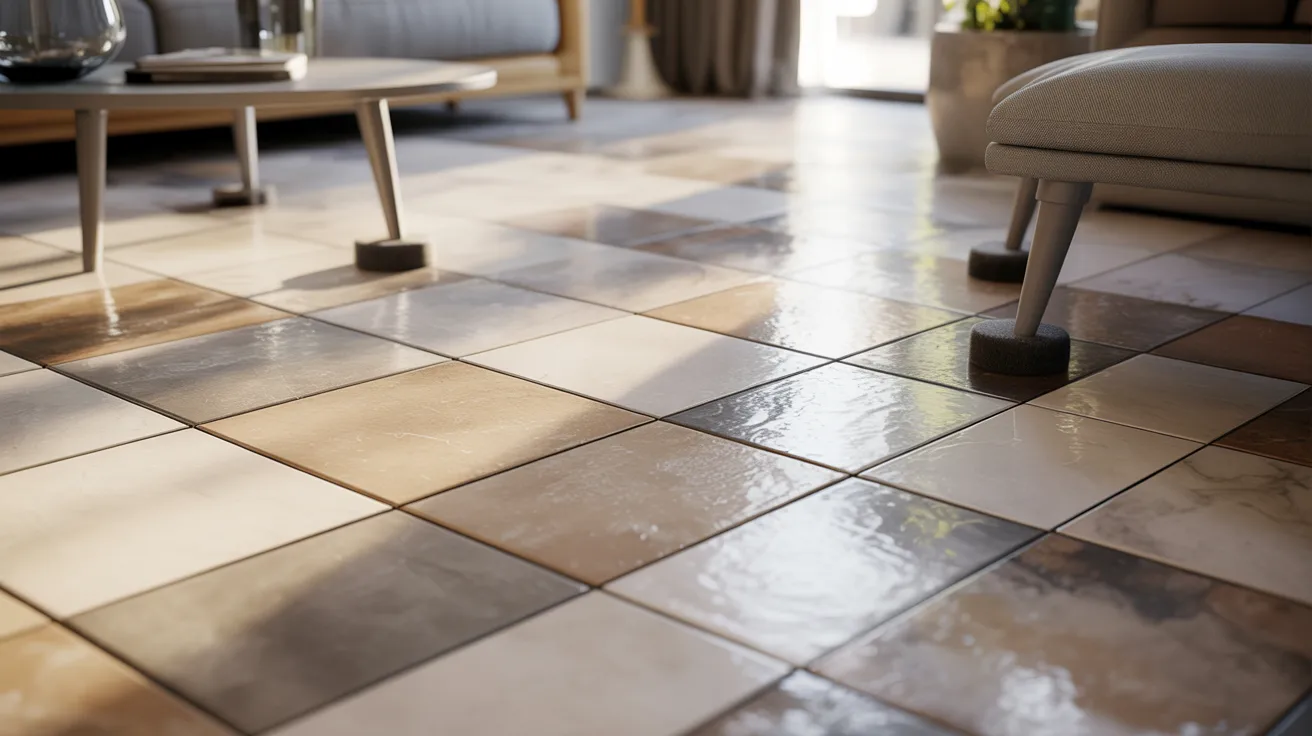
Start with good materials and a good installer. Those two decisions alone will do more for your tile’s lifespan than anything else you do afterward.
Seal the grout when installation is complete and re-seal it every one to two years after that. It takes an hour and saves you from much bigger repairs down the line.
Use the right cleaning products. Stick to mild, pH-neutral cleaners and avoid anything acidic or bleach-based on a regular basis.
Never drag heavy furniture across tiled floors. Use felt pads under chair and table legs, and lift rather than slide when moving anything heavy.
Finally, build a simple how long do tiles last tracker habit into your routine.
Walk the floor once or twice a year, check grout condition, tap a few tiles to listen for hollow sounds, and note anything that looks off.
Catching problems early keeps repair costs low and your floor looking good for decades.
Tile vs Other Flooring Lifespans
Tiles consistently outperform other common flooring types on lifespan. Here’s how they compare directly.
|
Flooring Type |
Average Lifespan |
|
Porcelain Tile |
75 to 100+ years |
|
Ceramic Tile |
50 to 75 years |
|
Natural Stone Tile |
100+ years |
|
Hardwood |
25 to 50 years |
|
Laminate |
15 to 25 years |
|
Vinyl |
10 to 20 years |
|
Carpet |
10 to 15 years |
No other standard flooring option comes close to tile when it comes to long-term value. The higher upfront cost typically pays off well within the floor’s lifetime.
When Should You Replace Tile Flooring?
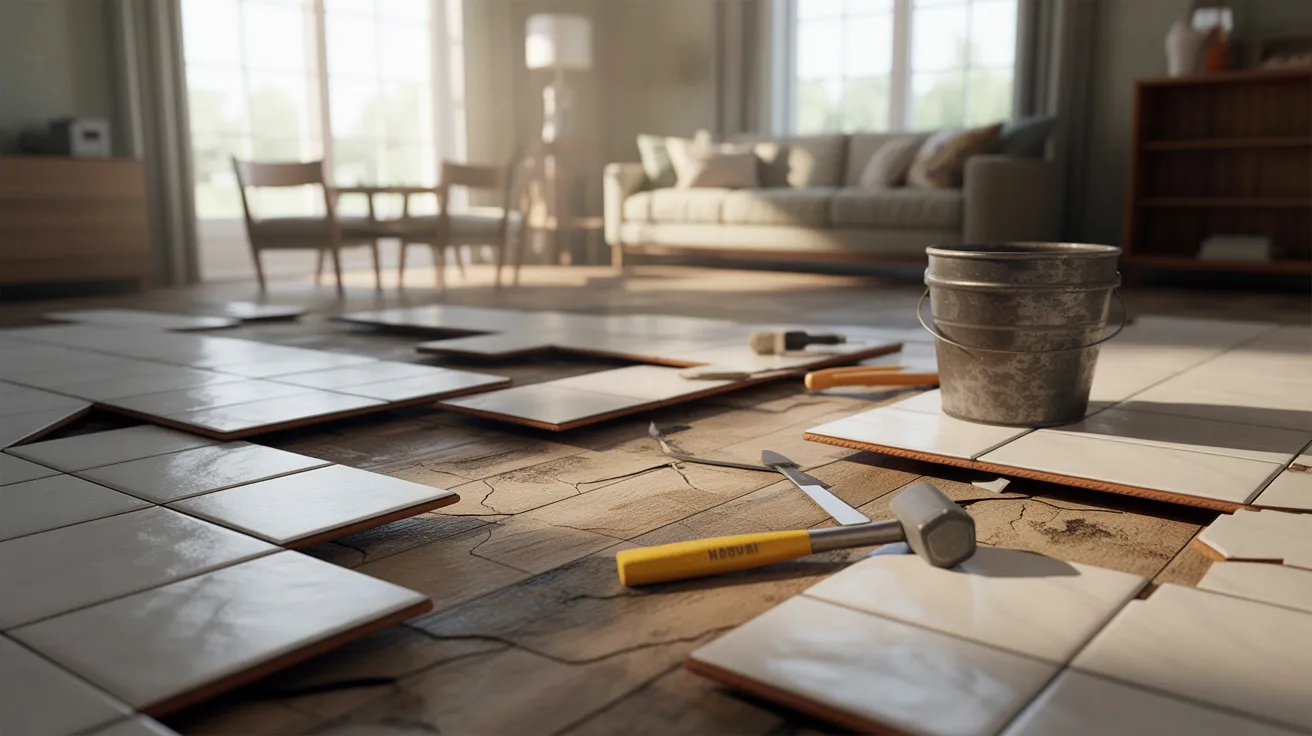
Tiles don’t need replacing often, but there are situations where repair simply isn’t enough.
Structural damage is the clearest reason. If tiles are cracking repeatedly due to a failing subfloor or foundational movement, patching the surface won’t solve the underlying problem.
Extensive grout deterioration across a large area is another sign. When grout breaks down at scale, it’s often more cost-effective to re-tile than to re-grout everything.
Sometimes the reason is personal. A renovation or style update is a perfectly valid reason to replace tiles that are still structurally sound.
If the subfloor itself is damaged by moisture or rot, a full replacement is usually necessary regardless of how the tiles above look.
Final Thoughts
Tiles are built to last. But only if you treat them right.
Most homeowners never think about their floors until something goes wrong. Don’t be that person.
A quick yearly check using a simple how long do tiles last tracker habit takes minutes and can save you thousands.
Spotted a crack? Fix it now. Grout looking rough? Seal it. Small actions add up over decades.
How old are your tiles? Still going strong or showing signs of wear? Drop a comment below.
And if this helped, share it with someone mid-renovation.
Frequently Asked Questions
How Long Do Tiles Last in a House?
Most tile floors last 50 to 100 years, depending on tile type, installation quality, and how well they’re maintained. Porcelain and natural stone tend to reach the higher end of that range.
Do Porcelain Tiles Last Longer Than Ceramic Tiles?
Yes. Porcelain tiles are denser and less porous, which makes them more resistant to moisture and surface wear. They consistently outlast ceramic tiles in high-traffic or wet areas.
What Usually Fails First: Tiles or Grout?
Grout typically deteriorates faster than the tiles themselves and may need replacing every 10 to 20 years. Keeping it sealed slows that process significantly.
How Can I Track the Lifespan of My Tile Flooring?
You can follow a simple how long do tiles last tracker method by checking your floor periodically for cracks, hollow-sounding tiles, and grout damage. Annual checks are usually enough to stay ahead of any problems.
Can Tile Flooring Really Last 100 Years?
Yes. High-quality porcelain or natural stone tiles, installed correctly and maintained well, can last well over a century. The grout will likely need attention long before the tiles do.


