

Before you decide on new windows, have you ever stopped to think how long do vinyl windows last in real homes?
Choosing the right window can feel overwhelming, but understanding lifespan, maintenance, and performance makes it easier.
From my years of experience helping homeowners select and care for windows, I’ve seen how installation, climate, and material quality directly affect their longevity.
In this blog, we’ll cover what makes vinyl windows durable, warning signs, real homeowner experiences, and much more.
By the end, you’ll have practical insights to make smart decisions for your home’s comfort and efficiency.
Understanding Vinyl Windows
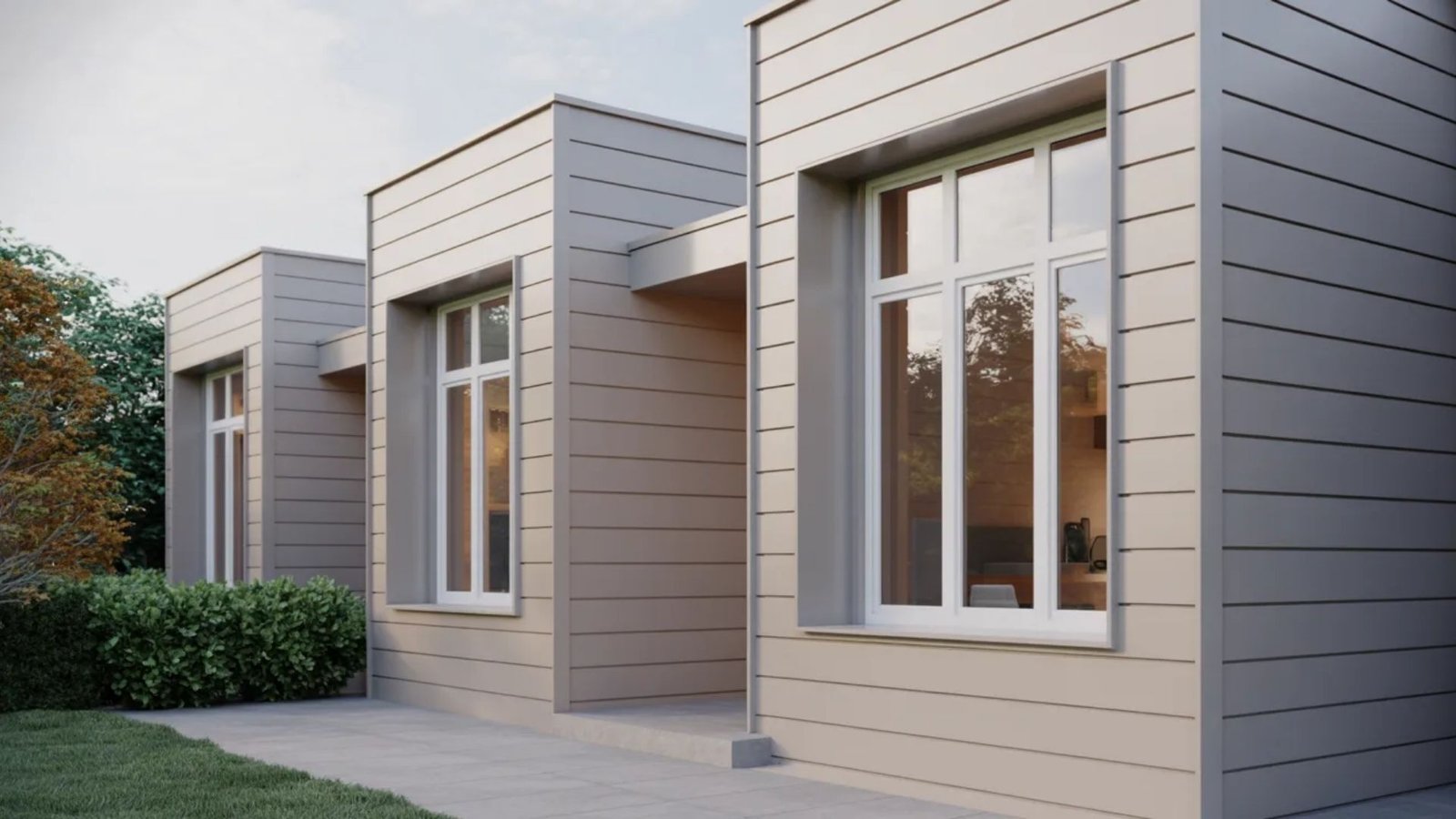
Vinyl windows are common in many homes due to their simple design and low upkeep. They are made from PVC (polyvinyl chloride), a strong plastic used in building materials.
The frames often have internal chambers that add strength and improve insulation. Most vinyl windows use double-pane or triple-pane glass with sealed edges to reduce heat loss.
Compared with other materials, vinyl has some clear differences. Wood frames need regular painting and care.
Aluminum frames are strong but conduct heat easily. Fiberglass frames are durable but usually cost more.
Many homeowners choose vinyl windows because they require little maintenance, resist moisture, and are usually more affordable than several other window options.
How Long Do Vinyl Windows Last: Average Lifespan
Most vinyl windows last 20 to 40 years on average. The exact lifespan depends on the quality of the material, installation, and local climate.
High-quality vinyl frames are thicker and stronger, which helps them last longer. Proper installation also matters because well-sealed windows are less likely to warp or develop leaks.
Many homeowners share similar experiences in online forums. Some report their vinyl windows working well after 30 years, while others mention frames lasting close to 40 years.
However, strong sunlight, high heat, and large temperature changes can reduce lifespan. Poor installation or lack of basic maintenance may also cause earlier problems.
Key Factors Affecting Vinyl Window Longevity
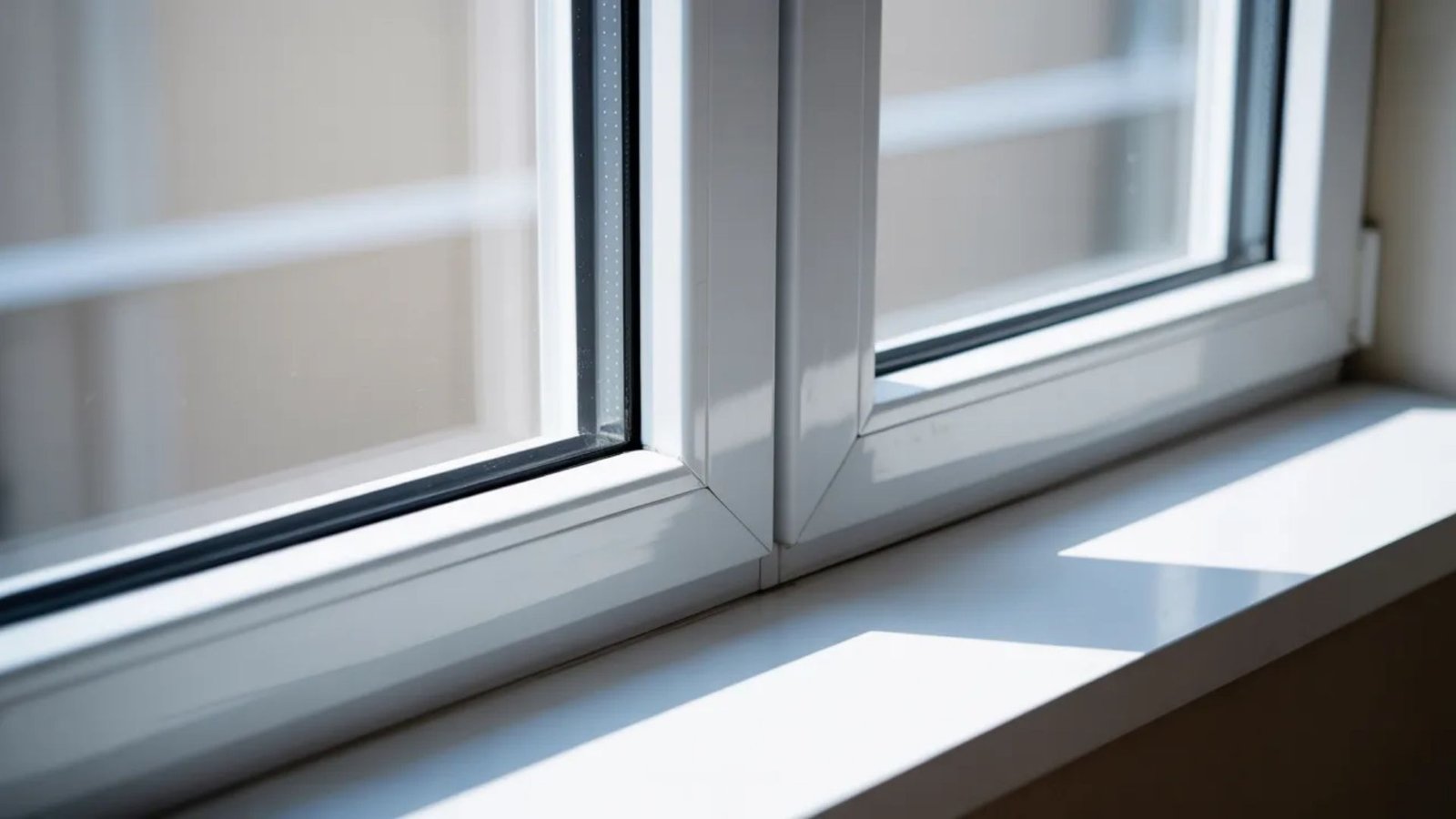
Several factors affect how long vinyl windows last, including climate, installation quality, material strength, and maintenance.
Climate and Sun Exposure
Climate has a strong impact on vinyl window lifespan. Constant sunlight and high heat can cause vinyl frames to expand, fade, or weaken over time.
In colder or humid areas, moisture and temperature shifts may affect window seals, which can reduce insulation performance.
Installation Quality
Proper installation helps vinyl windows last longer and perform as expected. When windows are fitted and sealed correctly, they are less likely to warp, leak, or develop gaps.
Poor alignment, weak sealing, or incorrect frame support can lead to drafts, water entry, and early damage.
Material Quality
The quality of vinyl used in window frames makes a clear difference in durability. High-grade vinyl is thicker and often includes metal reinforcement inside the frame for extra strength.
Cheaper vinyl frames may be thinner and less stable, which can lead to bending or wearing out sooner.
Maintenance Habits
Regular care helps vinyl windows remain in good shape for many years. Simple steps like cleaning the frames, checking seals, and fixing small issues early can prevent bigger problems.
When maintenance is ignored, dirt buildup, seal damage, and minor faults can shorten window lifespan.
Signs It’s Time to Replace Vinyl Windows
Windows wear down over time. Certain signs show when replacement may be needed.
Seal failure: Foggy or hazy glass between panes usually means the insulated glass seal has failed. Moisture enters between the panes and reduces insulation performance.
Warping or cracks: Vinyl frames may bend, crack, or change shape after years of heat and weather exposure. Warped frames can make windows hard to open, close, or lock.
Drafts or energy loss: Cold air around the window frame often indicates worn seals or gaps. Drafts can reduce comfort and increase heating or cooling costs.
Visual degradation: Vinyl frames may fade, discolor, or become brittle after long sun exposure, which can weaken the window structure.
If these signs appear, replacement may be needed to restore insulation and performance.
Vinyl Window Lifespan vs Other Window Materials
Different window materials vary in lifespan, maintenance, and performance. The table below shows how vinyl compares with other common window frame materials.
| Feature | Vinyl Windows | Fiberglass Windows | Aluminum Windows | Wood Windows |
|---|---|---|---|---|
| Average Lifespan | 20-40 years | 40-50 years | 20-30 years | 30+ years with proper care |
| Maintenance | Very low-cleaning only | Low- occasional checks | Low- may need seal checks | High- needs painting or sealing |
| Energy Efficiency | Good insulation with multi-pane glass | Very good insulation | Lower insulation due to heat transfer | Good insulation when well-maintained |
| Cost Range | Usually lower than most materials | Higher than vinyl | Mid-range, depending on frame type | Often higher due to material and upkeep |
| Durability | Resistant to moisture and corrosion | Very strong and stable in temperature changes | Strong but conducts heat easily | Strong but can rot or warp if not maintained |
Vinyl remains a common choice because it offers good lifespan, low maintenance, and reasonable cost.
Community Insights and Personal Experiences
Homeowners often share their experiences with vinyl window lifespan in online forums. These discussions show how factors like climate and installation affect performance.
Forum Discussions
- A homeowner in Ohio reported vinyl windows lasting over 35 years, with only minor seal issues.
- A homeowner in Arizona said their windows showed seal problems after about 15 years due to the strong sun and heat.
Lessons Learned
- A homeowner in Minnesota shared that properly installed windows have lasted around 30 years with basic care.
- A homeowner in Florida reported drafts and moisture issues within 12-15 years due to poor installation.
Proper installation, maintenance, and climate determine how long vinyl windows last.
Budgeting for Replacement
Planning for window replacement helps avoid sudden repair costs. Knowing the timeline and price factors makes budgeting easier.
Typical Replacement Timeline: Vinyl windows usually need replacement after 15-20 years. High-quality vinyl can last 30 years or more. Harsh climates may shorten lifespan.
Cost Considerations: Replacing a vinyl window costs $300 to $900, including installation. Total cost depends on the number, size, frame style, glass type, brand, and labor.
Replacing windows on time maintains performance and energy efficiency.
Tips to Maximize the Lifespan of Vinyl Windows
Regular care can extend the life of vinyl windows and maintain their performance.
- Clean and inspect windows regularly.
- Avoid using harsh chemicals on vinyl frames.
- Repair damaged or failing seals promptly.
- Choose reputable brands and hire professional installers.
- Keep the surrounding area clear to prevent moisture buildup and debris damage.
Following these tips helps prevent damage and ensures windows last longer.
Conclusion
Knowing how long do vinyl windows last helps homeowners plan replacements and maintain comfort.
From experience, proper installation, regular cleaning, and timely seal checks make a big difference in performance.
Considering climate, material quality, and real-life experiences sets realistic expectations.
Watching for early signs of wear prevents drafts and energy loss. With care, vinyl windows remain a practical and reliable choice for most homes.
Inspect your current windows for wear or damage to plan replacements and avoid unnecessary costs!
Frequently Asked Questions
Is It Worth Replacing 20-Year-Old Vinyl Windows?
Replace if there is seal failure, drafts, or warping; otherwise, windows may still function well.
How Often Should Vinyl Windows Be Replaced?
Vinyl windows usually last 20-40 years, with replacement planning starting at 15-20 years.
Do Vinyl Windows Fade Or Warp Over Time?
Yes. Sun, heat, and moisture can cause fading or warping, which proper maintenance can slow.
Are There Brands Known For Longer Lifespans?
Brands like Pella, Simonton, and Andersen are known for durable vinyl windows lasting 30-40 years.
Can Maintenance Really Extend A Vinyl Window’s Life?
Yes. Cleaning, seal checks, and minor repairs help windows last longer.


