

Planning a home renovation and wondering how long does it take to renovate a house? I’ve been there. The uncertainty is stressful, especially when you’re juggling budgets, contractors, and daily life.
In this article, I’ll walk you through real renovation timelines from small cosmetic updates to full house overhauls. You’ll learn what causes delays and how to stay on track.
With over a decade of helping homeowners plan smarter, I know one thing for certain realistic expectations, save time, money, and headaches.
Let’s break it all down so you can plan with confidence.
How Long Does it Take to Renovate a House?
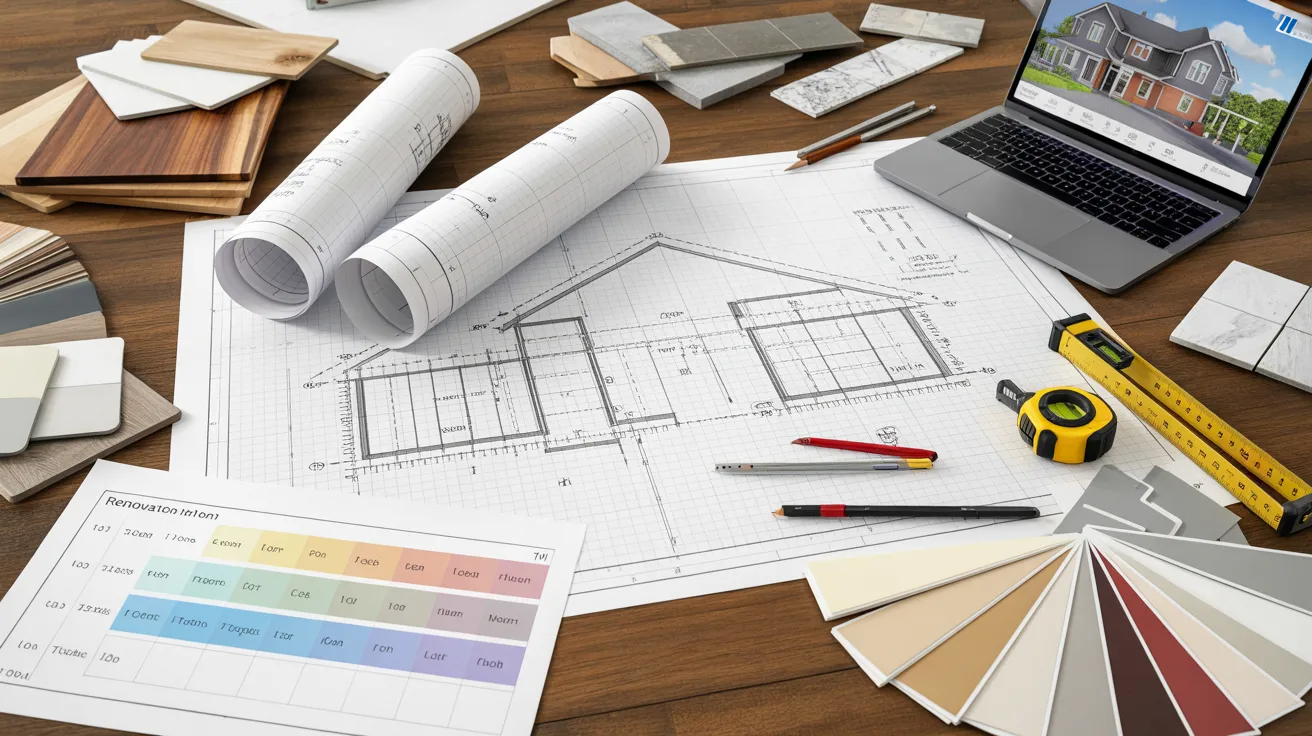
The honest answer depends on what you’re doing and how big your home is. Small cosmetic renovations take 2 to 8 weeks. Medium renovations run 2 to 6 months. Major renovations stretch to 6 to 12 months, and a full house renovation can take anywhere from 9 to 18 months.
No two renovations are the same. A fresh coat of paint moves fast. Tearing down walls and rebuilding does not. The scope of work is the biggest factor in how long things take.
A few other reasons timelines shift include the size of the home, contractor availability, and permit approvals. Larger homes need more labor and materials. Good contractors book up months ahead. Waiting on permits alone can stall work for several weeks.
Average Timeline for a Full House Renovation
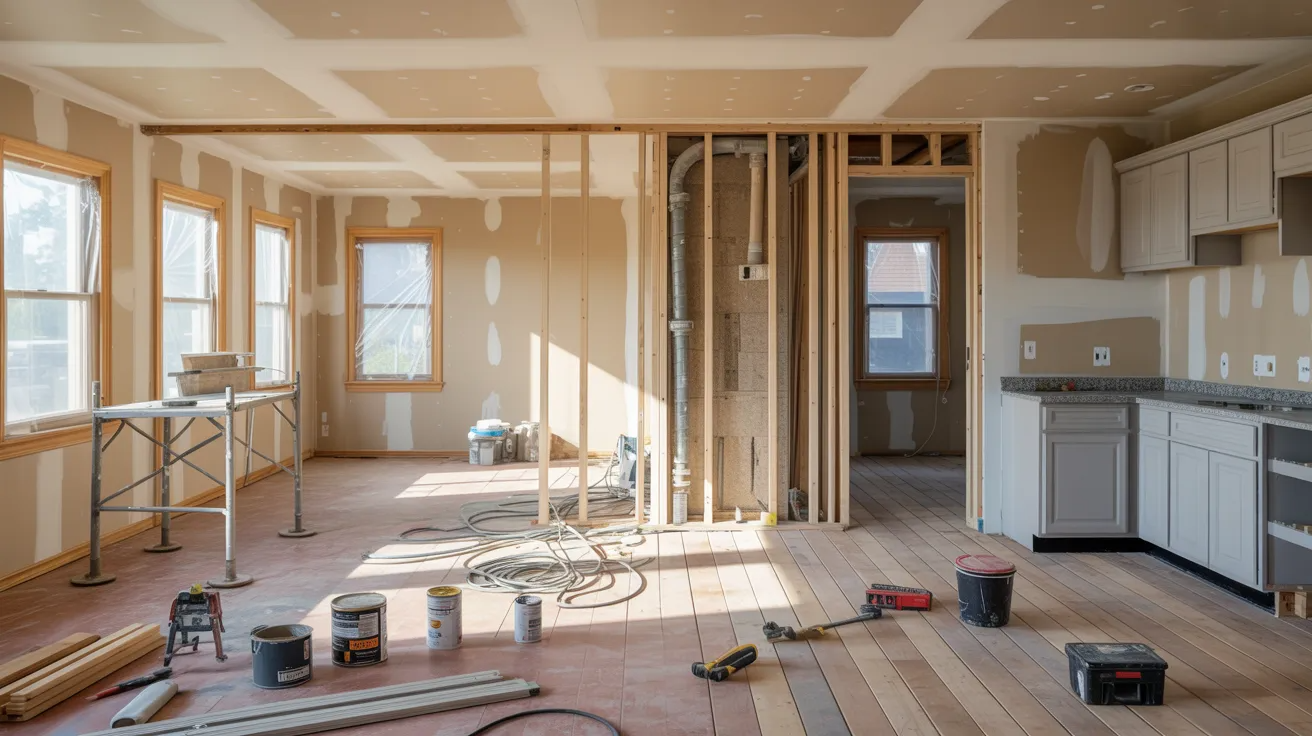
A full renovation moves through clear phases knowing each one helps you plan without surprises.
Planning and Design Phase (1-2 Months)
This is where everything starts. You finalize your goals, set a budget, and work with a designer or contractor to map out the project. Skipping this step almost always causes problems later.
Permit Approval and Contractor Scheduling (2-6 Weeks)
After planning, you need permits for most structural and electrical work. Local authorities set the pace here. Some approvals take two weeks; others stretch to six. Contractor scheduling often happens in parallel.
Demolition and Structural Work (2-4 Weeks)
Once permits are in hand, the physical work begins. Old walls come down, flooring gets pulled up, and structural changes are made. This phase is loud, messy, and necessary.
Core Renovation Work (2-6 Months)
This is the longest phase. It includes plumbing, electrical, insulation, drywall, tiling, cabinetry, and more. The timeline here depends heavily on the scope of your project and how many trades are involved.
Final Finishing and Inspections (2-4 Weeks)
Painting, trim work, fixture installation, and final inspections wrap things up. Don’t rush this phase; it’s what gives the finished space a polished, complete look.
7 Types of Renovations and How Long They Typically Take
Different projects carry very different timelines. Here’s what to expect for each type.
1. Painting and Cosmetic Updates – 1 to 2 Weeks

Fresh paint, new light fixtures, and updated hardware are the fastest renovations you can do. These jobs rarely need permits and don’t require major labor. Most homeowners can wrap this up in under two weeks.
2. Flooring Installation – 1 to 3 Weeks
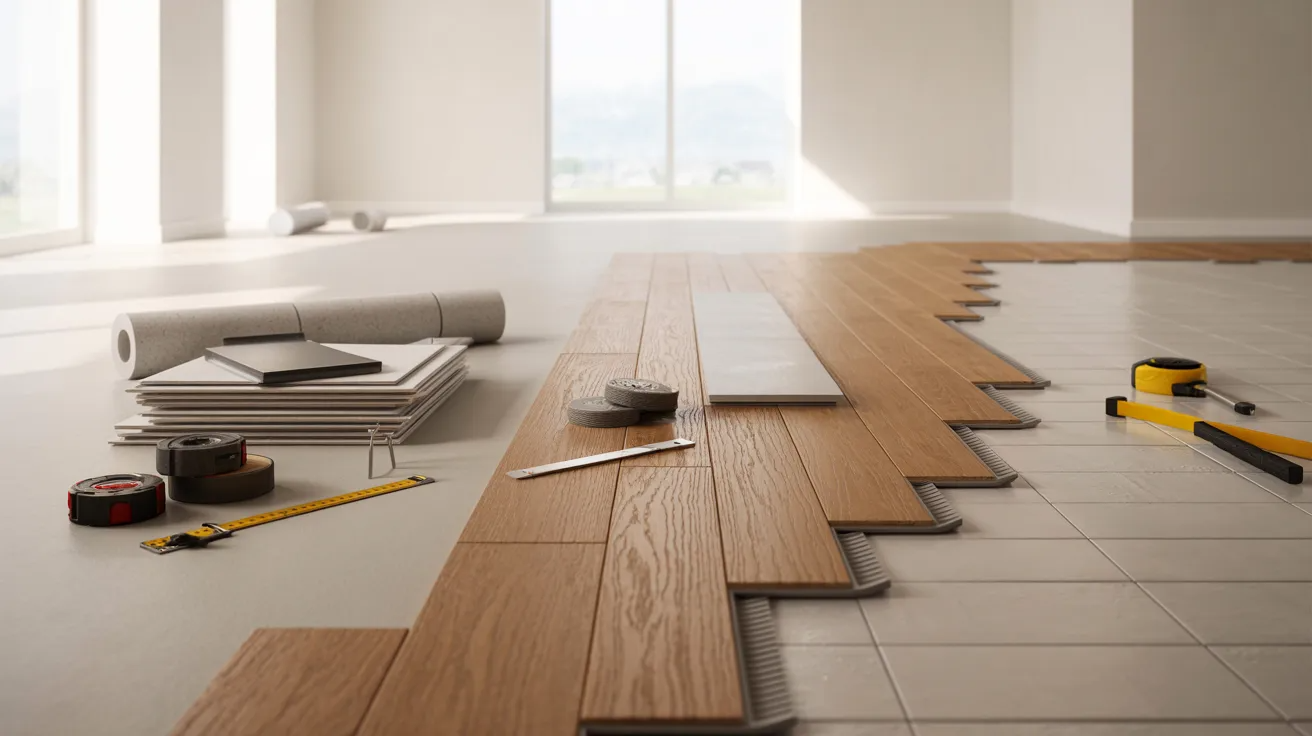
The timeline here depends on square footage and what’s underneath the old floor. Hardwood, tile, and vinyl each have different prep requirements. Complex patterns or large spaces push the timeline closer to three weeks.
3. Bathroom Renovation – 3 to 10 Weeks
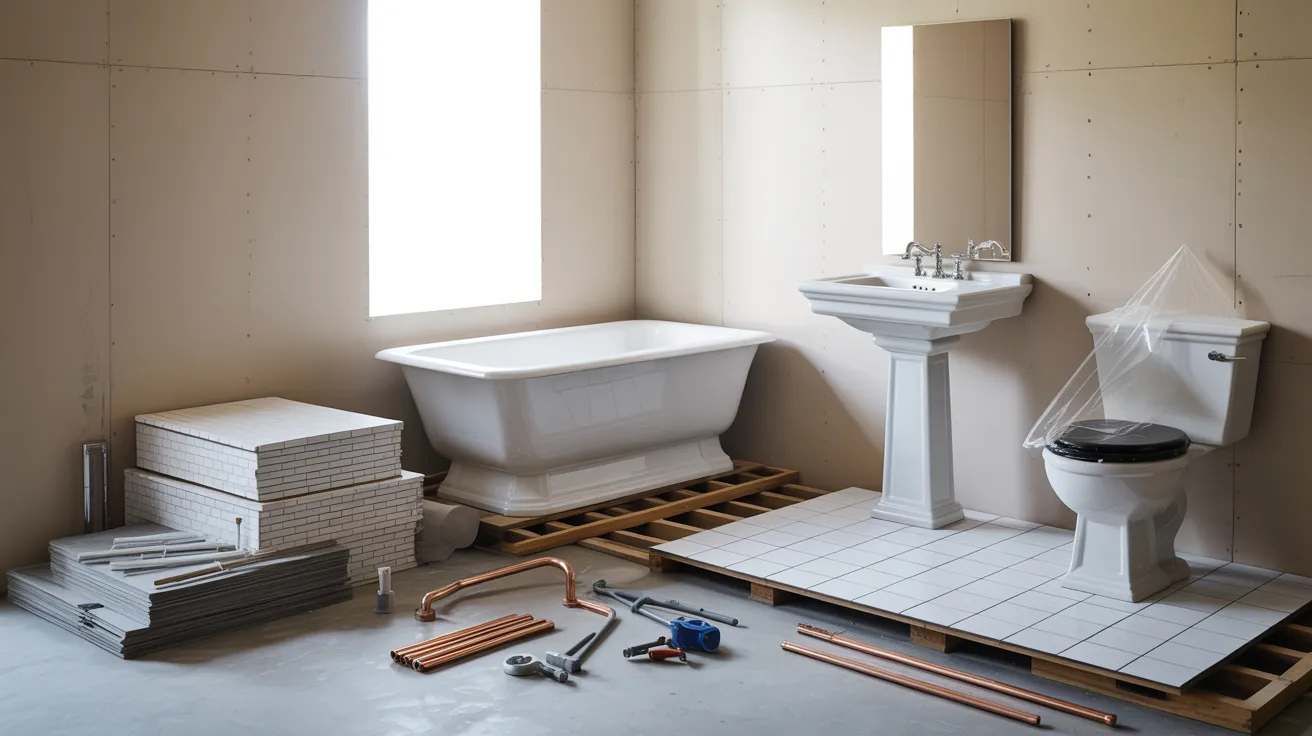
A basic refresh with new fixtures and paint takes around 3 to 4 weeks. A full gut job involving new plumbing, tiling, and layout changes can run 8 to 10 weeks. The more trades involved, the longer it takes.
4. Kitchen Renovation – 6 to 12 Weeks
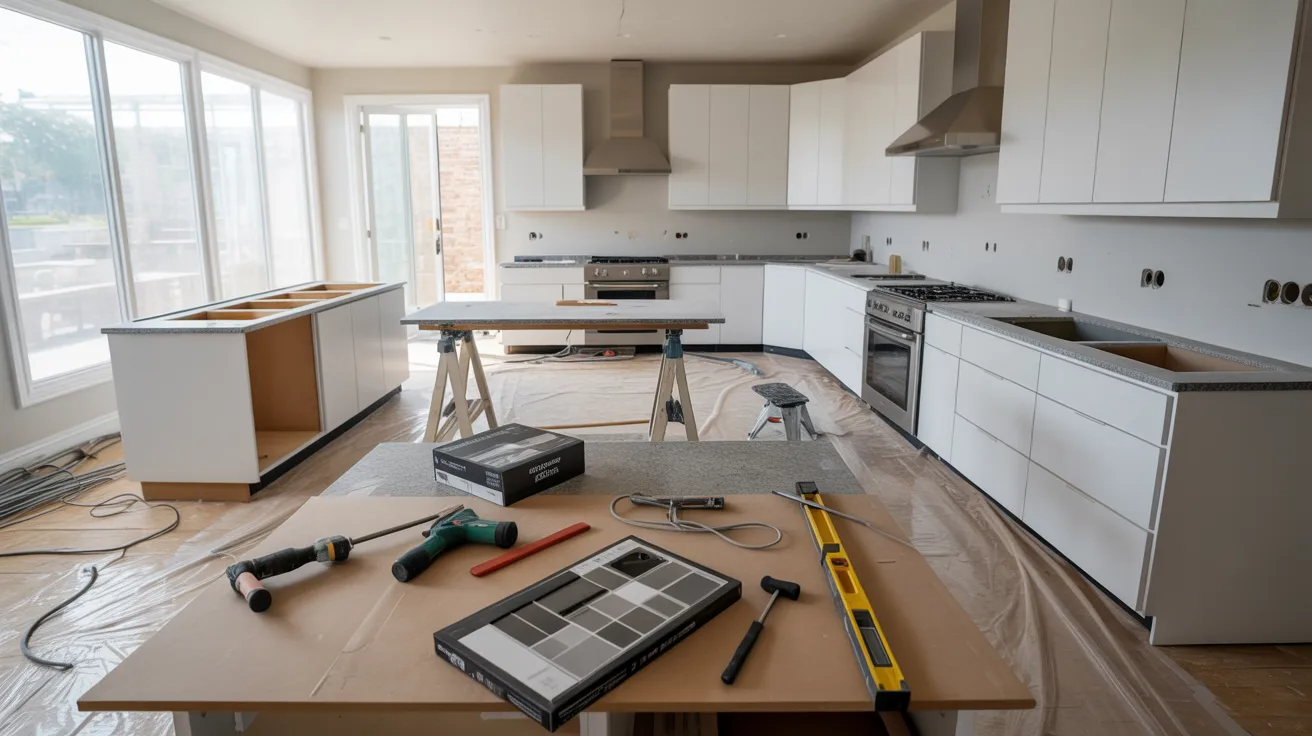
Kitchens bring in multiple trades at once – plumbers, electricians, and carpenters all need to coordinate. Custom cabinets alone can add several weeks of lead time. Plan for at least 8 weeks in a mid-size kitchen.
5. Basement Finishing – 4 to 8 Weeks
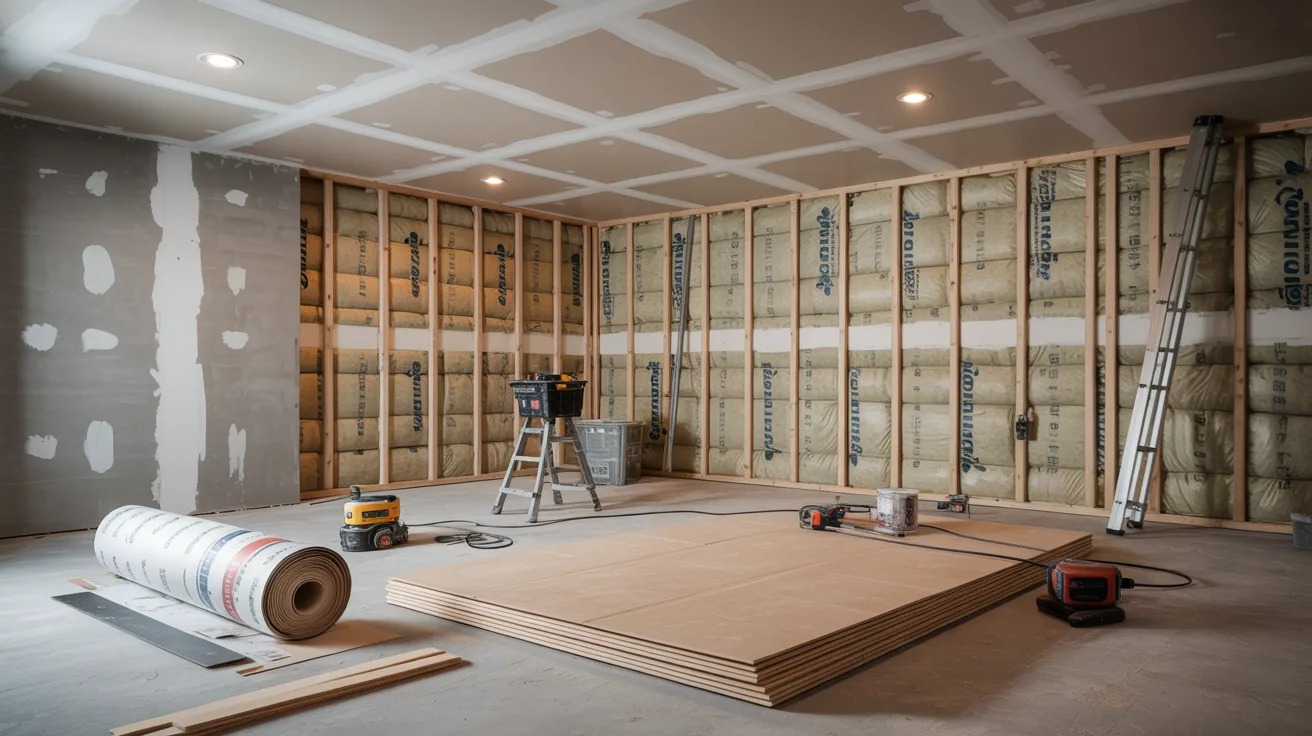
An unfinished basement can become a functional living space in about 4 to 8 weeks. Moisture problems or structural issues found during the process will add extra time. Address those early to avoid surprises.
6. Home Addition Projects – 3 to 5 Months
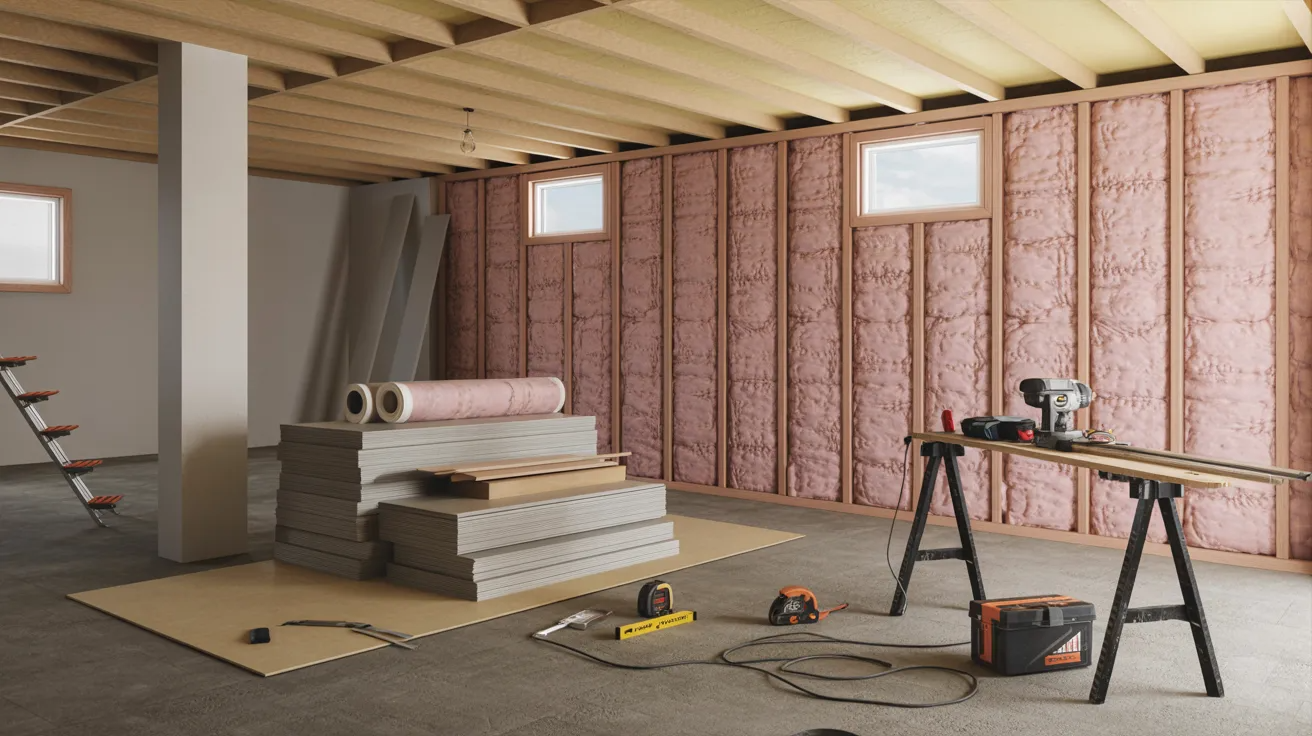
Adding square footage means permits, foundation work, framing, and finishing – all in sequence. This is a serious project that touches nearly every trade. Budget at least three months, often more.
7. Full House Renovation – 9 to 18 Months
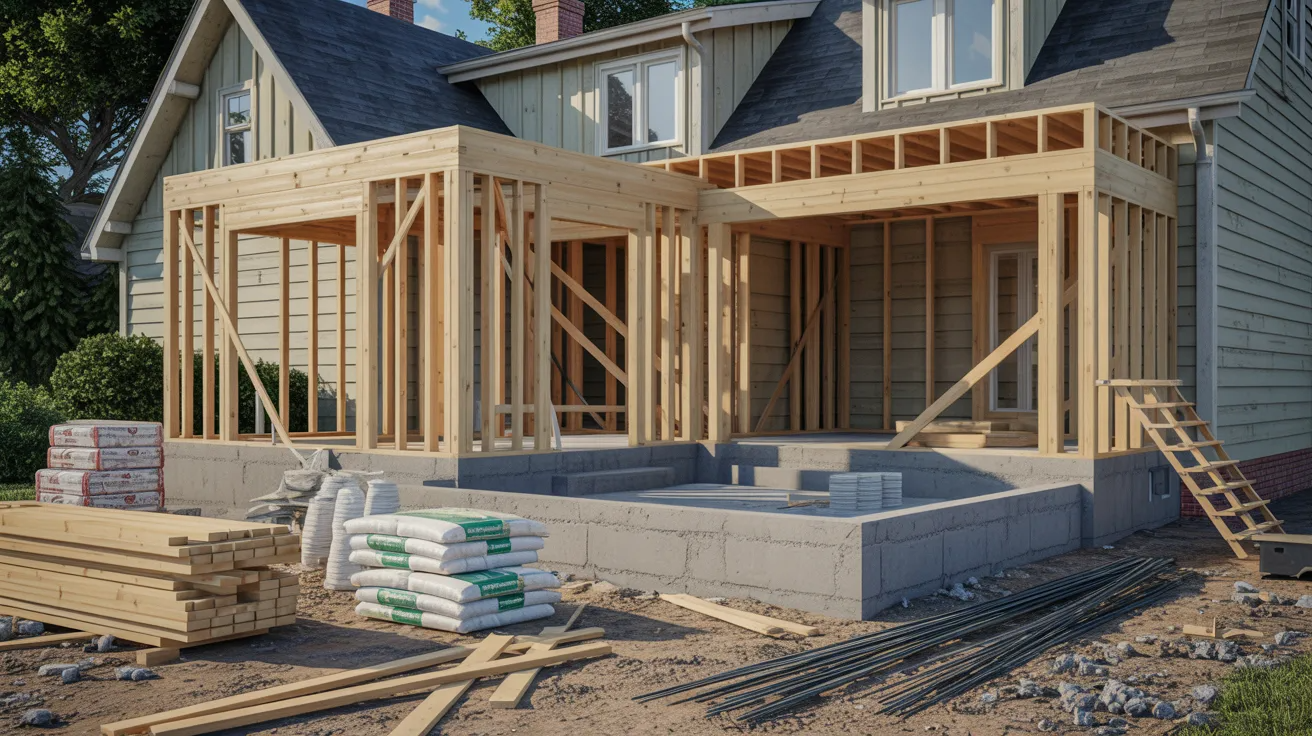
A complete top-to-bottom overhaul is the longest project a homeowner can take on. Multiple phases, trades, inspections, and decisions all add up. Expect close to a year at minimum, sometimes significantly more.
Factors That Affect How Long It Takes to Renovate a House
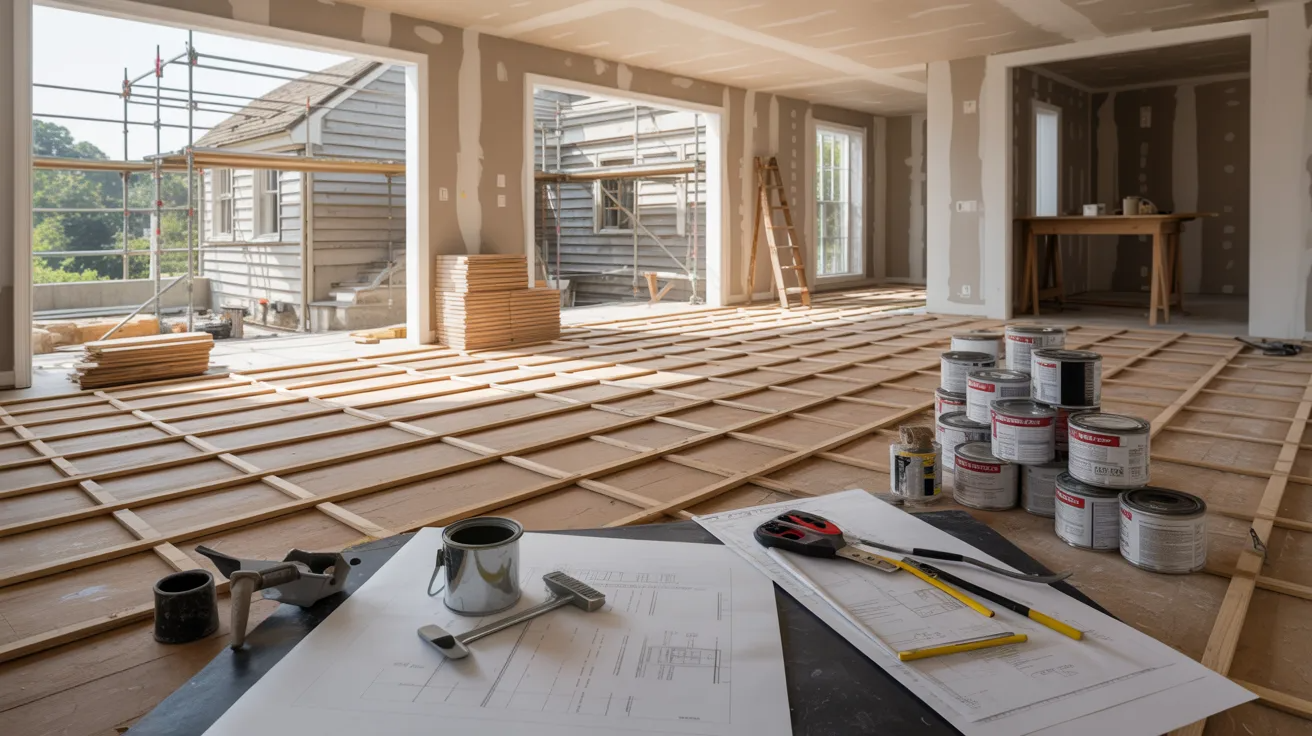
Several variables can push your timeline forward or pull it back – being aware of them helps you plan smarter.
Size and Age of the Property
Older homes often come with surprises – outdated wiring, lead paint, or weak foundations. These discoveries add weeks to any project. A newer home typically moves faster through each phase.
Scope of Renovation Work
Cosmetic updates move quickly. Structural remodeling does not. Adding or removing walls, changing floor plans, or rerouting plumbing all require extra time and inspections.
Permit and Inspection Delays
You cannot control how fast your local building department works. Some areas process permits in days; others take weeks. Factor this into your planning and apply early.
Material Availability
Standard materials are usually in stock. But custom tile, special-order cabinets, or imported fixtures can take 6-10 weeks to arrive. Order early or choose readily available alternatives.
Contractor Scheduling
A skilled contractor with a full schedule might not start your project for 6-8 weeks. Hiring based on availability alone often leads to poor results. Plan ahead and book early.
Renovating a House You Already Own vs a Newly Purchased Home
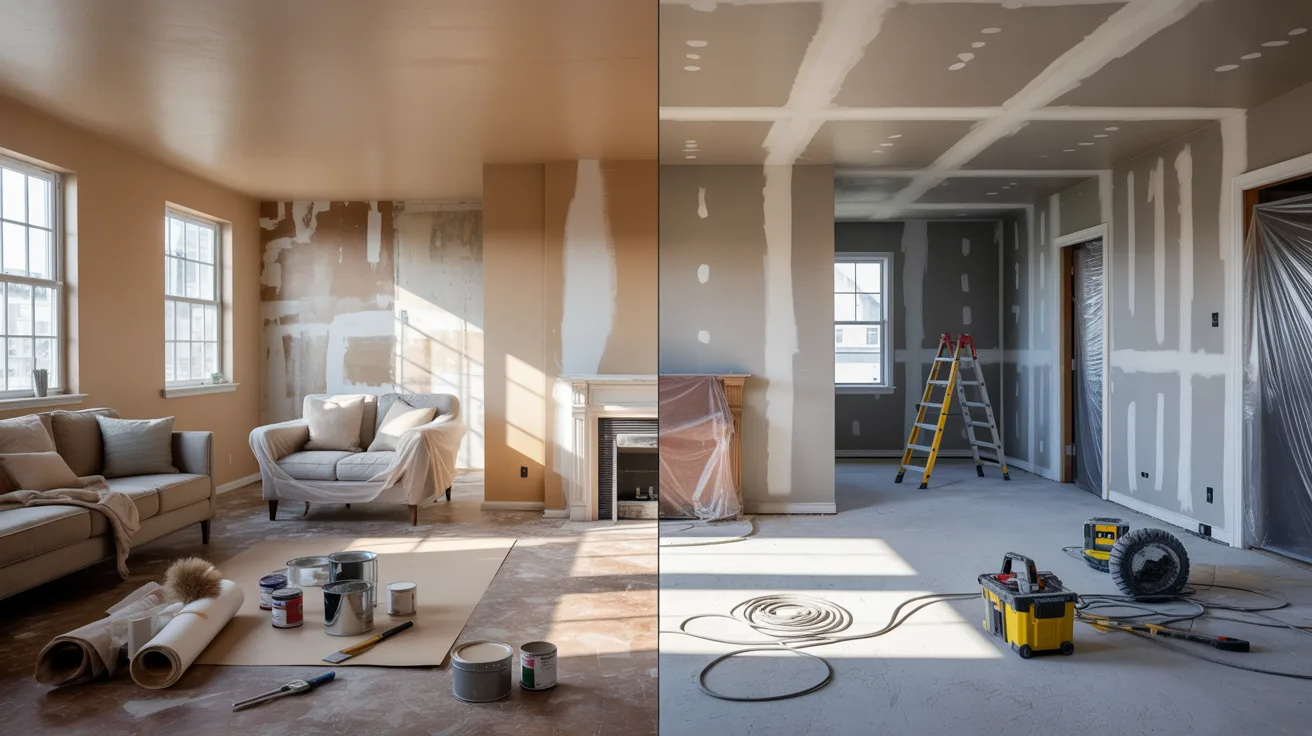
Your living situation during a renovation plays a bigger role in the timeline than most people expect.
Renovation Timeline for Occupied Homes
Living in the home while renovating slows things down. Work often happens in sections to keep certain areas livable. Kitchens and bathrooms may be done one at a time. This approach is more convenient but adds weeks to the overall timeline.
Renovation Timeline for Vacant Homes
An empty home allows contractors to work freely across all areas at once. Multiple trades can move in parallel. This is the fastest way to complete a renovation.
Which Option Is Faster?
Vacant homes win every time. Without having to work around a family’s daily routine, contractors can stay on a consistent schedule. If you can stay elsewhere during the renovation, it’s worth considering.
Typical Renovation Timeline by Project Size
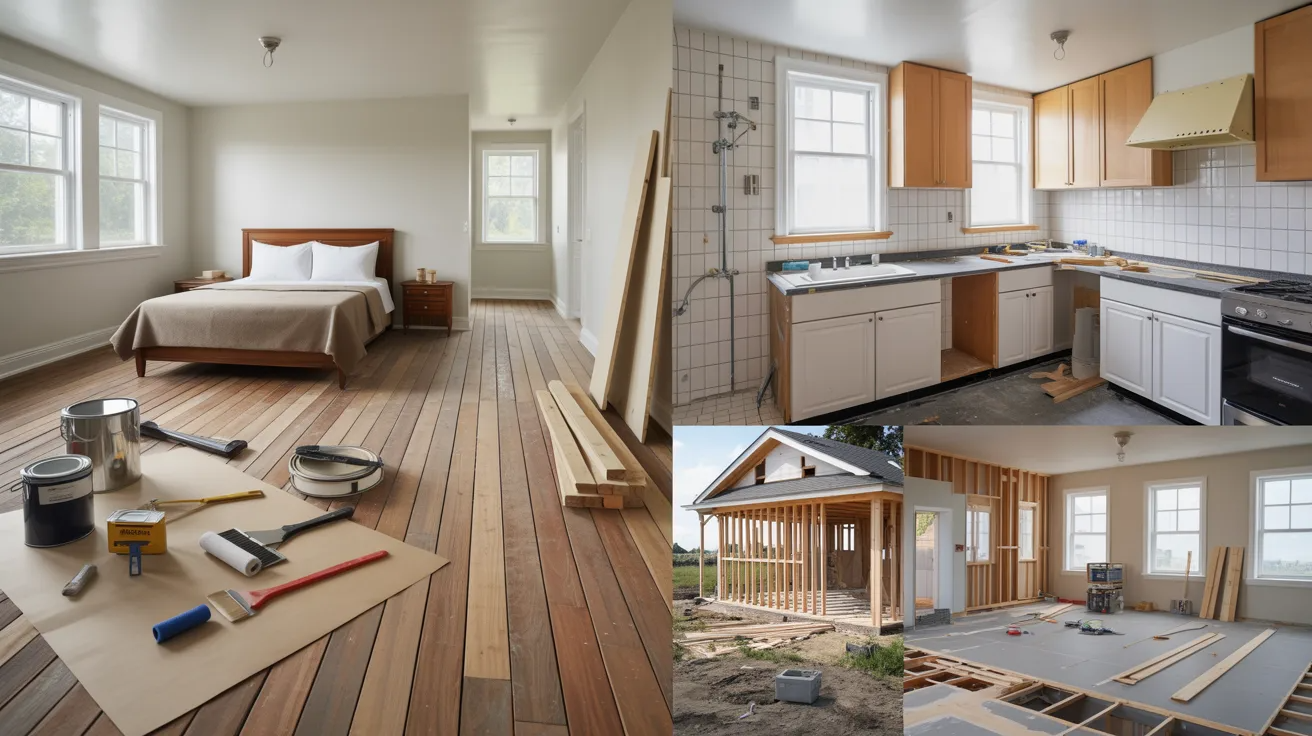
Project scale is one of the most reliable ways to estimate how long your renovation will take.
Small Renovation Projects
Think new flooring, fresh paint, updated fixtures. These typically run 2-8 weeks and rarely require permits. They’re low-disruption and easy to manage.
Medium Home Remodeling Projects
A kitchen remodel, bathroom overhaul, or basement finish falls in this category. Expect 2-6 months depending on complexity, permit timelines, and material availability.
Large-Scale Renovation Projects
Full home renovations, room additions, or major structural changes. These run 6-18 months and require detailed planning, multiple contractors, and a solid budget buffer.
Tips to Keep Your Home Renovation on Schedule
A few smart habits at the start of a project can save weeks of delay down the road.
- Plan every detail before work begins. A complete plan upfront prevents costly decisions mid-project.
- Hire experienced contractors. Skilled tradespeople work faster and spot problems before they grow.
- Order materials early. Get everything on-site before it’s needed so the crew is never waiting.
- Stick to your original design. Mid-project changes cause delays and push up costs quickly.
- Add buffer time to your schedule. Build in 2 to 4 extra weeks because unexpected issues almost always come up.
- Communicate with your contractor regularly. Quick check-ins keep the project moving and stop small problems from growing.
Conclusion
Knowing how long it takes to renovate a house before you start makes the whole process far less stressful. From my own experience, the projects that go smoothly are always the ones planned carefully from the beginning.
Set realistic expectations, order materials early, and build in extra time for the unexpected. It really does make a difference.
If this article helped you, drop a comment below or share it with someone planning a renovation soon. A little planning upfront saves a lot of frustration later. You’ve got this.
Frequently Asked Questions
How long does a full house renovation usually take?
A full house renovation typically takes 9 to 18 months. The timeline depends on the size of the home, the scope of work, and how quickly permits are approved.
Can I live in my house during a renovation?
Yes, but it will likely slow the project down. Working in sections to keep areas livable adds time compared to renovating a vacant home.
What causes the most delays in home renovations?
Permit approvals, material backorders, and contractor scheduling are the top causes of delays. Planning ahead and ordering materials early helps reduce these issues.
How long does a kitchen renovation take?
Most kitchen renovations take 6 to 12 weeks. Custom cabinets, complex layouts, or permit requirements can push that closer to 12 weeks or more.
Do I need permits for every type of renovation?
Not always. Cosmetic updates like painting or flooring usually don’t need permits. Structural, electrical, or plumbing work almost always does. Check with your local building department before starting.


