

Birch wood shows up everywhere, from kitchen cabinets to cutting boards, and there is a good reason for that.
But before you pick a wood for your next project, knowing whether it is a hardwood or softwood matters more than most people think.
It affects how the wood holds screws, takes stains, and holds up over time.
In this guide, we will look at what makes birch a hardwood, what its real strengths are, and where it works best.
Let us get into it.
What is Birch Wood?
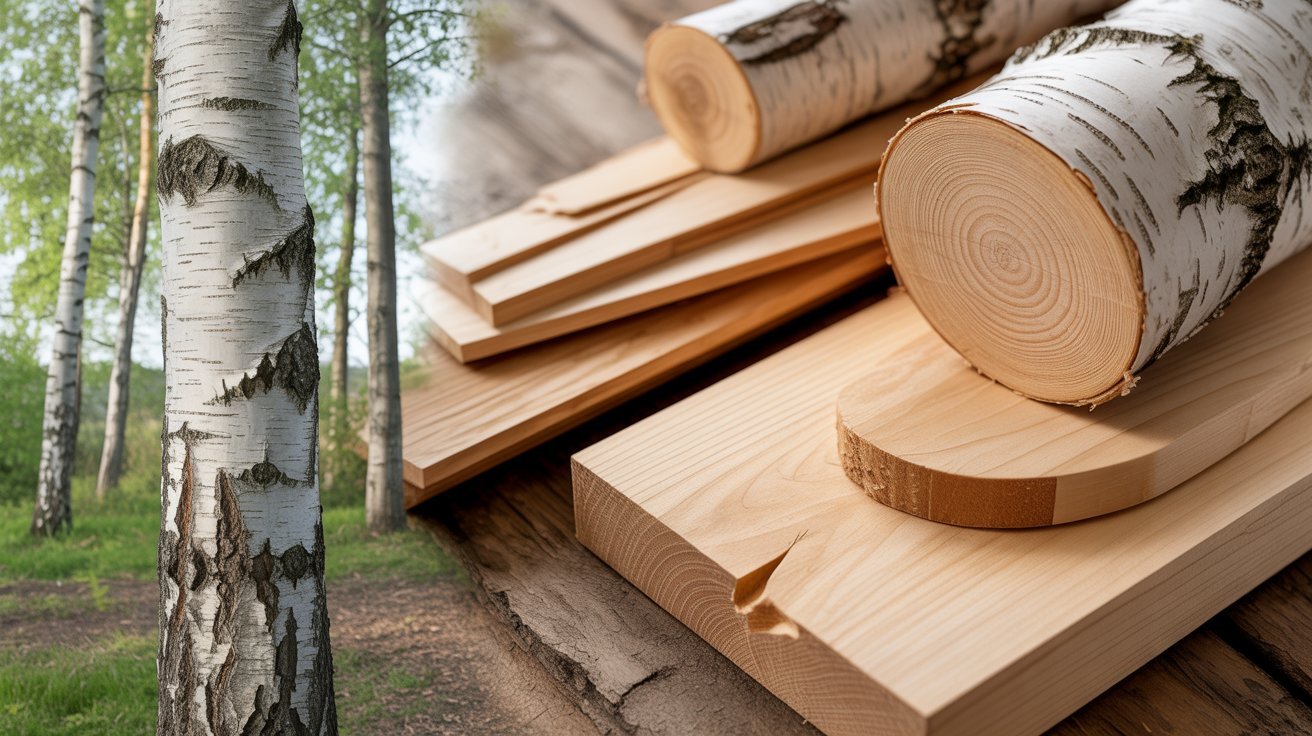
Birch is a deciduous tree from the Betulaceae family. It grows across North America, Europe, and Asia, usually in cooler climates. You can spot it easily by its slender trunk and peeling bark.
The wood itself has a light yellow to reddish-brown color. The grain can be straight, wavy, or curly depending on the cut. It has a fine, smooth texture that finishes well, which makes it a favorite for detailed work.
Birch also has a moderate density and handles impact better than many woods in its class.
Types of Birch Wood
Birch comes in several varieties, and each one has its own look, strength, and best use. Knowing the difference helps you pick the right type for your project.
1. Yellow Birch
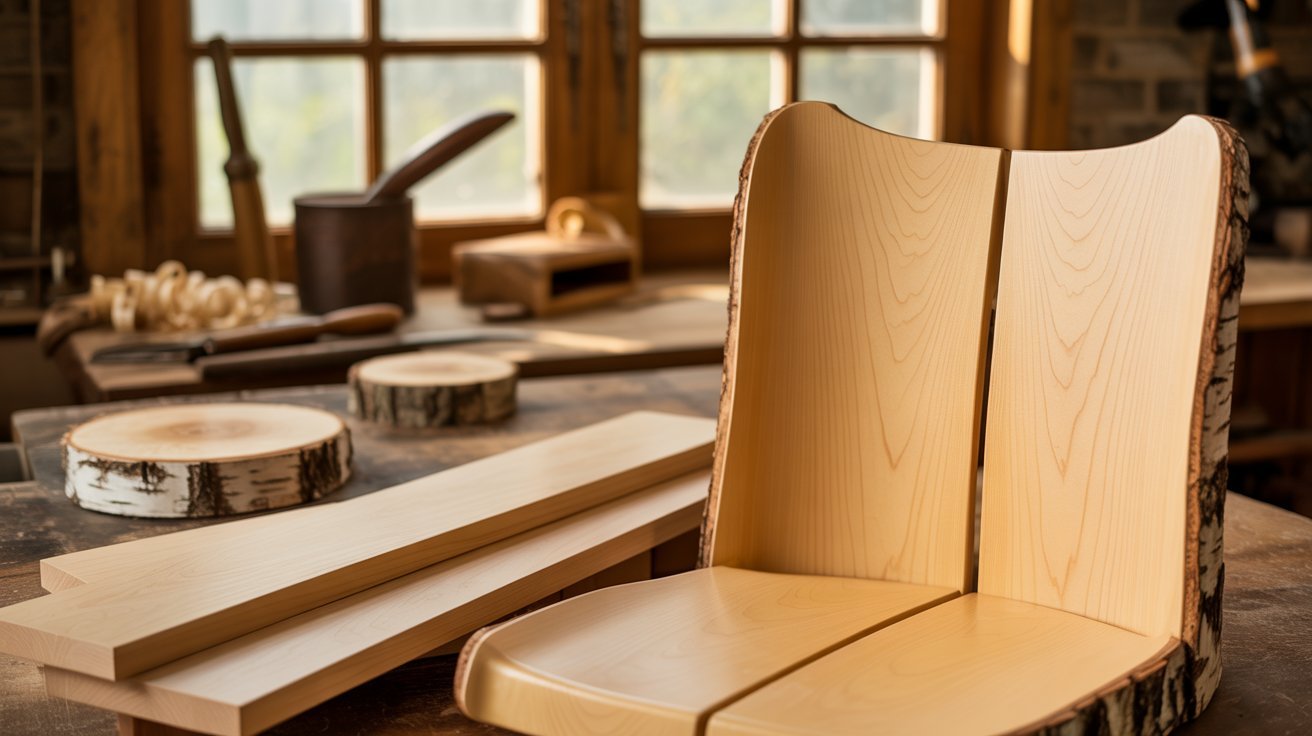
Yellow birch is the most widely used type in woodworking. It has a warm, golden-yellow tone and is known for being strong and durable.
The wood holds up well under heavy use, making it a solid pick for furniture, flooring, and cabinetry. It also takes stains evenly, which gives finished pieces a clean, consistent look.
2. White Birch

White birch has a lighter, cleaner color with a fine, uniform grain. It is a popular choice for decorative work, interior panels, and plywood production.
The smooth surface makes it easy to paint, coat, or finish. It is widely available and works well for both functional and visual applications.
3. Black Birch (Sweet Birch)
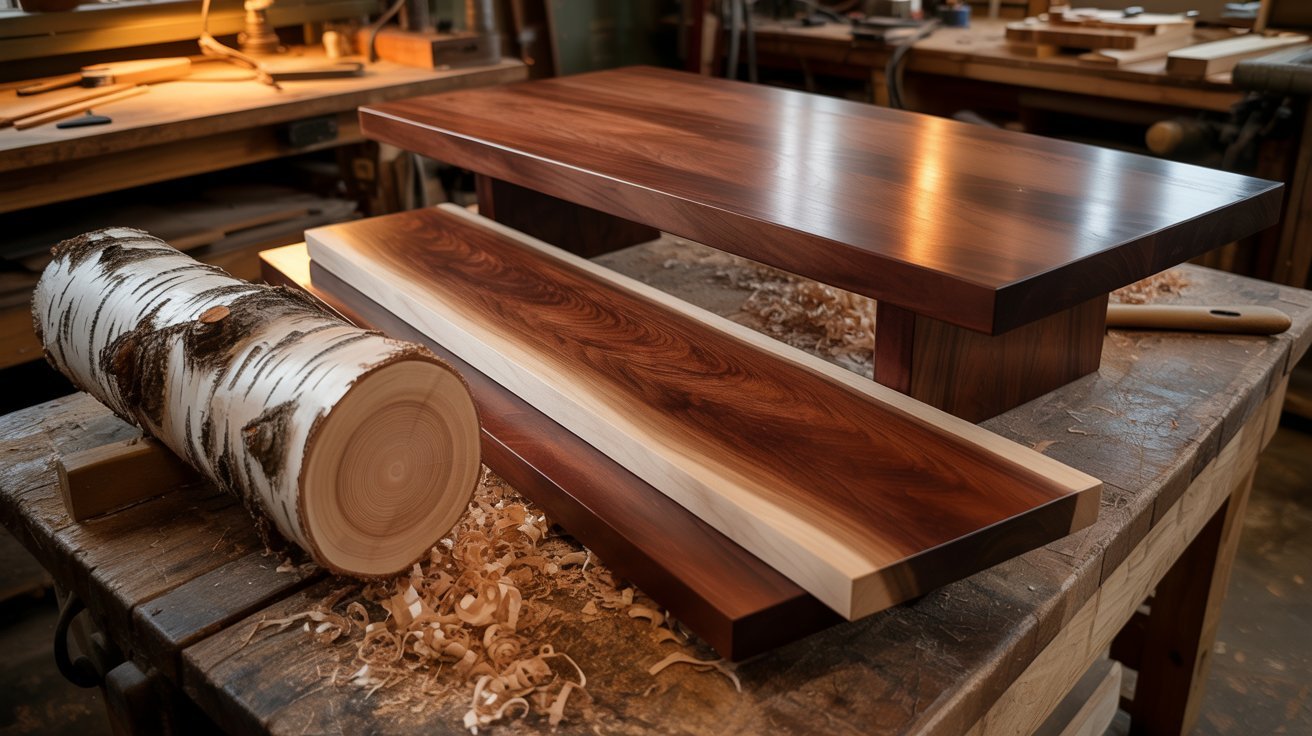
Black birch has a darker reddish-brown tone and gives off a mild, pleasant scent when freshly cut.
It is one of the harder birch varieties, which makes it a reliable option for flooring and furniture. Its rich color and solid build give finished pieces a more premium feel compared to other birch types.
Is Birch a Hardwood?

Yes, birch is a hardwood. Hardwoods come from deciduous trees that shed their leaves seasonally, while softwoods come from evergreen trees.
Birch fits the hardwood category because it is deciduous, dense, and built to handle regular wear.
On the Janka Hardness Scale, birch scores between 900 and 1300 lbf depending on the species.
That puts it in the moderate to high hardness range, making it a dependable choice for demanding woodworking projects.
Properties of Birch Hardwood

Birch hardwood offers a strong mix of durability, smooth texture, and easy workability that suits a wide range of projects.
Hardness and Durability
Birch has a moderate density that makes it tough enough for everyday use. It handles regular wear well, which is why it is commonly used in furniture, cabinetry, and flooring.
It resists dents and surface damage better than many woods in a similar price range, giving you good value for long-term projects.
Grain Pattern and Texture
Birch has a tight, fine grain with a smooth surface that is easy to work with. This texture makes it one of the better woods for finishing.
It accepts stains, paints, and sealants evenly, so the final result looks clean and consistent across the whole piece.
Workability
One of birch’s biggest strengths is how easy it is to work with. It cuts cleanly, shapes well, and holds screws and nails without splitting easily.
Whether using hand tools or power tools, birch responds well and gives good control throughout the process. This makes it a practical choice for both beginners and experienced woodworkers.
Uses of Birch Wood
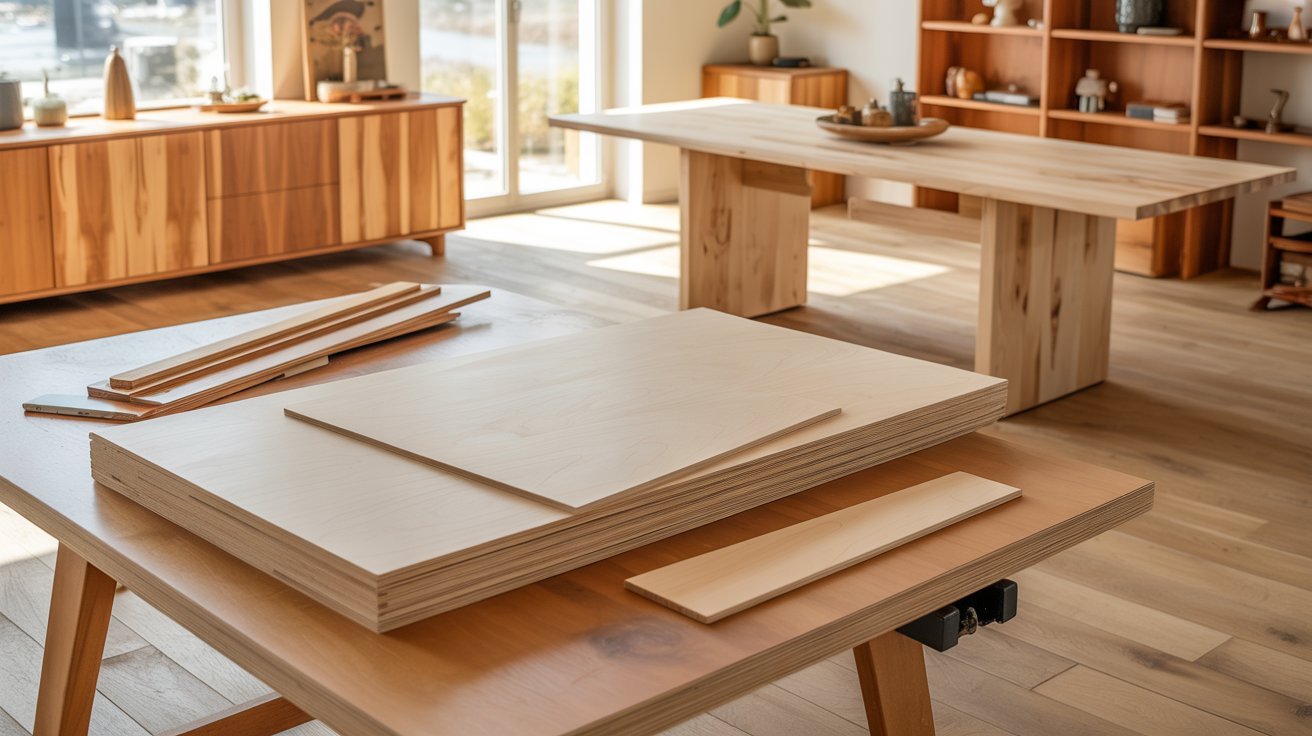
Birch is a practical wood that fits well across many applications. It is a popular flooring choice because it is durable, attractive, and easy to maintain over time.
For furniture and cabinetry, it works well because it takes finishes cleanly and can be shaped into many styles.
Beyond that, birch is widely used in plywood production, decorative items, and cabinetry accents where a smooth, reliable surface is needed.
Birch vs Other Popular Hardwoods
Birch holds its own against other hardwoods, but each wood has its strengths depending on your budget, project, and finish goals.
|
Feature |
Birch |
Oak |
Maple |
Walnut |
|
Color & Grain |
Light, fine grain |
Hard, dense, prominent grain |
Light, dense |
Dark, rich grain |
|
Hardness |
Moderate |
Harder, durable |
Hard, dense |
Very hard, durable |
|
Workability |
Easy to shape and finish |
Harder to work |
Requires sharp tools |
Difficult to work |
|
Cost |
Affordable |
Higher |
Moderate to high |
Expensive |
|
Strengths |
Versatile, great finish |
Durability, high traffic |
Hard, versatile |
Rich color and hardness |
|
Weaknesses |
Sensitive to moisture |
Harder to work, costlier |
Requires precision |
Expensive, tricky to handle |
Maintenance Tips for Birch Hardwood
- Dust birch surfaces regularly using a soft brush or vacuum. This prevents dirt buildup that can scratch the surface over time.
- Clean up spills right away using a damp cloth. Birch is sensitive to moisture, so letting liquid sit can cause warping or staining.
- Avoid dragging heavy furniture across birch floors or surfaces. Always lift and place items to prevent deep scratches and gouges.
- Apply a protective finish every so often to keep the surface in good shape. This helps maintain its natural look and adds a layer of defense against wear.
- Use felt pads under furniture legs and avoid harsh cleaning chemicals. Gentle care goes a long way in keeping birch looking its best for years.
Conclusion
Birch is a true hardwood that delivers on strength, durability, and versatility.
It works well for flooring, furniture, and cabinetry, and its moderate hardness makes it one of the more practical woods to work with.
Whether a professional woodworker or tackling a home project, birch gives you solid results without overcomplicating the process.
If you found this guide helpful, share it with someone planning their next woodworking project.
Drop your questions in the comments below.
Frequently Asked Questions
Is birch considered a hardwood or softwood?
Birch is a hardwood. It comes from a deciduous tree, which automatically places it in the hardwood category along with oak, maple, and walnut.
How hard is birch wood compared to other hardwoods?
Birch scores between 900 and 1300 lbf on the Janka Hardness Scale. That puts it in the moderate to high range, making it harder than many common woods used in everyday projects.
Is birch wood good for furniture?
Yes, birch is a great option for furniture. It is strong, takes finishes well, and can be shaped into many styles, making it a reliable and affordable choice for both simple and detailed pieces.
Can birch wood be used for flooring?
Birch works well for flooring because it is durable and easy to maintain. It handles regular foot traffic well and its smooth surface gives any room a clean, polished look.
What are the main weaknesses of birch wood?
Birch is sensitive to moisture and can warp or stain if not properly sealed. It also needs regular maintenance and a protective finish to keep it looking good over time.


