

Are you considering giving your home a fresh new look but feeling unsure about painting your siding?
Many homeowners think, is it a bad idea to paint vinyl siding, and the answer isn’t always simple.
Drawing from years of hands-on experience with exterior projects, I’ll guide you through the key steps, best paint choices, and common mistakes to avoid.
You’ll find when painting works, how to prep your siding properly, and what risks to consider.
By the end, you’ll be equipped to decide if a fresh coat of paint can truly upgrade your home.
Can You Paint Vinyl Siding?
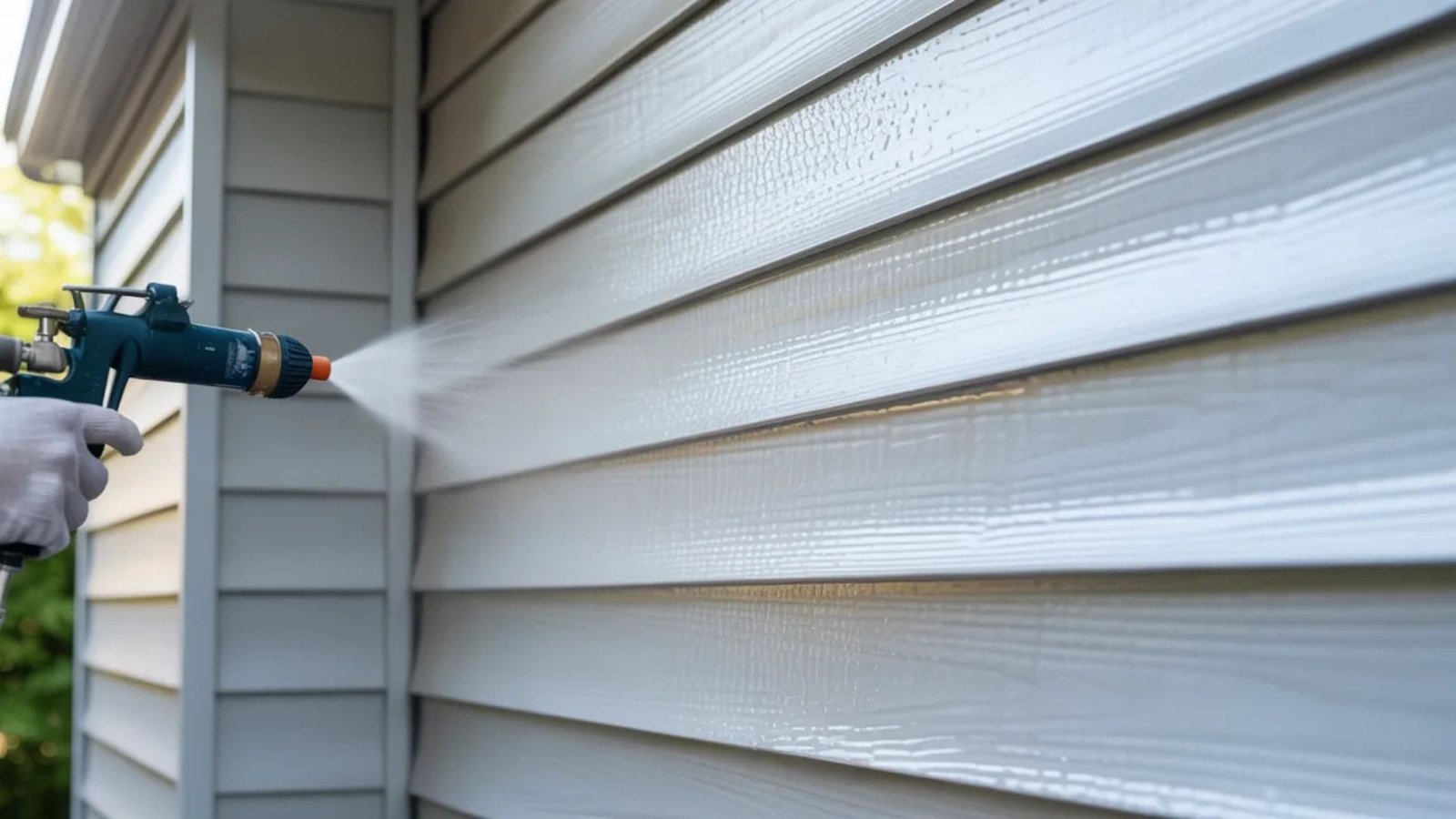
You can paint vinyl siding under the right conditions. Modern exterior paints stick well to vinyl, and many paint brands now make formulas specifically designed for it.
If the surface is prepared properly, the paint will bond and last longer. Painting works best when the siding is in good condition.
It should be free from major cracks or brittleness, and the surface needs to be clean and dry, without any mildew.
Choosing a color that does not absorb too much heat helps prevent warping and ensures the siding stays in good shape.
Advantages of Painting Vinyl Siding
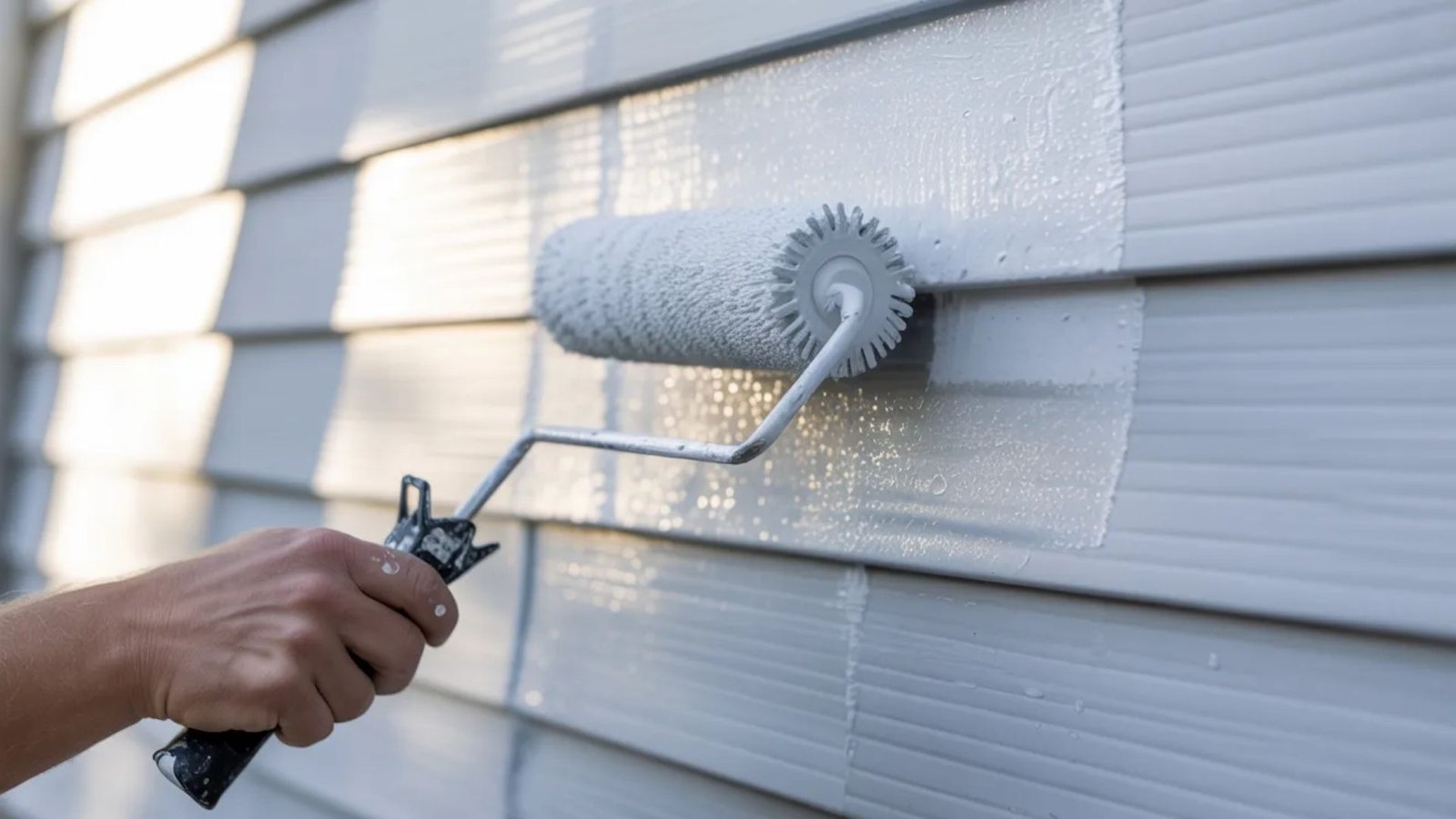
Painting vinyl siding can improve your home’s look and lifespan without replacing it. Here are the main advantages.
Lower Cost Compared to Replacement
Painting vinyl siding costs much less than replacing the panels entirely. Homeowners can achieve a refreshed exterior for a fraction of the price.
This makes it an appealing option for those looking to improve their home’s appearance without spending heavily on new siding.
Exterior Appearance Improvement
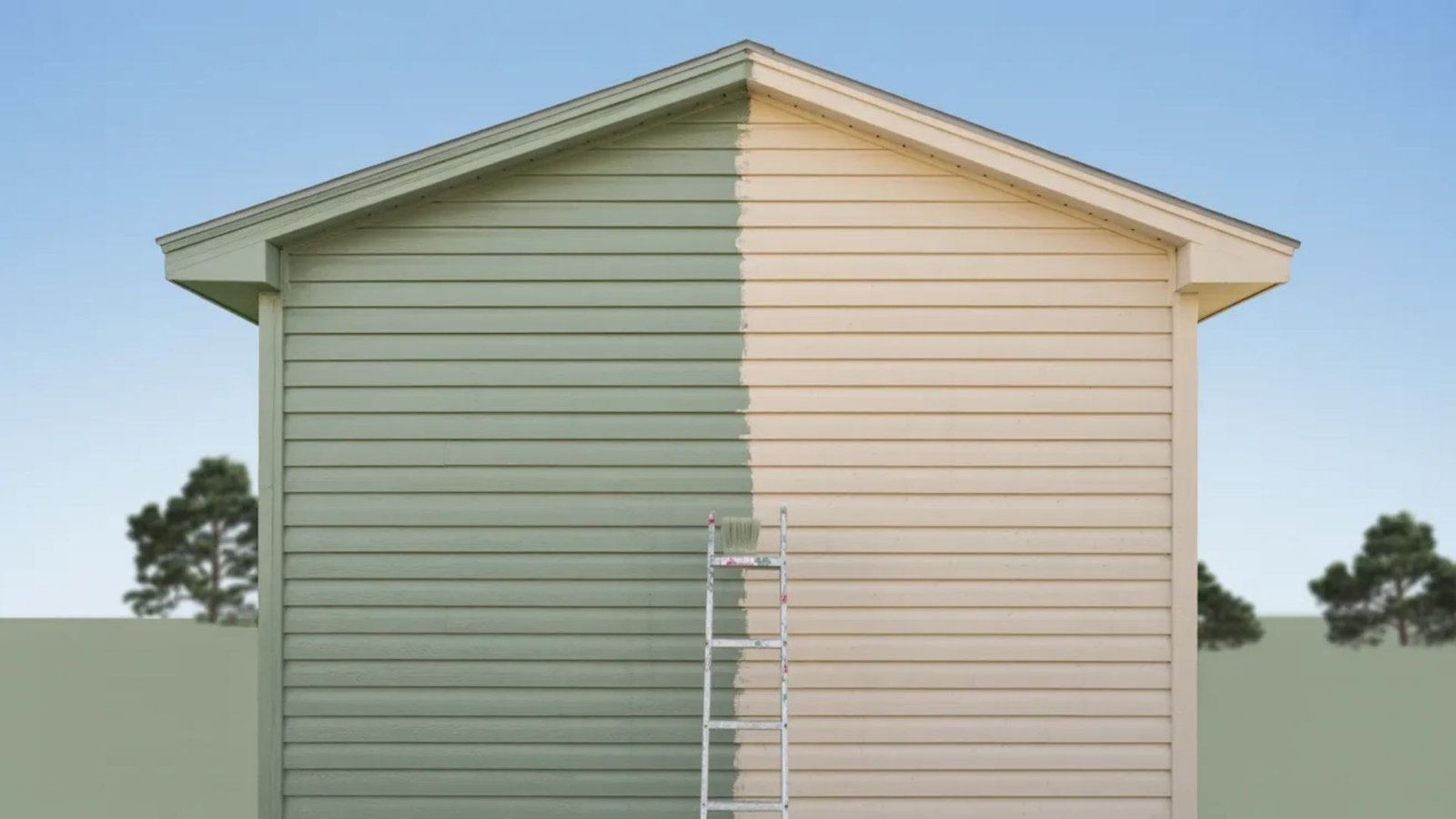
A fresh coat of paint can restore faded or chalky siding, giving the home a cleaner look.
It also allows homeowners to update the color to suit their preferences without undergoing major construction, making the house look well-maintained and cared for.
Faster Home Update
Painting projects are usually completed within a few days, unlike siding replacement, which can take weeks.
This makes it an efficient way to improve the home’s exterior quickly while minimizing disruption to daily life and avoiding long construction schedules.
Extends the Useful Life of Existing Siding
Applying paint adds a protective layer that shields vinyl from sun and weather damage.
It can slow down wear and tear from UV exposure, helping siding maintain its condition for longer and delaying the need for a costly replacement.
Disadvantages of Painting Vinyl Siding
Painting vinyl siding has drawbacks. It can improve appearance but may bring risks and extra work.
Warranty May Be Voided
Many vinyl siding manufacturers specify that painting the panels will cancel the product warranty.
This means any future damage or defects may not be covered, which could lead to unexpected repair costs for homeowners.
Heat Absorption and Warping Risk
Using dark paint colors can increase heat absorption, causing the vinyl to expand and warp.
Excessive heat can deform the panels, affecting their fit and appearance and potentially leading to costly repairs or replacement.
Future Maintenance Requirements
Painted vinyl siding is not maintenance-free. Over time, the paint can fade or peel, requiring repainting every five to ten years to maintain the home’s appearance and protect the siding from weather damage.
Preparation Work Can Be Extensive
Before painting, siding must be thoroughly cleaned and checked for mold, mildew, or damage.
Proper surface preparation is essential to ensure paint adhesion and durability, making the process more labor-intensive than it might initially seem.
Is It a Bad Idea to Paint Vinyl Siding?
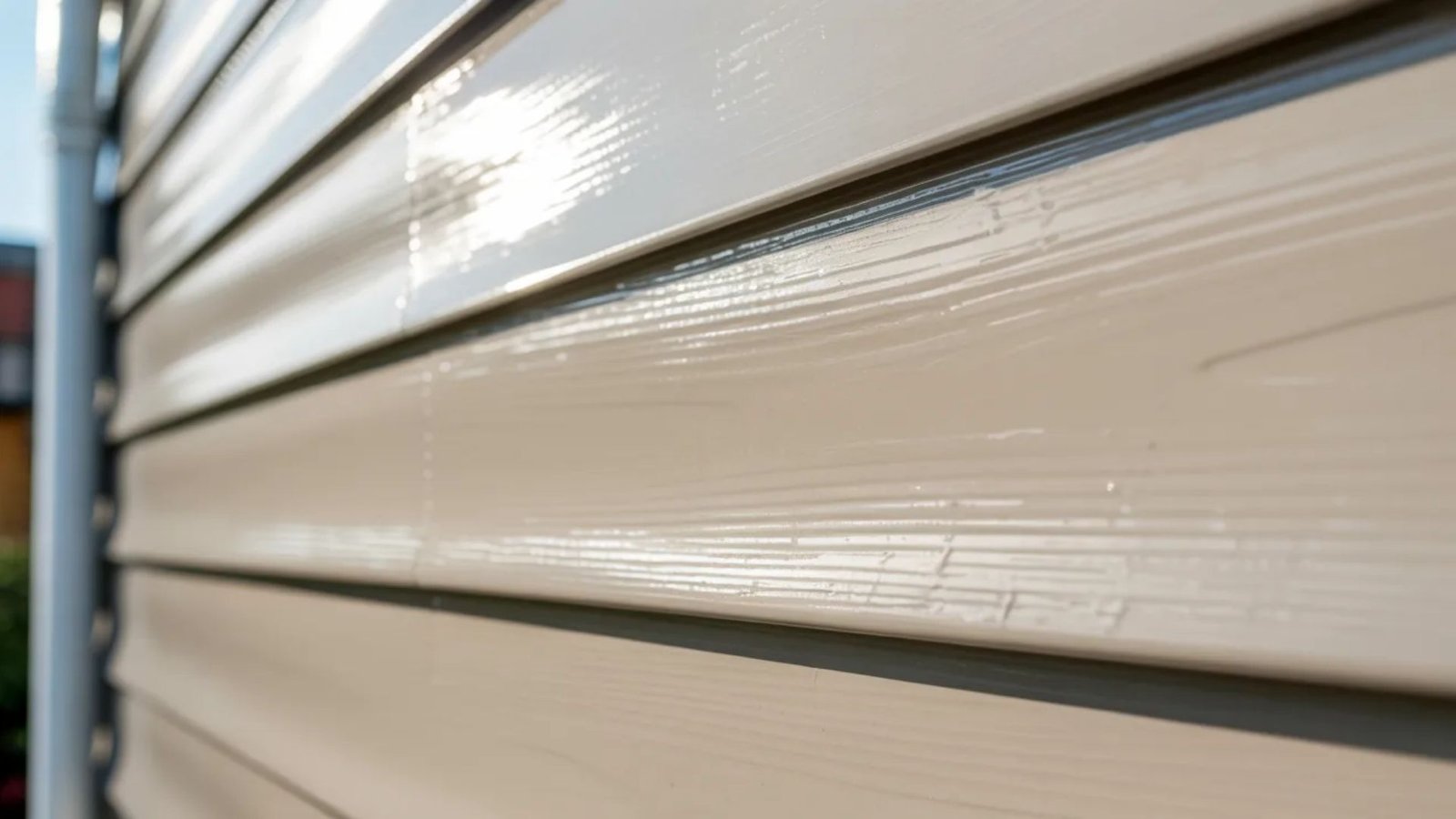
Painting vinyl siding can be a good choice in some cases, but risky in others. Here’s when it makes sense and when it should be avoided:
When Painting Is a Reasonable Option:
Siding is in good condition, and only the color has faded. Homeowners may want a lower-cost update compared with full replacement.
The new paint color is similar to the original shade, and high-quality exterior acrylic paint is used.
When Painting Vinyl Siding Is Not Recommended:
Painting is not advised if the siding is cracked, warped, or deteriorated.
It is also risky when panels are near the end of their lifespan, when very dark colors are chosen, or if the manufacturer’s warranty is still active.
Factors to Consider Before Painting Vinyl Siding
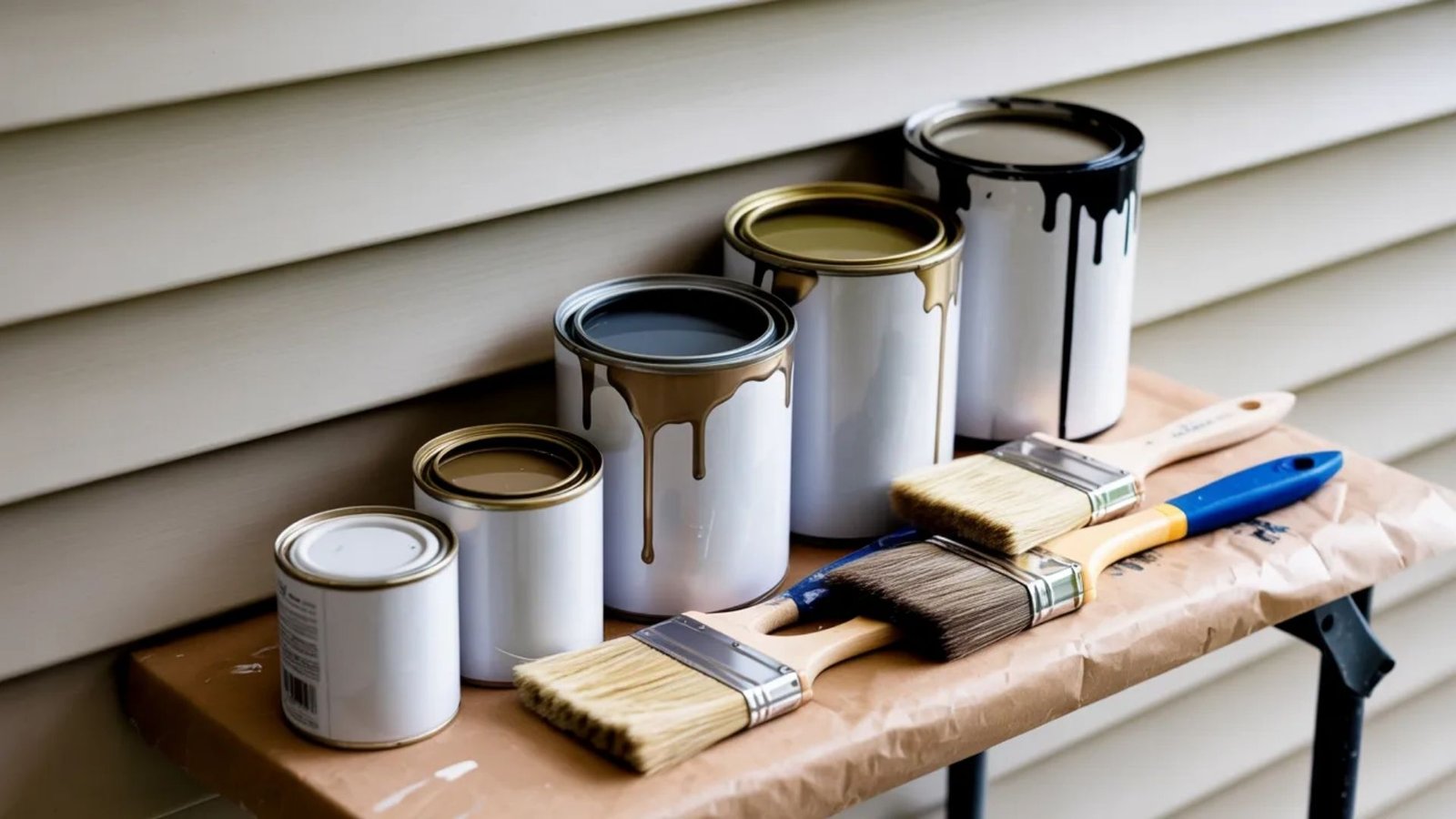
Before painting vinyl siding, certain factors can affect the results and longevity. Addressing these helps prevent damage.
Age and Condition of the Siding: Check the siding carefully for cracks, loose panels, or mold. Older or damaged siding may not hold paint well and could require repairs or replacement before painting.
Climate and Sun Exposure: Consider the local climate, especially areas with high heat. Excessive sun exposure can increase the risk of warping, particularly if darker paint colors are used.
Paint Type and Color Choice: Use high-quality acrylic exterior paint or vinyl-safe paint formulas. Choosing colors with lower heat absorption helps protect the siding and maintains its shape over time.
Surface Preparation Requirements: Proper preparation is essential. Clean the siding with a mild detergent or pressure washer, and repair any damaged sections to ensure the paint adheres evenly and lasts longer.
How to Prepare Vinyl Siding Before Painting
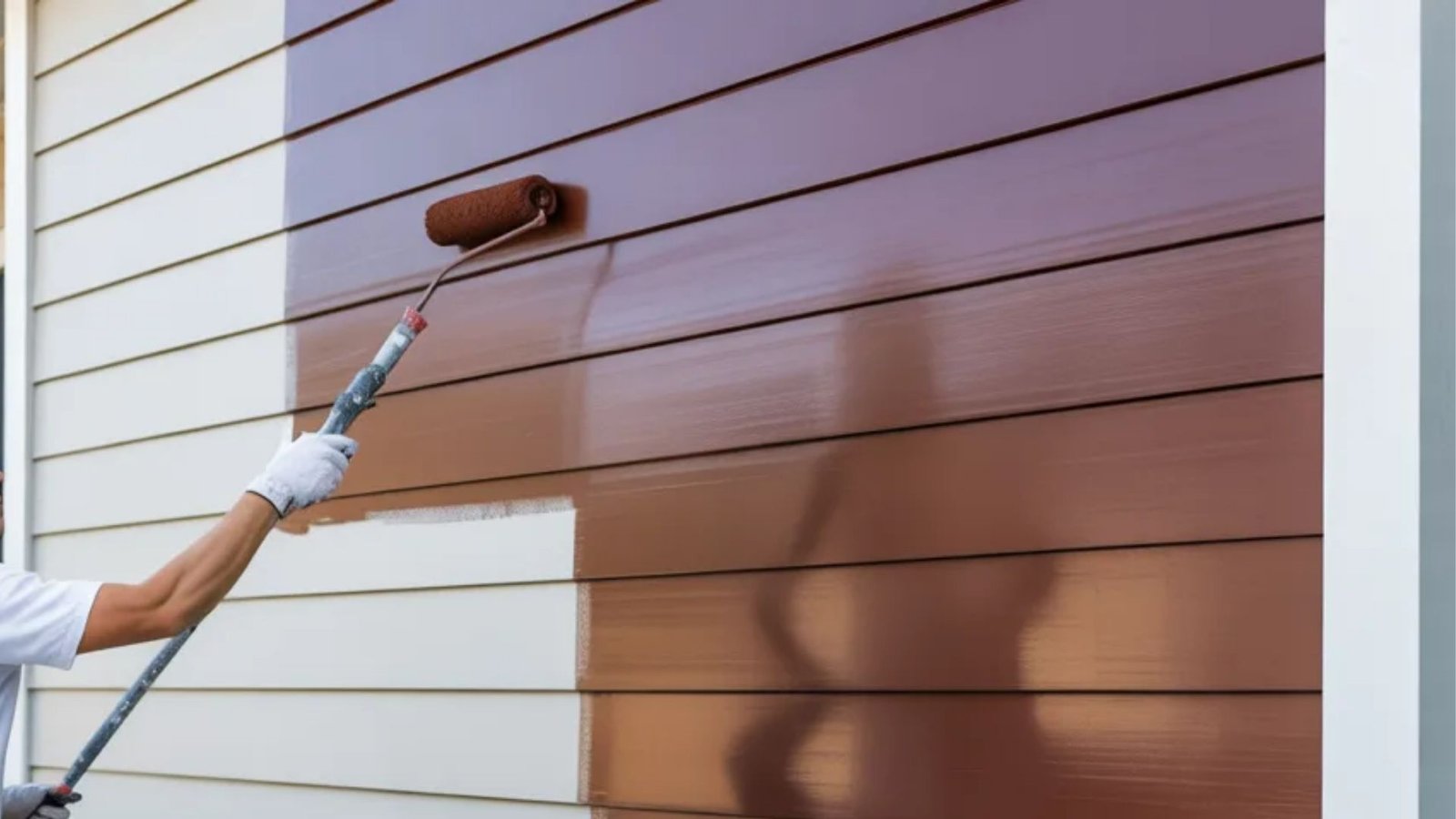
Proper preparation is key to a lasting paint job. Each step ensures the paint adheres well and prevents future problems.
Cleaning the Surface: Start by removing dirt, chalking, and mildew. Use a pressure washer or suitable cleaning solutions to make sure the siding is completely clean before painting.
Inspecting the Siding: Check for cracks, loose panels, and moisture issues. Addressing these problems before painting helps the siding hold the paint and prevents damage later.
Drying Time Before Painting: Make sure the siding is fully dry before applying paint. Moisture can prevent proper adhesion and lead to peeling or uneven coverage.
Priming (When Needed): In some cases, applying a primer improves paint adhesion. This is especially helpful on older siding or surfaces with uneven texture.
Step-by-Step Process for Painting Vinyl Siding
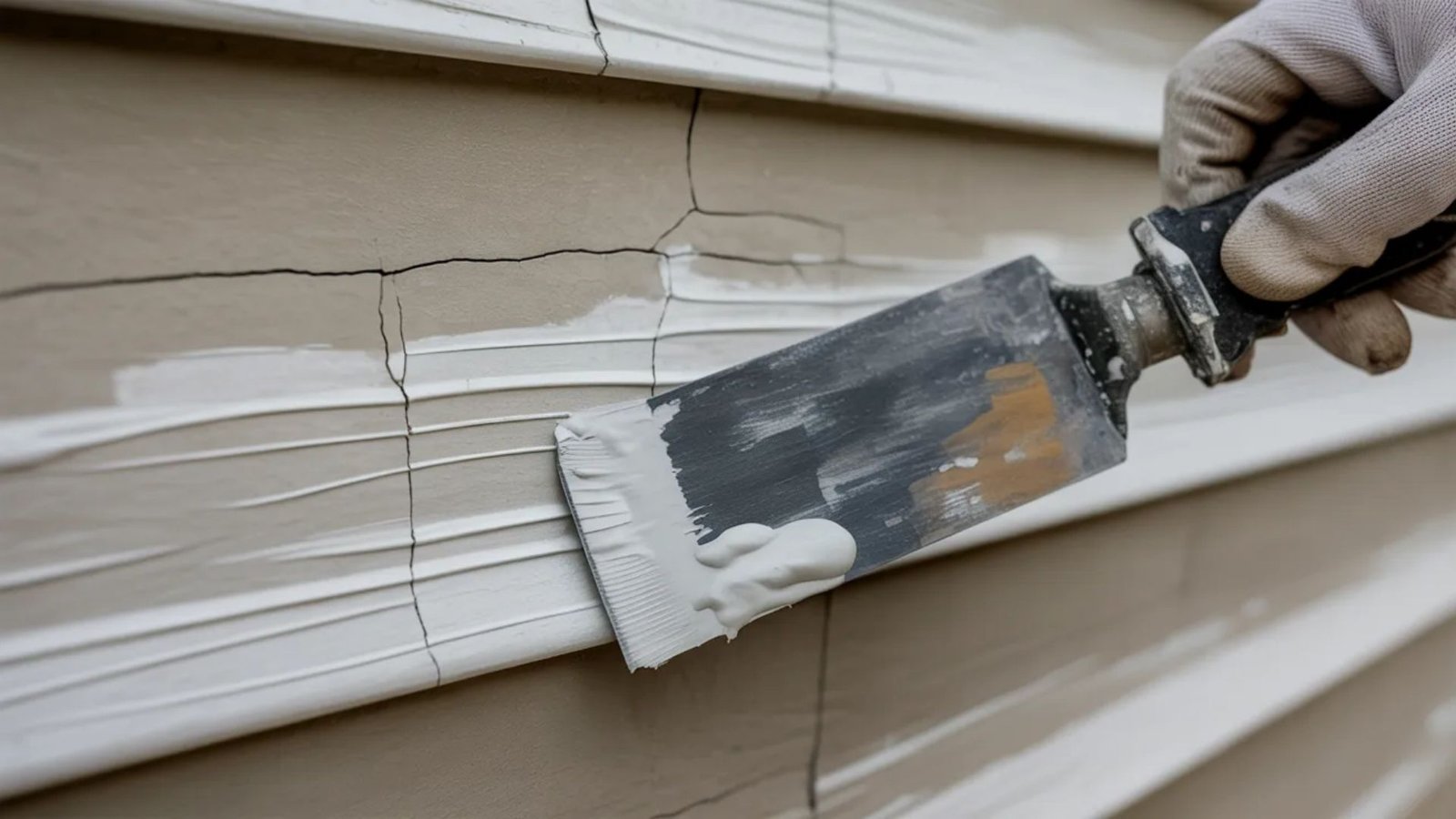
Following a clear process ensures a smooth and lasting finish. Each step prepares the siding and helps the paint adhere properly.
Step 1 – Cleaning the Siding Surface:
Start by removing all dirt, mildew, and residue from the siding. A clean surface is essential for the paint to stick evenly and last longer.
Step 2 – Repairing Damaged Sections:
Check for cracks, loose panels, or gaps and repair them before painting. Fixing these issues prevents future problems and ensures a uniform finish.
Step 3 – Priming if Needed:
Apply primer when necessary. It improves paint adhesion, especially on older siding or areas with uneven texture.
Step 4 – Applying Exterior Paint:
Use a sprayer, roller, or brush to apply the paint evenly. Follow the manufacturer’s instructions for best results.
Step 5 – Drying and Final Inspection:
Allow the paint to dry completely and inspect the siding for even coverage. Touch up any missed spots to achieve a consistent finish.
Following these steps carefully will help ensure a smooth, long-lasting paint finish on your vinyl siding.
How Long Does Paint Last on Vinyl Siding?
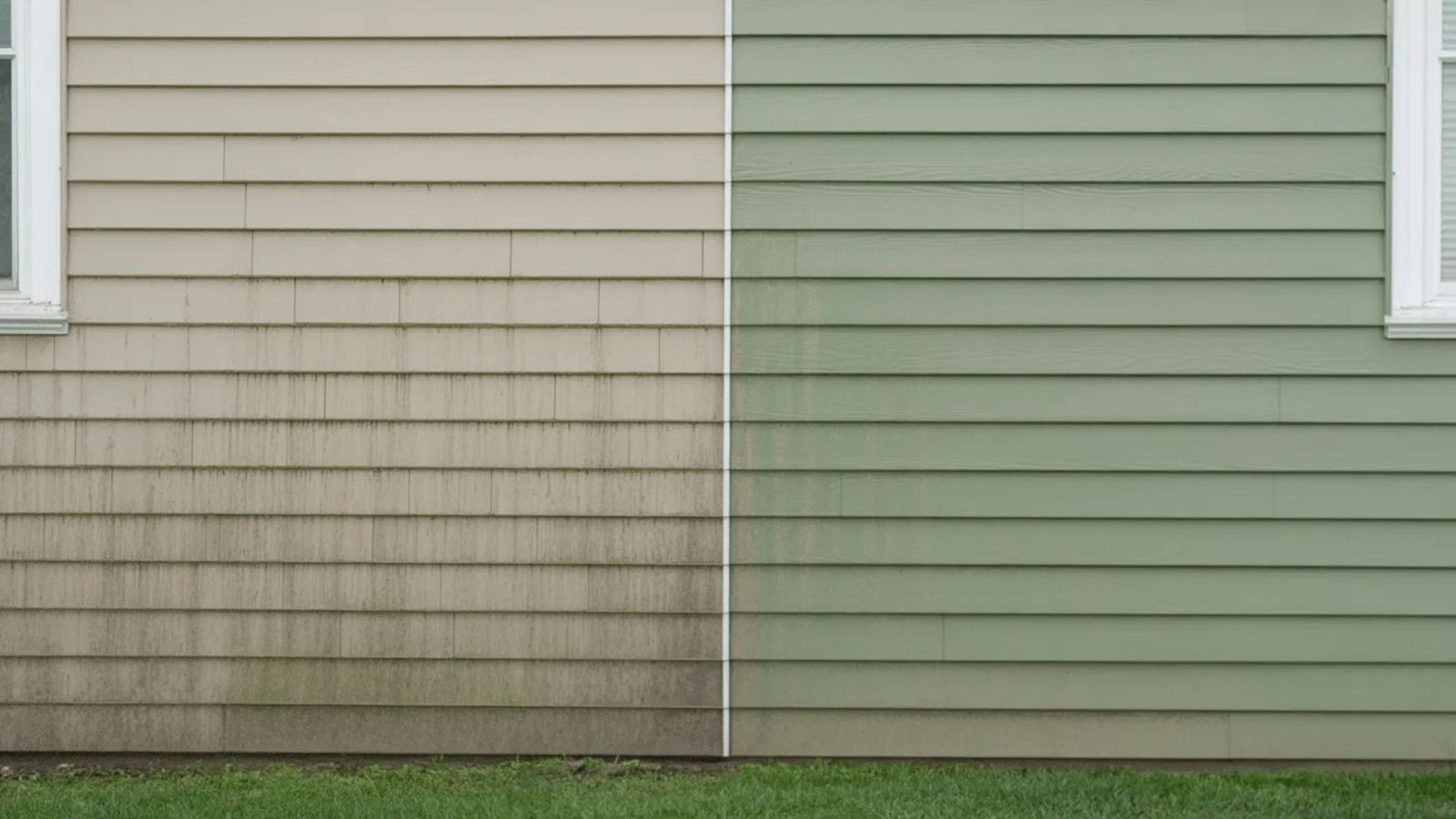
Paint on vinyl siding generally lasts five to ten years, depending on several factors.
Climate and sun exposure can affect its durability, while high-quality exterior or vinyl-safe paint holds up better over time.
Proper surface preparation, including cleaning and repairing damage, is essential for long-lasting results.
Color choice also matters, as darker shades absorb more heat and may shorten the paint’s life. Repainting is needed when siding shows fading, peeling, flaking, or uneven coverage.
Best Paint for Vinyl Siding
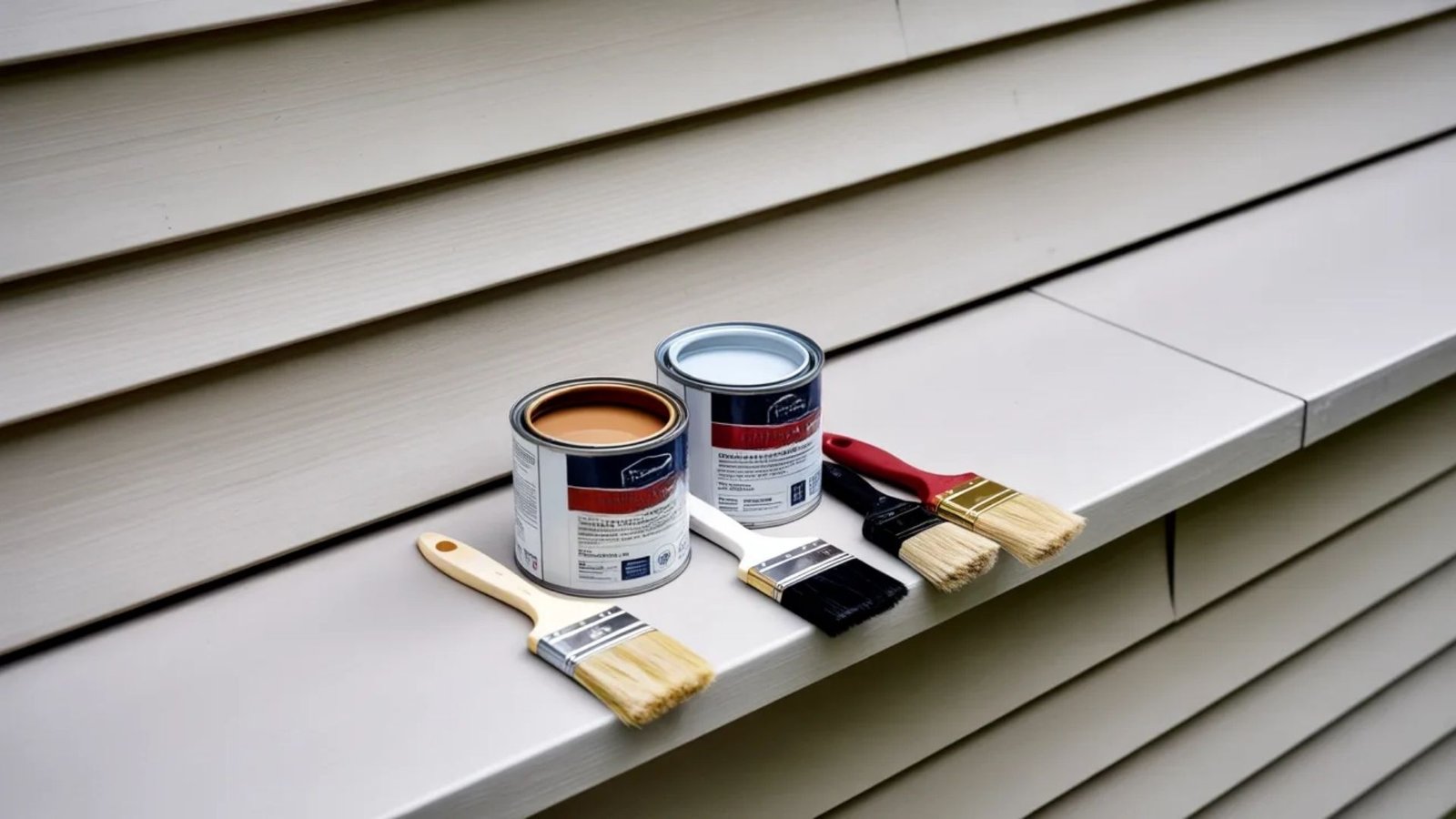
Choosing the right paint is essential for a long-lasting vinyl siding finish.
Use 100% Acrylic Exterior Paint: Flexible and weather-resistant, this paint handles temperature changes without cracking or peeling.
Vinyl-Safe Paint Formulas: Designed to tolerate siding movement, some brands include heat-reflective pigments to reduce warping.
Importance of Light Reflective Value (LRV): Higher LRV colors reflect more sunlight, helping to minimize heat absorption and protect the siding over time.
Using proper paint and color helps protect the siding and ensures durability over time.
Painting vs. Replacing Vinyl Siding
Comparing painting and replacing vinyl siding helps choose the best option.
| Factor | Painting Vinyl Siding | Replacing Vinyl Siding |
| Cost | Cheaper, more budget-friendly | Higher cost due to new materials and installation |
| Longevity | Lasts 5-10 years with proper care | Lasts for decades, more permanent solution |
| Best Use | Good for siding in good condition with minor fading | Recommended for major structural damage or heavily worn siding |
| Maintenance | May need repainting every 5-10 years | Low maintenance after installation |
This ensures the right balance of cost, durability, and maintenance.
Common Mistakes When Painting Vinyl Siding
Avoiding common mistakes ensures a smooth and lasting paint job on vinyl siding.
- Choosing dark colors that absorb heat can cause warping and uneven paint.
- Skipping proper cleaning, leaving dirt or mildew that prevents paint from sticking.
- Painting damaged siding, which can worsen cracks and reduce paint lifespan.
- Using interior or low-quality paint, which may peel or fade quickly.
- Painting in extreme weather, which can affect drying and adhesion.
Following proper steps helps protect the siding and maintain a clean, even finish.
Conclusion
Painting vinyl siding is a cost-effective way to refresh your home without full replacement.
Knowing is it a bad idea to paint vinyl siding helps homeowners decide wisely, ensuring the siding is in good condition, clean, and painted with the right colors and quality materials.
While it improves appearance and adds protection, future maintenance may be needed, and color choices must prevent warping.
Proper preparation ensures the siding looks cared-for and lasts longer. Check your siding today and see if a fresh coat of paint can brighten your home!
Frequently Asked Questions
Does Painting Vinyl Siding Increase Home Value?
Painting can improve curb appeal and refresh the home’s look, but it usually does not significantly increase monetary value compared to replacing siding.
What Colors Are Safe For Vinyl Siding?
Lighter colors or those with high light reflective value (LRV) are safe, while dark colors should be avoided to prevent warping.
Can You Paint Vinyl Siding A Darker Color?
Dark colors absorb heat and can cause the siding to expand, warp, or develop uneven paint coverage.
Is Painting Vinyl Siding Cheaper Than Replacing It?
Yes, painting is generally much cheaper than installing new siding and provides a quick aesthetic update.
How Often Does Painted Vinyl Siding Need Repainting?
Typically, every 5-10 years depending on paint quality, sun exposure, and surface preparation.


