Have you ever thought of which kitchen layout truly fits your lifestyle? Whether you love cooking for family or hosting friends, the right setup can make all the difference.
From creating a smooth workflow to maximizing storage and seating, every decision counts.
In this blog, we will know the kitchen peninsula vs island debate, helping you understand their features, advantages, and limitations.
You’ll see how each option affects space, functionality, and social interaction, so you can choose a design that feels natural and comfortable.
Let’s see practical insights that make your kitchen both beautiful and easy to use.
Understanding Your Kitchen Layout Options
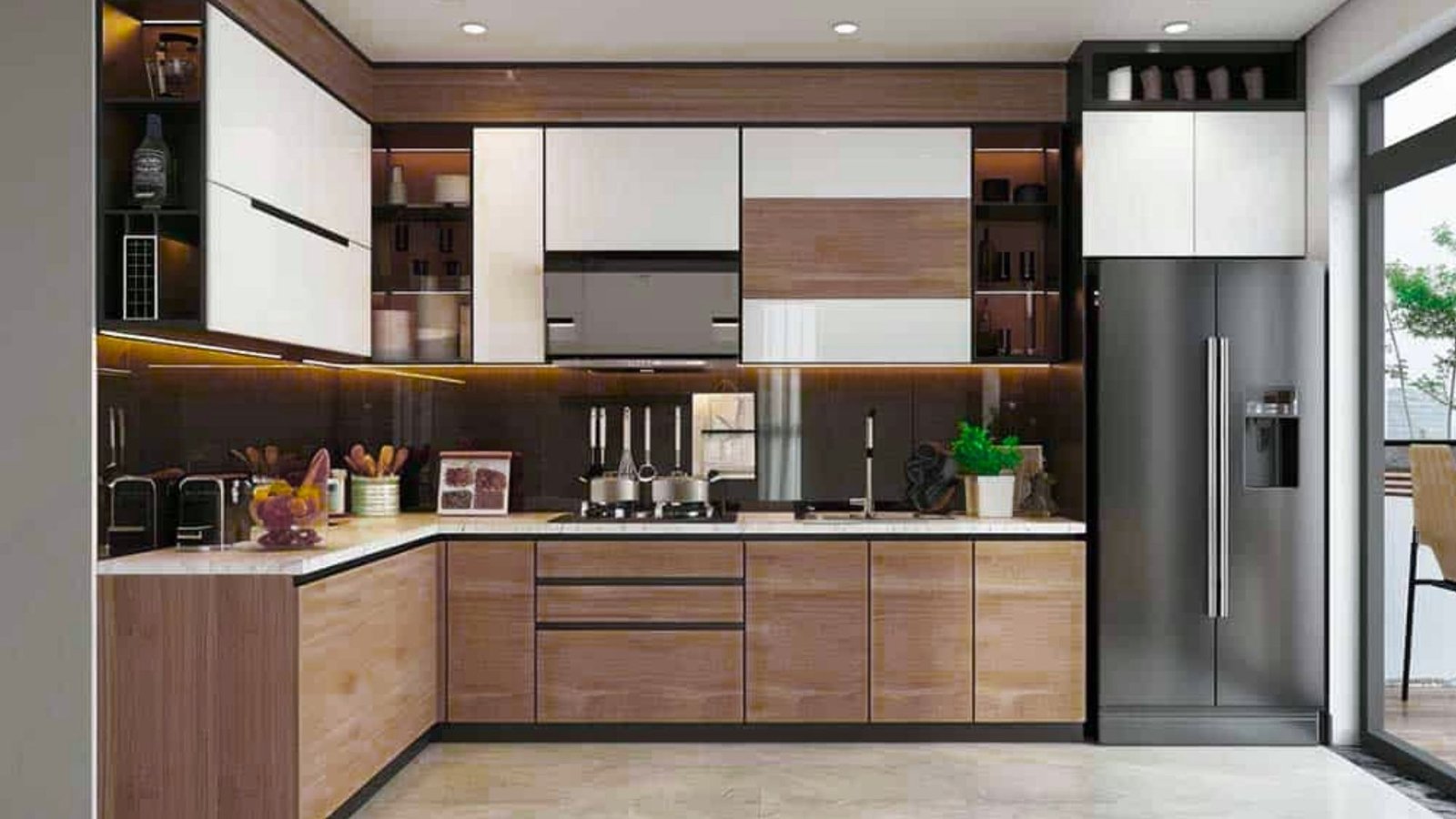
The layout of a kitchen plays a huge role in making the space functional, comfortable, and enjoyable.
A smart design helps you move easily between cooking, cleaning, and dining areas, making everyday tasks simpler and faster.
Different layout options such as L-shaped, U-shaped, galley, or open-concept kitchens offer uncommon ways to maximize storage, countertop space, and workflow.
A well-planned kitchen ensures that everyone can work and interact comfortably, whether it’s a busy family meal, hosting friends, or simply enjoying your space.
Good layout decisions make your kitchen both practical and inviting.
What is a Kitchen Island?
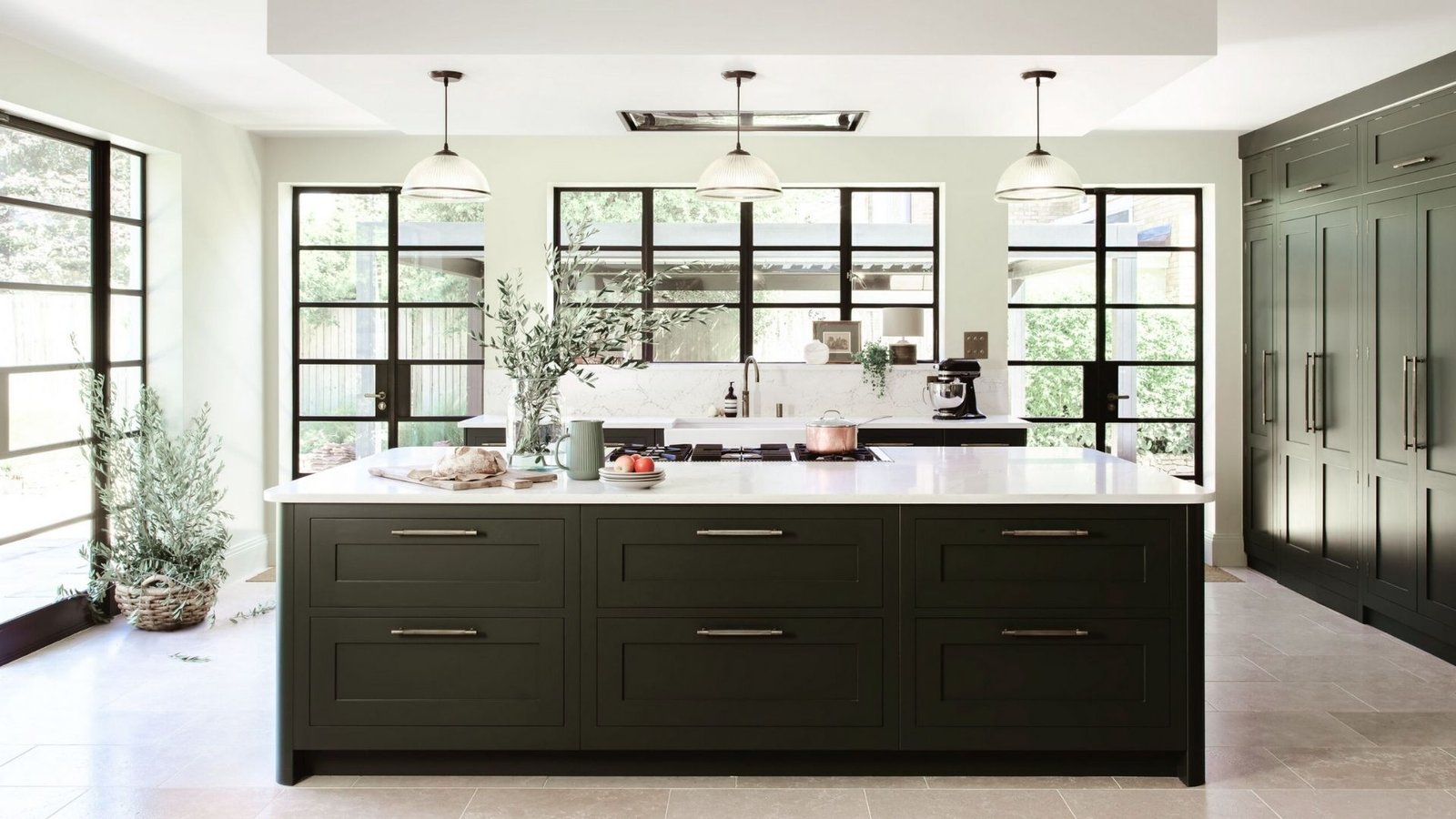
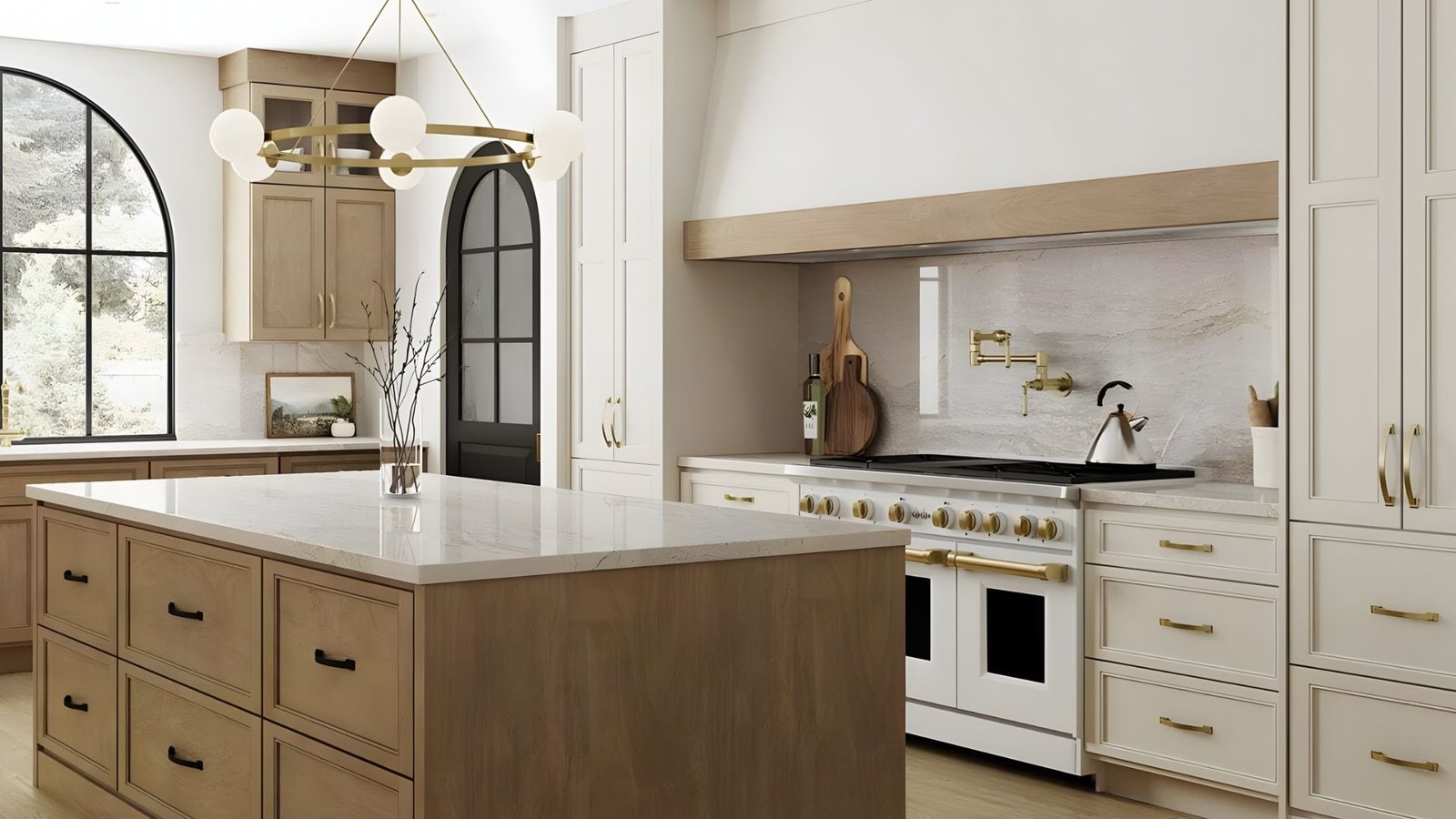
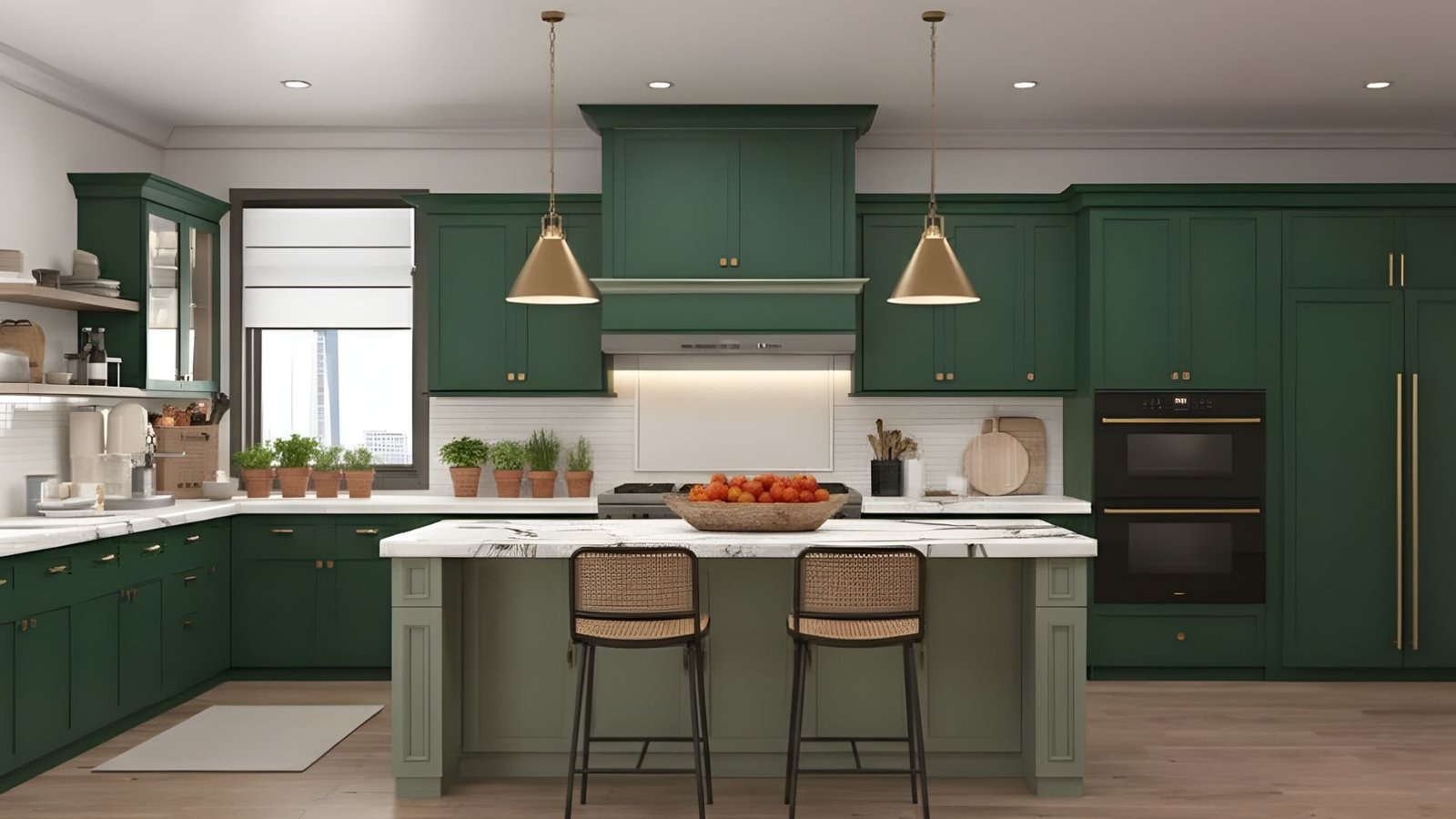
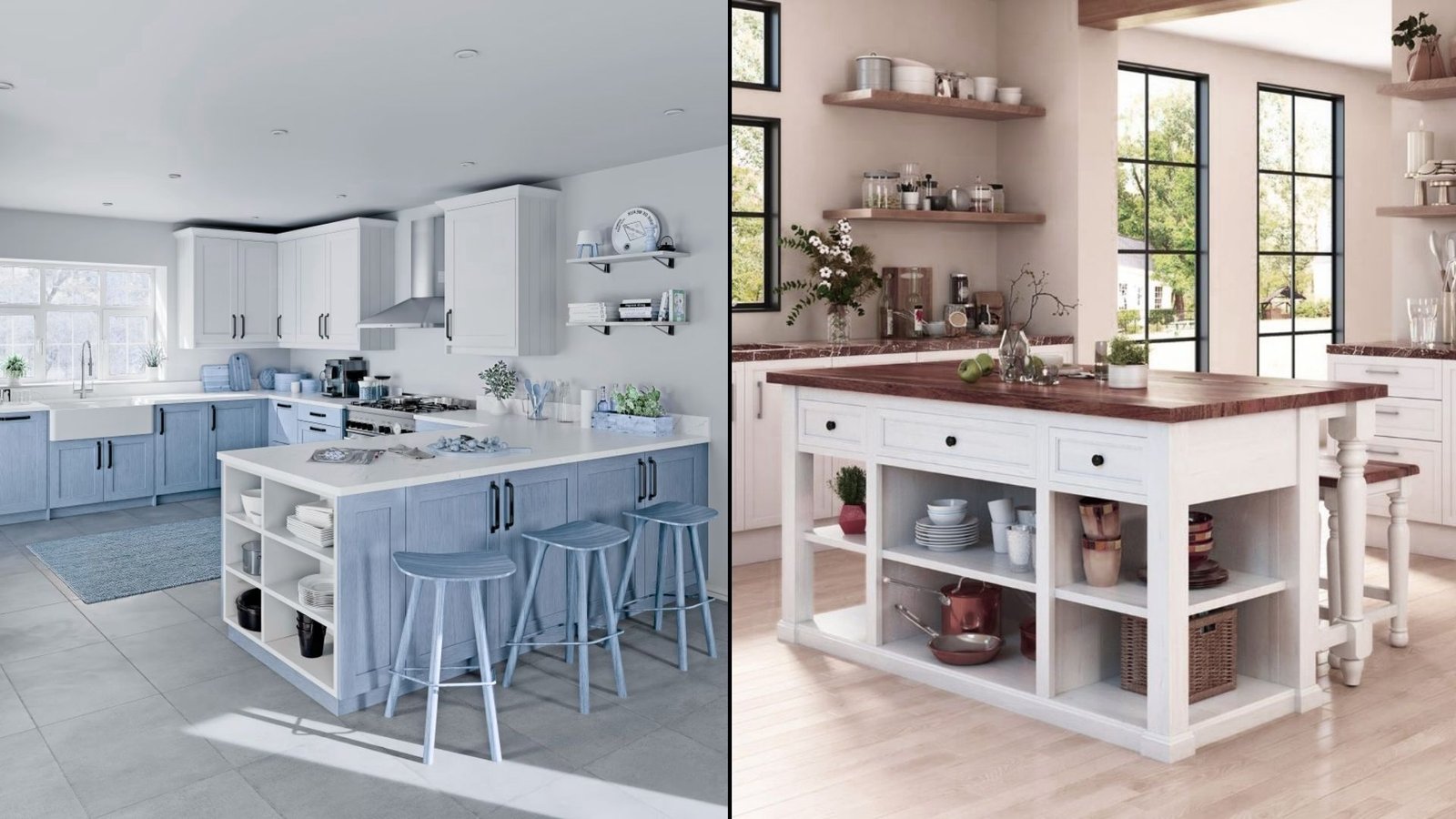
A kitchen island is a freestanding unit that brings together cooking, dining, and social interaction.
A kitchen island is placed in the center of your kitchen, accessible from all sides. It can include countertops for meal prep, serving, or casual dining.
Many islands house appliances such as cooktops, dishwashers, or microwaves, and some even include sinks for added convenience.
Islands often provide seating, making them a central hub for family gatherings or entertaining guests.
Advantages of a Kitchen Island
Kitchen islands offer multiple benefits for cooking, dining, and entertaining:
- Extra workspace and storage: More counters and cabinets for utensils, cookware, and ingredients
- Multi-purpose functionality: Ideal for prep, cooking, dining, or hosting guests
- Social hub: Guests can gather around while you cook
- Design flexibility: Can use contrasting colors, materials, or multi-level counters
- Adds value: Enhances both the function and appeal of your home
Drawbacks of a Kitchen Island
Islands are not always perfect for every kitchen:
- Requires large floor space: At least 42-48 inches clearance on all sides
- Higher cost: Additional finishing, plumbing, and electrical work increase expenses
- May disrupt workflow: Can feel crowded in smaller kitchens
- More cleaning: Larger surface area means more maintenance
A kitchen island works best in spacious layouts where it can make both flow and usability.
What is a Kitchen Peninsula?
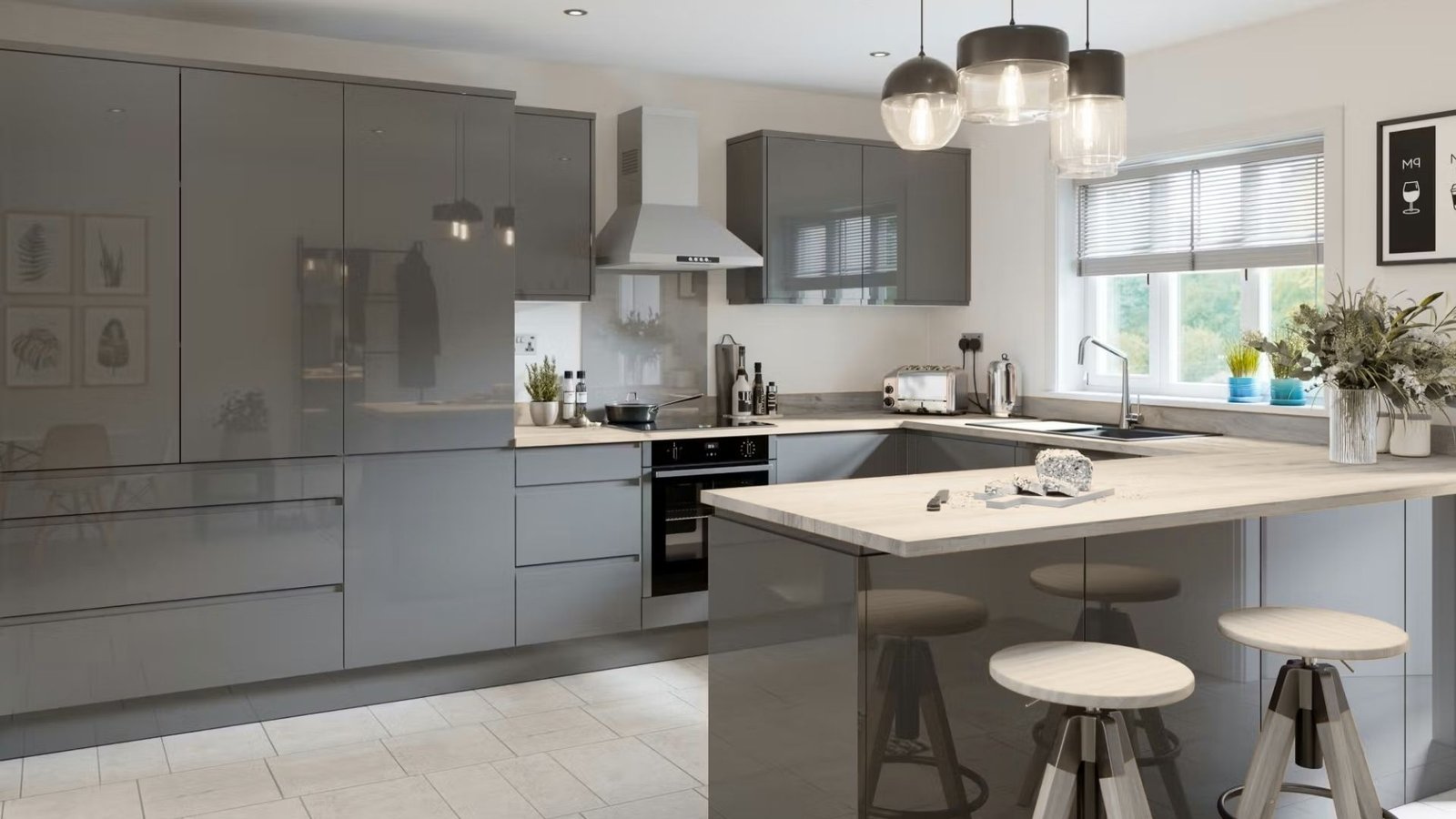
A kitchen peninsula extends from a wall or existing cabinets, offering extra workspace and storage while saving floor space.
A kitchen peninsula is connected on one end to a wall or existing cabinetry, providing three-sided access.
It often acts as a natural divider between the kitchen and adjoining spaces, such as the living or dining area.
Peninsulas save floor space and can integrate countertops, cabinets, or seating, making them practical for cooking, dining, and social interaction.
Advantages of a Kitchen Peninsula
Peninsulas offer a variety of benefits, especially in smaller or narrow kitchens:
- Ideal for compact layouts: Makes the most of limited floor space
- Extra counter and storage: Expands workspace and provides cabinets without requiring a large footprint
- Cost-effective: Easier and less expensive to install than a freestanding island
- Casual dining: Can double as a breakfast bar or seating area
- Efficient storage solutions: Specialized corner cabinets and drawers maximize space
Drawbacks of a Kitchen Peninsula
While functional, peninsulas do have some limitations:
- Limited access: Only three sides are usable, reducing traffic flow compared to islands
- Awkward corners: Connection points can create dead spaces that need creative storage solutions
- Less flexible design: Must match existing cabinetry and countertops
- May feel enclosed: In certain layouts, can create a slightly boxed-in area
A kitchen peninsula is a practical option for kitchens where space is limited or an island isn’t possible.
Kitchen Peninsula Vs. Island: Key Differences
Choosing between a kitchen peninsula and an island comes down to space, workflow, and lifestyle.
Here’s a clear comparison to help you decide:
|
Feature |
Kitchen Peninsula |
Kitchen Island |
|
Access & Flow |
Limited to 3 sides, may restrict flow |
Full 360° access, open layout allows easy movement |
|
Space Requirements |
Space-saving, ideal for small kitchens |
Requires larger kitchens for proper clearance |
|
Functionality |
Extra counter, storage, breakfast bar |
Multi-use: appliances, prep, dining, entertaining |
|
Social Interaction |
Moderate, defines boundaries |
High, serves as a social hub |
|
Design Flexibility |
Must match existing cabinetry |
Can contrast with rest of kitchen, multi-level counters possible |
|
Cost & Installation |
Lower, easier to install, fewer modifications |
Higher, may require plumbing, electrical, and finishing work |
|
Layout Options |
Limited flexibility, uses existing layout |
Highly flexible, can be customized for specific tasks |
|
Pros |
Cost-effective, efficient corner storage, maintains workflow in small kitchens, defines zones |
Extra workspace, storage, seating, multi-purpose functionality, social hub, adds value |
|
Cons |
Limited access, potential awkward corners, less flexible design, may feel enclosed |
Requires more space, higher cost, may disrupt workflow in small kitchens, more cleaning |
Both options have clear advantages. A peninsula works best in smaller or narrower kitchens, while an island shines in larger, open layouts.
Kitchen Peninsula vs. Island: How to Choose Among them
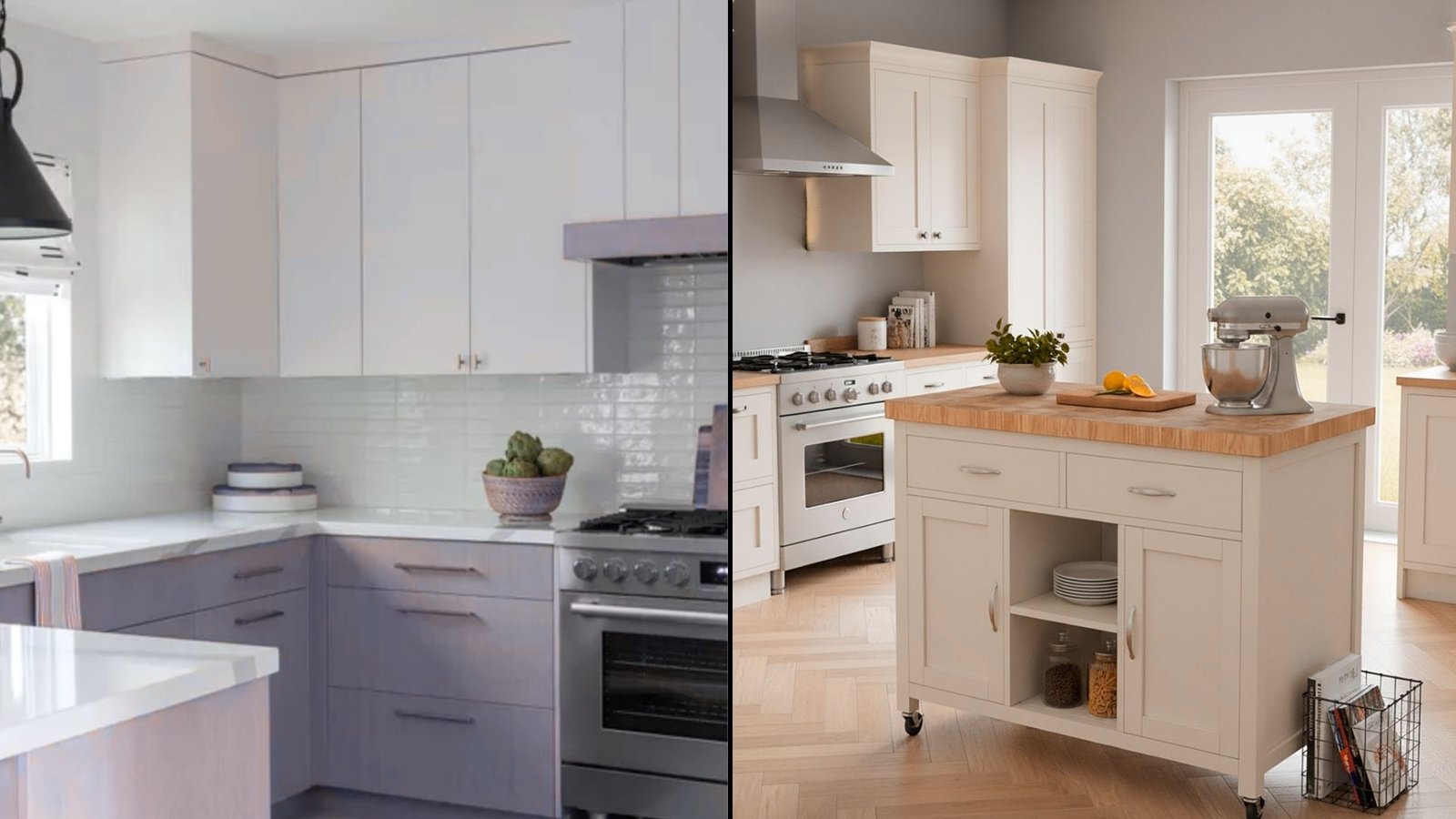
Choosing between a kitchen peninsula or an island depends on how you use your space, cook, and entertain. Each option offers unique benefits for different kitchen layouts.
- Consider Your Kitchen Space
Islands need plenty of room, with a minimum of 42-48 inches of clearance on all sides. Peninsulas save floor space, making them ideal for smaller kitchens while still offering counter and storage benefits.
- Evaluate Your Kitchen Layout
Think about the kitchen work triangle sink, stove, and refrigerator. Islands can create secondary workstations, while peninsulas maintain open flow and naturally separate zones without interrupting traffic.
- Design & Aesthetic Preferences
Islands act as a centerpiece and allow for contrasting colors, materials, or multi-level counters. Peninsulas usually match existing cabinetry and define the space, offering a cohesive look.
- Appliance & Storage Needs
Islands can house sinks, cooktops, dishwashers, and extra cabinets. Peninsulas focus more on countertop space, storage, and efficient corner solutions.
- Seating & Entertainment
Islands provide seating for 2-6 people and become a social hub. Peninsulas usually seat 2-3, making them ideal for casual dining or a breakfast bar.
- Budget & Installation
Islands tend to cost more due to plumbing, electrical, and finishing requirements. Peninsulas are simpler and more cost-effective to install.
- Resale Value
Islands are often more appealing in modern homes, but both layouts can add value if designed thoughtfully.
In large kitchens, combining a peninsula and an island can provide maximum flexibility for work, storage, and socializing.
Can You Have Both: Peninsula and Island?
In spacious kitchens, you don’t have to choose between a peninsula or an island. Both can coexist to create a highly functional and versatile layout.
The peninsula works well for food prep, corner storage, and casual dining, such as a breakfast bar. It helps define zones while saving floor space.
The island serves as a social and multi-appliance workstation. It can house sinks, cooktops, dishwashers, or extra storage, making it perfect for entertaining and large meal prep.
Combining both gives your kitchen distinct zones for cooking, dining, and socializing, while maximizing workspace, storage, and flow throughout the room.
Tips for Choosing the Right Layout
A well-planned kitchen layout improves cooking, entertaining, and movement. Proper planning ensures the space is functional and comfortable.
- Prioritize daily living: Focus on your routine rather than current trends.
- Measure carefully: Ensure there’s enough clearance around islands or peninsulas for easy movement.
- Consider traffic flow: Plan for multiple cooks and smooth movement between work zones.
- Plan utilities: Account for lighting, electrical outlets, and plumbing when positioning sinks or appliances.
- Think long-term: Consider your family’s future needs and how the layout will affect resale value.
Conclusion
Choosing the right kitchen layout can change how you cook, entertain, and enjoy your home.
Whether you select a peninsula or an island, the key is balancing space, workflow, and daily habits.
A thoughtfully designed layout makes cooking easier, gatherings more enjoyable, and the kitchen feels welcoming.
By understanding the differences between a kitchen peninsula vs island, you can create a space that works perfectly for you and your family.
Start planning your dream kitchen today and make every meal a joy!
Frequently Asked Questions
Is a peninsula better than an island?
Neither is strictly better, it depends on your kitchen size and layout. Peninsulas work well in smaller or narrow kitchens, while islands are ideal for larger, open spaces.
Can a small kitchen fit an island?
A small kitchen can fit an island only if there’s enough clearance at least 42-48 inches around all sides. Otherwise, a peninsula is more practical and space-saving.
Are peninsulas outdated?
No, peninsulas are still popular, especially in smaller or narrow kitchens. They provide extra workspace, storage, and casual dining without occupying too much floor space.
How much space is needed around an island or peninsula?
Islands require 42-48 inches of clearance on all sides to allow easy movement. Peninsulas need less space since they are attached on one side, making them ideal for compact kitchens.
Which layout is better for small kitchens?
For small kitchens, a peninsula is usually better because it saves floor space while providing counter space, storage, and seating. Islands work best in larger kitchens with more clearance.