


Choosing paint for your home project shouldn’t feel like solving a puzzle. I get it.
You’re standing in the paint aisle, staring at labels, and wondering what the real difference is between latex and acrylic paint.
Most homeowners face this exact confusion, and it’s totally normal.
Here’s what I’m going to do for you: I’ll break down the key differences between these two popular paint types, explain where each one works best, and help you pick the right option for your specific project.
I’ve painted enough walls, furniture, and exterior surfaces to know what works and what doesn’t.
By the end of this post, you’ll know exactly which paint to grab for your next job.
What’s the Difference Between Latex and Acrylic Paint?

The latex vs acrylic paint debate confuses a lot of people, but the core difference comes down to their formulation.
Latex paint uses water as its base and contains either acrylic or vinyl resins. Modern latex paint doesn’t actually have real latex (rubber) in it anymore.
The name just stuck around. It’s straightforward, budget-friendly, and cleans up with plain soap and water.
Acrylic paint is also water-based but uses a pure acrylic polymer solution. It’s more chemical-heavy in its composition, which gives it different properties than standard latex.
Here’s a quick breakdown:
|
Feature |
Latex Paint |
Acrylic Paint |
|
Base |
Water with acrylic or vinyl resins |
Water with pure acrylic polymer |
|
Elasticity |
Moderate |
High (expands and contracts better) |
|
Durability |
Good for interiors |
Better for high-wear areas |
|
Cleanup |
Soap and water |
Soap and water (sometimes needs stronger cleaners) |
|
Cost |
Lower |
Higher |
|
Best For |
Interior walls, ceilings |
Exteriors, furniture, detailed work |
The biggest practical difference? Acrylic paint stretches and contracts better with temperature changes. This makes it crack less over time, especially outdoors.
Latex paint works great but doesn’t flex as much.
Both clean up easily compared to oil-based paints, though acrylic sometimes needs a bit more elbow grease if it starts drying on your brush.
Understanding Latex Paint
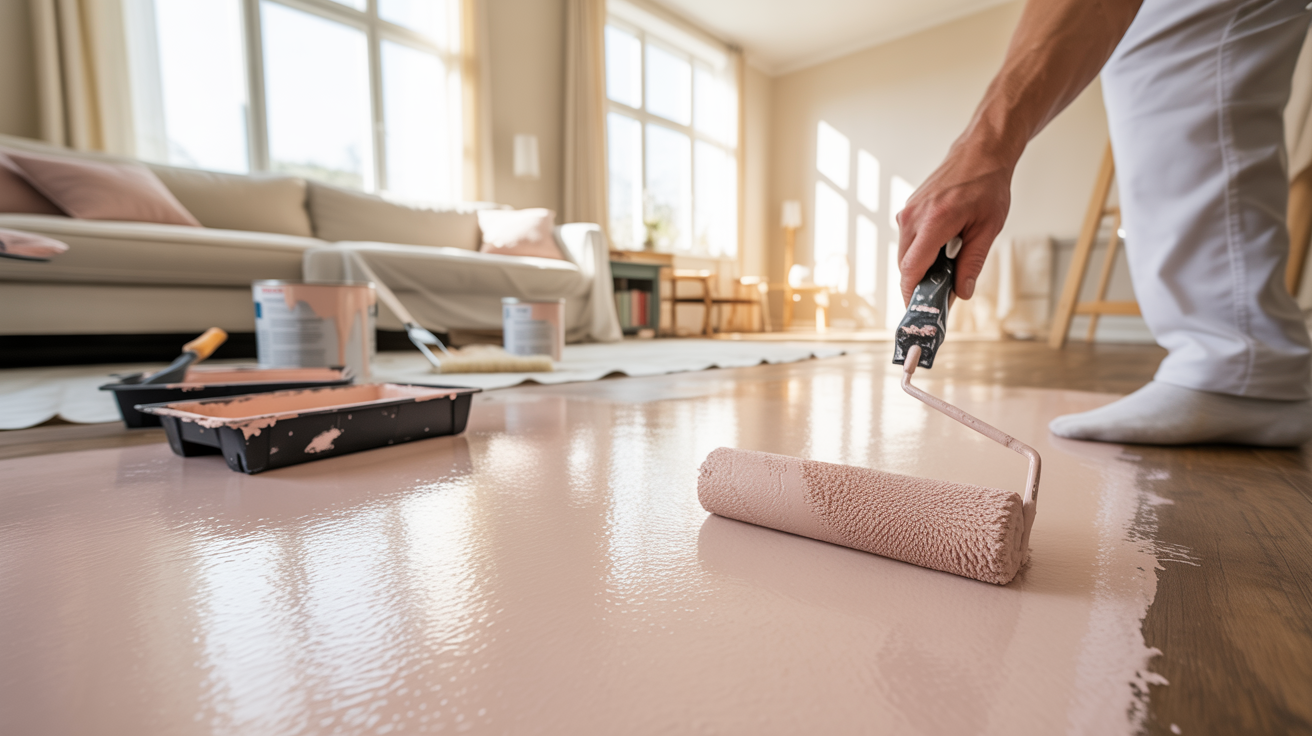
Latex paint is your go-to for most indoor painting projects. It’s accessible, easy to work with, and gets the job done without breaking the bank.
What Latex Paint Is Made Of
The formula starts with water as the primary carrier. That’s why it goes on smoothly and doesn’t smell as harsh as oil-based options.
Modern versions use synthetic resins instead of actual rubber. Acrylic resins create a stronger finish, while vinyl resins make it more affordable.
You’ll see both types labeled as “latex paint” in stores.
These binders hold the pigment together and create that protective layer on your wall. When the water evaporates, you’re left with a durable surface that resists everyday wear.
The absence of harsh solvents makes latex safer for enclosed spaces. You can paint a bedroom without worrying about overwhelming fumes.
Where Latex Paint Works Best
Interior walls love latex paint. I use it for living rooms, bedrooms, hallways, and just about any indoor wall surface.
Ceilings are another perfect match. Latex covers large areas quickly and dries fast enough that you can do a second coat the same day if needed.
Most residential painting projects work well with latex. It’s forgiving for DIY painters and provides good coverage without requiring professional-level skills.
If you need to finish a room quickly, latex is your friend. Two coats can transform a space in a single weekend.
Understanding Acrylic Paint
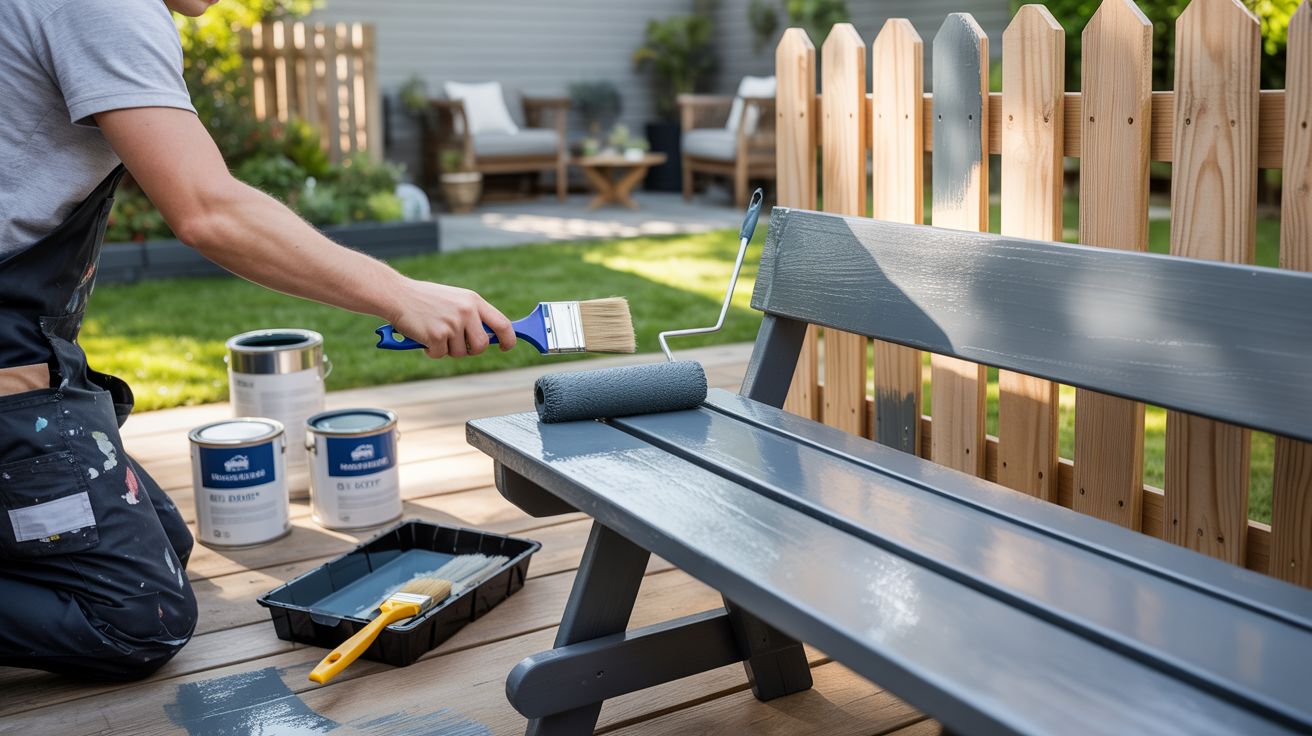
Acrylic paint brings more durability to the table. It costs more, but you get better performance in tough conditions.
What Acrylic Paint Is Made Of
The magic happens with acrylic polymer emulsion. Pigment particles get suspended in this solution, creating a paint that’s tougher than standard latex.
The chemical composition changes once it dries. Water evaporates, and the acrylic forms a resilient, water-resistant surface that holds up against moisture and scrubbing.
Quick drying is built into the formula. The polymer bonds rapidly, which means less waiting between coats but also less time to fix mistakes.
This chemical structure is why acrylic resists fading from sunlight better than many other paint types. The pigments stay locked in place.
Where Acrylic Paint Works Best
Exterior surfaces benefit most from acrylic paint. Siding, trim, shutters, and outdoor furniture all handle weather better with this type of coating.
Furniture painting is where acrylic really shines. The hard finish resists scratches and holds up to cleaning much better than latex.
Any high-traffic or high-durability area is a good candidate. Kitchen cabinets, doors, and window frames all see lots of use and wear.
Weather-exposed spots need acrylic’s flexibility. Temperature swings won’t cause the paint to crack or peel as quickly as with standard latex.
Pros and Cons Comparison
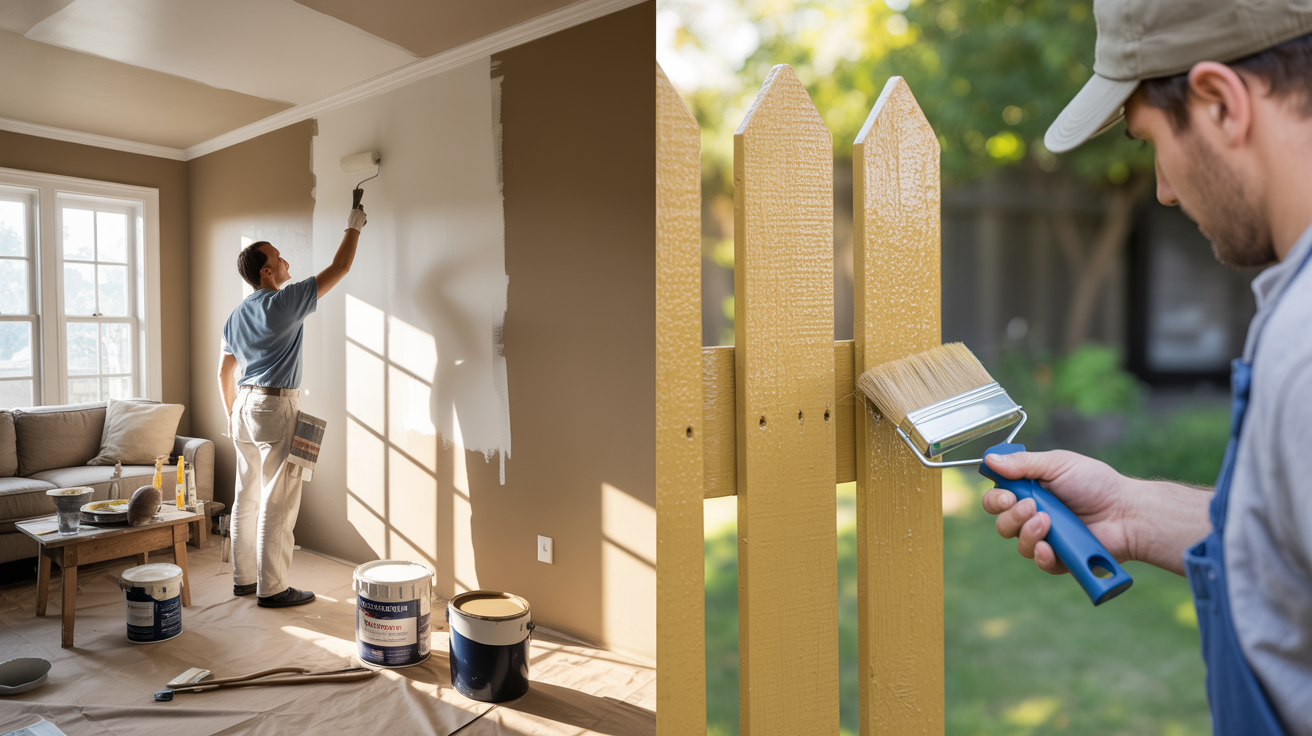
Let’s look at what each paint type brings to your project. Understanding these strengths and weaknesses helps you make the right choice.
Why Choose Latex Paint
Latex paint wins for speed and convenience. If you’re tackling a basic indoor project, it checks all the practical boxes.
- Dries faster than most paint types, letting you apply second coats quickly
- Costs less per gallon, which matters when covering large spaces
- Cleans up with soap and water, no special solvents needed
- Produces fewer fumes and lower VOC levels for safer indoor air
- Covers well with just one or two coats in most cases
- Safer for enclosed spaces where ventilation might be limited
Budget-conscious homeowners appreciate latex. You get good results without spending premium dollars.
Why Choose Acrylic Paint
Acrylic paint is the durability champion. When you need paint that lasts, this is what I reach for.
- Expands and contracts better, preventing cracks in changing temperatures
- Lasts longer on surfaces that take a beating
- Resists sun damage and UV fading better than latex
- Handles temperature changes without breaking down
- Stays fresh-looking on exteriors for years
You’ll pay more upfront, but acrylic saves money long-term by lasting longer. Fewer repainting jobs mean less hassle over time.
Can You Mix or Layer These Paints?
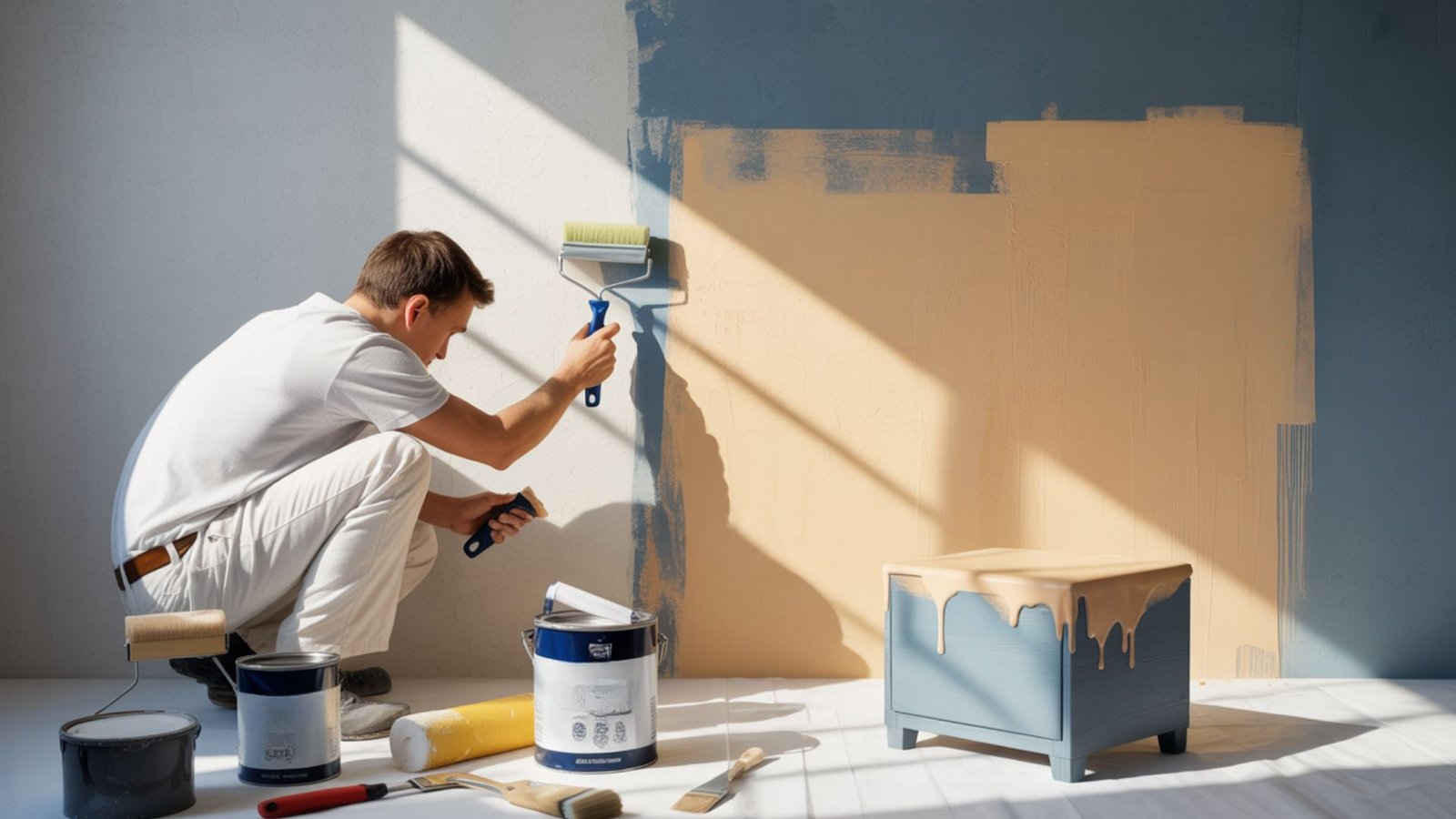
Layering different paint types gets tricky. The latex vs acrylic paint question becomes even more important when you’re painting over existing coats.
Putting latex over acrylic creates adhesion problems. The surfaces don’t bond well naturally. You’ll likely see peeling or bubbling down the road.
Proper prep work helps. Sand the surface first, then apply a quality primer designed for multi-surface use. This gives the new paint something to grip.
Using 100% acrylic latex paint works better for layering situations. It bridges the gap between pure latex and pure acrylic formulations.
Acrylic over old oil-based paint also needs special attention. The surfaces repel each other without proper priming and sanding first.
Which Paint Is Better for the Environment?

Environmental impact matters to a lot of homeowners these days. Both paint types have their green pros and cons.
Latex paint typically has lower VOC levels. These volatile organic compounds affect indoor air quality, so less is better for your home environment.
Water-based cleanup for both types reduces chemical use. You’re not dumping paint thinner down the drain or using harsh solvents to clean brushes.
Disposal is simpler with latex paint. Most recycling centers accept it more readily than oil-based alternatives.
Both paint types last reasonably long. Latex can go 2-10 years depending on location and conditions.
Proper maintenance extends that lifespan and reduces waste from frequent repainting.
Conclusion
The latex vs acrylic paint choice really comes down to your specific project needs. I use latex for interior walls, ceilings, and rooms where I want quick, affordable coverage.
It works great and doesn’t require a big investment. Acrylic paint is what I grab for exterior surfaces, furniture, and anywhere that needs serious durability.
The extra cost pays off in longer-lasting results.
Think about where you’re painting and how much wear that surface will see. Indoor walls with normal use? Latex works fine. Outdoor trim facing sun and rain? Go with acrylic.
Consider your surface type, location, and how long you want the finish to last.
And here’s a final tip: no matter which paint you choose, make sure you’ve got good ventilation while working. Fresh air helps with fumes and speeds up drying time.
Frequently Asked Questions
Is Acrylic Paint the Same as Oil-Based Paint?
No, acrylic paint is water-based, not oil-based. The confusion comes from its chemical composition. While acrylic contains stronger chemicals than standard latex, it still uses water as the base and cleans up without paint thinner.
How Long Does Each Type of Paint Last?
Latex paint lasts 2-10 years depending on location. Interior applications last longer. Acrylic paint typically lasts longer, especially outdoors. Factors like sun exposure, moisture, surface prep, and number of coats affect how long either type holds up.
Can I Use Latex Paint on Wood Furniture?
You can use latex on furniture, but it’s not ideal. The finish won’t be as durable as acrylic. For pieces that get daily use, acrylic provides better scratch resistance and a harder finish that cleans more easily without wearing down.
Do I Need Primer with Latex or Acrylic Paint?
Primer helps in most cases. It’s necessary when painting over bare wood, drastically changing colors, or covering stains. Both latex and acrylic bond better with primer underneath. Skip it only on previously painted surfaces in good condition with similar colors.
Which Paint Dries Faster?
Both dry relatively quickly. Latex typically dries to the touch in 1-2 hours. Acrylic can dry even faster due to its chemical composition. Drying time affects how quickly you can apply second coats. Faster drying means you can finish projects in less time.
