Planning a bathroom can feel overwhelming. I’ve been there, staring at blank floor plans and wondering where everything should go.
This guide covers 11 master bath layouts that actually work in real homes. You’ll see designs for small spaces, couples, and luxury setups.
I’ll walk you through tub-and-shower combos, walk-in showers, and smart storage solutions. Each layout solves a specific problem.
After working on dozens of bathroom projects, I know what makes a space functional and comfortable.
You’ll find practical tips and real measurements that help you choose the right design for your home.
Understanding Master Bath Layouts
A master bath layout is how you arrange fixtures in your bathroom space. The placement of your sink, shower, tub, and toilet determines how well the room functions.
Good layouts create smooth movement and prevent bottlenecks during busy mornings. Poor layouts waste space and create frustration.
Your room size, plumbing location, and daily habits all affect which design works best.Most layouts fall into standard patterns that builders and designers use repeatedly because they solve common problems.
Let’s get started
11 Creative Master Bath Layout Designs
This section shows different ways to arrange your bathroom space. Each design fits specific needs and room sizes.
1. Large Master Bath Layout with Luxury Features
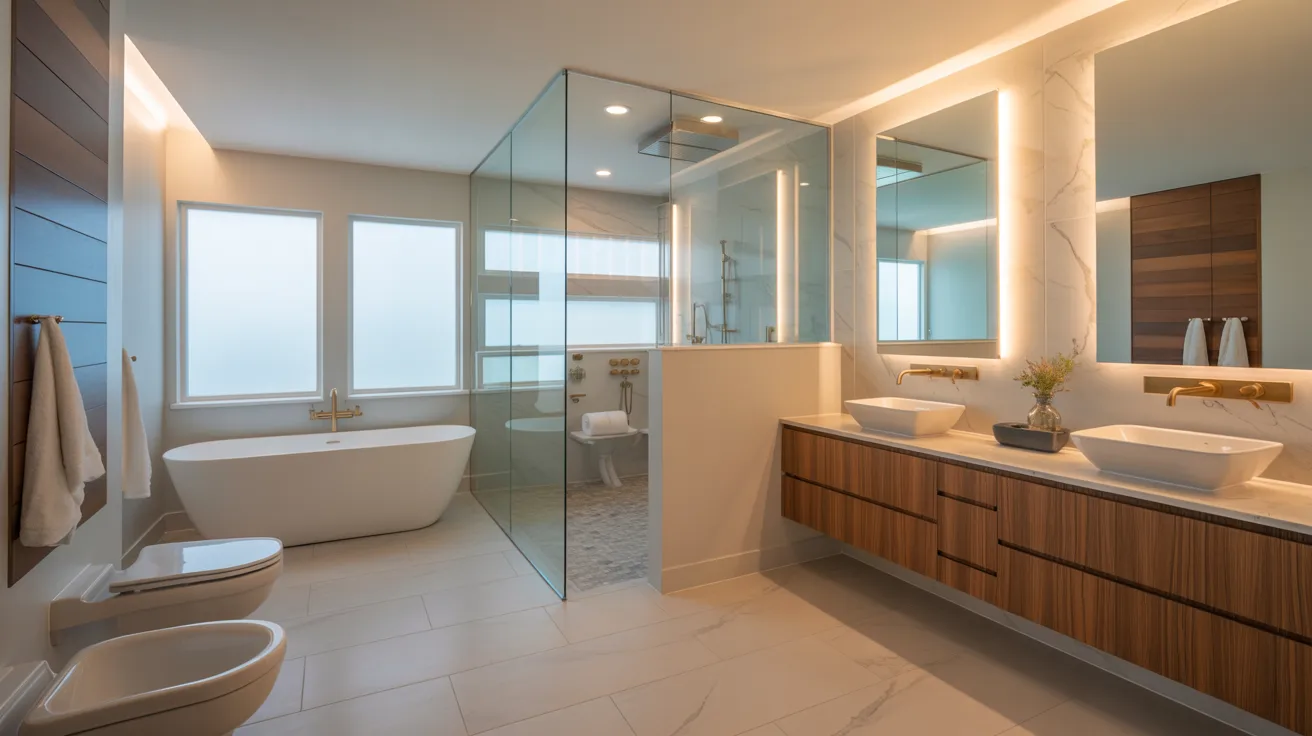
Big bathrooms let you spread things out. You can have a separate tub on one side and a shower on the other.
Two vanities mean no morning traffic jams. Add a bench or seating area if you have extra room. Storage cabinets keep towels and products organized.
The key is spacing everything at least three feet apart.
2. Master Bath Layout with Walk-In Shower
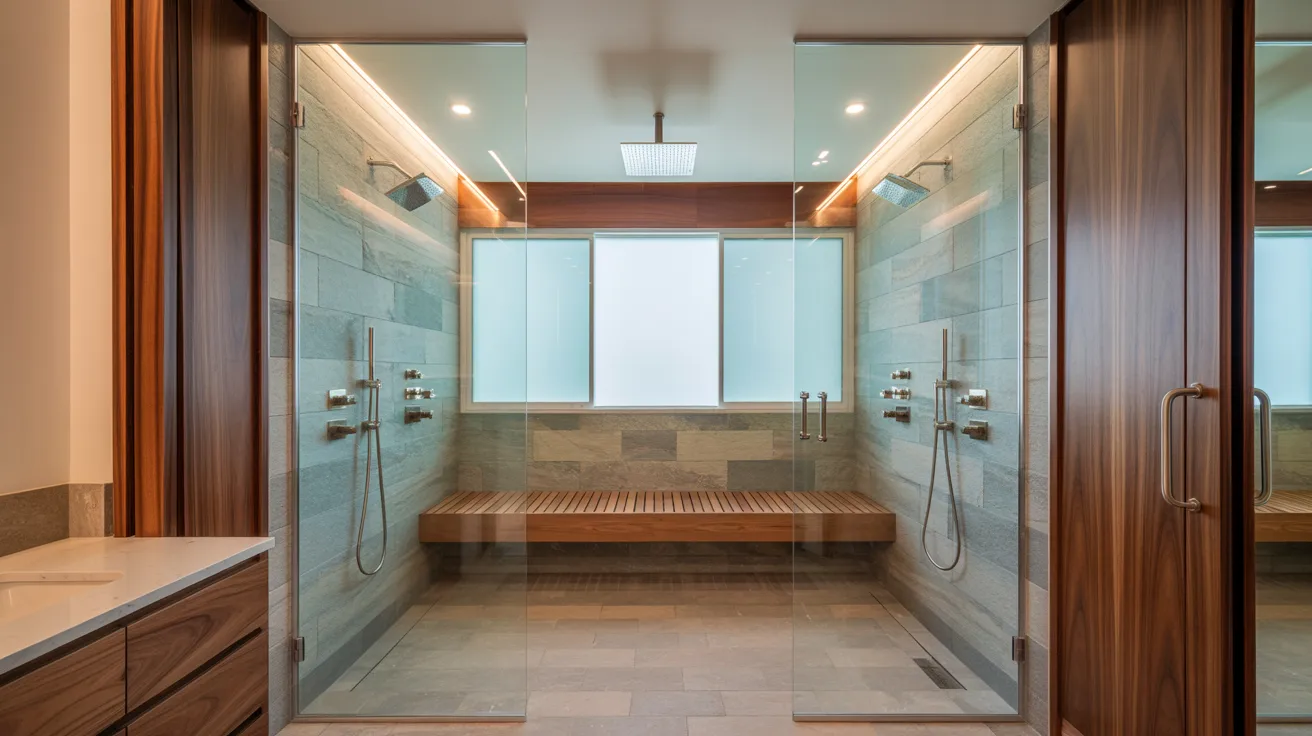
Walk-in showers are popular right now. No door means easier cleaning and a more open feel. Most walk-in showers need at least 36 inches of width.
Glass panels keep water contained without blocking light. A bench inside adds comfort.
Rain heads and body sprays make it feel like a spa.
3. Master Bath Layout with Tub and Shower
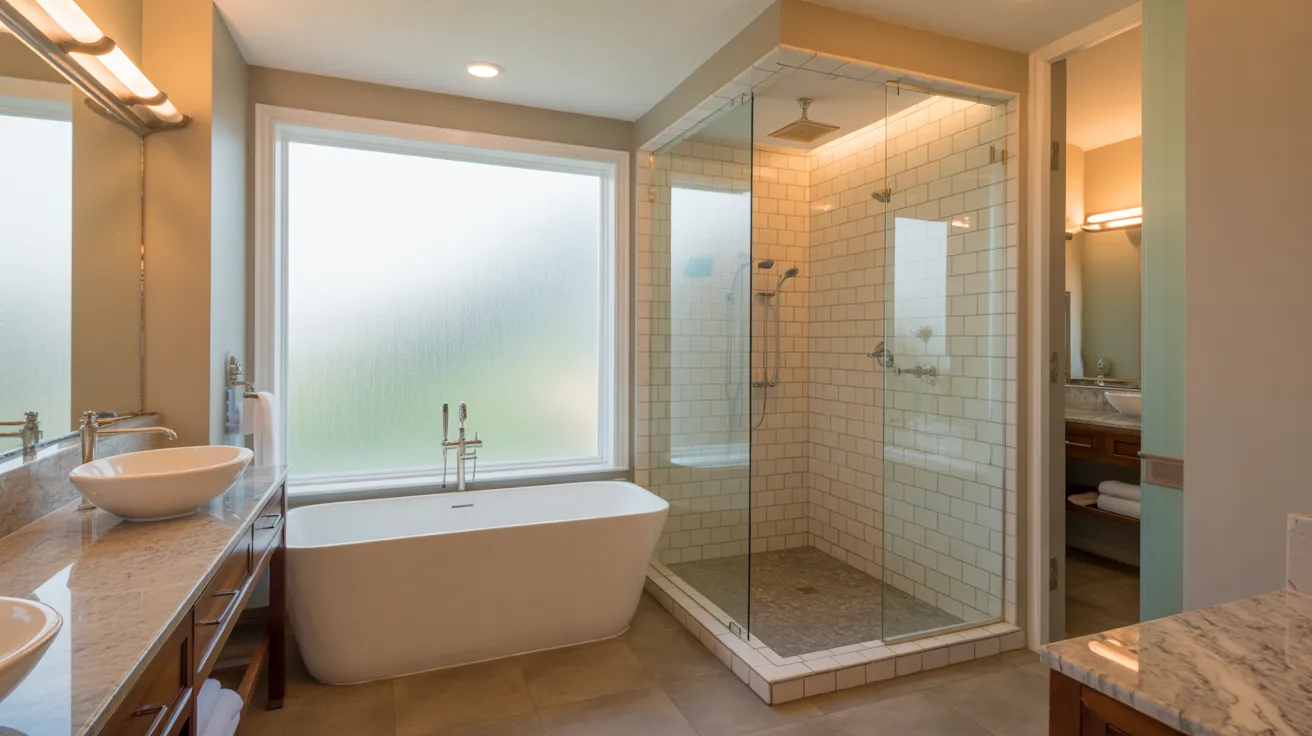
This setup gives you both options. Place the tub along one wall and the shower in a corner. You can soak when tired or quick-rinse before work.
The tub works well next to a window for natural light. The shower should have its own door or curtain.
This layout fits most standard bathrooms.
4. Small Master Bath Layout for Compact Spaces
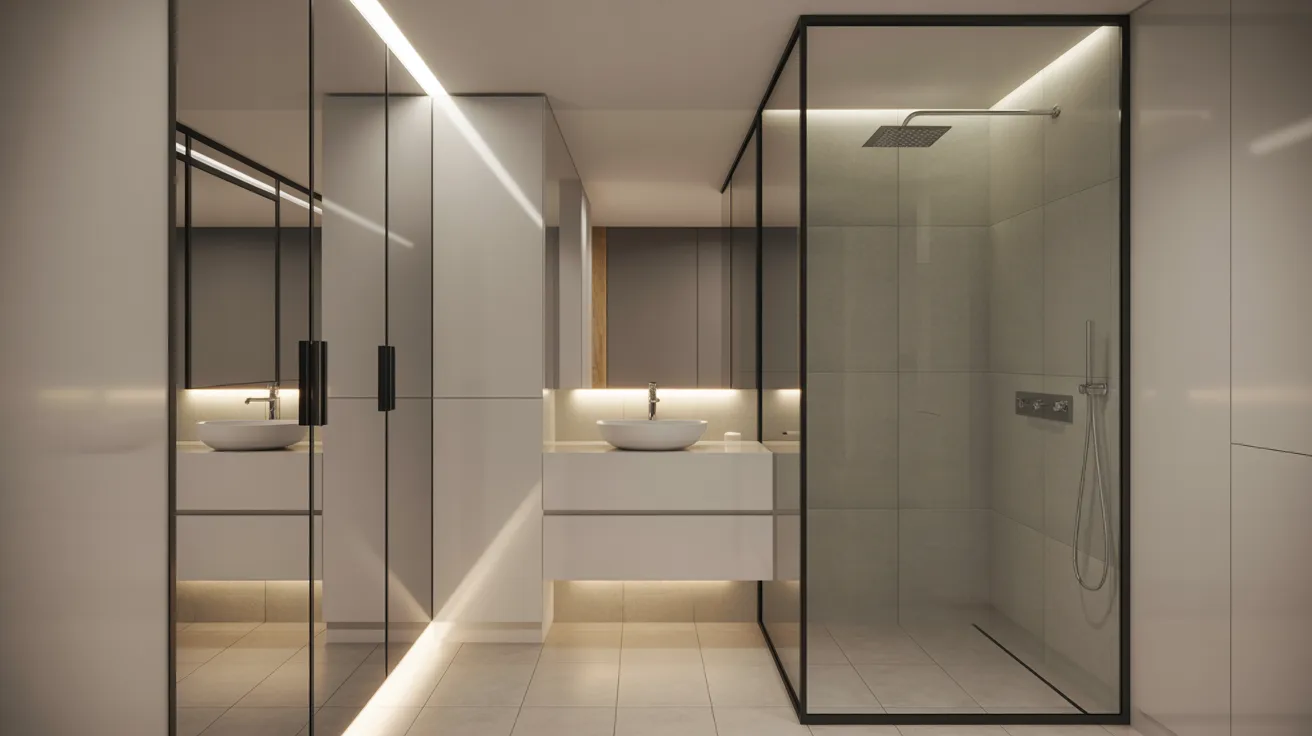
Small spaces need smart planning. A corner shower saves floor area. Wall-mounted vanities create the illusion of more room.
Pocket doors don’t swing out and block walking paths. Mirrors make everything feel bigger. Use vertical storage like tall cabinets.
A small master bath layout can still feel comfortable with the right arrangement.
5. Master Bath Layout Without Tub
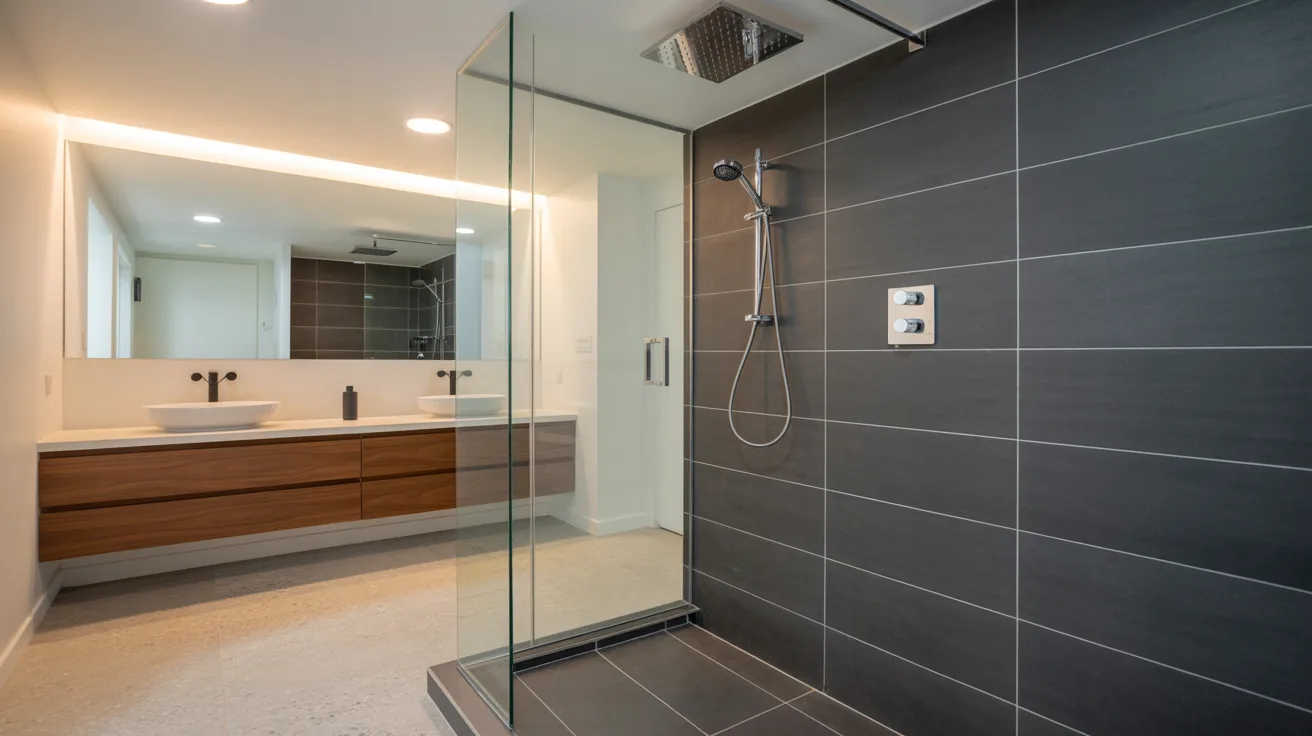
Some people never use tubs. A shower-only design gives you more floor space. You can make the shower bigger or add a double vanity.
This works well for second-floor bathrooms where weight matters. The extra space can fit a linen closet.
It’s easier to clean without tub edges and curves.
6. 5 Piece Master Bath Layout
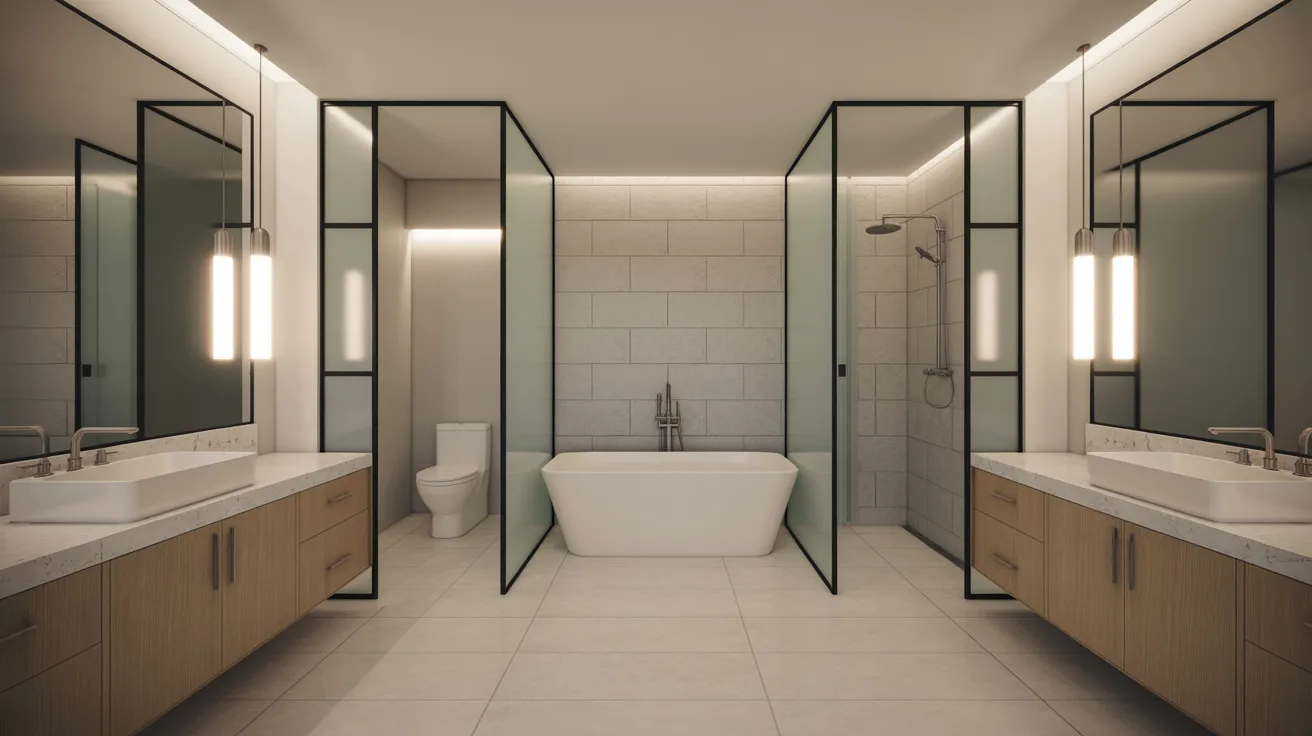
This includes everything: two sinks, a toilet, a tub, and a shower. The toilet should be in its own space or behind a partial wall.
Place vanities on opposite walls if the room is narrow. The tub and shower can share one wall to save on plumbing.
This layout needs at least 100 square feet to work well.
7. Rectangular Master Bath Layout
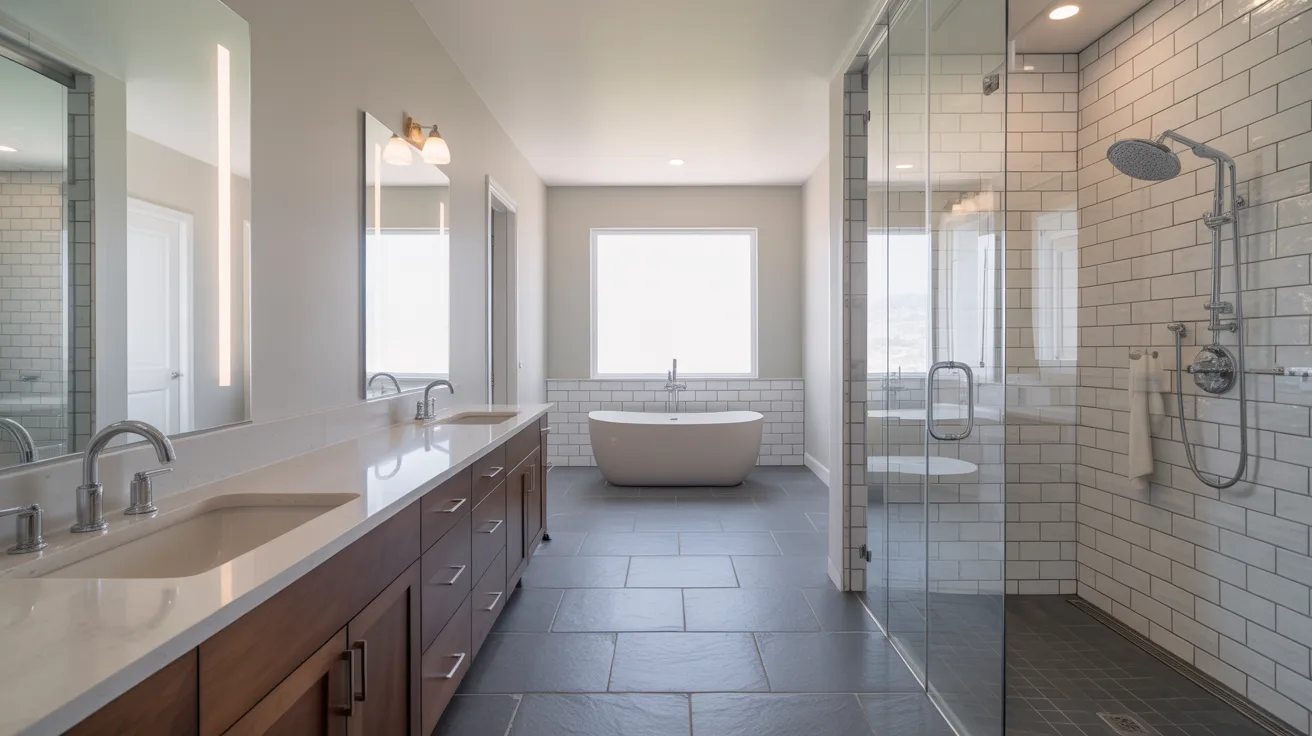
Long, narrow rooms work best with items along the walls. Put the vanity at one end and the shower at the other.
The tub fits nicely along a long wall. Keep a clear path down the middle. This shape is common in older homes.
It uses space efficiently without feeling cramped.
8. Square Master Bath Layout
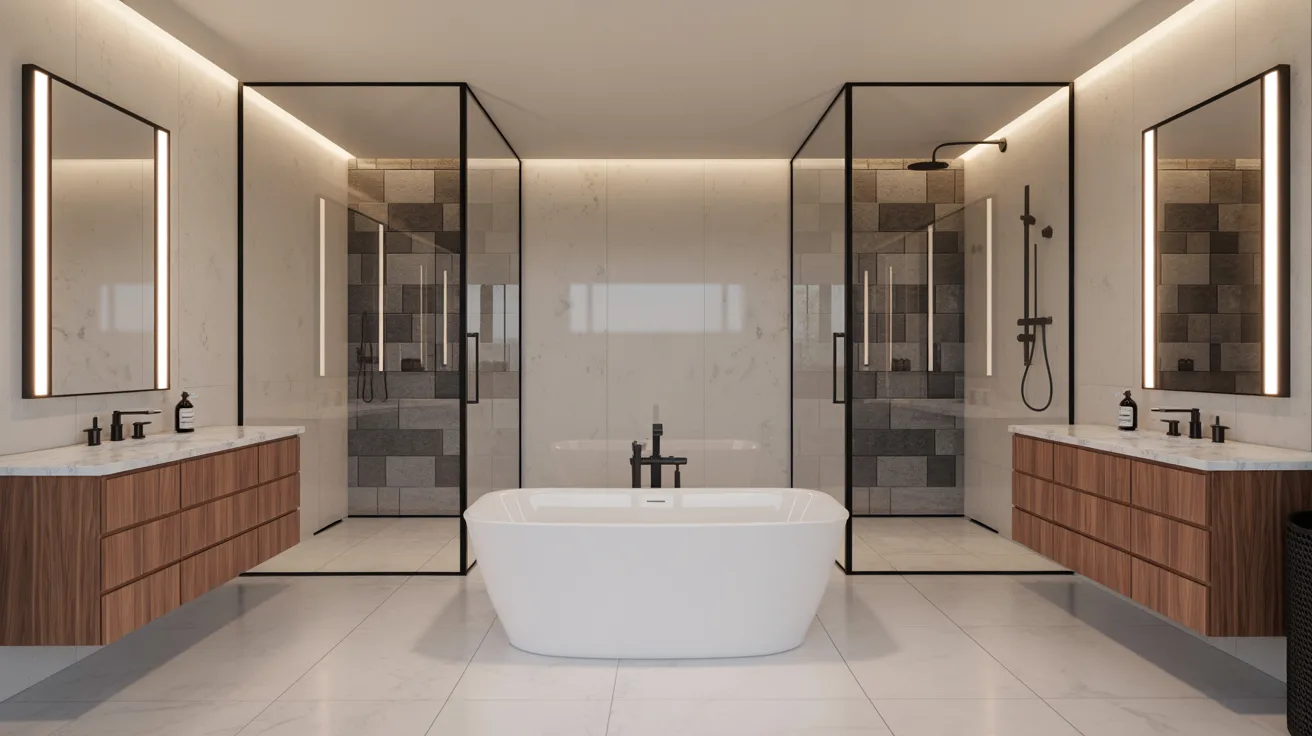
Square rooms give you symmetry. A tub can sit in the center as a focal point. Vanities work on either side.
The shower goes in a corner. This layout feels balanced and organized. You have equal wall space on all sides.
It’s easier to match fixtures and create a cohesive look.
9. Best Master Bath Layout for Couples
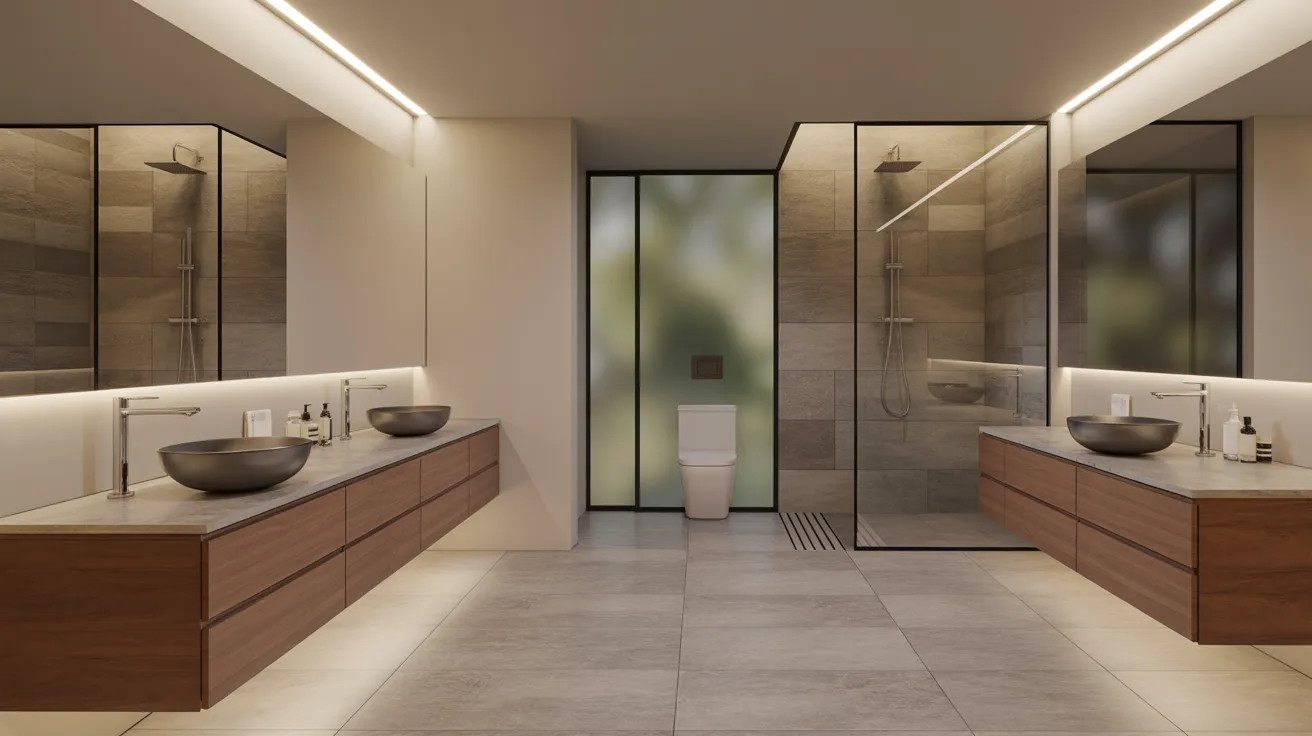
Two people need two sinks. Period. Place them far enough apart so elbows don’t bump. A large shower with dual heads means no waiting.
The toilet should have privacy with a door or divider. Separate storage areas prevent arguments about counter space.
Some couples like a separate water closet room.
10. Master Bath Layout Plans for Walkthroughs
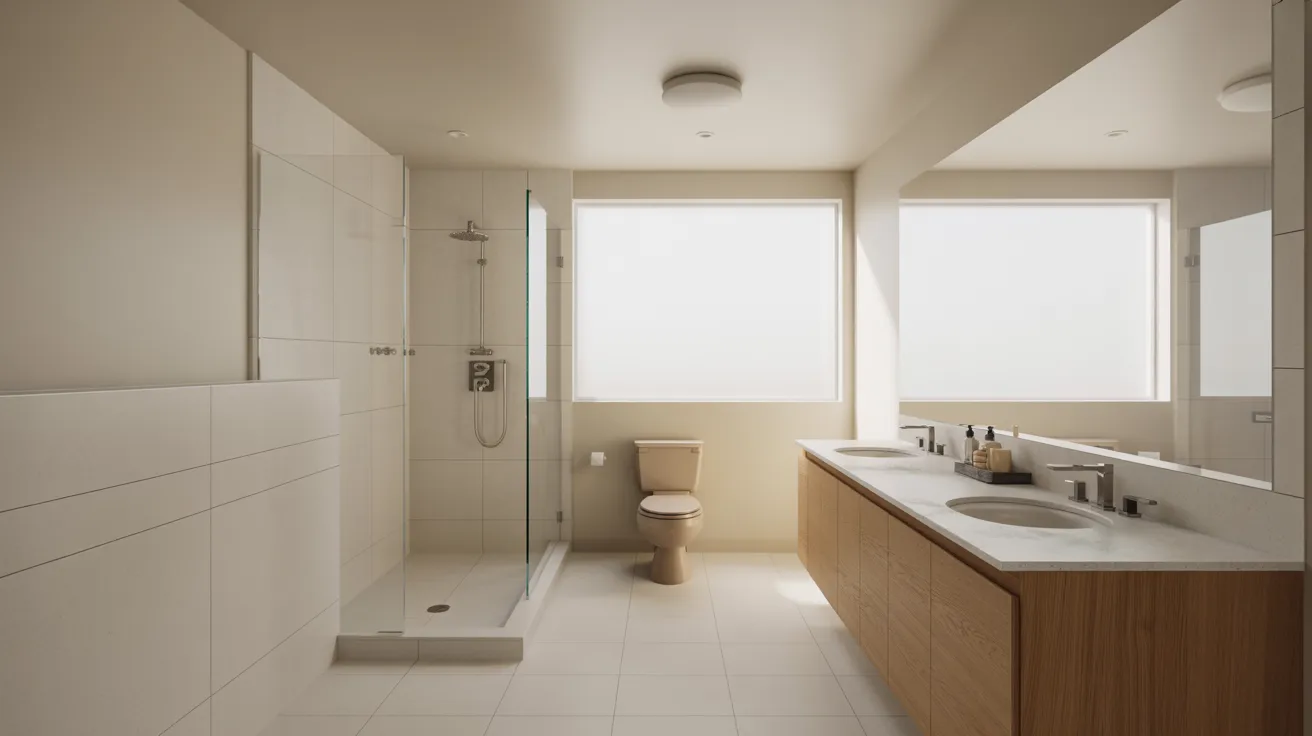
Start with measurements. Mark where plumbing already exists. Draw the toilet location first since it’s hardest to move. Add the shower or tub next.
Then fit in vanities. Check that doors can open fully. Make sure there’s 30 inches of clear space in front of each fixture.
Walk through your plan on paper before construction starts.
11. Master Bath Layout Design Tips
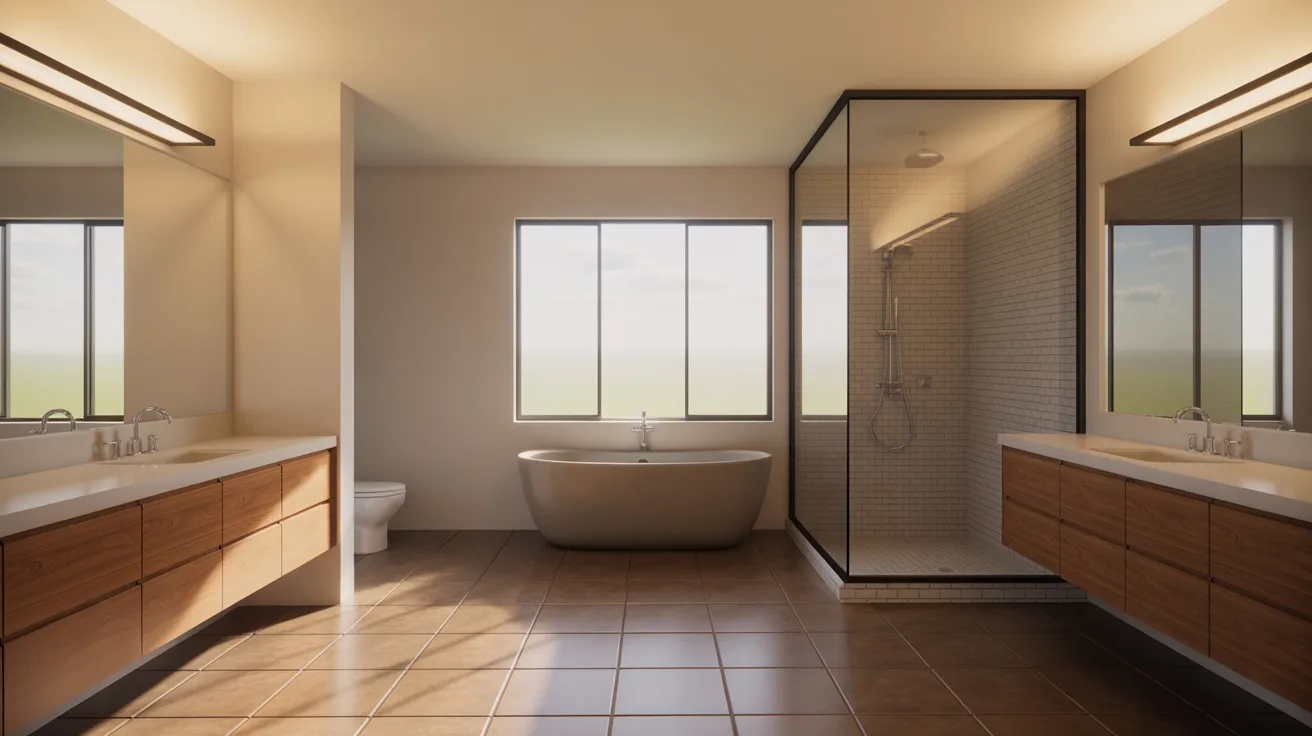
Keep hot and cold water lines close together. Group wet areas to save on plumbing costs. Put ventilation fans near the shower.
Add outlets near vanities for hair tools. Use non-slip flooring in wet zones. Install blocking in walls for future grab bars.
Think about towel storage within arm’s reach of the shower.
How to Choose the Right Master Bath Layout?
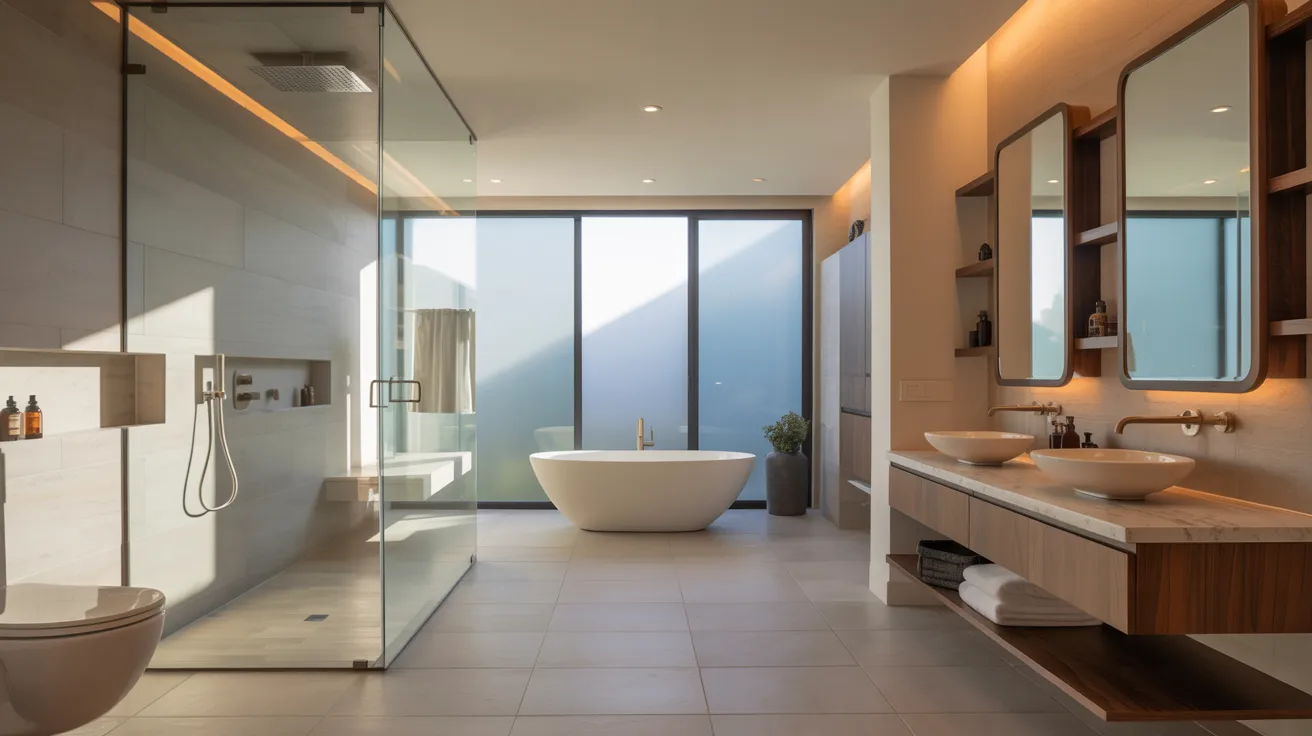
Match the layout to your actual space. Measure twice before planning. A huge shower won’t fit in a 40-square-foot room.
Think about how you use the bathroom. Do you take baths? Do you share the space? Your daily routine determines what features matter most.
The budget affects everything. Moving plumbing is expensive. Keep major fixtures on existing water lines when possible.
Natural light makes any bathroom better. Place mirrors to reflect windows. Frosted glass adds privacy without blocking the sun.
Storage needs vary by person. Count your products and towels. Plan cabinets and shelves accordingly.
Luxury features are nice but not required. Heated floors feel amazing. Towel warmers are practical in cold climates. Rain showers use more water but many people love them.
Look at photos of master bath layout ideas online. Save ones that match your space size and style preferences.
Expert Tips for Planning Your Master Bath Layout
- Measure everything twice before you start. I learned this the hard way when a vanity didn’t fit through the door. Write down exact measurements of your room, doorways, and windows.
- Keep plumbing on existing walls when possible. Moving water lines costs thousands of dollars. Your budget stretches further when fixtures stay near current pipes.
- Plan for at least 30 inches of clear space. You need room to stand in front of each fixture comfortably. Cramped bathrooms feel frustrating every single day.
- Think about lighting before you finalize the layout. Vanities need bright task lighting. The shower needs waterproof fixtures. Windows affect where you can place mirrors and cabinets.
- Add more storage than you think you need. Towels, cleaning supplies, toiletries, and medications all need a home. Clutter ruins even the best layout.
Conclusion
I’ve redesigned my own bathroom twice now. The right layout makes every morning easier. You deserve a space that works for your life, not against it.
Start with measurements, think about your routine, and pick features you’ll actually use. Don’t overthink it. Which layout caught your attention?
Drop a comment below and let me know what you’re planning. If this helped, share it with someone renovating their home.
Check out our other guides on tile choices and lighting for more practical tips.
Frequently asked questions
What is the best layout for a small master bathroom?
Corner showers and wall-mounted vanities save the most space. Skip the tub if you don’t use it. Pocket doors and large mirrors help too.
How much space do you need for a walk-in shower?
Most walk-in showers need at least 36 by 36 inches. Bigger is more comfortable. Add a bench if you have 42 inches or more.
Should a master bathroom have a tub?
It depends on your habits and resale plans. Families with kids often want tubs. If you only shower, skip it and use that space better.
What is a 5 piece master bathroom?
It has five fixtures: two sinks, one toilet, one tub, and one shower. This setup requires a larger room and costs more to install.
How do you design a master bath for two people?
Install two sinks with separate storage. Make the shower big enough for two. Add a door or wall around the toilet for privacy.