
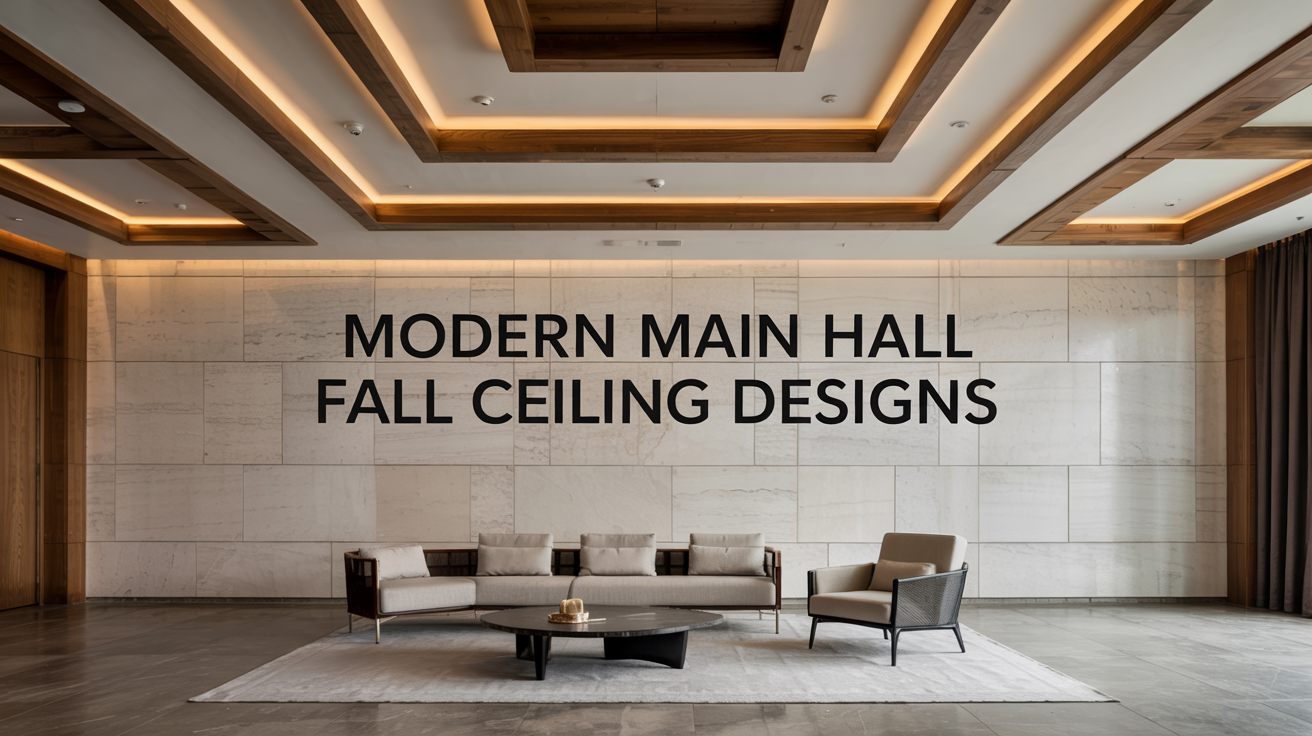
I’ve seen countless main halls transform with the right ceiling design. Modern interior design has shifted toward creating spaces that feel both functional and visually striking. Your main hall sets the tone for your entire home.
A well-planned fall ceiling can completely change how your space feels. It’s not just about covering pipes or wires anymore. Today’s ceiling designs create depth, control lighting, and make rooms feel larger or more intimate.
What makes a ceiling design truly impressive? It’s the perfect balance of form and function. The best designs solve practical problems while adding visual interest. They work with your existing decor, not against it.
The good news is that modern fall ceilings are more affordable and accessible than ever before. New materials and installation techniques have made impressive ceiling designs possible for various budgets.
Your ceiling is the fifth wall of your room. Don’t ignore it.
Modern Fall Ceiling Designs for Main Halls
Contemporary fall ceiling ideas for main halls featuring LED lighting, wooden panels, geometric patterns, and minimalist designs. Practical installation tips and maintenance advice included.
1. Layered Tray Ceiling with LED Strip Lighting
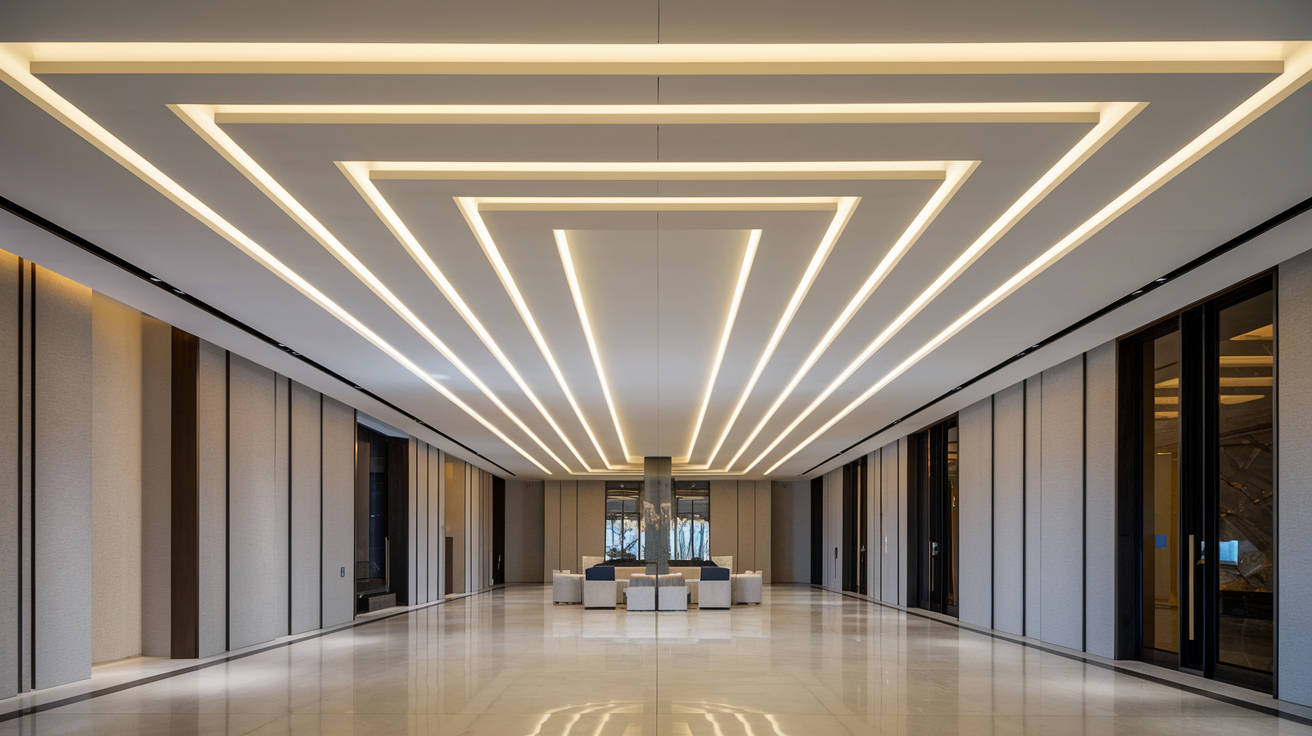
This design creates multiple levels that step down from the outer edges. Think of it like an upside-down tray.
The magic happens with LED strips hidden along each step. These lights bounce off ceiling surfaces, creating a soft glow. Clean, sharp edges are essential here.
This works in both minimalist homes and luxurious spaces. Installation requires careful planning and proper electrical work.
2. Wooden Panel Fall Ceiling Design
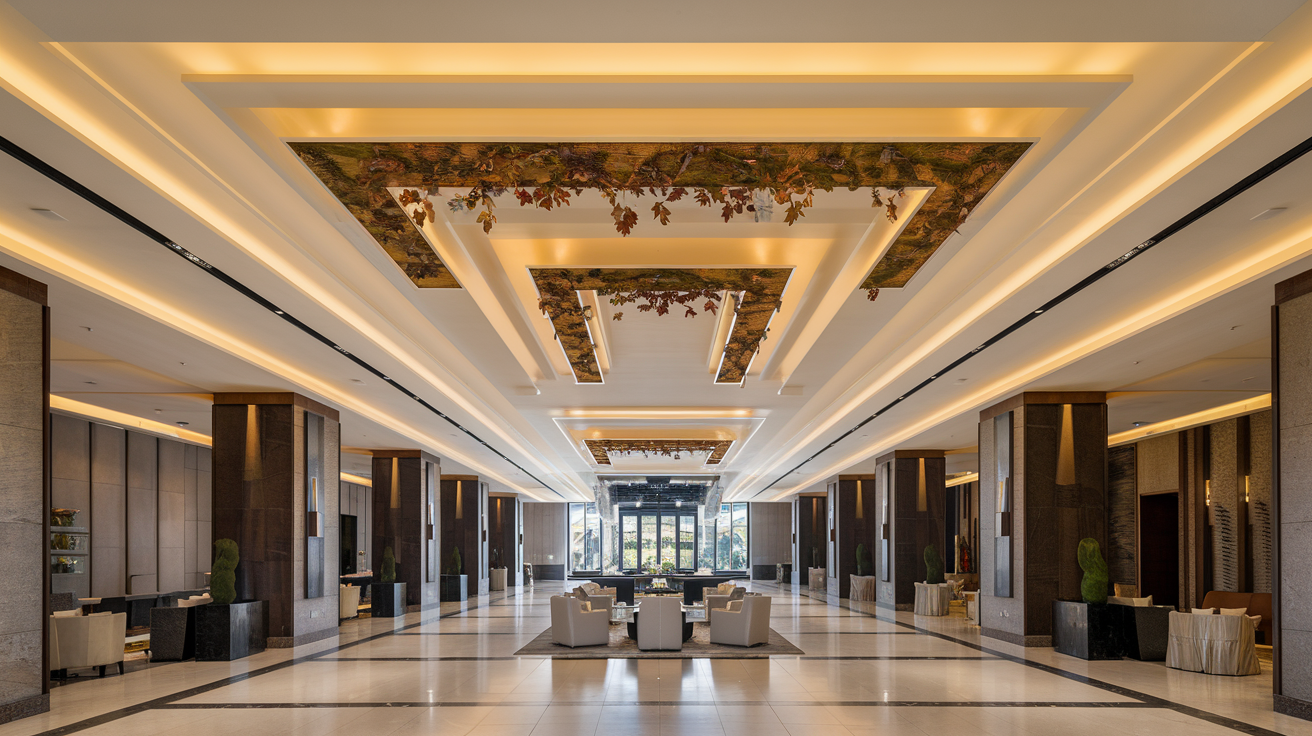
Wood brings warmth that other materials can’t match. Wooden slats or panels create texture and visual interest above your head.
You can use real wood or high-quality wood-look materials. Light woods brighten a space, while dark woods add drama.
This design bridges rustic and modern styles perfectly. Panels mount on a grid system or are attached directly to the ceiling frame.
3. Geometric Pattern Gypsum Ceiling
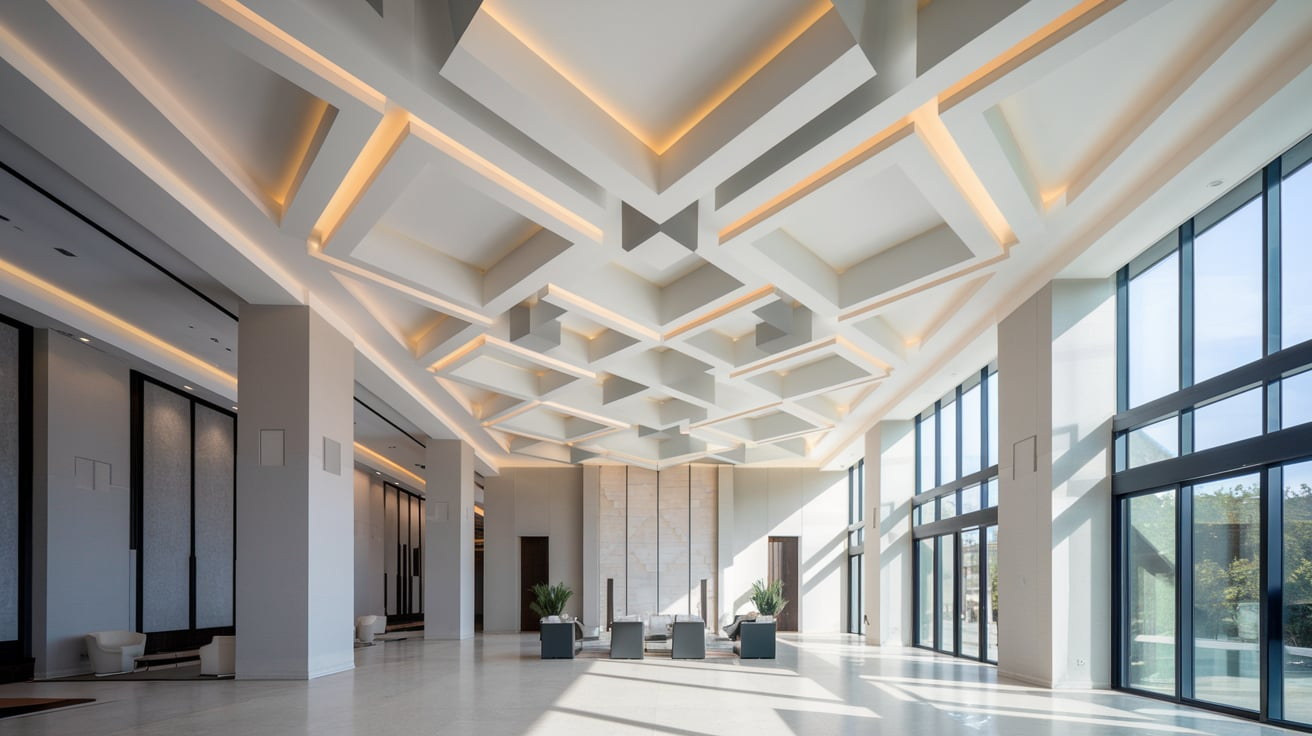
Bold shapes and clean lines define this style. Squares, rectangles, hexagons, and triangles create striking patterns overhead.
Gypsum is lightweight, easy to shape, and takes paint beautifully. This design works best in rooms with high ceilings.
The patterns can be simple or complex. Lighting integration highlights specific elements or outlines shapes for dramatic effect.
4. Minimalist Single-Layer Ceiling
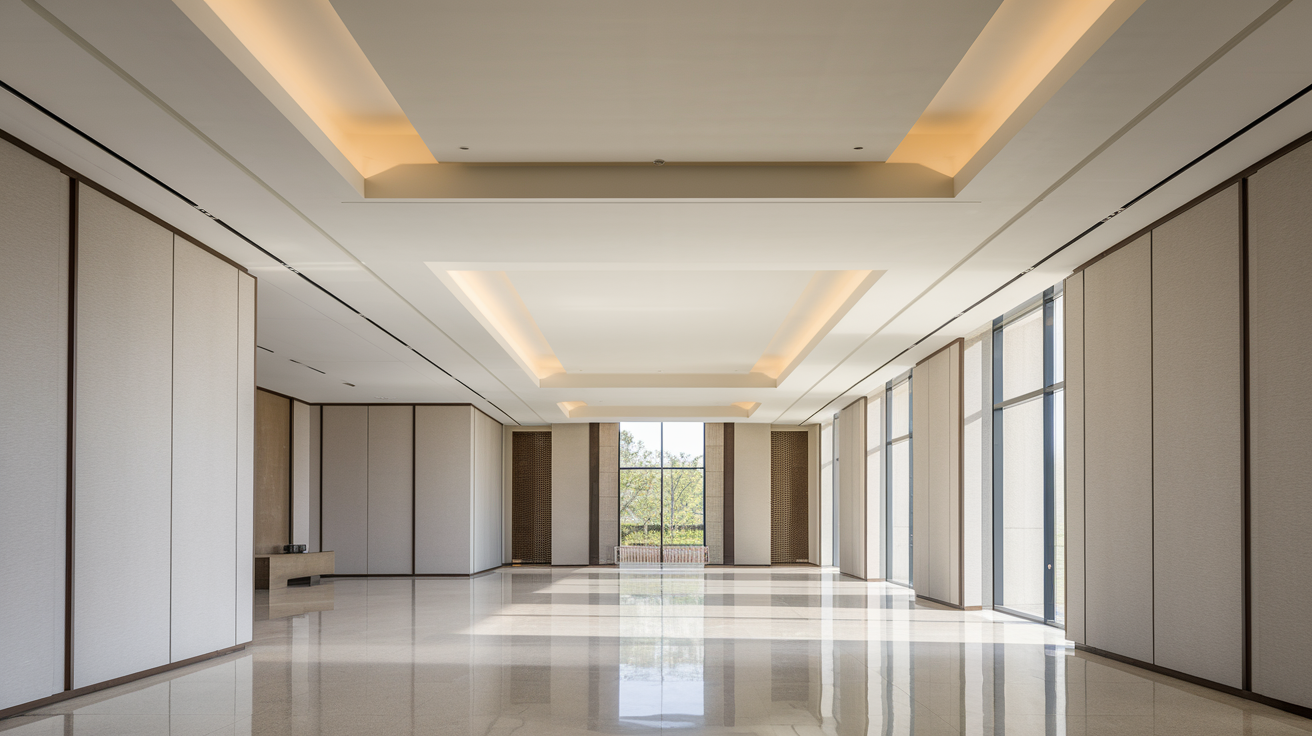
Sometimes less is more. This design focuses on clean lines and flawless execution rather than complex patterns.
The ceiling drops slightly from the main surface, usually 6-8 inches. Perfect finishing and neutral colors are key.
This design suits smaller homes or rooms with lower ceilings. Simple recessed fixtures provide balanced illumination.
5. Pop Ceiling with Cove Lighting
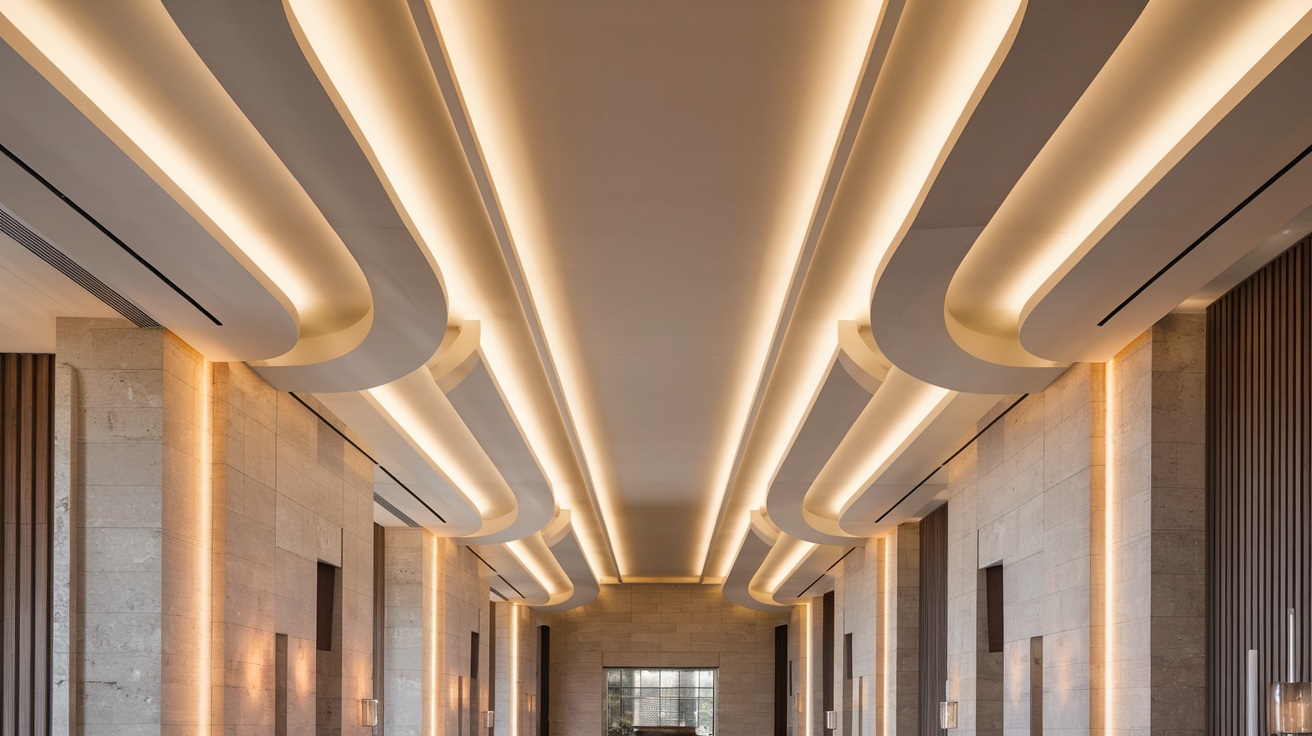
Pop ceilings use the plaster of Paris to create smooth, curved surfaces. The curves allow for hidden lighting that creates a soft, even glow.
Cove lighting sits in channels around the ceiling perimeter. The light bounces off surfaces, eliminating harsh shadows.
This design enhances the mood beautifully. The lighting can be dimmed for different occasions and activities.
6. Mirror-Embedded Fall Ceiling
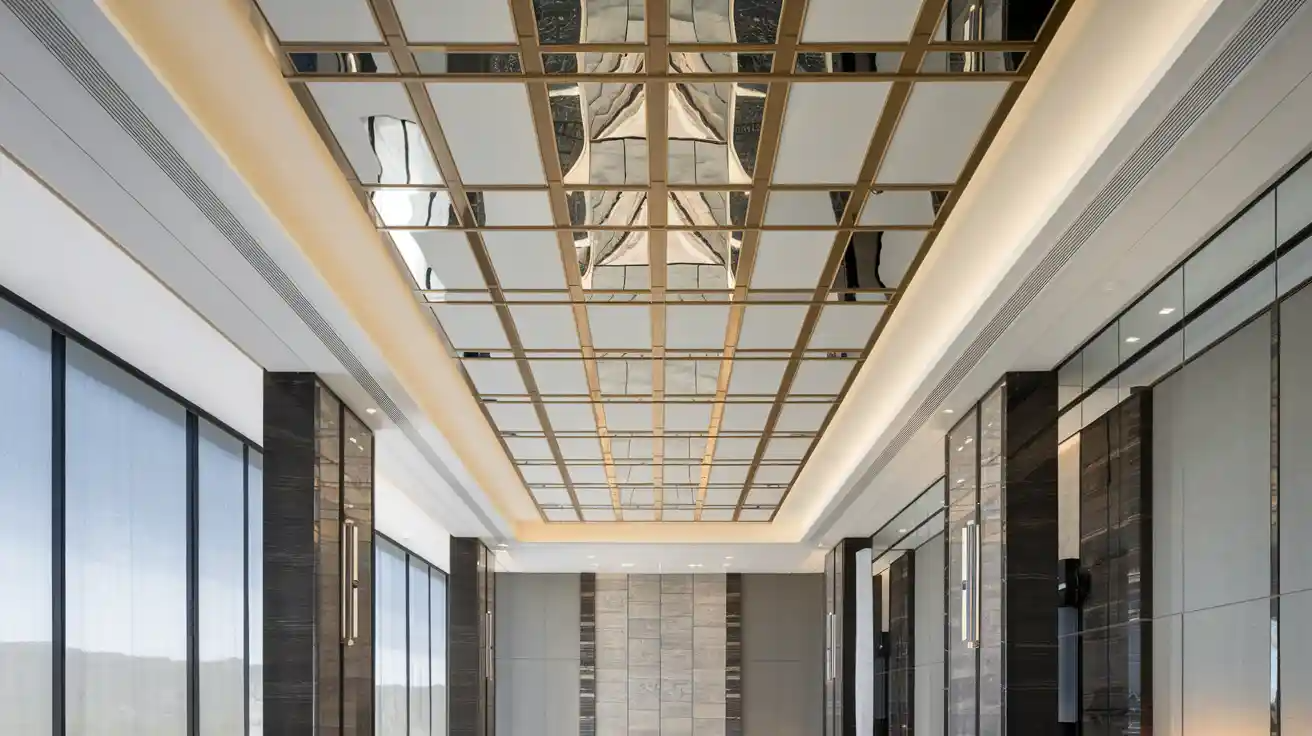
Mirrors strategically placed in the ceiling create the illusion of more space. Your hall will feel larger and brighter.
The mirrors integrate into patterns or specific sections, not the entire ceiling. Use tempered glass for safety.
The luxurious feel is immediate. This design works well with modern furniture and clean lines.
7. Floating Ceiling Panels
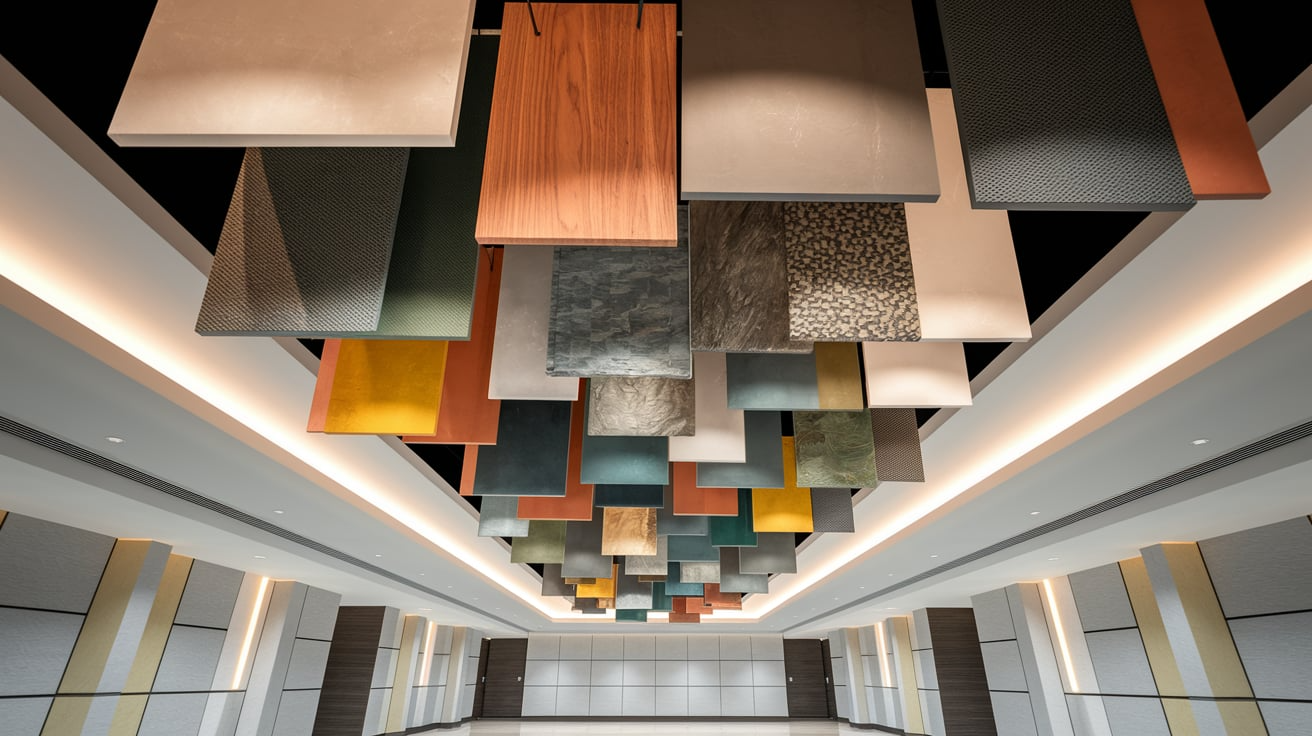
Individual panels hang from the main ceiling at different heights. They appear to float in space, creating a dynamic effect.
You can use different materials and colors for each panel. Wood, metal, fabric, or gypsum all work well.
The panels can be of various sizes and shapes. Lighting integrates into or around panels to enhance the floating effect.
8. Modern Ceiling with Recessed Lighting Grid
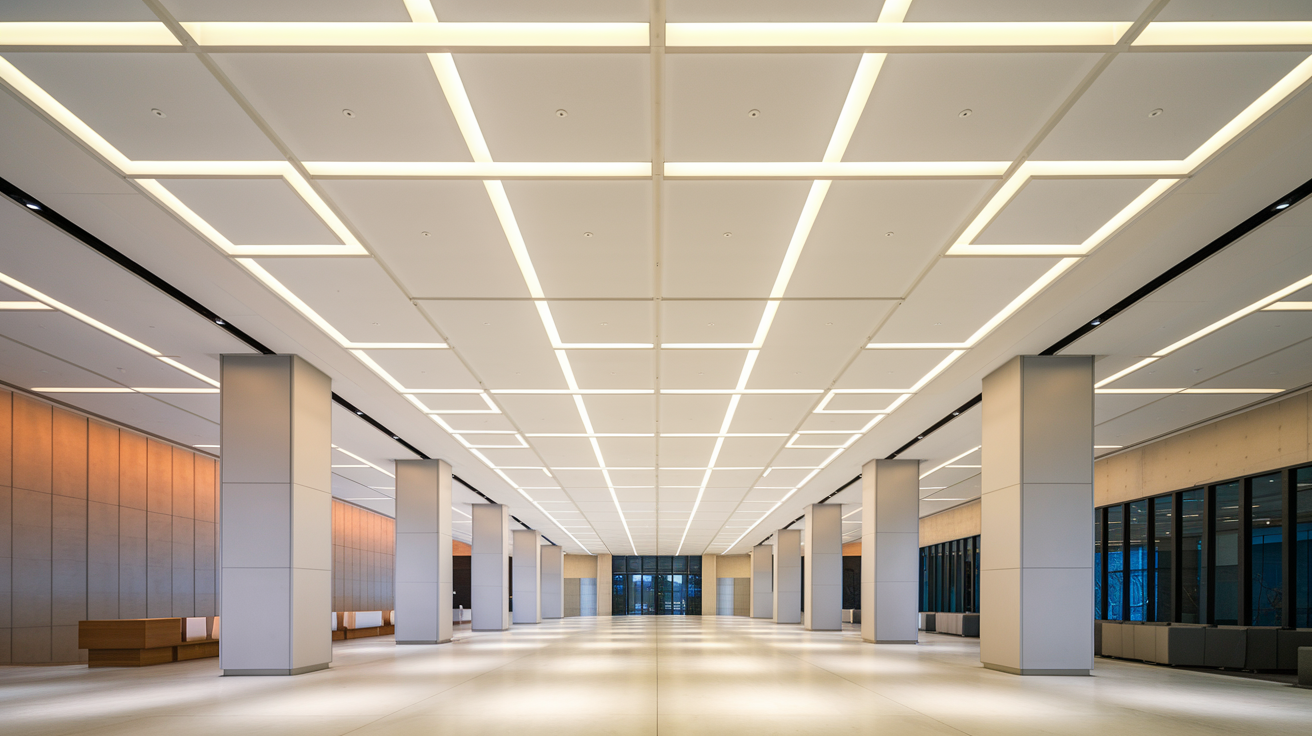
This design prioritizes function without sacrificing style. Recessed lights are arranged in a grid pattern across the ceiling.
The grid can be square, rectangular, or offset. This is perfect for tech-savvy homes or smart home systems.
The ceiling surface remains clean and uncluttered. LED recessed lights use minimal power while providing excellent illumination.
9. False Ceiling with Skylight Cut-Out
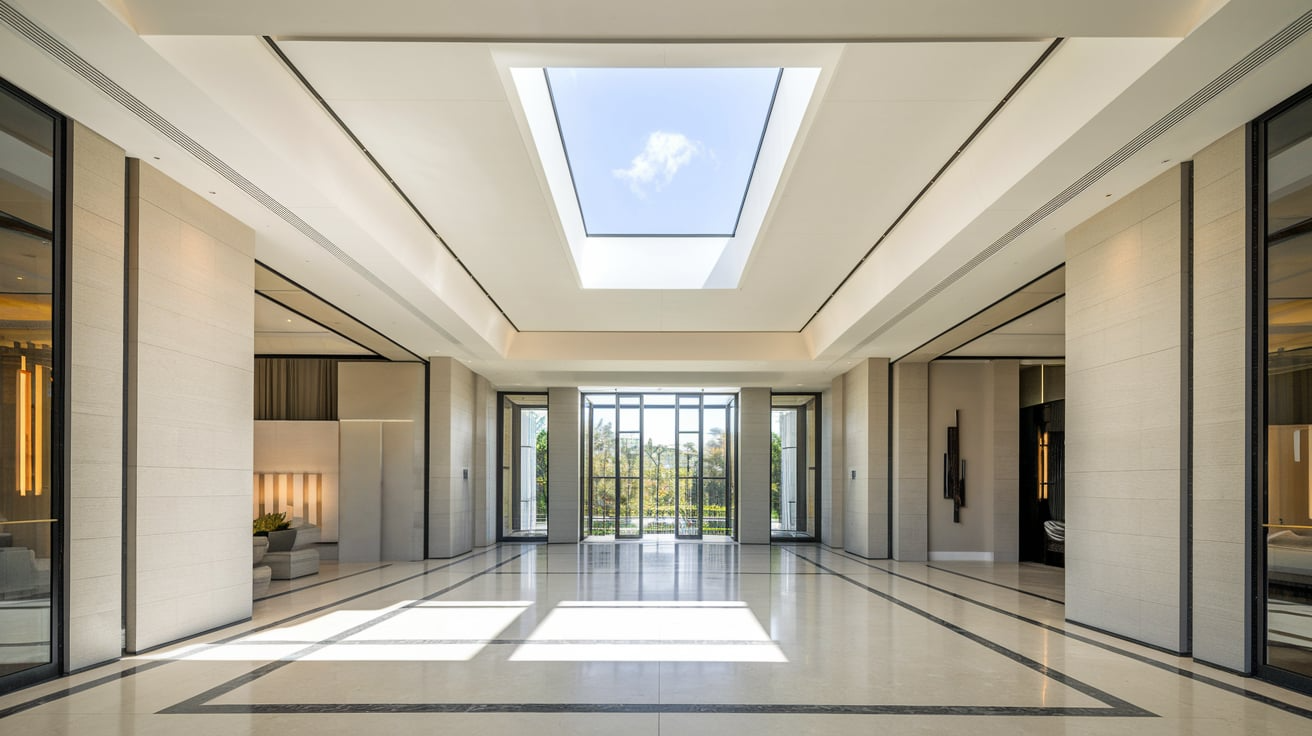
Natural light transforms any space. A skylight cut-out brings the outdoors inside while maintaining false ceiling benefits.
The opening can be round, square, or rectangular. You can install actual skylights or create illusions with LED panels.
This design works beautifully in open-concept homes. The modern-meets-eco feel appeals to environmentally conscious homeowners.
10. Artistic Ceiling with 3D Elements
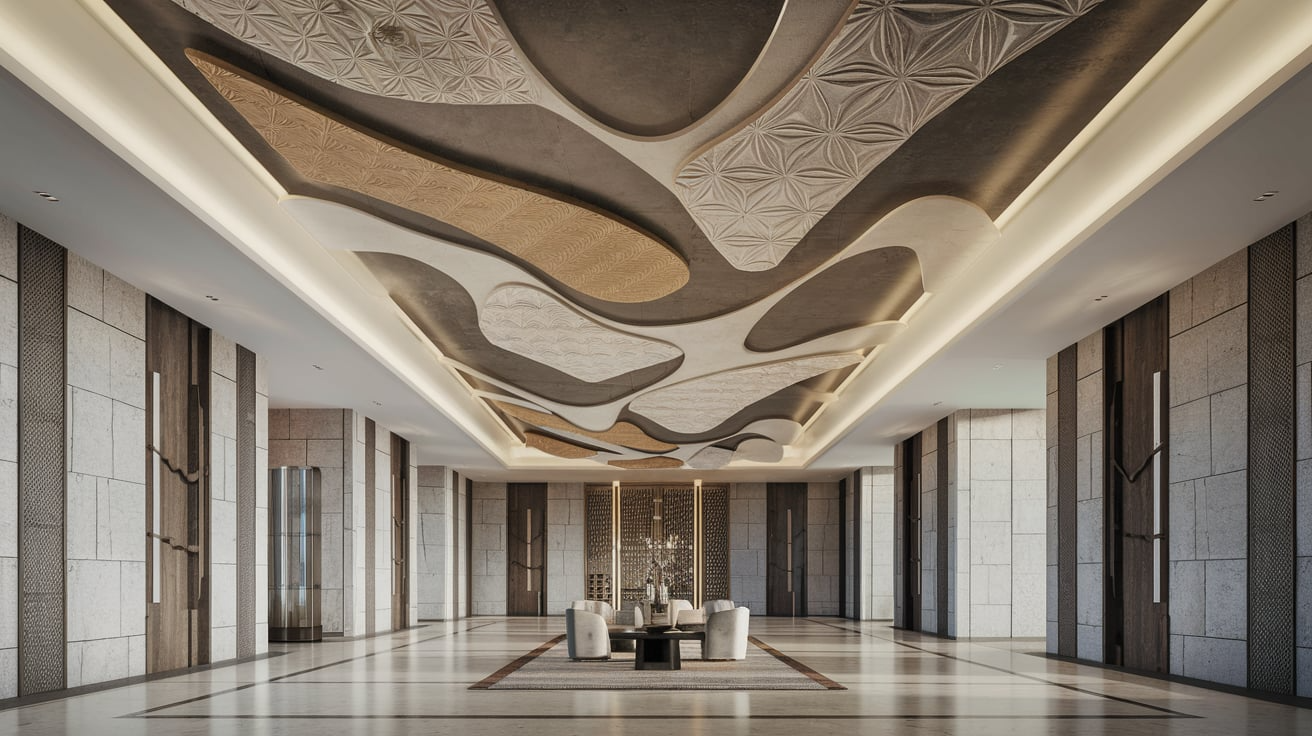
Textured or embossed designs add visual drama to your ceiling. These elements create shadows and highlights that change throughout the day.
3D elements can be geometric patterns, flowing shapes, or abstract designs. This is a bold choice for statement interiors.
Materials vary widely from gypsum to wood to metal. Proper lighting is crucial to show the full effect of textures.
11. Contrasting Color Fall Ceiling Design
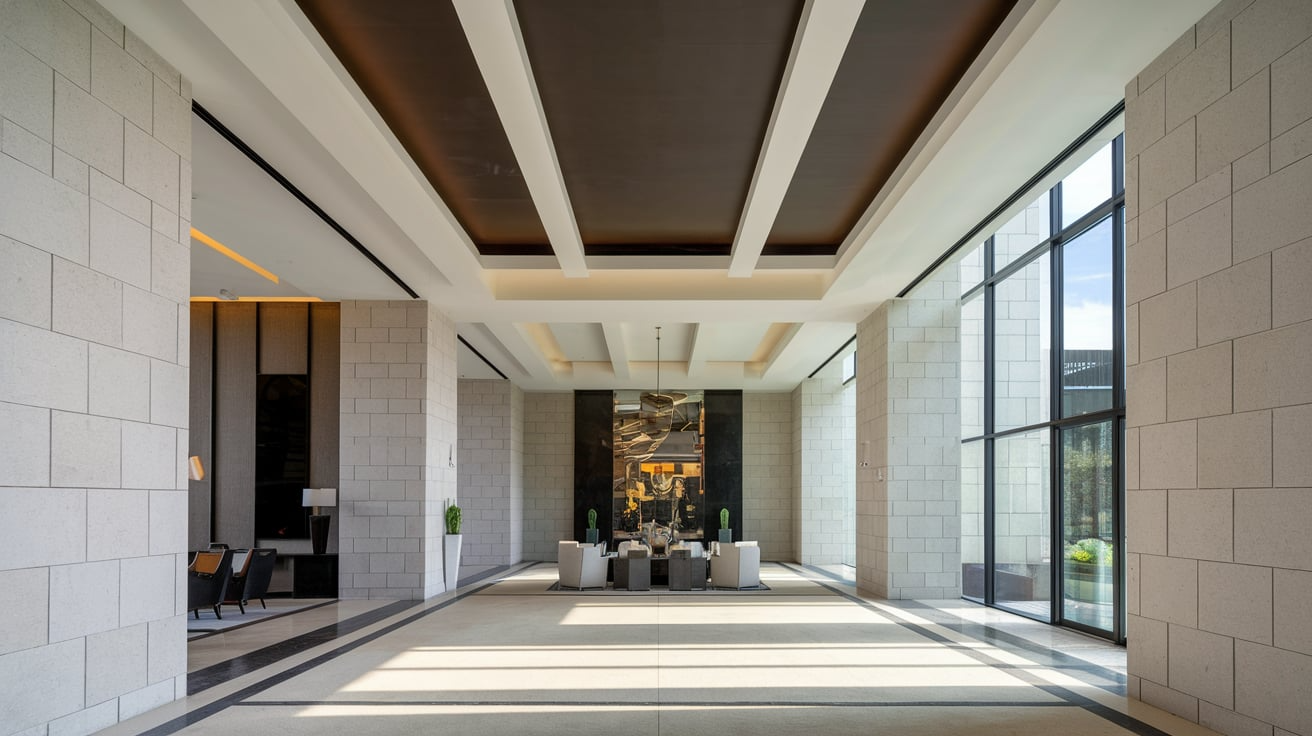
Using darker or lighter tones than your walls creates visual contrast and defines spaces. This simple technique has powerful results.
Dark ceilings make rooms feel intimate, while light ceilings make spaces feel larger. The contrast helps define zones in open areas.
This is one of the most budget-friendly options. Paint is inexpensive, and installation is straightforward.
Tips to Choose the Right Design
- Measure your ceiling height accurately before planning
- Consider your lighting needs for different activities
- Think about maintenance and cleaning requirements
- Match the design to your furniture style and room size
- Budget for both materials and professional installation
- Check local building codes for any restrictions
- Plan electrical work before starting construction
- Consider sound absorption if noise is a concern
- Think about future changes to your decor
- Get multiple quotes from qualified contractors
Conclusion
A well-designed fall ceiling transforms your main hall from ordinary to extraordinary. It’s an investment that adds both value and visual appeal to your home.
The right design depends on your space, budget, and personal style. Some designs are perfect for DIY enthusiasts, while others need professional installation.
Don’t rush the decision. Take time to consider how each design will work with your existing decor and lifestyle. The best ceiling design is one you’ll love for years to come.
Consider consulting with interior designers or contractors who specialize in ceiling work. Their expertise can help you avoid costly mistakes and achieve professional results.
Your main hall ceiling is an opportunity to make a lasting impression. Choose wisely, and your guests will remember your home long after they leave.
Frequently Asked Questions
How much does a modern fall ceiling cost?
Costs vary widely based on design complexity and materials. Simple designs start around $3-5 per square foot, while elaborate designs can cost $15-25 per square foot or more. Always get detailed quotes from multiple contractors before starting.
Can I install a false ceiling in a room with low ceilings?
Yes, but choose minimal designs that don’t drop too far. Single-layer ceilings or simple recessed designs work best in rooms under 9 feet high. Avoid complex patterns that will make the space feel cramped.
How long does fall ceiling installation take?
Simple designs take 2-3 days, while complex patterns or multiple layers can take 1-2 weeks. Weather and drying time for materials affect the timeline. Plan for some disruption to your daily routine during installation.
Do fall ceilings require special maintenance?
Most designs need only regular dusting and occasional paint touch-ups. Wood panels may need refinishing every few years, and LED lights eventually need replacement. Choose materials that match your maintenance preferences and schedule.
Can I change my fall ceiling design later?
Some designs are easier to modify than others. Simple painted designs can be changed easily, while complex 3D elements or embedded mirrors are more difficult to alter. Consider your long-term design preferences before making major investments.


