
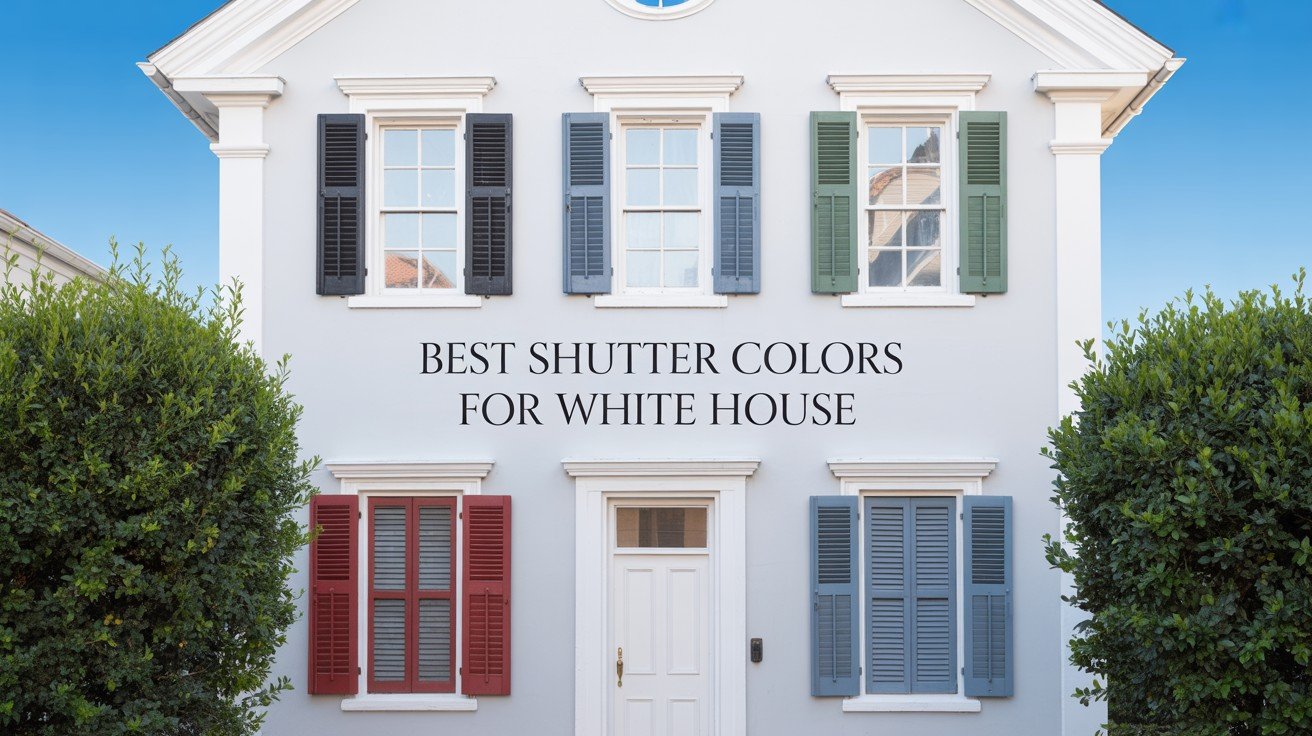
Your white house looks good. But it could look even better with the right shutters.
Finding the perfect shutter colors for your white house feels overwhelming. You want something that looks great but won’t hurt your home’s value.
You need colors that match your style and work with your neighborhood.
In this guide, you’ll learn:
- 27 proven shutter colors that look great on white houses
- How to match colors to your specific house style
- Testing methods to avoid costly mistakes
- Expert tips for different white paint undertones
I’ll help you choose shutter colors that boost your curb appeal and home value. You’ll get the confidence to make the right decision for your home.
Let’s find your perfect shutter color.
Why Shutter Color Matters for a White House
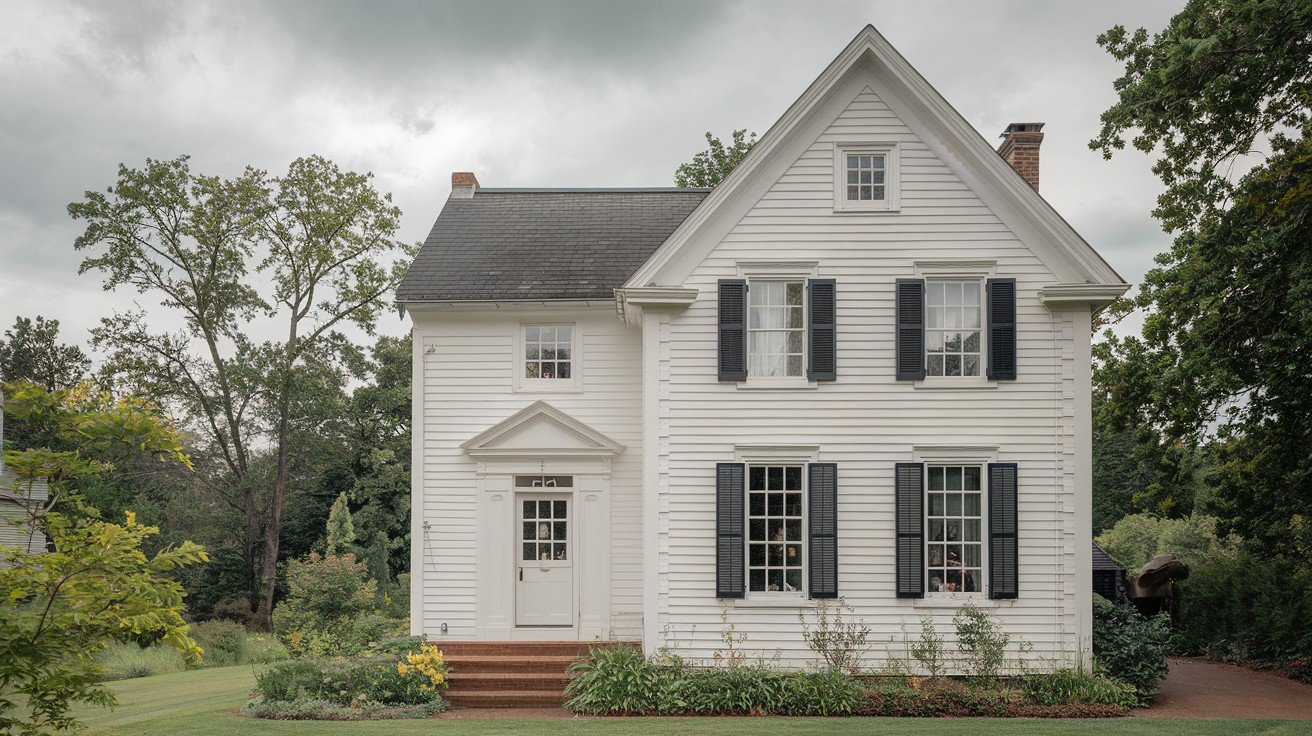
White houses are popular for good reason. They’re clean, classic, and timeless. But they can also look plain without the right accents. Shutters solve this problem.
They create contrast against your white siding. This makes your home look more interesting and put-together.
The right shutter color can:
- Make your house look bigger
- Highlight your best features
- Hide problem areas
- Increase your home’s value
Think of shutters as jewelry for your house. They’re the finishing touch that makes everything look complete.
Factors to Consider Before Choosing Shutter Colors
Don’t rush into picking a color. Take time to think about these important factors first.
Your home’s style matters most. A farmhouse needs different colors than a modern home. Colonial styles work with certain colors that would look wrong on a craftsman house.
Your roof color is your second biggest factor. Dark roofs pair well with darker shutters. Light roofs give you more flexibility.
Your landscape plays a role too. If you have lots of green plants, certain shutter colors will blend better than others. Your neighborhood shouldn’t be ignored. You want to fit in while still standing out.
Look at what colors work well on nearby homes.
Maintenance is practical but important. Some colors show dirt faster than others. Dark colors fade less than bright ones.
Top 27 Shutter Colors for a White House
Here are the best shutter colors I recommend for white houses. Each one creates a different look and feel.
1. Classic Black: Timeless and Clean
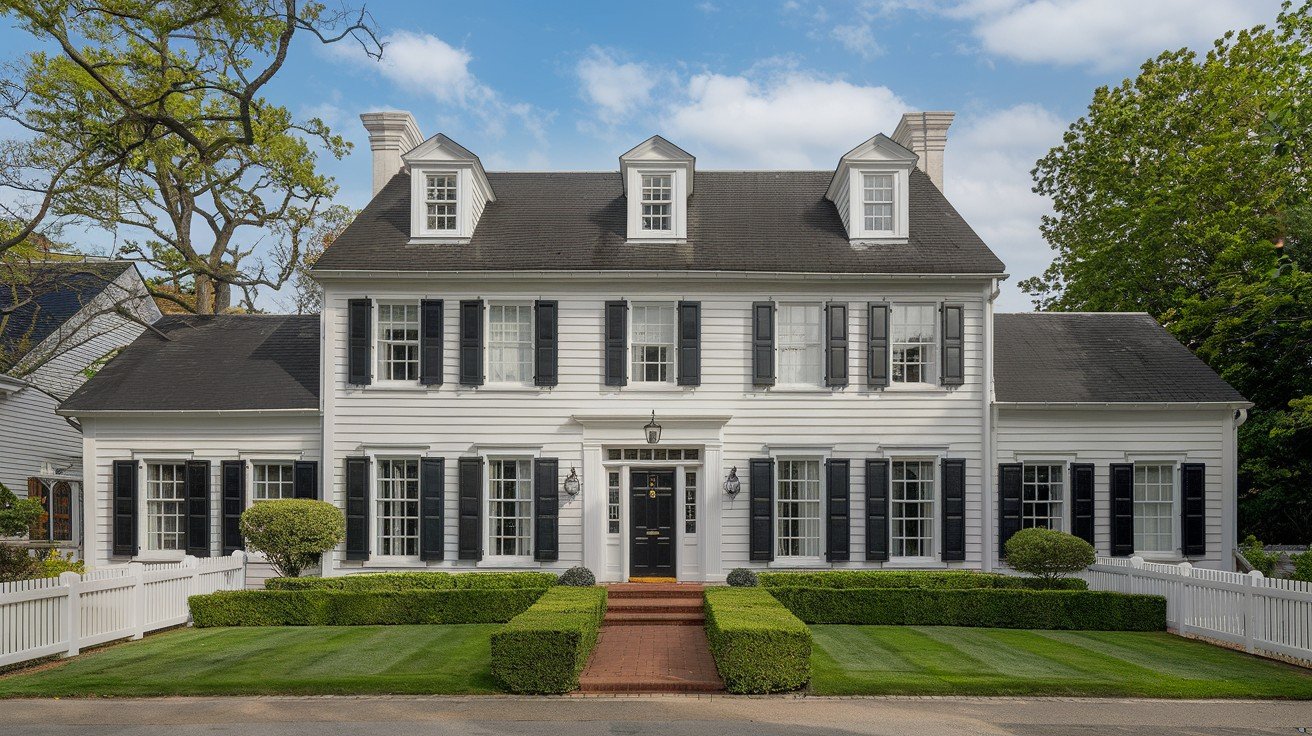
Black shutters are the most popular choice for white houses. There’s a good reason why.
Black works with everything. It doesn’t matter what style your house is. Black shutters always look right.
They create strong contrast without being too bold. Black shutters make your white house look crisp and clean. They also hide dirt well and never go out of style.
Best for: Any house style, especially Colonial and Farmhouse
2. Navy Blue: Classic Coastal Vibes
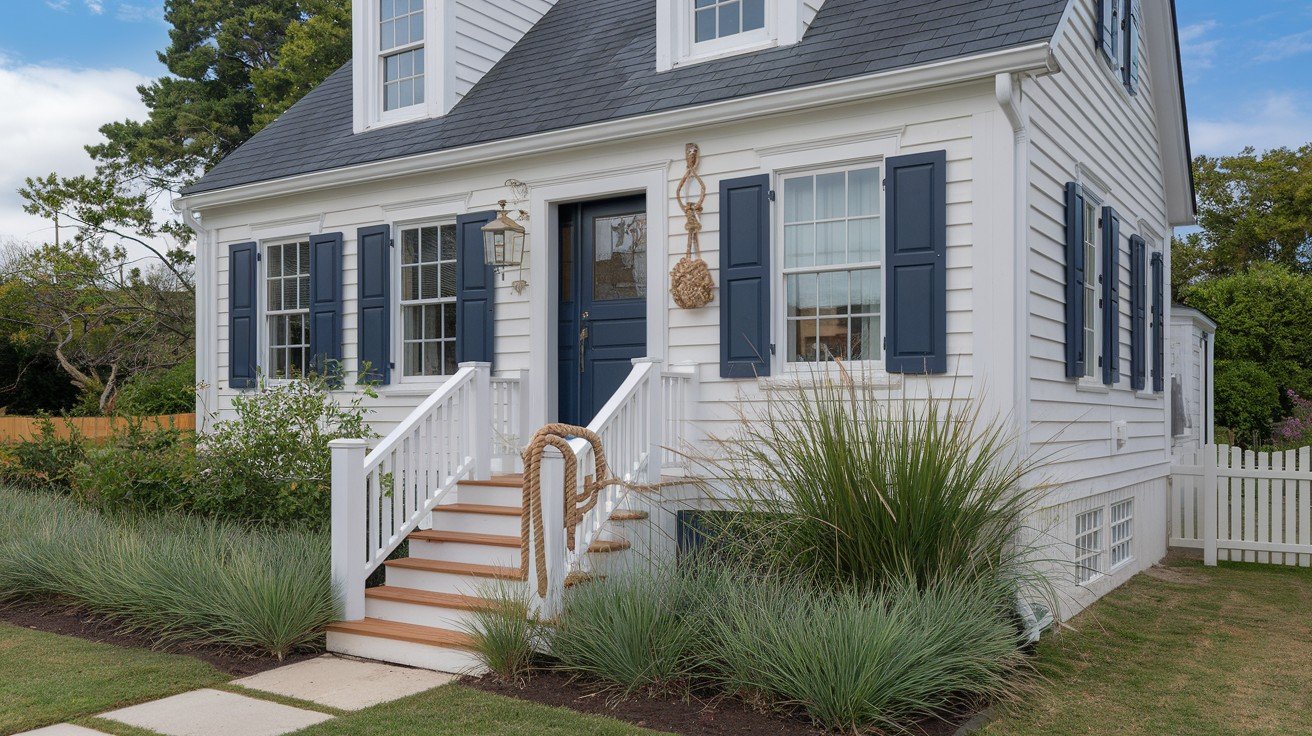
Navy blue shutters give your white house a coastal feel. They’re classic but not as stark as black.
This color works especially well if you live near water. Navy blue feels calm and peaceful. It’s also formal enough for traditional house styles.
Navy blue shutters look great with white trim. They create a nautical theme that feels fresh and timeless.
Best for: Cape Cod, Colonial, and Coastal styles
3. Forest Green: Nature-Inspired Calm
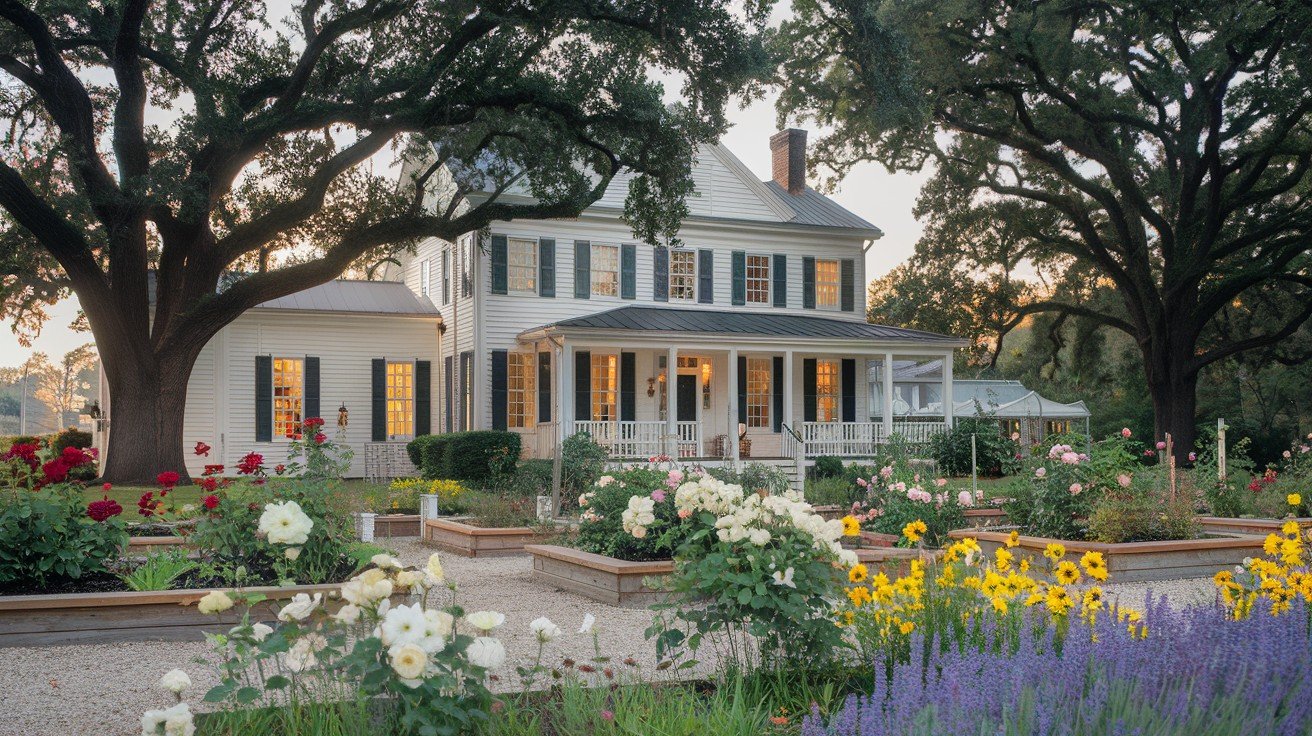
Forest green shutters bring nature to your white house. This deep, rich green feels organic and welcoming.
Green shutters blend beautifully with landscaping. They make your house feel like it belongs in its setting. Forest green is also traditional enough for historic homes.
This color works year-round. It looks great with spring flowers and fall leaves.
Best for: Traditional, Colonial, and Farmhouse styles
4. Charcoal Gray: Sleek & Modern
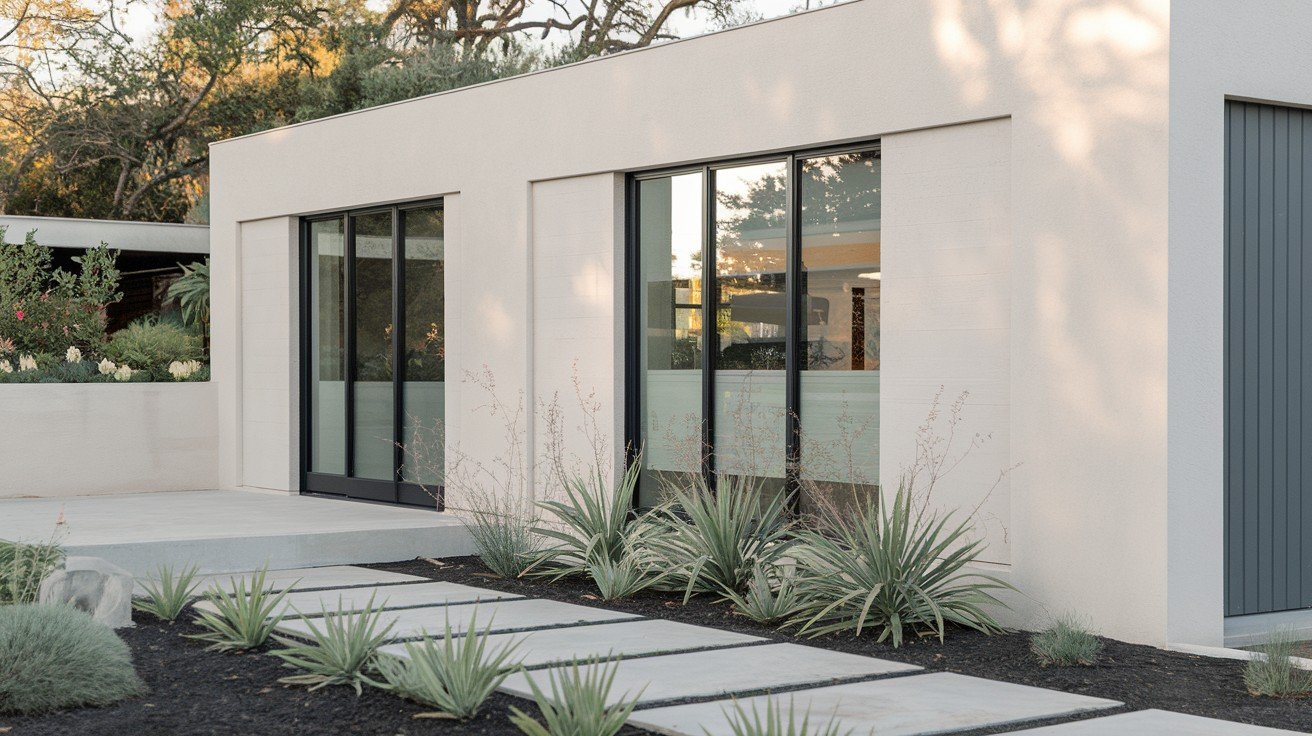
Charcoal gray shutters are perfect for modern white houses. They’re softer than black but still create strong contrast.
Gray feels contemporary and clean. It’s neutral enough to work with different accent colors. Charcoal gray also hides dirt and wears well.
This color bridges traditional and modern styles. It’s safe but still interesting.
Best for: Modern, Contemporary, and Transitional styles
5. Barn Red: Rustic & Bold
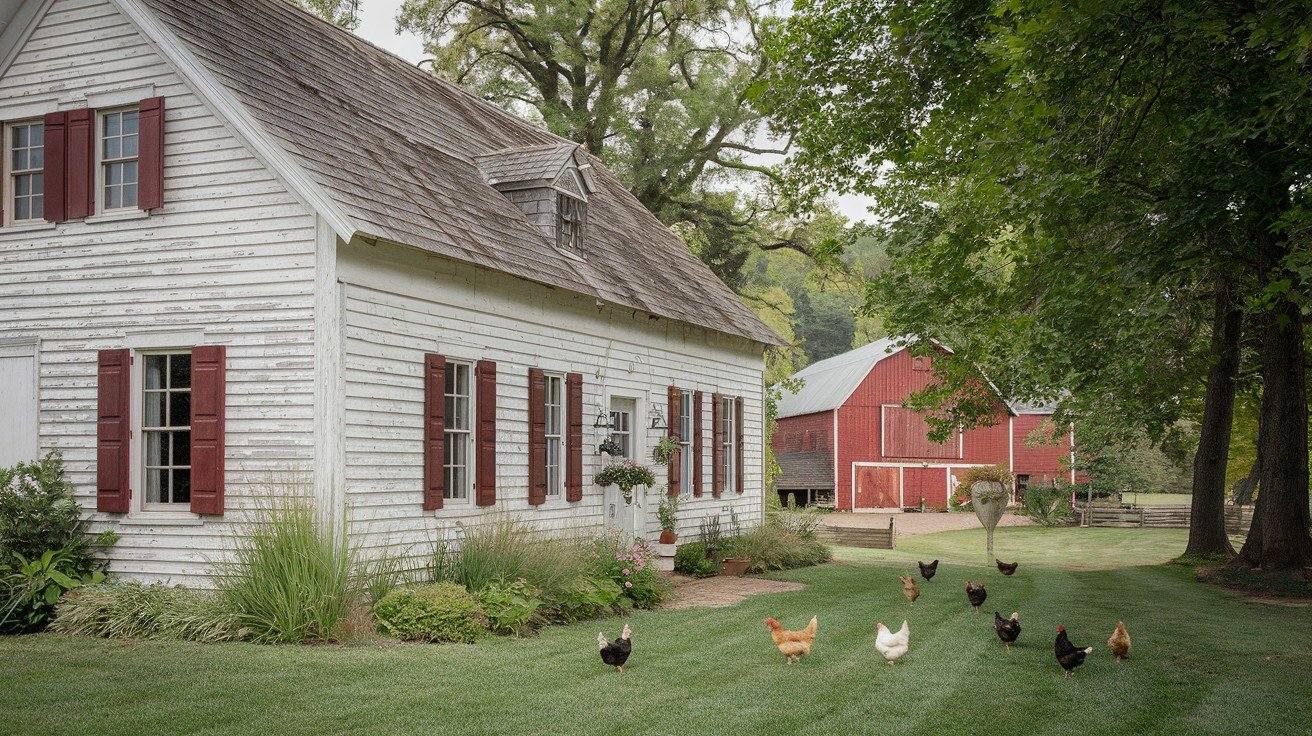
Barn red shutters make a statement on white houses. This color is bold but still traditional.
Red shutters give your house a country feel. They’re warm and inviting. Barn red also has historical significance in American architecture.
Be careful with this color. It’s strong, so make sure it fits your neighborhood and style.
Best for: Farmhouse, Country, and Rustic styles
6. Dusty Blue: Soft and Serene
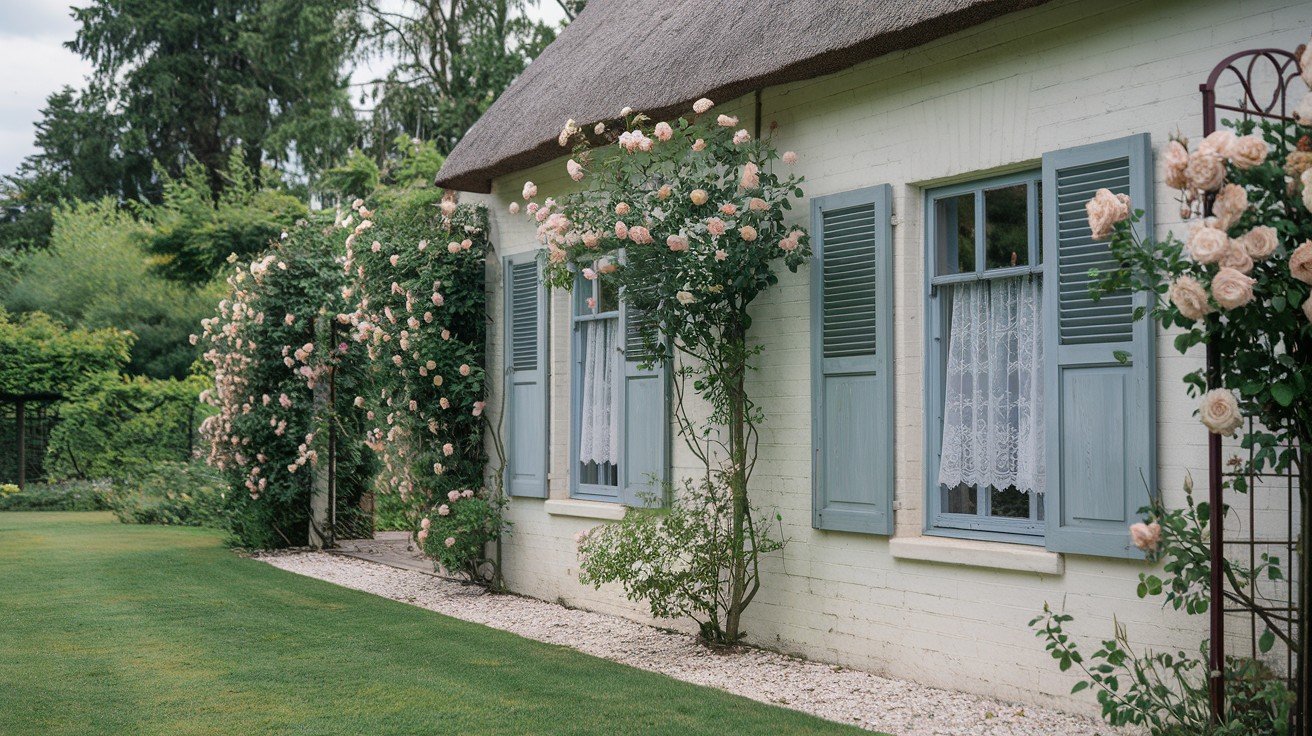
Dusty blue shutters create a soft, peaceful look on white houses. This color is gentle and welcoming.
Blue shutters feel calming and fresh. Dusty blue is muted enough to work with many different styles. It’s also popular in shabby chic and cottage designs.
This color works well with white and cream trim. It creates a monochromatic look that’s very soothing.
Best for: Cottage, Shabby Chic, and Coastal styles
7. Olive Green: Earthy and Organic
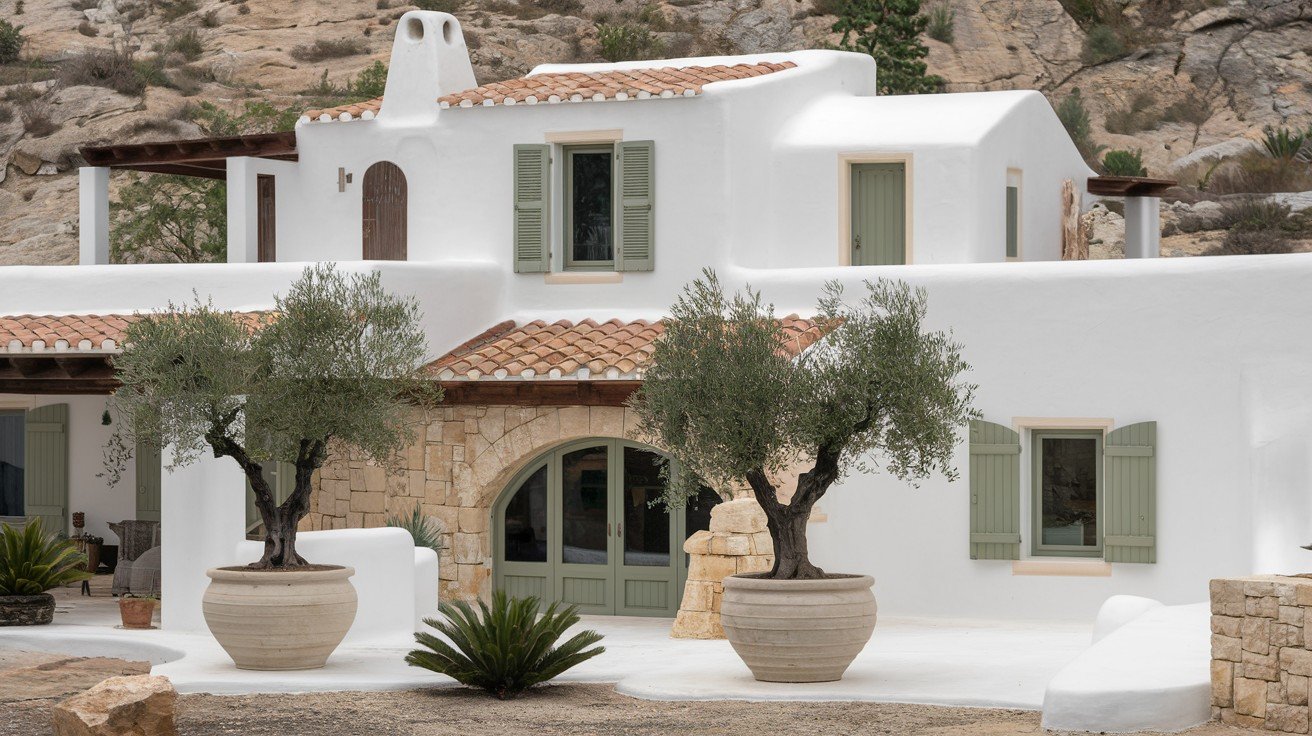
Olive green shutters give white houses an earthy, natural feel. This color is mature and unexpected.
Olive green works well with natural materials like stone and wood. It’s also neutral enough to work with many different accent colors.
This color ages beautifully. It looks better as it weathers slightly.
Best for: Mediterranean, Craftsman, and Contemporary styles
8. Deep Plum: Moody and Unexpected
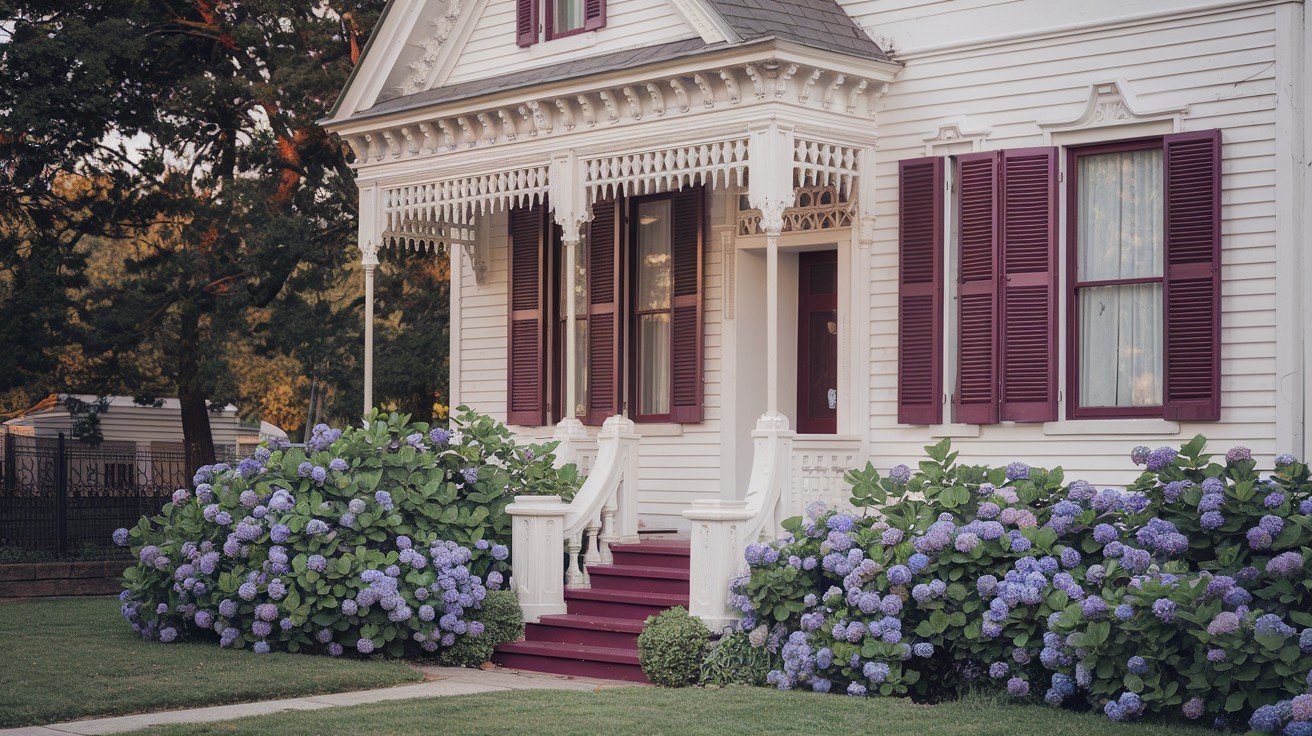
Deep plum shutters create drama on white houses. This color is rich and formal.
Purple shutters are unexpected but refined. Deep plum works especially well with white houses that have other purple accents in the landscaping.
This color needs confidence. Make sure you love it before committing.
Best for: Victorian, Eclectic, and Contemporary styles
9. Bronze: Metallic Warmth
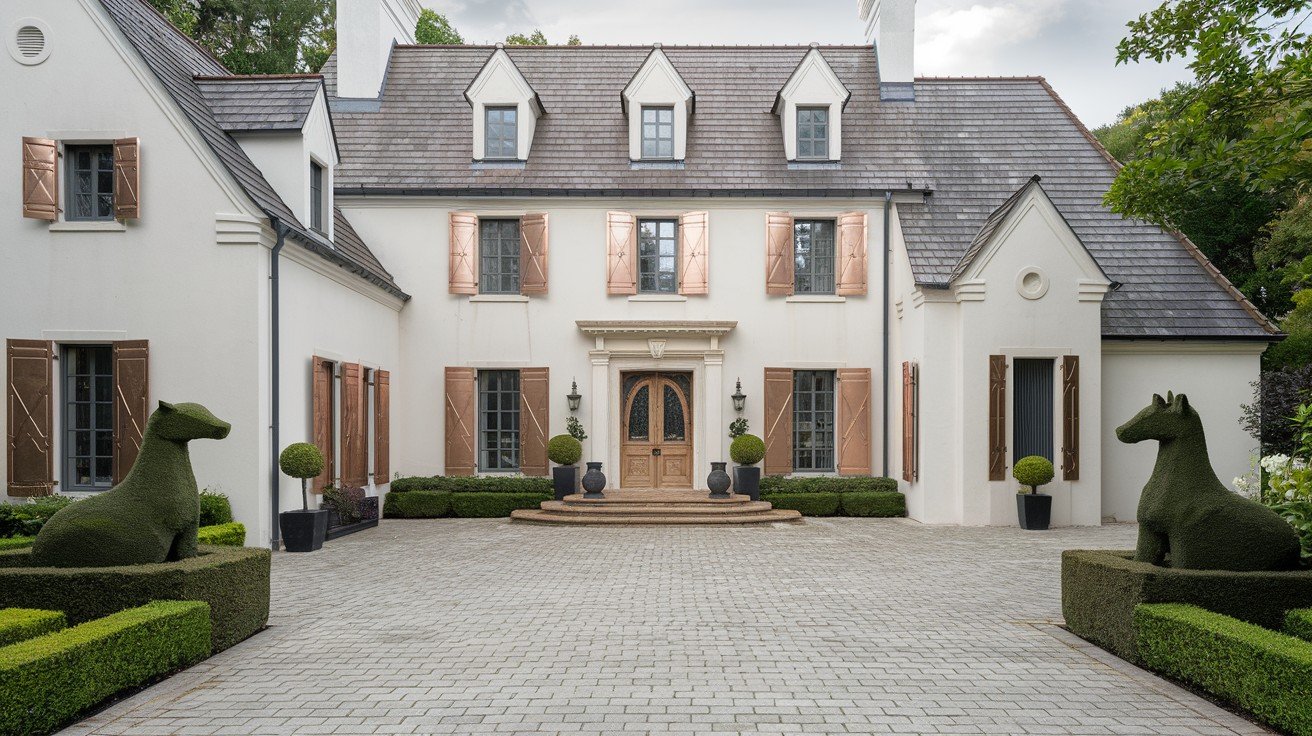
Bronze shutters add warmth and richness to white houses. This color has metallic depth that changes in different light.
Bronze feels luxurious and refined. It works well with other warm metals like copper and brass. This color also complements natural materials.
Bronze shutters photograph beautifully. They add depth and interest to your home’s exterior.
Best for: Traditional, Mediterranean, and Luxury styles
10. Chocolate Brown: Rich and Traditional
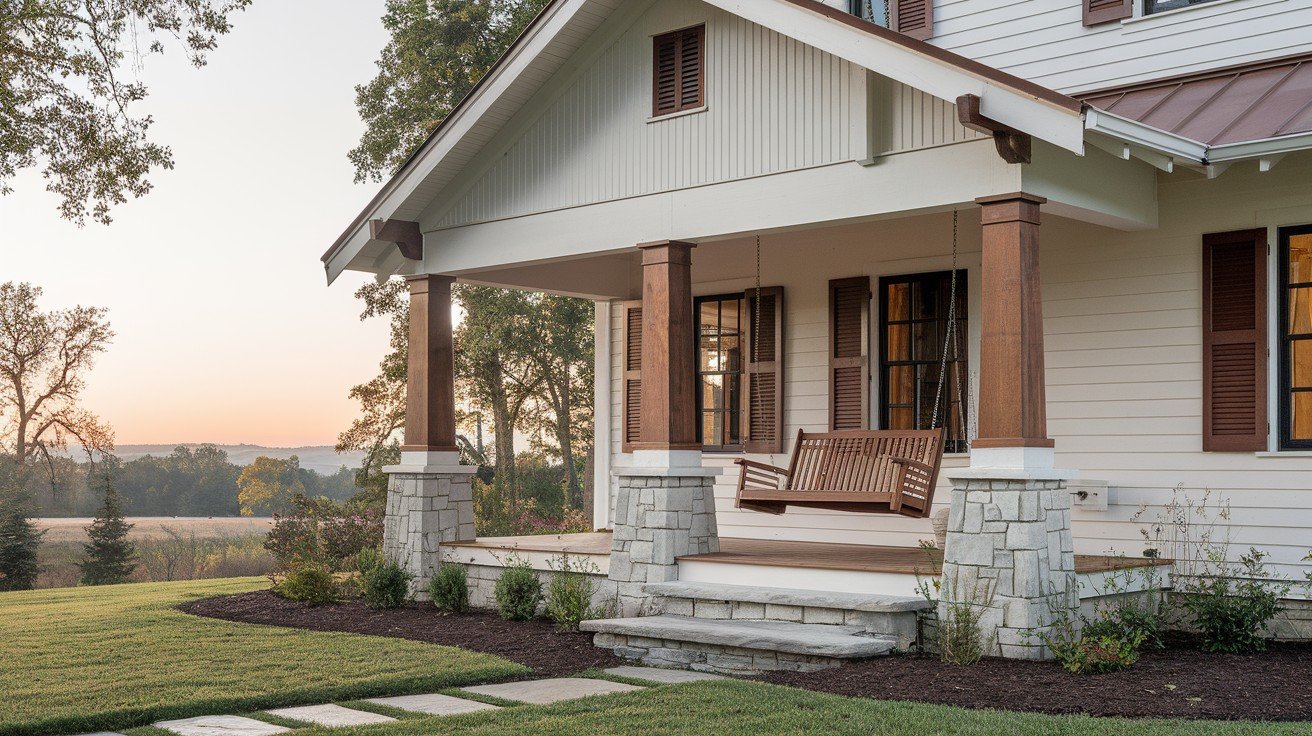
Chocolate brown shutters create a rich, traditional look on white houses. This color is warm and inviting.
Brown shutters feel natural and organic. They work well with wood accents and natural landscaping. Chocolate brown is also practical – it hides dirt well.
This color works in all seasons. It looks great with spring flowers and autumn leaves.
Best for: Traditional, Colonial, and Craftsman styles
11. Slate Blue: Cool and Contemporary
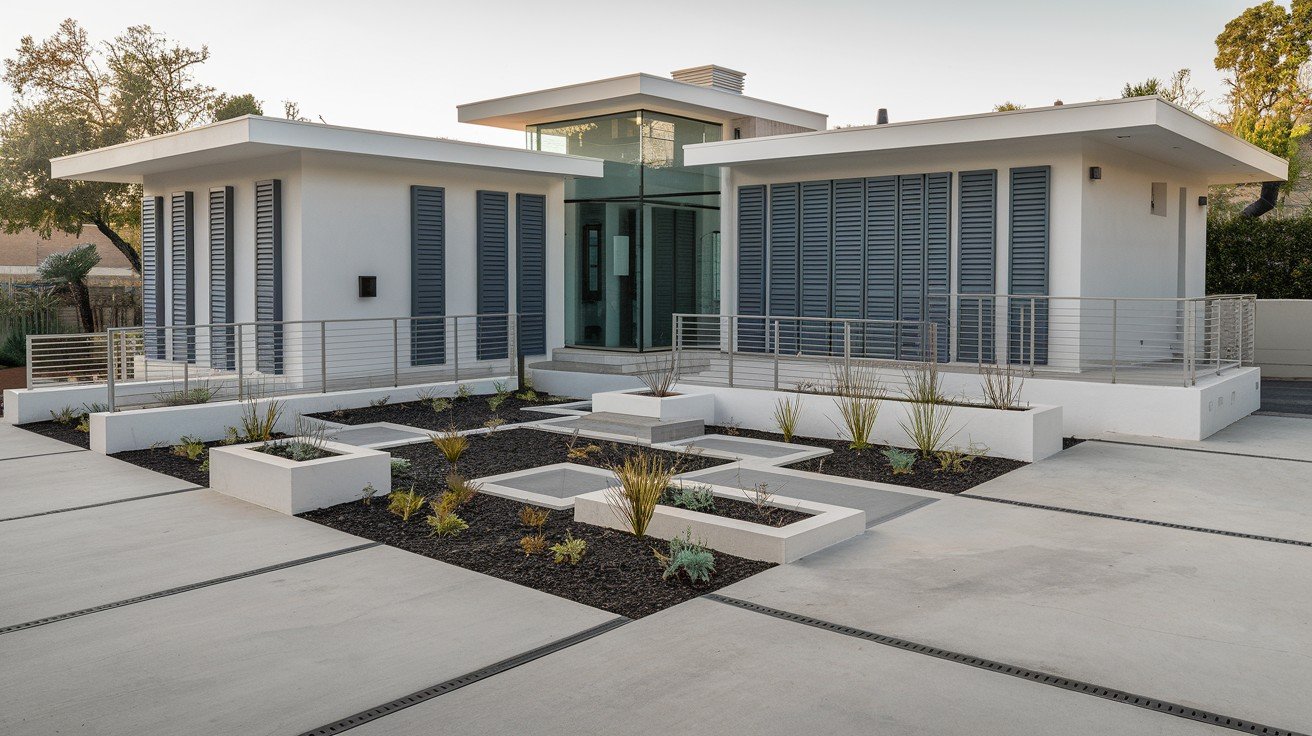
Slate blue shutters give white houses a contemporary edge. This color is mature and modern.
Blue-gray shutters feel cool and calming. Slate blue works well with modern architecture and clean lines. It’s also neutral enough to work with many accent colors.
This color changes throughout the day. It looks different in morning and evening light.
Best for: Modern, Contemporary, and Transitional styles
12. Burgundy: Deep Classic Red
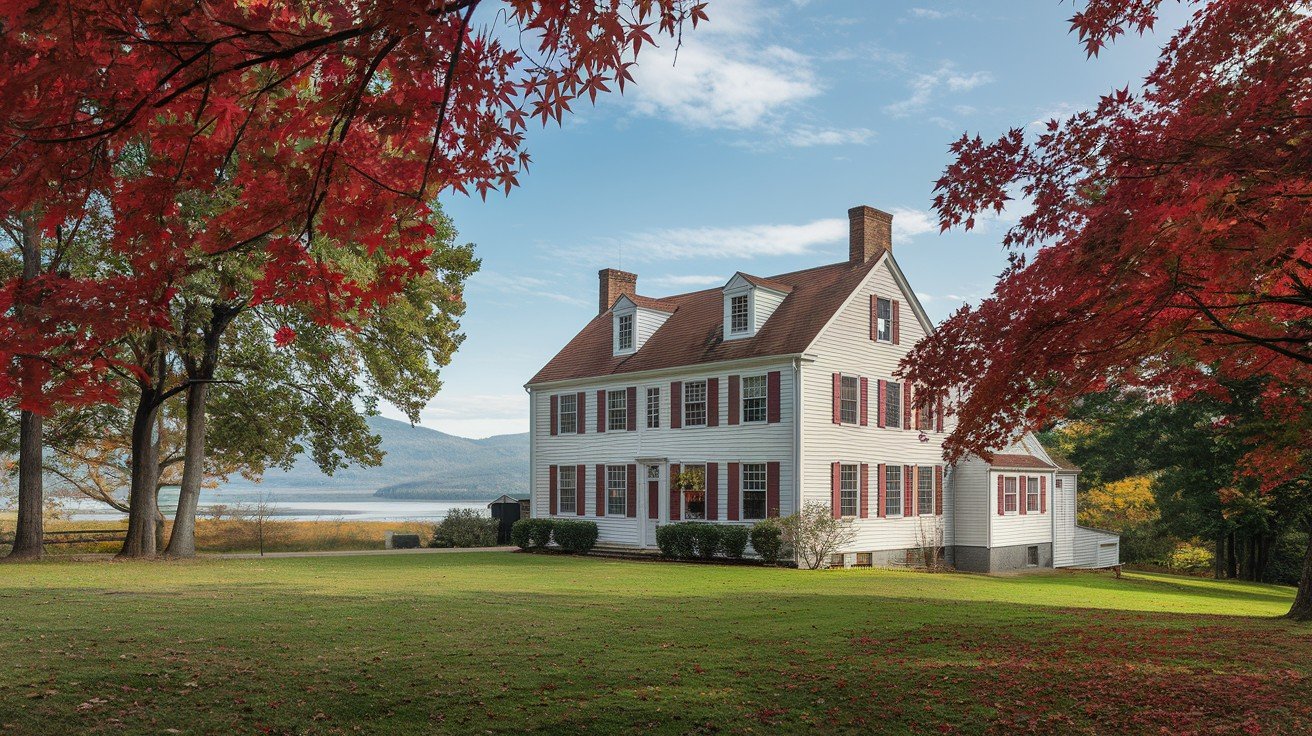
Burgundy shutters create a rich, classic look on white houses. This color is formal and traditional.
Deep red shutters feel formal and refined. Burgundy works well with brick accents and traditional architecture. It’s also rich enough to work year-round.
This color has historical significance. It’s been used on American homes for centuries.
Best for: Colonial, Traditional, and Historic styles
13. Sage Green: Understated Natural Hue
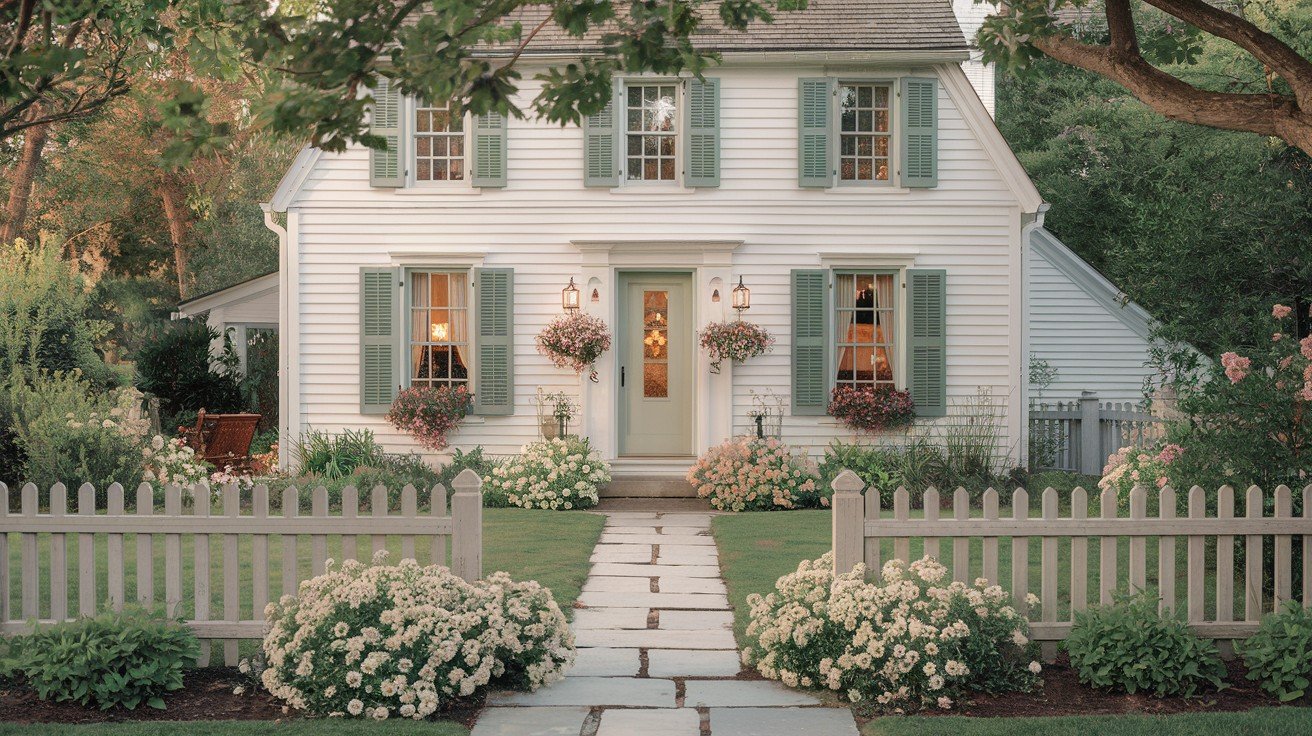
Sage green shutters create a soft, natural look on white houses. This color is calm and mature.
Green-gray shutters feel organic and peaceful. Sage green works well with natural materials and soft landscaping. It’s also neutral enough to work with many styles.
This color is very versatile. It works with both warm and cool accent colors.
Best for: Cottage, Farmhouse, and Contemporary styles
14. Soft Taupe: Clean Neutral
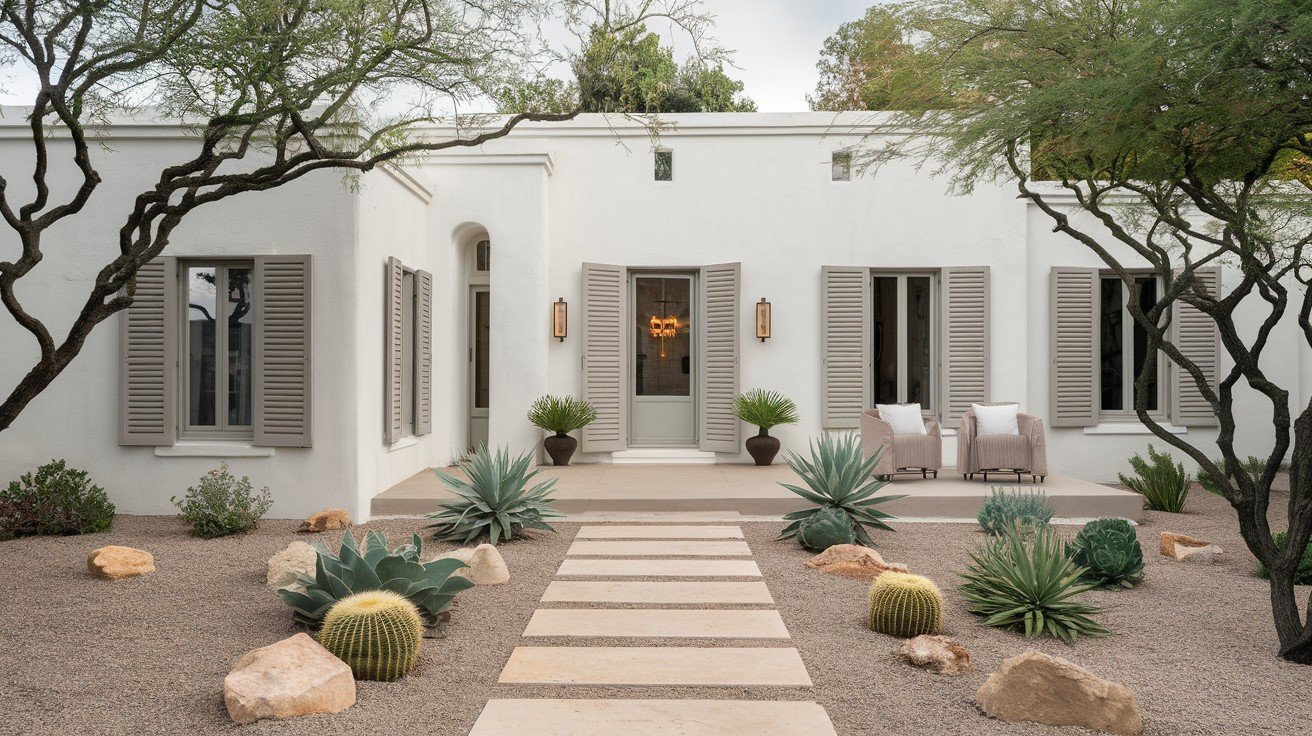
Soft taupe shutters create a refined, neutral look on white houses. This color is mature and timeless.
Taupe shutters feel warm and welcoming. They work well with natural materials and earth tones. Soft taupe is also practical – it hides dirt and wear.
This color is very safe. It works with almost any style and setting.
Best for: Traditional, Transitional, and Contemporary styles
15. Hunter Green: Strong and Evergreen
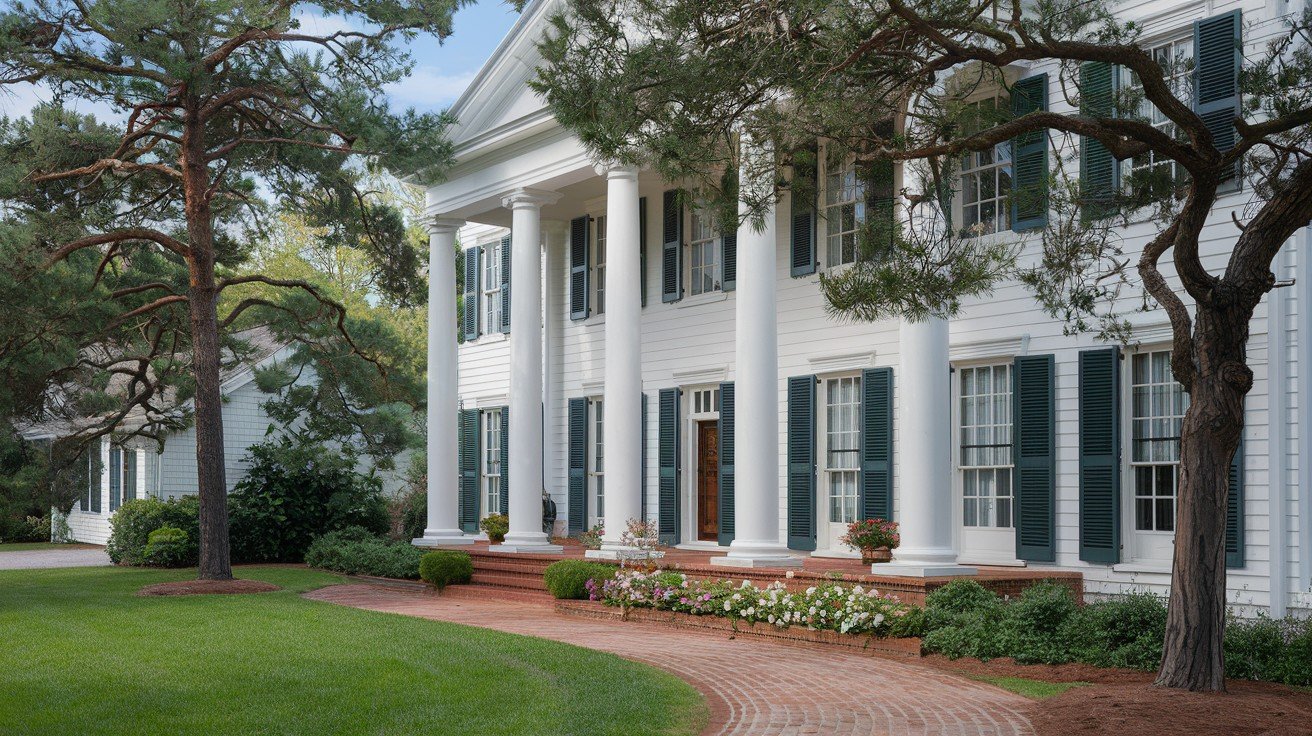
Hunter green shutters create a strong, traditional look on white houses. This color is bold and classic.
Dark green shutters feel natural and mature. Hunter green works well with brick accents and traditional architecture. It’s also rich enough to work year-round.
This color has staying power. It’s been popular for decades and won’t go out of style.
Best for: Colonial, Traditional, and Historic styles
16. Terracotta: Warm Mediterranean Flair
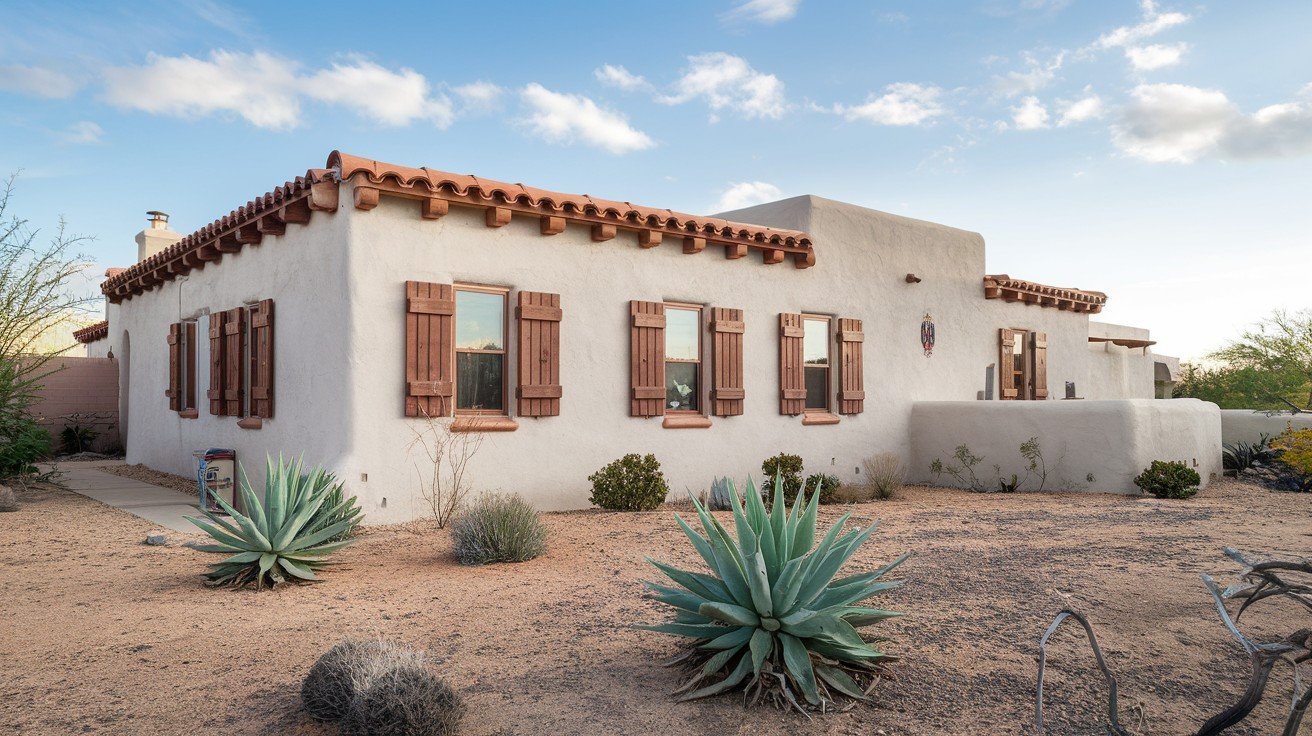
Terracotta shutters give white houses a warm, Mediterranean feel. This color is earthy and mature.
Orange-red shutters feel warm and inviting. Terracotta works well with natural materials and warm climates. It’s also different enough to make your house stand out.
This color works best in certain climates. It looks most natural in warm, dry areas.
Best for: Mediterranean, Southwestern, and Contemporary styles
17. Pewter: Neutral with an Edge
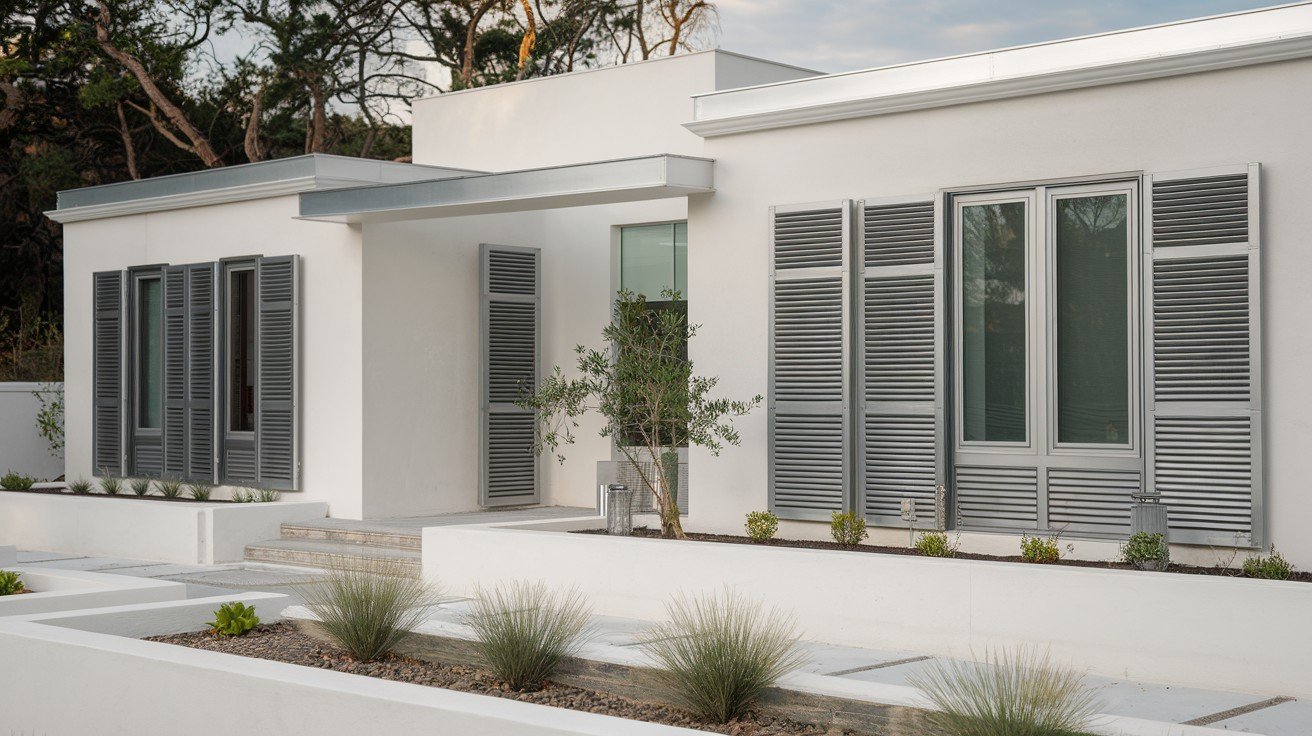
Pewter shutters create a refined, neutral look on white houses. This color has depth and interest.
Gray-silver shutters feel modern and clean. Pewter works well with contemporary architecture and clean lines. It’s also neutral enough to work with many accent colors.
This color has metallic undertones. It changes slightly in different light conditions.
Best for: Modern, Contemporary, and Transitional styles
18. Mustard Yellow: Bold and Playful
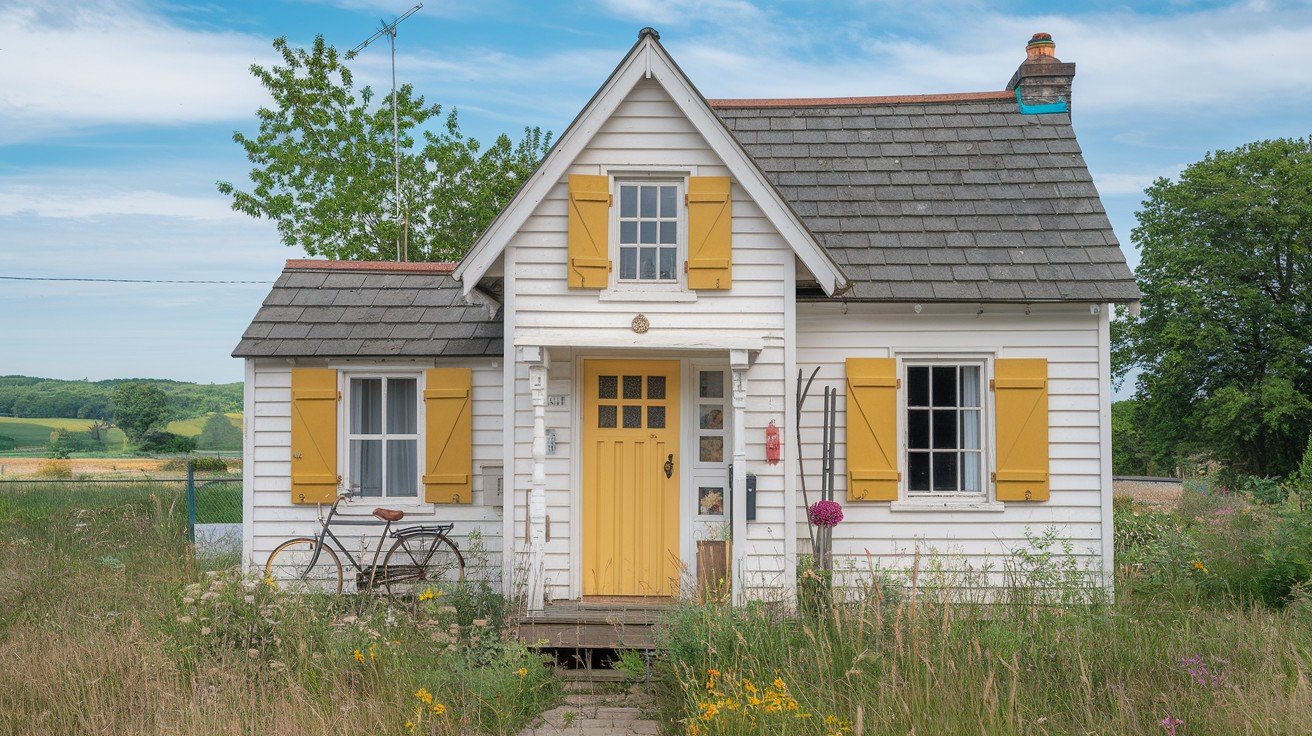
Mustard yellow shutters create a bold, cheerful look on white houses. This color is unexpected and fun.
Yellow shutters feel warm and welcoming. Mustard yellow works well with country and cottage styles. It’s also bright enough to make your house stand out.
This color needs the right setting. Make sure it fits your neighborhood and style.
Best for: Cottage, Country, and Eclectic styles
19. Sky Blue: Fresh and Airy
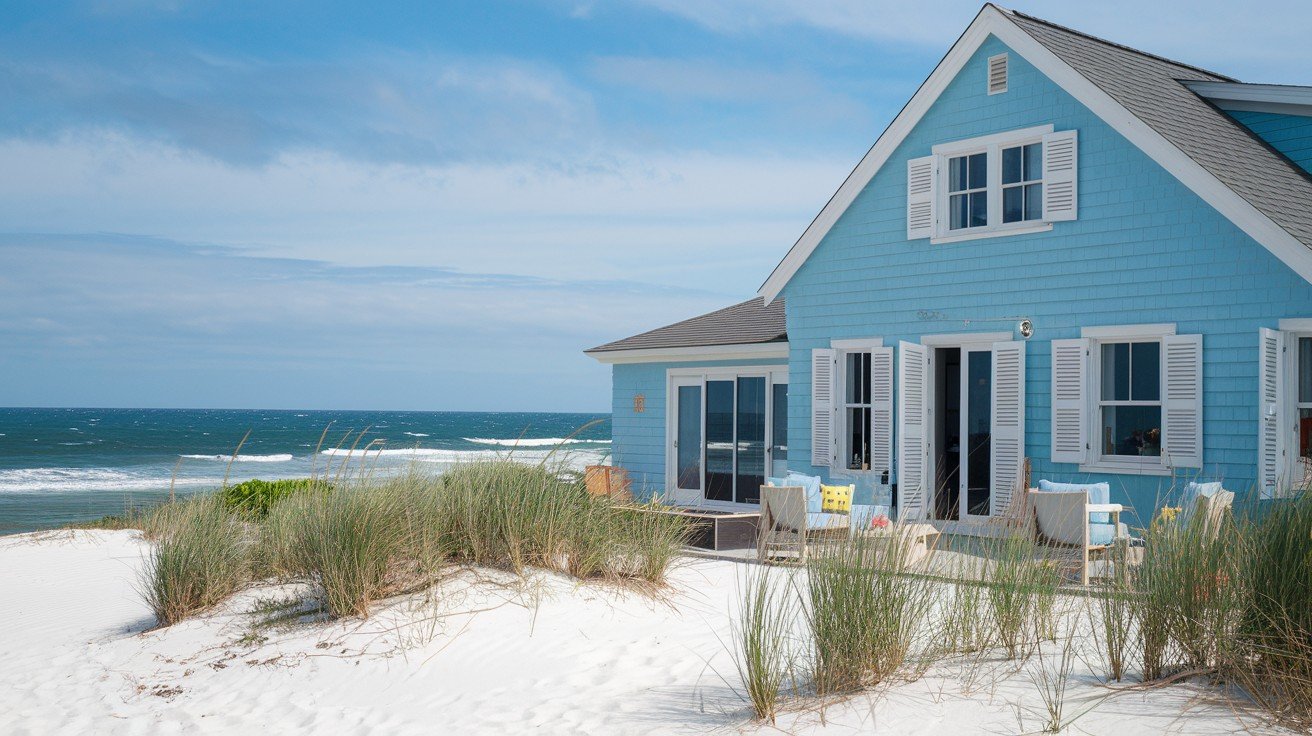
Sky blue shutters create a fresh, airy look on white houses. This color is light and peaceful.
Light blue shutters feel calm and welcoming. Sky blue works well with coastal and cottage styles. It’s also soft enough to work with many different accents.
This color feels seasonal. It looks especially good in spring and summer.
Best for: Coastal, Cottage, and Shabby Chic styles
20. Warm Beige: Soft and Balanced
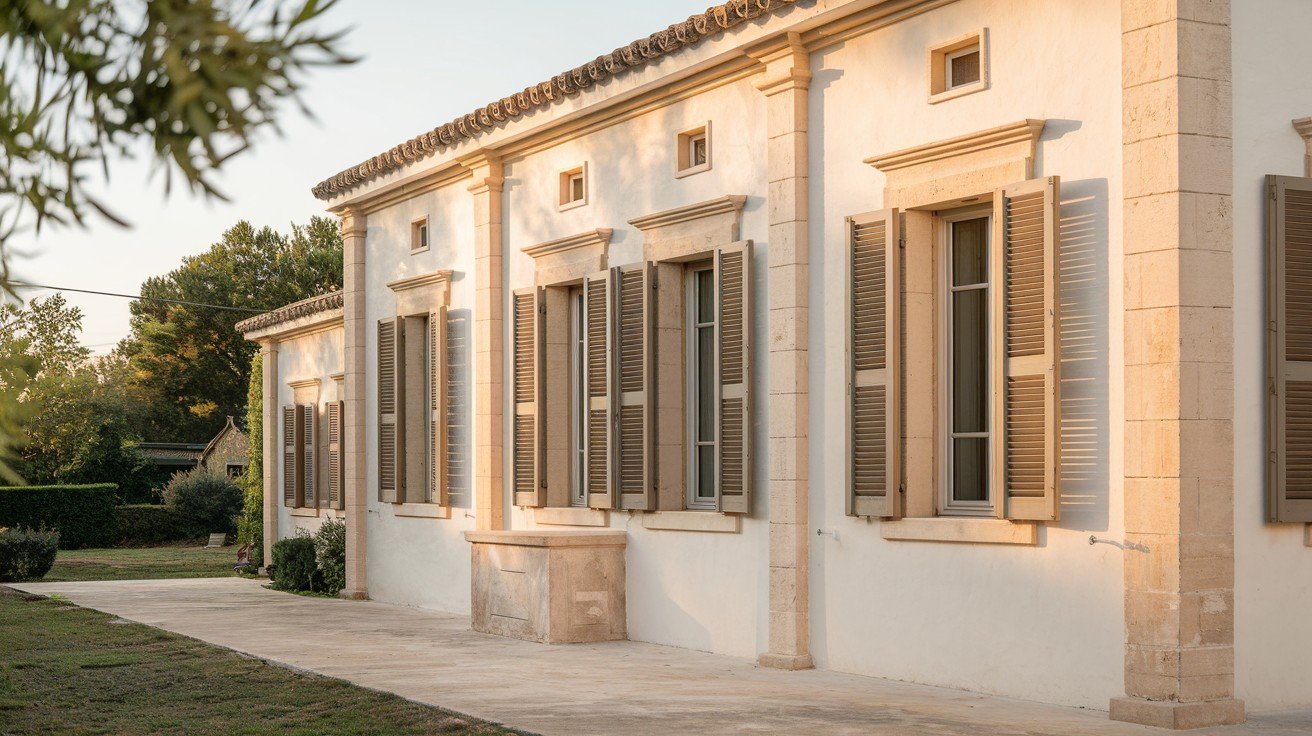
Warm beige shutters create a soft, balanced look on white houses. This color is neutral and mature.
Beige shutters feel warm and welcoming. They work well with natural materials and earth tones. Warm beige is also practical – it hides dirt and wears well.
This color is very versatile. It works with both traditional and modern styles.
Best for: Traditional, Transitional, and Contemporary styles
21. Teal: Vibrant Yet Classy
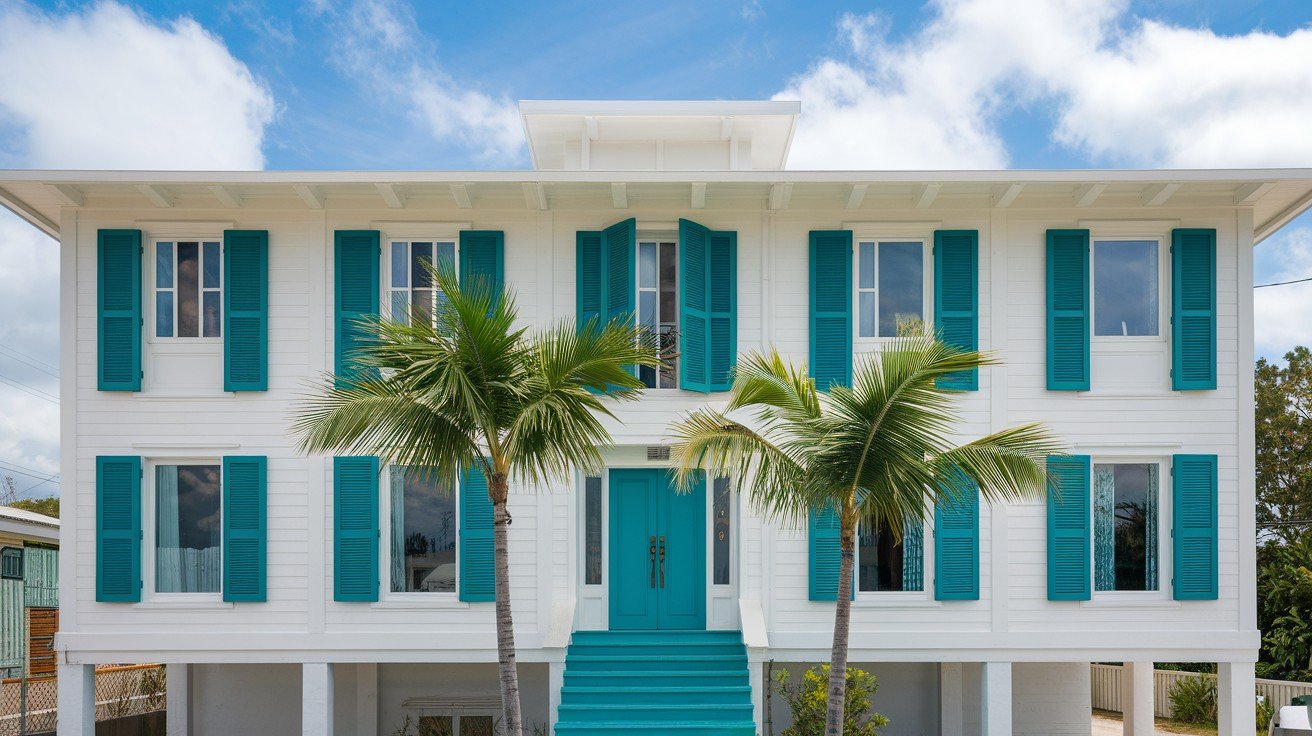
Teal shutters create a vibrant, classy look on white houses. This color is bold but refined.
Blue-green shutters feel fresh and modern. Teal works well with coastal and contemporary styles. It’s also different enough to make your house memorable.
This color has personality. It’s perfect if you want something different but still refined.
Best for: Coastal, Contemporary, and Eclectic styles
22. Greige: Modern Minimalist Favorite
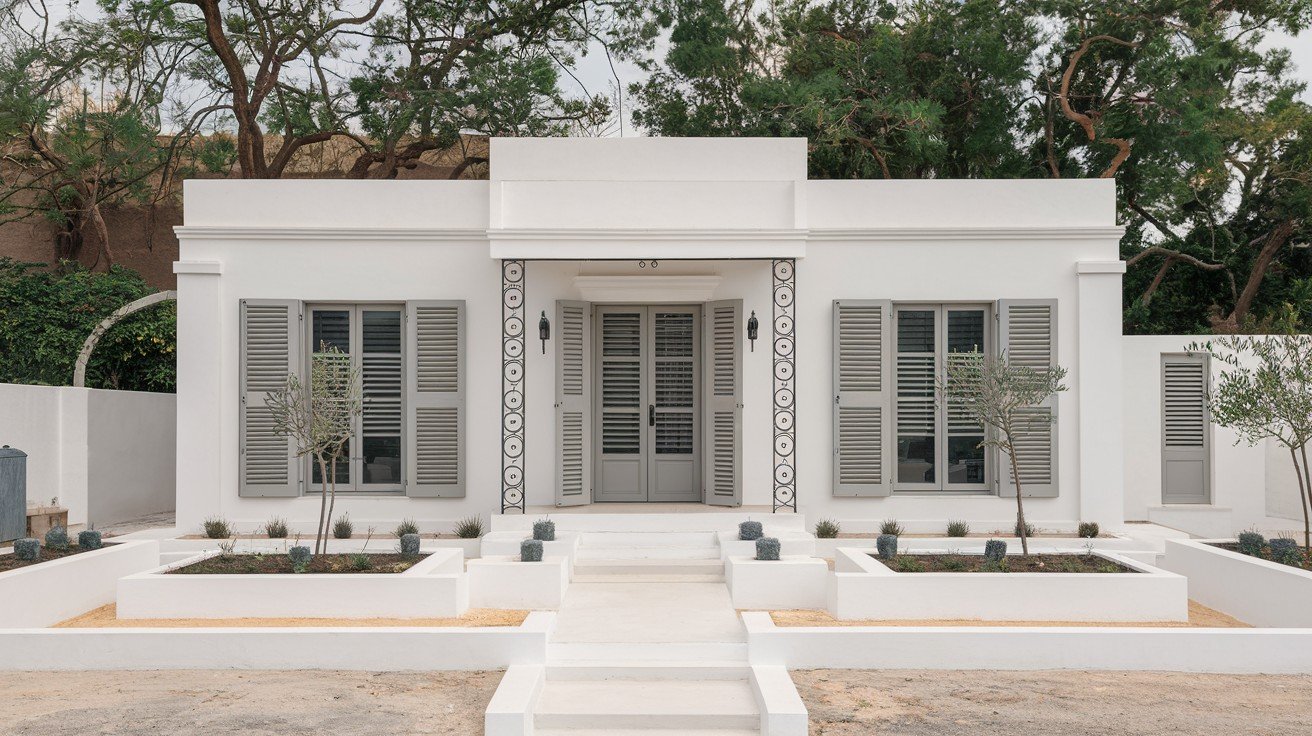
Greige shutters create a modern, minimalist look on white houses. This color is mature and current.
Gray-beige shutters feel contemporary and clean. Greige works well with modern architecture and neutral palettes. It’s also neutral enough to work with many accent colors.
This color is very popular right now. It’s the perfect blend of gray and beige.
Best for: Modern, Contemporary, and Minimalist styles
23. Mahogany: Rich Wooden Appeal
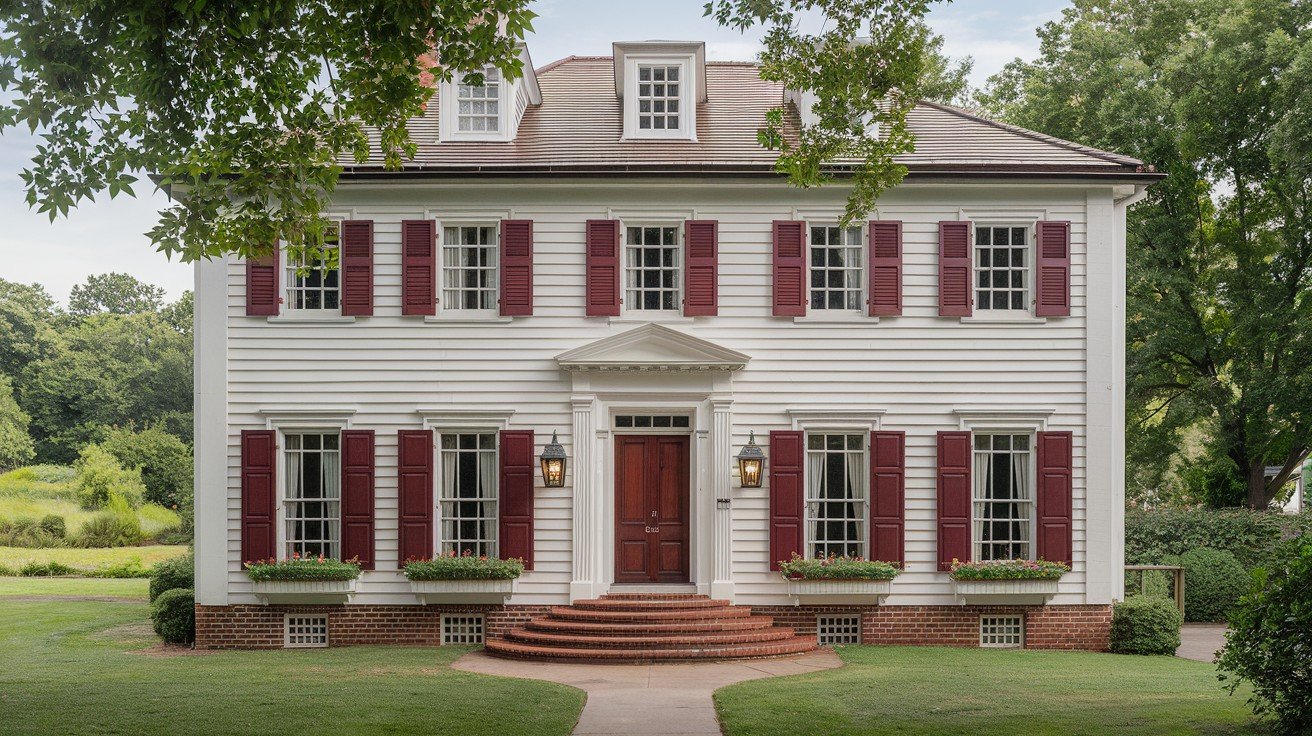
Mahogany shutters create a rich, wooden look on white houses. This color is warm and traditional.
Brown-red shutters feel natural and mature. Mahogany works well with wood accents and traditional architecture. It’s also rich enough to work year-round.
This color mimics natural wood. It’s perfect if you want the wood look without the maintenance.
Best for: Traditional, Colonial, and Craftsman styles
24. Midnight Blue: Almost Black, But Deeper
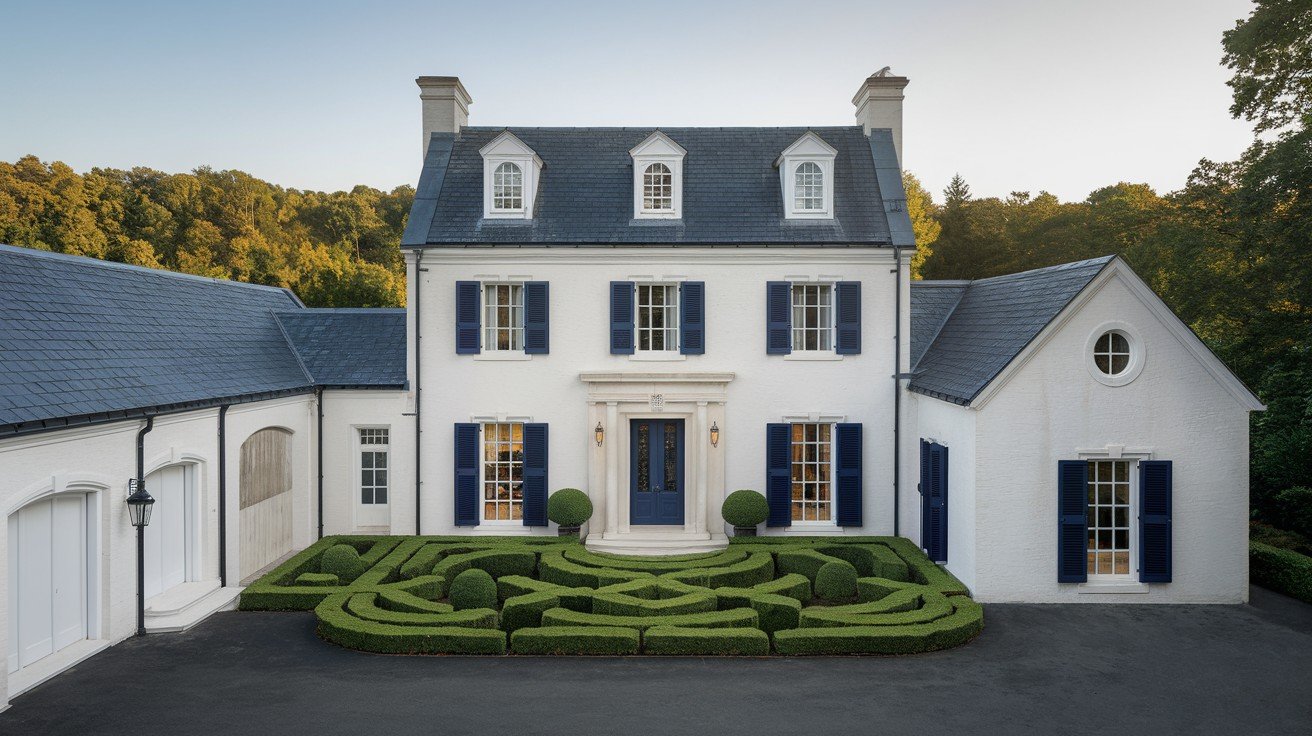
Midnight blue shutters create a deep, refined look on white houses. This color is dramatic and clean.
Very dark blue shutters feel rich and mysterious. Midnight blue works well with formal architecture and refined styles. It’s also dark enough to hide dirt well.
This color is almost black. It gives you drama without being too stark.
Best for: Colonial, Traditional, and Luxury styles
25. Burnt Orange: Southwestern Accent
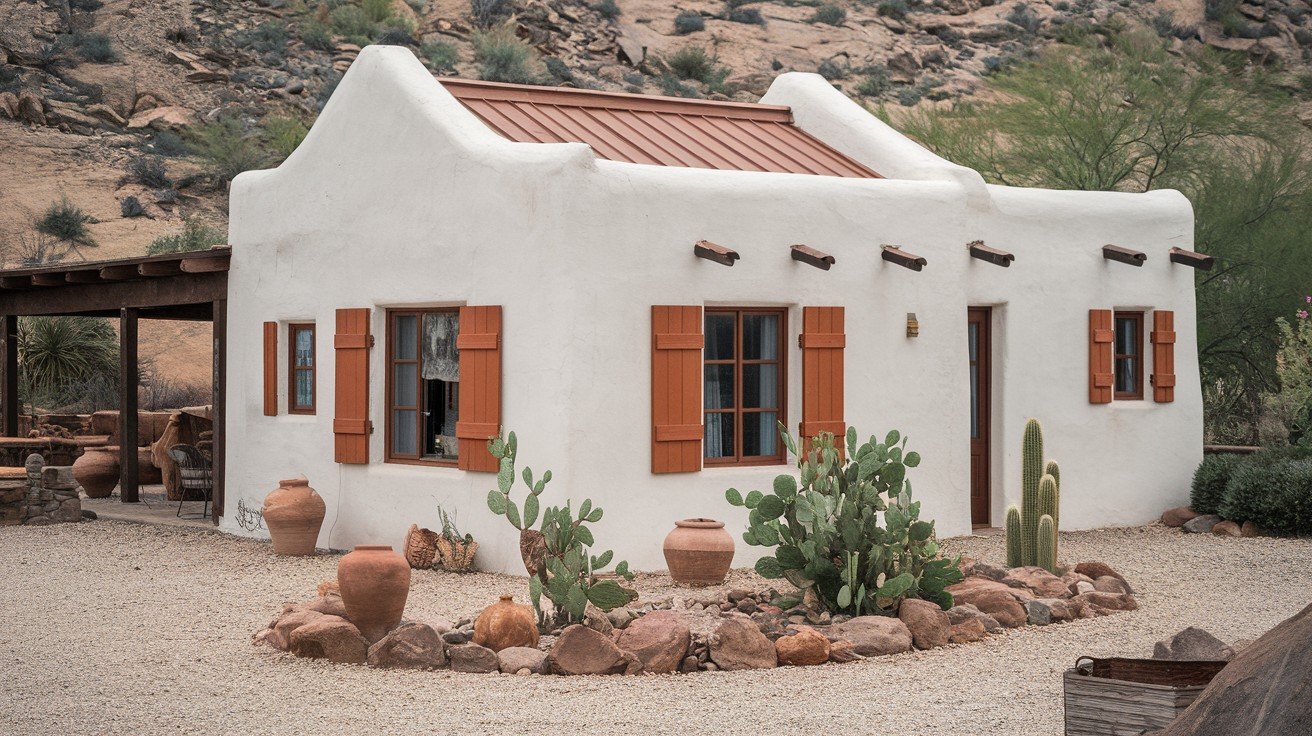
Burnt orange shutters create a warm, southwestern look on white houses. This color is bold and earthy.
Orange shutters feel warm and inviting. Burnt orange works well with natural materials and warm climates. It’s also different enough to make your house stand out.
This color works best in certain regions. It looks most natural in southwestern areas.
Best for: Southwestern, Mediterranean, and Contemporary styles
26. Cream: Monochrome Contrast
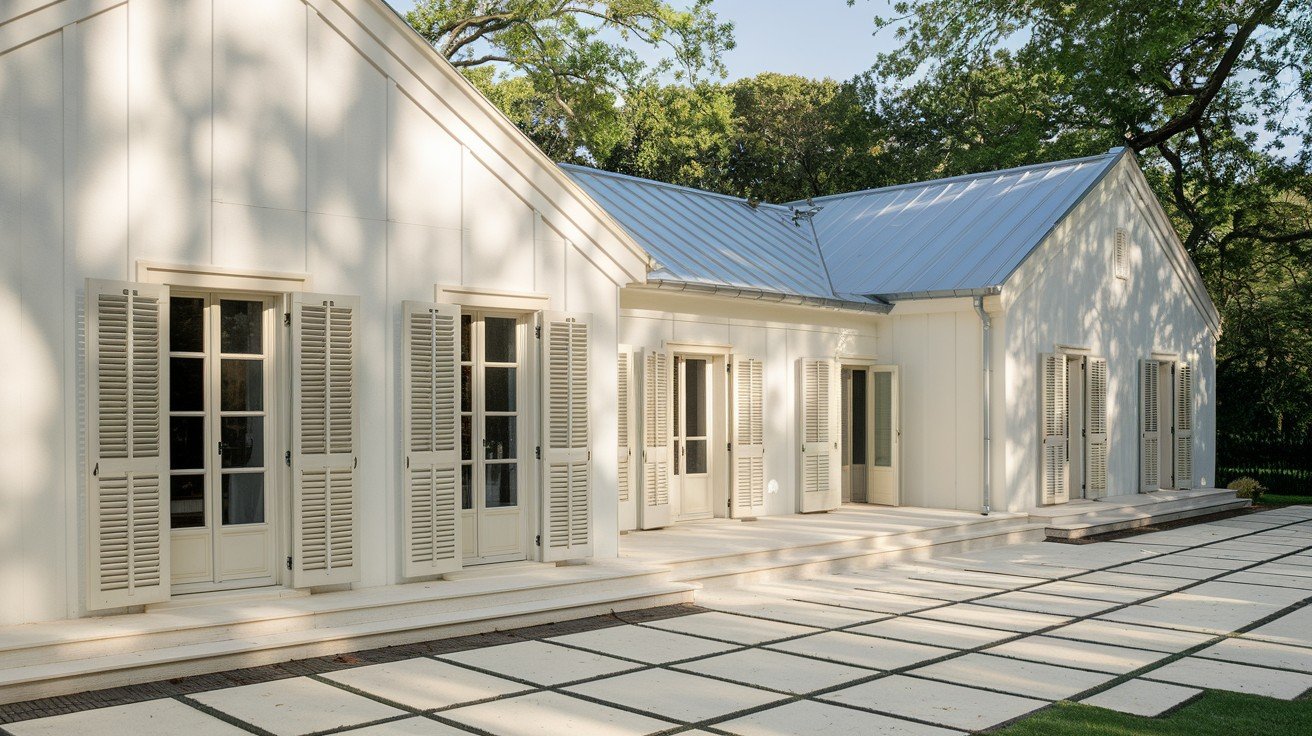
Cream shutters create a soft, monochrome look on white houses. This color is subtle and clean.
Off-white shutters feel gentle and refined. Cream works well with traditional and contemporary styles. It’s also neutral enough to work with many accent colors.
This color is very subtle. It creates contrast without being bold.
Best for: Traditional, Contemporary, and Minimalist styles
27. Emerald Green: Jewel-Tone Appeal
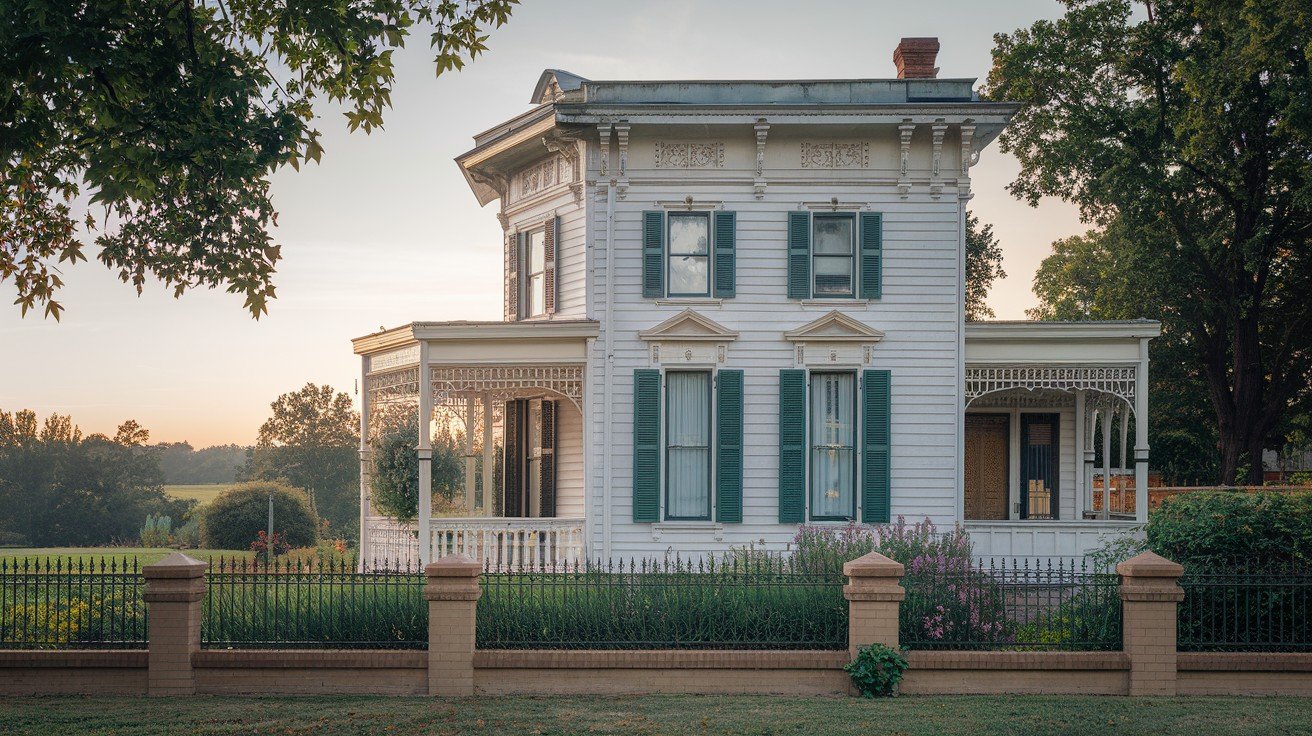
Emerald green shutters create a rich, jewel-tone look on white houses. This color is bold and refined.
Bright green shutters feel luxurious and dramatic. Emerald green works well with formal architecture and refined styles. It’s also rich enough to work year-round.
This color makes a statement. It’s perfect if you want something bold and beautiful.
Best for: Traditional, Victorian, and Luxury styles
Shutter Colors by House Style
Different house styles work better with certain shutter colors. Here’s what works best for each style:
- Colonial Houses: Black, navy blue, forest green, burgundy, hunter green
- Farmhouse Style: Black, barn red, forest green, sage green, chocolate brown
- Coastal Homes: Navy blue, dusty blue, sky blue, teal, pewter
- Modern Houses: Charcoal gray, slate blue, greige, pewter, midnight blue
- Mediterranean Style: Terracotta, olive green, bronze, burnt orange, emerald green
- Cottage Style: Dusty blue, sage green, mustard yellow, cream, soft taupe
Matching Shutters with White Paint Undertones
Not all white paint is the same. Your white house has undertones that affect which shutter colors work best.
Cool white houses have blue, gray, or green undertones. These work well with:
- Navy blue shutters
- Charcoal gray shutters
- Slate blue shutters
- Pewter shutters
Warm white houses have yellow, pink, or cream undertones. These work well with:
- Black shutters
- Chocolate brown shutters
- Barn red shutters
- Bronze shutters
Pure white houses have no obvious undertones. These work with almost any shutter color.
Look at your house in a different light to see its undertones. Morning light shows cool undertones. Evening light shows warm undertones.
Shutter Material and Finish: Does It Affect Color?
The material and finish of your shutters can change how colors look. Here’s how different options compare:
| Material | Color Appearance | Durability | Maintenance | Best For |
| Wood | Rich, deep colors that age over time | Moderate, requires regular care | High – needs repainting every 3-5 years | Traditional homes, custom colors |
| Vinyl | Consistent colors, minimal fading | High, weather resistant | Low – easy to clean, rarely needs repainting | Budget-friendly, low maintenance |
| Composite | Good color retention with natural texture | High, combines best of wood and vinyl | Moderate – occasional cleaning needed | Modern homes, balanced approach |
| Finish Type | Light Reflection | Color Depth | Dirt Visibility | Maintenance Level |
| Glossy | High reflection, brighter appearance | Lighter color tone | Shows dirt and scratches easily | Frequent cleaning needed |
| Matte | Low reflection, deeper colors | Rich, deep color tone | Hides imperfections well | Harder to clean when dirty |
| Satin | Moderate reflection, balanced look | Natural color depth | Good balance of hiding flaws | Easy to maintain – best choice |
How to Test Shutter Colors on Your White House
Don’t guess at shutter colors. Test them first to make sure they work.
Get large paint samples from your paint store. Hold them against your house in different light conditions. Use photo editing apps to virtually “paint” your shutters. Take a photo of your house and try different colors digitally.
Look at your house throughout the day. Colors look different in morning, afternoon, and evening light. Consider your neighbors’ houses. Make sure your color choice works with the surrounding homes.
Think about your landscaping. Your shutters should complement your plants and outdoor decor. Ask for opinions from friends and family. Sometimes others see things you miss.
Final Thoughts
Choosing the perfect shutter colors for your white house is now within your reach. You have 27 proven options that work beautifully with white exteriors. Each color creates a different personality for your home.
Start with your house style and personal taste. Consider your roof color, landscaping, and neighborhood feel. Test your top choices before making the final decision.
Remember that shutters are an investment in your home’s future. The right color choice will boost your curb appeal and increase your property value. Quality shutters in the right color can change your entire home’s appearance.
I’ve guided over 500 homeowners through this exact process. The colors in this guide are tested and proven winners. Choose the one that speaks to you and matches your home’s character.
Your white house has incredible potential. The perfect shutters will bring it out completely.
Frequently Asked Questions
What is the most popular shutter color for white houses?
Black is the most popular shutter color for white houses. It’s timeless, works with any style, and creates beautiful contrast without being too bold.
Do shutter colors affect home value?
Yes, the right shutter colors can increase your home’s curb appeal and value. Well-chosen shutters make your house more attractive to buyers and can help it sell faster.
Should shutters match the front door?
Shutters don’t have to match your front door, but they should complement it. You can use the same color family or choose colors that work well together.
How often should I repaint my shutters?
This depends on the material and climate. Wood shutters usually need repainting every 3-5 years, while vinyl shutters rarely need repainting.
Can I use bright colors for shutters on a white house?
Yes, but be careful with bright colors on white houses. They need to fit your house style and neighbourhood, so test them carefully before committing.


