

Ever felt frustrated when your home stays too warm in summer or too cold in winter no matter what you do?
This guide will walk you through single vs double pane windows so you can choose the right fit for your home.
Drawing from years of experience helping homeowners improve energy efficiency, comfort, and reduce unnecessary energy costs, I’ll explain how insulation, noise reduction, upfront and long-term costs, and maintenance play a role.
By the end, you’ll clearly understand which window type suits your budget, climate, and lifestyle, making your decision simple and practical.
What Are Single-Pane and Double-Pane Windows?
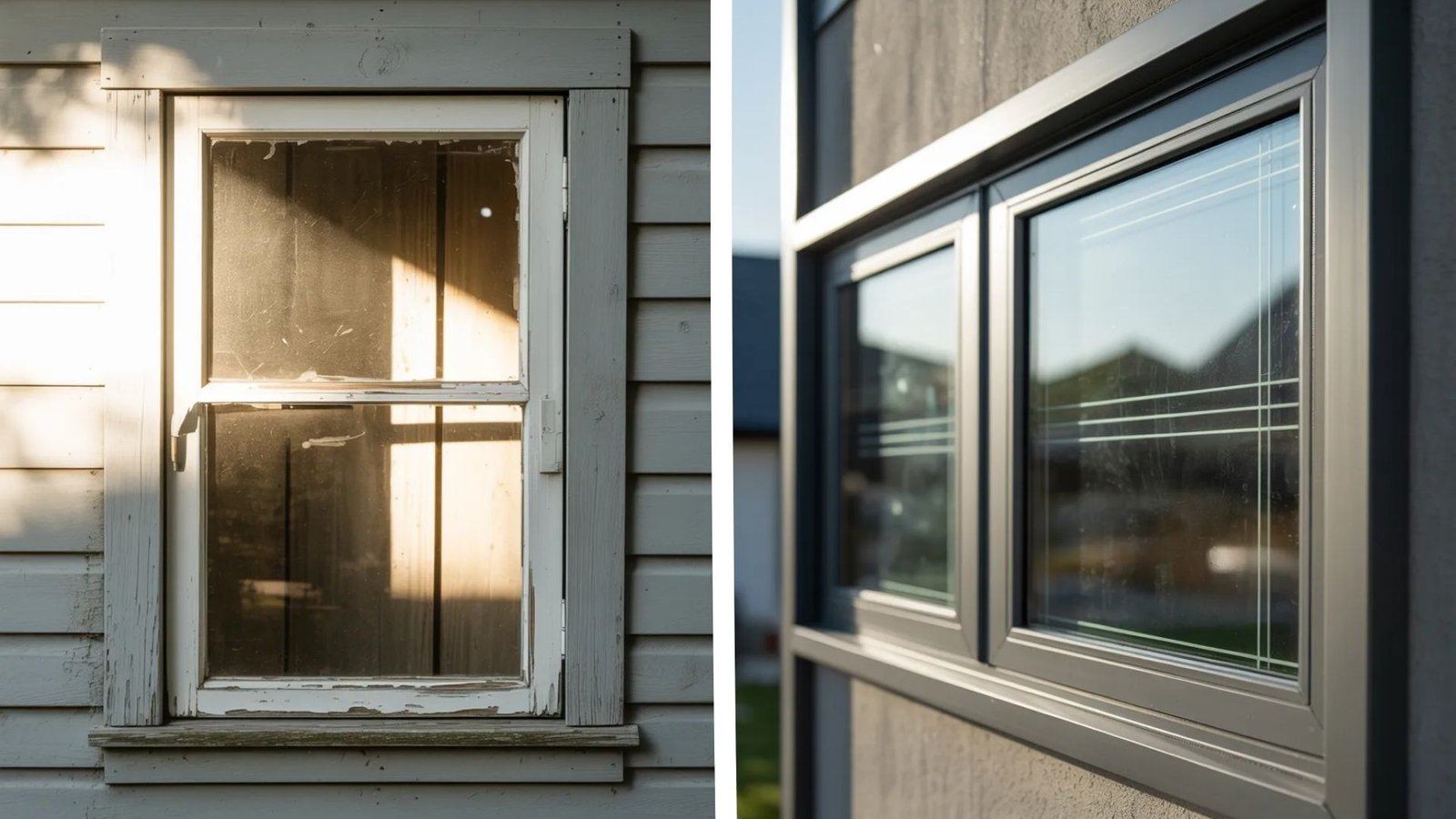
Windows come in different types, and choosing the right one affects comfort and energy efficiency.
Understanding how single-pane and double-pane windows are built helps homeowners make better decisions for their homes.
Single-Pane Windows
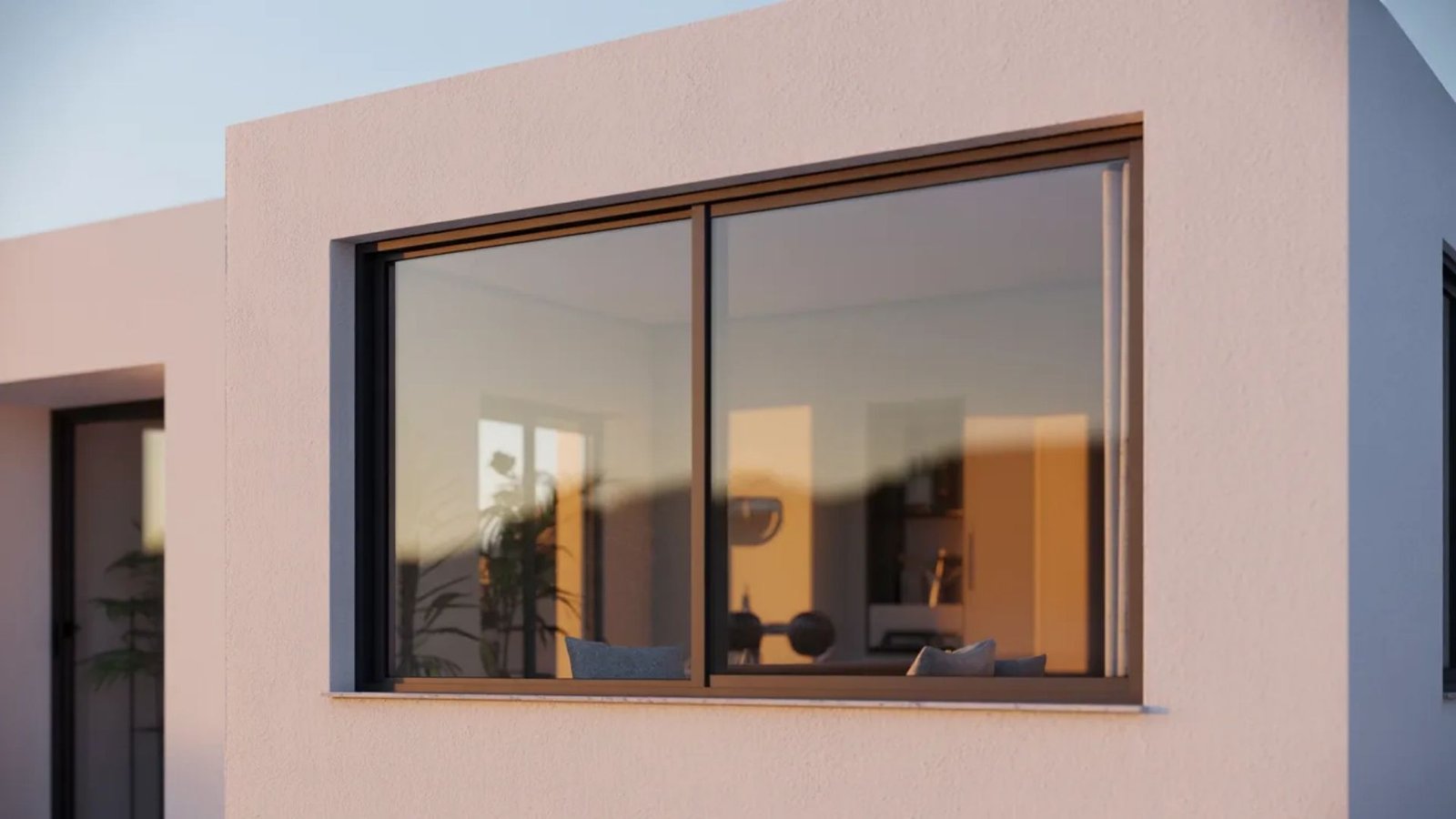
Single-pane windows consist of one sheet of glass set in a frame. They have a simple design with minimal components.
This traditional style is often found in older homes, garages, sheds, and mild climate regions where extreme insulation is not needed.
Double-Pane Windows
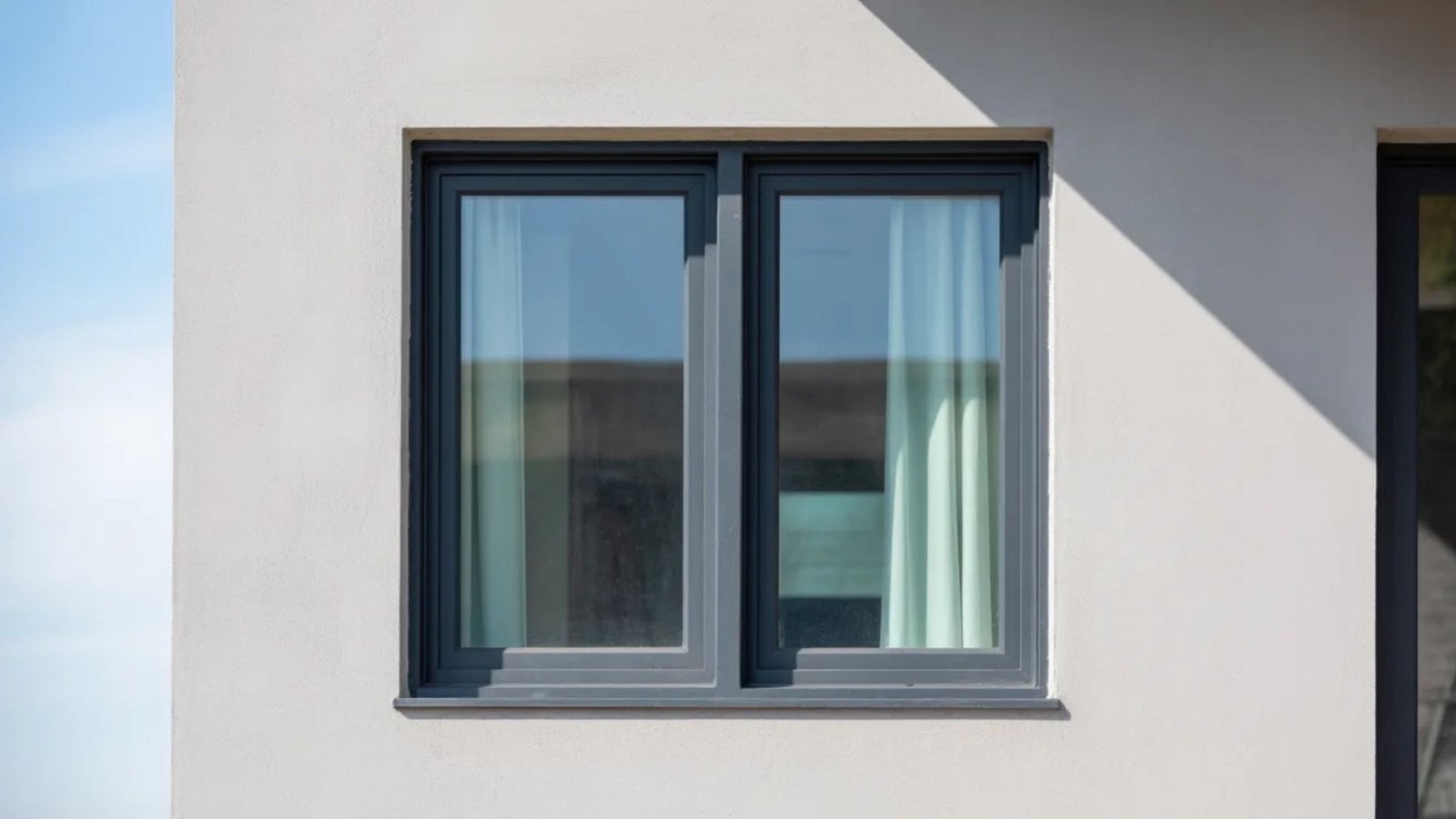
Double-pane windows have two layers of glass separated by a sealed space filled with air or gas like argon.
They are built as insulated glass units with spacers and sealed edges. These windows are common in modern homes and areas with notable seasonal temperature changes.
Pros and Cons of Single vs. Double Pane Windows
Choosing single or double-pane windows affects comfort, energy bills, and home performance. Knowing their pros and cons helps you decide wisely.
Single-Pane Windows
Single-pane windows are simple and cost-effective. They are easier to install and replace but have limitations in insulation and noise reduction.
Advantages:
- Lower upfront cost compared to double-pane windows
- Simple construction with fewer components
- Easier and cheaper to replace the glass
- Lightweight, causing less strain on window frames
- Quick installation process
Drawbacks:
- Limited insulation, letting heat escape in winter and enter in summer
- Higher heat transfer through the glass
- Minimal noise reduction
- Can increase energy costs in extreme climates
- More prone to condensation and drafts
Double-Pane Windows
Double-pane windows are built for better insulation and energy savings. They help maintain indoor temperature and reduce noise, but cost more upfront.
Advantages:
- Superior thermal insulation keeps homes warmer in winter and cooler in summer
- Lower heating and cooling costs
- Reduces outside noise effectively
- Less condensation on glass surfaces
- Increased durability and lifespan compared to a single-pane window
Drawbacks:
- Higher initial purchase cost
- Seals can fail over time, reducing efficiency
- Glass replacement is more expensive
- Heavier than single-pane windows, requiring stronger frames
- Installation can take longer due to insulated glass units
Windows should be chosen based on budget, climate, and energy efficiency needs to ensure the right balance between comfort and cost.
Single vs. Double Pane Windows: Key Differences
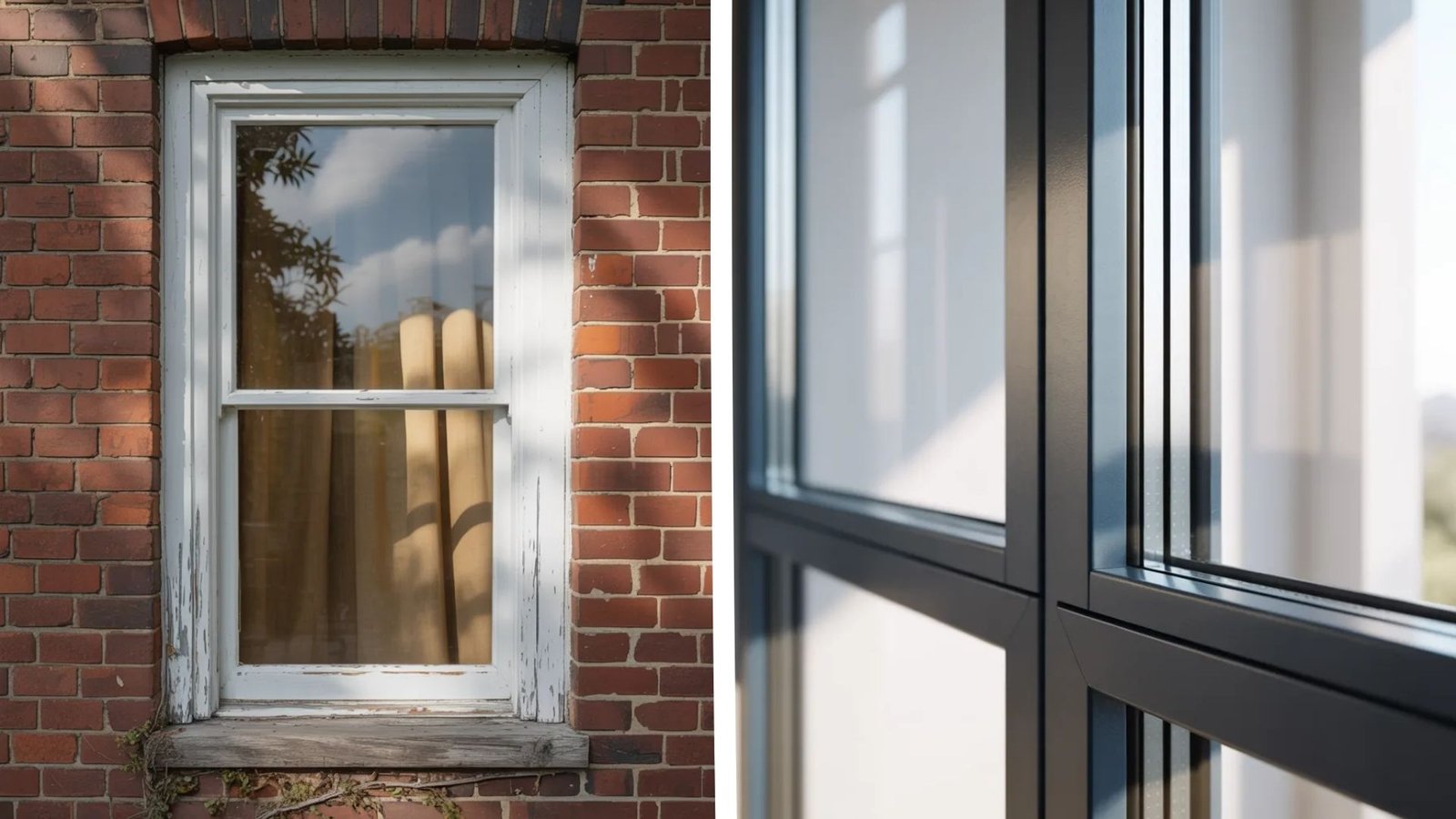
Windows differ in design and performance. Knowing these differences helps homeowners choose the best option for comfort, energy use, and noise control.
Number of Glass Layers
Single-pane windows have only one sheet of glass inside the frame. This simple design is easy to install and replace. It provides basic coverage but does not offer much protection against heat, cold, or sound.
Double-pane windows contain two sheets of glass separated by a sealed air or gas gap. This insulated design improves temperature control and reduces noise. It is more complex to install.
Insulation Performance
Single-pane windows provide minimal insulation. Heat can pass through easily, making rooms colder in winter and warmer in summer.
This leads to higher energy usage and less comfort indoors, especially in areas with extreme temperatures or seasonal variations.
Double-pane windows reduce heat transfer due to the space between the glass layers, often filled with air or inert gas.
This helps maintain indoor temperature, lowers energy use, and provides a more comfortable environment.
Energy Efficiency
Single-pane windows allow heat and cold to pass freely. This can increase energy costs as heating and cooling systems work harder to maintain the desired temperature inside the home.
Double-pane windows help keep indoor temperatures stable. The insulated space between the panes slows heat exchange, reducing energy consumption and lowering heating and cooling bills.
Noise Reduction
Single-pane glass offers very little sound control. External noises, such as traffic or neighbors, can easily enter the home, making quiet spaces harder to maintain.
Double-pane glass reduces outside noise effectively. The air or gas space between the panes acts as a barrier, making homes quieter and more peaceful even in noisy neighborhoods.
Cost
Single-pane windows are generally cheaper upfront. Their simple design makes them easier and less expensive to purchase and install, which is often why older homes still use them.
Double-pane windows cost more initially due to the extra glass layer, spacers, and sealed construction. While the upfront cost is higher, they can save money over time through reduced energy bills.
Condensation Resistance
Single-pane windows are more likely to develop condensation on the inside surface. Moisture can collect during cold weather, potentially causing frame damage and reduced visibility through the glass.
Double-pane windows resist condensation better because of the insulated space between panes.
This keeps glass surfaces clearer and helps protect window frames and sills from moisture-related issues.
Durability and Lifespan
Single-pane windows have a simple design and are easier to repair if damaged. However, they may not last as long in areas with extreme weather conditions.
Double-pane windows generally last longer, but seal failure can reduce efficiency over time. Proper maintenance can extend their lifespan and preserve insulation and noise-reduction benefits.
Installation and Replacement
Replacing single-pane windows is usually straightforward. The simple design allows for quick swaps and minor adjustments without specialized tools or skills.
Double-pane windows may require a full insulated glass unit replacement if a seal fails. Installation is more involved and can take longer, but with the benefits of improved insulation and noise control.
Single vs. Double Pane Windows: Quick Comparison
Choosing the right window affects comfort, cost, and performance. This comparison shows the main differences between single and double-pane windows.
| Feature | Single Pane | Double Pane |
| Glass layers | 1 | 2 |
| Insulation | Low | Higher |
| Energy efficiency | Lower | Higher |
| Noise reduction | Minimal | Moderate |
| Condensation resistance | Lower | Higher |
| Cost | Lower | Higher |
| Lifespan | Moderate | Longer |
This table makes it easy to compare the main differences and decide which window type suits your home.
Who Should You Choose: Single or Double?
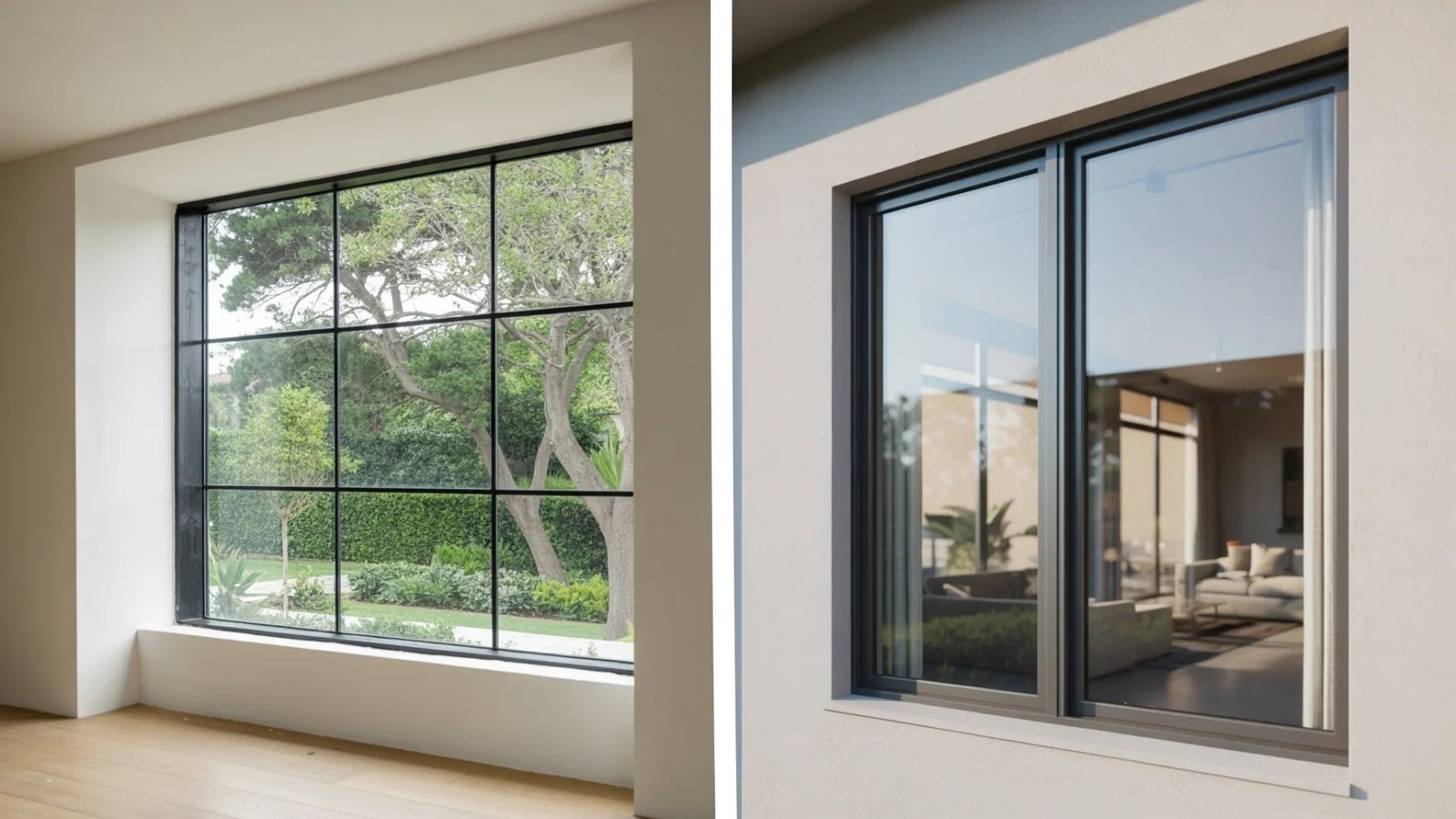
Choosing the right type of window depends on your budget, climate, and specific needs. Here’s when each option is more suitable:
When Single Pane Windows May Be a Practical Choice:
- Budget-limited projects are ideal when upfront costs need to stay low
- Historic home restoration matches older architectural styles
- Interior windows work well for rooms that don’t face the outdoors
- Non-climate-controlled spaces are suitable for garages, sheds, or utility areas
When Double Pane Windows Make More Sense:
- Homes in cold or hot climates benefit from maintaining indoor temperatures efficiently
- Energy bill reduction goals are achieved through lower heating and cooling costs
- Noise control needs are met with better sound insulation for busy streets or neighborhoods
- New construction projects use them as a standard choice for modern energy-efficient homes
Choosing the right window type ensures comfort, energy savings, and suitability for your home.
How to Tell If Your Windows Are Single or Double Pane
Knowing if your windows are single or double pane helps with maintenance, energy use, and upgrades.
Simple Visual Inspection: Look at the edge of the glass to check its thickness. Thicker glass usually indicates a double-pane unit, while thinner glass is likely single-pane.
Reflection Test: Tilt the glass slightly and observe the reflections. Two distinct reflections usually mean the window is double-pane, while a single reflection indicates single-pane glass.
Label or Manufacturer Markings: Examine the frame or glass for labels or stamps from the manufacturer. These markings often indicate whether the window is single or double-pane.
These simple checks make it easy to identify whether your windows are single or double pane.
Key Factors to Consider Before Choosing
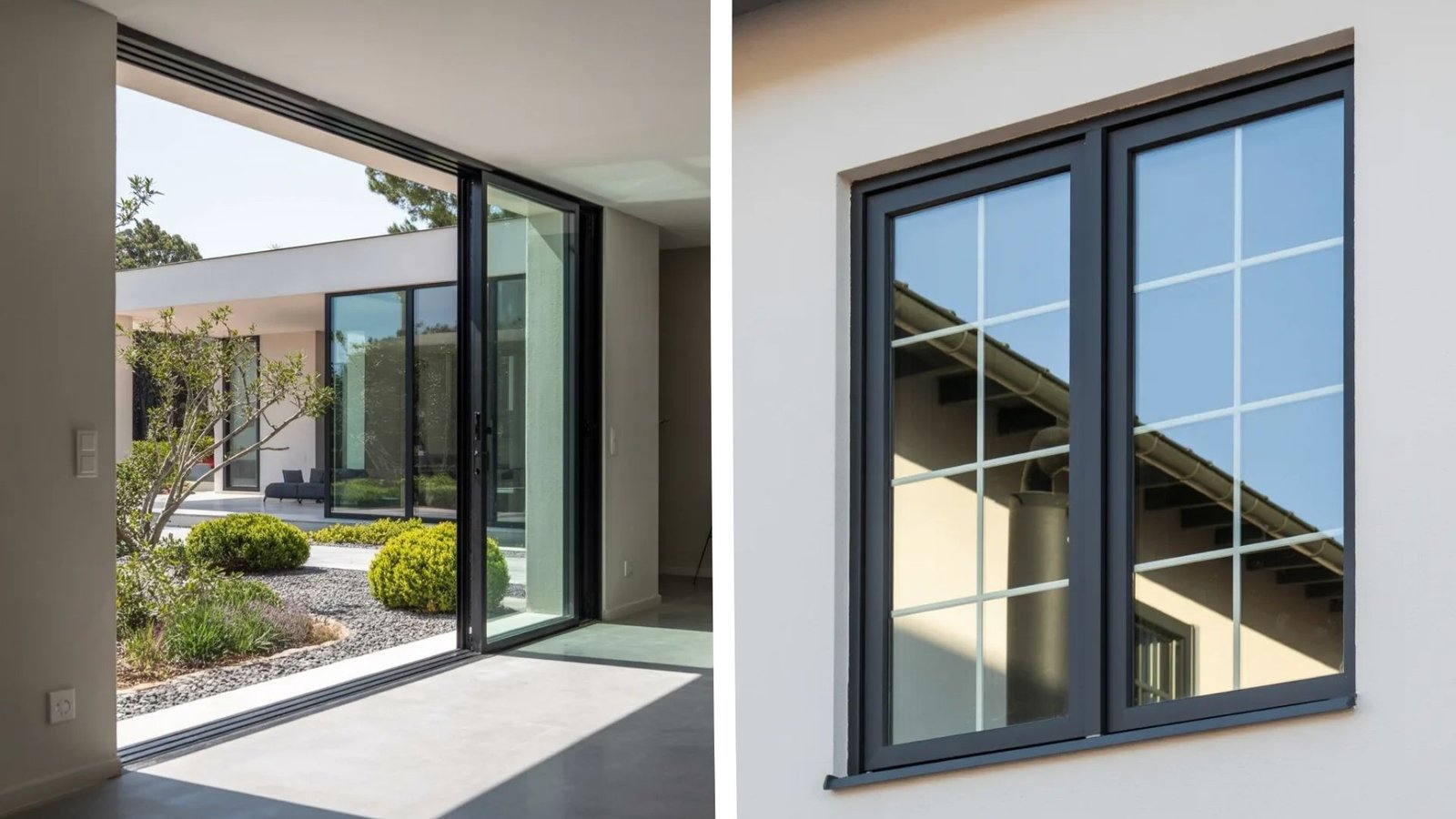
Before selecting windows, several factors can help guide your decision.
Climate Conditions: Consider the local weather and seasonal changes, as extreme heat or cold affects how well windows perform.
Budget: Determine how much you are willing to spend, including installation and long-term energy costs.
Home Age: Older homes may have frame limitations or historic requirements that influence window choice.
Noise Environment: Think about how much outside noise enters your home and whether sound reduction is important.
Long-Term Energy Savings: Evaluate how much energy efficiency could reduce heating and cooling costs over time.
Considering these factors helps you choose windows that suit your home and budget.
Final Thoughts
Choosing the right windows for your home can feel overwhelming, but understanding the differences in single vs double pane windows makes it simpler.
Each type affects comfort, energy costs, noise reduction, and maintenance in its own way.
Considering your climate, budget, and daily lifestyle helps you pick the option that best suits your needs.
Taking time to evaluate your current windows ensures long-term savings and a more comfortable home environment.
Check your windows today and see which option can make a real difference!
Frequently Asked Questions
How Much Energy Can Double Pane Windows Save?
Double-pane windows can cut heating and cooling costs by 10–25%, depending on climate and window quality.
Do They Still Make Single Pane Windows?
Yes, they are still made for historic homes, budget projects, and non-climate-controlled spaces like garages.
Can Single Pane Windows Be Upgraded?
Yes, by replacing the glass with double-pane units or adding storm windows, sometimes requiring frame adjustments.
Are Single Pane Windows Still Installed Today?
Yes, mostly in older homes, restoration projects, or areas where energy efficiency is less critical.
Are Double Pane Windows Worth The Cost?
Yes, the higher upfront cost is offset by better insulation, lower energy bills, and reduced noise over time.


