

I’ve helped friends plan tile projects, and the one thing that always catches people off guard is the labor cost.
You budget for the tile, but forget the installation bill can be just as high. If you’re trying to figure out tile labor cost per square foot, you’re in the right place.
In this guide, I’ll cover what drives labor prices, what you can expect to pay in 2026, and how to plan your budget without surprises.
I’ve spent years covering home improvement topics, and I’ll give you straight, honest numbers.
What Most Homeowners Get Wrong About Tile Labor Costs
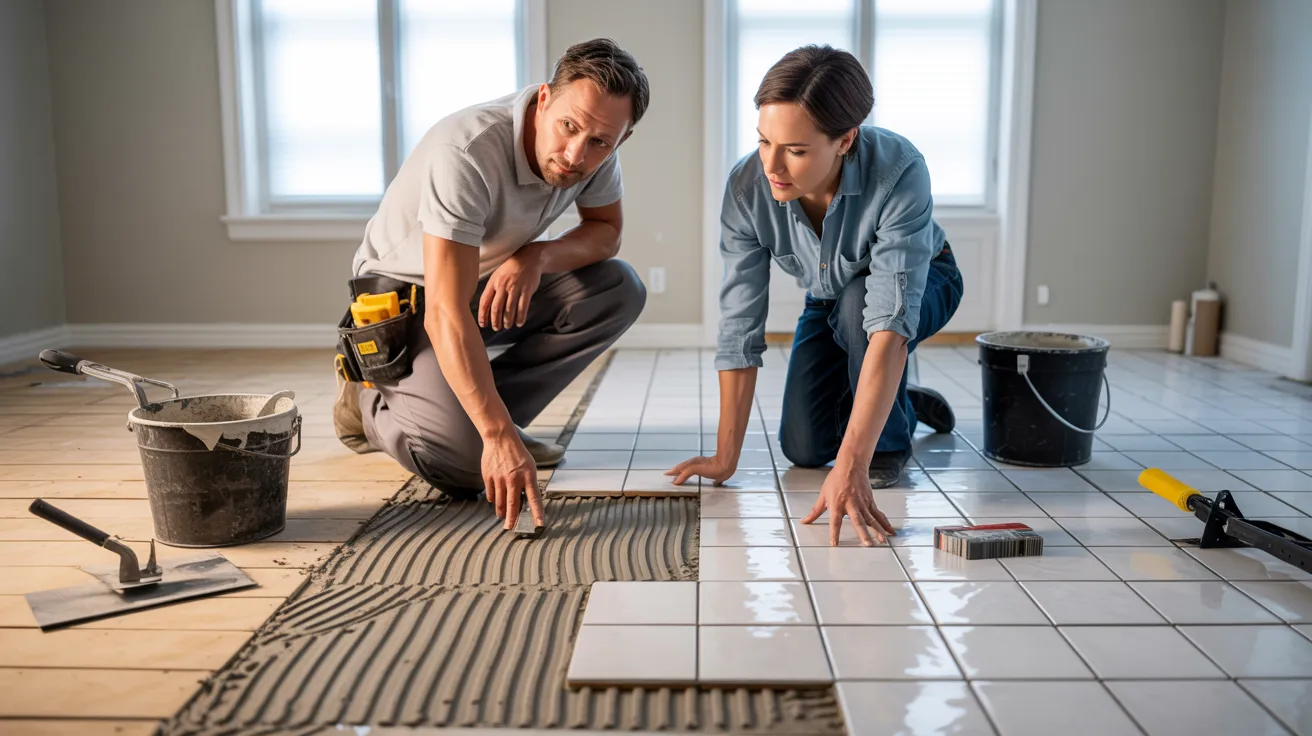
Most people focus on the price of the tile itself and treat labor as an afterthought.
That’s where the budget starts to fall apart. Labor can cost just as much as the materials, sometimes more.
The type of tile you pick, the pattern you want, and the condition of your subfloor all change the final number.
Getting a clear picture of labor costs before you start saves you from a very uncomfortable conversation with your contractor later on.
Factors That Affect Tile Labor Cost
Several key factors push tile labor costs up or down, and knowing them upfront helps you plan a realistic budget.
Type of Tile
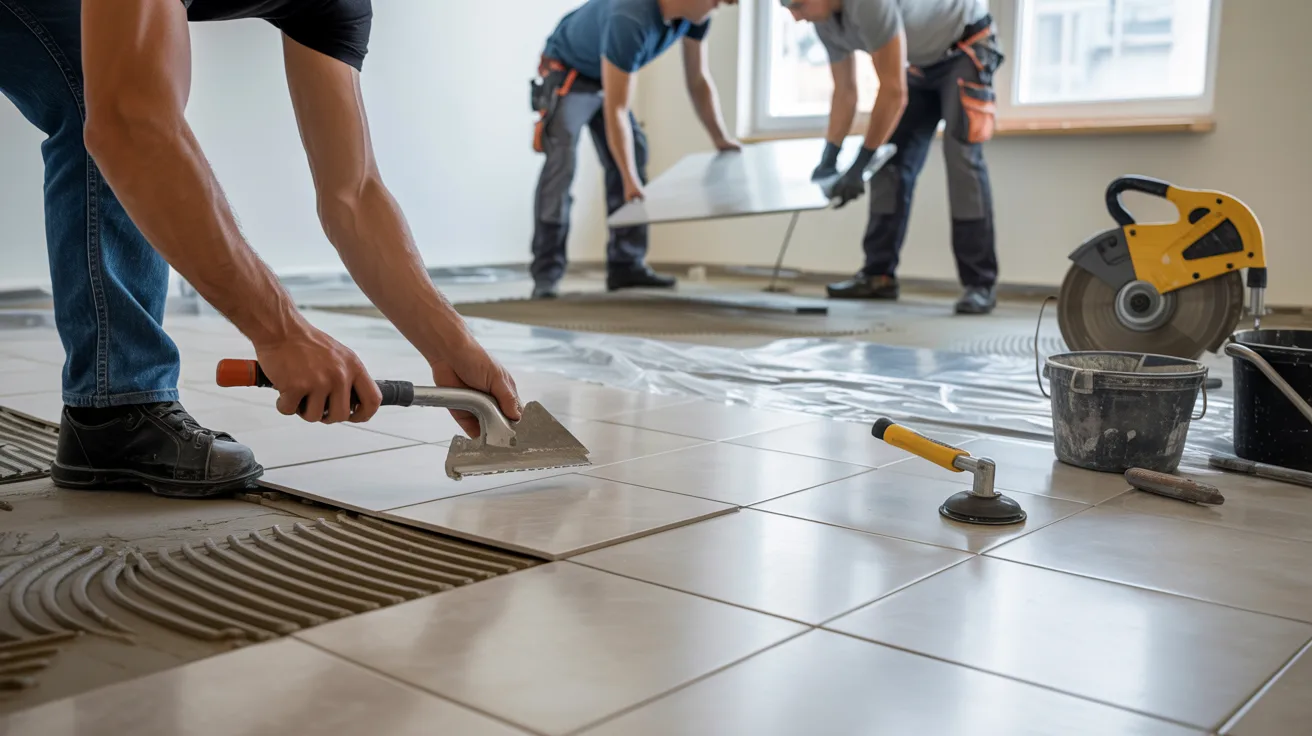
The type of tile you choose directly affects how much labor goes into the job. Ceramic tiles are the lightest and easiest to cut, which keeps labor costs lower.
Porcelain and natural stone are heavier and harder to work with, which takes more time and effort. Large format tiles often need two installers and special tools to place correctly.
Glass and wood-look porcelain also require careful handling to avoid chips and misalignment during installation.
Tile Layout and Pattern
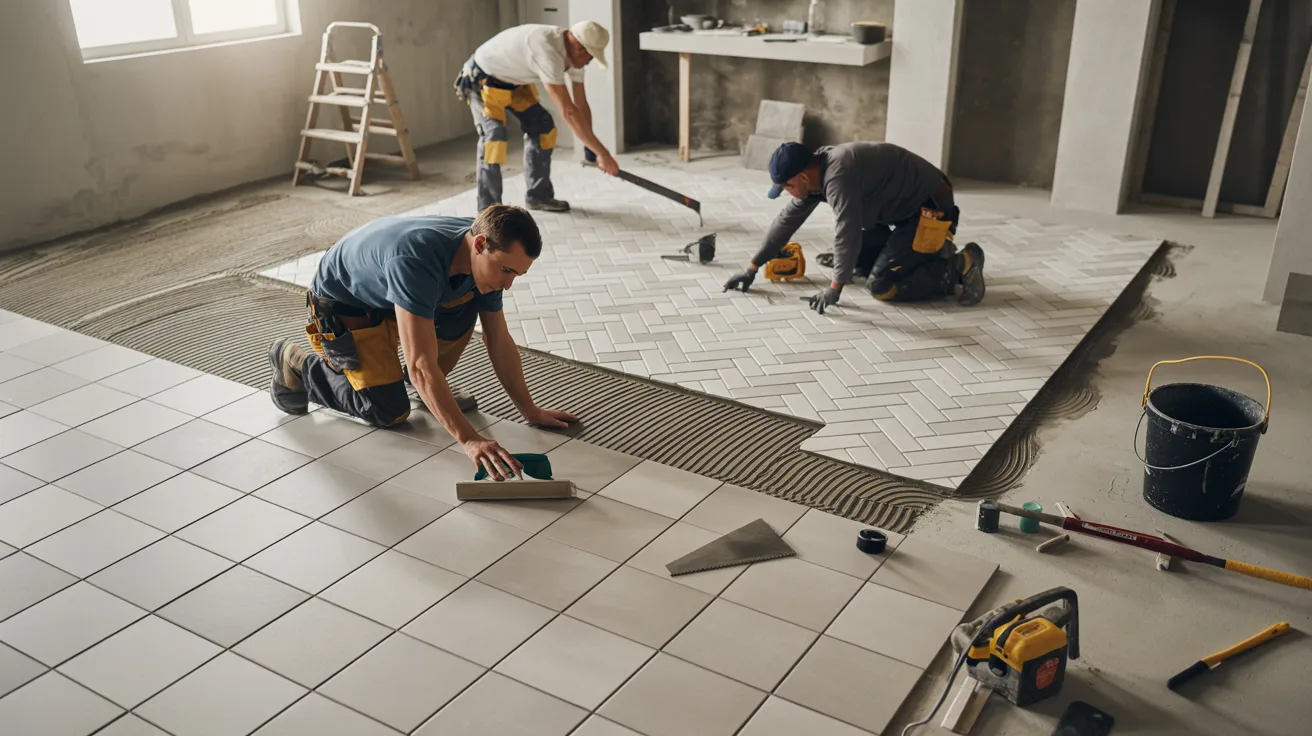
A straight grid pattern is the simplest and fastest layout to install, which keeps labor costs at the lower end.
Diagonal layouts, herringbone, chevron, and mosaic patterns all require more cuts and careful alignment, which adds significant time to the job.
The more intricate the pattern, the higher the labor charge. Some complex patterns can nearly double the base labor rate compared to a basic straight installation on the same tile type.
Site Conditions
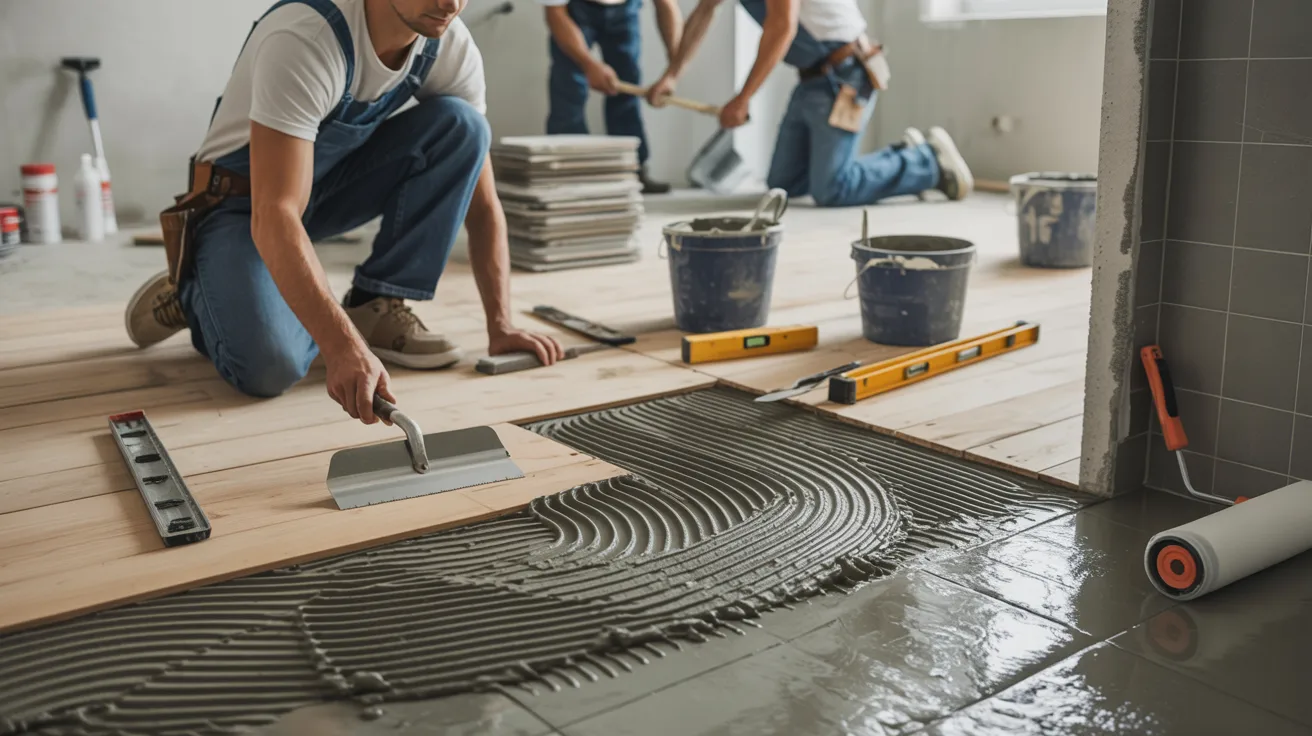
The condition of the space before installation begins plays a big role in the final labor cost.
An uneven subfloor needs leveling before a single tile goes down, adding time and materials to the job. Waterproofing wet areas like bathrooms also adds to the total.
Indoor installations are more straightforward than outdoor ones, which require specialized materials and extra prep to hold up against the elements.
Labor Skill Level
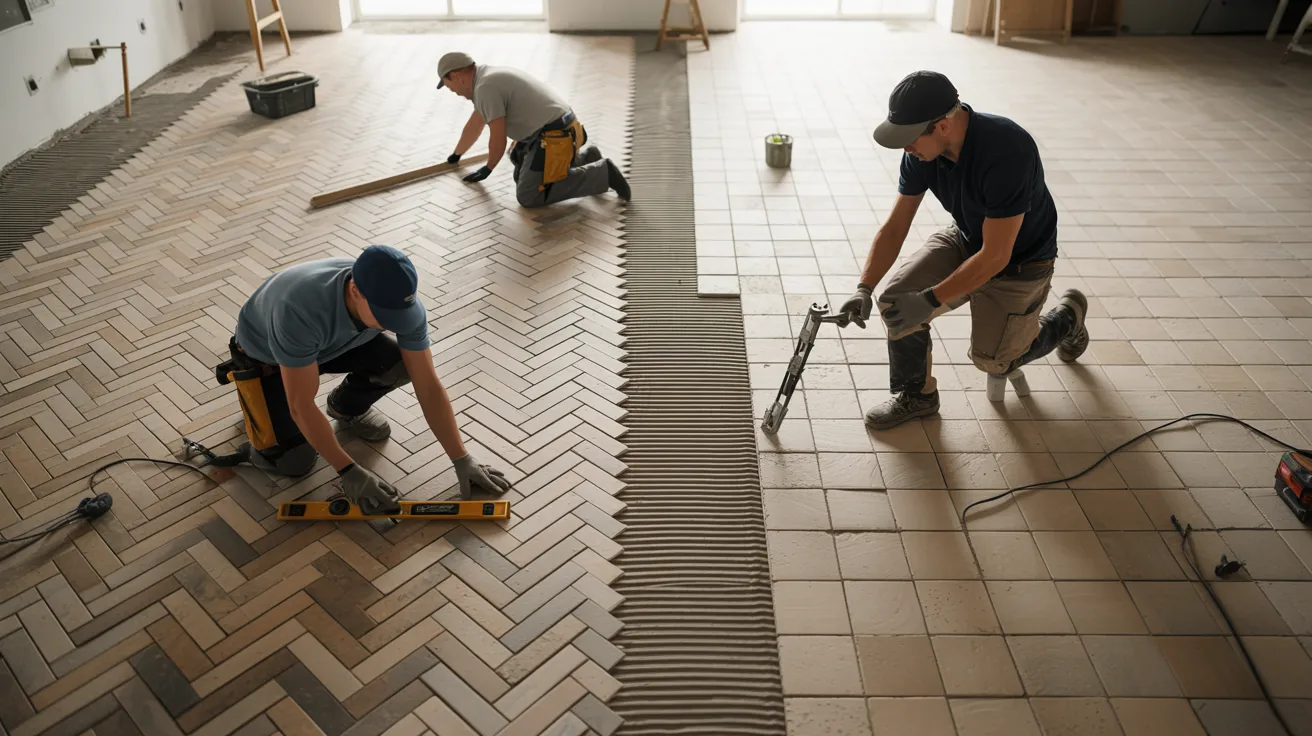
Not all tile installers charge the same rate, and the difference in quality shows. Standard installation covers basic layouts with common tools.
Premium installation involves leveling systems, specialized equipment, and a higher level of precision.
If you’re working with natural stone or a complex pattern, a premium installer is worth the extra cost. Cutting corners on skill often leads to cracked tiles, uneven grout lines, and costly repairs later.
Average Tile Labor Costs Per Square Foot
Labor rates vary based on tile type, pattern complexity, and your location across the country.
National Averages for 2026
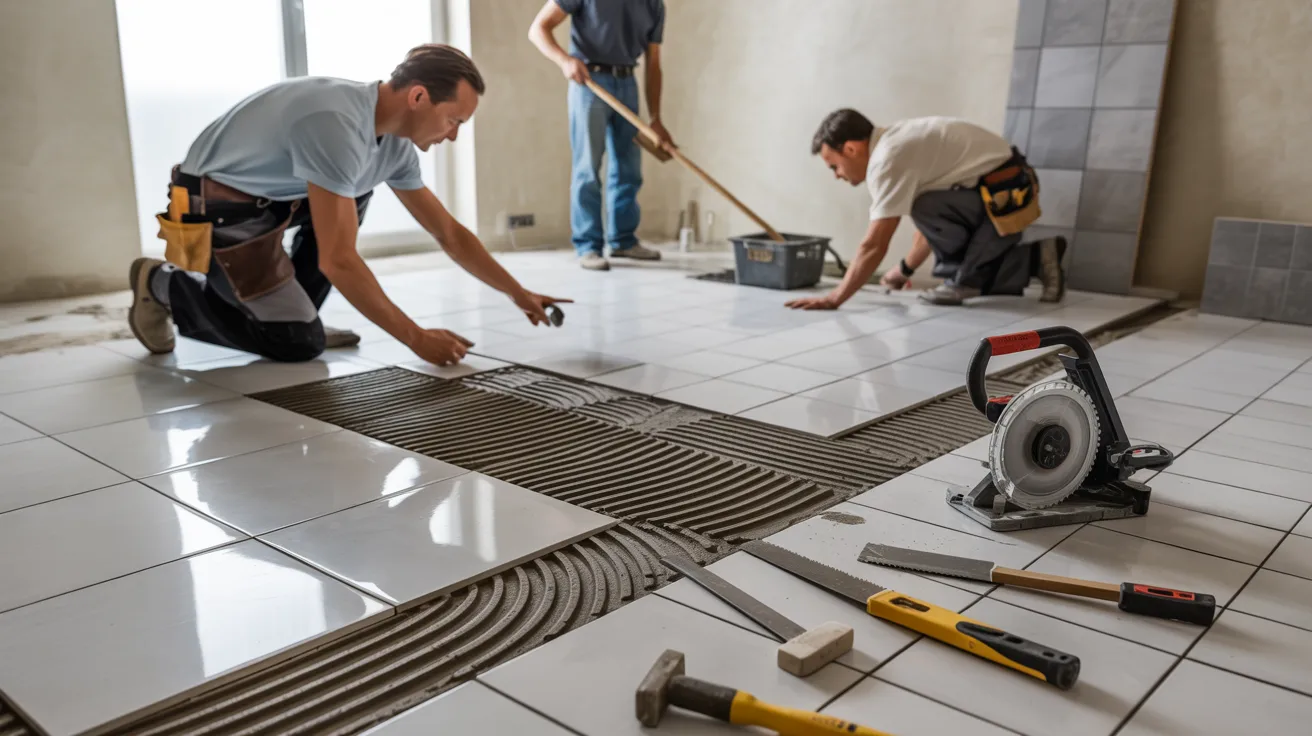
Tile labor costs in 2026 typically range from $5 to $22 per square foot, depending on the tile type, layout complexity, and your region.
Labor tends to run higher in major metro areas and on the coasts, while smaller cities and rural areas generally come in at the lower end of the range.
Always get at least two to three quotes from local installers before committing to a number, since regional differences can be significant.
Breakdown by Tile Type
Ceramic tile sits at the lower end, with labor usually running between $5 and $12 per square foot for standard installations.
Porcelain and natural stone fall in the mid-to-high range, often between $8 and $18, due to the extra weight, cutting difficulty, and precision required.
Mosaic tile consistently comes in at the highest labor rate, sometimes reaching $22 per square foot, because of the detailed cutting, alignment work, and time involved in placing hundreds of small pieces correctly.
Additional Labor-Related Costs
Beyond the base installation rate, several extra costs can add up quickly if you’re not prepared for them.
Subfloor Preparation
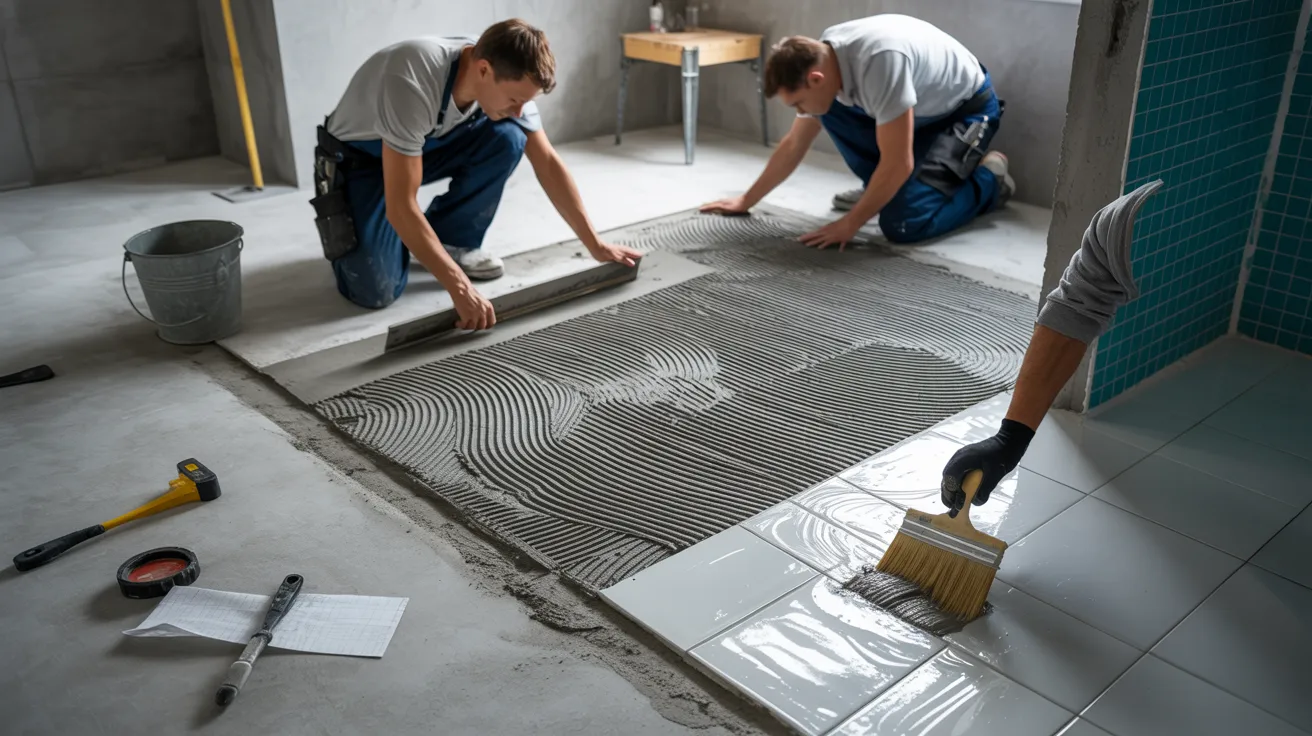
Before any tile goes down, the subfloor has to be level and stable. If the surface has a variance of more than one-eighth of an inch per ten feet, leveling compound is required.
This adds roughly $2 to $5 per square foot to the total labor cost. Waterproofing is also needed in bathrooms, showers, and outdoor areas.
Skipping subfloor prep to save money almost always leads to cracked tiles and failed grout lines within a year or two.
Demolition and Removal
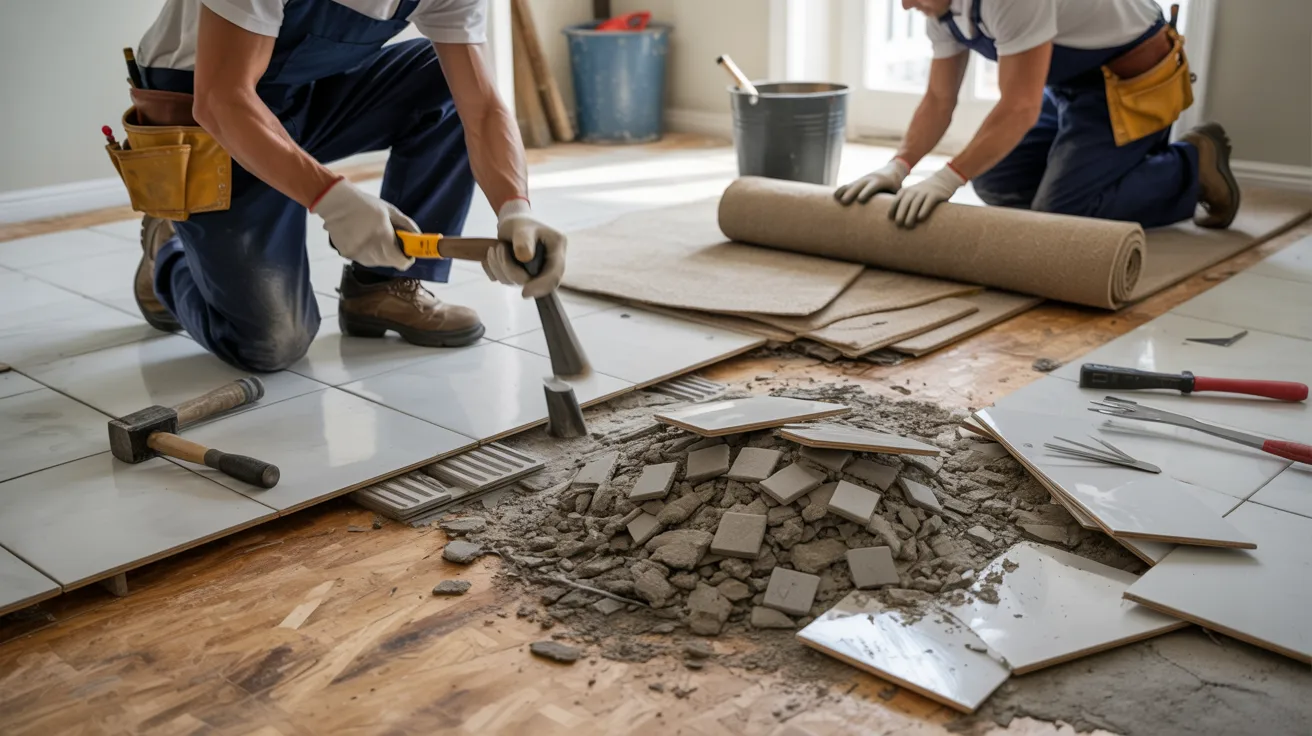
Removing existing flooring is a separate labor charge that many homeowners overlook.
Pulling up old tile, hardwood, or carpet typically costs between $3 and $7 per square foot, including debris removal.
Old tile is the most labor-intensive due to adhesive and potential subfloor damage underneath. Carpet removal is the quickest and least expensive option.
Always confirm with your installer upfront about what is included in the removal quote.
Job Supplies and Equipment
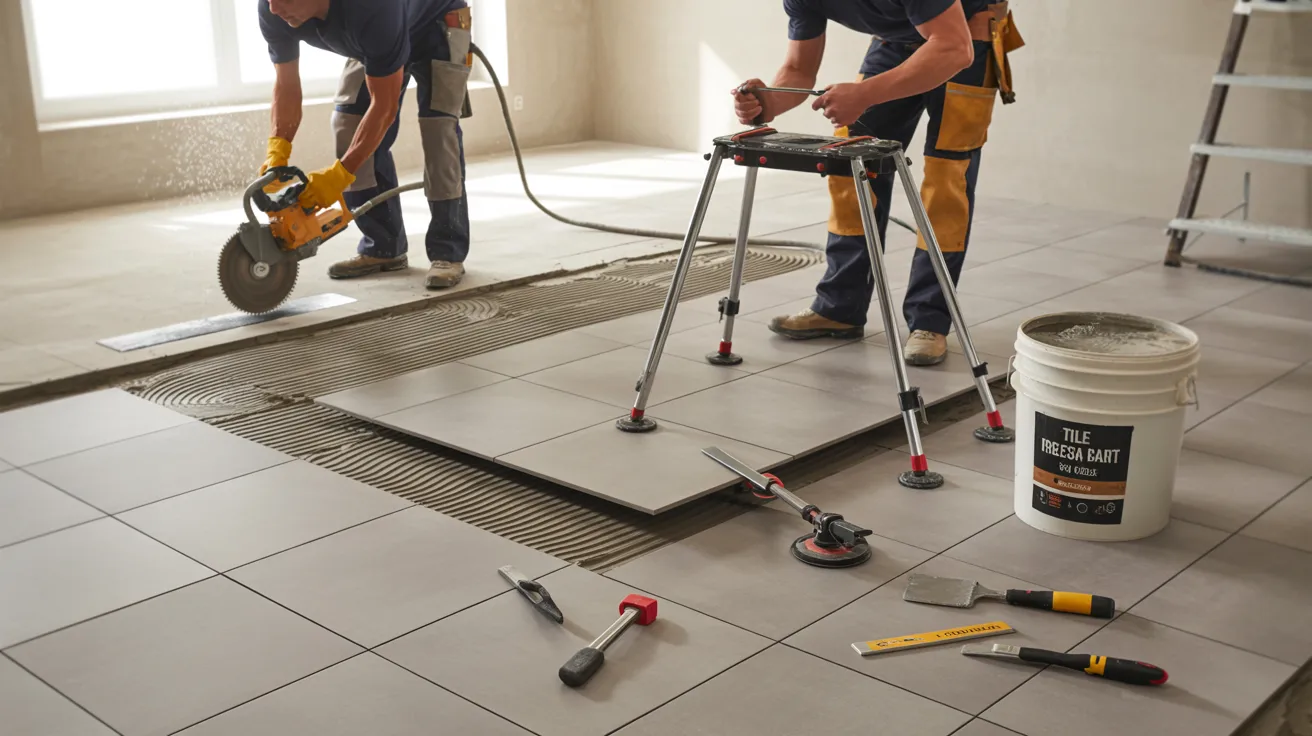
Professional tile installation requires more than just a trowel and grout. Leveling systems, wet saws, suction cup lifters for large format tiles, and specialized thinsets all factor into the job cost.
Some installers include equipment in their labor rate, while others charge separately. Premium equipment improves accuracy and reduces waste, which can actually save money on materials.
Always ask your installer what tools they use and how those costs are reflected in the final quote you receive.
Tile Labor Cost per Square Foot: 2026 Comparison
Use this table as a starting point when budgeting your tile project and comparing installer quotes.
| Tile Type / Pattern | Standard Labor ($/sq. ft.) | Premium Labor ($/sq. ft.) | Notes |
| Ceramic, Straight Pattern | $5 to $8 | $8 to $12 | Basic installation, minimal cuts |
| Porcelain, Straight Pattern | $6 to $10 | $10 to $15 | Heavier tiles, requires leveling |
| Natural Stone (Marble/Slate) | $8 to $12 | $12 to $18 | Requires sealing, careful placement |
| Large Format Tile | $7 to $12 | $12 to $20 | Requires two installers and suction tools |
| Mosaic Tile / Intricate Pattern | $10 to $15 | $15 to $22 | Labor-intensive cuts and alignment |
| Outdoor Tile Installation | +15 to 20% | +15 to 20% | Specialized thinsets and waterproof membranes |
| Subfloor Preparation / Leveling | $2 to $5 | Included in premium | Required if variance is over 1/8″ per 10′ |
| Old Floor Removal | $3 to $7 | Included in premium | Includes debris removal |
These numbers are starting points, not guarantees. Always get itemized quotes from local installers before locking in your budget.
Conclusion
I completely underestimated labor costs the first time I planned a tile project, and I don’t want that to happen to you.
Tile labor cost per square foot is not a fixed number, but now you know exactly what drives it. Get at least three quotes, ask for itemized breakdowns, and go in prepared.
If this guide helped you, share it with someone planning a tile project. Drop a comment below and tell me what you’re working on.
Frequently Asked Questions
How much does tile installation labor cost per square foot in 2026?
Labor costs range from $5 to $22 per square foot, depending on tile type, pattern complexity, and your location.
Why does porcelain tile cost more to install than ceramic?
Porcelain is heavier and harder to cut, which takes more time and skill, pushing the labor rate higher.
Is subfloor preparation included in the tile installation quote?
Not always. Subfloor leveling and waterproofing are often separate charges, adding $2 to $5 per square foot.
How much does it cost to remove old flooring before tiling?
Old flooring removal typically costs between $3 and $7 per square foot, including debris hauling and disposal.
Does a complex tile pattern really cost more to install?
Yes. Patterns like herringbone, chevron, and mosaics require more cuts and alignment time, which increases the labor rate significantly.


