

Your siding does more than look good. It shields your home from rain, wind, and heat every single day. But vinyl siding lifespan is something most homeowners never think about until something goes wrong.
I’ve seen small cracks turn into costly water damage just because the warning signs were missed.
In this article, I’ll cover the top signs your siding needs replacement, when to repair versus replace, and simple tips to make it last longer. You’ll leave with clear answers and a solid plan.
Let’s make sure your home stays protected before small problems become big ones.
What Is the Average Vinyl Siding Lifespan?
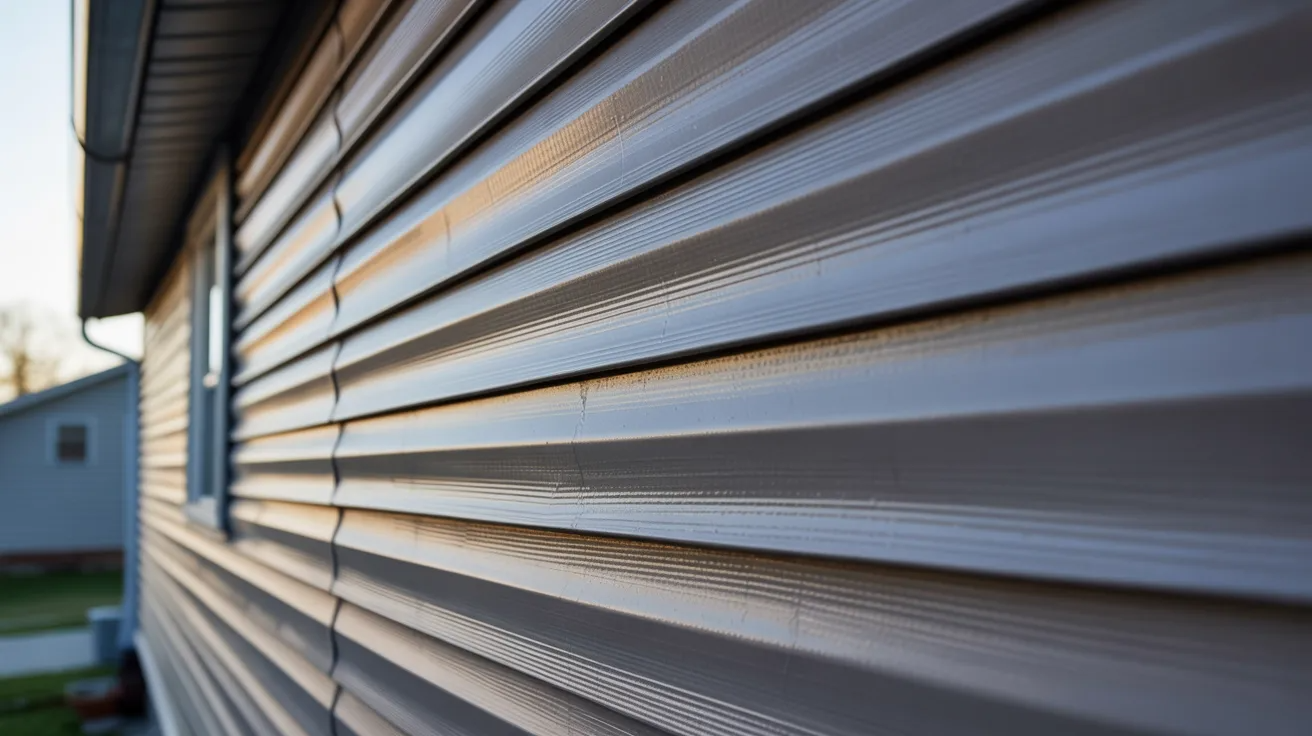
Most vinyl siding lasts between 20 and 40 years. Budget options may show wear closer to 15 years, while premium products can push past 40 with proper care. The range is wide because installation quality and regular upkeep play a bigger role than most homeowners expect.
Manufacturers rate vinyl siding by thickness and impact resistance. Thicker panels, around 0.044 to 0.055 inches, hold up better over time. Look for siding rated for high winds and UV resistance. Those ratings directly affect how long the product performs before it starts breaking down.
Several factors shorten or extend siding life. Installation quality matters most. Local climate, maintenance frequency, and panel color all play a role too. Darker colors absorb more heat and fade faster. Trees and shrubs sitting too close to the house can also speed up damage over time.
How Climate Impacts Vinyl Siding Lifespan
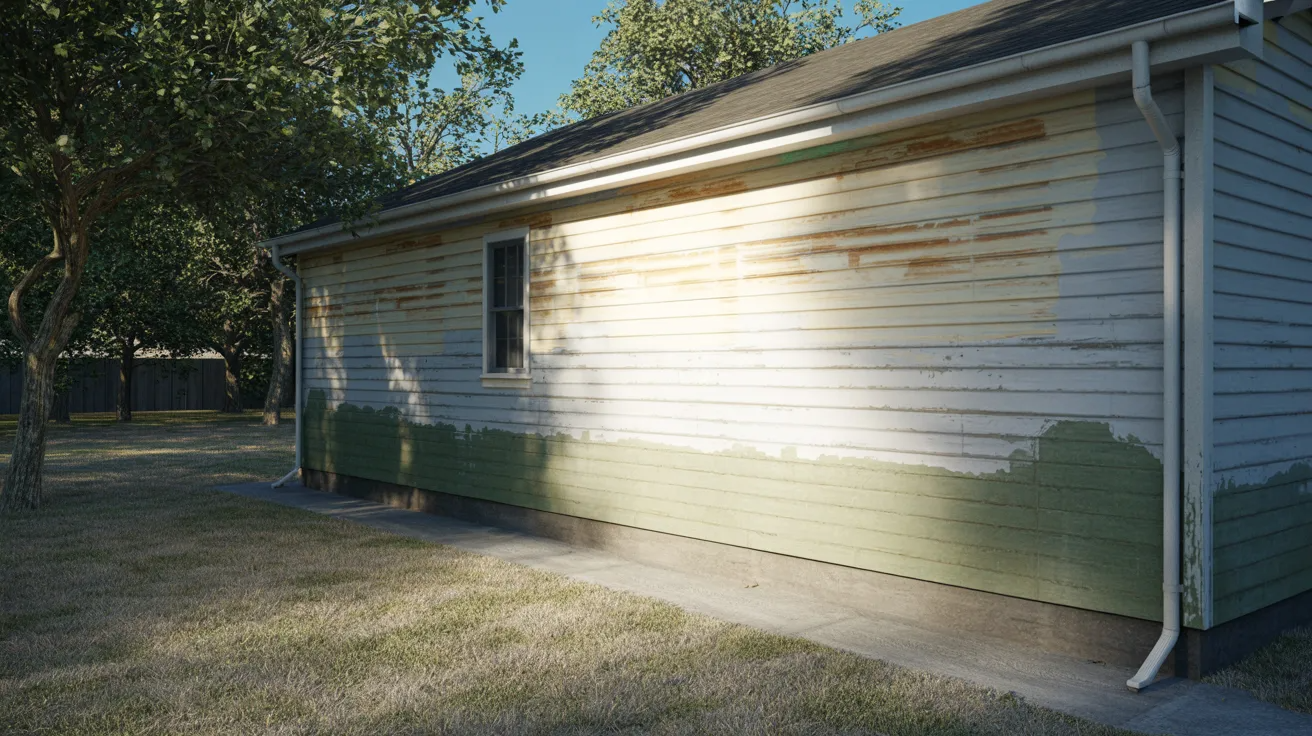
Kansas homeowners deal with hail, ice storms, and intense summer heat that stresses siding repeatedly. Cracking and fading often show up sooner than the national average, sometimes within 15 to 20 years on older installs.
In Charlotte, North Carolina, the challenge is different. High humidity and hot summers create the perfect conditions for moisture to get trapped behind panels. Without regular inspection, mold can develop and quietly cause damage before you ever notice it from the outside.
UV rays break down vinyl over time, causing colors to fade and panels to turn brittle. Cracks form more easily once that happens. Storm damage, even from minor hail, weakens the surface further. One bad storm alone can take several years off your siding’s remaining life.
9 Vinyl Siding Lifespan Signs You Need Replacement
These are the most common warning signs that your siding has reached the end of its useful life.
1. Cracked or Broken Vinyl Panels
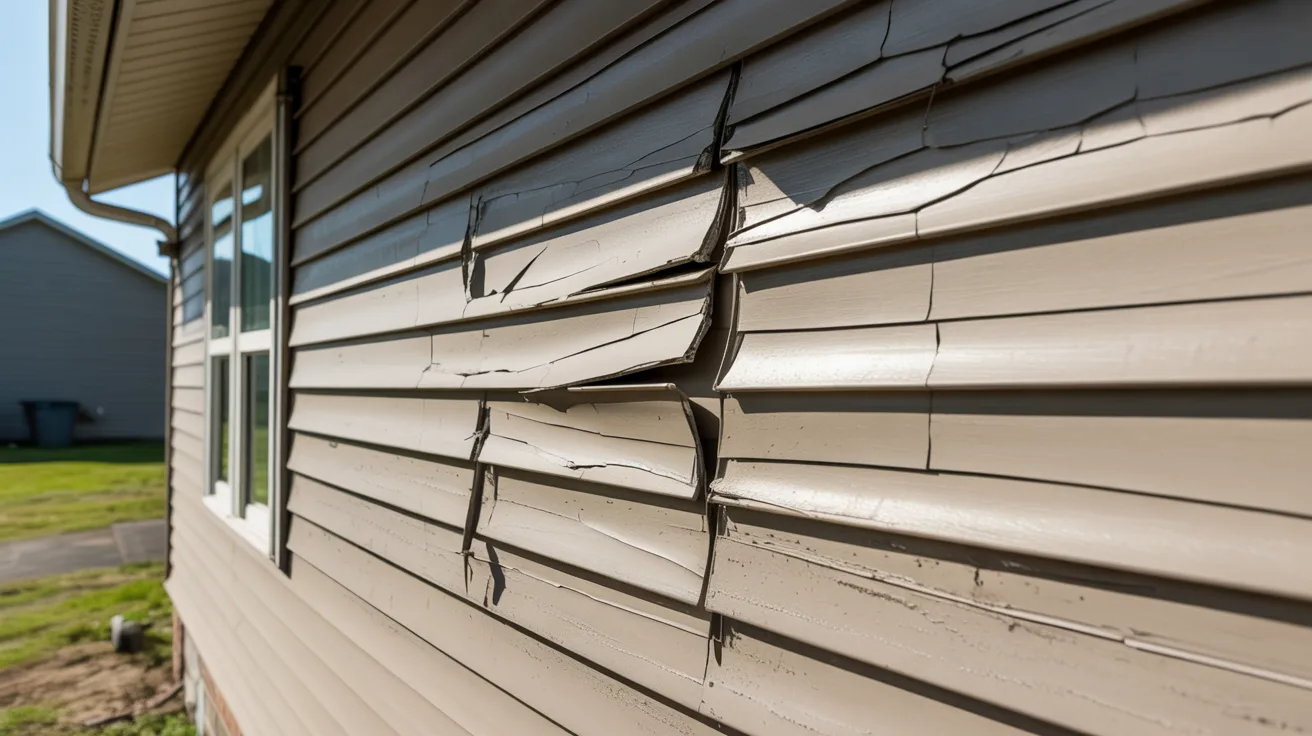
Small cracks can let water in behind the siding. Once moisture gets in, the damage spreads fast. One or two cracked panels may be repairable. But widespread cracking across the home points to full replacement.
2. Warped, Buckling, or Sagging Siding
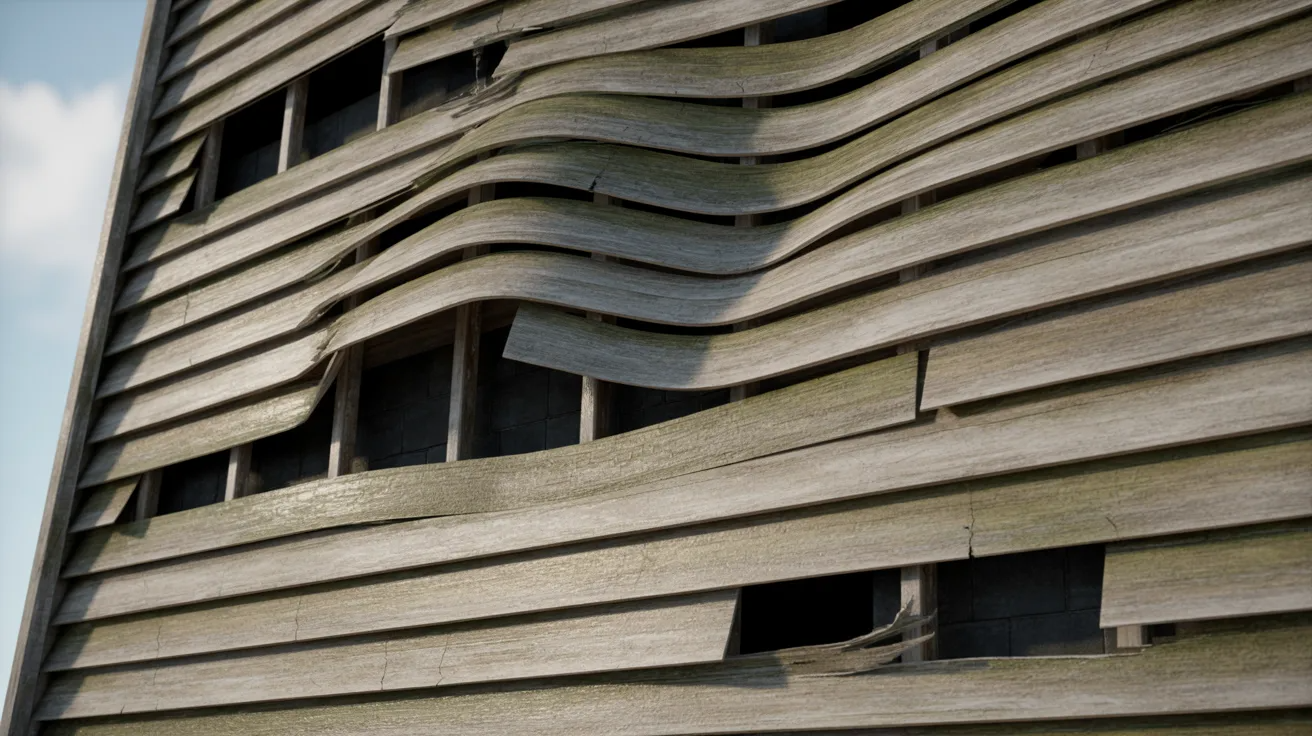
Siding that bends away from the wall has likely been exposed to too much heat or was installed incorrectly. Warping means the material has lost its shape permanently. That gap creates an opening for water and pests.
3. Fading or Severe Discoloration
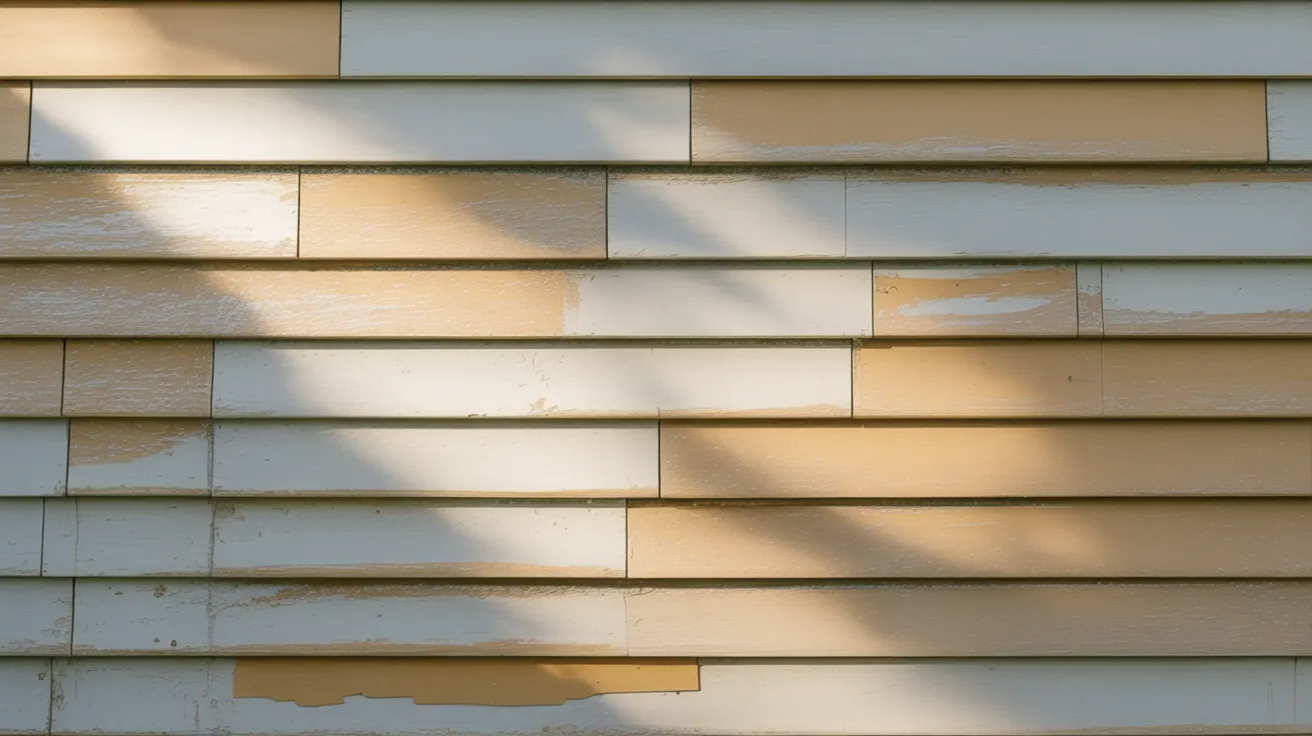
Some fading is normal after years of sun. But when the color changes dramatically or unevenly, it means the protective layer is gone. At that point, the siding can no longer deflect UV rays properly.
4. Loose or Missing Vinyl Panels
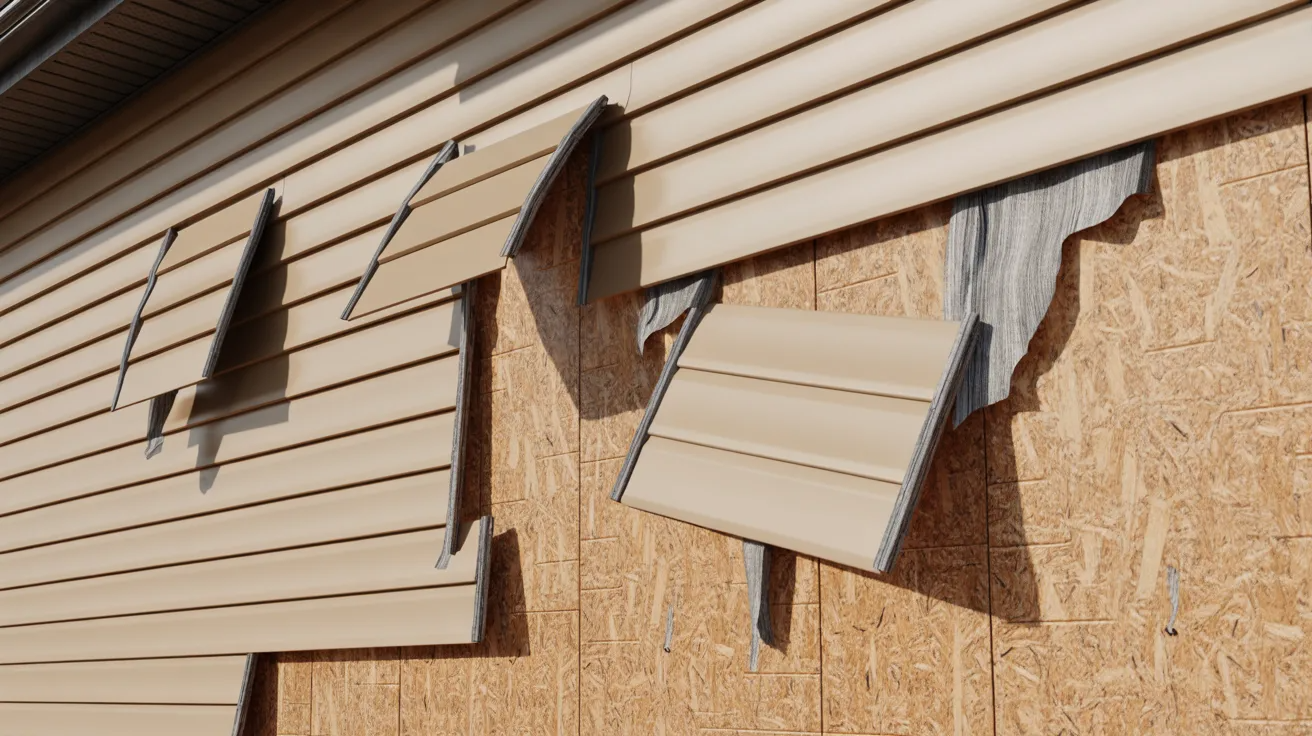
Wind and age loosen the panels over time. A missing panel is an urgent issue; it exposes your home’s sheathing directly to the elements. If multiple panels are loose, the entire system may be failing.
5. Bubbles or Blisters Under the Surface
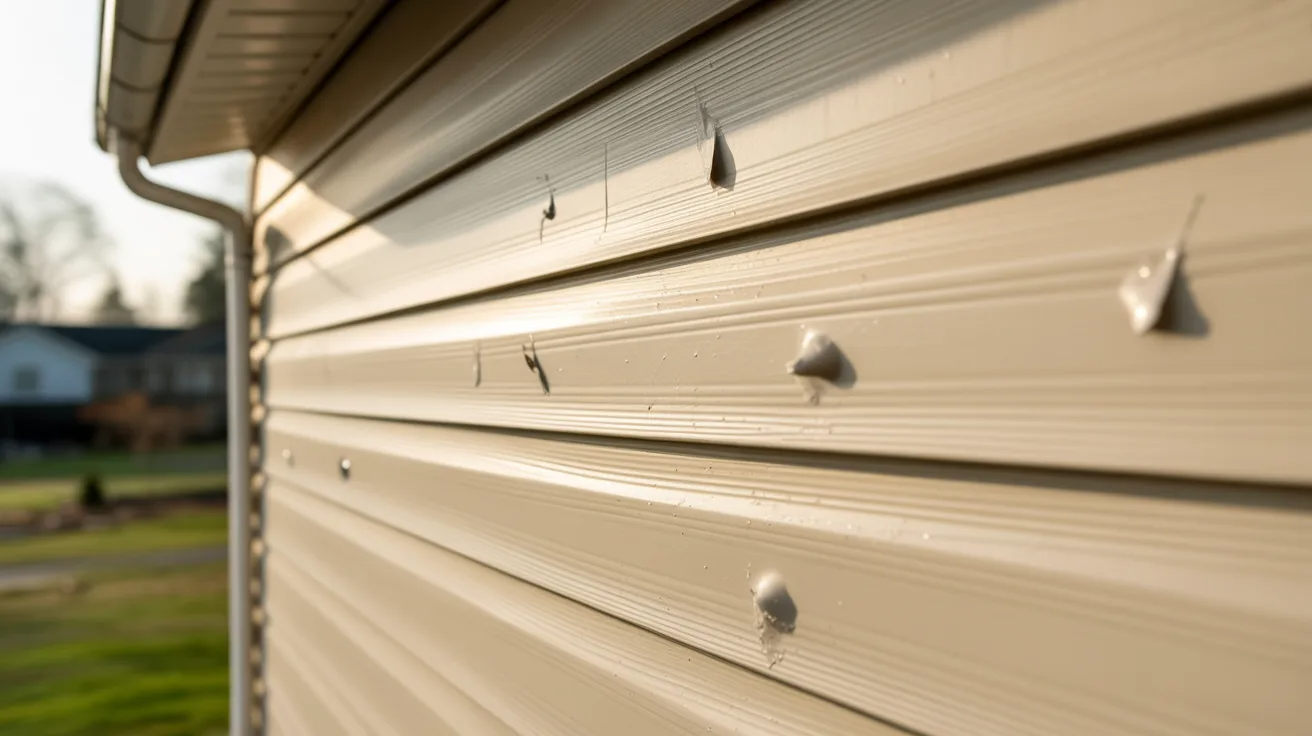
Bubbles usually mean heat is trapped or moisture has gotten behind the siding. This is a red flag. Moisture sitting against your home’s structure leads to rot, which is far more expensive to fix.
6. Pest Damage or Small Holes
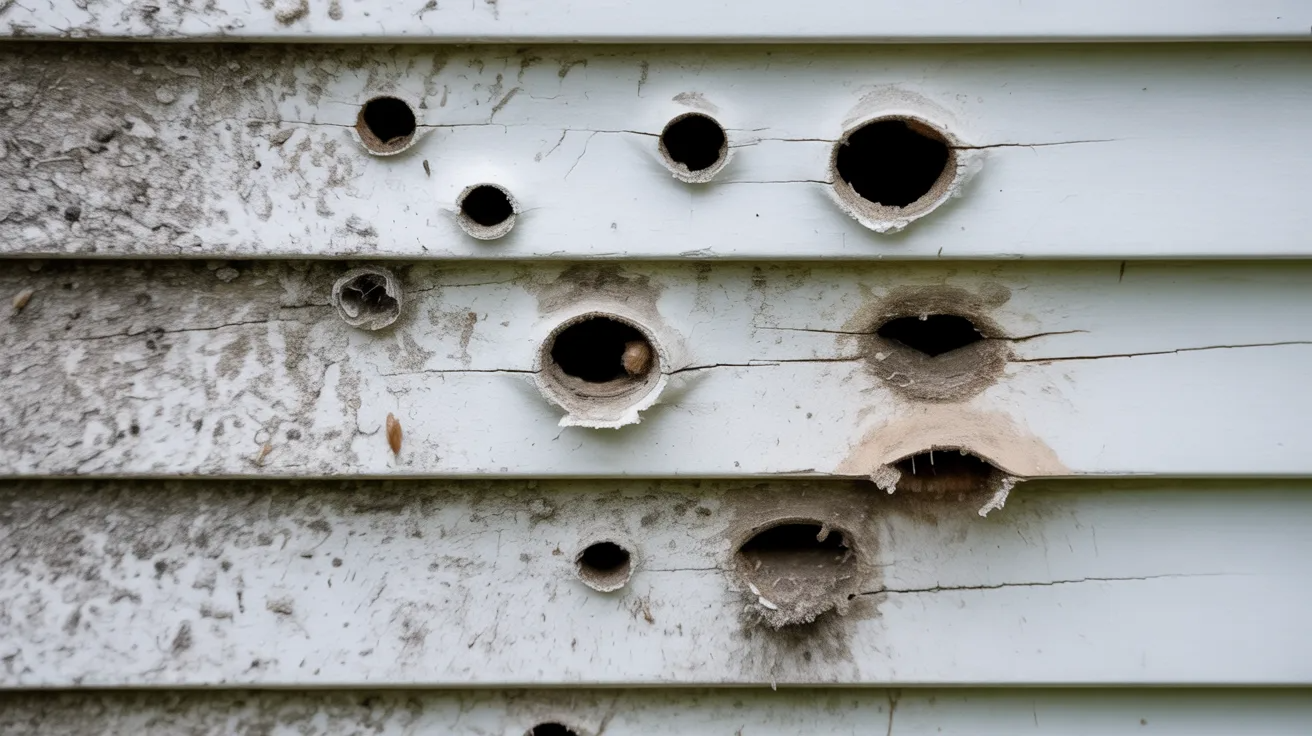
Insects like carpenter ants and wasps can chew through vinyl or find gaps to nest in. Small holes may look minor but can signal bigger pest activity behind the wall. Check for entry points regularly.
7. Mold, Mildew, or Moisture Behind Panels
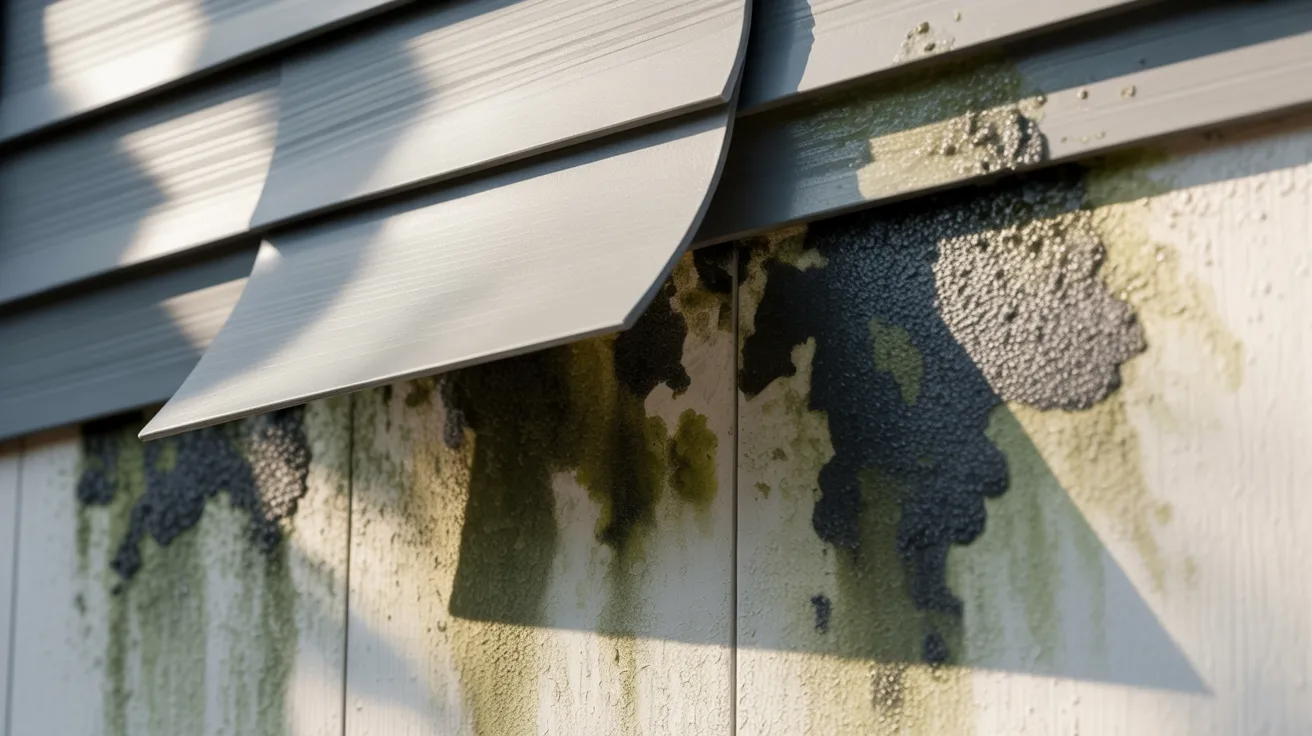
If you lift a loose panel and see dark spots or smell something musty, moisture has already moved in. Mold behind siding can reach the interior walls. This is one of the most serious warning signs on this list.
8. Rising Energy Bills Due to Poor Insulation
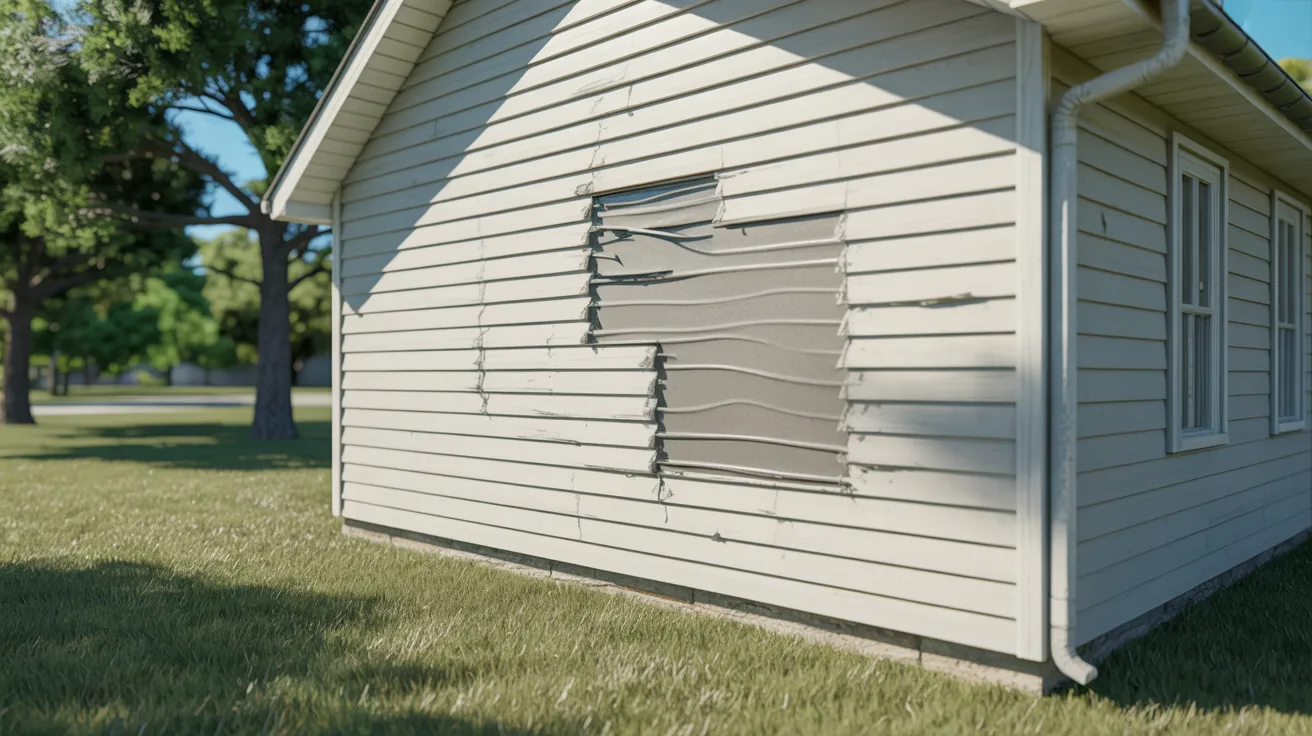
Old or damaged siding loses its insulating ability. If your heating or cooling costs have gone up and nothing else has changed, your siding could be part of the problem. Good siding creates a thermal barrier, failing siding does not.
9. Frequent Repairs or Ongoing Maintenance
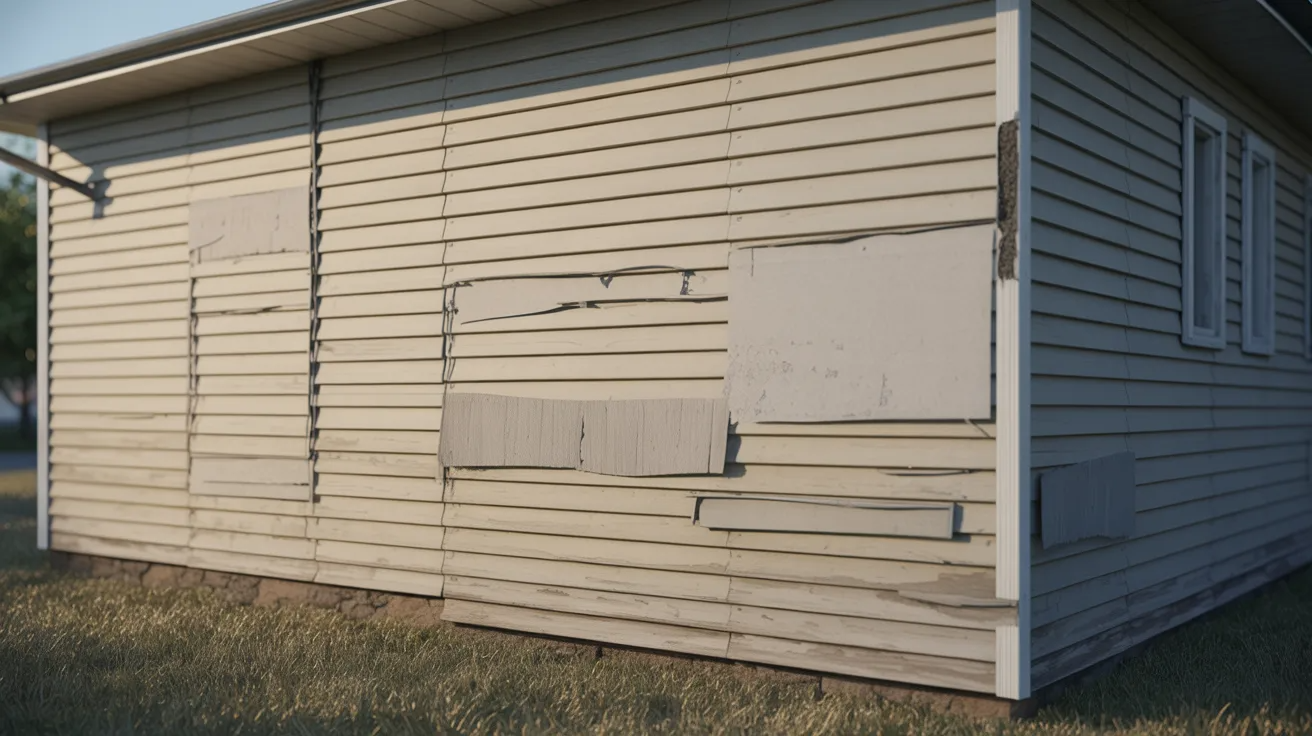
If you’re fixing siding every season, the costs add up fast. At some point, repeated patching costs more than a full replacement. If repairs are becoming a regular expense, replacement is the smarter long-term move.
Why Ignoring Vinyl Siding Damage Can Cost You More
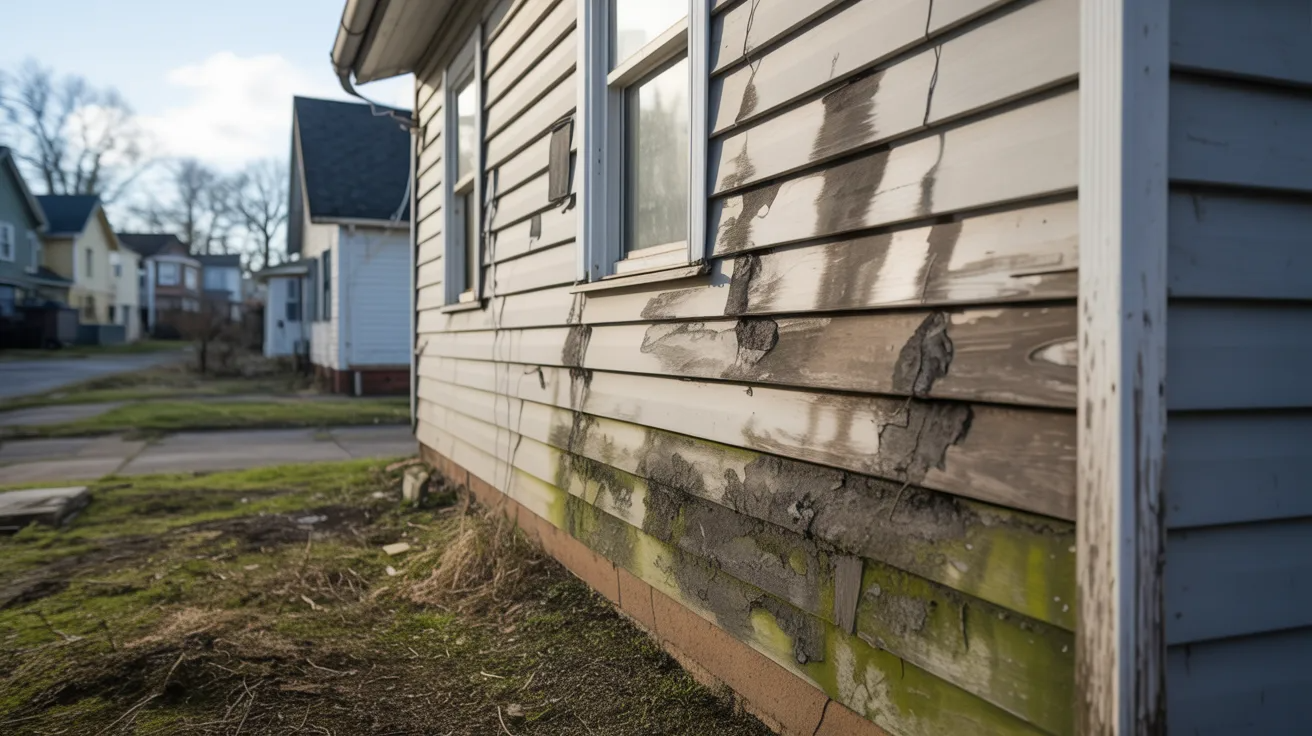
Putting off siding repairs might feel like saving money, but the long-term costs tell a different story.
Water Damage and Structural Issues
Water that gets behind siding can reach the wood framing. Rotted framing is a structural problem. Fixing it costs several times more than siding replacement alone. Catching damage early keeps repairs manageable.
Increased Energy Costs
Gaps and failing panels allow outside air to enter. Your HVAC system works harder to compensate. The result is higher monthly bills that quietly drain your budget over time.
Reduced Curb Appeal and Home Value
Worn, faded, or damaged siding impacts how your home looks. If you plan to sell, buyers notice. Appraisers notice too. Replacing siding before listing often increases the return on investment significantly.
Repair vs Replacement: When New Vinyl Siding Is the Better Choice
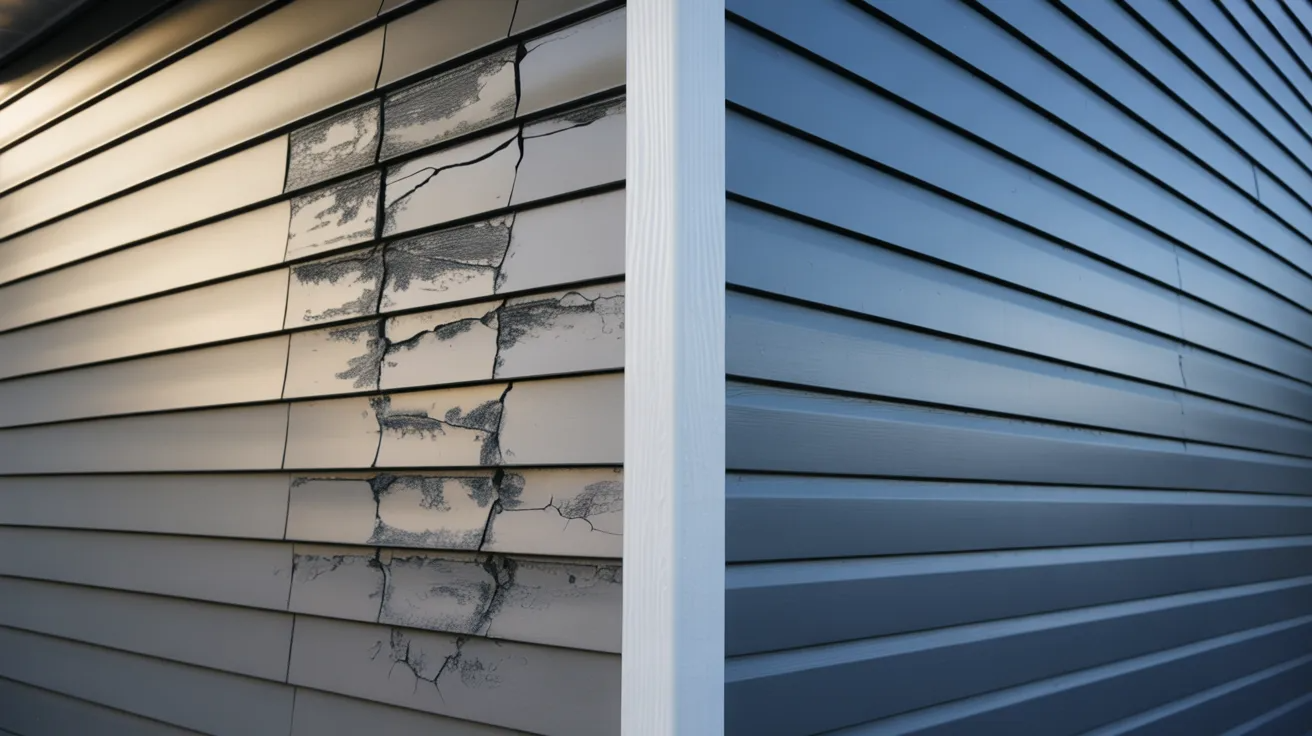
Understanding when to repair and when to replace can save you from spending money in the wrong direction.
Situations Where Repairs May Work
Repairs make sense when damage is limited to one or two panels. If the siding is relatively new and the rest of the home looks fine, spot repairs are a reasonable option.
When Full Replacement Is the Smart Option
Replacement is the right call when
- Damage covers a large portion of the home
- The siding is over 25-30 years old
- Moisture has reached the structure
- Energy bills continue to rise despite repairs
Benefits of Modern Vinyl Siding Materials
Today’s vinyl siding is thicker, more impact-resistant, and better insulated than older versions. Many products include built-in foam backing for added energy efficiency. Upgrading also means better warranties, often 30 to lifetime coverage.
Vinyl Siding Lifespan and Maintenance Tips
Simple habits can add years to your siding’s life and prevent costly problems down the road.
- Wash your siding once a year using a garden hose and mild soap to remove dirt, algae, and grime before it causes staining or moisture buildup.
- Avoid high-pressure washers set too high. They can force water behind panels and create hidden moisture problems.
- Walk around your home after every hail storm or strong wind event and check for dents, cracks, and loose panels.
- Keep trees and shrubs trimmed at least a foot away from your siding to reduce scratches and trapped humidity.
- Fix cracked or loose panels right away. Small repairs now cost far less than structural damage later.
- Check caulking and seams around windows and doors each season to make sure no gaps have opened up.
- A little attention twice a year can add years to your siding’s life and save you thousands in repairs.
Conclusion
Keeping an eye on your vinyl siding lifespan doesn’t have to feel overwhelming. I’ve seen homeowners catch small cracks early and save thousands. I’ve also seen others wait too long and face serious water damage.
The signs are there, you just need to know what to look for. Walk around your home this weekend. Check the panels. Look for fading, cracks, or bubbles. If you spot multiple warning signs, it’s time to act.
Have questions or noticed something on your own siding? Drop a comment below. I’d love to hear from you.
Frequently Asked Questions
How long does vinyl siding typically last?
Most vinyl siding lasts between 20 and 40 years. Regular cleaning and prompt repairs can push it toward the higher end of that range.
Can I replace just a few panels instead of all the siding?
Yes, spot repairs work when damage is limited to one or two panels. If damage is widespread or the siding is old, full replacement makes more financial sense.
Does vinyl siding need painting or sealing?
No, vinyl siding does not need painting or sealing. The color is built into the material, though it can fade over time from UV exposure.
What causes vinyl siding to warp or buckle?
Warping is usually caused by excessive heat, improper installation, or panels that are nailed too tightly. Once warped, the panels cannot return to their original shape.
How do I know if moisture has gotten behind my siding?
Signs include bubbling, soft spots when you press on the wall, mold growth, or a musty smell near exterior walls. Lifting a loose panel can also reveal dark staining or wet insulation beneath.


