

If you’ve ever struggled with a window that won’t open right, the problem might be the window sash.
I didn’t know much about window sashes until I started looking into why my old bedroom window kept letting in cold air. Turns out, the sash was the issue all along.
In this article, I’ll cover what window sashes are, the different types, key parts, and how to keep them in good shape.
With over a decade of home improvement writing, I know how confusing window terms can get, so let’s keep it simple.
Understanding Window Sashes: The Basics

A window sash is the frame that holds the glass pane inside your window. It sits within the outer frame and moves when you open or close the window.
Sashes come in wood, vinyl, aluminum, or fiberglass. Each material has its own strengths depending on your climate and budget.
They directly affect how well your window seals, how much air flows through, and how easy it is to operate. Get the sash right, and the whole window works better.
Types of Window Sashes
Not all sashes work the same way, the type you have changes how your window opens and performs.
Single-Hung Sash

In a single-hung sash, only the bottom sash moves up and down. The top one stays fixed. This is one of the most common window types in older and traditional-style homes.
It’s budget-friendly and simple to maintain, which makes it a solid pick if you’re not looking to spend a lot.
Double-Hung Sash
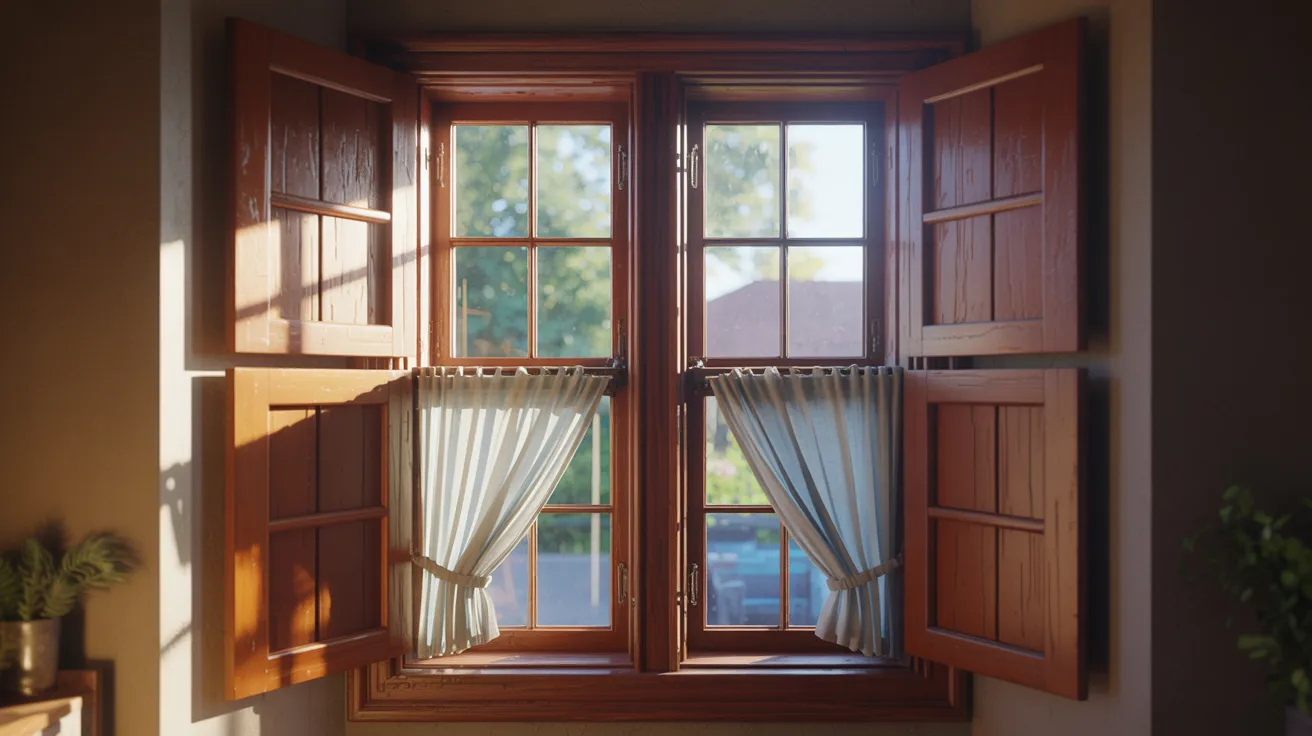
With a double-hung sash, both the top and bottom sashes can move. This gives you more control over airflow, you can open the top, the bottom, or both.
Another big plus: many double-hung sashes tilt inward, making them much easier to clean from inside your home.
Sliding Sash
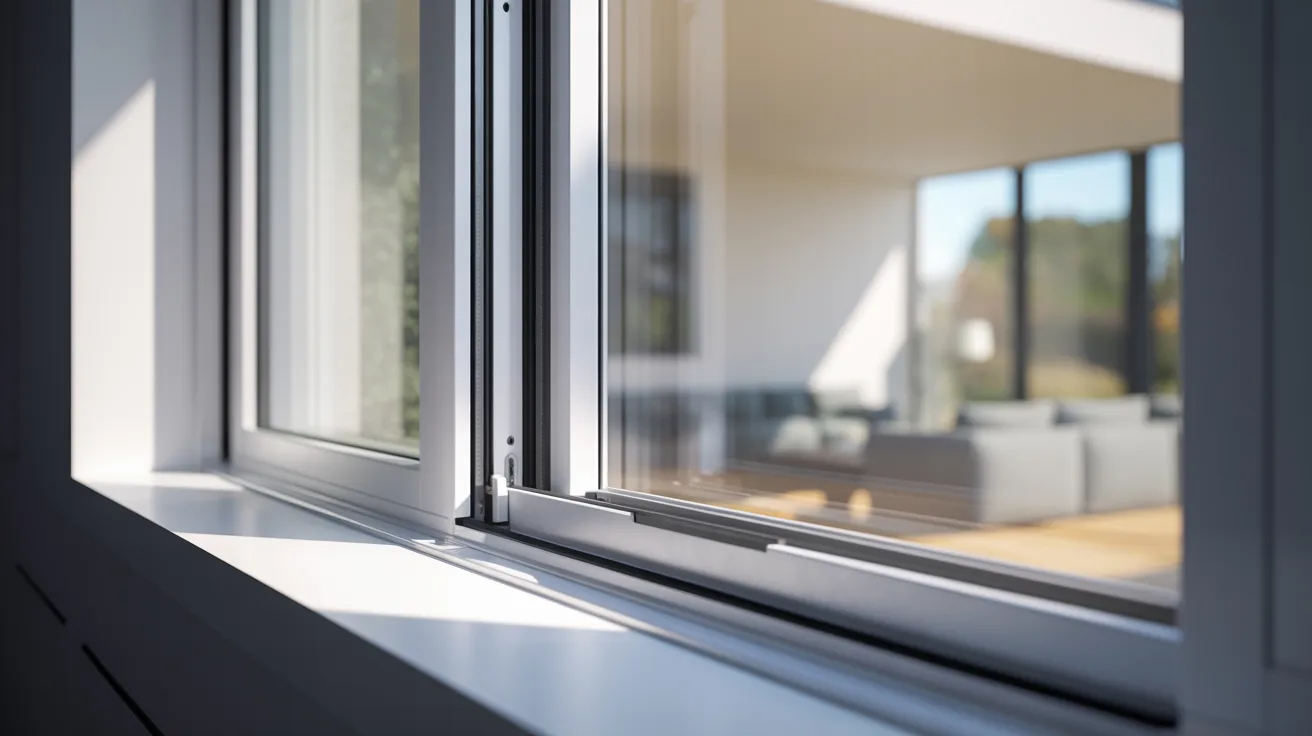
A sliding sash moves left or right instead of up and down. It works well in wide window openings and spots where you don’t have vertical space to spare.
You’ll often see these in modern homes and rooms where a traditional up-down window just wouldn’t fit.
Casement Sash

A casement sash swings outward on hinges, usually controlled by a crank handle. It seals tightly when closed, which makes it great for energy efficiency.
It also catches side breezes well, so you get strong airflow when it’s open. A good pick for kitchens and bathrooms.
Key Components of a Window Sash
A sash is made up of several parts, knowing each one helps you spot problems faster.
Rails and Stiles

Rails are the horizontal pieces of the sash frame. Stiles are the vertical ones. Together, they form the basic rectangle that holds everything in place.
If your sash is warping or cracking, it usually starts with the rails or stiles, especially on older wooden windows exposed to moisture over time.
Glass / Glazing

The glass pane sits inside the sash frame and is the main reason the sash exists. Older windows often have single-pane glass.
Newer ones typically use double or triple panes for better insulation. Some glazing options include low-E coatings or tempered glass, which add energy savings or extra safety.
Grilles

Grilles are the thin strips you see dividing the glass into smaller sections. Some are purely decorative and sit between panes.
Others are structural and actually hold multiple pieces of glass together. Either way, they affect how the window looks from both inside and outside your home.
Lift or Crank Mechanism

This is the hardware that helps you physically open and close the sash. A lift is a small handle at the bottom of a hung sash, you push it up or pull it down.
A crank is used on casement windows. If this part breaks, your window can get stuck or become hard to operate.
Sash Lock
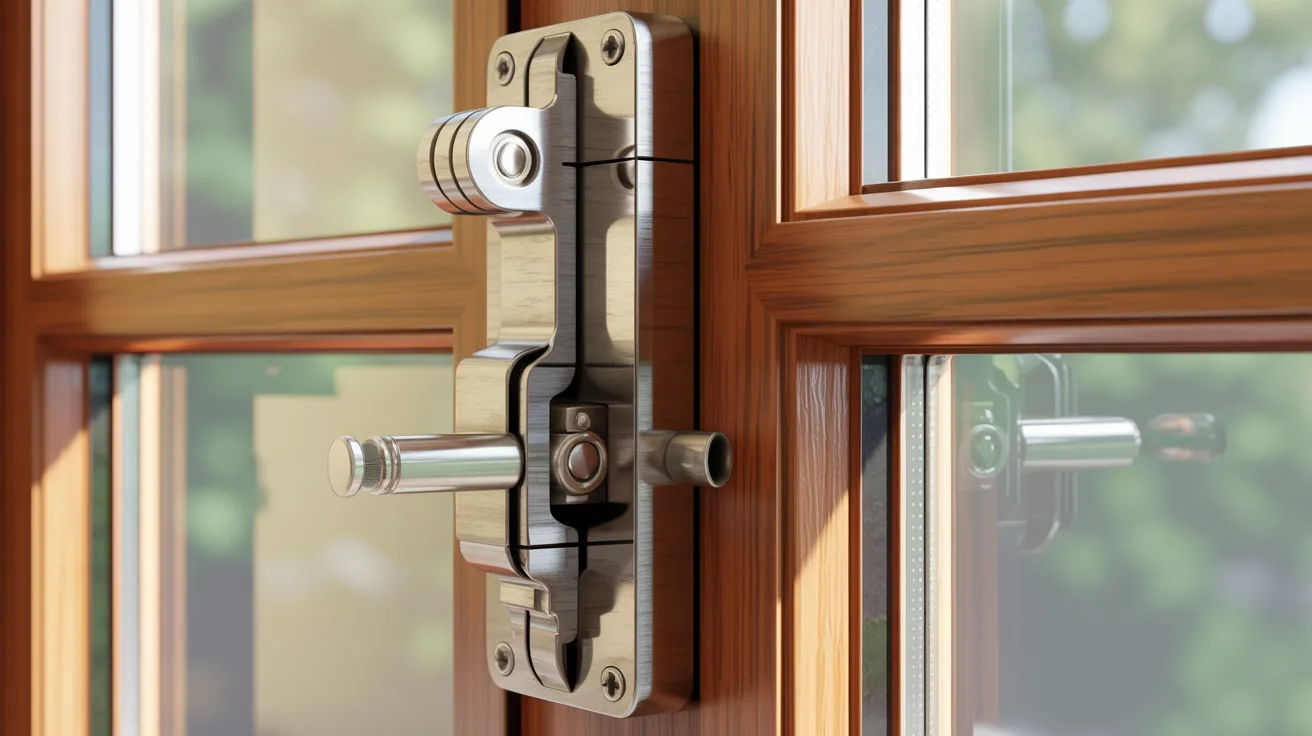
The sash lock is what keeps your window shut and secure. It latches the sashes together and helps create a tighter seal, which cuts down on drafts.
A broken or worn lock doesn’t just affect security, it can also raise your energy bill by letting outside air in through the gaps.
Why Window Sashes Are Important

Window sashes are what allow your windows to function properly. They create a barrier between inside and outside, helping to keep heat in during winter and cool air in during summer.
A well-fitted sash reduces noise, blocks drafts, and adds to the overall security of your home. When sashes wear out or stop sealing right, you’ll notice it in your energy bills and your comfort level.
They’re worth paying attention to.
Signs Your Window Sash Needs Repair or Replacement
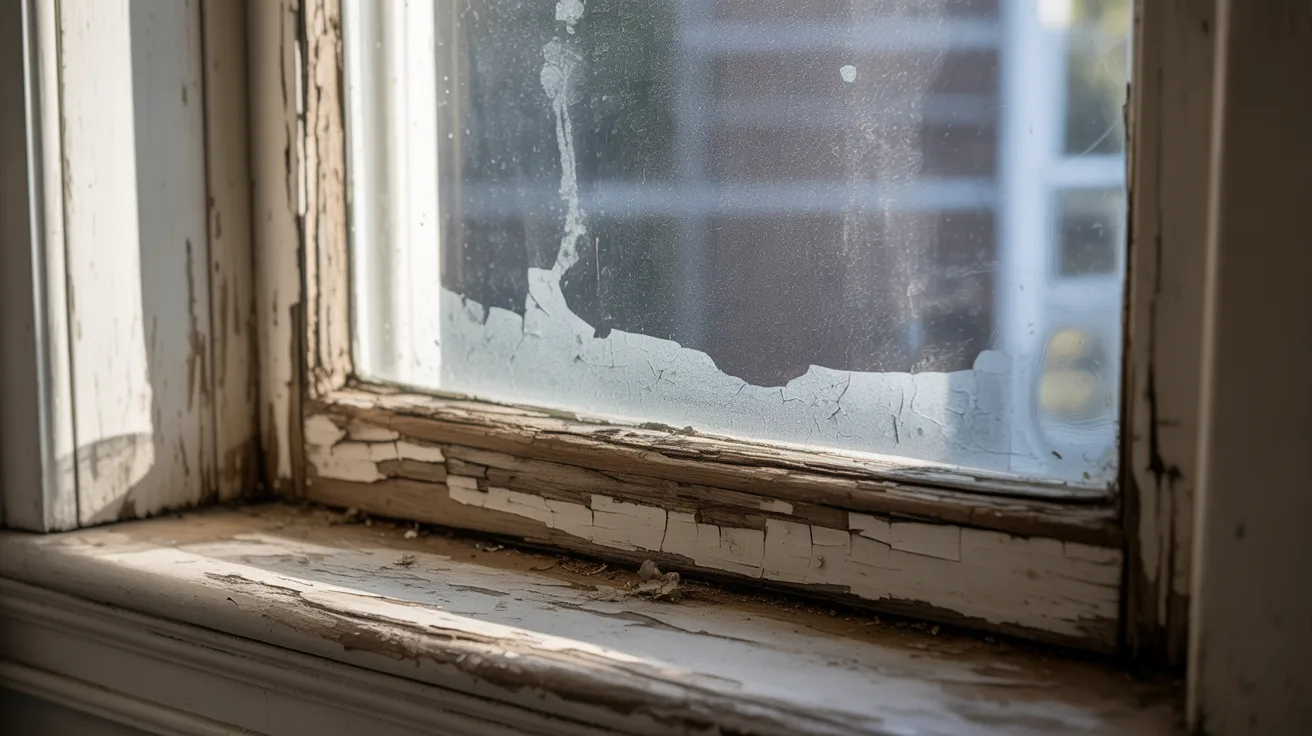
Catching problems early saves you money and a lot of frustration down the road.
Drafts or air leaks: Cold air near a closed window means the sash isn’t sealing right. Weatherstripping is likely worn or the frame has shifted.
Difficulty opening or closing: A sticky sash points to swelling, warping, or dirt in the tracks. Fix it early before it gets worse.
Warping, rot, or visible damage: Wooden sashes rot when moisture gets in. Soft spots, cracks, or bowing means it’s time for a replacement.
Condensation between glass panes: Fog trapped between panes means the seal has failed and insulation is gone.
Broken seals or hardware issues: A latch that won’t close or a crank that won’t turn is a safety concern. Small fixes can sometimes save you from a full replacement.
Maintenance Tips for Window Sashes
A little regular care goes a long way in keeping your sashes working well for years.
- Inspect annually for cracks, rot, soft spots, or gaps around the sash frame.
- Repaint or reseal wooden sashes when paint peels or sealant cracks to keep moisture out.
- Lubricate moving parts with silicone-based lubricant to keep the sash sliding smoothly.
- Clean tracks and hardware every few months with a damp cloth to prevent buildup and wear.
- Replace worn locks or seals to restore the seal and keep your window secure and efficient.
Conclusion
I’ll be honest, before I started writing about home improvement, I had no idea what a window sash even was.
But once you understand it, so many window problems suddenly make sense. Now when a window sticks or leaks cold air, I know exactly where to look first.
I hope this gave you a clear picture of what window sashes are and how to take better care of them.
If you found this helpful, drop a comment below or share it with someone doing a window project. What type of window sash do you have at home?
Frequently Asked Questions
What is a window sash, exactly?
A window sash is the frame holding the glass inside your window. It’s the moving part that directly affects how well your window seals and insulates.
How do I know if my window sash is broken?
Look for drafts, sticking, visible rot, or condensation between panes. Any of these signs means your sash needs attention.
Can I replace just the sash without replacing the whole window?
Yes. A sash replacement kit lets you swap out the sash while keeping the outer frame, making it a more affordable fix.
How long do window sashes typically last?
Vinyl and aluminum sashes last 20 to 40 years. Wooden sashes usually last 15 to 30 years depending on maintenance and climate.
What’s the difference between a window sash and a window frame?
The frame is the fixed outer structure in your wall. The sash is the movable inner part that holds the glass and does the work.


