

If your home was built before the 1980s, you may be living with asbestos siding and not even know it. What does asbestos siding look like on a house? That’s exactly what I’ll cover here.
I’ll walk you through the visual signs, how it compares to modern siding, and what steps to take if you suspect it.
I’ve helped homeowners catch this material before a costly renovation mistake turned dangerous. Knowing what to look for can protect your health and save you money.
Let’s break it down simply so you can spot it with confidence.
What Is Asbestos Siding?
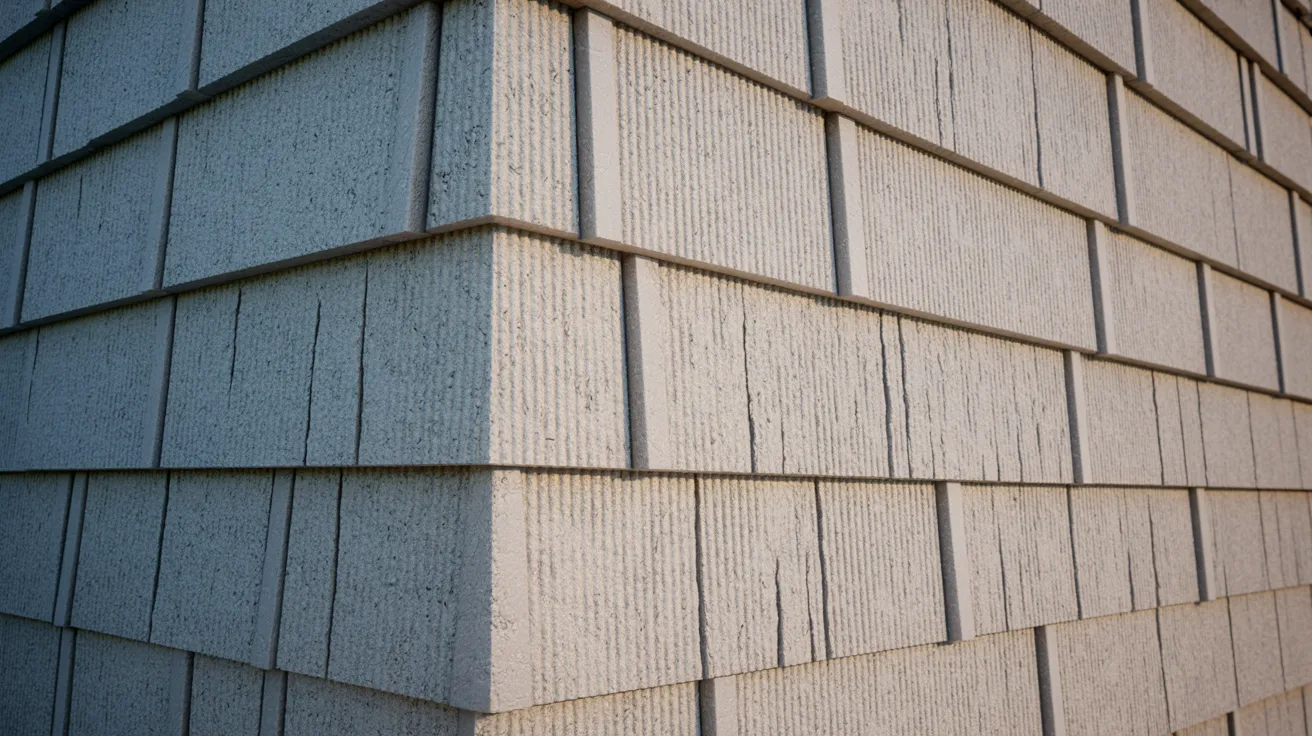
Asbestos siding is a building material made by mixing asbestos fibers with cement. The result was a hard, rigid panel that builders used to cover the exterior of homes for decades.
It became popular because it was affordable, fire-resistant, and tough. It held up in bad weather and didn’t rot like wood. Manufacturers could produce it at scale, which made it a go-to choice for residential construction across the country.
Most homes with asbestos siding were built between 1920 and 1980. It was especially common from the 1940s through the 1960s. Once researchers linked asbestos exposure to serious lung diseases, the EPA stepped in with restrictions. By the late 1980s, the material was largely phased out and replaced with safer alternatives.
What Does Asbestos Siding Look Like on a House?
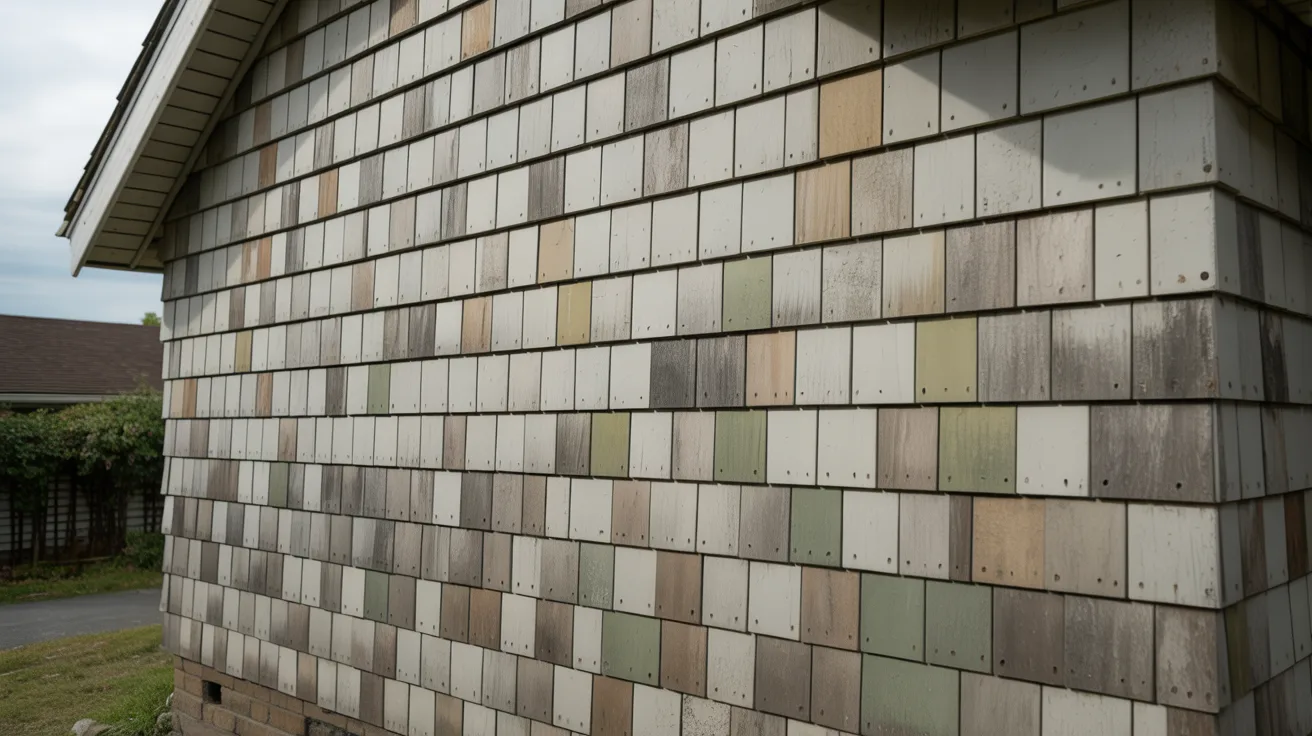
Learn the key visual details that set asbestos siding apart from other materials at a glance.
Common Colors of Asbestos Siding
Asbestos siding often comes in faded, muted tones. You’ll commonly see off-white, gray, beige, or pale green. Over time, the original paint fades and the surface takes on a chalky, dull appearance. If the siding looks weathered and colorless, that’s worth noting.
Typical Panel Size and Shape
Most asbestos siding panels are small rectangles, typically around 12 inches wide and 24 inches long. They’re thicker than vinyl siding and have a slightly rigid, brittle feel. The panels are usually installed in overlapping rows, similar to fish scales or shingles.
Chalky or Cement-Like Texture
Run your hand along the surface (without disturbing it), and you’ll notice a rough, cement-like texture. It doesn’t flex like vinyl. It feels hard and dense. Older panels may show surface crumbling or a powdery coating.
Nail Hole Patterns on Panels
One clear sign is the nail hole pattern. Asbestos panels were nailed at the bottom edge. If you see evenly spaced nail holes along the lower portion of each panel, that’s a strong visual indicator. These holes are consistent and precise because the panels were factory-made.
What Does Asbestos Siding Look Like on Wood?
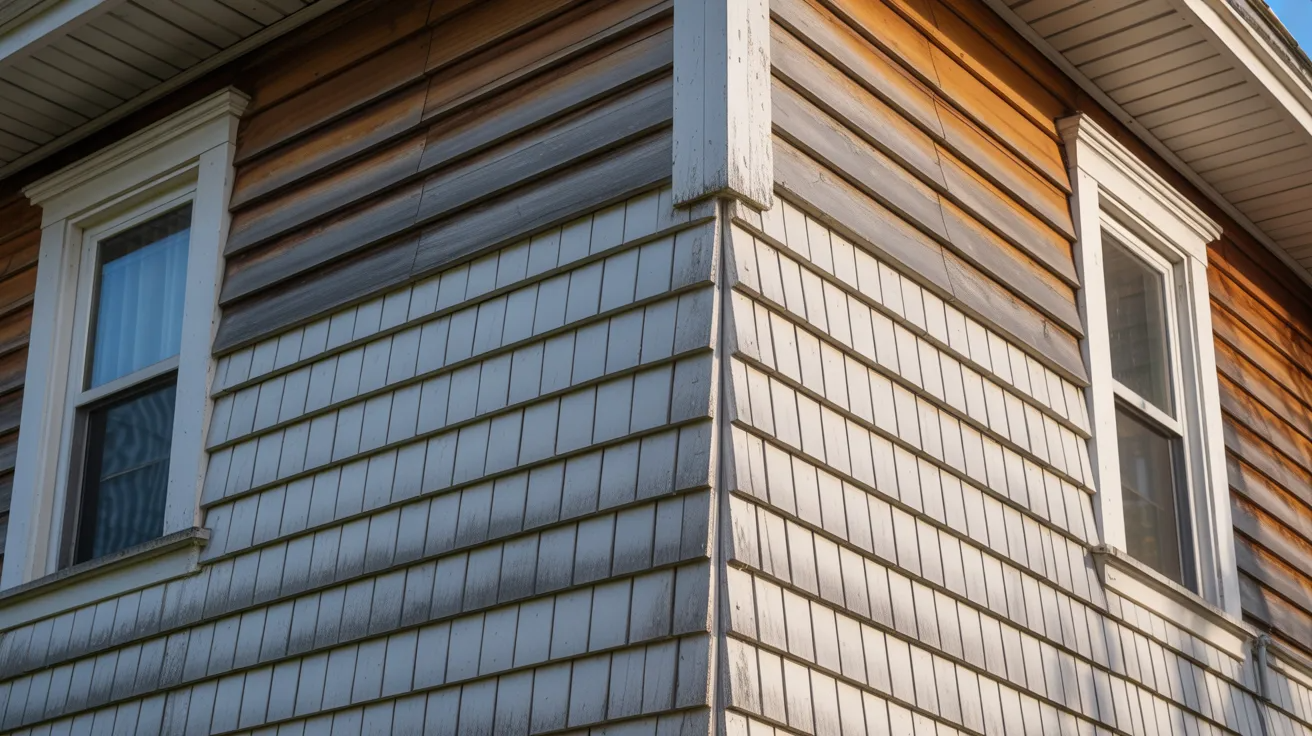
Understand how asbestos panels were layered over wood and what clues point to hidden material.
How Asbestos Panels Were Installed Over Wood Structures
In many older homes, asbestos siding was installed directly over the original wood siding. Contractors nailed the panels on top of the wood frame without removing the original material. This means your home could have two layers of siding.
Signs That Wood Siding May Be Covered by Asbestos Panels
Look at the edges of your siding near windows, doors, or corners. If you see a thick, layered edge that looks like two separate materials stacked, there may be original wood siding underneath an asbestos overlay.
The outer panels will still show the same small, rigid, cement-like characteristics described above.
What Does Asbestos Siding Look Like Inside a Home?
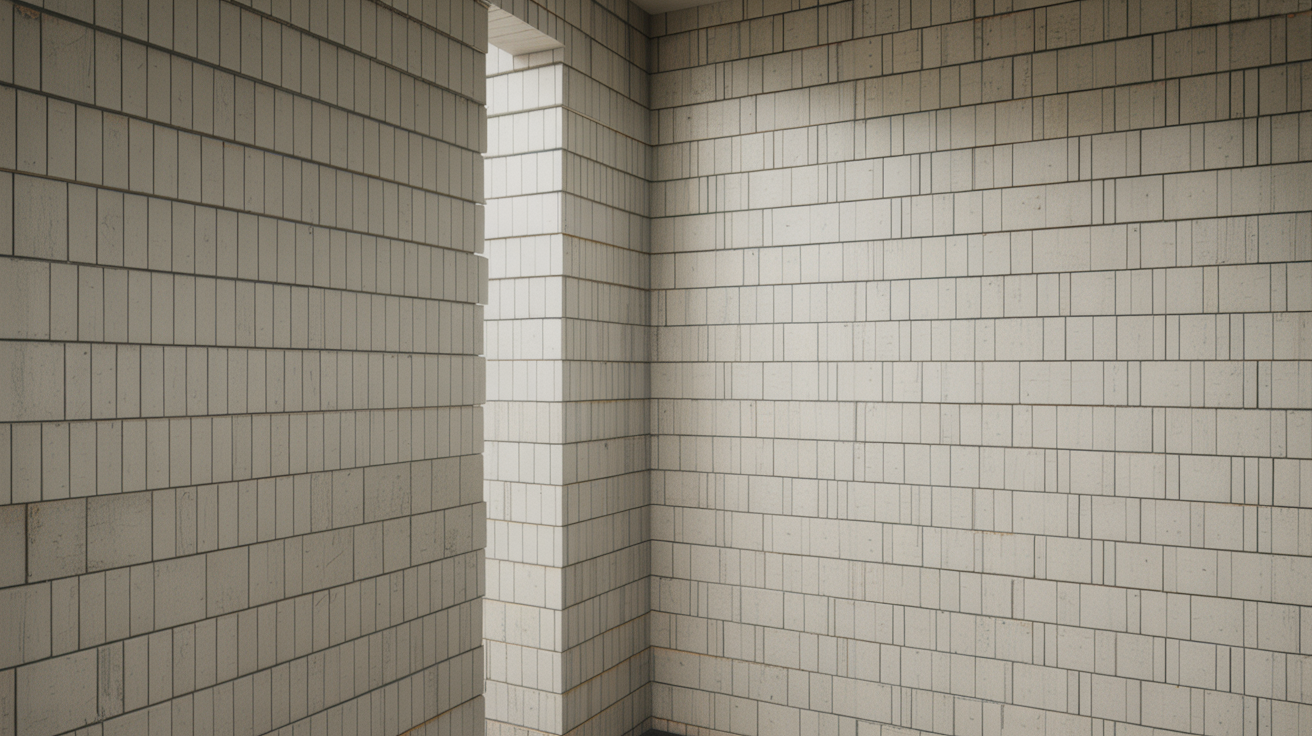
Asbestos wasn’t just used outside. Here’s what to look for on the inside of older homes.
Interior Materials That May Contain Asbestos
Inside older homes, asbestos showed up in ceiling tiles, floor tiles, insulation around pipes, drywall joint compound, and textured paint or “popcorn” ceilings. These materials often have a rough, bumpy, or fibrous look. Ceiling tiles may appear discolored or water-stained over time.
How Interior Asbestos Materials Differ From Exterior Siding
Exterior asbestos siding is a rigid panel. Interior asbestos materials are softer, more flexible in some cases, and varied in form.
Pipe insulation may look like wrapped gray tape or crumbling foam. Floor tiles are often 9×9 inches, which is a common size associated with older asbestos products.
Differences Between Asbestos Siding and Modern Siding
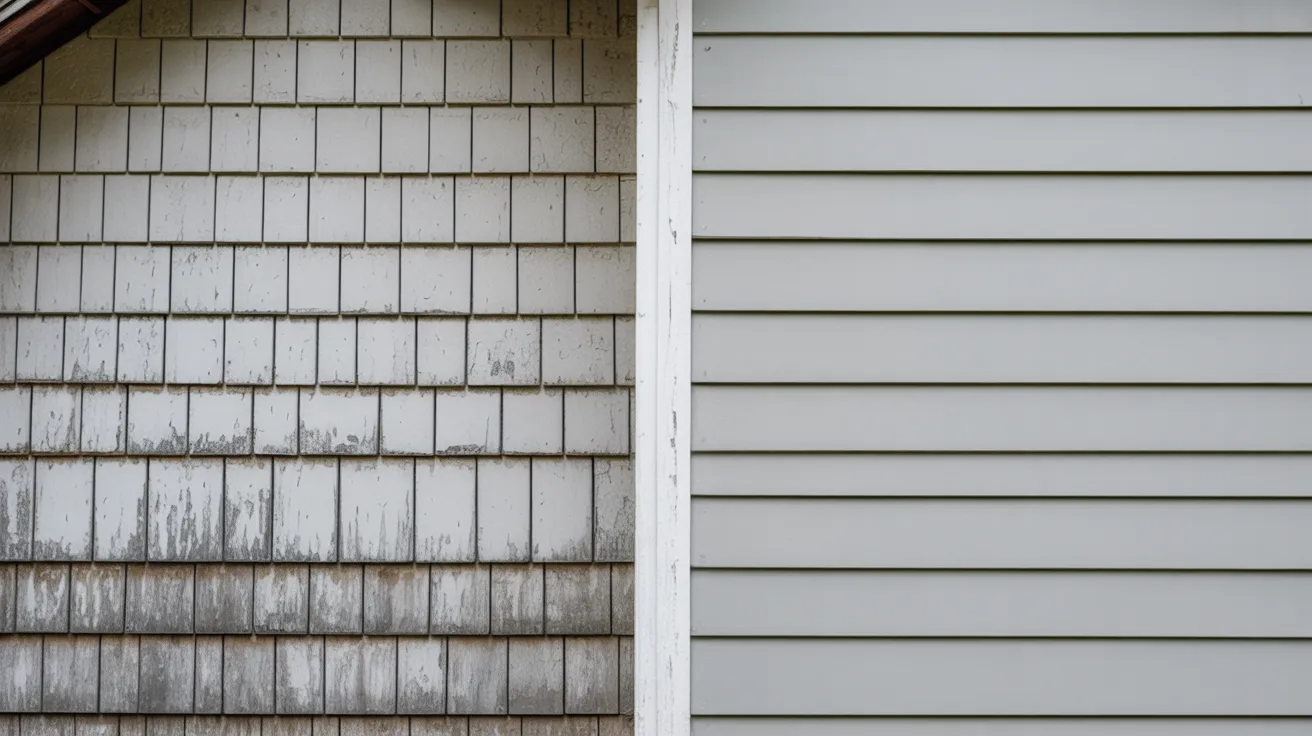
Knowing how asbestos compares to newer materials helps you make a faster, smarter identification.
Asbestos vs Vinyl Siding
Vinyl siding is lightweight and flexible. You can bend a vinyl panel with your hands. Asbestos panels are stiff and brittle. Vinyl also has a smooth, plastic-like finish with consistent color throughout.
Asbestos looks duller, heavier, and more cement-like. Vinyl panels are also longer, often 12 feet or more.
Asbestos vs Fiber Cement Siding
This is the trickiest comparison. Fiber cement siding (like HardiePlank) looks very similar to asbestos siding. Both are rigid, cement-based, and textured. The key difference is age.
If the home was built after 1990, it’s likely fiber cement. If it’s a pre-1980 home with small rigid panels, asbestos is more likely. A lab test is the only way to be certain.
Health Risks of Asbestos Siding
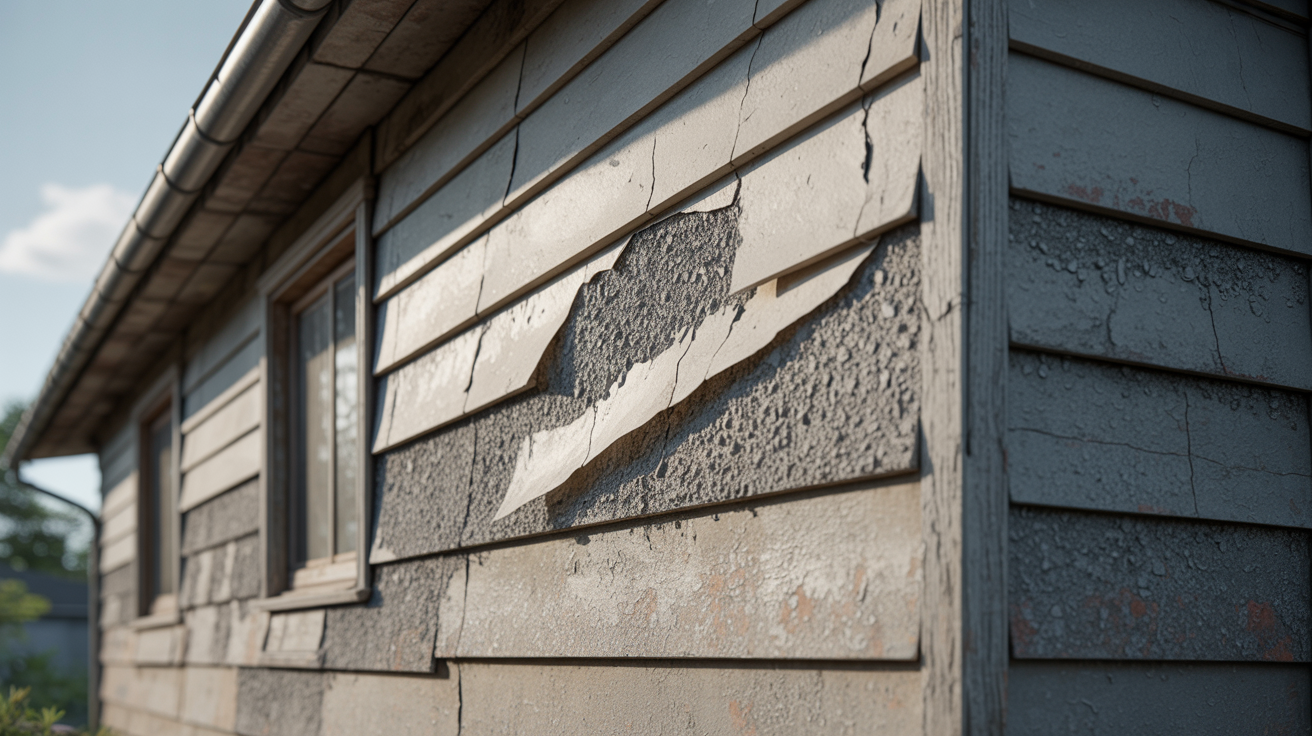
Asbestos siding in good condition may be stable, but disturbance makes it a serious health concern.
Why Asbestos Becomes Dangerous When Disturbed
Asbestos fibers are microscopic. When panels are cut, drilled, sanded, or broken, those fibers get released into the air. Once inhaled, the fibers settle in the lungs and don’t leave. The damage builds over years without immediate symptoms.
Diseases Linked to Asbestos Exposure
Long-term asbestos exposure has been linked to
- Mesothelioma (a rare lung cancer)
- Asbestosis (scarring of lung tissue)
- Lung cancer
- Pleural disease (thickening around the lungs)
These conditions can take 10 to 50 years to appear after exposure. That’s why identification matters even if the siding looks fine today.
Tips for Identifying Asbestos Siding Safely
These practical steps help you spot potential asbestos without putting yourself or others at risk.
- Check your home’s build date. Homes built between 1920 and 1980 are most likely to have asbestos siding.
- Look for small, rigid rectangular panels installed in overlapping rows along the exterior walls.
- Check the surface. Asbestos siding feels rough, dense, and cement-like, not smooth or flexible like vinyl.
- Look for faded, muted colors like gray, beige, or off-white with a chalky appearance.
- Spot the nail holes. Evenly spaced holes along the bottom edge of each panel are a strong visual clue.
- Do not scrape, drill, sand, or cut into any siding you suspect. Disturbing it releases harmful fibers into the air.
- Hire a certified asbestos inspector for lab testing. It’s the only way to confirm what you’re dealing with.
Conclusion
Figuring out what asbestos siding looks like on a house doesn’t have to feel overwhelming. I’ve walked through older homes myself and know that first moment of uncertainty when something just doesn’t look right.
Trust those instincts. Look at panel size, texture, nail holes, and your home’s age. But please, don’t try to remove it yourself. Get it tested first.
If this helped you, drop a comment below or share it with a neighbor who might need it. Your safety matters more than any renovation timeline.
Frequently Asked Questions
Can asbestos siding look like regular siding?
Yes, it can. Asbestos siding resembles fiber cement siding closely. The main differences are age, panel size, and texture. Lab testing is the only way to confirm it.
Is asbestos siding dangerous if it’s not damaged?
Asbestos siding in good condition and left undisturbed is generally considered stable. The risk increases significantly when it’s cut, cracked, or broken during repairs or renovations.
How do I know if my 1960s home has asbestos siding?
Homes built in the 1950s and 1960s commonly used asbestos siding. Look for small, rigid rectangular panels with a chalky texture and evenly spaced nail holes. A professional inspector can confirm through testing.
What should I do if I find asbestos siding on my house?
Do not disturb it. Contact a licensed asbestos abatement professional for testing and advice. They will help you decide if removal or encapsulation is the right next step.
How much does asbestos siding testing cost?
Testing costs vary by location, but a basic inspection and lab test typically range from $200 to $800. Some contractors offer free assessments as part of a removal estimate.


