
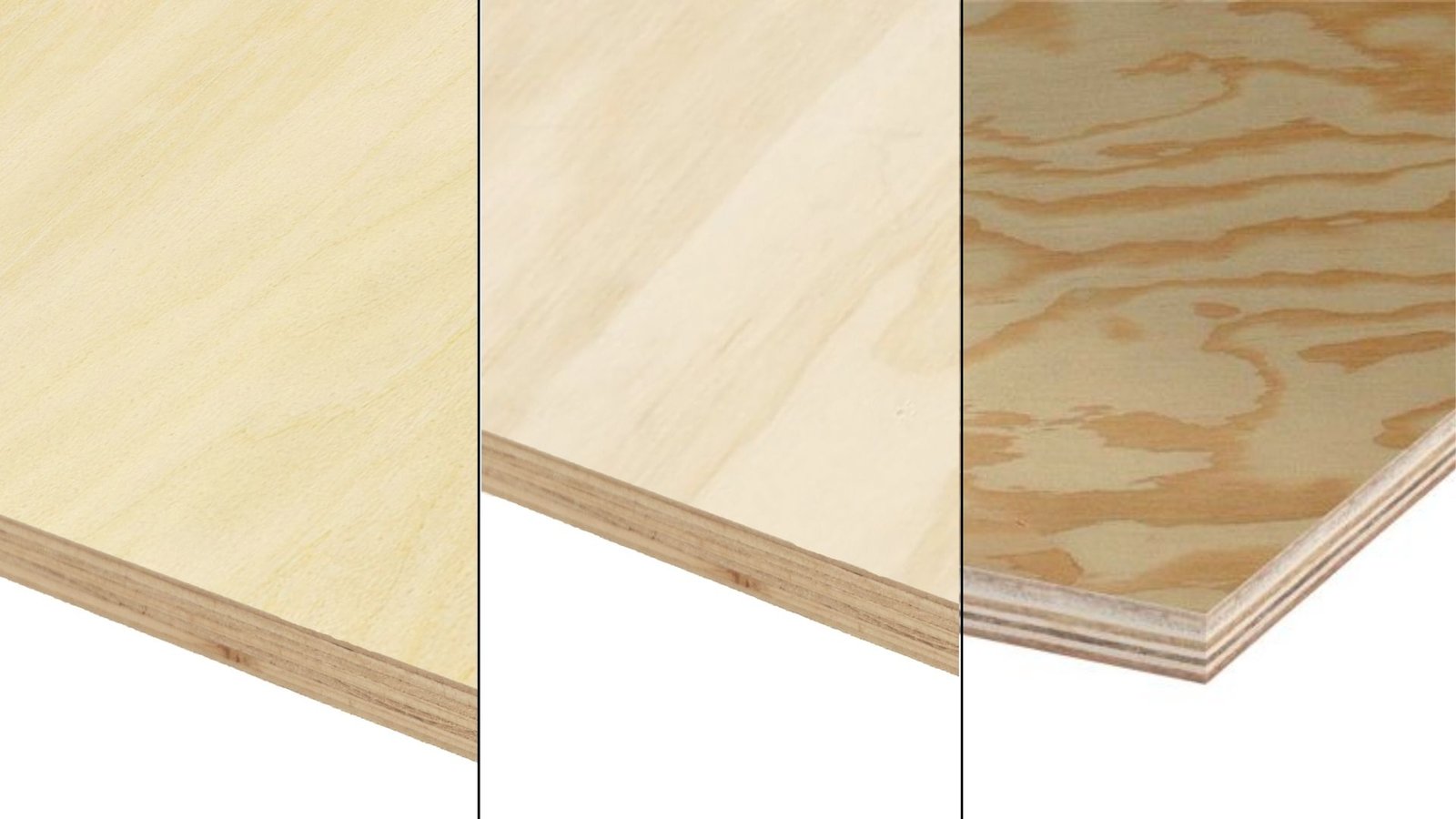
Have you ever installed a material that looked fine at first but caused problems later? I have learned that plywood choices matter more than most people expect.
Many sheets look alike, yet they perform very differently once they are cut, fastened, and exposed to real conditions.
BCX plywood is one of those options that often gets overlooked or misunderstood.
It sits between rough construction panels and premium finish grades, making it useful for many everyday projects.
In this guide, I will share practical insights from hands-on experience and explain what is BCX plywood & how it compares with ACX and CDX so you can select the right sheet for your project with confidence.
Let’s begin our learning together to help you to choose your perfect fit.
What Is BCX Plywood?
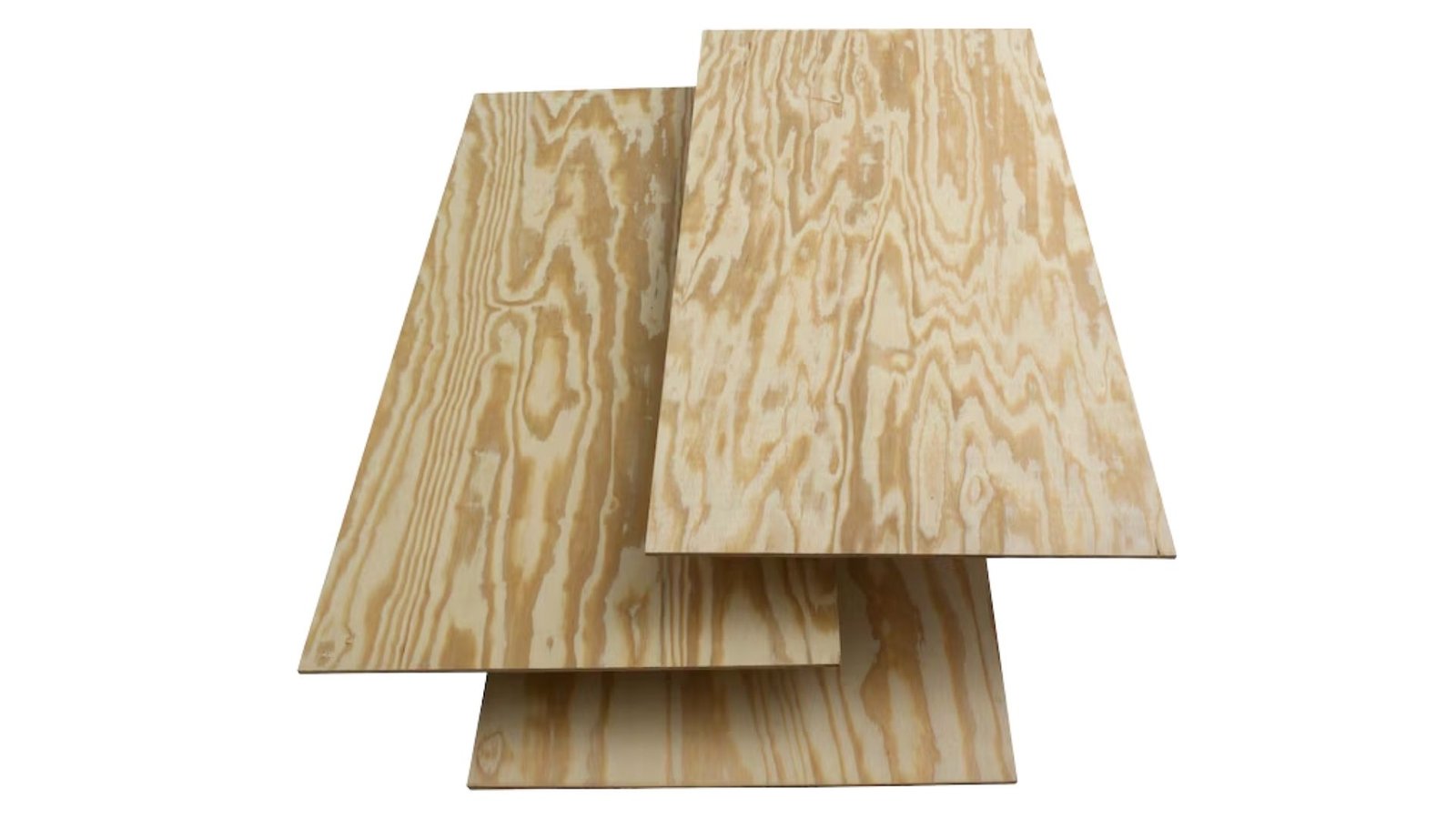
BCX plywood is a softwood plywood with a B-grade face, a C-grade back, and exterior-rated adhesive.
It is used where one side needs a smoother finish and limited moisture resistance is required.
The B face is sanded and allows small knots and minor defects. The C face is rougher and may contain visible knots, patches, and color variation.
The X indicates exterior-grade glue that resists moisture but is not waterproof.
BCX plywood is made from thin veneers layered with alternating grain direction to improve strength and stability.
It is sold mainly in 4×8 sheets and project panels. Common thicknesses are ⅜ inch, ½ inch, ⅝ inch, and ¾ inch.
Thicker panels offer more strength and higher cost, while thinner panels suit light-duty use.
How BCX Plywood Is Manufactured
BCX plywood is made from common softwood species chosen for strength and availability, including fir, pine, and spruce.
Logs are peeled into thin veneers and dried. The veneers are graded, with higher-quality sheets used for the B-grade face and lower-grade veneers used for the C-grade back and core layers.
The veneers are stacked with alternating grain direction and bonded using an exterior-grade phenolic resin.
This adhesive resists moisture and maintains bond strength under humidity and short-term wet exposure.
Finished panels are pressed, trimmed, and inspected to meet APA and PS 1 (U.S. Product Standard) requirements for strength, bonding, thickness tolerance, and overall quality.
How BCX Differ From ACX And CDX Plywood
BCX, ACX, and CDX plywood differ in surface quality, cost, and intended use. Knowing these differences helps you choose the right panel for visible or structural applications.
BCX vs. ACX Plywood
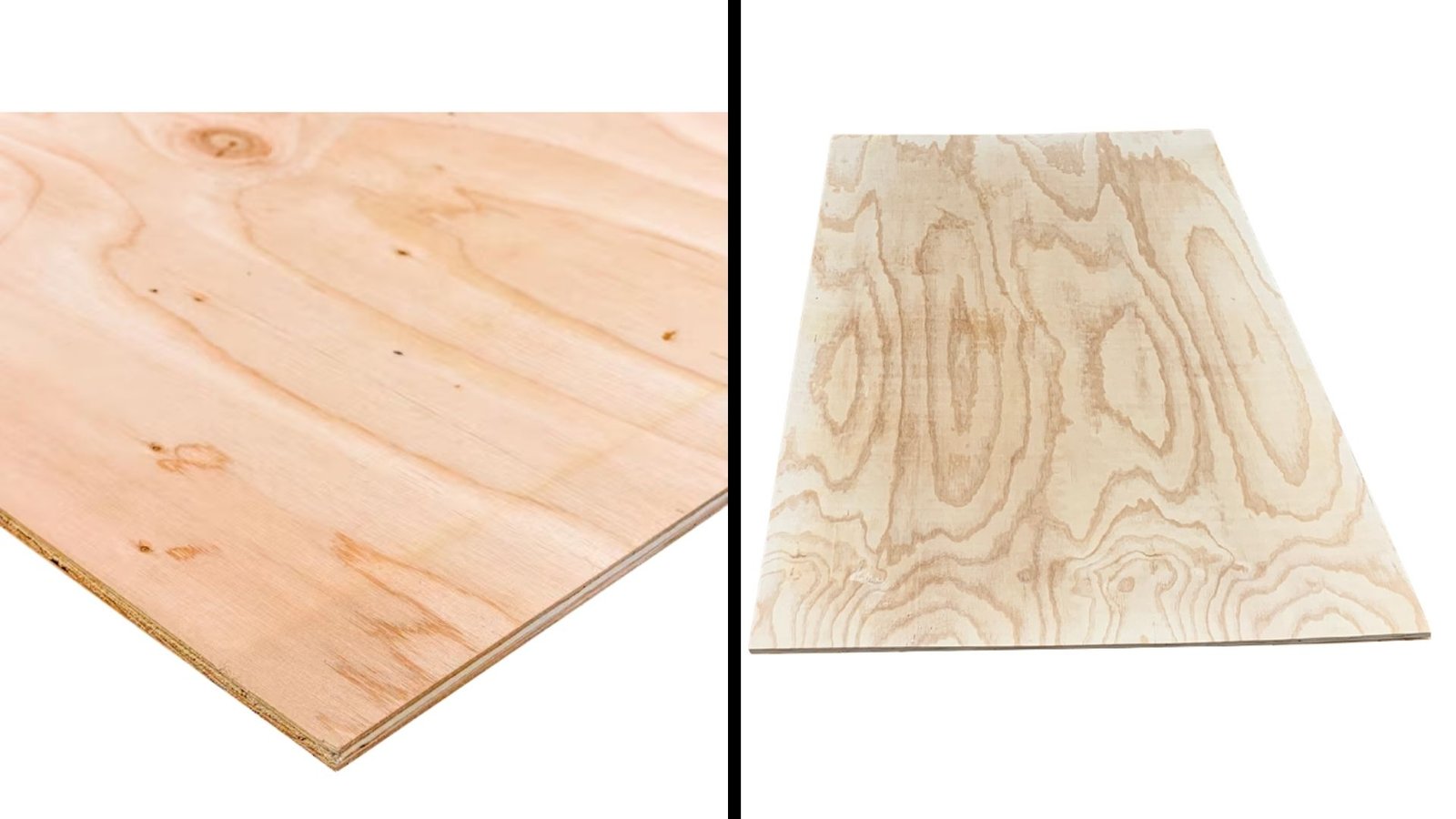
BCX and ACX plywood both use exterior-rated adhesive. The main difference between them is face quality and finish level.
Face quality:
BCX plywood has a B-grade face that is machine-sanded and fairly smooth but allows small knots, tight repairs, and minor color variation.
ACX plywood uses an A-grade face with a very clean, uniform surface, minimal visible defects, and a finish-ready appearance.
Cost and value:
BCX plywood is more affordable because the face veneer allows limited cosmetic flaws while maintaining strength.
ACX plywood costs more due to stricter grading standards on the visible face, not because it is structurally stronger.
Best applications:
BCX plywood is commonly used for cabinet interiors, shelving, wall panels, and projects where one side is visible but not decorative.
ACX plywood is better suited for exposed panels, furniture parts, and painted or stained surfaces where appearance is important.
When ACX is worth the upgrade:
BCX works well when light sanding or surface prep is acceptable.
ACX is worth choosing when the surface will remain fully visible and requires a smooth, uniform finish with minimal work.
BCX vs. CDX Plywood
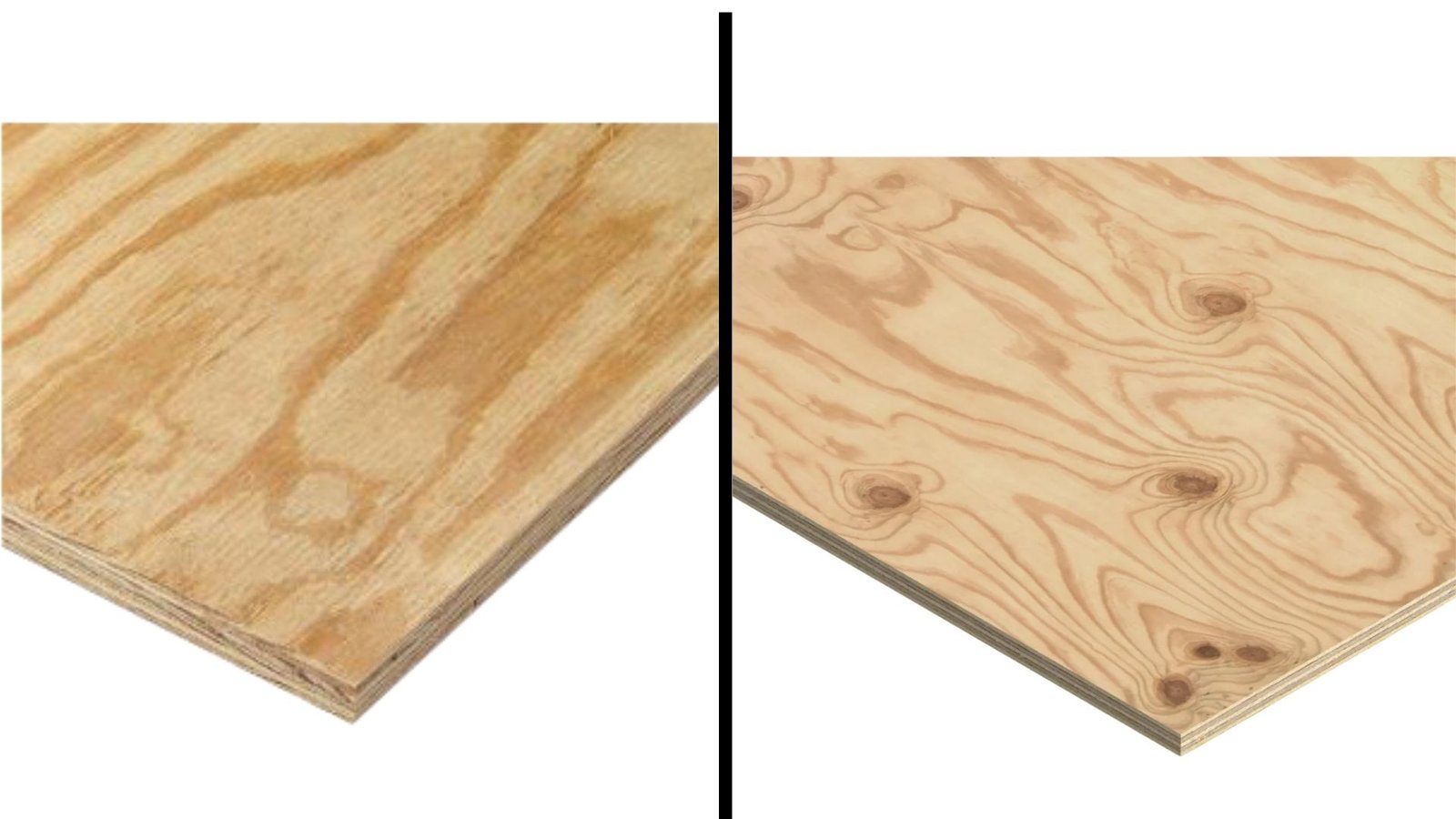
BCX and CDX plywood serve different purposes. One balances appearance and strength, while the other focuses on structural performance.
Primary purpose:
BCX plywood is a semi-finish grade designed to balance appearance with moderate structural strength.
CDX plywood is a construction-grade panel made primarily for structural support rather than visual quality.
Appearance and defects:
BCX plywood limits knot size and surface repairs on the face side to maintain a cleaner look.
CDX plywood allows large knots, splits, patches, and rough texture on both faces.
Moisture resistance:
BCX plywood uses exterior-rated adhesive suitable for humidity and brief moisture exposure.
CDX plywood also uses exterior glue but is intended to be covered and protected from direct exposure.
Surface suitability:
BCX plywood can be used where the panel may remain visible after installation.
CDX plywood is not suitable for exposed surfaces due to its uneven texture and unfinished appearance.
BCX offers a better appearance than CDX at a lower cost than ACX. It is a practical choice when moderate finish quality and moisture resistance are needed.
Quick Comparison of BCX With ACX And CDX
This table highlights the key differences between BCX, ACX, and CDX plywood at a glance.
It helps compare appearance, performance, and cost without digging into technical details.
|
Feature |
BCX Plywood |
ACX Plywood |
CDX Plywood |
|
Appearance |
One smooth, sanded B-grade face, back face has visible knots and patches |
Very smooth A-grade face with minimal defects, cleaner overall look |
Rough surfaces on both sides with large knots and visible defects |
|
Glue type |
Exterior-rated adhesive (Exposure 1) |
Exterior-rated adhesive (Exposure 1) |
Exterior-rated adhesive (Exposure 1) |
|
Strength |
Moderate strength suitable for general use and light structural needs |
Similar structural strength to BCX, appearance-focused |
High structural strength designed for construction |
|
Moisture resistance |
Resists humidity and short-term moisture exposure |
Resists humidity and short-term moisture exposure |
Resists moisture but intended to be covered |
|
Typical uses |
Shelving, cabinet interiors, wall panels, soffits |
Exposed panels, furniture parts, painted or stained projects |
Roof decking, wall sheathing, subfloors |
|
Cost range |
Mid-range |
Highest among the three |
Lowest cost option |
This comparison makes it easier to match each plywood type to the right project. Choosing the correct grade helps balance appearance, durability, and budget.
Common Uses of BCX Plywood
BCX plywood is used where moderate strength and limited moisture resistance are required. It works well for projects where one side may be visible but not finish-critical.
Interior applications: BCX plywood is commonly used for subfloors and underlayment beneath finished flooring. It is also used for cabinet backs, furniture bases, and wall sheathing behind finished surfaces.
Exterior and semi-exterior applications: BCX plywood is used for painted exterior siding when properly sealed. It is also suitable for roof decking in protected areas and covered utility structures or sheds.
Pros and Cons of BCX Plywood
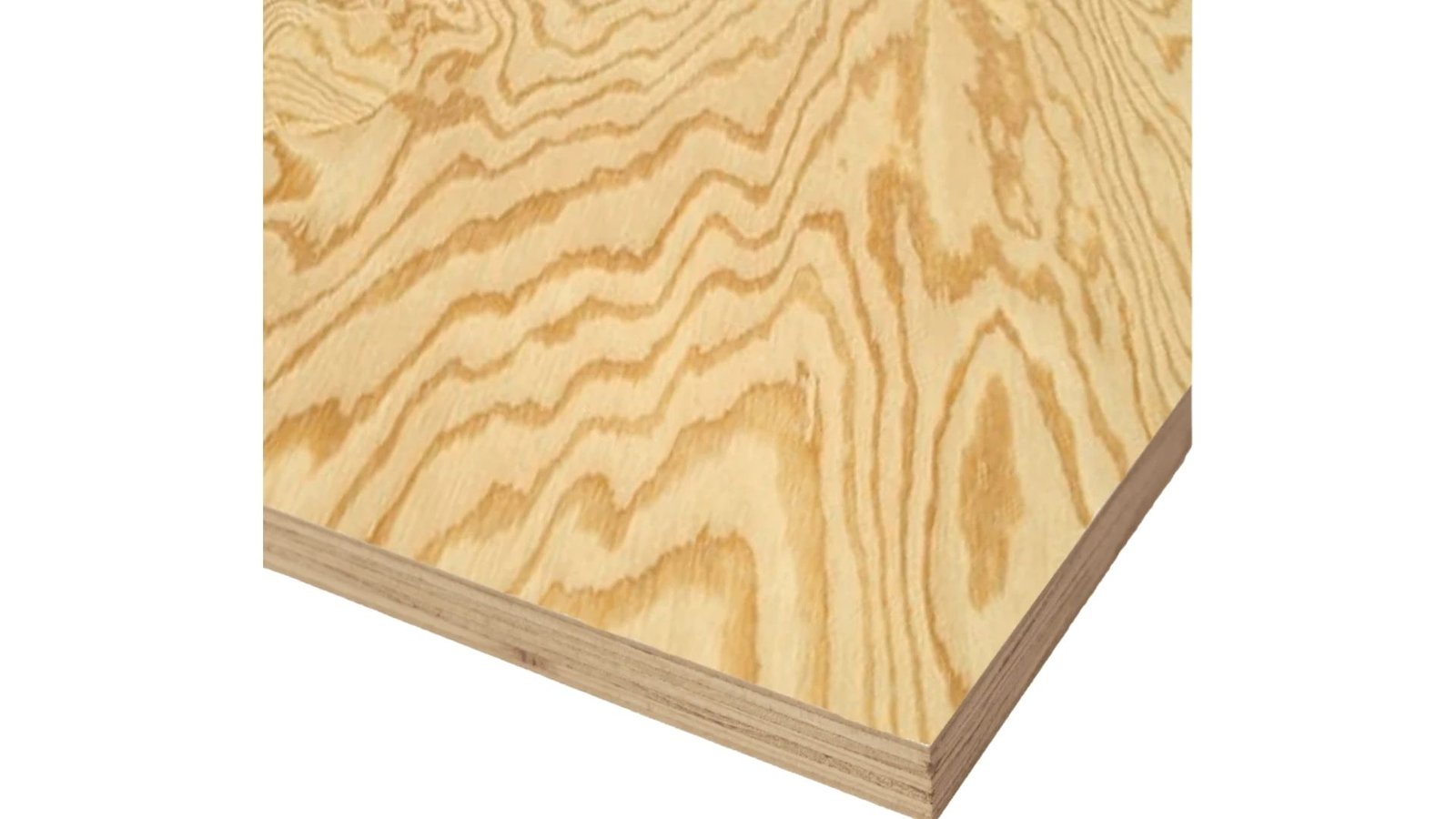
BCX plywood offers a balance of strength, appearance, and cost. It performs well in many applications but has clear limitations for finish-grade work.
Pros
BCX plywood performs well in projects where durability and appearance must be balanced. Its construction and grading make it reliable for everyday use.
- Uses exterior-rated adhesive that resists moisture and humidity
- Provides better surface appearance than CDX plywood
- Costs less than ACX plywood while offering similar strength
- Suitable for mixed-use projects requiring moderate strength and appearance
Cons
BCX plywood has clear limits when appearance is the top priority. These factors matter most for exposed or decorative applications.
- Not furniture-grade on both sides due to the C-grade back
- Requires sanding, sealing, or painting when left exposed
- Not suitable for high-end visible cabinetry or fine furniture
How to Choose Between BCX, ACX, and CDX
Choosing the right plywood depends on how the panel will be used, how visible it will be, and how much finish quality is required.
Choose BCX plywood If:
It is the best choice when one side of the panel will be visible and moderate moisture resistance is needed.
It offers a clean face without the higher cost of premium grades, making it suitable for general projects where budget and appearance both matter.
Choose ACX plywood If:
It should be chosen when finish quality is critical.
Its smooth, high-grade face works well when both sides may be visible or when minimal surface preparation is desired.
Choose CDX plywood If:
It is designed for structural use where strength is the main concern.
It is best used in areas that will be covered, as appearance and surface quality are not priorities.
Final Thoughts
BCX plywood stands out because it balances strength, surface quality, and cost in a way I have seen work across many real projects.
When one side needs to look clean and the panel still has to handle moisture and daily use, this grade makes sense.
Understanding where BCX plywood fits compared to ACX and CDX helps you avoid overbuying or underbuilding.
Choose the grade that matches your project needs, then start building with confidence!
Frequently Asked Questions
Is BCX good for cabinets?
BCX plywood is suitable for cabinet backs, interiors, and bases where one side is not visible. It is not ideal for cabinet doors or exposed faces that require a premium finish.
Can BCX be used outdoors?
BCX plywood can be used outdoors only in protected or covered areas. It should be sealed and not exposed to constant rain or direct weather.
Can BCX plywood be painted or stained?
BCX plywood can be painted easily on the B-grade face after light sanding. Staining is possible, but results may vary due to knots and color variation.
Which side of BCX plywood should face outward?
The B-grade face should face outward or remain visible. The C-grade side is meant to be hidden due to knots and surface defects.
Does BCX plywood need to be sealed before use?
Yes, BCX plywood should be sealed if it will be exposed to moisture or humidity. Sealing the surface and edges helps prevent swelling, warping, and surface damage over time.


