
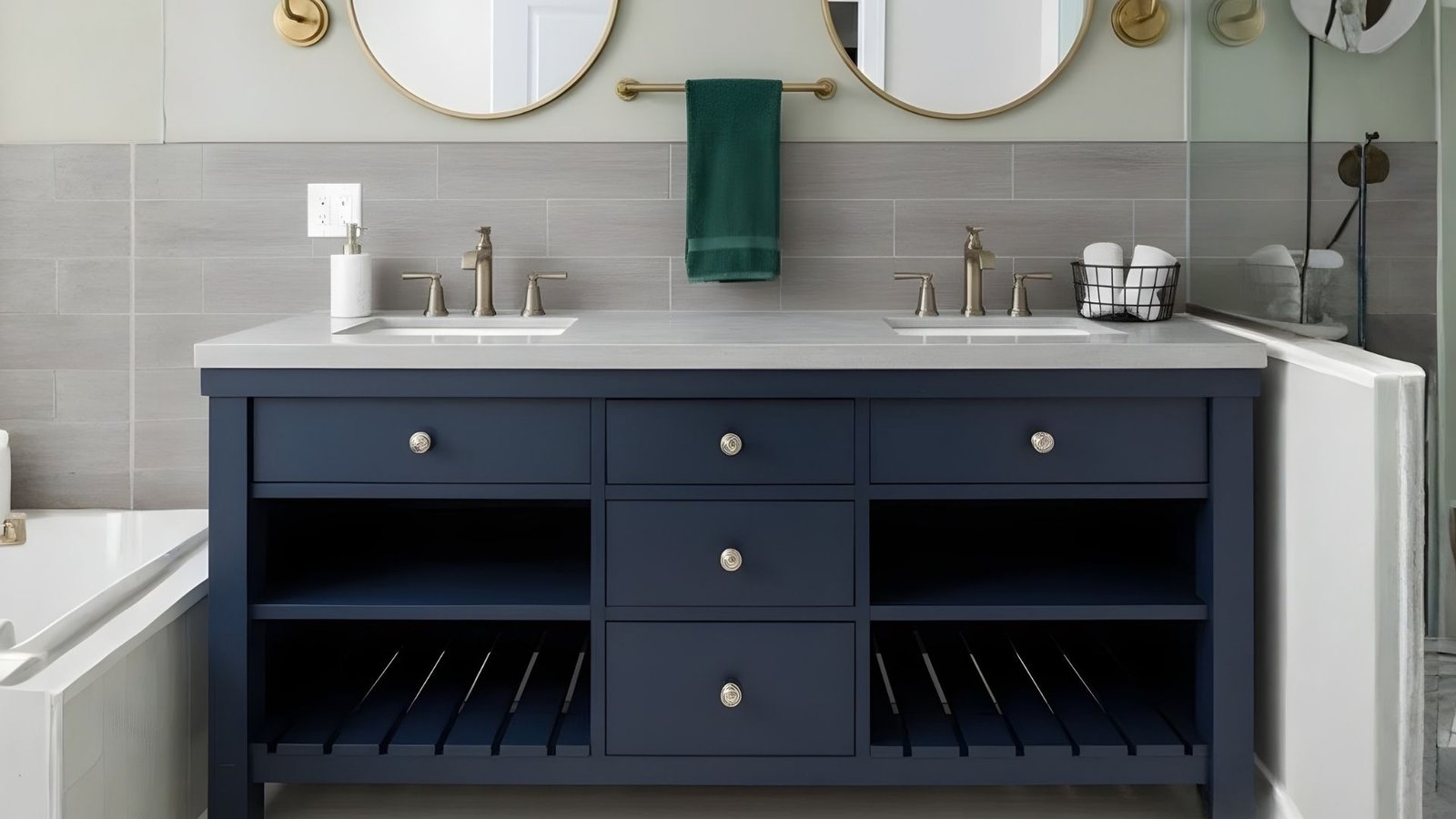
Are you unsure what the right standard vanity height is for your bathroom? Choosing the correct height can make your space more comfortable, functional, and tailored to your needs.
I’ve spent years designing bathrooms and learned that even small details like countertop height can change your morning routine, from brushing teeth to getting ready for work.
In this guide, you’ll learn everything from standard and comfort heights to sink types with necessary tips.
Keep reading to find the answers you’ve been looking for and make your bathroom both stylish and practical.
What Is the Standard Vanity Height?
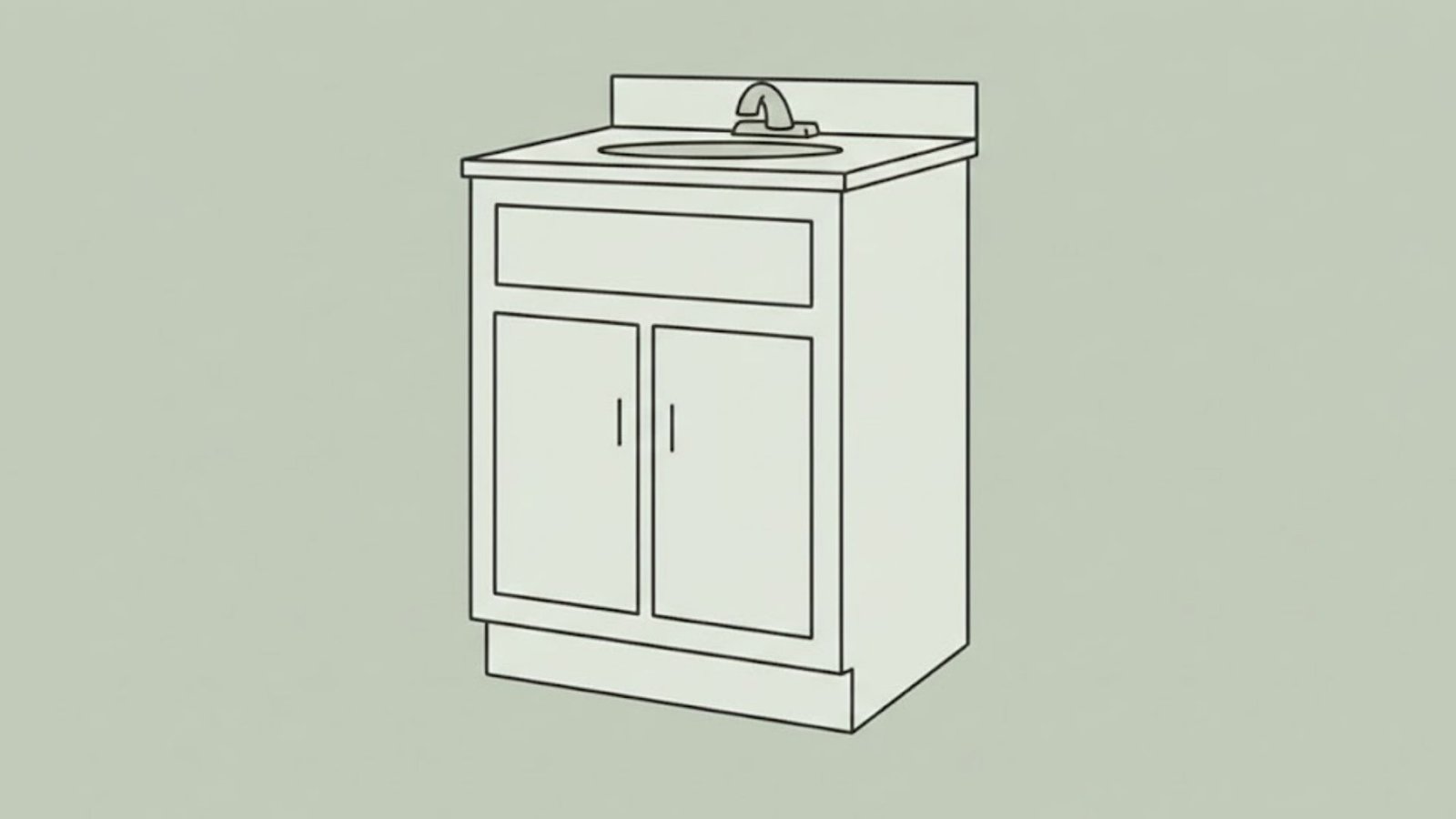
Standard vanity height is the measurement from the finished floor to the top of the bathroom countertop.
It includes the vanity cabinet and countertop but excludes above-counter sinks.
The standard vanity height range is 30 to 36 inches. Older homes commonly fall on the lower end, while newer homes tend to use taller vanities.
The most common modern standard is 34 to 34½ inches. This height works well for most users and is widely used in shared and everyday bathrooms because it offers a comfortable reach without excessive bending.
Standard vs. Comfort Vanity Height
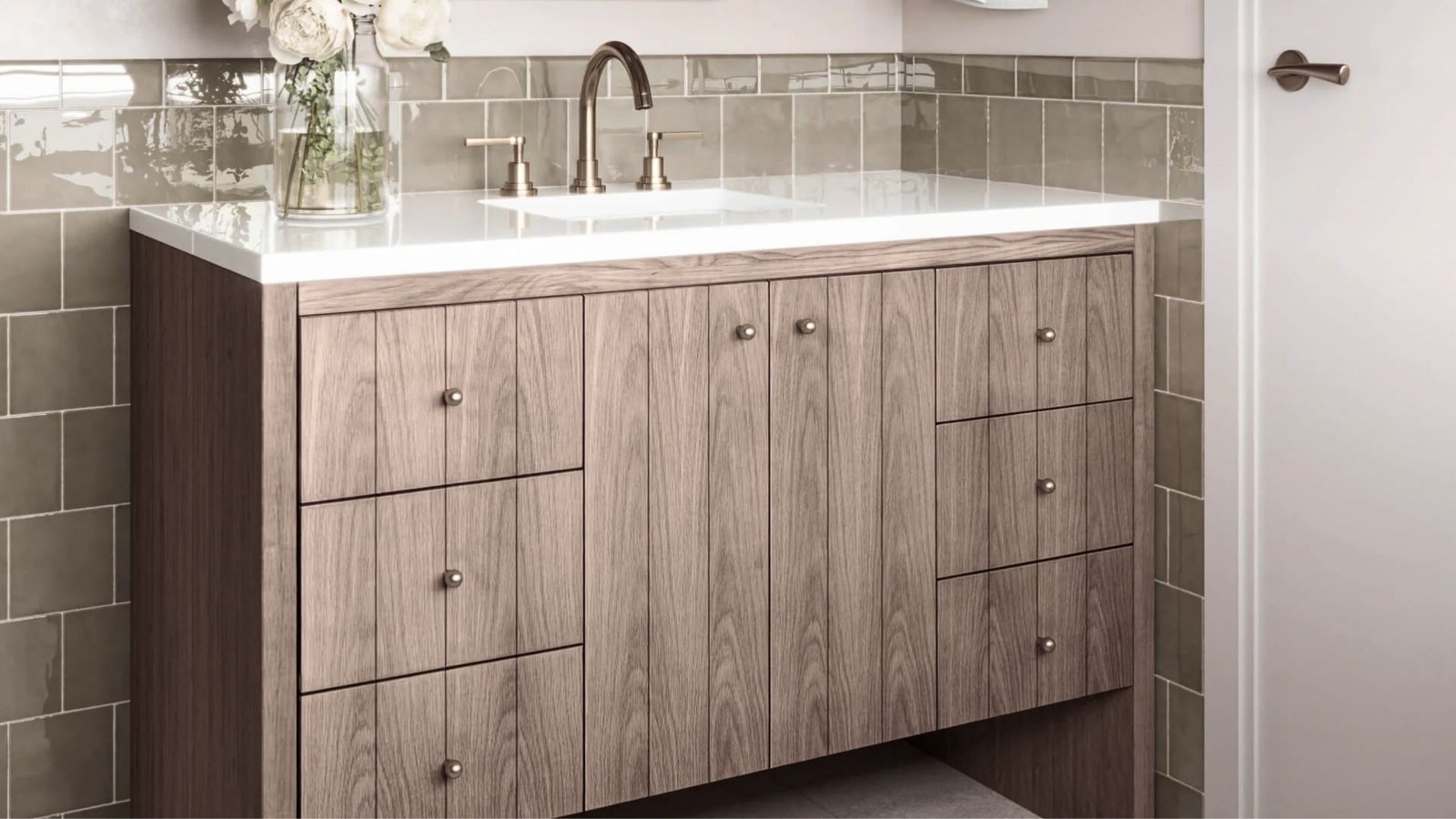
Choosing between standard and comfort vanity height depends on who uses the bathroom most and how the space functions daily. Both options are common, but each serves a different need.
Standard Vanity Height (30-34 Inches)
Standard vanity height works best in bathrooms used by children or shorter adults. It provides easier access to the sink without the need to stretch or use a stool.
This height is commonly found in:
- Kids’ bathrooms
- Guest bathrooms
- Shared family bathrooms
Standard-height vanities are also typical in traditional homes and older construction, where lower counter heights were the norm.
Comfort Height Vanity (34-36 Inches)
Comfort height vanities are designed for adult use, especially for average to taller users. The added height reduces bending, which helps minimize back and neck strain during daily routines.
This height:
- Matches standard kitchen counter height
- Feels more ergonomic for adults
- Is commonly used in master bathrooms
Comfort height is now preferred in modern renovations and new builds because it offers better long-term comfort.
Bathroom Vanity Dimensions That Affect Height
Choosing the standard vanity height for bathroom means more than just picking a style. Width, depth, and sink configuration all influence comfort and usability.
|
Dimension |
Details |
Notes |
|
Width (Single Sink) |
24-48 inches |
Works well for powder rooms, guest baths, or compact layouts |
|
Width (Double Sink) |
48-72 inches |
Ideal for master bathrooms or shared spaces |
|
Depth (Standard) |
18-21 inches |
Provides enough counter space without restricting movement |
|
Depth (Shallow) |
14-16 inches |
Best for small bathrooms where space is limited |
Understanding these dimensions ensures your vanity fits perfectly and works for everyone.
Proper planning creates a bathroom that’s both functional and comfortable.
Standard Vanity Height by Sink and Installation Type
Vanity height affects comfort and usability. Sink type and installation style determine the right height for your bathroom.
Undermount and Drop-In Sinks
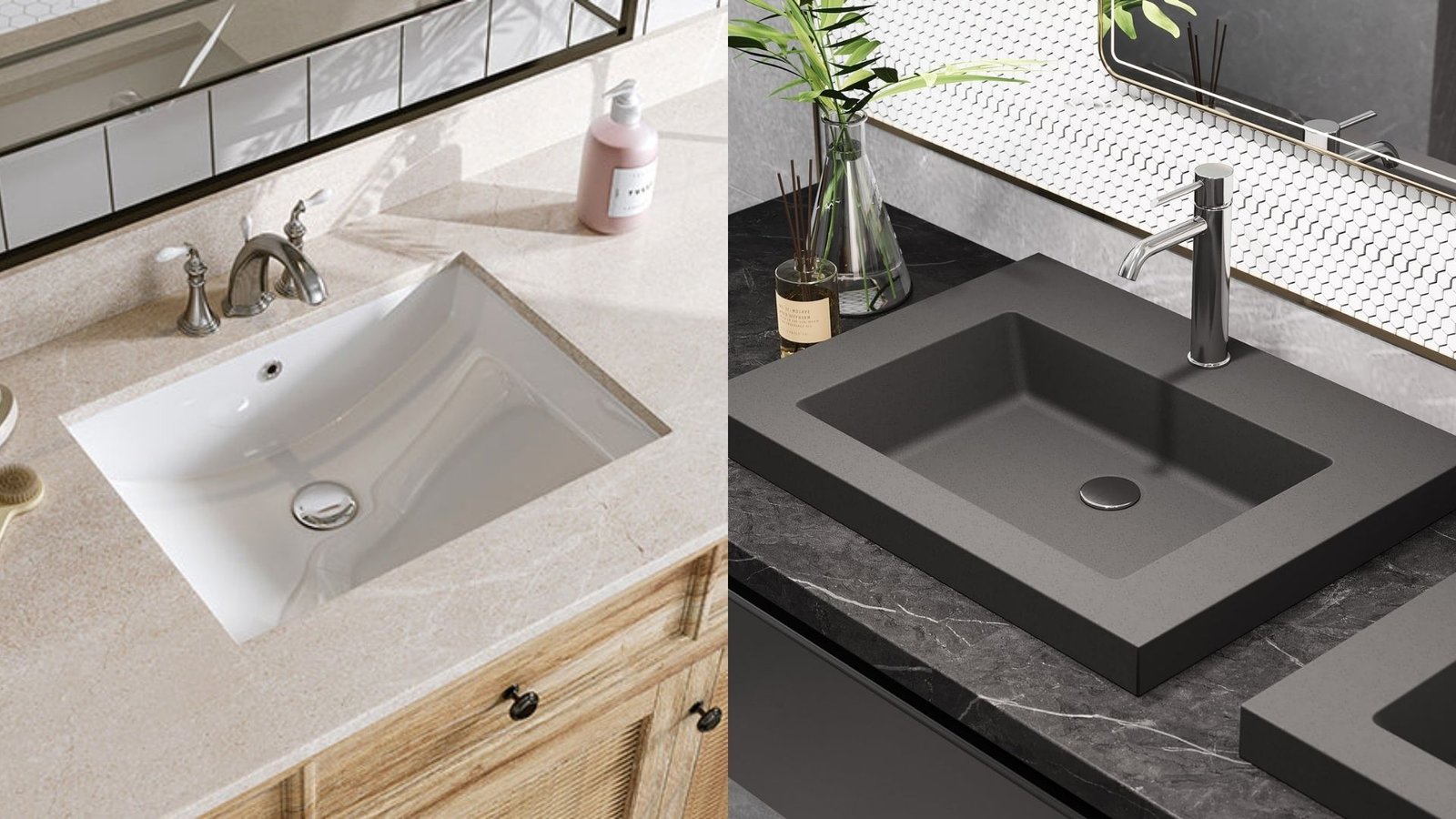
Undermount and drop-in sinks sit flush with or slightly below the countertop.
They allow the vanity to maintain its full cabinet height, making them compatible with both standard (30-34 inches) and comfort (34-36 inches) vanity heights.
These sinks are practical and work well in most bathrooms without requiring adjustments.
Vessel and Floating Vanities
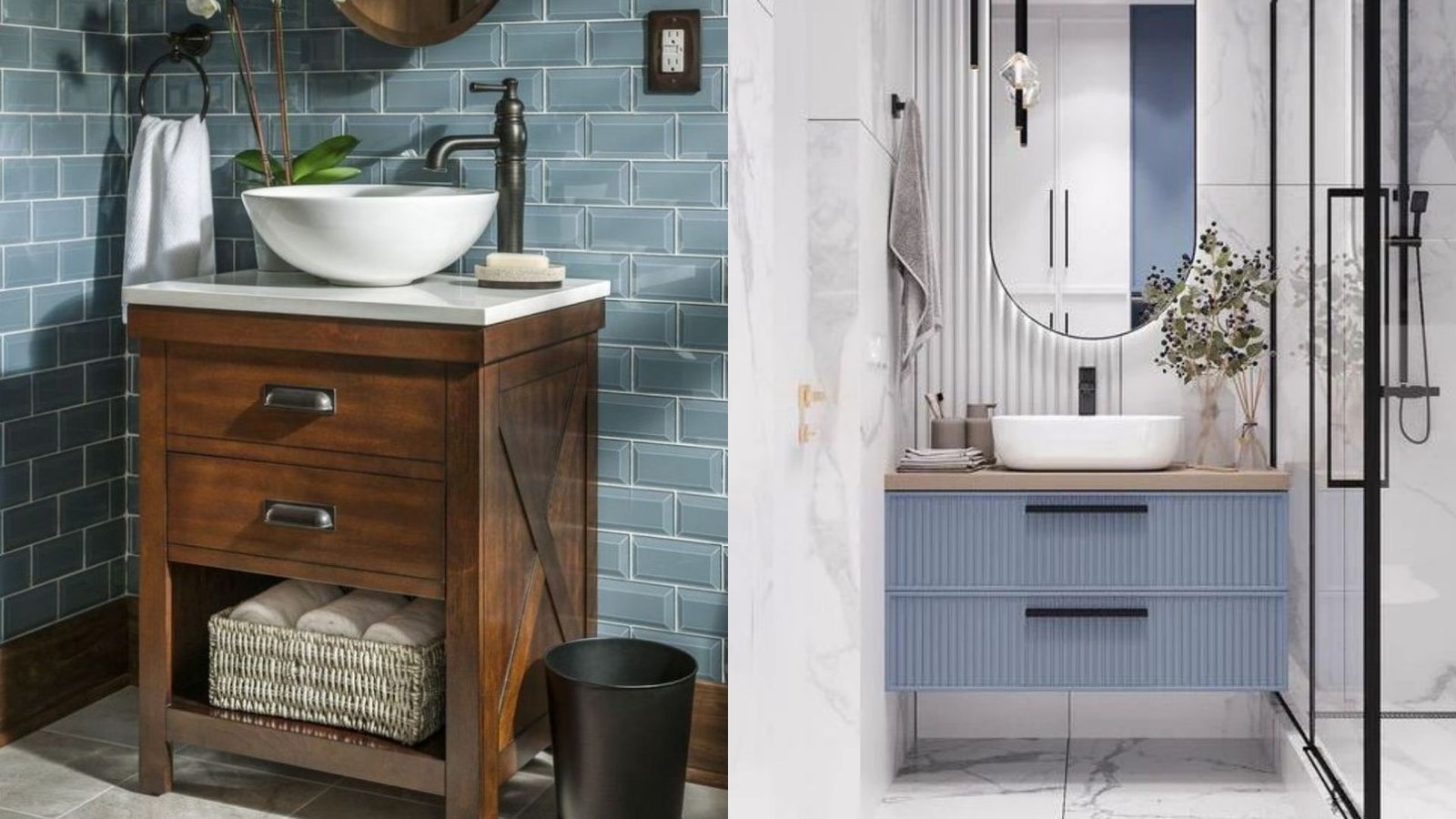
Vessel sinks sit on top of the countertop, so cabinets are usually lower, around 24-27 inches, to keep the final sink height comfortable at 34-36 inches.
Floating vanities are wall-mounted and can be installed at adjustable heights, typically 34-36 inches.
Their height can be customized for ergonomic comfort, plumbing requirements, and modern design aesthetics.
How to Choose the Right Vanity Height for Your Bathroom
Choosing the right vanity height is essential for comfort and usability. The ideal height depends on the user’s height and how the bathroom is used on a daily basis.
Based on User Height
Vanity height should align with the primary users’ stature:
- Under 5’4″: Lower vanities, typically 30-32 inches, make it easier for shorter adults and children to reach the sink comfortably.
- 5’5″-5’10”: Standard heights of 32-34 inches work well for most adults, offering a balance of comfort and practicality.
- 6′ and taller: Comfort heights of 34-36 inches reduce bending, back strain, and make daily tasks like washing hands or brushing teeth more ergonomic.
Based on Bathroom Type and Daily Use
Consider the type of bathroom and what activities take place:
- Bathroom Type: Master bathrooms can benefit from comfort-height vanities, while guest or kids’ bathrooms may do well with standard or lower heights.
- Daily Activities: Grooming, shaving, and makeup routines may require a slightly taller vanity for better ergonomics.
- Accessibility Needs: For aging-in-place or shared family bathrooms, ensure the vanity height accommodates all users and allows for easy use, including those with mobility limitations.
The right vanity height ensures comfort and usability for all users. Consider user height, bathroom type, and daily activities when deciding.
ADA-Compliant Vanity Height Guidelines
ADA-compliant vanity heights are designed to make bathrooms accessible and safe for people using wheelchairs or with limited mobility.
The maximum countertop height is 34 inches from the floor, which ensures users can comfortably reach the sink without strain.
In addition to height, knee clearance is essential: there should be at least 27 inches of space vertically, 30 inches wide, and 19 inches deep under the sink to allow a wheelchair to fit easily.
The sink placement and plumbing must also be designed so that users can access the faucet without obstruction.
These vanities are particularly useful for aging-in-place bathrooms, shared family spaces, or any design that prioritizes accessibility while maintaining functional and ergonomic use for all.
Common Vanity Height Mistakes to Avoid
Choosing the wrong vanity height can cause discomfort, limit functionality, and create costly issues during installation.
Here are the key mistakes to avoid:
- Ignoring sink height and countertop thickness, which can affect comfort.
- Prioritizing style over practicality.
- Misaligning mirrors and lighting, impacting usability.
- Overlooking plumbing rough-ins, causing installation challenges.
- Selecting a vanity too deep, reducing walking clearance.
- Not accounting for user height, leading to strain.
- Neglecting accessibility for children, elderly, or wheelchair users.
- Installing floating vanities at improper heights.
- Failing to consider future needs, like resale value or aging-in-place.
Final Thoughts
Choosing the right standard vanity height can completely change how comfortable your bathroom feels every day.
After years of planning and designing spaces, I’ve learned that small details like height make a big difference in daily routines, from brushing teeth to getting ready in the morning.
Take your time to measure, plan, and select wisely to create a bathroom that works perfectly for you.
Have you decided on the ideal vanity height for your space? Drop a comment below and share your thoughts or questions!
Frequently Asked Questions
How High Should a Floating Vanity Be Mounted?
Floating vanities are typically mounted 12-15 inches off the floor. The countertop should be at 34-36 inches for comfort, allowing easy cleaning underneath and ergonomic use.
Is Comfort Height Worth It?
Yes, comfort-height vanities (34-36 inches) are ideal for adults, especially taller users. They reduce back and neck strain and align with kitchen counters for a cohesive home design.
What Height Do Builders Recommend?
Builders usually recommend 34-36 inches for master bathrooms and comfort height, while 30-34 inches works for guest or kids’ bathrooms, depending on the primary users.
Can I Mix Vanity Heights in One Home?
Yes, mixing vanity heights is possible. Use comfort height in master bathrooms and standard height in kids’ or guest bathrooms to suit different users’ needs.
What Height Is Best for Resale?
For resale purposes, comfort-height vanities (34-36 inches) are preferred as they appeal to most buyers and are considered modern and ergonomic.


